




IntelliPaper
Abstract
Security issues are becoming more and more important in today's environment, necessitating increased attention to detail because of the rising dangers of infiltration and dangerous situations. Gas leaks and fires are among the most urgent hazards to residential and commercial safety as they may cause a devastating loss of life and property. Conventional alarm systems that just use sound signals frequently fail to guarantee prompt human reaction, particularly in situations where inhabitants are not present. Using Internet of Things (IoT) devices that are coupled with GSM (Global System for Mobile Communications) technology, this study suggests a real-time gas leak and fire detection system that sends timely SMS notifications. To identify anomalies, the system uses an Atmega644P microprocessor that is interfaced with gas and fire sensors, relays, and buzzers. Through the SIM548C GSM module, which notifies pre-designated emergency contacts via SMS in real time, the system instantly sounds an alarm in the event of a gas leak or fire. This rapid communication mechanism ensures faster response and mitigates potential damage. The increasing importance of intelligent, real-time safety systems in tackling contemporary security issues is highlighted by this review.
Explore Digital Article Text
I. INTRODUCTION
Among the most destructive risks that both residential and commercial buildings must deal with are gas leaks and fires. In addition to posing major risks to human life, these occurrences have the potential to cause significant property damage, environmental contamination, and financial loss. The World Health Organization (WHO, 2022) states that gas leaks and other forms of indoor air pollution are major causes of health issues and deaths annually. According to the National Fire Protection Association [NFPA], 2023, fire outbreaks cause billions of dollars' worth of damage and hundreds of fatalities per year.
Conventional safety devices, like gas leak detectors or smoke alarms, frequently use sound signals to warn people of danger. These systems can have limitations, though, especially when there are a lot of noise around or when inhabitants are not there or are sleeping. Disaster risk increases when emergency action is delayed due to these systems' incapacity to instantly alert external parties (Al-Khateeb & Saadeh, 2020). Modern safety systems are moving toward intelligent, networked technology to overcome these constraints. The SMS-based gas leak and fire alarm detection system is one example of an invention that uses wireless communication and sensor technologies to deliver real-time notifications. When dangerous situations are identified, the system may immediately send SMS alerts to pre-specified phone numbers by using GSM technology. This guarantees that vital notifications may reach building managers, emergency services, or homeowners even when no one is physically there, allowing for quick action (Kumar et al., 2021). For instantaneous local and remote notifications, the suggested system combines high-sensitivity gas and flame sensors with an Atmega644P microprocessor and a SIM548C GSM module, backed by relays and buzzers. The technology immediately sends SMS notifications to numerous recipients as soon as a fire or gas leak is detected, greatly enhancing emergency awareness and reaction times.
This system is perfect for deployment in a variety of locations, including office buildings, industrial facilities, and private dwellings, since it is affordable, scalable, and easy to use. Additionally, even in contexts with limited resources, its use of off-the-shelf components guarantees maintainability and simplicity of deployment. This research intends to minimize damage and casualties from gas and fire-related incidents, decrease emergency response times, and create a better living and working environment by putting such an IoT-based alert system into place.
2.1 Problem Statement
The possibility of gas leaks and fire occurrences presents serious risks to home and company safety in today's quickly changing metropolitan landscapes. Conventional detection systems frequently have poor communication capabilities, which causes delays in emergency responses and raises the risk of disastrous consequences. Injuries, deaths, and property damage may result from evacuation attempts and emergency interventions being hampered by the lack of real-time notifications.
The goal of this project is to create a Smart Safety Solution that uses Internet of Things devices to deliver real-time SMS warnings for fire and gas leak detection. The system will provide instant communication to specified emergency contacts by combining high-sensitivity sensors and GSM technology, enabling prompt response and enhancing general safety. Through improved detection accuracy, fewer false alarms, and a scalable, user-friendly interface, the suggested approach aims to overcome the drawbacks of traditional systems. The ultimate goal of this project is to provide a strong safety framework that considerably lowers the risks related to fire dangers and gas leaks.
1.2 Scope
The scope of the Smart Safety Solution includes deploying Internet of Things (IoT) sensors to monitor gas leaks and fire threats in real-time, sending instant SMS warnings to specified emergency contacts for prompt action. Its advantages include an easy-to-use interface, scalability for different contexts, and integration with pre-existing alarm systems. The possibility of sensor errors, reliance on cellular network availability for SMS notifications, and upfront setup expenses, which can put off some customers, are some drawbacks. Furthermore, to guarantee maximum performance, constant maintenance is necessary, and user setup errors may result in ineffective alarms, jeopardizing safety.
1.3 Limitations of the Study
The accuracy of sensors, which can be impacted by external variables and result in missed detections or false warnings, is one of the limitations of the Smart Safety Solution research. Furthermore, because the system depends on cellular network availability to provide SMS messages, communication may be delayed or fail in places with weak connections. Widespread adoption may be hampered by cost issues, especially for low-income homes, and users lacking technical knowledge may find it difficult to maintain and calibrate sensors on a regular basis. Errors in user settings may also reduce the efficacy of alerts, and the system's performance in bigger or more complicated contexts may necessitate extra infrastructure. Lastly, strong security measures are required to safeguard user data from unwanted access due to data privacy issues.
1.4 Objectives
The primary objectives of the proposed SMS-based gas leakage and fire alarm detection system are:
i. Enhance Safety through Timely Detection:
ii. Real-Time Notification:
iii. Integration with Existing Systems:
iv. Scalability and Flexibility:
v. Reliability and Accuracy:
II. LITERATURE REVIEW
2.1 Introduction
Several technologies are integrated in the creation of an SMS-based gas leak and fire alarm detection system to improve safety in commercial, industrial, and residential settings. This study of the literature looks at recent research and developments in fire alarm systems, SMS-based warning systems, and gas detection technologies. Finding technological deficiencies and laying the groundwork for the suggested system that guarantees real-time hazard warnings and reaction are the objectives.
2.2 Gas Leakage Detection Systems
Gas leak detection systems play a critical role in preventing accidents caused by hazardous and combustible gases such as carbon monoxide (CO), propane , and methane , with researchers exploring various sensor technologies and system architectures to enhance reliability. The MQ-series sensors, including MQ-2, MQ-5, and MQ-9, are widely used due to their affordability and sensitivity to multiple toxic and flammable gases; they detect leaks by converting changes in electrical resistance—triggered by gas exposure—into analog signals for processing (Sharma & Agrawal, 2014). To expand monitoring coverage and ensure reliable detection across large areas, wireless sensor networks (WSNs) are employed, offering real-time data sensing and transmission ideal for industrial safety applications (Yick, Mukherjee, & Ghosal, 2008). Furthermore, integrating Internet of Things (IoT) platforms transforms gas detection systems into intelligent networks, enabling real-time alerts, visual analytics, and remote decision-making through mobile apps and cloud dashboards (Zhao, Li, & Da Xu, 2018).
2.3 Fire Alarm Detection System
The evolution of fire alarm detection systems has integrated various advanced sensors to improve early fire detection and response. Key among these are smoke detectors, which come in two main types: photoelectric detectors that are more effective at sensing smouldering fires, and ionization detectors that are more responsive to flaming fires, as noted by Bukowski et al. (2008). Heat detectors, which trigger alarms based on rapid temperature increases or fixed thresholds, are preferred in environments prone to dust or smoke that could trigger false alarms in optical systems (Jones, 2007). Additionally, flame sensors detect the ultraviolet (UV) and infrared (IR) radiation emitted by flames, making them highly suitable for high-risk areas such as fuel stations and industrial sites due to their rapid response capabilities (Kumar, Narayan, & Singh, 2015).
2.4 SMS-Based Notification Systems
GSM modules play a vital role in SMS-based alert systems by enabling real-time notifications even in the absence of internet connectivity. Modules such as the SIM800L and SIM900 are widely adopted due to their low power requirements and ease of integration with microcontrollers, supporting functions like GPRS data transfer, voice calls, and text messaging (Rahman, Hossain, & Rahman, 2016). SMS alerts are considered highly reliable during emergencies, as they do not depend on mobile apps or Wi-Fi infrastructure; Kumar and Sinha (2011) highlighted their effectiveness in disaster-prone areas where internet-based systems often failed. Furthermore, integrating GSM modules with IoT platforms allows systems to transmit sensor data to the cloud while sending SMS alerts for immediate human intervention, enhancing both system redundancy and responsiveness (Zhu, Leung, & Shu, 2018).
2.5 Combined Systems for Gas and Fire Detection
Multi-sensor systems that integrate gas and fire detection technologies significantly enhance safety coverage by providing more accurate and reliable threat identification. These systems combine various sensors—such as MQ-series gas sensors, smoke detectors, flame sensors, and heat detectors—with microcontroller units (MCUs) that analyze input data to determine the appropriate alert response (Lee & Park, 2016). The integration of GSM modules allows for real-time notifications through both local alarms (e.g., buzzers) and remote SMS alerts to users and emergency services, ensuring prompt action in critical situations (Ahmed, Rahman, & Khan, 2017). Additionally, these systems are designed with flexible user interfaces or mobile applications that allow users to configure alarm settings, sensor thresholds, and contact numbers, making them adaptable to different safety needs (Hussain, Khan, & Rahim, 2015).
III. SYSTEM DESIGN AND ARCHITECTURE
The system design of the SMS-based gas leakage and fire alarm detection system incorporates multiple hardware components integrated to achieve real-time detection and alert capabilities. The design emphasizes accuracy, responsiveness, and reliability through carefully selected sensors and microcontroller interfacing.
3.1 Components
Gas Detectors: Gas sensors such as MQ-2, MQ-5, and MQ-9 are employed to detect the presence of combustible and toxic gases like methane, propane, and carbon monoxide. These sensors work by changing their internal resistance in response to gas concentration, generating an analog voltage output .
Fire Detectors: Smoke, heat, and flame sensors are used to detect different fire indicators. Smoke detectors operate on photoelectric or ionization principles, heat sensors detect temperature rises, and flame sensors respond to ultraviolet (UV) or infrared (IR) emissions .
Microcontroller Unit (MCU): The central control is handled by a microcontroller such as Arduino Uno or ESP32, which processes input signals from sensors and controls output responses, including SMS alerts and buzzer activation .
GSM Module: A SIM800L or SIM900 GSM module is integrated to send SMS notifications to predefined phone numbers. These modules support standard AT commands for SMS transmission over 2G networks [4].
Power Supply: The system is powered by a 5V or 12V DC supply with optional battery backup to ensure continuous operation during power outages.
User Interface: A basic interface for setting recipient phone numbers and system reset functions may be included using buttons, an LCD, or serial input [5].
3.2 System Workflow
-
Detection: The sensors continuously monitor environmental conditions. If gas leakage or fire conditions are detected, the sensor outputs change accordingly.
-
Processing: The MCU receives the analog/digital signals and compares them against pre-defined thresholds.
-
Notification: If conditions exceed safe levels, the MCU activates the GSM module to transmit an SMS alert.
-
Alerting: The system can also trigger a buzzer, turn on LED indicators, and display messages on an LCD screen to notify locally.
3.3 Detailed System Design
3.3.1 Circuit Design
The circuit design for the SMS-based gas leakage and fire alarm detection system integrates various components to detect hazardous environmental conditions and initiate appropriate response mechanisms. The design prioritizes safety, modularity, and ease of implementation using widely available hardware components.
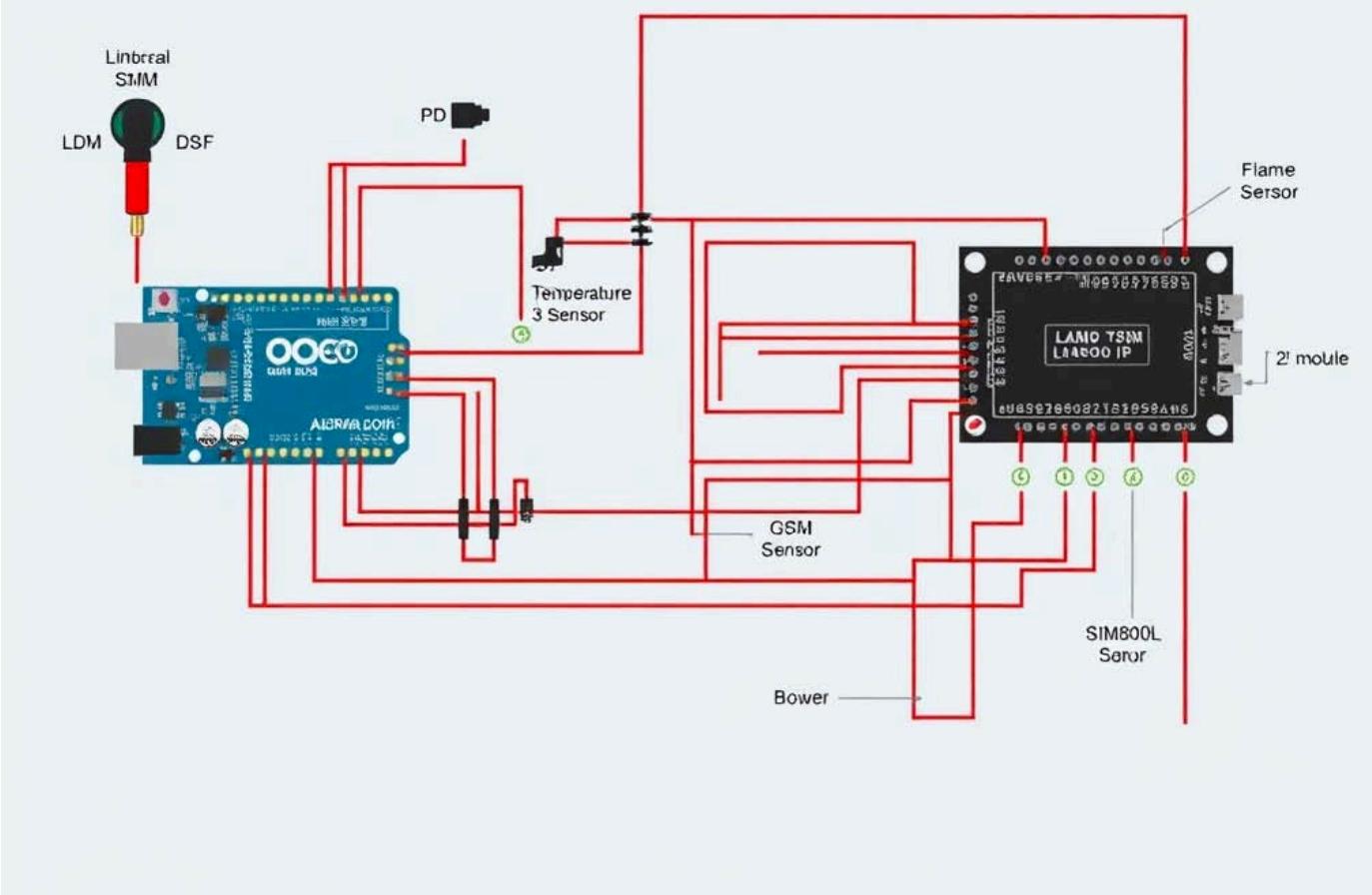
Figure 3.1: Circuit Diagram of Real-Time SMS-Based Gas Leakage and Fire Alarm Detection System Using IOE Devices
Overview
The system consists of three core functional blocks:
-
Sensing Unit – Comprising gas and fire detectors to monitor environmental conditions.
-
Control Unit – A microcontroller (e.g., Arduino Uno or ESP32) processes sensor signals and manages outputs.
-
Alert and Notification Unit – Includes a buzzer for local alarms and a GSM module (SIM800L/SIM900) for remote SMS alerts.
An optional user interface consisting of an LCD and LED indicators provides local system status updates.
Component List
| S/N | Component | Description |
| 1 | MQ-2/MQ-5/MQ-9 | Gas sensors for detecting methane, LPG, and carbon monoxide |
| 2 | Smoke Sensor | Detects presence of smoke (fire indicator) |
| 3 | Heat Sensor | Detects abnormal temperature rise |
| 4 | Flame Sensor | Detects flame using IR/UV light |
| 5 | Arduino Uno/ESP32 | Microcontroller for control logic |
| 6 | SIM8ooL/SIM9oo | GSM module for sending SMS alerts |
| 7 | 16x2 LCD Display (optional) | Displays system status and alerts |
| 8 | Buzzer | Emits sound in case of hazard |
| 9 | LEDs (optional) | Visual indication for gas leak or fire |
| 10 | Resistors & Capacitors | Supporting passive components |
| 11 | Power Supply (5V/12V) | Main power source with optional battery backup |
3.4 Functional Design Description
The SMS-based gas leakage and fire alarm detection system utilizes a microcontroller, such as an Arduino, to monitor environmental conditions through various sensors, including a gas sensor for detecting harmful gases, a temperature sensor for monitoring heat levels, and a flame sensor for fire detection. When any of these sensors detect unsafe conditions, the system triggers an alarm using a buzzer and LED indicators, while simultaneously sending an alert via SMS through a GSM module like the SIM8ooL. This system is designed for safety and quick response, making it essential in environments where gas leaks or fires pose significant risks.
3.5 Design Considerations
Here's a concise overview of the key considerations for your SMS-based gas leakage and fire alarm detection system:
-
Power Regulation: Ensure a stable 5V supply, particularly for the GSM module, which is sensitive to voltage fluctuations.
-
Isolation: Use opto-isolators or separate power supplies for high-power modules or relays to prevent interference.
-
Noise Reduction: Incorporate decoupling capacitors near the VCC lines of sensors and the GSM module to minimize noise and enhance stability.
-
Sensor Calibration: MQ sensors should be pre-heated and calibrated in a clean environment to ensure accurate detection of gas levels.
Subrecctiogsian AN SSEes GM Jatlently "Narnoe"
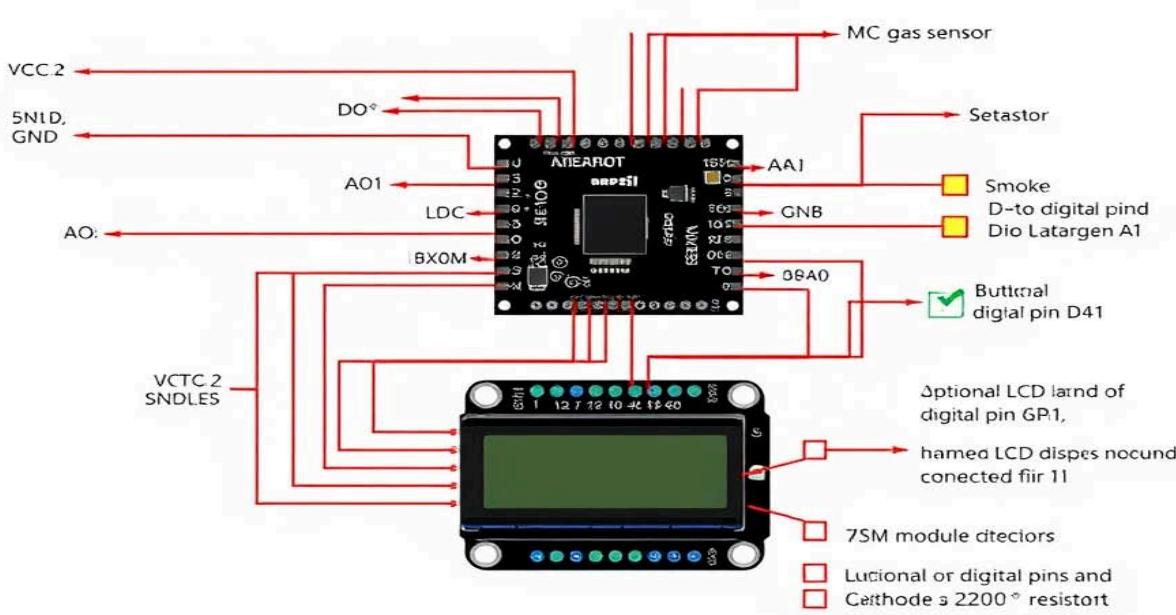
Figure 3.2: Circuit Connection of Real-Time SMS-Based Gas Leakage and Fire Alarm Detection System Using IOE Devices
i. Gas Sensor (e.g., MQ-2)
-
VCC → 5V (MCU)
-
GND → GND (MCU)
-
Ao → Analog input (e.g., Ao)
ii. Smoke Detector (Digital Output)
-
VCC → 5V
-
GND → GND
-
DO → Digital pin (e.g., D2)
iii. Heat Sensor
-
VCC → 5V
-
GND → GND
-
AO → Analog pin (e.g., A1)
iv. Flame Sensor (Digital Output)
-
VCC → 5V
-
GND → GND
-
DO → Digital pin (e.g., D3)
v. GSM Module (SIM8ooL)
-
VCC → 5V
-
GND → GND
-
TX → MCU RX (e.g., D10)
-
RX → MCU TX (e.g., D11)
vi. Buzzer
•
-
→ Digital pin (e.g., D4)
-
GND
vii. LCD Display (16x2) – Optional
- Connected via I2C/SPI or direct digital pins
viii. LED Indicators – Optional
-
Anode → Digital pins (e.g., D5, D6)
-
Cathode → GND through 220Ω resistor
Below is a simple schematic representation:
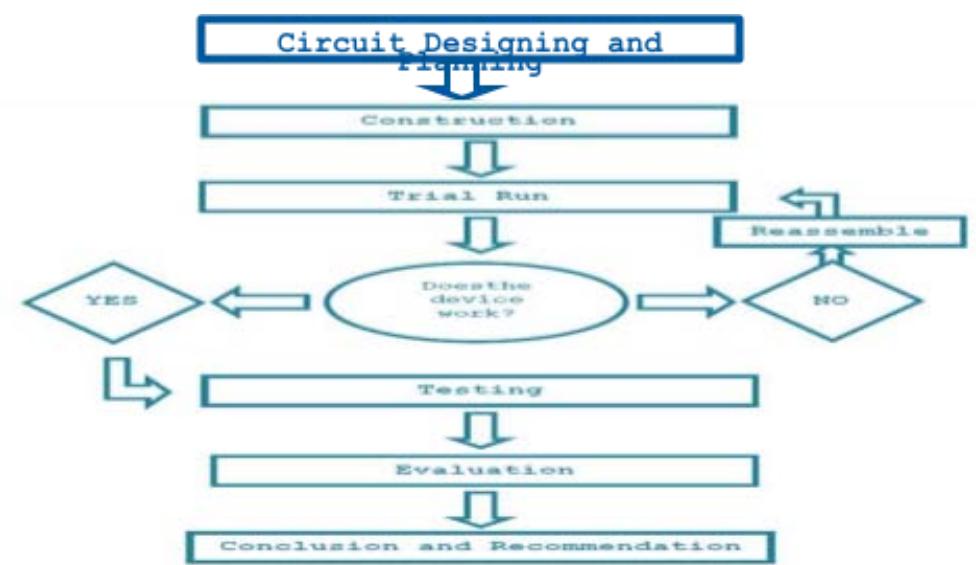
Figure 3.3: Flow chart of Real Time SMS-Based Gas Leakage and Fire Alarm Detection System Using IOE Devices
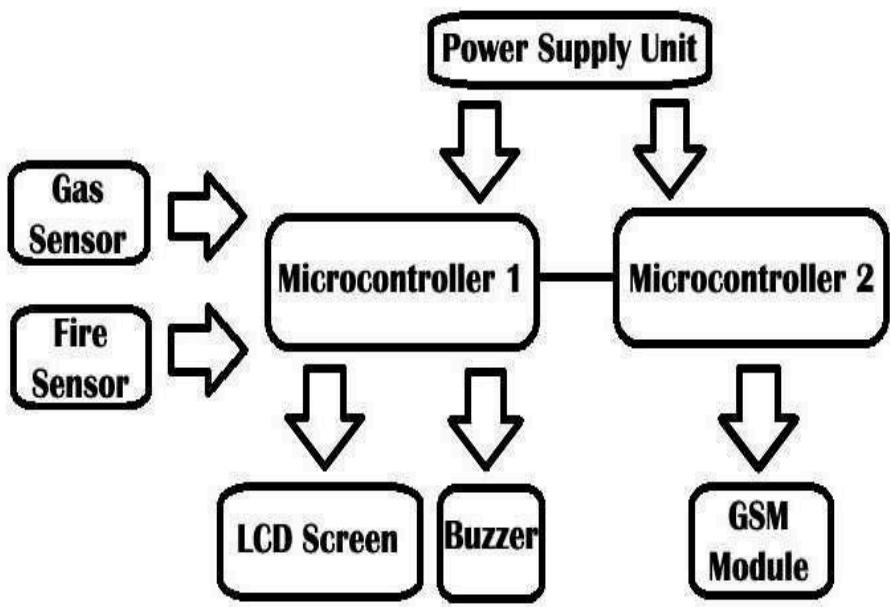
Figure 3.4: Block diagram of a Real Time SMS-Based Gas Leakage and Fire Alarm Detection System Using IOE Devices
Arduino Code
include <SoftwareSerial.h>
// GSM module connected to pins 7 (TX) and 8 (RX)
SoftwareSerial gsm(7, 8);
const int gasSensorPin = Ao; // MQ-2 Gas sensor connected to Ao const int flameSensorPin = 2; // Flame sensor connected to digital pin 2
const int buzzerPin = 3; // Buzzer connected to digital pin 3// Thresholds const int gasThreshold = 300; // Adjust as needed
const int flame Threshold = LOW; // Flame sensor gives LOW when fire is detected bool gasAlertSent = false;
bool flameAlertSent = false;
pinMode(gasSensorPin, INPUT);
pinMode(flameSensorPin, INPUT);
pinMode(buzzerPin, OUTPUT);
Serial.begin(9600);
gsm.begin(9600);
delay(1000);
$$
Serial.println("System Initialized");
$$int gasValue = analogRead(gasSensorPin);
int flameValue = digitalRead(flame Sensor Pin);
Smart Safety Solutions: Real-Time SMS Alerts for Gas Leakage and Fire Detection using IOT - Gas Sensors (MQ-2, MQ-5, MQ-9): These - Fire Sensors (Smoke, Heat, Flame): These sensors detect gas leaks and output analog signals proportional to the gas concentration. The analog signals are read by the MCU.
{"code_caption":[],"code_content":[{"type":"text","content":"Serial.print(\"Gas: \");\nSerial.print(gasValue);\nSerial.print(\" | Flame: \");\nSerial.println(flameValue);\n// Gas leak detection\nif (gasValue > gasThreshold &&!gasAlertSent) {\nsendSMS(\"WARNING: Gas leak detected!\");\ndigitalWrite(buzzerPin, HIGH);\ngasAlertSent = true;\n} else if (gasValue <= gasThreshold) {\ngasAlertSent = false;\ndigitalWrite(buzzerPin, LOW);\n}\n// Flame detection\nif (flameValue == flameThreshold &&!flameAlertSent) {\nsendSMS(\"WARNING: Fire detected!\");\ndigitalWrite(buzzerPin, HIGH);\nflameAlertSent = true;\n} else if (flameValue!= flameThreshold) {\nflameAlertSent = false;\ndigitalWrite(buzzerPin, LOW);}\ndelay(1000); // Delay between readings}\nvoid sendSMS(String message) {\ngsm.println(\"AT+CMGF=1\"); // Set GSM to text mode\ndelay(1000);\ngsm.println(\"AT+CMGS=\\"+234XXXXXXXX\\"); // Replace with your phone number\ndelay(1000);\ngsm.print(message);\ndelay(500);\ngsm.write(26); // ASCII code for Ctrl+Z to send message\ndelay(3000);\n}\nExplanation"}],"code_language":"javascript"}
-
Microcontroller (MCU): The central unit that processes sensor data, checks thresholds, and triggers alerts.
-
GSM Module: Used to send SMS alerts. The MCU communicates with the GSM module using serial communication (TX/RX).
-
LCD Display (Optional): Shows system status and sensor readings.
This setup provides a comprehensive monitoring system for gas leaks and fire incidents, ensuring that alerts are sent out immediately via SMS and locally through buzzers and LEDs.
3.3 Communication Protocol
-
Sensor to MCU: Sensors communicate with the MCU using analog or digital signals, which the MCU processes to determine the presence of gas leaks or fire.
-
MCU to GSM Module: The MCU uses serial communication to send commands to the GSM module, instructing it to send SMS messages.
-
SMS Notification: The GSM module sends SMS notifications to the configured phone numbers, ensuring that recipients are promptly informed of any incidents.
IV. IMPLEMENTATION PLAN
The implementation of the SMS-based gas leakage and fire alarm detection system follows a structured, multi-phase approach designed to ensure a robust, reliable, and user-friendly solution. Each phase addresses a critical aspect of system development and deployment.
4.1 Phase 1: Planning and Requirements Gathering
This phase establishes a solid foundation for the system design and deployment by conducting a thorough assessment of the environment where the system will be implemented, such as kitchens, factories, fuel depots, or laboratories. It involves selecting appropriate gas detectors, like the MQ-2 for LPG, MQ-6 for propane, or MQ-135 for air quality, and fire detectors, including flame and temperature sensors, tailored to the specific risks of the environment. Additionally, it requires compiling a list of emergency contact numbers, such as property owners, fire departments, and security personnel, which will be pre-programmed into the system to ensure timely SMS alerts in case of emergencies.
4.2 Phase 2: System Design and Prototyping
This phase centers on constructing the system's core through design and prototype development. It begins with creating a circuit schematic that integrates essential components, including the microcontroller (such as NodeMCU or Arduino), GSM module (like the SIM8ooL), gas and flame sensors, buzzer, and relay. Following the circuit design, a compact and practical prototype is assembled using breadboards or printed circuit boards (PCBs). The final step involves firmware development, where the microcontroller is programmed to read sensor data, detect hazardous thresholds for gas and fire, send AT commands to the GSM module for SMS alerts, and activate alarms and relays upon detection, ensuring a responsive and functional safety system.
4.3 Phase 3: Testing and Calibration
This phase is critical for ensuring that the system performs accurately and reliably across various conditions. It begins with controlled testing, where gas leaks and flame scenarios are simulated in a safe environment to evaluate the system's responsiveness and accuracy. Sensor calibration follows, adjusting sensitivity levels to minimize false positives and enhance detection precision. Finally, SMS validation is conducted to confirm that alerts are sent promptly, formatted correctly, and successfully reach the designated recipients, ensuring effective communication during emergencies.
4.4 Phase 4: Deployment and Training
Once verified, the system is deployed in the actual environment, accompanied by comprehensive user training. The installation process involves securely mounting sensors and the controller in critical areas, such as gas pipes and stove locations. Training sessions educate users on essential aspects, including system operation, alarm response procedures, updating contact numbers, and performing regular system checks and resets. To ensure preparedness, emergency drills are conducted, allowing users to practice their responses and evaluate the system's efficiency during simulated emergencies, fostering confidence and readiness in real situations.
4.5 Phase 5: Maintenance and Support
To ensure long-term effectiveness, a comprehensive maintenance and support framework is established. This includes routine maintenance, where periodic checks are scheduled to clean, test, or replace sensors and verify GSM functionality. Additionally, system updates are conducted to upgrade firmware as needed, enhancing features and improving reliability. Support services are also provided to assist users with troubleshooting, configuration, and component replacements, ensuring the system remains operational and effective over time.
4.6 Benefits of the Proposed System
The system brings together IoT, embedded systems, and GSM technology to create a high-impact safety solution with multiple benefits. The system offers immediate notification through real-time SMS alerts to emergency contacts upon detecting gas or fire, enabling rapid intervention to minimize hazards. It enhances safety with early detection capabilities, increasing the chances of preventing injuries and catastrophic damage. Cost-effective by utilizing affordable components like Arduino and GSM modules, it incurs minimal overhead, making it sustainable for households and small businesses. Its scalability allows for adaptable coverage in larger buildings or industrial sites, while user-friendly operation ensures easy installation and configurable settings. With reliable detection from high-sensitivity sensors and robust engineering to reduce false alarms, the system can integrate with existing alarm systems and smart home technologies. Additionally, it supports emergency preparedness through regular drills and provides dependable communication via SMS, even during internet outages or power failures, ensuring comprehensive safety.
V. CONCLUSION, RECOMMENDATION AND CONTRIBUTION TO KNOWLEDGE
This indicates significant advancements in gas leakage and fire detection technologies, emphasizing the importance of integrating multiple sensors and real-time notification systems. The proposed SMS-based gas leakage and fire alarm detection system builds on these advancements, leveraging affordable and reliable components to provide enhanced safety through timely alerts and comprehensive monitoring. This approach will ensure that critical information reaches the right people quickly, facilitating prompt action and potentially preventing significant harm.
Implementing an SMS-based gas leakage and fire alarm detection system will offer a robust solution for real-time incident detection and notification. By integrating reliable sensors with GSM technology, this system will ensure immediate awareness and facilitate quicker response times, potentially saving lives and reducing property damage. The proposed system is cost-effective, scalable, and user-friendly, making it suitable for a wide range of applications.
5.1 Recommendation
It is highly advised that residences, labs, and industrial facilities install a Real-Time SMS-Based Gas Leakage and Fire Alarm Detection System employing IoT devices as a preventative safety measure. This system detects dangerous gas leaks or fire breakouts and instantly sends SMS notifications to authorized persons or emergency responders using gas and flame sensors that are connected to IoT microcontrollers (such as Arduino or ESP32) and GSM modules. It ensures quick reaction and reduces any harm by operating in real time, without requiring internet access, and offering both local alerts and remote notifications. It is a sensible option for improving safety in areas with significant fire and gas threats because to its affordability, scalability, and efficacy.
5.2 Contribution to knowledge
This research advances knowledge by showcasing a creative way to use IoT and GSM technology to solve important safety issues in real-time fire and gas leak monitoring. This method guarantees instant, location-independent SMS notifications, even in places without internet connection, in contrast to traditional alarm systems that only use sound or internet connectivity. It provides an affordable, scalable, and energy-efficient solution that can be used in both commercial and residential settings. A useful resource for next studies and advancements in smart safety and Internet of Things-based emergency response technologies, the project also contributes to the practical knowledge of sensor calibration, microcontroller programming, and real-time warning systems.
Conflict of Interest
The authors declare no conflict of interest.
Ethical Approval
Not applicable
Data Availability
The datasets used in this study are openly available at [repository link] and the source code is available on GitHub at [GitHub link].
Funding
This work did not receive any external funding.
References
Cite this article
Related Research



Special Issue
Launch a focused special issue to highlight research, emerging trends, and expert insights in your academic field.
