



IntelliPaper
Abstract
The present study analyzed the chemical constituents of the Methanol leaf extract of Hymenocardia acida (MLEHA), and its In-silico parameters. The MLEHA was obtained by Soxhlet extraction, and then subjected to Atomic Absorption Spectroscopy (AAS), High performance liquid chromatography (HPLC) and Gas Chromatography-Flame ionization detection (GC-FID). The ADME-T and molecular docking studies were performed on orientin and chromone from HPLC and GC-FID data, using rofecoxib and diclofenac as reference drugs. The MLEHA contains high levels of nickel, zinc, cobalt and iron. The HPLC depicts presence of 3- hydroxybenzoic acid, betulinic acid, orientin, beta- sitosterol, coumarin, stigmasterol, rutin, friedelin, chromon, squalene, lupeol and vitexin. whereas CG-FID shows presence of 3- hydroxybenzoic acid, betulinic acid, oleic acid, orientin, coumarin, chromon, paviin, hymenocardine, homopterocarpin, stigmasterol, rutin, friedelin, squalene, vitexin, alpha- colubrin, chelidonin and anthatrone. The ADME-T analysis shows that orientin has the least Caco-2 permeability and highest p- glycoprotein inhibition among the four compounds. Orientin and chromone showed higher induction and lower inhibition potentials on Cytochrome-p450 enzymes relative to rofecoxib and diclofenac. Orientin showed lower carcinogenicity and mutagenicity than rofecoxib and diclofenac. Orientin, chromone, rofecoxib and diclofenac have binding energies of -2.3, -5.6, -5.7 and - 5.6 kcal/mol with COX-1, and -6.10, -7.0, -9.7 and -7.6 kcal/mol with COX-2, respectively. Orientin formed H-bonds with Asn80, His43 and Arg83, while diclofenac formed H-bonds with Gln461, Tyr130 and Cys41 of COX-1 enzyme. Orientin formed H-bonds with Glu524, Ser119(2), Arg120, whereas rofecoxib forms H-bonds with Arg513 and His90 of COX-2 enzyme. This study has shown that Hymenocardia acida leaf is rich in minerals and phytochemicals. Orientin could potentially inhibit Cyclooxygenases- 1 and 2 activities, which are involved in development of pains and inflammation.
Explore Digital Article Text
I. INTRODUCTION
Phytochemicals have been used across the world for treatment of various diseases and ailments, and these agents serve as good sources of developing modern drugs. Plants that possess therapeutic or pharmacological potentials are designated as medicinal plants. Medicinal plants are plants containing one or more active compounds with therapeutic potentials or compounds that could be used for synthesis of useful drugs.
In the African continent, Hymenocardia acida tul (Hymenocardiaceae) is a popular trado-medicinal plant, with its leaves and stem bark being used in treatment of several diseases. The plant grows as a shrub in both savannah and deciduous woodland areas.. The plant can thrive well on clayey, laomy and sandy soils, covering up to a height of 9 m. As documented by Bum et al, the genus, hymenocardia belongs to a distinct faminly in the genera of Euphorbiaceae. Tor-Anyiin et al and Ibrahim et al documented that in Nigeria, the plant is called by different names based on tribes. For instance, Enanche (Idoma), Ikalaga (Igbo), Ii-kwarto (Tiv), Uchuo (Igede), Orupa (Yoruba), Yawasatoje (Fulfude) and emela (Etulo).
Udeozo et al noted that H. acida contains chemical constituents, including lignin, cellulose and hemicelluloses. Phytochemicals in methanol extract of H. acida include steroids, phenols flavonoids and, triterpenoids. Methanol leaf extract of H. acida was reported to inhibit tracheal smooth muscle contraction, while the analgesic potential of the root bark was noted by Olotu et al. A series of studies carried out by Ibrahim et al. Tor-Anyiin et al and Starks et al revealed the ethno-medicinal applications of H. acida against hemorroids, eye infection, skin diseases, chest pains, migraine and tumors.
Adedokun et al documented that Hymenocardia acida exerts anticancer potential, while Skovronsky et al reported the activity of the plant against neurodegenerative diseases. H. Acida has been reported to possess activities against Streptococcus pyrogens, Staphylococcus auricularis, S. aureus, Bacillus subtilis and Streptococcus mutans, as well as Candida albinicans and Aspergillus flavus. H. acida has shown potential to ameliorate. Sofidiya et al reported the antioxidant activity of leaf extract of H. acida leaves, could possibly be due to presence of various phytochemicals.
An investigation carried out by Koffi et al using rodents, noted that an intravenous injection aqueous extract of H. acida roots at a sub-chronic level, was non-toxic up to 1000 mg/kg, but could be harmful at higher doses. Acute toxicological studies of methanol extracts of leaf and root bark of H. acida revealed no mortality at doses up to 2000 mg/kg. Both acute and sub-chronic effects of ethanol extract of H. acida leaf were investigated in rats by Obidike et al. They reported that although, there was no hematological toxicity, the serum level of triglyceride was increased, with mild cortical-tubular cellular edema in kidneys of the experimental animals at the sub-chronic level. In this present study, we investigated the elements and various phytochemicals in methanol leaf extract of Hymenocardia acida, as well as the toxicological profile in spleen of Wistar rats exposed to different doses of the extract.
Cyclooxygenases (COX-1 and COX-2) are membrane-bound enzymes implicated in the biosynthesis of prostanoids, including prostacyclins, prostaglandins and thromboxanes, which are all involved in important physiologic and pathologic processes. COX-1 (constitutive) and COX-2 (inducible) isozymes have been documented to have up to 67% similarity in amino acid composition, and a major disparity is in the presence of isoleucine (Ile523) in former instead of valine (Val523) in latter. Although COX-1 is present in most tissues, the enzyme has been reported to play major roles in maintaining the physiologic functions of cardiovascular and gastrointestinal tissues. When drugs which mainly inhibit COX-1 enzyme are used for a long period of time, there are usually adverse effects in the GIT, renal and hepatic tissues. However, COX-2 is usually found over expressed during inflammation and many other pathological conditions. Animal model studies have indicated that potential inhibitors of COX-2, are also capable of preventing cancer progression, hence can be used as potential anti-cancer agents.
The present study was targeted to chemically characterize the methanol extract of Hymenocardia acida leaf, and carry out some computational studies on the effects of two constituents, orientin and chromone, of the extract on the activities of cyclooxygenases - 1 and 2 isoforms.
II. MATERIALS AND METHODS
2.1 Collection and Extraction of Hymenocardia Acida Leaves
Leaves of Hymenocardia acida were collected in February, 2021, from the Ladoke Akintola University of Technology Campus, Ogbomoso, Oyo State, Nigeria. The leaves were air-dried for about 3 weeks, and pulverized with a mechanical grinder. Soxhlet extraction with methanol was carried out, followed by rotary evaporation and oven-drying, to obtain the Methanol leaf extract of Hymenocardia acida (MLEHA).
2.2 Elemental Analysis by Atomic Absorption Spectroscopy
The concentrations of Cobalt, Copper, Zinc, Iron, Nickel, Manganese, Magnesium and Chromium of MLEHA were determined by Atomic Absorption Spectroscopy.
2.3 Fourier-Transform Infrared Spectroscopy
The MLEHA was analyzed using FT-IR (Agilent Cary 630 FTIR spectrophotometer). Wavelength was expressed in reciprocal centimeter (cm ). Spectral values obtained were compared with literature data.
2.4 High-Performance Liquid Chromatography
The phytochemical profiling of MLEHA was determined with an isocratic HPLC machine (Mumbai, India) at a flow rate of 0.5 mL/min. Up to 25 mg of MLEHA was dissolved in a mixture of acetonitrile and methanol (80:20, v/v) as the mobile phase, at an injection volume of 20μL. The C18 (4.5 x 250 mm, 5μm) column was maintained at the room temperature and the eluent was detected at 210nm with a run time of 30 minutes. The inbuilt standard available in the NIST 11 library was used to compare the peaks obtained.
2.5 Gas Chromatography-Flame ionization detection Analysis
The phytochemicals of MLEHA were analyzed using a GC-FID machine (HP SERIES II-5890) coupled to a flame ionization detector. The carrier gas was nitrogen maintained at a flow rate of 20 ml/min, while the combustion gas was hydrogen/compressed air at the flow rate of 45 ml/min. The initial, injector and detector temperatures were C, C and C, respectively, while the oven was maintained at C at the rate of C/min, with a holding time of 2 minutes. Identification of the constituents was achieved by comparing the mass spectra with the standard available in the NIST 11 library. The peak area of each constituent was used to estimate the percentage composition.
2.6 ADME-T Analysis and Lipinski Test
ADME-T analysis was done using idrug webserver, to predict the drug-ability of two constituents of MLEHA (Orientin and Chromon) as shown from the HPLC and GC-FID results. Rofecoxib and Diclofenac were used as reference ligands. The four compounds were subjected to Lipinski test.
2.7 Ligand Generation and Preparation
The Canonical SMILES of Orientin, Chromon, Rofecoxib and Diclofenac were gotten from a public database. Their SMILES (Simplified Molecular-Input Line-Entry System) format was obtained from the PubChem database (https://pubchem.ncbi.nlm.nih.gov/). They were imported into the LigPrep panel of Maestro version 13.4 (Schrödinger Release 2022-4: LigPrep, Schrödinger, LLC, New York, NY, 2022) for preparation. The compounds were optimized with an OPLS4 force field and tautomers were generated for each ligand using Epik at a target pH of . Specified chirality was retained for stereoisomers, while the other stereogenic centers were varied to get a maximum of 5 isomers per ligand. Finally, an additional total number of the compounds was prepared (this happened because tautomers were generated for some molecules) and were used for docking analysis.
2.8 Protein Preparation and Grid Generation
The crystal structures of human cyclooxygenase-1 (COX-1) and cyclooxygenase-2 (COX-2) were obtained from protein data hub - RCSB PDB (https://www.rcsb.org/) with an high atomic resolution of 270 Å. The protein structures were prepared and bond orders were assigned using the protein preparation wizard of Maestro version 13.4 (Schrödinger Release 2022-4: Maestro, Schrödinger, LLC, New York, NY, 2020).
Hydrogen atoms were added, filling the missing side chains using prime. The COX-1 and COX-2 structures were optimized and minimized (using the OPLS3e force field), and histidine residue protonation statuses were assigned using PROPKA at a pH of 7.0. A receptor grid was done to specify the active site of the proteins by selecting the active site generated from the Computed Atlas for Surface Topology of Proteins (CASTp) web server, and the grid box coordination for the proteins was generated.
2.9 Molecular Docking Studies
Molecular docking was done to evaluate the binding nature of Orientin, Chromon, Rofecoxib and Diclofenac within the bidding pocket (active region) of receptors (COX-1 and COX-2), using the virtual screening Schrodinger.
III. RESULTS
In figure 1, the AAS analysis of Methanol leaf extract of Hymenocardia acida shows the presence of cobalt (1.120 ppm), copper (0.370 ppm), zinc (1.219 ppm), iron (1.115 ppm), nickel (1.247 ppm), manganese (0.258 ppm), magnesium (0.412 ppm) and chromium (0.363 ppm). Subjecting the MLEHA to FT-IR spectroscopy, five peaks were revealed to be 1375.4, 1459.3, 2851.4, 2920.4 and 2958.5 cm , which indicate C-H bond, aromatic ring, aldehyde group, carbonyl group and amine N-H stretching, respectively (Figure 2).
On compound identification of MLEHA by HPLC (Figure 3), twelve chemical constituents (here indicated with their retention times and percentage areas), were revealed as 3- hydroxybenzoic acid (1.350 min, 1.47%), betulinic acid (1.650 min, 2.47%), orientin (1.983 min, 64.34%), beta-sitosterol (3.166 min, 8.94%), coumarin (4.016 min, 8.24%), stigmasterol (6.350 min, 2.28%), rutin (7.350 min, 9.28%), friedelin (8.183min, 0.93%), chromone (8.616 min, 0.44%), squalene (9.250 min,0.40%), lupeol (9.750 min, 0.36%) and vitexin (10.266 min, 0.86%). However, the Gas Chromatography – Flame Ionization Detection spectrum (Figure 4) shows the presence of 3-hydroxybenzoic acid (3.300 min, 3.22%), betulinic acid (4.033 min, 1.57%), oleic acid (4.316 min, 0.81%), orientin (5.016 min, 17.29%), coumarin (6.033 min, 0.40%), chromone (6.450 min, 0.89%o, paviin (7.150 min, 2.41%), hymenocardine (7.533 min, 8.71%), homopterocarpin (7.816 min, 9.28%), stigmasterol (8.600 min, 10.59%), rutin (9.200 min, 39.94%), friedelin (11.061 min, 1.00%), squalene (11.483 min, 2.64%), vitexin (11.91 min, 0.32%), alpha-colubrin (12.233 min, 0.11%), chelidonin (12.550 min, 0.43%) and anthatrone (14.566 min, 0.36%).
Table 1 shows the results on ADME-T analysis, which tested the drug-likeness of the four ligands. Orientin has the least Caco-2 permeability (0.63%) and highest p-glycoprotein inhibition (0.92) values among the four ligands. Orientin (13%) has lower oral bioavailability than chromone (65%), while rofecoxib and diclofenac were found to be 86% and 94%, respectively.
Permeability glycoprotein (P-gp) inhibition was found to be highest with orientin (0.92) as against chromone (0.1), rofecoxib (0.01) and diclofenac (0.01) (Table 1). Plasma protein binding values of orientin (85%) and chromone (76%) were high comparable to both rofecoxib (90%) and diclofenac (96%). Blood Brain Barrier (BBB) permeability value of orientin (0.08) was less than that of chromone (0.72). The metabolism of the ligands was also tested, and the result is presented in table 1. Orientin (0.92) and chromone (0.88) have higher potential to induce CYP-450 enzymes relative to the two reference drugs. Orientin and chromone show far lower inhibition of CYP2C19, CYP2C9, CYP2D6 and CYP3A4 relative to both rofecoxib and diclofenac, as depicted from the ADME-T test. Orientin (0.82) was found to show higher body clearance relative to chromone (0.30), rofecoxib (0.24) and diclofenac (0.47) (Table 1). Toxicity testing of the four ligands shows that orientin (0.48) and chromone (0.44) have low hepatic toxicity relative to the reference drugs. Orientin was also found to show slightly lower carcinogenicity (0.18) and mutagenicity (0.02) than rofecoxib and diclofenac. However, chromone was found to show relatively high carcinogenicity (0.59) and mutagenicity (0.92) potentials (Table 1). The result of the Lipinski's rule of five (RO5) has been presented in table 2.
Orientin has far greater numbers of hydrogen bond acceptors (11) and hydrogen bond donors (8) than chromone, rofecoxib and diclofenac. However, the number of violation by orientin was 2, whereas the three other ligands have zero violation of RO5.
Molecular docking of the four ligands was performed to show the binding affinity, H-Bond and others possible interactions in the pockets of both COX-1 and COX-2 isoforms. The binding energies of orientin, chromone, rofecoxib and diclofenac with COX-1 were found to be -2.3, -5.6, -5.7 and -5.6 kcal/mol, respectively (Table 3).
Orientin forms H-Bond interactions with Asn80, His43 and Arg83, while His43 residue of the enzyme forms two pi (II) interactions with phenyl rings of the ligand, Arg83 forms a II-Cation bond with a phenyl ring of orientin when docked with COX-1enzyme (Figure 5). The keto group of chromone forms a hydrogen bond with Cys47 (Figure 6), while Gln44 forms a hydrogen bond with a sulfoxy group in rofecoxib (Figure 7).
Diclofenac forms H-bonds with Gln461, Tyr130 and Cys41 in the binding pocket of COX-1 enzyme (Figure 8). Orientin, chromon, rofecoxib and diclofenac have the binding affinities of -6.10, -7.0, -9.7 and -7.6 kcal/mol, respectively, when docked inside the pocket of COX-2 enzyme (Table 3). Orientin forms H-bond interactions with Glu524, Ser119(2), Arg120, while two phenyl rings in this ligand form pi (II) interactions with Tyr115(2) of COX-2 (Figure 9). Chromone (Figure 10) and diclofenac (Figure 12) form no interaction, while the sulfoxy group of rofecoxib forms H-bonds with Arg513 and His90 (Figure 11) in the binding pocket of COX-2 enzyme.
{"image_source":{"path":"images/dec1822f72a49f92125450b242795fcbc1b72c15c8f183652c2093b508e23314.jpg"},"content":"","chart_caption":[{"type":"text","content":"Figure 1: Elemental Composition of Methanol Leaf Extract of Hymenocardia Acida Using AAS"}],"chart_footnote":[]} {"image_source":{"path":"images/f6058d81d5dacee4af5e6497284cf78ce28e6b3107ecb90066a7c8b964f5d1a4.jpg"},"content":"","chart_caption":[],"chart_footnote":[]}
{"image_source":{"path":"images/9daa0625f5f3ddd1f2ecd0cde42889474c281284c8b044bb2b5c5fc07ee8a8fc.jpg"},"content":"","chart_caption":[{"type":"text","content":"Figure 2: FT-IR Spectrum of Methanol Leaf Extract of Hymenocardia Acida"},{"type":"text","content":"Figure 3: HPLC Chromatogram of Methanol Leaf Extract of Hymenocardia Acida"}],"chart_footnote":[]}
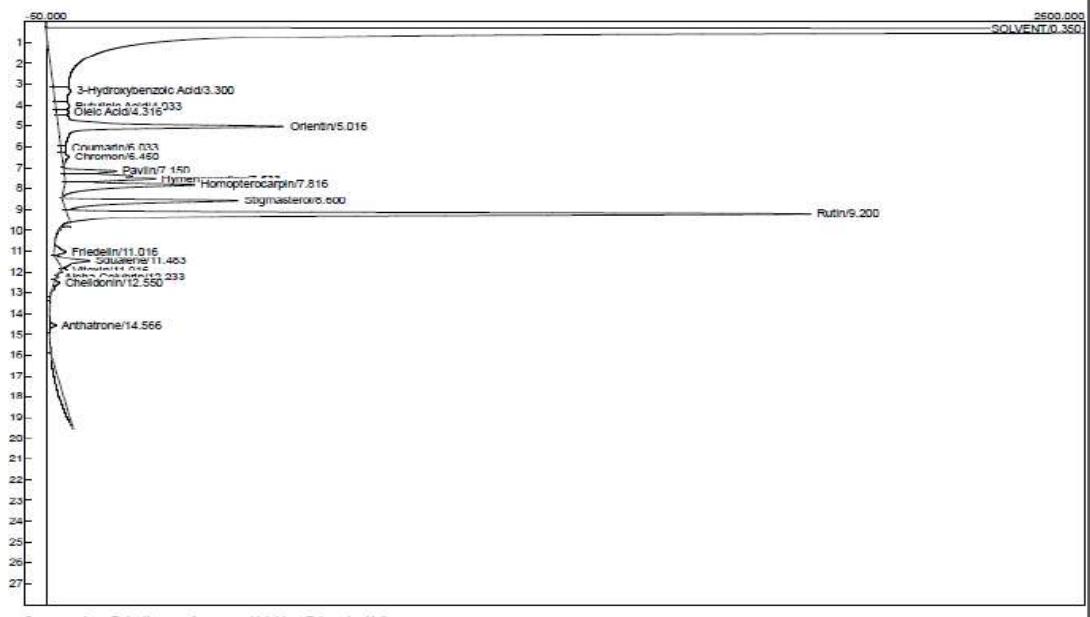 Figure 4: GC-FID Chromatogram of Methanol Leaf Extract of Hymenocardia Acida
Table 1: ADME-T Properties of Orientin, Chromon, Rofecoxib and Diclofenac
| Properties | Orientin | Chromone | Rofecoxib | Diclofenac | |
| Absorption | Caco-2 Permeability | 0.63 | 36.54 | 29.33 | 38.20 |
| P-gp inhibition | 0.92 | 0.10 | 0.01 | 0.01 | |
| HIA | 0.01 | 1.00 | 1.00 | 1.00 | |
| Oral bioavailability (%) | 13 | 65 | 86 | 94 | |
| Distribution | Plasma protein binding (Human) (%) | 85 | 76 | 90 | 96 |
| Blood-Brain Barrier Permeability Probability | 0.08 | 0.72 | 0.75 | 0.26 | |
| Metabolism | CYP Induction Probability | 0.92 | 0.88 | 0.33 | 0.18 |
| CYP 1A2 Inhibition | 0.66 | 0.99 | 0.93 | 0.62 | |
| CYP2C19 Inhibition | 0.30 | 0.25 | 0.89 | 0.53 | |
| CYP2C9 Inhibition | 0.28 | 0.24 | 0.92 | 0.64 | |
| CYP2D6 Inhibition | 0.06 | 0.26 | 0.82 | 0.36 | |
| CYP3A4 Inhibition | 0.00 | 0.03 | 0.36 | 0.55 | |
| Excretion | Human clearance | 0.82 | 0.30 | 0.24 | 0.47 |
| Toxicity | hERG Inhibition | 0.01 | 0.01 | 0.00 | 0.00 |
| Ames Toxicity | 0.81 | 0.20 | 0.04 | 0.04 | |
| Hek293 Toxicity | 0.10 | 0.11 | 0.05 | 0.04 | |
| Hepatic Toxicity | 0.48 | 0.44 | 0.90 | 0.95 | |
| DILI | 0.41 | 0.24 | 0.87 | 0.93 | |
| Genotoxicity | 0.93 | 0.61 | 0.88 | 0.79 | |
| Carcinogenicity | 0.18 | 0.59 | 0.33 | 0.30 | |
| Mutagenicity | 0.02 | 0.92 | 0.10 | 0.17 | |
| Phospholipidosis | 0.60 | 0.66 | 0.27 | 0.44 | |
Table 2: Lipinski's Rule Profile of Orientin, Chromone, Rofecoxib and Diclofenac
| Compound | Molecular weight (g/mol.) | H-Bond acceptor (< 10) | H-Bond donor (< 5) | miloP (< 5) | Number of violation |
| Orientin | 448.38 | 11 | 8 | -0.2 | 2 |
| Chromon | 146.14 | 2 | 0 | 1.79 | 0 |
| Rofecoxib | 314.36 | 4 | 0 | 2.56 | 0 |
| Diclofenac | 296.15 | 2 | 2 | 4.36 | 0 |
Table 3: Binding Profiles of Orientin, Chromone, Rofecoxib and Diclofenac With COX-1 and COX-2 Enzymes
| COX-1 | |||
| Compound | Binding energy (kcal/mol) | Hydrogen bond | Other bonds |
| Orientin | -2.3 | Asn80, His43, Arg83 | His43(2),Arg83 |
| Chromone | -5.6 | Cys47 | None |
| Rofecoxib | -5.7 | Gln44 | None |
| Diclofenac | -5.6 | Gln461,Tyr130,Cys41 | None |
| COX-2 | |||
| Compound | Binding affinity | Hydrogen bond | Other bonds |
| Orientin | -6.10 | Glu524,Ser119(2),Arg120 | Tyr115(2) |
| Chromone | -7.0 | None | None |
| Rofecoxib | -9.7 | Arg513,His90 | None |
| Diclofenac | -7.6 | None | None |
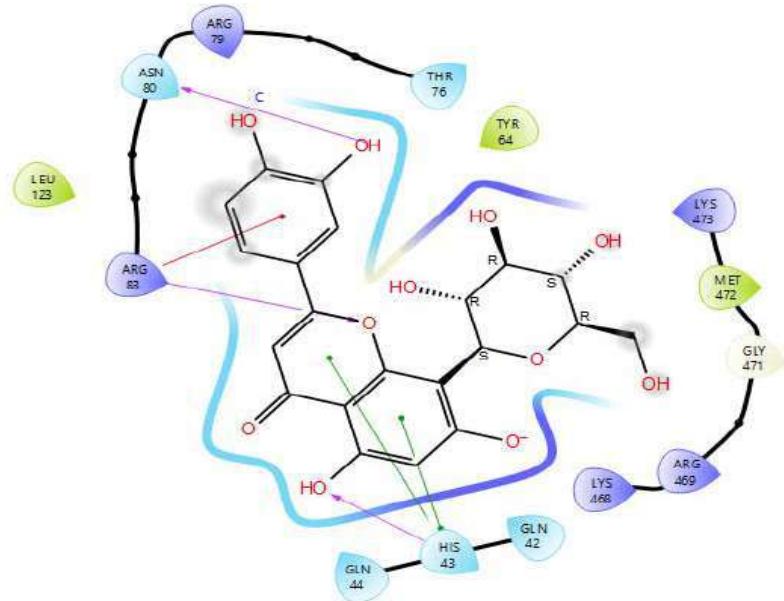 Figure 5: Molecular Docking of Orientin against COX-1 Enzyme
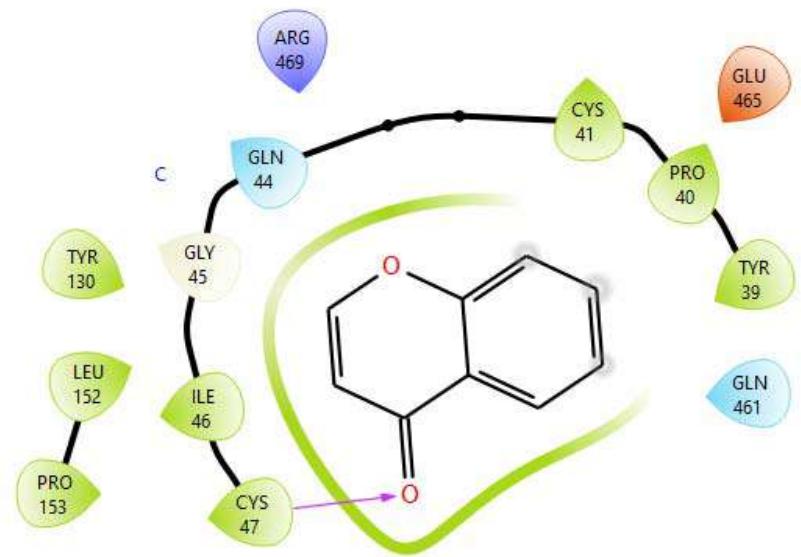 Figure 6: Molecular Docking of Chromone against COX-1 Enzyme
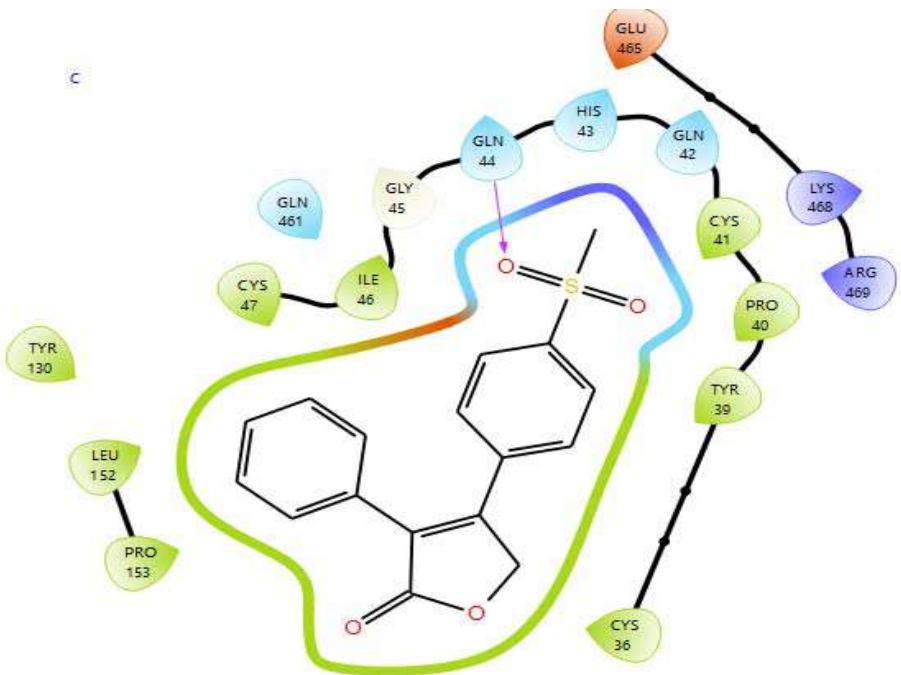
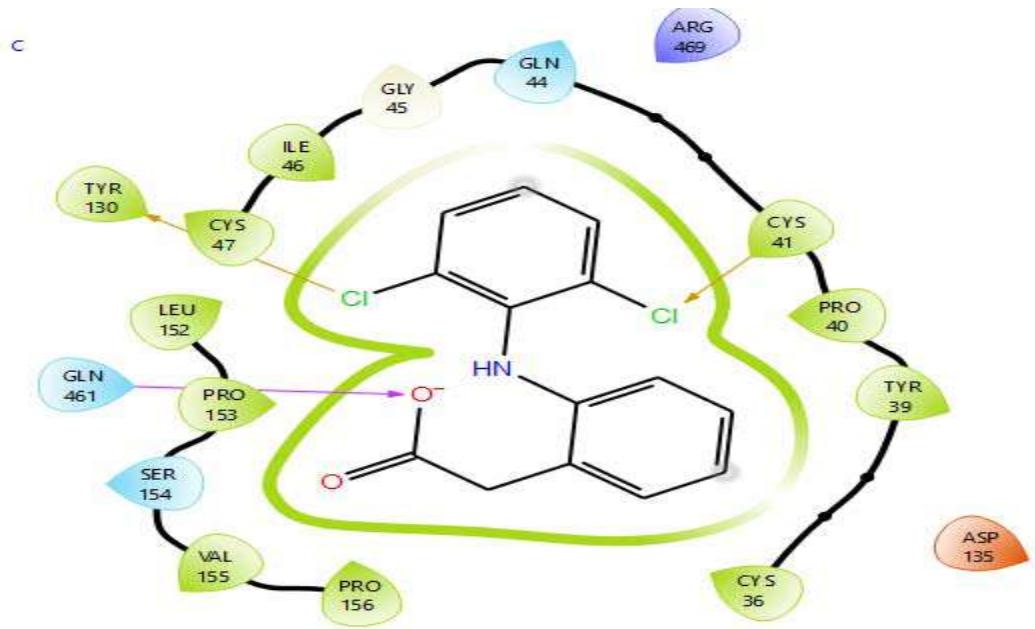 Figure 7: Molecular Docking of Rofecoxib Against COX-1 Enzyme
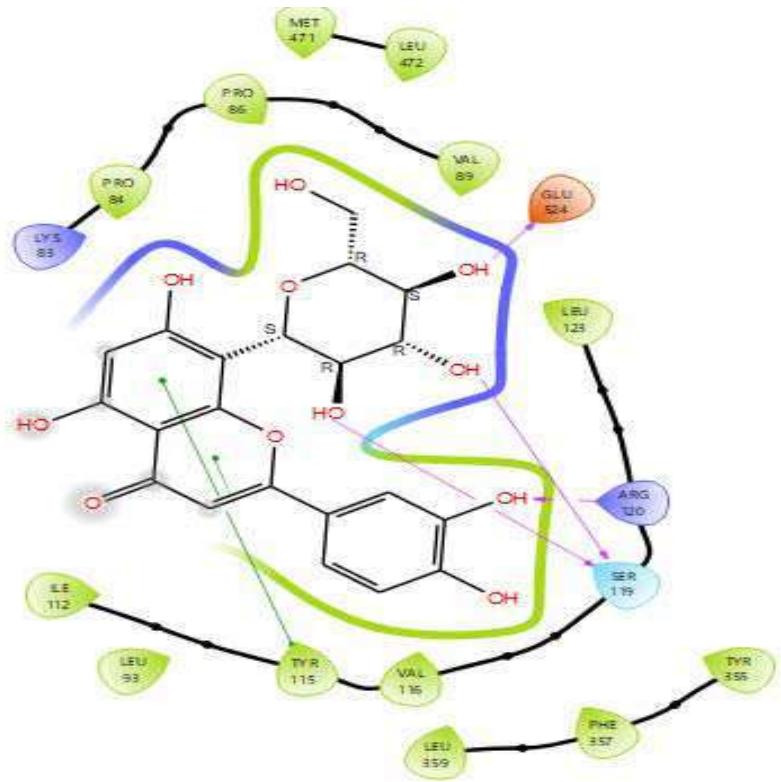 Figure 8: Molecular Docking of Diclofenac Against COX-1 Enzyme
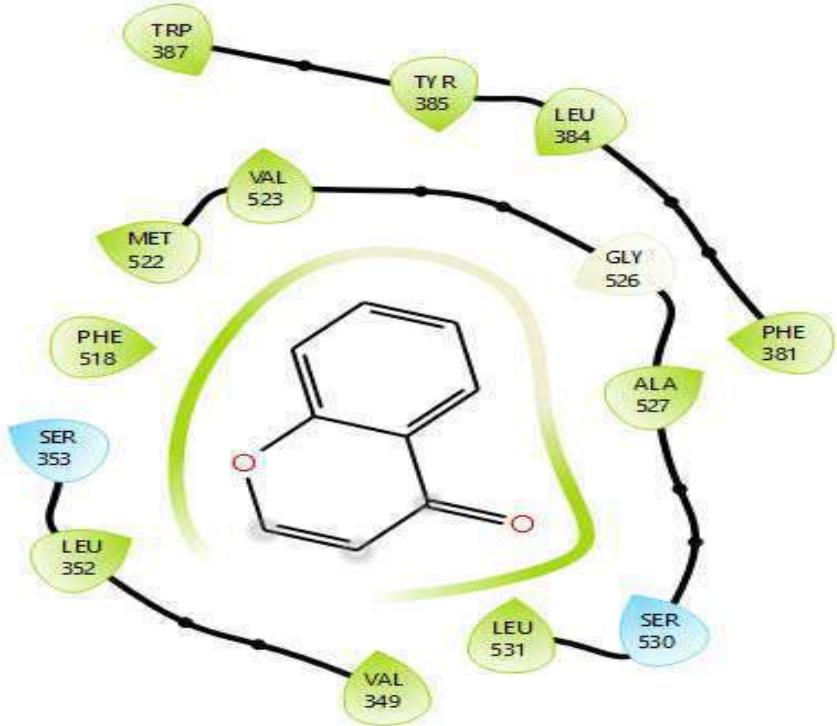 Figure 9: Molecular Docking of Orientin Against COX-2 Enzyme Figure 10: Molecular Docking of Chromon Against COX-2 Enzyme
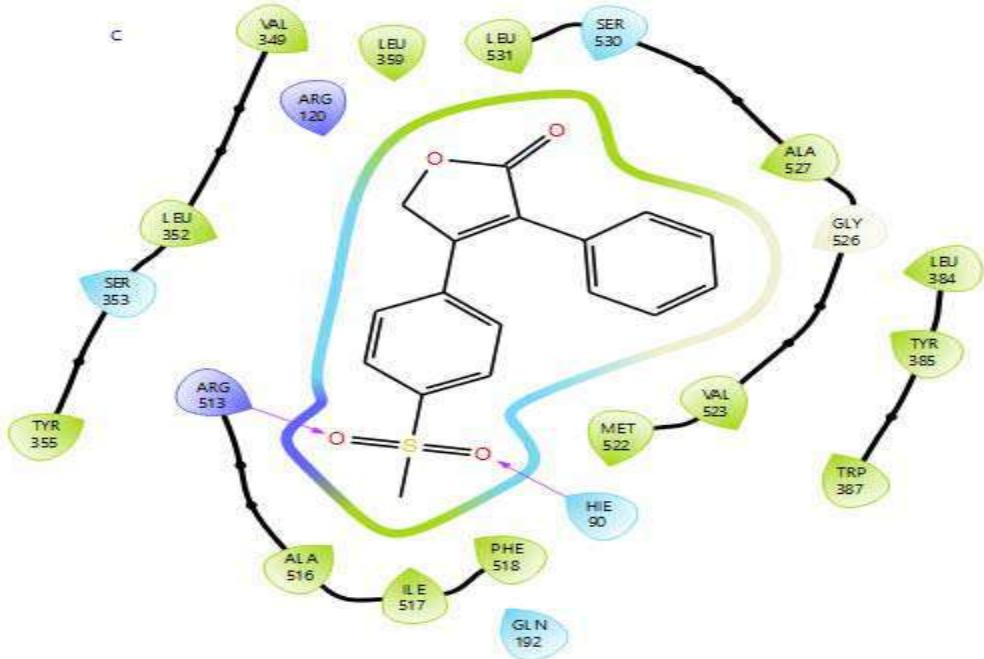 Figure 11: Molecular Docking of Rofexicob Against COX-2 Enzyme
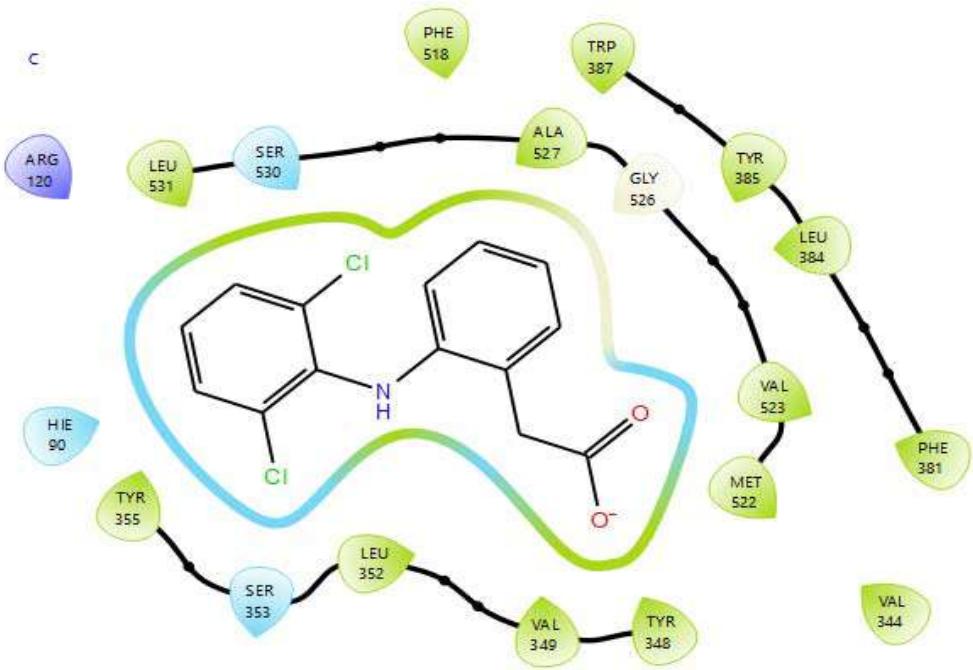 Figure 12: Molecular Docking of Diclofenac Against COX-2 Enzyme
IV. DISCUSSION
This study investigated the phytochemical nature of methanol extract of Hymenocardia acida leaf, as well as in-silico effects of orientin and chromone, two of the compounds identified in the extract, on activities of COX – 1 and 2 enzymes.
The AAS investigation has revealed that MLEHA contains high levels of nickel, zinc, cobalt and iron, while copper, manganese, magnesium and chromium are relatively low in concentration. In agreement with our present observation, Udeozo et al detected magnesium, copper and zinc in a methanol extract of H. acida. Our recent study has indicated that the tree bark of H. acida contains the same elements detected in the present investigation. Iron improves heart failure and exercise intolerance, nickel improves dyslipidemia, while zinc improves cellular homeostasis of zinc in humans. The presence of the various elements in the extract, as observed in this study, thus suggests a great physiologic significance of Hymenocardia acida leaf extract as a supplement. The FT-IR spectral data indicates the presence of C-H bond (1375.4 cm ), aromatic ring (1459.3 cm ), aldehyde group (2851.4 cm ), carbonyl group (2920.4 cm ) and amine N-H stretching (2958.5 cm ) as documented by Fessenden and Fessenden and Shriner et al. A study carried out by Adedokun et al revealed that FT-IR spectral data of H. acida stem bark extract to be 1600 cm and range between 3100 and 3600 cm . Our findings in the present study is in agreement with that of Udeozo et al, who reported the presence of functional groups including aromatic ring, carbonyl group and methyl stretching on compounds in an extract of H. acida stem bark.
The HPLC analysis revealed that MLEHA contains which are 3-hydroxybenzoic acid, betulinic acid, orientin, beta-sitosterol, coumarin, stigmasterol, rutin, friedelin, chromone, squalene, lupeol and vitexin. On Gas Chromatography – Flame Ionization Detection analysis, 3-hydroxybenzoic acid, betulinic acid, oleic acid, orientin, coumarin, chromone, paviin, hymenocardine, homopterocarpin, stigmasterol, rutin, friedelin, squalene, vitexin, alpha-colubrin, chelidonin and anthatrone. The various compounds quantified in MLEHA in this study have also been reported in our previous study to be present in the tree bark extract of the same plant. In this investigation, orientin has been found to have the largest proportion among the compounds in the extract. Orientin, a water-soluble flavonoid C-glycoside of luteolin, has antibacterial, cardioprotective, antiinoceptive, antidepressant and anti-inflammatory potentials, and could prevent 1, 2-dimethylhydrazine-induced colonic cancer in rats. Certain chromosomes isolated from Dictyoloma vandellianum have been shown to possess anti-inflammatory activity. One of our studies in the recent time revelaed that the tree bark of H. acida could prevent cardiac and renal damage in rat model by inducing activities of antioxidant and carboxylesterase enzymes. According to Fu et al., orientin induces the nitric-oxide-cGMP pathway to vasodilate the thoracic aortic rings, while it causes muscle relaxation by activating the voltage – dependent calcium channels in New Zealand rabbit. The compound has also shown cardioprotective activity by suppressing the mitochondrial cytochrome C- caspase -3 apoptotic pathway in myocardiac tissue with ischaemia reperfusion in rat model.
On subjecting orientin, chromone, rofecoxib and diclofenac to ADME-T study, orientin was found to have the least Caco-2 permeability and highest p-glycoprotein inhibition among the four compounds. The oral bioavailability of orientin was lower than that of chromone. Caco -2 cells are a human colon epithelial cancer cell line used as a model of human intestinal absorption of drugs and related compounds. The pemeability of human Caco-2 cell monolayer to various molecules has been cartegorized as low (0 -20%), moderate (20 - 80%) and high (80 -100% fraction absorbed). A clinical significance of high Caco-2 cell permeability is an increased tendency for human oral bioavailability of the test compound. The present study has revealed that orientin has low Caco-2 permeability, suggesting its reduced transport across the intestinal mucosal and low oral bioavailability. While a study by Liu et al indicated that orientin and vitexin isolated from Trollius chinensis were hardly transported, Jian et al have reported an involvement of passive diffusion in the transport of both orientin and isoorientin via Caco -2 cells. Paek et al and Yan et al have shown that glycosylation of compounds generally reduces their Caco-2 monolayer permeability, except a strong active transport is involved. However, Ahmed et al. have shown that Caco-2 permeability could be enhanced by glycosylation, and that permeability assay is a suitable method for determining bioavailability of compounds from medicinal plants.
A very recent study has shown that orientin could inhibit the proliferation of glioblastoma and colon carcinoma cells in humans. Permeability glycoprotein (P-gp) is a membrane transporter with the capacity to efflux drug molecules out of cancer cells, leading to failure in cancer chemotherapy. The P-gp inhibition value of orientin was the highest relative to those of the other compounds. Presence of P-gp in the GIT and other sites for epithelial absorption has led to reduced oral bioavailability. The high P-gp inhibition value of orientin in this study suggests a low level of cellular efflux of this compound.
Orientin and chromone showed high values of plasma protein binding comparable to the two reference drugs, while the Blood Brain Barrier (BBB) permeability of orientin was less than that of chromone. We found that orientin and chromone have higher potential to induce CYP-450 enzymes than both rofecoxib and diclofenac. However, the inhibitory potentials of orientin and chromone on CYP2C19, CYP2C9, CYP2D6 and CYP3A4 were lower than those of rofecoxib and diclofenac. The ADME-T analysis also indicated that orientin has a faster rate of body clearance than the other compounds, whereas, orientin and chromone showed lower hepatic toxicity than the reference drugs. Orientin showed lower risks of carcinogenicity and mutagenicity than chromone, and this possibly suggests a more promising status of the former than the latter, in drug discovery and development.
The Lipinski's RO5 has shown that orientin has the greatest number of hydrogen acceptors and donors among the four compounds investigated in this study, although its number of violation is 2.
Furthermore, this study has shown orientin to possess the least values of binding affinity for COX-1 and 2 among the four ligands. However, the overall binding profile of orientin is the most robust among the four compounds. This is evidenced from the ability of orientin to form a total of six interactions each with COX-1 and COX-2, relative to the three other compounds, forming less. This finding supports the trado-medical use of H. acida in treatment of several ailments as documented by Olotu et al, Starks et al and Adedokun et al. Orientin has been found to inhibit the active region of COX-1 by forming hydrogen bonds with amino acid residues Asn80, His43 and Arg83, and other kinds of bond with His43 and Arg83 residues. Diclofenac was found to interact with the active region of the enzyme by forming hydrogen bonds with Gln461, Tyr130 and Cys41 residues. This finding shows that orientin and diclofenac may possess strong inhibition against CoX-1, relative to chromone and rofecoxib.
Keifer et al documented that COX-2 has three specific regions in its active site. The first is a hydrophobic pocket lined with Tyr385, Trp387, Phe518, Ala201, Tyr248 and Leu352 amino acid residues. The second region is a hydrophilic entracne containing Arg120, Glu524 and Tyr355, while the third region is a hydrophilic side pocket which is made up of His90, Arg513 and Val523.
Our docking study has demonstrated that diclofenac could inhibit COX-1, while rofecoxib could inhibit COX-2. Orientin has shown inhibition (binding and affinity) against both COX-1 and 2, but more importantly, against COX-2 than COX-1, indicating a greater tendency of the compound to inhibit COX-2 more than COX-1. In the present study, we found that orientin interacts with Arg120 and Arg524 residues, which are located at the entrance of the active site of COX-2. Orientin also forms two hydrogen bonds with Ser119 residue, and two pi bonds with Tyr115 residue at the active site of COX-2 enzyme. While chromone and diclofenac shows no inhibition against COX-2, rofecoxib demonstrates binding with Arg513 and His90, which are located in the side pocket of the active site of the enzyme. The present study suggests that orientin inhibits COX-2 by blocking the entrance of the active site, whereas rofecoxib inhibits the enzyme by interacting with the amino acid residues in the side pocket of the active site. The safety of rofecoxib as an anti-inflammatory drug has been questioned due to its cardiovascular side effects, which led to its withdrawal from market in 2004. Since overexpression of COX-2 isoform has been implicated in inflammation, cancers and certain other pathological conditions, orientin could therefore be explored in developing safer and more potent drugs for treating these conditions. Furthermore, orientin, being a natural product, could be developed into novel drugs as replacements for traditional non-steroidal anti-inflammatory drugs (tNSAIDs), including ibuprofen, lonazolac and aspirin, which have shortcomings like bleeding, hepatotoxicity and gastric ulceration.
V. CONCLUSION
Our findings from this study have indicated that the leaf extract of Hymenocardia acida contains many physiologically important minerals and phytochemicals. Furthermore, orientin, one of the phytochemicals present in the leaf extract, shows promising potential to inhibit both cyclooxygenases - 1 and 2. This study raises a hope that orientin from the leaves of H. acida could be used in developing novel therapeutic agents for treating diseases involving the activities of COX -1 and COX -2 enzymes.
ACKNOWLEDGEMENT STATEMENT
We wish to appreciate Mr Joseph Orizu of the Beto Chemical Laboratory, Lagos, Nigeria, for undertaking the HPLC analysis. We also acknowledge the Staff of the Central Research Laboratory of the Bowen University, Iwo, Osun State, Nigeria, for undertaking the Spectroscopic analysis.
- and 2 Activities (p.3) ↩
Conflict of Interest
The authors declare no conflict of interest.
Ethical Approval
Not applicable
Data Availability
The datasets used in this study are openly available at [repository link] and the source code is available on GitHub at [GitHub link].
Funding
This work did not receive any external funding.
References
Cite this article
Related Research


Special Issue
Launch a focused special issue to highlight research, emerging trends, and expert insights in your academic field.
