


IntelliPaper
Abstract
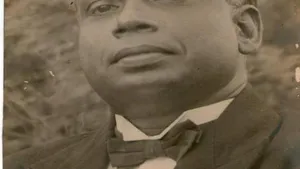
Rao Sahib K Kothandapani Pillai was born on 29-10-1896 at a small village named Semmangudi near Kumbakonam in the Tanjore district of Tamilnadu. His parents Kuppusamy Pillai and Valliammai were native inhabitants practicing agriculture.
K Kothandapani Pillai grew in a humble background; he did his primary education at a government school in a village named 'Vidayal Karuppur'. He learned Tamil from the iconic Tamil Pandit. Pinnathur Narayanasamy Iyer.
At his early stages of life K Kothandapani Pillai was fed with the knowledge of Sangam literature Pillai was a man with deep principles and ideologies. He did his intermediate studies at Kumbakonam Arts College.
Explore Digital Article Text
INTRODUCTION
Rao Sahib K Kothandapani Pillai was born on 29-10-1896 at a small village named Semmangudi near Kumbakonam in the Tanjore district of Tamilnadu. His parents Kuppusamy Pillai and Valliammai were native inhabitants practicing agriculture.
K. Kothandapani Pillai grew in a humble background; he did his primary education at a government school in a village named 'Vidayal Karuppur'. He learned Tamil from the iconic Tamil Pandit. Pinnathur Narayanasamy Iyer.
At his early stages of life K Kothandapani Pillai was fed with the knowledge of Sangam literature Pillai was a man with deep principles and ideologies. He did his intermediate studies at Kumbakonam Arts College.
At the brink of World War 1 K Kothandapani Pillai joined the Saint Joseph College, Trichy to pursue his B. A honors. He passed out in 1918. His first literary attempt was an English article titled 'Pattinappalai' (பட்டுனப்பாமல்) 1918 which appeared in the Saint Joseph College magazine in 1918 K Kothandapani Pillai weaved his first article with the guidance and support of famous Tamil historian P. T. Srinivasa Iyengar.
Pattinappalai is one of the poems of the 'Pathuppattu' or the 'Ten Tamil Idylls' a Tamil anthology of the sangam age. Its historic value is great. It describes the famous poet of 'Pukar' now called (caveripumpattinam) the capital of the Cholas at the mouth of the Cauvery. It gives an accurate account of the life of people and the vast commerce that was then carried on, and narrates in unmistakable terms some of the achievements of the King Karikala Cholan the great. The age of Karikala was the Augustan age. It witnessed a great development in all the branches of knowledge and especially in literature there was a vast production known as Sangam works. The poem is noted for its literary qualities, it's highly polished style, condensed expression and the artistic description of natur
Pillai's translation goes as follows
Lines 1-7: The spotless shining Venus may change her course and from the north to the south. The clouds may change their nature and the lark which always sings their praise gasp for the little drop (which the clouds withhold). But the Cauvery which rises on the western hills and falls into the eastern sea, spreading her water and sifting golden sand, will never cease to flow.
Line 295: The brown (sandal) paste on his breasts, bright with shining ornaments, is rubbed off by the embrace of his wife and by the playing and fondling of his children who wear golden ornaments. Karikala's strength and valor are those of a lion that could cause terror and inflict injury (on his foes)
In 1928 Pillai started his career as a Tahsildar at Madurai. While serving as a Tahsildar, Pillai penned a Tamil book titled 'Kadhaimanikkovai' (கணுமனிக்கேகாமை) Stories from Tolstoy 1932. This book is a collection of three stories of Leo Tolstoy translated in Tamil.
Pillai took up three meaningful short stories of greatest writer Leo Tolstoy namely Two Old Men (Два старика) 1885, How Much Land Does A Man Need (Много ли человеку земли нужно?) 1886 and A Lost Opportunity ('Упустишь огонь не потушишь)' 1889,. Published by E.M. Gopalakrishna kon of Madurai this book was a part of academic syllabus in schools for nearly 20 years.1 It is to be noted that Pillai was the first Tamil writer to translate the work of Russian thinker & writer Leo Tolstoy
After serving around 5 years as a Tahsildar, Pillai was appointed as the Deputy Collector of Madurai on the 27th of November 1934.
In 1934 from the beautiful historical temple City Madurai, Pillai penned a magnificent Tamil play titled 'Mangayarkkarasiyar' (மங்ஞகயர்க்கர சியார்) 1934 woven on the lines of a King from the Pandiyan Dynasty that ruled Madura during the 7th century AD. This book has a foreword from T.C. Srinivasa Iyengar who was a deputy director of Tamil Sangam, Madurai.
This book was also a part of the university curriculum and was a text book for Inter Exam in Prose (detailed study) at the University of Madras .
On the 6th of December 1934 he was posted on deputation as the Deputy Collector of Coimbatore and he returned back to his duty as the Deputy Collector of Madurai on 16th of July 1935.
On the 25th of April 1936 he was deputed to undergo training in treasury work for a period of 3 to 3 1/2 months in the Anantapur treasury and was posted as Additional Treasury Deputy Collector in the districts of Anantapur, Bellary and chittoor. He took up charge as the Deputy Collector of treasury and continued his services till 1939.
During this tenure he penned a Tamil play titled 'Pangayacchelvi' (பங்கயேச்சிசல்வி) 1936 written on the backdrop of a Pandiyan King who ruled Madura around the 16th century AD. This book has an introduction from T.M. Uma Maheswaran Pillai the founder of Tanjore Tamil Sangam.
While being the Deputy Collector after completing a tenure of 5 years Kothandapani Pillai was appointed as a member of the Madras Civil Service (Executive branch) on 2nd May 1939.
He served as a personal assistant to the commissioner of Labor for a brief period from July 1939 to December 1940.
As a result of his honesty, hard work and dedication his career took a giant leap ahead. On the 3rd of December 1940 K Kothandapani Pillai was appointed as the "Protector of Emigrants" Madras and Special Officer for South African Repatriates which indeed was the onset of World War 2.
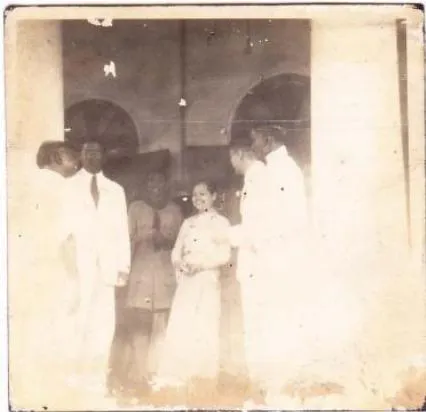
While being the Protector of Emigrants Madras Pillai was a part of the refugee evacuation from Singapore.
An article by R. Joomabhai - President of Indian Chamber of Commerce, Singapore which appeared in 'The Bombay Chronicle' under the title "Plight of Indian Evacuees from Malaya" dated 6th March 1942 narrates a story of a ship S.S Hosang which sailed from Singapore on the 6th February 1942 at 6 p m. The ship carried 991 passengers of which 865: were Indians. As smoke was noticed the ship had to join the convoy. The ship S.S Hosang wrecked and S.S Whangpoo sailed out of Palembang on the 9th February with 851 Indians of which 740 were males, 39 women, 56 boys and 16 girls. The ship was heading towards Batavia. S.S Whangpoo reached Batavia on the 11th of February.
S.S Clan Alpine sailed from Batavia on the 12th February at 6 p m. The ship was purely a cargo boat with no crockery, no cooking place, no cooking utensils, insufficient life boats, no life belts, no doctor, insufficient fresh water, one lavatory for around 800 males, no canvas to protect from rain and sun. The only rations available were a little bread and biscuits lasting 2 days. Rice, potatoes, dhal, dry fish and third class ghee were sufficient but the travelers owing to insufficient cooking utensils had to be satisfied with one meal and tea per day. The ship reached Colombo on the 21st February after a horrible and dreadful journey. A total of 977 passengers were in the ship of which 851 were Indians. The witty Srilankan government accepted only 31 passengers who were Sinhalese. Later after a short period according to the order of Namsoji, 24 Chinese, one European, and about 40 Indians and a few Jews were allowed to go. A total of 100 non Indians and 56 Indians landed at Colombo port.
The ship with 822 souls of which 796 dying Indians travelled to Tuticorin port and from there they were redirected to Madras. The ship S.S Clan Alpine reached the Madras port on the 22nd February 1942 under worst conditions. At Madras they were received the "Protector of Emigrants. K Kothandapani Pillai and Rao Sahib J.C. Ryan assistant director of publicity, viceroy house. The travelers who were almost at the verge of death were fed, clothed and later dispatched to their respective places in good mood after a miserable journey.
It is to be noted that after the negligence of Srilankan government, the officers from Madras actively involved in bringing back all the Indians souls back to their soil.
As a mark of this heroic deed K Kothandapani Pillai was knighted by the Viceroy of India as "Rao Sahib" on the 26th January 1943
Rao Sahib K Kothandapani Pillai then shared his experiences aired via "All India Radio" on the 25th June 1943 around 7.45 PM. He spoke on the topic "Restrictions"
In the same year 1943 he penned a fascinating Tamil book titled 'Nedunalvaadai' Long bracing north wind' (நெந்தல்வானட திறன் அய்ந்து பதளிதல் போருள் நலன்)1943 which is a critical analysis of the poem from 'Pathuppattu' written by Poet Nakkirar from Madurai. This poem was written in praise of the Pandiyan King Nedunchezhiyan who ruled Madurai during 270 BCE. The poem comprises of 188 lines.
K Kothandapani Pillai has done a deep analytical and literary research on this poem and penned this book 'Nedunalvaadai-Porul Nalan' which means an analysis of words. This book was released on the 24th of August 1943 marking the 60th birth anniversary of veteran Tamil writer Thiru. Ve. Kalyanasundaram shortly called Thiru.Ve.Ka. The book was widely appreciated by scholars and literary giants. The book has introduction from.S.Somasundara Bharathi and foreword by veteran music professor and pandit. T. P. Meenakshi Sundaranar.
Thiru. Ve.Ka rejoices his friendship with Kothan- dapani Pillai in his autobiography. He narrates an incident that happened in 1937 when he got to meet Pillai for the first time; Pillai visited the house of Thiru. Ve. Ka to arrange a meeting between him and the Deputy Labor Minister of India. Kothandapani Pillai was the deputy labor commissioner and Thiru Ve Ka was the head of Labor union. Their friendship lasted for decades in his autobiography Thiru ve ka recalls the lectures delivered by Pillai at the Chindadaripet High school during the mid 40's.
Thiru ve ka quotes
காதன்டபாணி பிள்ளை தமிழர்!! தாய தமிழர்!!
அவரது தாய தமிழ் உணர்ச்சி பழந்தமிழ் நால்களைன் அவனர உறவிகாள்ள செய்தது
He means Kothandapani Pillai is a pure Tamil man and his love for Tamil made him attached to ancient Tamil books and literature.
கொதன்டபாணி பின்ஞள பெடுத்சம் பல பலவர் உலைக கண்டு கண்டு அலவகளை கடந்து நக்கீரர் உலகில் நிறலத்தது.. அவர் பெடுத்சம் நக்கீரர் ஆகியது. அவர் நக்கீரர் அனார்...அவைர பார்க்கும் பெயழுது எல்லாம் நக்கீரர் வடிவம் இப்படித்தான் இடுக்குமான யான் நிறனப்பதுண்டு
Kothandapani Pillai crossed many poets and finally embraced the world of poet Nakkirar. His soul reflected Nakkirar. He turned Nakkirar. I could see Nakkirar through the eyes of Pillai.
Rao Sahib K Kothandapani Pillai spoke about this book and gave an introductory speech on the 27th December 1944 at 8 p.m and was aired in All India Radio.
On the 29th of August 1944 Pillai was one among the judges for a literary speech competition which was held at the Pachaiyappa college marking their 100th anniversary. The topic assigned to the participants was 'Does wars induce world peace'? Pillai honored the winner S P. Janarthanan with an award
Consequently in 1945 on November 29th and on June 25th 1946 his speeches on Tamil books were aired in All India Radio.
On the 2nd of September 1946 India relieved itself from the clutches of the British monarch and formed its first independent interim government.
The interim government was headed by Pandit Jawaharlal Nehru. Rao Sahib K Kothandapani Pillai was a part of the interim government in the 'Department of Commonwealth Relations" as the Protector of Emigrants Madras
This department of common wealth relations was renamed to "Ministry of External affairs" after Indian independence in 1947.
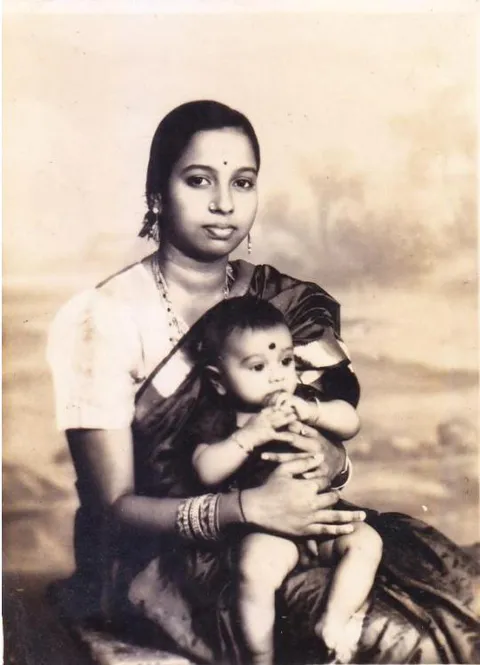
It was in October 1946 on the 31st K Kothandapani Pillai's daughter Rajalakshmi (my grandmother) gave birth to my father (Govindasaminathan)
In 1947 K Kothandapani Pillai penned a sequence to the 1943 book Nedunalvaadai titled as 'Nedunalvaadai Pa Nalan' (ஞந்டுநல்வானட பாநலன்) a content analysis 1947. The book was released in 1947 in which the front cover carries a quote in Tamil.
இதன் வருவாய் அணனத்தும் சங்கத்துமியู่ பரிகக்கு நன்டெகாடை
'All revenue generated out of this book shall be used for the prize schemes of Tamil Sangam'.
This book has a foreword by Thiru ve ka which is of 30 pages. And this book was a text book at the University of Madras which I confirmed during my telephone call with Padmasri Sirpi Balasubramaniam. He recited lines from the book and also was grateful enough to draft a letter to me praising the works of K Kothandapani Pillai. In his letter he recalls his memories of reading the book as a text book during his college days and it indeed sharpened his Tamil skills.
(Attach) letter from Padmasri Sirpi Balasubra-maniam.
On the 6th of December 1947 Rao Sahib K Kothandapani Pillai was appointed as the first 'Controller of Emigration" Madras of free India.
As the Controller of Emigration Madras K Kothandapani Pillai delivered a speech on "Political Ideologies" and it was aired at the All India Radio on the 26th November 1947.
In 1948 Pillai published a sequel to his Tolstoy stories with a modified version titled "Stories from Tolstoy" which was a compulsory text book for English schools during 1949 to 1950
In 1950 K Kothandapani Pillai was placed as the permanent member of Madras Civil Service Executive branch and was serving at the disposal of the government
After serving his tenure K Kothandapani Pillai retired from his services on the 29th October 1951 as "Controller of Emigration Madras."
As a token for his goodwill and honesty, Pillai was placed back at the services of government. During the tenure of Lal Bahadur Shastri as the Minister of Railways, Rao Sahib K Kothandapani Pillai was appointed as a member of Railway Service Commission, Madras on the 10th October 1953 .
While serving at the Railway Service Commission Madras, Pillai involved himself in the formation of an independent body that focused on Tamil Language development "The Academy of Tamil Culture" was formed at a meeting of scholars and lovers of Tamil held at Madras on the 18th September 1954. This ambitious new venture which focused on the development and advancement of Tamil language, literature, art and sciences was formed with Justice N. Somasundaram elected as the president.
Along with K Kothandapani Pillai others who were present during the meeting were Manavala Ramanujam, V. Sundaramoorthy, Father Ceyrac and T. P. Meenakshi Sundaram.
Pillai was Member of the Governing Council and Honorary Secretary of the Academy of Tamil Culture during the period of 1954 to 1961.
The Academy of Tamil Culture under the leadership of Thaninayagam Adigal organized the 1st World Tamil Conference at Kuala lampur in 1966 and also met morphed into "International Institute of Tamil Studies" functioning at Taramani Campus even today.
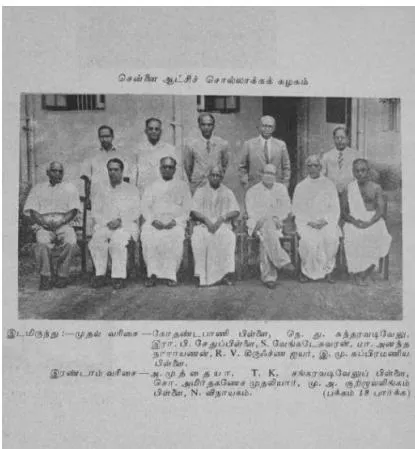
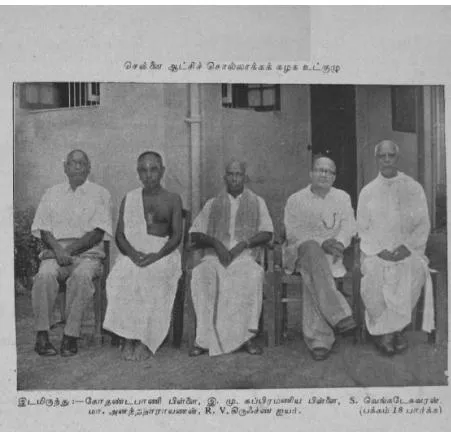
It was during this period the government of Tamilnadu formed the 'Official Tamil Language Committee', as per the government order No Ms. 2207 dated 22nd June 1956 approved the committee constituted by the Madras Presidency Tamil Sangham consisting of persons of finalizing the glossary of Tamil equivalents for the English administrative terms prepared by it for constitutional purposes.
Members of the committee were
Sri S. Venkateswaran I.C.S Chairman board of revenue. Madras.
Sri M. Anantha Narayanan I.C.S Director of Legal Studies Madras.
Sri M.R. Perumal Principal teachers college, Madras.
Sri N. Vinayakam, Senior translator to the government.
Sri P Kothandaraman, Swadesamitran.
Sri K Kothandapani Pillai.
Sri R.P. Sethu Pillai.
Sri M.A. Kuttalingam Pillai.
On the 16th and 17th of may 1956 a meeting was held where the committee decided to start their work to derive equivalent English words. The committee completed the work on the 27th July 1956 and submitted the report to the government. After several examinations the committee submitted their final report to the chief minister of Tamilnadu. Kamaraj on 21st December 1956.
Pillai in 1955 retired from his services as a member of Railway Service Commission Madras. In 1956 he penned a magnificent Tamil book titled 'Mutharkural uvamai'(முதங்குறள் உவைம) which is an elaboration of the first kural written by thiruvalluvar.
'அகர (மதல எழத்தேல்லாம் ஆதி. பகவன் (மதற்றே உலத)
Pillai penned a book of 200 pages explaining the nuances and giving deep insight to the first two lines of the epic thirukkural. The book was released in 1956 with foreword from Dr. M. Varadarasan, Critical review by Saint Dhandapani Desigar, and Wishes from Rao Bahadur V.S. Sengalvaraya Pillai. This book was widely appreciated for its critical examination and still is considered a literary master piece.
On the 28th of October 1957. C. Rajagopalachari and 34 other prominent citizens of Madras appealed to the prime minister Pandit Jawaharlal Nehru 'To step in and bring about a reconsideration' of the entire issue of Hindi as official language 'so that the spirit of true freedom is maintained and not sacrificed at the altar of the overzealous love on the part of some, for their own language'
Kothandapani Pillai was one among the 34 citizens who wrote a letter to the prime minister.
In 1959 Pillai penned a Tamil book titled 'PazhanthamizhIsai' (பழந்தமிழ் இணை) 1959 a book that runs deep into the origin, use and forms of ancient Tamil music and its existence in today's world. The book has foreword from T.M. Narayanaswamy Pillai Chancellor Annamalai University and M.M Dhandapani Desigar and reviews from Vidhwan Ramanatha Chettiar, and Vidhwan Devaney Pavanaar. This book is still a study material For Bachelor's degree for Music course B A Music University of Madras
K Kothandapani Pillai's love for music enabled him to write numerous articles related to music, it's nuances and growth. He was a part of "Chennai Tamil Isai Sangam" formed by Rajah Sir Annamalai Chettiar and later managed by his son Rajah Sir Muthiah Chettiar. Pillai attended regular meetings, conferences and events related to 'Tamil Isai Sangam' and delivered numerous interesting lectures, participated in many debates and it earned him a lasting friendship with Rajah Sir Muthiah Chettiar
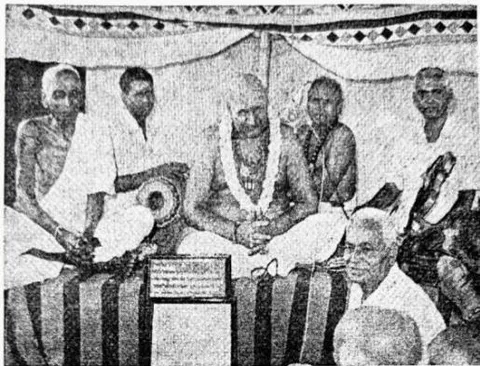
Kothandapani Pillai's 50th marriage anniversary was held at a Sivan Temple in Semmangudi on the 3rd November 1973 which was graced by the presence of Rajah Sir Muthiah Chettiar.
Rajah Sir Muthiah Chettiar offered his tributes to the couples K Kothandapani Pillai and Nagarathiammal by bringing holy water from Ganges and honored the couples with 1001 silver coins. The function was also graced by Padmasri Subbiah Pillai founder of Saiva Siddhanatha publishing house and Tamil Saint Thiru Kirubananda Variyar
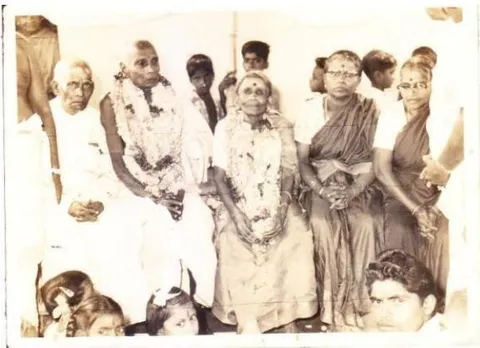
இரவ்சரேகப் த. கைதன்டுபரணி பிள்னயவர்கட்கு ஆயிரம் பிறாக்குமெல் ஆயள்வளர் விரா
Pillai has written articles in music titled 'Mullaipan araychi' (முல்லைப்பன் ஆராய்ச்சி)1958 and 'Ancient Tamil Music' 1961 which received wide appreciation. They are used as a source and reference material by research scholars who pursue their doctorate in music.
Through his grandchildren we come to know that Pillai can fluently recite Vedas and also can sing 'Thevaram' (which denotes the first seven volumes of the twelve-volume collection Tirumurai, a Saiva narrative of epic and puranic heroes set in devotional poetry) whenever he visited god's premises in temples.
In 1960 Pillai was honored by the Writers Association of Madras. The Madras association held its 8th annual conference on the 15th and 16th 1960 at the Rajaji Hall. Two scholars from Chennai Rao Sahib K Kothandapani Pillai and T.P. Meenakshi Sundaram were awarded with shields for their contribution to Tamil literature. Pillai received his shield from Rajah Sir Muthiah Chettiar and was felicitated by Ma. Po. Sivagnanam.
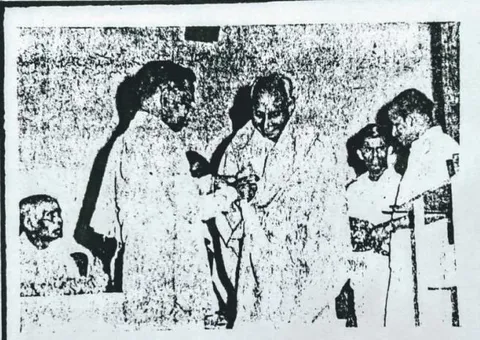
Pillai has penned down two articles marking the commemoration of Rajah Sir Muthiah Chettiar and Rani Lady Meyyammai Achi. If one could read these articles the love and respect Pillai had for Muthiah Chettiar's family can be well understood.
Pillai was appointed as the 'Director of Publications' Annamalai University for the period of 1965 to 1970.
In 1964 Journal of the Annamalai University published an article titled "Ancient Philosophy of Life" 1964 penned by Rao Sahib K Kothandapani Pillai and the same was also published in the official souvenir of the 2nd World Tamil Conference held at Madras in 1968
During his tenure at Annamalai University, Pillai was involved in an important historical project. A committee was set up to take up the task of translating Former President Dr. Sarvapalli Radhakrishnan's book 'Eastern Religions and Western thoughts' 1939 into Tamil. Rajah Sir Muthiah Chettiar was the head of the committee. Three people were called on to do this herculean but a prestigious task Rao Sahib K Kothandapani Pillai, C. Ramalingam and J.M.Somasundaram Pillai.
The product was a Tamil book titled 'Kezhai Melai Nadugalin Mei porul iyal varalaru' (కేదుప్రమానం నృార్తికానిణం పెయప్రప్రాగ్రణం అిషును వోగలాగ) published in two volumes Volume 1 of 1001 and Volume 2 of 790 pages released in 1970 and 1979 respectively. This book is a massive literary work and is still a part of study material at Annamalai University.
Pillai was a great orator. The lectures he delivered at the famous "Sornammal Endowment Trust" gained great interest among literary lovers. He spoke on the topic 'Thirukkural Kamathupal' (திருக்குறள் காமத்துப்பால்) 1962 an often ignored chapter in thirukkural.
His speech was published as a separate book by the University of Madras in 1962 .
In 1963 he delivered a series of lectures on "Saiva Siddhantha and Modern Science" Saiva Siddhantha and Evolutionism, Saiva Siddhantha and philosophy of Evolution in the west and Theory of Mala in Saiva Siddhantha and Modern Science". These lectures were delivered at Thiruppanandal Endowment Trust and was published as a book by the Annamalai University in 1978.
In 1971 he delivered a lecture at the Sornammal Endowment Trust on 'Kambarum Meipatiyalum' (கம்பரும் மெய்ப்பட்டியலும்) and was also published as a book by the Annamalai University in 1971.
The human side of Rao Sahib K Kothandapani Pillai is astonishing. He penned and donated a Tamil book to a Gurukulam- a primary aided school functioning at a village named Mambakkam near Chengalpat district of Tamilnadu.
The book titled 'Eradi Eranooru'(ππ4, 2015) 1961 is a collection of 20 titles namely Motherhood, Earth, Music, Writer ship, Literature, Critical analysis, Beauty, Heart, Peace, Solitude, Doubt, Worship, Deed, grieving, Patriotism, Birth right, War, Labor, Loan, Youth. Each title has ten sub titles of 2 lines each.
Hence the title "Eradi Eranooru" meaning 2 lines of 200. This book carries moral values and law of living. Pillai donated this book to the Gurukulam at Mambakkam near Chengalpat. His friend Azhagar Adigal (Elavazhaganar) was the founder of the school.
Pillai in his foreword writes "I have donated this book to the Gurukulam and revenue generated out of this book shall be used to award a student who tops in Tamil under the prize scheme "Kothandapani Pillai Tamil prize." This has been practiced since 1961 and continuing till date.
My recent conversation with the founder's son elaborated this humanly deed by Pillai and they still preserve this book as an asset.
In his article 'Pattinappalai' 1st published in 1918 and later published as a sequence in 1947, 1958 and 2021 he quotes.
'As the cub of the tiger with sharp claws and curved stripes grows in strength though encaged, King Karikala grew in his greatness and strength though imprisoned by his enemies. Like the elephant caught in a pit, pulling down its steep side effects escape and joins its mate. The great Karikala shut up within the prison, cleverly planned his escape. He jumped over the prison walls, drove away mighty guards, made good his escape and regained his ancestral throne.
K Kothandapani Pillai Belongs to the clan of early Tamils which we can say 1000 years old. I would like to narrate a small incident here.
An archeological excavation team visited his village semmangudi in 1974. Semmangudi village is located in the banks of river Kudamuruti a tributary of river Cauvery which flows through the interior parts of Tanjore. It is proved that chola emperors like Sembian Maa Devi (sem-man-kudi) Raja Raja cholan and the prominent existence of King Kullothunga Chola is traced in this village. The only temple to lord Sun also called Surya bhagavan in south India built by Kullothunga Chola exist 2 km away from this village. It is clear that a civilization existed along the banks of river cauvery and their tributaries and traces of their descendants are still found.
The excavation team spotted an idol under a tree near the banks of Kudamuruti. The idol was 2 feet tall wearing a half dhoti, long elongated ears, well grown moustache with hands clasped together and praying God. The evacuation team cleaned up the idol and was all set to take it for examination.
Pillai stepped down and requested the evacuation officers not to remove the idol from its place as he said it has been worshipped and preserved by his ancestors who have been living in this same village for over 600 years. As Pillai was a government diplomat and a gazetted officer his words were taken into account and hence the archeological excavation team left the place leaving the idol untouched. Pillai placed his subordinate named Laxmanan to take care of the idol and worship it regularly.
In 1978 an archeological team headed by Nagaswamy and Kudavayil Balasubrama- nian visited Semmangudi again and examined the idol. The duo confirmed the idol to be of Karunakara Thondaiman the army chief commander of Kullothunga Chola who reigned during 1070-1118 AD. An archeological report was submitted to the government and the entire excavation report was also published as a book titled 'karunakara Thondaiman'(குருணாகர பொதான்மேமான்) 1979 by the Society for Archeological Historical Epigraphical Research, Madras.
This book gives in depth details about the existence of Karunakara Thondaiman in Semmangudi and nearby village Vanduvanjeri the birth place of Karunakara Thondaiman. Kudavayil Balasubramanian traces the existence of a thondaiman land, thondaiman river, and also quotes in the book as-
கருணாகர் தோண்டைமான் தலைதகர் தேதுநான் என்பதற்கு இவ்லுர் மக்கள் இன்றளவும் இவனது பெயனர மறக்கா மல் தலை(முறை தலை(முறை யாக மொற்றிவை(நூவது) மிக வியப்பான ஒன்று.
The faith and devotion the villagers of Semmangudi have for Karunakara Thondaiman is surprisingly pleasant, they have been worshipping him for generations.
Another interesting fact is that the Poet. Jayamkondar who penned the historic epic 'Kalingathuparani' in praise of the heroic deed of Karunakara Thondaiman in his battle against the Kalinga King 'Anantha Varman' around 1112 AD is also a inhabitant of chola mandalam. The native and birth place of poet Jayamkondar is "Deepangudi" an adjacent village to semmangudi almost on the other bank of river Kudamuruti.
Today almost after 43 years when I communicated with Laxmanan who still serves as a local priest (Gurukkal) in the temple shrine at Semmangudi with Karunakara Thondaiman being the chief deity., He recalls those memories when Rao Sahib K Kothandapani Pillai protected this idol from being removed by the excavation team way back in mid 70's which in turn paved way for another set of team to examine the age of the idol and confirm it to be the idol of Karunakara Thondaiman. He owes gratitude to Rao Sahib K Kothandapani who defended his ancestral deity and this small shrine at Semmangudi attracts few worshippers today.
Pillai had a very deep knowledge on Sangam literature and its origins.
His article titled "Vada Venkatam" published in 1961 in the journal 'Tamil Culture' carries information on the first Thondaiman King Ilanthirayan who was a contemporary of King Karikala Cholan both belonging to age of Augustus.
He quotes
'வென்வெல் திராயன் வெங்கட பெடுவைர' அகம்.85.
'ிதான்ளடயர் அடுக்கம்' குறுந்சொனக.260
'விளன நடவில் யாணன விறற்போர் தொண்ணடயர் ஒங்குவள் எடுவி வெங்கட தும்பர்' அகம்.213
In his article titled 'Thamizhisai thandha peruvalam' (தமிழிளச தந்த பெருவளம்) published by the academy in 1978 Pillai quotes about the period of Kullothunga Chola and narrates a real incident that took place around 1000 years ago.
King Kullothunga Chola sent 500 families of Tamil speaking priests to Vengi land who were well versed in both music and Vedas. An inscription found in Sanskrit confirms the same.
Nirnaya Sagar press released a sequence of publications under the title 'Kavya Mala'. A sub chapter in Kavya mala titled 'Prasina lekha Mala' carries this information.
It states 500 priests namely Ambalathu-aaduvan pattan and Thiruvaranga-mudayan pattan and others were sent to the Vengi land by Kullothunga Chola.
This information can also be traced in the book titled 'Sri Jagathguruvin upadesangal'(முரி ஜகத்கு(நவின் உபேதசங்கள்) which includes orations and speeches delivered by Sri Kanchi Sangarachariyar. The second was published by Kamakoti Kosasthanam and in the title 'namadhu vedangalum sastirangalum' (நமது வேதங்களும் சாஸ்திரங்களும்)
Pillai further states that the priests sent by King Kullothunga cholan were not Aryans. Those priests are called "Sivachariyar", they are non Brahmins who are well versed with Vedas and music and worship lord Shiva in Tamil temples. These people were fluent in Sanskrit and Tamil and were called "Gurukkal". He says these set of people who were ardent devotees of Shiva are the Dravidians in Tamilnadu.
I would like to list out the articles by Rao Sahib K Kothandapani Pillai on music.
கும்பேகாணம் சோலையப்ப (முதலியார் அக்கிரவூராரத்தில் நடந்த பிர்மகுல் வொசடி திரட்டு கல்யாண சிந்து (1925) Ancient Tamil Music (1958 & 1959) முல்லைப்பன் அராய்ச்சி (1958) பழந்தமிழ் இணச (1970) இணசக்கு வழிகாட்டி (1967) முல்லைப்பன்ணின் தொன்மையம் சிறப்பம் (1974) தமிழிணச தந்த பெருவளம் (1978) His articles on Sangam literature. அறத்தாறு எது (1961) ஆய்தப்பள்ளி ஒர் ஆய்வைர (1969) பெறியபராணம் எசவ பெருங்காவியம் (1970)
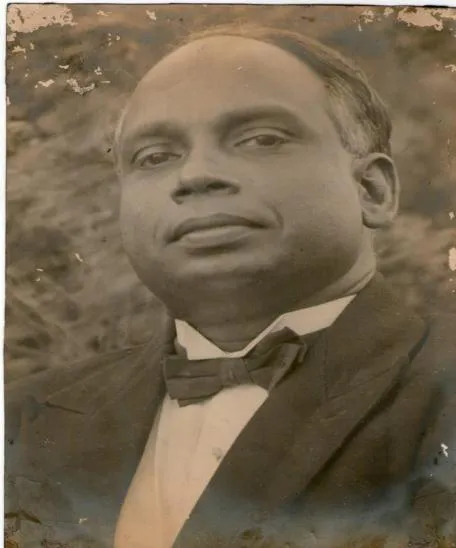
In his article 'Ancient Tamil Music' Pillai states "Of the four Idylls dealing with the meeting of the bards Porunaratrupadai, the meeting of the musicians of the martial males deals with the reception given by the great monarch Karikalan of the chola country. The following is the description of the court of Karikala Cholan
"The bards enter the palace undetained by the guards. The monarch received them in audience and asks them to take their seats quiet close to him. His loveable speech and endearing looks made even the bones of these bards melt with emotion. Beautiful, sweet smiling, well adorned ladies of the palace serve them with drinks (wine) in cups of gold, full to the brim, as often as they are emptied. The bards drink full and forget the fatigue of their long journey. They are asked to stay in a part of the palace itself 70 71
Pillai possessed a sword all his life that he has been carrying since his youth passed on by his ancestors. Weighing 5 kgs the sword was worshipped by Pillai on a daily basis as confirmed by his grandson (my father) and his granddaughter. During his last days the sword was handed over to the Tanjore palace museum by Pillai himself.
The sword carries hints on his lineage dating 1000 years back. The temple Gurukkal at Semmangudi Laxmanan who at present is taking care of the idol of Karunakara Thondaiman also confirms the existence of a sword that Kothandapani Pillai owned.
Pillai friendship with couple of saints should be mentioned here.
His friendship with a saint from Cuddalore 'Gnaniyar Adigal' is to be noted.. Pillai has penned an article about his experiences of meeting Gnaniyar Adigal' at his mutt in Cuddalore which appeared in a Tamil book in 1993.
Tamil writer A.M sathyamoorthy in his book "Thamizhagam Nikaikka Marandha Thamizh Aringargal" (தமிழகம் நிளகக்க மறந்த தமிழ் அறிஞர்கள்) 1994 mentions that "Rao Sahib K Kothandapani Pillai belongs to the lineage of Karunakara Thondaiman as mentioned by Govindarasanar from Sarguneswarapuram.
Pillai developed a strong bonding with Sri Kirubananda Variyar. Sri Kirubananda Variyar felicitated Pillai and his wife marking their 50th marriage anniversary which was held at a Sivan Temple in Semmangudi in 1973.
In the book 'Thirumurugatru padai thiran' (திரேமுருகாற்று பனட திறன்) 1972 Sri Kirubananda Variyar writes a sonnet for Kothandapani Pillai. It goes as follows
மாற்று பொருளுளரத்த மாமதிவயார் நாணமுறுகாற்றுப் படைக்கரிய அன்றவளோ தொற்றுவித்தேகாதன்ட பாணிக் தனக்தோமான் வாழியேவபுதலத்தோர் பொற்றுப் பகழ்ந்து
அம்மவென விம்மலுற அற்றுப் படக்குறையச் செம்மங்தடி வாழும் சீராளன் செம்மயழுச் செய்ய தமிழாலே செம்பாக மாயளித்தான்
எவயம் மகிடும் மதித்து அழிவயன அழந்துணர்ந்டே அற்று படைக்குறைய ஊழிவனர போற்று உதவினனால் ஏழிணசேசர் ேகாழியயர் சகான(நுளால் சகாதன்ஸட பாணிமிக வாழியபல் லான்டு மகிழ்ந்து 74
A man at the highest prism of character Kothandapani's analysis of Thirumuragatrupadai Has put all the literary giants to awe Let the world rejoice his legacy An inhabitant of Semmangudi who Has contributed half to the glory of Tamil and its legacy may his work be rejoiced by the world Through his ocean of thoughts his work on lord muruga will exist as long as sun and moon exists and may he live forever
Pillai was a man of great moral values and ideologies. It is to be noted that Pillai lost both his children while he was alive. His daughter Rajalakshmi my grandmother expired at the age of 28 in 1958 and his son Meenakshi Sundaram expired in 1974.
Apart from his personal losses Pillai never lost his love for the language Tamil and its legacy. Being his great grandson I have taken the initiative to derive his roots. I would like to mention some of the themes on which Pillai penned his works.
1918: Pattinappalai: King Karikala Cholan 1932: Stories from Tolstoy - Count Leo Tolstoy 1934: Mangayark karasiyar - King Koon pandiyan 1936: Pangayacchelvi - Azhagan perumal parakrima pandiyan 1943: Nedunalvaadai - King Nedunchezhiyan pandiyan
Pillai breathed his last on the 9th January 1979 and an obituary was published in Senthamizh Selvi magazine narrating his contributions to the country and Tamil.
Footnotes
20 ஆண்டு பண் ஆராய்ச்சியம் அதன் (மூடவகளின் தொகுப்பம் 1949-1969 - பண்ணாராய்ச்சி வெள்ளி விழாவெளியீடு 1974. (p.9) ↩
Conflict of Interest
The authors declare no conflict of interest.
Ethical Approval
Not applicable
Data Availability
The datasets used in this study are openly available at [repository link] and the source code is available on GitHub at [GitHub link].
Funding
This work did not receive any external funding.
Cite this article
Related Research

Special Issue
Launch a focused special issue to highlight research, emerging trends, and expert insights in your academic field.