


Abstract
Alternative and Natural Medicine are nonmedical techniques and therapies that help a client heal faster and use non-medication for the mind, body, and soul. Also, Holistic perspectives provide a framework for understanding how sentient beings, including humans, perceive and interact with the world. In the Holistic study, these guidelines are for us to follow, and they are the: Six Universal Reality Dimensions, as presented in the Theory of Holistic Perspective, they describe the fundamental aspects through which all sentient beings perceive and engage with reality.
This article will continue from Article PT II the modalities, perspective, and theory of alternative. Also, the discussion will have a plethora of TCM and Herbology medicine.
Explore Digital Article Text
I. INTRODUCTION
Natural medicine should be considered complementary medicine rather than an alternative to standard medical care. You should inform your doctor if you are also using alternative therapies.
Naturopathy, or natural medicine, is a form of alternative medicine with a deep history of traditional philosophies and practices and natural treatment options for patients. It aims at stimulating the body's self-healing capacity.
Many people view natural medicine as a form of complementary medicine. Complementary medicine refers to treatments that are used alongside conventional medicine to support overall health and well-being. Natural medicine, which includes practices like herbal medicine, acupuncture, or homeopathy, often falls into this category because it is typically used alongside mainstream treatments rather than replacing them. The key benefit of considering natural medicine in this way is that it can provide holistic care, addressing physical, emotional, and mental health through alternative approaches. For example, while a doctor might treat a condition with medication, someone might use natural remedies to manage stress or support their immune system during recovery.
That being said, the effectiveness of various natural treatments can vary, and it is important to approach them with an open yet cautious mindset, especially when combined with conventional treatments.
Many people find success when both approaches work together, but it is always best to consult with a healthcare provider to ensure the combination is safe. What are your thoughts on this, or do you have any natural remedies you personally find effective?
Naturopathic medicine is built around six core principles that guide naturopathic doctors (NDs) in their approach to healing. These principles focus on treating the whole person and supporting the body's inherent ability to heal itself. Here are the six core principles:
The six core principles that a naturopath follows for the treatment of patients, which include:
Identify and Treat the Cause: This principle emphasizes the body's innate ability to heal itself. Naturopaths believe that when the body is given the right support—through proper nutrition, rest, and lifestyle changes—it can overcome illness and return to balance. Naturopaths aim to identify and remove obstacles to healing, rather than just focusing on symptom management.
Use the Healing Power of Nature: Naturopathic doctors use treatments and approaches that minimize the risk of harm to patients. This includes using the least invasive therapies possible and avoiding harmful side effects. The goal is to promote healing in a way that does not cause additional harm to the body, and when possible, to utilize therapies that have a strong safety profile.
Do no harm Doctor as Teacher (Docere): Naturopaths see themselves as educators who empower patients to take responsibility for their health. Through guidance and education, they help patients understand their bodies, make healthier lifestyle choices, and become active participants in their healing journey. This principle encourages patients to develop knowledge and habits that promote long-term health.
Treat the Entire Patient: Naturopathic doctors recognize the interconnectedness of the physical, mental, emotional, and spiritual aspects of a person.
Be a Teacher First: Treatment plans are personalized to meet the individual needs of each patient, taking into account all aspects of their well-being, not just the physical symptoms they present with.
Prevention of Disease and Health Promotion (Tolle Totem): Naturopathy emphasizes the importance of preventive care. NDs believe that maintaining health is preferable to treating disease. By promoting healthy living, proper nutrition, exercise, stress management, and regular checkups, naturopathic medicine aims to prevent illness before it arises.
These principles are designed to promote overall health and encourage the body's natural healing abilities.
Naturopathic medicine is a system that uses natural remedies to help the body heal itself. It embraces many therapies, including herbs, massage, acupuncture, exercise, and nutritional counseling. Naturopathy was brought to the United States from Germany in the 1800s, but some of its treatments are centuries old. As naturopathy doctors, they should examine your diet, exercise, or stress management tips. They might use complementary medicine -- like homeopathy, herbal medicine, and acupuncture. naturopathic medicine in hospitals, clinics, community centers, and private offices. They fall into three groups, and they all have different educations and backgrounds.
Naturopathic Physicians: These are also called naturopathic doctors (ND) or Doctor of Naturopathic Medicine (NMD).
Traditional Naturopaths: These practitioners do not attend an accredited naturopathic medical school or receive a license. Their education varies widely.
Safety Measures for Side Effects
A few naturopathic treatments have known side effects and risks.
Supplements (vitamin and herbal): Some of these may interfere with prescription medications. In large doses, certain vitamins may raise your risk of a disease like cancer.
Spinal Adjustments this area can cause sprains, damage to the vital importance of vertebrae and their muscles, arteries, and veins.
Detox Diets: These include certain foods or fasting, diabetes care, and nutrients to keep the body going.
Herbology for Healing
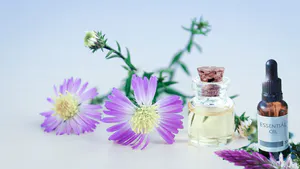
Herbology, also known as herbal medicine, is the practice of using plants and plant extracts for therapeutic purposes. It is one of the oldest forms of medicine and has been used across cultures for thousands of years to promote health, prevent illness, and treat various conditions.
Herbology focuses on the medicinal properties of herbs, including their leaves, flowers, stems, roots, and even seeds. These plants contain a variety of bioactive compounds, such as alkaloids, flavonoids, and essential oils, which can have various therapeutic effects on the body.
Some Key Aspects of Herbology Include:
1. Types of Herbal Remedies:
Tinctures: Concentrated extracts of herbs dissolved in alcohol or glycerin.
Infusions: Made by steeping dried or fresh herbs in hot water, similar to making tea.
Decoctions: Herbal extracts made by simmering tougher plant parts, like roots or bark, in water.
Capsules/Tablets: Dried herbs are powdered and placed in capsules or compressed into tablet form. Topical applications: Herbal ointments, creams, or oils used on the skin.
2. Common Herbs and their uses:
Echinacea: Often used to boost the immune system and help prevent colds.
Lavender: Known for its calming properties, often used for anxiety and sleep issues.
Peppermint: Can help with digestive issues, headaches, and muscle pain.
Ginger: Commonly used for nausea, digestive health, and inflammation.
Turmeric: A powerful anti-inflammatory antioxidant, often used for joint pain and skin conditions.
3. Principles of Herbology:
Holistic Approach: Herbology treats the body as a whole, addressing underlying causes of illness rather than just symptoms.
Balance and Harmony: Herbs are often used to restore balance within the body, supporting their natural healing mechanisms.
Personalization: Herbal remedies are tailored to the individual, considering factors like health condition, lifestyle, and constitution.
4. Safety and Considerations:
Dosage: Like any form of medicine, the proper dosage is important. Too much of an herb can cause side effects, while too little may be ineffective.
Interactions: Herbal remedies can interact with prescription medications, so it is essential to consult a healthcare provider before starting a regimen.
Quality: The quality of herbs can vary, so it is important to source them from reputable suppliers to ensure they are safe and effective.
5. Herbalists:
In many cultures, herbalists are professionals trained in the use of plants for medicinal purposes. They have knowledge of the plants, their properties, and how to prepare and administer them for specific health issues. In some countries, they are licensed healthcare providers, while in others, they work more informally.
Herbology is often seen as a more natural, holistic approach to medicine, and many people turn to it to complement conventional treatments or as part of preventive care. However, like all forms of medicine, it is important to approach it with caution and ensure that the herbs used are appropriate for your specific health needs. Do you have any favorite herbs or a specific area of herbology you would like to learn more about?
Defining Herbology and Herbalism: Core Concepts and Practices
Understanding Herbology and Herbalism
Herbology and herbalism, while often used interchangeably, pertain to the study and application of plants with distinct nuances worth exploring. Both fields delve into the rich world of botanical remedies, yet they stand apart in their focus and methodologies.
Defining Herbology
Herbology can be described as the scientific discipline that revolves around understanding the biological nature of herbs. This field is heavily rooted in empirical study and aims at categorizing and documenting plant species, their properties, chemical constituents, and their potential medical applications. The practices in herbology revolve around classification, research, and evidence-based exploration of herbs. Scholars and practitioners focus on identifying the active ingredients within plants, such as alkaloids, terpenes, and flavonoids.
Timeline of Herbology 60,000 BCE
Evidence that our paleolithic ancestors used native herbs in a deliberate way! A Neanderthal burial unearthed at Shanidar in northern Iraq revealed a man laid on soil covered with grape hyacinth (Muscari armeniacum), yarrow (Achillea millefolium), ephedra (Ephedra sp.), henbane (Hyoscyamus Niger), St. Barnaby's thistle (Centaurea solstitialis), marshmallow pollen (Althea officinalis), and other herbs which are still used in herbal practice and folk medicine today (Storl, 2012; Griggs, 1981; Solecki, 1975).
30,000 BCE: Shamanism Practices First Recorded
Some of the earliest herbalists of the past were the shamans or medicine keepers of a tribe. Shamanism was even practiced in Paleolithic times. Ancient cave art dated at 30,000 years old shows evidence of shamanic practices first being used (Villoldo, 2017). Thousands of years later, around 4000 BCE, the tradition of shamanism developed in Eurasia. Shamans, in general, are known to have a direct connection with spirit or the ability to communicate with gods or guides.
3000+ BCE: Sumerian Tablets + The Roots of Ayurveda and Traditional Chinese Medicine (TCM)
The first dated, written record of medicinal plants was etched on clay tablets by the Sumerians over five thousand years ago in ancient Mesopotamia (modern-day Iraq); around this time period in China, the roots of traditional Chinese medicine were beginning to be transcribed, and in India.
3000-1500 BCE: Medical Theories of Ancient Egypt
During this time period, the Ancient Egyptians wrote the Ebers Papyrus, a compilation of important and diverse medical texts written over the course of 1500 years that describes over 850 different herbs and their traditional uses.
Case Studies
1. https://www.naturalmedicinejournal.com/journal/prescription-nature
2. https://globalhealing.com/blogs/education/modern-medicine?utm_source=bing&utm
II. CONCLUSION
This article has a plethora of information for other researchers to expand their knowledge of the alternative and natural medicine fields. This included perspectives, theories, and Holistic perspectives to provide a framework on how to make a treatment plan for a client.
RESOURCES
Conflict of Interest
The authors declare no conflict of interest.
Ethical Approval
Not applicable
Data Availability
The datasets used in this study are openly available at [repository link] and the source code is available on GitHub at [GitHub link].
Funding
This work did not receive any external funding.
Cite this article
Related Research

Special Issue
Launch a focused special issue to highlight research, emerging trends, and expert insights in your academic field.