




IntelliPaper
Abstract
Burns on the skin and their treatment have been considered a medical issue since ancient times. Approximately 90% of burns are of thermal origin, all of which involve tissue destruction. The depth and extent of the burn are important factors to consider when treating the injury. Frequently, the resulting wounds are impossible to close or suture primarily, necessitating coverings such as grafts to achieve a stable and durable solution. However, these burns and their grafts can lead to pathological scars, which can have negative consequences for the individual, both aesthetically and physiologically, as they can impair proper movement of the affected limb. These scars are characterized by excess collagen deposition, making the use of the enzyme collagenase, which degrades this protein, relevant. Pbserum is a treatment line based on high molecular weight hyaluronic acid (HA) and a novel recombinant enzymatic system composed of collagenase, lipase, and liase. We present a case of a patient post skin grafts for burns on the right lower limb treated with High pbserum enzymes. This enzymatic cocktail proved to be safe and effective and resulted in the satisfactory evolution of the patient from the first application. Its benefits were improvement in pigmentation and skin appearance, reduction of hypertrophic areas, and a more normal gait pattern, enabling a return to daily activities and significantly improving quality of life.
Explore Digital Article Text
I. INTRODUCTION
Skin burns and their treatment have been considered a medical issue since ancient times. A burn results from the skin's contact with a heat source, which can be high temperatures, electricity, friction, radiation, and chemicals.
Burns can be classified according to other factors such as depth, etiology, and the percentage of body surface area affected. Regarding etiology, burn injuries can stem from thermal, electrical, chemical, and radiation contact, among others.
Around 90% of burns are typically of thermal origin, whether from hot liquids, dry heat via direct contact with flames or radiant heat, or contact with a hot object .
All burns involve tissue destruction due to energy transfer, associating different causes with different physiological and pathophysiological responses. Therefore, burn depth is an important factor to consider when treating the injury. Generally, the deeper the burn, the greater the demand for achieving good scar outcomes.
Following this criterion, a burn can be categorized as: (i) First-degree burns, which are superficial and only affect the epidermis; these burns are typically benign, very painful, heal without scarring, and do not require surgery. (ii) Second-degree burns, which affect the dermis and often form painful blisters; these burns range from superficial partial thickness (homogeneous, moist, hyperemic, and pale) to deep partial thickness (less sensitive, drier, may have a reticular pattern in erythema, and do not blanch).
(iii) Third-degree burns, which are full-thickness. And (iv) fourth-degree burns, which require surgery, although they are generally nearly painless [2].
A long-term consequence of burns is scarring; these scars are flat and minimally discolored, characterized by increased collagenase activity, decreased expression of transforming growth factor beta (TGFβ), and macrophages with a predominant M1 phenotype. However, burns can lead to the development of pathological scarring [2]. Deep partial-thickness or full-thickness burns take longer to heal, resulting in a higher risk of pathological scarring, especially when combined with a prolonged acute inflammatory phase.
Pathological scars are characterized by excess collagen deposition, resulting in a thick, non-flexible layer that can cause itching, pain, and contractures, thus limiting functionality .
Two main subtypes of pathological scars are evident after thermal injury: hypertrophic scars and keloids. Hypertrophic scars are more common in burns and occur in 30-90% of patients. Conversely, keloid scars primarily occur in individuals with darker skin pigmentation and are raised fibroproliferative lesions composed of disorganized bundles of type I and type III collagen; moreover, they demonstrate uncontrolled growth and invasion of normal tissues, along with a higher recurrence rate despite treatment [2-3].
Burn wounds often present as extensive avulsion of isolated skin and/or together with other tissues; thus, due to their significant extent and or involving deep dermis, they are impossible to close or suture primarily, necessitating alternative coverage methods to stabilize such wounds, such as grafts. Graft survival is feasible if the bed has sufficient granulation tissue, a good layer of subcutaneous cellular tissue, or if it involves muscle . Nevertheless, grafts can also lead to pathological scars, with corresponding consequences. Therefore, it is important to anticipate or address such affected skin to prevent or mitigate its effects.
Regarding therapeutic management, scientific evidence suggests treatments such as intralesional corticosteroids, scar massage, intralesional 5-fluorouracil (for scars unresponsive to intralesional corticosteroids), bleomycin, pressure garments, pulsed dye laser, hyperbaric chamber, and radiotherapy [3]. Similarly, innovative formulations for wound healing have been implemented, including liposomes, nanoparticles [6], and enzymes. Enzymatic treatments have demonstrated benefits in dermatology and aesthetic medicine by increasing dermal permeability, enhancing blood flow and lymphatic drainage, reducing fibrous septae of cellulite, sagging, adiposity, and rejuvenating overall appearance; they also represent a minimally invasive aesthetic alternative [7]. Here we present our protocol for burns with High pbserum, a novel enzymatic treatment, in a patient with post-skin grafts.
II. CASE PRESENTATION
The patient is a 59-year-old woman who presented with a third-degree burn on the right lower limb, specifically in the tibial/fibular area, resulting from a gas cylinder explosion during a barbecue in August 2021. Initial treatment involved medical management of the burns with surgical debridement and various dressings. The patient required full-thickness skin grafts for the extensive lesion, which were performed three weeks after the day of the burn. The patient returned to the clinic three months after the grafts were performed, at which point a hypertrophic and hyperpigmented scar was evident (Fig. 1), along with hypersensitivity of the area, and inability to walk or wear a conventional shoe.
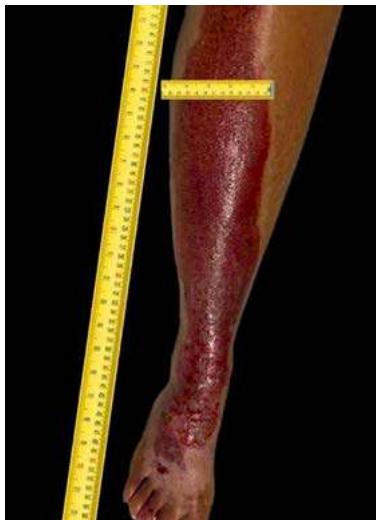 Figure 1: Skin condition 3 months post-grafts, December 2021
In 2017, the patient suffered a traffic accident resulting in monoplegia affecting the left lower limb; since then, she has been using a robotic device to walk and perform dorsiflexion of the left foot. Therefore, it is imperative to regain the range of motion of the limb with burn injury; additional treatment goals included improving the quality and appearance of the skin. Treatment was initiated six months after the skin grafts to ensure optimal adhesion to deep structures and achieve better treatment outcomes. Tissue retraction was considered to perform plantar grip of the foot, as the patient not only presented with tissue retraction but also fibrosis and hyperpigmented discoloration from the outset, which did not improve during the six months post-grafts.
The treatment of choice was High pbserum recombinant enzymes. This enzymatic cocktail consists of PB220 collagenase at a higher concentration, PB500 lipase, and PB72K liase. It is presented in a vial with lyophilized enzymes, a vial with 18 ml of reconstituting solution, and a sterile 5 ml syringe with 1.5 ml of high molecular weight HA [8]. Four enzyme kits were used for each application, totaling 80 ml of enzymatic dilution. Partial sedation with an anesthesiologist was used to reduce pain during treatment.
Injections were administered at a 15-30 degree angle to the skin. A total of 6 sessions were scheduled, spaced every six weeks. For optimal application of the enzymes at 1cc per cm2, the area was marked, completely delineating the outer edge of the grafts, and drawing a grid of squares with an area of across the entire extent of the graft. Enzyme application followed a predetermined order in an upward direction (Fig. 2).
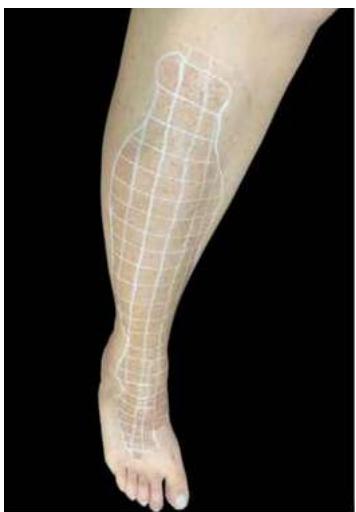 Figure 2: Marking for High pbserum treatment application
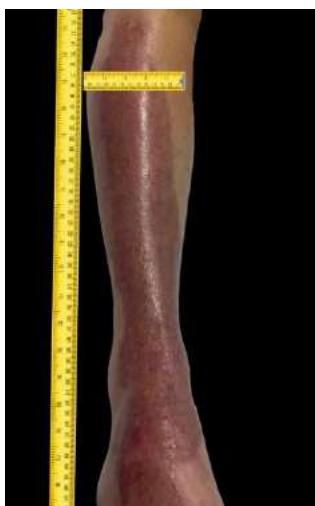
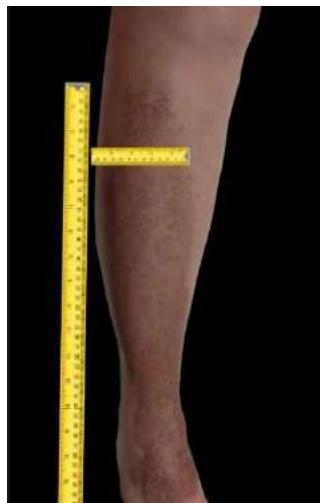
At the time of the first enzyme application, good graft evolution was observed. The scar was hypertrophic, especially on the dorsum of the foot. The skin was rough to the touch and darkly pigmented, with very well-defined edges (Fig. 3A).
Marking was performed, followed by the application of 1.5 HA High pbserum enzymes. The result of the first session was a reduction in the hypertrophic area on the dorsum of the foot; a 1 cm decrease in the longitudinal edge of the lesion; an improvement in skin quality, smoother and softer to the touch; and changes in pigmentation.
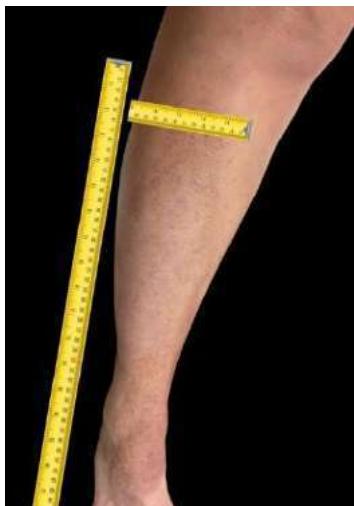
The result of the second session was a further reduction in hypertrophy, along with continued improvements in pigmentation and lesion edges (Fig. 3B). After the third application, a marked decrease in pigmentation and hypertrophy was observed, along with changes in skin texture, increasing smoothness to the touch. Following the fourth session, the lesion exhibited a smaller diameter and length, with decreased pigmentation and reduced hypertrophy on the dorsum of the foot (Fig. 3C). The fifth session produced a notable change associated with complete reduction of fibrous tissue retraction on the dorsum of the foot, enabling the patient to perform full plantar flexion; changes continued regarding the length dimension of the scar and pigmentation; and hypersensitivity decreased, with the skin becoming smoother to the touch. At this point, the patient began walking again, going through all phases of gait, facilitating her daily activities. Two weeks after the sixth and final session, in February 2023, there was a reduction of over 70% in the edges of the lesion; complete reversal of hyperpigmentation, eliminating the dark coloration the patient had before enzyme application; the skin became even softer and more delicate; foot range of motion was fully restored, allowing for easy walking; and pain decreased significantly, enabling the patient to tolerate conventional footwear (Fig. 3D). The patient reported feeling happy and satisfied with the treatment outcome. As for side effects, at each application, the patient experienced marked edema, erythema, warmth, and 10 out of 10 pain on a scale of 10, for 72 hours. Additionally, she experienced difficulty walking and performing activities of daily living. No analgesics were used in this patient due to medical contraindications. Symptoms completely disappeared after seven days.
 A
A
 B
B
 C
C
 D Figure 3: Evolution of pbserum treatment results. A) State of the right lower limb before the 1st application. B) Results after the 2nd application. C) Results after the 4th application. D) Two weeks after the 6th application
III. DISCUSSION
Understanding the process of normal and pathological wound healing is essential for all medical and surgical specialties treating acute and chronic wounds, as the outcome of these processes will determine the final result of surgical treatment [3].
Our patient's scar, resulting from the third-degree thermal burn and subsequent grafting, was characterized by being hypertrophic, especially in the areas of the foot dorsum; hyperpigmented; extensive; rough and coarse; painful; and with skin retraction on the foot dorsum, impeding plantar flexion movement [2-3].
In hypertrophic scars, there is a proliferation of fibrotic connective tissue, leading to increased collagen synthesis and decreased degradation, resulting in an enhance in collagen type I fibers versus type III [8].
In the case presented here, we treated a hypertrophic scar with HA 1.5 High pbserum. We demonstrate how the combination of recombinant enzymes, collagenase, lipase, and liase, along with high molecular weight HA, improves skin appearance, eliminates hyperpigmentation, increases sensitivity, alleviates pain, and restores the patient's ability to walk easily by completely eliminating dorsum foot retraction. This enzymatic cocktail has a higher proportion of collagenase, which acts by breaking the peptide bonds of collagen, which is excessively deposited in pathological scars [2], and intervenes in its rearrangement, relaxing fibers with a smoothing and firming effect on the skin [7,9,10]. Additionally, the anti-inflammatory effect of high molecular weight HA alongside collagenase would help provide an optimal environment for skin recovery, resulting in increased hydration, reduced inflammation, and decreased fibrotic tissue; ultimately leading to a considerable improvement in our patient's skin area.
Previous results demonstrated how High pbserum decreased pruritus, pain, thickness, irregularities, and stiffness of hypertrophic, atrophic, and keloid scars from the first application . However, this is the first case where the enzyme cocktail is applied to post-burn scars with grafts. Treatment commenced six months after grafting to ensure optimal adherence to the skin. The initial injections were administered, and upon observing positive changes, it was decided to continue applications every six weeks. The complete program consisted of six total sessions of short duration, providing a quick and comfortable practice where considerable improvement was evident in the patient with each session compared to the previous one.
In addition to the physiological and aesthetic changes observed, we obtained the patient's testimony regarding her satisfaction; the treatment enabled her to resume her daily activities and have a normal gait pattern, significantly improving her emotional state and quality of life.
The side effects observed were transient, lasting 72 hours, and disappeared to reveal the benefits of the treatment.
Burn injuries to the skin entail a greater demand to achieve good results in scar treatment. Therefore, science continues to advance in the development of novel techniques, and their application proves to be the choice of professionals in Aesthetic Medicine to ensure excellent results in their patients according to their needs. In our case, the results obtained with the cocktail of recombinant enzymes alongside high molecular weight HA 1.5 High pbserum align with one of the main purposes of Aesthetic Medicine: improving a person's appearance, providing greater well-being, and better overall health. Therefore, High pbserum could be considered an interesting alternative for post-burn patients, in terms of management, prevention, and rehabilitation, as many burns can lead to limitations in the range of motion of affected limbs.
IV. CONCLUSION
The benefits obtained following the application of 1.5 HA high pbserum in our patient with post-burn skin graft have been improvements in skin appearance (improve hyperpigmentation, smoothness, and firmness), reduction of hypertrophic areas, decrease in hypersensitivity, and restoration of movement; in addition to having a positive impact psychologically. Results were observed from the first application. Our protocol for pbserum enzyme application may serve as a safe and effective treatment alternative for burned patients with post-skin graft pathological scars. Further studies in this field are necessary to establish treatment recommendations.
ACKNOWLEDGMENT
We want to express our sincere gratitude to the creators of second-generation enzymes for the benefits they have provided to patients. We wish to extend our gratitude to the patient for trusting our medical criteria. Likewise, we want to acknowledge and thank Dr. Valeria Kopytina for her continuous support and collaboration. And lastly, we thank Dr. Estefanía Hurtado Gómez for her great work in writing the article.
Conflict of Interest
Dra. Paris has no conflict of interest to declare. Dr. López Berroa is an employee of the company Proteos Biotech and he receives a salary for this purpose.
Conflict of Interest
The authors declare no conflict of interest.
Ethical Approval
Not applicable
Data Availability
The datasets used in this study are openly available at [repository link] and the source code is available on GitHub at [GitHub link].
Funding
This work did not receive any external funding.
References
Cite this article
Related Research



Special Issue
Launch a focused special issue to highlight research, emerging trends, and expert insights in your academic field.
