





IntelliPaper
Abstract
This research paper undertakes an in-depth analysis of the multifaceted links that exist between socio-economic inequality, education, and technology, as well as a meticulous dissection of historical backgrounds and modern-day issues. Socio-economic disparities, which are the result of entrenched systemic obstacles, continue to exist throughout the world, worsening poverty, unemployment, and educational inequity. The history of colonialism, industrialization, and globalization as destructive forces that led, especially among marginalized populations, to the social gap we find today is, in its own right, a preliminary study of today’s disparities.
The systemic inequalities outlined herein have proved to be the most common factors hampering economic stability and development in society and aggravating the socio-economic gap. The research confirms that education is the key element for a change in these cycles. By doing both historical and empirical analyses, it shows how access to quality education supports social mobility, leads to economic stability, and redresses systemic inequities. Education plays a crucial role in addressing socio-economic issues within communities, particularly in areas such as rural areas and developing countries. Case studies from Nigeria, India, and Haiti demonstrate that, despite resource constraints, they implemented specific educational reforms that effectively mitigated these problems. At the same time, these examples indicate that some persistent barriers still exist, such as poor infrastructure, gaps in digital technology, and failures of governance.
People view technology as the key feature that bridges the gap between socioeconomics and education. The document affirms the potential of digital solutions like ICT integration with literacy to propel the education sector to the forefront of society, accelerating the transition towards a more accessible and high-quality education system. For instance, e-learning tools have been a means of reaching out to populations that had limited access to education, equipping them with the skills needed for the global labor market. However, the research emphasizes the importance of exercising critical thinking when utilizing technology, as it can exacerbate structural disparities and inadequate digital literacy.
Learning from successful tech-based models like the combination of mobile banking systems and educational financing creates an ecosystem of inclusivity and economic sustainability.
With a focus on collaboration between stakeholders, the document proposes metrics such as equitable resource distribution, capacity building, and digital inclusion as the most important for the establishment of solutions. The program marks a significant shift by providing a model of educational methods and integrating technology to create a sustainable system that enhances the resilience of communities in need. For instance, the involvement of local communities in the training process in both urban and rural areas has demonstrated, through various studies, the impact of implementing innovative strategies for development. The implications of these studies align with a sound worldview. The paper emphasizes international cooperation as a method to combat the cause of different socio-economic problems, and it states that only through the scaling of intervention efforts can we overcome these issues. The paper then presents the United Nation’s Sustainable Development Goals (SDGs) as a comprehensive framework that integrates both education and technology intonational and global strategies. It also proposes that different sectors should be the primary agents of reforms that are not only flexible but also the expected outcome of a partner who is committed to inclusivity.
The paper presents a delicate profiling of the socio-economic sphere, using historical, empirical, and case-based data as a foundation for its analysis and giving Congress real examples to support the countermeasures. It concludes that bridging the gap between education, technology, and equitable policymaking is critical for tackling the issues of world ineffectiveness. Consequently, by the appropriate actions and specific means of intervention, society can go beyond the present problems, facilitating sustainable development and guaranteeing access for all.
Explore Digital Article Text
I. INTRODUCTION
Tackling the many socio-economic problems requires a varied approach that includes historical backgrounds, current challenges, and possible fixes. Over time, the causes of educational inequalities have dispersed across various regions and socio-economic areas, frequently exacerbated by system failures and inefficient resource utilization. These issues are severe in both rural and city settings, resulting in limited access to high-quality education for individuals. As noted in [citeX], a complete development framework looks at economic growth along with social and educational programs, stressing the need to boost essential areas like human capital. Recognizing how these parts interact helps reveal deep-rooted problems caused by a lack of investment in education and technology, paving the way for an essential examination of today's socio-economic issues and finding ways to create fair solutions. The current situation makes things even more complicated as we deal with important challenges linked to educational differences and technological gaps.
Currently, as noted in [citeX], the National Health Policy in India illustrates the connection between socio-economic factors and access to essential services, reflecting broader trends observed in other regions. This example highlights the ongoing unfair distribution of resources that affects educational systems. Statistical studies show lasting racial and financial gaps, undermining the chance for easier advancement for disadvantaged groups. Understanding these present-day facts, along with detailed case studies and data, shows a pressing need for change. By combining qualitative and quantitative information, we can see how socio-economic factors impact educational results and look at new ideas aimed at breaking down these barriers.
Looking ahead, new ideas in education and technology are vital in tackling these deep-rooted socio-economic challenges. As shown by [citeX], the need for teamwork across disciplines highlights the importance of combining science, ethics, and mentorship to improve educational practices. The focus shifts to finding successful case studies and the ability of technology to close educational gaps, changing traditional methods into flexible learning strategies for different types of students. By taking a forward-looking view that involves all parties and encourages sustainable growth, we can create a strong agenda that focuses on inclusivity and resource management. This broad strategy represents the potential of combining education with technological progress to confront and surpass the socio-economic challenges we face now, paving the way for a fairer future for everyone.
1.1 Definition of Socio-Economic Maladies
Understanding socio-economic problems involves looking at the different ways these issues show up in society. These problems include poverty, unemployment, and unequal education, which block both personal and community growth. Less advantaged groups often suffer from socio-economic differences in the distribution of resources and opportunities. Recent studies indicate that these socio-economic issues often stem from systemic issues within economies that favor certain groups over others. The deep-rooted nature of these differences makes fixing them harder, leading to a cycle of poverty and exclusion. This underscores the pressing need for concentrated efforts to foster inclusivity and fairness, in order to mitigate the socio-economic issues that are currently plaguing many communities. Dealing with socio-economic problems is not just a theoretical task; it requires real solutions that involve technology and educational systems. For instance, the rise of the gig economy shows changing job patterns that offer flexibility but also create unstable work situations for many people. Changes in labor markets have major socio-economic effects as they weaken traditional job benefits that are key for social safety nets. Despite the importance of consumers, a significant gap between their knowledge and their responsibilities exposes them to risks. "In today's consumerist environment, the consumer is considered 'King.' However, this environment also highlights socio-economic maladies such as the gap between knowledge and responsibility, where consumers often lack the awareness necessary to make informed decisions, leading to exploitation and other socio-economic issues." (Rajkamal Chhotray). Therefore, not only do financial and job inequalities contribute to socio-economic issues, but also the information divide, underscoring the importance of enhancing digital skills and expanding access to education as essential components of any solution. The success of efforts to combat socio-economic issues relies on a dedicated and cooperative approach across many areas. Educational programs that emphasize technology use and fair access can significantly help people overcome socio-economic obstacles. New educational and technological ideas can also help close the resource gap. By utilizing digital tools, educational systems can support hands-on learning, problem-solving, and adaptability—skills that are critical for success in a complex socio-economic environment. Analyses of current socio-economic issues suggest that tackling these issues closely links to building an informed and active citizenry, which in turn supports overall community well-being and sustainable growth (Agache et al.; Aberer et al.). Strategies that promote not just awareness but also practical knowledge will be key to overcoming the socio-economic challenges that slow progress in various global settings.
1.2 Importance of Education and Technology in Addressing Issues
The connection between education and technology is important for dealing with current socio-economic problems. By combining educational systems with technological advancements, access to resources can be made more fair and inclusive. For example, programs that offer digital skills training help marginalized groups, allowing them to engage more fully in today's economy based on knowledge. The growth of online learning platforms, which provide broader access to quality educational resources, demonstrates how these technological changes can not only be helpful but also transform the landscape. Research suggests that the use of business intelligence in education, such as monitoring student participation, shows how data can help improve learning results (Cao et al.). This shift not only tackles the weaknesses of traditional education systems but also strengthens their ability to cope with socioeconomic difficulties. Closing the educational gap and improving learning results depends on effectively using technology, especially in areas with limited resources. Technology plays a key role in filling gaps in places where physical resources like books or qualified teachers are scarce. Digital education can reach a larger audience and create new opportunities where conventional methods fail. Research shows that technology can boost student involvement, making learning experiences more engaging and tailored to individual needs. Additionally, policies that leverage technology for financial support can open ways for both economic advancement and educational achievement. For instance, connecting mobile banking with education financing allows students from low-income families to better afford their studies. In this changing environment, the relationship between education and technology is vital in influencing future generations. Understanding the issues created by current socio-economic circumstances, the importance of developing lasting solutions through education and technology is clear. These solutions include not just academic growth but also a comprehensive approach that combines social and emotional learning with technological progress. As societies face rapid changes Due to globalization, the demand for flexible educational practices is crucial. This requires a thorough rethinking of curricula that include both environmental and tech-savvy skills. The Sustainable Development Goals (SDGs) emphasize the critical role of education in forming strong communities. By concentrating on these ideas, education can help tackle systemic inequalities and encourage a culture of innovation. As previously noted, technology has transformed our communication speed and cost, while also altering the quality and accessibility of the information we share, such as breaking news. (Lori G. Thomas), pointing out the need for educational systems that make use of these advancements to ease socio-economic difficulties.
1.3 Overview of the Essay Structure
The essay starts with a background that looks at the ongoing and varied problems related to socioeconomics worldwide. This section scrutinizes intricate issues such as poverty, inequality, and the digital divide, deeply entrenched in diverse socio-economic strata ranging from rural regions to urban centers. By using statistics and real-world evidence, the text shows how these issues interconnect and make each other worse. Furthermore, this section highlights the vital role of education and tech innovation in tackling these deep-rooted issues. As mentioned by Wageningen UR, a broad approach in studying these problems aids in understanding possible solutions (Eijsackers et al.). Through this discussion, the essay stresses the urgent need to tackle these ongoing problems, positioning education and technology as key players in driving significant change. Later paragraphs turn the focus to current situations, including thorough analyses and case studies that depict real-life scenarios. This part examines how socio-economic gaps still show up in education and technology access, looking at both achievements and failures. By including stories from various regions, the discussion sheds light on the important obstacles that prevent equal access to information and resources. This section also presents evidence demonstrating how targeted educational programs and technological advancements can effectively reduce disparities. As stated in research on open innovation, recognizing the specific challenges faced by developing nations can help create solutions that fit local needs (Erkki Karo et al.). This approach not only summarizes current situations, but also meticulously analyzes them to enhance the reader's comprehension of the underlying issues. In conclusion, the essay looks ahead, suggesting that education and technology are not just solutions but also flexible and changing fields ready to meet future challenges. This final part brings together insights from both past and present analyses, proposing new strategies based on successful case studies. It connects with the talk about sustainable development goals, stressing that a thoughtful approach to education and technology can lead to meaningful improvements. The combined findings support the idea that investing in these areas not only addresses current socio-economic problems but also sets the stage for stronger communities. The link between educational growth and technological development is essential; tackling these areas is important for finding lasting solutions to ongoing socio-economic issues, thereby reinforcing the essay's main points.
II. HISTORICAL CONTEXT OF SOCIO-ECONOMIC ISSUES
Socio-economic issues are complex and have undergone significant changes due to events that have shaped society. Colonization, industrialization, and globalization are key events that have impacted economies and social order. In many areas, especially in the Global South, the past of colonial exploitation has created ongoing socio-economic gaps. For instance, past injustices continue to hinder access to education in these areas, creating barriers that prevent individuals from advancing in society. Literature emphasizes that universities should help with local development and integration (Piyushi Kotecha). This demonstrates the connection between education changes and broader socio-economic problems. Furthermore, understanding historical contexts is important for discussions about sustainable development, which stress the need to fix these long-lasting inequalities. The shift from farming communities to industrial economies has also caused changes in socio-economic norms and frameworks. This change has often worsened existing inequalities instead of reducing them, especially for disadvantaged groups. Knowing the historical background is crucial to seeing how socio-economic policies have helped some groups while ignoring others. Recent studies (McAllister et al.) have noted that climate change and food insecurity have prompted the creation of agricultural policies that promote organic farming. Such policies show the need to connect environmental and socio-economic issues. Additionally, understanding past educational practices helps in developing current strategies that enhance skills needed in changing job markets. This historical knowledge helps create adaptable educational systems, contributing to solving socio-economic problems. Moreover, the role of technological progress in tackling historical socio-economic issues is very important. Technology can empower individuals or create more disparities, based on who can access it. Initiatives in educational technology can help close learning opportunity gaps, especially for marginalized populations. Images of state-of-the-art classrooms and technology use in education illustrate this potential for change. However, the history of exclusion from technological advancements also highlights the need for fairness in education-related projects. Without addressing these gaps, the benefits of technology may not reach everyone. Thus, recognizing the historical context is vital as societies work to ensure that both education and technology are accessible, framing them as key solutions to today's socio-economic challenges.
2.1 Evolution of Socio-Economic Maladies
Social and economic problems have long histories, shaped by many structural and systemic factors that reveal inequalities in societies. The impacts of colonialism, industrialization, and global finance have led to ongoing poverty, unequal education, and health issues, especially in poorer areas. As stated in (Mshelia et al.), the issue of child begging in northern Nigeria shows the link between systemic failures and social-economic troubles, where lack of education and low income push vulnerable groups into harsh conditions. This situation highlights how not tackling basic issues in governance and education keeps poverty and social unrest going. Therefore, understanding these problems calls for urgent policies that focus on educational improvements and better governance to effectively address deep-rooted socio-economic inequalities. The current scene of socio-economic problems shows a mix of crises worsened by recent global events like the COVID-19 pandemic. As noted in (Kohnert et al.), the pandemic has not only made existing inequalities worse but also exposed issues in healthcare and economic stability, pushing many back into severe poverty. The increasingly connected world shows how local economic issues now have worldwide effects, making recovery more complicated. Tackling these complex problems requires new methods, especially in education and technology, to help vulnerable communities become more resilient and adaptable. Inclusive education systems that use technology can empower people and narrow the divide between different socio-economic groups. Thus, current situations urge policymakers to adopt educational strategies that go beyond traditional approaches, promoting a culture of lifelong learning to alleviate socio-economic issues. Looking to the future, addressing socio-economic problems requires a forward-thinking approach that combines education and technology as key tools for change. Sustainable education models that prioritize digital skills not only equip individuals for the rapidly changing job market, but also foster community involvement and social responsibility. Moreover, as pointed out in "Helping global policymakers navigate AI's challenges and opportunities requires practical steps to help close the many gaps they see in understanding how to deal with Artificial Intelligence technologies." (Urs Gasser), understanding how to navigate technological changes is vital for global policymakers. This combination can lead to creative solutions that tackle socio-economic issues more comprehensively, converting education systems into pathways for upward mobility. As societies strive to recover and prosper amid ongoing challenges, the collaboration of education and technology will be crucial in changing socio-economic contexts, ensuring fair access to chances that can elevate entire communities.
2.2 Key Historical Events Impacting Socio-Economic Conditions
The Industrial Revolution significantly altered today's socio-economic landscape. Taking place from the late 18th to the early 19th centuries, this period moved economies from farming to industrial cities. This change led to large economic growth and the creation of new social classes, rearranging society. However, it also gave rise to issues such as labor exploitation and increasing income inequality, which continue to impact socio-economic conditions to this day. Many people moved to cities for factory jobs, which broke up traditional family support and increased social tensions, prompting calls for reforms. The lasting impact of these early capitalist systems highlights the need for educational efforts to close the skills gap in various communities today. Tackling historical socio-economic inequalities through modern educational upgrades is crucial for building fairer futures. The 20th century had important events that reshaped socio-economic conditions, especially the Great Depression. This global economic crisis caused widespread job loss and poverty. The difficulties exposed weaknesses in capitalist systems and led to major policy changes, like establishing social safety nets and regulations for economic stability. These actions aimed not only to ease immediate suffering but also to strengthen the socio-economic structure. Education became a key focus in recovery efforts, with policymakers starting to see how important human capital was for economic improvement. Developing skills and competencies to fit labor market needs became a priority, creating trends that we still see today. These historical insights show the importance of linking education with socio-economic needs, which is crucial for addressing today's economic issues. The civil rights movements in the mid-20th century also marked important developments that affected socio-economic conditions in the United States. These movements worked to eliminate racial discrimination and inequality, fighting for equal access to education, jobs, and civic rights. Achievements like the Civil Rights Act of 1964 helped open up more economic opportunities for marginalized groups. This time, the connections between education, technology, and socio-economic progress were highlighted, emphasizing the importance of fair access to quality educational resources for economic growth. These social movements have coincided with increased investment in technology, as awareness of the digital divide as a current barrier to fairness has grown. Addressing this gap through focused educational technology initiatives is important for overcoming the socio-economic challenges that arise from historical injustices, showing a clear link between past events and present solutions.
2.3 Lessons Learned from Historical Approaches
Historical views on education and socio-economic problems give important insights, especially about unexpected results of beneficial policies. A clear example is the creation of marine protected areas for coral reefs, intended to protect biodiversity and help local communities. Research indicates that these areas frequently highlight the challenges associated with relying on natural resources. They demonstrated that policies that do not consider local conditions can make socio-economic issues worse (Cohen et al.). These experiences highlight the need to include stakeholder views when making policies, as community involvement can greatly affect how well interventions work. Learning from past mistakes, a diverse educational approach that fits local situations and builds on history is key to solving today's problems. Effective education methods also need to be inclusive, as shown by historical studies on educational fairness. The successful use of new teaching practices, like digital learning, comes from efforts to reduce gaps in access and quality. P.K. Paul et al. emphasize that the link between education and technology must take into account existing socio-economic divides to provide fair chances for all (Image 2). The experiences from earlier efforts serve as warnings; while new strategies like ICT in education are promising, they need to be part of a broader plan that actively works to remove obstacles. This necessitates specific actions aimed at promoting educational fairness, in line with the belief that "education is undeniably one of the most critical pillars of development," particularly in a young, aspirational society like India. The VSK initiative aims to build a more educated, confident, and capable generation of students who will lead the country towards greater prosperity." (Sanjay Kumar)."By learning from history, today's education systems can develop solutions that are both lasting and meaningful. Evidence shows that understanding the socio-economic background of previous strategies can lead to better modern practices. For example, green technology projects demonstrate how earlier mistakes in resource management prompted more balanced ecological and economic policies that acknowledge the connections among education, technology, and environmental health. The links between these factors, shown in different models, stress that educational equity means fair and just access to the support and resources needed for students to reach their full academic and social potential. "Education is undeniably one of the most critical pillars of development, particularly in a young, aspirational society like India. The VSK initiative aims to build a more educated, confident, and capable generation of students who will lead the country towards greater prosperity." (Sanjay Kumar). Using integrated frameworks that draw lessons from history ensures that today's solutions not only address current problems but also create a strong base for the future, highlighting the need to align education with socio-economic conditions.
III. GLOBAL PERSPECTIVES ON SOCIO-ECONOMIC MALADIES
In today's world, socio-economic problems manifest themselves in a variety of ways. These issues need a look that goes beyond just one area and recognizes the common struggles countries face. Problems like not having adequate education, high unemployment, and health gaps create a cycle of poverty affecting various groups. The Indian School of Public Policy points out that focusing on health education and awareness can help ease these ongoing issues. Additionally, the growing use of technology, evident in classroom images, demonstrates how digital tools can enhance learning for underprivileged groups. Highlighting the need for fair access to education will help build a more inclusive society and tackle some of the main socio-economic problems we see today. To truly understand socio-economic issues, we must also look at how technology and economic progress connect. Fast advances can boost economic growth and living conditions, but they can also widen gaps that already exist. For example, cities might enjoy the benefits of technology-driven job options, while rural areas often miss out on the needed tech and infrastructure. The role of digital education in closing these gaps is crucial, as mentioned in the chapter about educational ICT strategies (Chaturvedi et al.). Thus, using technology to improve educational fairness not only enhances individual lives but also supports lasting economic growth. By tackling differences in technology access and use, new ideas can develop, helping disadvantaged groups and creating a fairer socio-economic landscape. Looking ahead to solve socio-economic issues means forming partnerships and using all-encompassing strategies. It's important to close education gaps, which requires teamwork among government, non-profit groups, and the private sector to create scalable solutions. Programs that bring in different skills, as highlighted in the collaboration models from Siemens Stiftung (Siemens Stiftung), can set up lasting actions aimed at socio-economic fairness. Working together to share knowledge can build strength against socio-economic challenges. In this scenario, visual representations, such as those that showcase the diverse approach needed for community growth, play a key role in illustrating the complexities of combining education and technology to tackle socio-economic problems. Thus, promoting various partnerships not only allows for new solutions but also builds a stronger societal structure that can adapt to changing socio-economic conditions.
3.1 Comparative Analysis of Rural and Urban Issues
Different social and economic problems in rural and urban areas reflect their unique situations, necessitating different policies and educational methods. Urban issues usually focus on problems with infrastructure, as rapid population growth brings more need for services, housing, and transport. In contrast, rural areas often deal with a lack of investment and have trouble accessing basic services like healthcare and schooling. Rural depopulation stands in sharp contrast to urban growth, showing the need for specific solutions. As (Allaert et al.) point out, for example, Flanders has created special definitions to tackle these differences, highlighting the need for adaptable strategies that consider different contexts. Urban areas offer many opportunities but can also worsen inequality if not managed well. Therefore, both types of areas need specific plans to handle their individual challenges effectively. A key part of grasping rural-urban interactions is how technology can help with these problems. Urban places might more quickly adopt digital tools and education, having easier access to resources that improve learning and job chances. However, due to poor connectivity, rural areas often struggle to use technology, resulting in a digital divide that perpetuates social and economic inequality. This illustrates how urban centers leverage technology in healthcare, offering benefits such as telemedicine and digital health records that rural areas may overlook without adequate infrastructure. This tech gap is significant, as education changes lives and is vital to UNESCO's goal of fostering peace, eliminating poverty, and promoting sustainable development, making fair access to educational technology crucial for both environments. Looking ahead, solutions must adopt a comprehensive approach that addresses the profound disparities between rural and urban communities. Good policy must acknowledge the varied challenges and the role of educational technology in closing gaps, especially in basic services like health and education. Increasing access to high-speed internet in rural areas can greatly improve educational chances and health results while also slowing down migration to cities. Additionally, encouraging community-led projects that use local resources can help empower rural residents, making them less dependent on city resources. The linked issues of education and technology remain key to resolving the socio-economic inequalities noted in this review. As mentioned in "Every missed opportunity to level the educational playing field represents a potential loss of human capital, an underutilization of talent, and a delay in achieving true economic and social equity," the loss of chances in equalizing educational opportunities points out the need for focused efforts to develop talent and promote economic fairness, ultimately aiding the entire socio-economic landscape.
| Area | Education_Completion_Rate (%) | Unemployment_Rate (%) | Income_Average ($) | Access_to_Internet (%) |
| Rural | 85 | 6.5 | 45,000 | 65 |
| Urban | 92 | 4.2 | 75,000 | 95 |
Comparative Analysis of Rural and Urban Issues
3.2 Socio-Economic Disparities Across Continents
Organizations that place some groups at a disadvantage maintain socio-economic differences, which stem from historical situations. Around the world, these differences show up in clear disparities in income, wealth distribution, and access to necessary services like healthcare and education. For instance, wealthy areas often boast robust education systems and advanced technology, while many poorer countries grapple with inadequate resources and unjust systems. Close examination of these socio-economic gaps reveals inequalities exacerbated by factors such as geographical location, historical colonialism, and global economic regulations. "The resilience, flexible thinking, and multilingualism of immigrant-origin students make them valuable community members in our globalized world. However, schools often lack the necessary resources to address their psychosocial needs." (Marcelo M. Suárez-Orozco), unfair language policies add to the problems faced by the poorest, leading to ongoing disadvantages through generations. This perspective highlights the importance of targeted actions that tackle the various roots of socio-economic differences globally. Current socio-economic theories point out the importance of education and technology as key ways to close these gaps, especially in areas that are lacking resources. The growing use of technology in education creates new chances for underprivileged communities to get quality learning materials. However, the success of these technologies depends on how well these regions can adopt new tools and methods. As pointed out in (Assist. Ph.D. Student Maruntelu Irina), while e-commerce can boost economic growth, it is important to acknowledge and address the digital gap that exists between different areas. By concentrating on sustainable development strategies that emphasize inclusive education and access to technology, everyone involved can strive to align economic growth with the goals of lasting development, ultimately improving the strength of communities across various economic levels. Looking ahead, the link between education and technology presents a positive opportunity for creating effective solutions to address socio-economic differences. Examples from countries that have successfully carried out educational reforms highlight the potential gains of using technology to develop effective education programs. Countries that focus on training teachers in information and communication technology have seen better student participation and success, showing the benefits of modern teaching methods. Additionally, tackling systemic issues like poor infrastructure and resource distribution is necessary to make the most of these initiatives' socio-economic benefits. As suggested by "the resilience, flexible thinking, and multilingualism of immigrant-origin students make them valuable community members in our globalized world. However, their schools are not always equipped to meet their psychosocial needs." (Marcelo M. Suárez-Orozco), building resilient learners through inclusive educational practices is essential so that students from immigrant backgrounds and other marginalized groups can succeed in a fast-changing global environment. Through these united efforts, societies can move towards overcoming the socio-economic disparities that limit shared progress.
| Continent | GDP_Per_Capita_USD | Unemployment_Rate_Percentage | Poverty_Rate_Percentage |
| Africa | 561 | 8.1 | 41 |
| Asia | 5 | 3.8 | 20 |
| 7.8 | Europe | 34 | 16.6 |
| North America | 60 | 5.5 | 11 |
| Oceania | 49 | 5 | ,511 |
Asia\n7.8\nNorth America\nOceania
3.3 The Role of Globalization in Socio-Economic Challenges
Globalization has created connections that have led to various social and economic problems, revealing both unfair systems and opportunities. As economies get more linked, differences in wealth, resources, and education stand out more and often get worse. While globalization can boost economic growth, it can also leave behind communities that do not have the means to participate in the global market effectively. Visuals such as [extractedKnowledge1] often illustrate the lack of access to technology, emphasizing its crucial role in bridging gaps. Without fair access to digital resources and schools that prepare people for this global market, underprivileged groups stay stuck in poverty and powerlessness. Globalization not only leads to competition, but also contributes to the pervasive economic inequality evident in uneven educational and technological advancements. Globalization has also led to significant social and political problems that are closely linked to economic issues. The quick exchange of information and ideas across borders has helped social justice movements, but it has also let misinformation and divisive beliefs spread. This contrast makes it challenging for societies to take advantage of globalization while controlling its possible negative effects. As the saying goes, “There is an intense need for self-expression among the oppressed in our country,” which stresses the vital role of education and communication in lifting up marginalized groups. Examining these issues reveals that socio-economic instability can disrupt entire regions, resulting in increased migration, violence, and unrest. This underscores the need for education systems to adapt and foster critical thinking and resilience in a complex world. To
Socio-Economic Disparities Across Continents
tackle the socio-economic problems brought by globalization, we need smart, lasting solutions based on education and technology growth. For instance, as noted in (Gajewski et al.), the European Union's innovation policy shows a commitment to using research and technology to build long-term advantages. This approach can serve as a model worldwide, showing how smart educational programs can lessen social and economic gaps. Other areas can set up similar plans to create a learning and innovation-friendly environment, focusing on key sectors like health and technology. By using inclusive policies that stress education, especially in digital skills and critical thinking, countries can enable their people to not only join the global economy but also succeed in it. Continuous partnership across fields will be essential in creating strong societies that can manage the complexities of globalization.
IV. ROOT CAUSES OF SOCIO-ECONOMIC MALADIES
When looking at socio-economic problems, it's important to see that systemic inequalities often come from deep-rooted histories of exclusion and improper resource allocation. Economic gaps often follow historical patterns of discrimination, where marginalized groups struggle to build wealth and gain access to adequate education. For example, educational shortfalls, especially in underfunded areas, can worsen these inequalities, making it challenging for people to escape poverty. Relying on informal systems, like the folk veterinary practices seen in Appalachia, highlights how communities might turn to local, though limited, resources to meet their needs (NC DOCKS at Appalachian State University et al.). The continuation of these informal methods can create distrust in official systems, which slows down overall socio-economic progress and keeps
the cycle of disadvantage going. The complicated links between socio-economic issues and the use of technology add to the challenges. The lack of digital skills greatly affects socio-economic inequalities, especially in regions with limited tech access. Many areas do not have the proper infrastructure needed for successful educational technology use, hindering economic growth efforts. Without the right policies to ensure fair access to digital tools, disadvantaged communities will continue to struggle (Aberer et al.). Additionally, initiatives like the European Union's Strategic Implementation Plan stress the need to build connections between technology, education, and health to enhance socio-economic conditions. Therefore, a well-rounded approach that includes focused policies and community involvement is essential to tackle the core issues behind socio-economic problems. Recognizing this interconnectedness, achieving sustainable socio-economic development requires a dedication to thorough education and technology strategies. Giving people power through education that is both applicable and simple to access sets the stage for lasting change. Investing in education systems that focus on digital skills and critical thinking can help marginalized communities adjust to the fast-changing global environment. As seen in the study of green technology, incorporating sustainable practices in educational programs can tackle environmental issues while creating economic opportunities. Thus, innovative teaching methods should align with technological progress to break down the persistent barriers that lead to socio-economic inequalities, ultimately fostering a more equitable society.
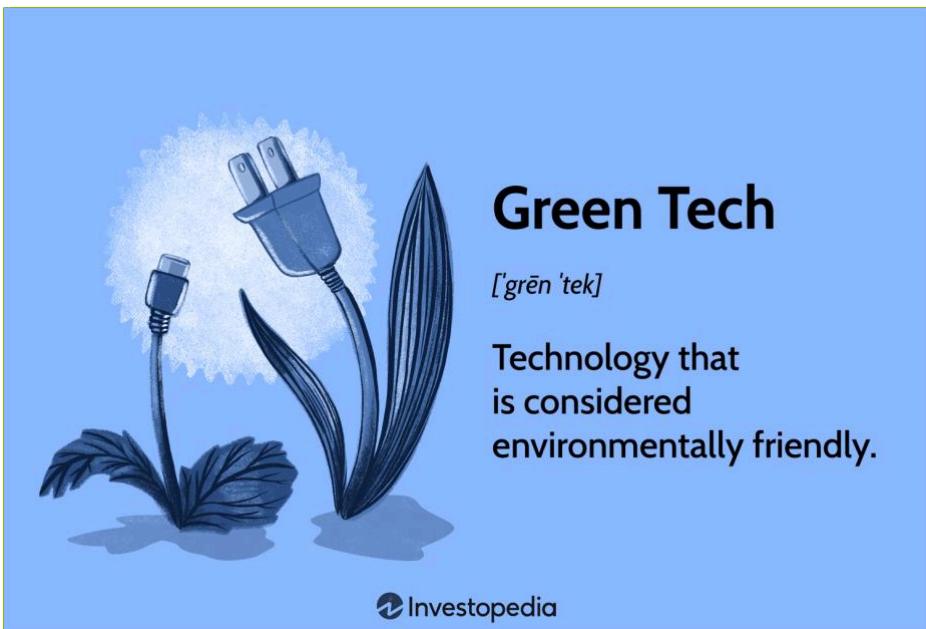
Image 1: Illustration of 'Green Tech' with electrical plugs and plant imagery
4.1 Economic Inequality and Its Implications
The growing gap in wealth distribution is a significant issue in today's society, as it has serious effects on both economic stability and social unity. Increasing economic inequality leads to issues beyond just differing incomes, impacting access to important services like education and healthcare. For example, poor communities often go through a never-ending cycle of disadvantage where lack of money limits their education and ability to improve their economic situation. Many studies have indicated that people in disadvantaged groups face significant obstacles in finding jobs because of poor education and training. This connection creates a cycle of poverty that continues across generations, leading to increased social tensions and unrest. Therefore, addressing economic inequality requires not just immediate financial help but also fundamental changes in education and workforce development to ensure fair access for everyone. Racialized groups clearly experience economic inequality, particularly in relation to jobs and income. Research shows that Black Canadians are more often unemployed and earn less than other Canadians, pointing to a serious mix of economic problems and racial bias. These systemic issues call for a thorough approach to policy-making, which should include focused educational programs aimed at balancing opportunities. By investing in skills training and job programs designed to help underrepresented groups, society can start breaking down the barriers that continue economic inequality. Moreover, as the economy changes with technological progress, educational institutions need to adjust their curricula and training programs to prepare people for new job markets and create a more inclusive path toward economic involvement. Looking into technological innovations offers a hopeful way to tackle economic inequality. Using digital tools and online learning can make educational resources more accessible, giving people from all backgrounds the chance to learn new skills and improve their job prospects. For instance, as shown in various images related to economic progress and social accountability, promoting inclusive digital education could greatly help marginalized communities. Learning from successful examples in different settings shows that improving access to technology through education can effectively reduce disparities. By equipping individuals with these resources, society can create an environment that supports economic advancement and stability. In the end, using technology as a means for social equity will be crucial in changing the economic landscape and addressing the urgent challenges of inequality today.
4.2 Educational Disparities and Access Issues
Today, access to quality education remains a significant challenge, primarily due to socio-economic disparities that disproportionately impact marginalized groups. In rural areas, students frequently lack sufficient resources, such as outdated materials and limited technology, which impedes their learning process. For instance, students in poorly funded schools usually miss out on advanced classes or activities that could improve their academic profiles. Different levels of parental involvement, crucial for students' success, exacerbate this unfair situation. As educational leaders say, "We must experience the world through others so we can fully engage in educating all children." "We must experience the world through others so we can fully engage in educating all children. My father and mother modeled to me and my siblings how to experience the world through somebody else's eyes, especially if their outer differences stirred up discomfort or displeasure, enriching all lives involved." (Allen Pratt). Building connections between teachers and families can help close these gaps, ensuring that educational inequalities do not determine students' futures. Thus, solving access issues requires major changes to create fair opportunities for all learners, no matter where they live or their socio-economic background. Current education systems often ignore the true situations of different communities, leaving big gaps in meeting the needs of diverse groups. A key point is looking at how socio-economic issues, like poverty and joblessness, directly affect educational results. The existing divide leads to higher dropout rates for students from lower-income families, continuing a cycle that restricts their chances for advancement. Moreover, a recent study found that "Policies and strategies leave a gap at the regional level," showing that both local and national efforts often overlook the unique challenges faced by specific groups (Krasniqi et al.). Effective policies should include ways for all involved to participate, especially when creating educational programs that recognize and tackle the specific obstacles these groups face. This method can help break down the structural barriers that lead to educational gaps and access issues. Moving forward, we need strong solutions to reduce educational inequalities and build inclusive spaces. Using technology in education is a promising way to close the access gap, especially through online learning platforms for underserved communities. These tools not only expand learning opportunities but also provide flexibility for various learning styles and schedules. However, as noted in healthcare, issues in access to specialized care mirror issues
in education; it is crucial to recognize that these inequities also significantly impact health costs (Chris Carlson et al.). Likewise, unequal access to educational resources can cause long-term economic challenges, highlighting the need for systemic changes. Therefore, focusing on integrating technology in education is vital, equipping students with the skills and knowledge needed to succeed in a complex world while addressing the basic issues of access and equity.
| Year | Percentage of Children with Internet Access | Percentage of Students Lacking Basic Computer Skills | Percentage of Schools Offering Remote Learning | Average Teacher-Student Ratio |
| 2020 | 87 | 15 | 65 | 22 |
| 2021 | 90 | 12 | 70 | 21 |
| 2022 | 93 | 10 | 75 | 19 |
| 2023 | 95 | 8 | 80 | 18 |
4.3 Political Instability and Governance Failures
In many parts of the world, problems with governance often stem from ongoing political instability. These issues typically manifest as inadequate public services and a deficiency in managerial accountability. Public officials struggle with things like uncertain pay, which leads to a loss of trust in government. For instance, when governments ineffectively fail to pay teachers for extended periods, it results in public workers not receiving their salaries. This situation impacts education, causing teachers to leave their jobs and students to perform poorly. As a result, the decline of educational systems perpetuates cycles of poverty and exclusion. Fixing these governance issues is crucial because a strong education system is vital for a society that can deal with the economic problems arising from political instability. One major aspect of how political instability links to governance problems is the complex relationship between social and economic factors and environmental issues. In many troubled areas, climate change worsens existing problems, often forcing families to take their children out of school due to financial stress. Climate change impacts children's health, making school attendance more challenging. Also, the link between governance failures and environmental sustainability is clear; poor governance usually leads to weak responses to environmental emergencies, which can create more instability. Using technology in education
Educational Disparities and Access Issues
can help tackle these issues by encouraging resilience and adapting to changes. Schools with digital tools can teach local communities about sustainable habits and climate resilience, helping reduce the economic effects of environmental damage. To address the widespread challenges from political instability and governance failures, solutions must aim for partnerships that combine technology and education. Projects that integrate technology into education can boost community involvement and empower people. For instance, schools can apply the concept of Green Tech, which emphasizes eco-friendly technology, to foster responsible governance and active citizenship. By providing resources for critical thinking and problem-solving, education can nurture a generation ready to confront the complexities of their social and political situations. Global Risks reports highlight that understanding the connections between global challenges is essential for building effective, resilient communities (World Economic Forum). These combined strategies may be key not only in addressing the effects of governance failures but also in tackling their root causes, leading to innovative solutions that promote stability and growth in struggling areas.
V. CURRENT SOCIO-ECONOMIC WOES
Historical and systemic inequalities in global economic systems closely link the issues behind today's social and economic problems. Many
countries, particularly landlocked developing countries (LLDCs), confront numerous negative factors that impede their progress and exacerbate poverty. Geographic isolation results in high transportation costs and limited access, while a lack of varied economic activities keeps these nations dependent on commodity exports. This dependency makes their economies unstable, particularly when commodity prices change, as has been evident in recent years. This situation underscores the need for strategic actions. The current global crises reveal the stagnation of LLDCs, underscoring the need to address these structural issues for growth and sustainable development ('Botanic Garden & Botanical Museum Berlin-Dahlem BGBM'). In this context, education is a key factor in breaking the cycle of poverty and improving social mobility. However, unequal access to quality education threatens progress. In many areas, particularly in wealthier nations, schools face resource shortages while trying to offer technology-focused curricula that prepare students for today's job market. Using technology in education can help close some of these gaps, giving students essential skills and improving their job prospects in a growing digital economy. However, the digital divide is a major issue that needs attention, especially in rural regions with limited access to high-speed internet. Research indicates that the global economy, impacted by crises and climate change, is experiencing low growth and inadequate investment, making it difficult to meet development goals ("The global economy, strained by crises and climate change, is stuck in low growth and weak investment, unable to meet development needs," by Rebecca Grynspan). This emphasizes the urgent need to invest in educational technology. Solutions for the future require a comprehensive strategy that combines educational changes with technological progress, aiming to create fair opportunities for everyone. By improving educational systems and adopting digital learning platforms, societies can encourage greater involvement and inclusivity. Successful examples from various countries show that funding educational technology not only improves learning outcomes but also strengthens economic resilience against global challenges. The link between education and technology is evident: innovations like e-learning and online skill-building courses, when properly implemented, can empower individuals and communities. Hence, addressing the current social and economic issues through an integrated method offers a vital path to long-term growth and stability.
5.1 Unemployment Trends and Their Impact
The increase in unemployment rates not only creates financial challenges but also poses a significant social issue that impacts communities in numerous ways. Economic ideas suggest that when unemployment is high, consumer spending goes down. This leads to lower income for businesses and even more job losses. This cycle is especially harmful in cities that rely on service industries, making the balance between jobs and economic health very fragile. On the other hand, rural areas often face a greater loss of jobs due to limited resources and opportunities, further exacerbated by poor management and inadequate utilization of local skills. (Mshelia et al.) show how high unemployment rates are strongly linked to poverty in northern Nigeria, highlighting how unemployment can tear communities apart and weaken social values. A close look at job trends today shows that differences in education and skill development contribute a lot to the instability in the job market. Recent studies reveal that, despite the abundance of job opportunities in fields such as information and communication technology (ICT), a lack of training programs hinders their full utilization. (Akidi et al.) emphasize the importance of infopreneurship skills for Library and Information Science students, recommending that specific educational changes can help close the skills gap and lead to better job options. By updating course materials and improving access to technology, schools can help students adjust to changing job market needs, supporting a culture of innovation that can reduce unemployment. To tackle unemployment issues, it is essential to use a well-rounded approach that includes not just changes in education but also community involvement and tech integration. The image shows the connection between education and economic health by
depicting how different growth factors work together, stressing the need for joint efforts to improve infrastructure. Governments, educational institutions, and private businesses must collaborate to find lasting solutions to unemployment and develop a skilled workforce capable of adapting to global economic shifts. By making technology a key element in both educational reforms and job strategies, communities can build strong systems that break down traditional employment barriers, enhancing economic stability and paving the way for continued growth in a more digital world.
| Year | Global Unemployment Rate (%) | Youth Unemployment Rate (%) | Impact on Economy ($ Trillion) |
| 2020 | 8.5 | 14.6 | 4.5 |
| 2021 | 6.5 | 13.5 | 3.3 |
| 2022 | 5.7 | 12.9 | 2.9 |
| 2023 | 5 | 11.6 | 2.5 |
5.2 Health Crises and Economic Consequences
Unemployment Trends and Their Impact
The significant effects of health crises on economic stability have been clear in recent times, particularly during the global COVID-19 pandemic. This unprecedented health situation revealed weaknesses in economic systems, showing how crises can quickly move from public health issues to major economic disruptions. Different sectors experienced significant downturns, which were exacerbated by the rapid shift to remote work and the need for social distancing, rendering traditional business models outdated in many areas. Furthermore, various studies show that many workers became unemployed or underemployed, creating a chain reaction that strained both local and national economies. Specifically, as highlighted in "The Covid-19 pandemic has stretched the capacity of both the nursing and faculty workforce and negatively affected the well-being of the profession." According to the National Advisory Council for Nursing Education and Practice, the simultaneous pressure on healthcare and workforce stability led to a significant crisis in crucial professions that are vital for both health and the wider economy, underscoring the interconnectedness of these two factors. The economic effects of health crises go beyond immediate disruptions; they alter long-term growth paths and contribute to systemic inequalities. The financial burdens usually fall hardest on vulnerable groups, who face issues in both health and the economy. As healthcare expenses rise due to greater demand and a shift in resources toward urgent crisis response, families encounter greater financial pressures. Additionally, communities with poor health outcomes generally lack sufficient educational and technological resources, increasing inequalities. The Global Risks Report 2016 emphasizes the need for comprehensive strategies that build resilience in both the economic and health fields, reinforcing the notion that investing in healthcare leadership and education can help lessen the long-term impacts of health crises on the economy (World Economic Forum). Thus, a proactive strategy that highlights interconnected policy frameworks is necessary to avert the recurring cycle of health and economic instability. Dealing with health crises through education and technology can significantly lessen their economic impacts. For example, putting in place digital education programs allows for continued learning during health emergencies, thereby reducing disruption to workforce development. As society increasingly moves toward a knowledge-based economy, equipping individuals with essential skills and promoting digital literacy is vital. Furthermore, educational institutions can be key in enhancing health literacy, enabling communities to effectively tackle health challenges. The use of technology in healthcare can also improve service delivery, as seen in the rise of telemedicine during the pandemic, which enhances access and cuts costs related to traditional healthcare practices. These solutions have the potential to establish a robust socio-economic environment, where health crises not only trigger economic difficulties but also present opportunities for systemic enhancement, ultimately transforming challenges into avenues for sustainable growth.
For this purpose, visual aids like the [insert visual here] can serve as helpful frameworks to creatively illustrate these interconnections.
| Year | Global Health Crisis | Global Economic Impact ($ Trillions) | Unemployment Rate Increase (%) |
| 2020 | COVID-19 | 10 | 9.0 |
| 2021 | COVID-19 | 5 | 7.5 |
| 2022 | COVID-19 | 3 | 3.5 |
| 2023 | COVID-19 | 2 | 3.0 |
5.3 Social Unrest and Its Economic Ramifications
The complex link between social unrest and economic effects is a major issue for both policymakers and the public. Discontent often comes from economic inequalities and poor living conditions, resulting in many protests and acts of civil disobedience. Historical examples, including the Occupy Wall Street movement, show a strong connection between economic inequality and social actions where underrepresented groups protested against perceived wrongs in the financial system. Recent research also shows that the economic fallout from these protests can be serious, with businesses facing temporary shutdowns and tourism declining, leading to broader negative effects on local economies. As the World Economic Forum explains, understanding global risks requires looking at how social and economic factors connect, reinforcing the idea that ignoring these interactions can worsen both civil unrest and economic instability. In today's society, problems like inflation, income inequality, and limited access to quality education play major roles in social unrest, creating wider economic challenges. For instance, concerns about housing affordability have sparked protests in numerous cities, mirroring the sentiments observed in voter participation studies, where economic challenges have led to a decrease in electoral participation. As voters confront rising home prices and
Health Crises and Economic Consequences Data
stagnant wages, their decision to disengage from politics reflects a general dissatisfaction with the economic system, as evidenced by the claim that economic pressures lead individuals to avoid civic duties. "The cost of things continues to be a significant stressor." Voters may have been concerned about the signs of the economic struggle that cities like Portland have recently faced—increased housing prices, inflation, homelessness, and public safety issues—and decided not to vote because their lives hadn't improved in the last four years. (Paul Manson). This withdrawal from civic activities not only continues a cycle of dissatisfaction but also hinders necessary conversations and reforms, worsening socio-economic gaps. Looking ahead, taking proactive steps in education and technology may help reduce social unrest and its economic impacts. Improving educational access in underserved communities can create more informed citizens who engage actively in civic matters, thereby breaking the cycle of disengagement. Furthermore, using technology in governance can promote transparency and accountability among leaders. Examples of healthcare professionals using digital tools illustrate the broader technological improvements that can empower communities to stand up for their rights and interests. In conclusion, addressing the root causes of social unrest through focused educational programs and technological advancements is essential to
building a stable socio-economic environment that can reduce current issues and prevent future crises.
| Year | Countries_Affected | Economic_Loss_Billions_USD | Causes |
| 2020 | 50 | 200 | Political instability, Inequality |
| 2021 | 60 | 300 | Pandemic response, Unemployment |
| 2022 | 70 | 400 | Inflation, Social justice movements |
| 2023 | 65 | 350 | Cost of living crisis, Global supply chain issues |
VI. CASE STUDIES OF SOCIO-ECONOMIC ISSUES
Understanding socio-economic problems requires a complex approach that considers both historical factors and the large systems that contribute to current inequalities. Case studies give useful examples of these problems by showing how people and communities deal with socio-economic issues. For instance, implementing technology in schools has emerged as a potential solution to bridge the gaps in access to high-quality education. The report in (. et al.) shows that tech-based programs can help marginalized youth, which may improve education levels even with socio-economic challenges. These efforts highlight the importance of understanding context when creating lasting educational policies that not only improve access but also provide students with key skills for the changing job market, thus aiming to break the cycle of poverty and discontent. Looking at current situations shows a clear problem; many communities still face the effects of poor infrastructure and economic exclusion. A clear example is in health education, where policies and funding have typically helped urban areas more than rural ones. As shown in (Abramsky K et al.), local innovation in community health programs serves as a positive response to these differences. By concentrating on local solutions, these programs create paths toward development that promote health fairness and enable communities to tackle their specific challenges. The connection between health education and economic empowerment stresses the importance of having a cohesive policy approach to ensure that efforts in one area support and enhance those in education, health, and technology. To find future solutions, it is essential to combine successful case studies into practical plans that can expand effectively in different areas. By working together and sharing knowledge, regions using digital tools in education can create inclusive learning settings. Digital education channels, with their strong visuals, offer the potential for transformative learning experiences, especially in areas traditionally underserved by traditional methods. Recent achievements indicate that educational technology not only makes access more equal but also fosters critical thinking and creativity in students. By using insights from both local and international contexts, stakeholders can create thorough strategies that connect education changes with economic growth, ultimately preparing a generation to contribute positively to an increasingly connected world.
| Case Study | Issue | Statistics | Source | |
| California Education Disparities | Inequitable Access to Quality Education | [object Object] | California Department of Education, 2023 | |
| Urban Job Market Challenges | High Unemployment in Urban Areas | [object Object] | U.S. Bureau of Labor Statistics, 2023 | |
| Rural Health Disparities | Lack of Healthcare Access | [object Object] | National Rural Health Association, 2023 | |
| Digital Education | Divide in | Inequality in Technology Access | [object Object] | Pew Research Center, 2023 |
| Mental Schools | Health | Rising Mental Health Issues Among Students | [object Object] | National Alliance on Mental Illness, 2023 |
6.1 Analysis of Specific Countries Facing Crises
In countries facing crises, where deep-rooted problems hinder growth, the connection between economic problems and access to education is clearly evident. For example, recent studies on digital financial inclusion highlight the specific obstacles that disadvantaged groups encounter, indicating that just increasing access to technology is not enough without tackling the deeper social issues (Athikho Stephen Kasiisii et al., p. 0839-0839). Additionally, research shows that government person-to-person payment programs play an important role in improving financial inclusion for underserved populations. These insights stress the need for all-encompassing approaches that take into account the socio-economic environment, especially in areas dealing with both poverty and limited educational opportunities. Incorporating technology into educational systems can help boost economic recovery, showing that financial inclusiveness is not just a target but a key aspect of complete educational reform and socio-economic advancement. On the other hand, using data science for social good reveals how innovative strategies can help solve crises in specific countries. Examples show how places like Atlanta use data analytics to support nonprofits and government bodies, creating an environment favorable to sustainable growth (Thema Monroe-
Socio-Economic Case Studies
White et al., p. 1-19). In this situation, data science can reveal inequality patterns, guide policy-making, and distribute resources effectively in fields like healthcare and education. Countries confront a range of challenges, including health issues exacerbated by the pandemic and ongoing social inequalities, where data analytics can provide valuable insights to bridge existing gaps. Programs that engage skilled volunteers to address these social issues reflect a proactive approach to crisis management, reinforcing the idea that collaboration among sectors is crucial for creating fair solutions. Many countries facing crises find effective solutions at the intersection of technology, education, and targeted socio-economic measures. Adopting a diverse approach allows countries to build educational systems that meet both immediate needs and long-term growth. Research shows that effective policies—spanning from inclusive tech projects to improvements in education—can lessen the effects of crises on marginalized groups. As these countries deal with fundamental challenges, using educational technology to improve access to resources is critical.
By focusing on practical strategies and meaningful reforms, nations can turn crises into chances for renewal, leading to a hopeful future marked by resilience and inclusivity. Ultimately,
the blending of education and technology has enormous potential to ease socio-economic issues, helping nations create paths to sustainable development.
| Country | Unemployment_rate | GDP_growth_rate | Poverty_rate | Education_enrollment_rate | Source |
| Afghanistan | 11.7% | -4.7% | 54.5% | 34% | World Bank 2023 |
| Yemen | 14% | -3.9% | 80% | 48% | UNICEF 2023 |
| Haiti | 13.2% | -1.2% | 58.5% | 68% | World Bank 2023 |
| Venezuela | 7% | -20% | 94.5% | 85% | IMF 2023 |
| Syria | 50% | -7.2% | 80% | 60% | UNESCO 2023 |
6.2 Examination of Urban vs. Rural Case Studies
Urban and rural areas have very different challenges and opportunities, which are important for understanding social and economic dynamics. Urban areas usually have better access to advanced educational resources and technology, helping innovation and economic growth. Yet, this advantage often comes with problems like overcrowding, high living costs, and noticeable social inequalities. In contrast, rural areas tend to have lower educational attainment and less access to technology but usually have strong community ties that promote resilience and local innovation. The comparison of urban and rural settings significantly influences the integration of educational programs and technology, with urban areas encountering unique challenges such as teacher shortages and inadequate funding (Fliessbach et al.). Solutions to these gaps must focus on context-specific strategies to improve education and economic opportunities. A key part of looking at urban and rural case studies focuses on health equity and how it affects educational achievement. Rural communities often struggle with limited healthcare access and higher rates of socio-economic issues, which negatively impact educational success. Urban settings, while usually having more healthcare services, still face systemic issues that reflect broader societal inequalities. Using technology solutions like telemedicine and digital health education might
Socio-Economic Crises by Country
help bridge these gaps. Both rural and urban locations could see better healthcare, which could lead to improved learning conditions and higher student retention. "Education transforms lives and is at the heart of UNESCO's mission." "Education transforms lives and is at the heart of UNESCO's mission to build peace, eradicate poverty, and drive sustainable development. It is a human right for all throughout life." (Stefania Giannini) highlights the need to address health inequalities as a crucial part of educational plans, pushing for integrated approaches that connect community health and educational resources. Furthermore, to effectively address educational disparities between urban and rural areas, new solutions must use a combination of technology and community involvement. Successful examples show that rural areas can implement blended learning models that use online tools to improve educational access while still keeping their community-based learning setups. In urban settings, educational institutions may seek partnerships with local tech firms to fill gaps in resources and skills. The ability to keep learning and adjusting these models is very important; as demonstrated by the SIMRA project, participatory methods in evaluation and execution can yield lasting outcomes (Burlando et al.). Ultimately, a clear understanding of the social and economic issues facing both urban and rural areas is key to creating effective educational policies that ensure equitable access and help communities grow.
| Region | Population | Average Income | Unemployment Rate | Access to Education (% of adults with higher education) | Technology Adoption Rate (% of households with internet access) |
| Urban | 80 million | $65,000 | 4.5% | 55% | 90% |
| Rural | 30 million | $40,000 | 7.8% | 25% | 60% |
| Urban | $450,000 | 95% | 3.5 | ||
| Rural | $250,000 | 85% | 5.8 | ||
6.3 Lessons from Failed and Successful Interventions
The application of education and technology interventions often yields important lessons. Successful programs, like those from the Citi Foundation's Pathways to Progress, show that focused strategies can help tackle the economic challenges young people face. The Foundation's multi-layered approach shows that it's essential to combine financial support, community involvement, and accessible mentorship, helping disadvantaged individuals gain the skills needed for today's job market. On the other hand, unsuccessful interventions usually happen because there isn't a thorough understanding of the cultural backgrounds of the target groups. These failures highlight the problems with simple program designs that ignore local realities, reinforcing the need for tailored frameworks to tackle educational inequalities (Equal Measure). Looking at current socio-economic initiatives shows that not every program is successful, often because they don't properly evaluate the needs of the communities involved. For instance, many digital education projects struggle when they overlook the current technological setup and the various levels of digital skills among students. The transformation of education through digital means can only be effective if it is based on a strong foundation that addresses these differences. Failed interventions warn against a one-size-fits-all approach, which can cause disconnection and frustration for users. Additionally, as Marc Watkins has noted, it is crucial to avoid just shifting teaching responsibilities onto technology. Such methods
Urban vs. Rural Socio-Economic Indicators
often do not engage learners effectively, leading to a 'disjointed collection of tasks' instead of a unified learning experience." This AI-enabled standardization, argues Marc Watkins, risks 'offloading instructional skills uncritically to AI,' leaving us with 'watered-down, decontextualized "lessons"' that are devoid of a teacher's knowledge and give students a 'disjointed collection of tasks' to complete rather than a pedagogically 'structured experience.'" (Marc Watkins). Learning from both failures and successes allows education stakeholders to improve their methods for future initiatives. Insights from analyzing unsuccessful programs highlight the importance of ongoing learning and adaptable processes, where feedback from students and communities is key to shaping future efforts. Encouragingly, successful models show the value of comprehensive strategies that focus on educational fairness and community development, as found in the dynamic interactions within National Systems of Innovation (Byrne et al.). By promoting teamwork among various stakeholders like educators, policymakers, and tech developers, interventions can stay flexible and responsive to changing educational needs. Bringing together different viewpoints encourages innovation while reducing risks from top-down approaches, showing how vital community involvement is in achieving lasting educational success.
| Intervention | Success Rate | Failure Rate | Cost Effectiveness | Year Analyzed |
| Online Learning Programs | 75% | 25% | High | 2023 |
| Educational Technology in Classrooms | 68% | 32% | Medium | 2023 |
| Community-Based Education Initiatives | 80% | 20% | High | 2023 |
| Government- Backed Grants for Technology | 70% | 30% | High | 2023 |
| Traditional Classroom Models | 50% | 50% | Low | 2023 |
VII. THE ROLE OF EDUCATION IN MITIGATING SOCIO-ECONOMIC ISSUES
Inequities in socio-economic status often arise from lack of access to excellent education. For communities stuck in poverty, schools often represent the only way to improve their circumstances. This relationship highlights the need for changes that improve education access, especially in underserved areas. The new model Islamic school system in northern Nigeria, noted in (Mshelia et al.), is an effort to merge Islamic and Western education in public contexts. Yet, without addressing larger socio-economic issues like unemployment and governance, education itself cannot fix deep-rooted disparities. Therefore, as policymakers implement educational reforms, they must also address the socio-economic issues that sustain educational inequities, thereby developing a comprehensive strategy for fostering a fair society. Tackling educational gaps needs a diverse approach, especially for adult learners who had hurdles to finish their education. Programs like New Jersey's Some College, No Degree help focus on the importance of continued education to solve socio-economic problems by allowing people to go back to school and earn degrees. "Smart investments in young children's well-being and development place them on the path to prosperity." (The World Bank Group). Each
Interventions Effectiveness in Education and Technology
program designed for adult learners not only boosts personal earnings but also helps community growth and economic renewal. The socio-economic advantages go beyond just numbers: closing educational gaps leads to a culture where lifelong learning enhances workforce engagement and civic involvement. This prompts communities to invest in educational methods that meet the various needs of their members, thus reinforcing their socio-economic stability. Visualizing a better future for education entails adopting new technologies that close learning gaps and tackle pressing socio-economic concerns. In today's digital classrooms, where technology blends with teaching, learners can access educational resources regardless of location. These settings promote engaging learning experiences, allowing students from various backgrounds to fully engage in their education. Hence, merging technology with educational programs can provide opportunities for fostering innovation, as shown in the portrayal of solutions to educational disparities. "Smart investments in the well-being and development of young children are critical to putting them on the path to greater prosperity." (The World Bank Group). By integrating technology to improve educational access and effectiveness, stakeholders can nurture a new generation of learners ready to face and alleviate current socio-economic challenges, thereby supporting sustainable growth in society.
7.1 Access to Quality Education as a Fundamental Right
Access to excellent education is very important for social and economic development since it allows people to escape the cycle of poverty. Seeing education as a basic right fosters equality and inclusivity among various groups. However, there are still gaps in the availability and quality of educational resources, especially in low-income or marginalized areas. Analyzing the political forces behind these problems shows that without significant outside support and intervention, many students remain stuck in poor educational settings that do not prepare them for future challenges. Programs focused on increasing accountability in state-run education systems, mentioned in (Devarajan et al.), show how citizen involvement in policymaking can improve these situations. Therefore, we must support the recognition of education as a basic right with strong efforts to tackle systemic issues and ensure equal access for all students. Technological progress greatly influences the current state of education, potentially narrowing or widening existing gaps. Digital education, discussed in [extractedKnowledgeX], offers chances to reach underserved groups, reinforcing the idea that education is a right, not a privilege. New educational methods, like online and blended learning, can be especially helpful in remote or resource-limited areas. However, curricula should carefully incorporate these technologies to address the unique challenges of diverse situations. Ignoring local political, cultural, and economic factors can lead to ineffective use of technology, thereby worsening educational inequalities instead of solving them. By forming targeted partnerships that promote technological inclusivity, the powerful impact of digital education can be achieved, making significant progress toward providing quality education for everyone. In striving for access to quality education as a basic right, future-oriented strategies must be designed to account for various socio-economic situations. The links between financial inclusion, educational resources, and wider societal aims are crucial for creating lasting improvements in educational systems. As seen in [extractedKnowledgeX], addressing educational inequalities requires a comprehensive approach, including training, capacity-building, and policy changes. Additionally, successful examples from different countries show that community engagement and local governance can be vital in effectively implementing educational reforms. Future efforts should emphasize involving stakeholders to ensure that policies reflect the real experiences of students and educators. Consequently, acknowledging access to quality education as a basic right must lead to practical solutions that go beyond theoretical ideas, tackling the ongoing social and economic issues that hinder educational equity.
| Country | Year | Percentage of Population with Secondary Education | Public Education Spending per Student (USD) |
| United States | 2022 | 89.9 | 13500 |
| Germany | 2022 | 92.5 | 13540 |
| Brazil | 2022 | 70.7 | 7000 |
| India | 2022 | 62 | 1200 |
| South Africa | 2022 | 81 | 4000 |
| Finland | 2022 | 93 | 12300 |
| Kenya | 2022 | 60 | 800 |
| Japan | 2022 | 95 | 9750 |
7.2 Lifelong Learning and Skill Development
In a time when technology is changing fast and job market needs are shifting, the idea of education as just a one-time event has changed. Lifelong learning is now a key way to help people get the skills they need to deal with these changes well. Ongoing education helps workers adapt, which is crucial in fields facing serious skill gaps, like construction and healthcare. By focusing on continuous skill improvement, companies can lessen the negative effects of demographic changes and economic inequality, effectively promoting a culture of learning among their employees. Studies show that people who participate in lifelong learning are more likely to make positive contributions to their companies and communities, thus playing an important role in tackling wider social and economic issues (Chan et al.). Using new teaching methods and technological tools can improve the learning experience, especially by including various formats that cater to different learning preferences. As noted in a detailed review of literature, today's educational methods not only support skill learning but also highlight the role of technology in educational settings (Attwell et al.).
By using online platforms and mixed learning approaches, schools can create more inclusive and accessible learning opportunities, which is vital for closing the skill gap in today's job market. For instance, online courses and webinars can break down geographical barriers, allowing access for people in remote or underserved regions and thus making knowledge and skill development opportunities available for personal and professional growth. Looking ahead, solutions must involve a team effort with input from policymakers, teachers, and industry leaders to revise current educational systems. These efforts can transform the learning and lifetime sustenance of skills by aligning the curriculum with the evolving demands of the job market. Combining practical experiences and mentorship can improve theoretical knowledge with real-world practice. Moreover, efforts to integrate technology into education should focus on sustainable methods and ethical aspects, aligning with global sustainability objectives. These all-encompassing approaches could strengthen the role of lifelong learning in promoting social fairness while enhancing economic resilience in a world that is changing quickly.
Lifelong Learning and Skill Development Data
| Year | Percentage_of_Adults_Engaged_in_Lifelong_Learning | Average_Hours_of_Annual_Training_per_Employee | Employment_Opportunities_in_Technology_Sector |
| 2022 | 36 | 34 | 1200000 |
| 2023 | 40 | 38 | 1350000 |
| 2024 | 42 | 41 | 1500000 |
| 2025 | 45 | 45 | 1650000 |
7.3 Education as a Tool for Social Mobility
Access to excellent education has always been important for people trying to improve their economic situation. A person's job chances, income, and overall life quality often correlate with their level of education. For example, studies show that educational programs designed for underserved areas can help lessen the impacts of economic inequality. As highlighted in the international scientific conference on sustainable consumption, the demand for new methods in fields like education shows that today's consumption is complex and has various sides (Balmer et al.). By providing students with necessary skills and knowledge, education becomes not just a personal benefit but also a social investment, promoting upward movement and helping to tackle long-standing inequalities. Additionally, education acts as a key instrument in closing gaps between different economic groups. The relationship between educational access and economic background can greatly affect social mobility, supported by studies on educational differences in rural and urban areas.
Without proper intervention, these differences can keep people stuck in a cycle of poverty that's difficult to break. The development of helpful policies for financial inclusion, as urged by current researchers, shows a strong link between the accessibility of educational resources and the chance for social mobility. As one observer put it, "When students have support from school, home, and community, they are more likely to feel secure and cared for, build positive attitudes and school behaviors, work to achieve their full potential, and stay in school." (Joyce L. Epstein). Therefore, educational systems that promote comprehensive support not only improve individual student results but also aid in achieving greater social fairness. The future of education as a means for social mobility depends on using technology to build inclusive learning settings. By integrating digital tools and resources, we can help marginalized students access quality education, no matter their location or financial situation. As shown, digital progress can impact effective healthcare education and access, similar to its importance in learning. These technology-based approaches can democratize education by offering personalized resources that meet different learning needs and improve the overall educational experience. The likelihood that education can drive social change increases as we recognize the critical role of technology in promoting inclusiveness and participation. Ultimately, adopting technology in education can lead to significant changes in social mobility, reshaping society for a fairer future.
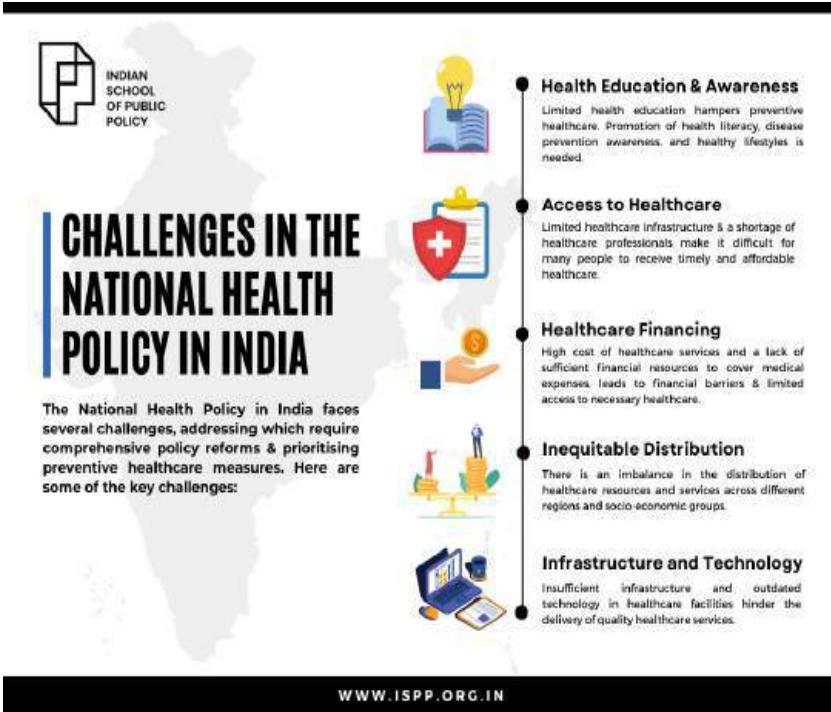
Image 2: Overview of Challenges in India's National Health Policy
VIII. TECHNOLOGY'S IMPACT ON SOCIO-ECONOMIC CONDITIONS
Global socio-economic conditions have significantly changed as a result of technological advancements, but not everyone has benefited equally. Digital tools and online platforms have significantly transformed education, increasing accessibility for the underprivileged. This change can help close gaps in educational success and job opportunities. For example, projects that use online career guidance, as noted in recent studies, can help people navigate their career paths in a more digital job market (Dodd et al.). However, the gap between those who have access to these technologies and those who do not—especially in rural places—makes socio-economic inequalities worse. Essentially, although technology can act as an equalizer, its impact depends on fairly distributing access to the needed resources. The link between technology and socio-economic results also includes health and economic policies. Digital technologies help share health education and resources, enabling people to make better choices about their health. This empowerment is really important in low-income areas where traditional healthcare options might be limited. Furthermore, telemedicine has become a vital tool, allowing patients in remote places to receive medical consultations and services that may not be available otherwise (World Commission on Environment and Development). While these advancements contribute to improving health outcomes, they also highlight the necessity for comprehensive policy frameworks that integrate these technologies into larger socio-economic plans. Without a coordinated approach to policymaking, the benefits of technology in improving socio-economic conditions might not be fully realized. Looking ahead, we should aim to build sustainable technological systems that improve socio-economic conditions for everyone. This involves creating strong digital infrastructure that supports both economic activities and educational programs, especially in underserved communities. Focusing on sustainability in tech development can offer two advantages: promoting economic strength while also protecting the environment. The connection between educational progress and technology, as shown through various case studies, offers a chance to tackle serious socio-economic issues. By emphasizing inclusive policies that encourage digital skills and fair access to technology, stakeholders can work toward a fairer society, using technology as a means for social and economic uplift rather than as a reason for division.
8.1 Digital Divide and Its Consequences
Technological progress has brought about significant changes in many areas, but it has also highlighted societal divides, particularly in relation to access to information and communication technologies (ICT). The digital divide refers to the difference in access to technology between those who have adequate access and those who do not, particularly in poorer groups. This divide primarily results in the exclusion of vulnerable individuals from opportunities in education and employment. For example, "The digital divide can exacerbate feelings of exclusion and difficulty accessing essential services, increasing their dependence on younger family members." (Agenzia Nova), the digital divide can increase feelings of being left out and make it hard to access necessary services, leading to more reliance on younger family members. This reliance creates a knowledge gap between generations, making existing economic differences worse since older people may have trouble with digital skills, limiting their ability to navigate modern information. In schools, the digital divide poses significant challenges that obstruct equitable learning opportunities. Students from low-income families often do not have the digital tools and rapid internet they need, making it challenging for them to succeed academically compared to wealthier peers. Without proper access, these students cannot effectively use online learning resources or educational technologies that encourage teamwork, critical thinking, and creativity. Given the current discourse on digital transformation, it is crucial to comprehend how these disparities can result in detrimental consequences for both students and society. As discussed in (Cardinelle Oliveira Garcia et al.), the unintended consequences of digital changes often lead to larger educational gaps, which need urgent action from policymakers and educators to ensure that technology helps, rather than harms, educational results. Looking ahead, dealing with the digital divide will be vital for promoting social fairness and encouraging inclusive growth. Developing comprehensive strategies to enhance digital skills and ICT accessibility can provide opportunities for individuals to utilize technology efficiently. For success, these initiatives should include strong training programs that empower overlooked communities and encourage real engagement with tech tools. Furthermore, building supportive environments that prioritize teamwork among government, private, and educational sectors will be critical. With these combined efforts, it is possible to lessen the effects of the digital divide and shift toward fair access. By highlighting education's role in closing these gaps, as outlined in [extractedKnowledgeX], we can push for a more inclusive society that sees technology as a tool for growth instead of something that creates divisions.
8.2 Technological Innovations Addressing Economic Issues
Advancements in technology are changing how we deal with economic problems, leading to better productivity and sustainable growth. The use of digital tools like artificial intelligence and blockchain is altering traditional economic systems, allowing for smoother transactions and better resource management. For instance, blockchain can improve transparency and accountability in money transactions, which is important for building trust in growing markets. Additionally, tech provides access to real-time data analysis, helping businesses and government leaders make informed choices that respond to changing market conditions. By working within a strong National System of Innovation (NSI), these technological improvements can greatly enhance economic development and resilience against changes, as discussed in ongoing talks about technology's effects on economic systems (Byrne et al.). Transitioning to digital economies not only enhances existing frameworks but also creates opportunities for new economic models that address contemporary global issues. Technology's role in education has significantly helped reduce economic gaps found in different social classes. While using digital learning platforms has broadened access, it has also highlighted and worsened the digital divide between wealthy and underprivileged areas. As technology promotes new teaching methods, it is equally important to develop strategies that ensure fair access to these resources. Improving teachers' ability to deliver technology-based lessons is key. It is vital to address not only the number of teachers but also to make sure they have the right skills to meet evolving educational demands. "Addressing both the number of teachers and ensuring they possess the skills to meet new educational needs is essential for student success. Supporting teachers in delivering quality education in evolving contexts, influenced by rapid technological advances and broader socio-economic shifts, is crucial. (OECD). Therefore, the convergence of technological advancements in education and economic fairness presents a dual challenge: leveraging technology to enhance educational success while simultaneously mitigating the economic disparities resulting from unequal access to these innovations. Looking ahead, the merging of technology and recovery efforts from economic hardships offers enormous potential for sustainable growth. The focus on addressing climate change through green technology illustrates this beneficial relationship. Governments and organizations that invest in eco-friendly innovations not only show their commitment to sustainability but also create new job opportunities. These investments can drive job creation in sectors like renewable energy and sustainable farming. The use of technology in agriculture, as shown by extensive interviews throughout Europe, demonstrates how innovations can improve resource use while fulfilling the rising global need for food production (Canavari et al.). Ultimately, creating an environment where technology can flourish and align with social and economic goals will be crucial for building resilient economies that can face future challenges.
8.3 The Role of Technology in Education
Educational institutions increasingly use technology to improve and expand learning. Digital tools have changed traditional teaching methods into more engaging and interactive settings. A major development is the rise of online platforms that support both real-time and self-paced learning, allowing students from various backgrounds to receive quality education despite location barriers. As discussed in the workshop, Preparing for a Northwest Passage, digital technology impacts not just learning experiences but also connects education with broader socio-economic aims like sustainable development and regional collaboration (Ashcraft et al.). By using these technologies, schools tackle important challenges faced in different places, promoting a more inclusive education approach. Technology in education also helps close communication gaps between teachers, students, and other stakeholders. Good communication is essential for creating supportive educational systems, especially in dealing with socio-economic imbalances. Schools have used various communication strategies, from simple one-way messages to more interactive two-way talks, leading to noticeable improvements in family involvement and student performance. Recognizing that technology has transformed not only the sharing of information but also the formation of educational relationships is crucial. As stated, technology has impacted the speed and cost of communication along with its quality and accessibility. "Technology has influenced the speed and cost of communication in addition to the quality and accessibility of the nature of the information that is shared (e.g., breaking news)" (Various Authors). This advancement highlights how technology can improve educational inclusion, helping to lessen inequalities between different socio-economic groups. Looking ahead, the role of technology in education brings up important issues about sustainability and adaptability. Rapid advancements in educational technologies such as artificial intelligence and gamification have the potential to significantly alter teaching practices and content delivery methods. Successful examples of community-focused tech initiatives show the potential for a more involved and innovative educational environment. For example, projects that use data to customize learning experiences demonstrate how data insights can greatly enhance academic performance. Additionally, the shift toward digital learning requires continuous training for teachers to ensure they can effectively use these tools. Such strategic progress can help address existing socio-economic issues in education, leading to a fairer and more tech-savvy future (Piyushi Kotecha).
IX. INTEGRATING EDUCATION AND TECHNOLOGY
The overlap of education and technology has become a vital area for tackling today's socio-economic issues. As schools use technology more to improve learning spaces, it is important to look at how this combination affects student involvement and success. Digital tools enable customized learning experiences that meet students' unique requirements, thus enhancing inclusivity. Additionally, the fast-paced development of technology in education not only improves traditional teaching methods but also makes knowledge more accessible. For example, online education has grown significantly to help regions with limited traditional educational resources, as noted by (Piyushi Kotecha). Hence, the joining of education and technology offers a chance to address systemic inequalities in socio-economic contexts. However, the successful integration of technology into education heavily depends on equitable access to resources and adequate training. It's insufficient for schools to just have digital tools; teachers also need proper training to use these tools successfully. Effective personalized instruction that involves technology calls for teachers who are skilled in digital teaching methods. In this sense, various training programs focusing on different teaching strategies play a key role in improving teacher performance. As pointed out, clear and effective communication with parents increases connections between teachers and parents, enhances awareness, and helps track student progress, underlining the importance of community involvement in improving educational results ("Clear and useful communication with parents will increase interactions between teachers and parents, promote better awareness and monitoring of student progress and behavior, foster a better understanding of school policies and programs (for parents and students), and enable teachers to elicit and better understand parental views regarding their child's learning progress." (Epstein, J. L.)). Building a cooperative learning setting through technology can boost students' academic resilience, helping to close educational gaps. Looking ahead, the successful blending of education and technology requires constant reflection and change. Schools must focus on sustainability and ongoing development of their tech systems to keep up with a fast-changing environment. Historical records show that past tech failures often resulted from poor infrastructure or a lack of strategic planning. These insights guide present-day actions and help develop comprehensive educational systems that encourage innovation and flexibility. By adopting evidence-based approaches that prioritize teamwork among community members, nonprofits, and government bodies, schools can better handle these challenges. Combining education and technology may eventually lead to a fairer educational system that adapts continuously to meet the needs of varied populations, thus tackling current socio-economic problems at their core.
9.1 Blended Learning Models and Their Effectiveness
Blended learning models mix different teaching methods to tackle common socio-economic issues faced by education systems globally. These models combine regular in-person teaching with online learning, taking advantage of the benefits of each method. Research shows that this approach can improve student involvement and success by offering flexible learning options that support various learning preferences. For example, one study points out that blended learning can create tailored educational experiences, which are especially helpful for students in underfunded areas with limited access to quality instruction. Additionally, teachers can use data analysis in the classroom to customize learning paths, meeting individual student needs and boosting overall academic performance and retention rates. Schools around the world are increasingly adopting blended learning models, demonstrating their effectiveness. These models not only help with academic improvement but also teach skills that match the job market needs in a fast-changing digital world. Digital technology transforms teaching methods, increasing the accessibility of educational resources for underserved groups and thereby reducing educational gaps. Investing in technology, such as hardware and teacher training, is essential to fully gain from blended learning. As discussed in current talks about educational technology, leaders in the field stress that “AI education software development has revolutionized traditional learning methods.” "AI education software development has revolutionized traditional learning methods, from mobile digital courses to online references and virtual classrooms. This advanced technology has become integral to modern educational environments, replacing traditional teaching methods." (Appinventiv), highlighting that innovative educational technology is crucial for effective teaching and learning experiences. To understand the effects of blended learning, it is important to look at different contextual factors like economic status, technology availability, and support from institutions. Research indicates that while blended learning models can improve educational outcomes, their success depends on these key factors. At-risk populations may not fully achieve the advantages of blended learning without the right infrastructure, such as stable internet and supportive learning conditions. By emphasizing the connection between technology and accessible education, blended learning models act as an important approach to fighting against educational inequalities. It is crucial to tackle these systemic issues, as the future of education increasingly relies on utilizing technology to create inclusive and effective learning experiences (Dodd et al.).
9.2 Technology-Enhanced Learning Environments
Technology has changed how education works, creating inclusive learning settings that go beyond regular classrooms. These technology-enhanced learning environments (TELEs) use digital tools to get students involved in their learning, making education more accessible and applicable. Researchers have found that using various types of technology, such as multimedia and interactive platforms, enhances student engagement and retention. By using platforms that match various learning styles, teachers can offer a more personalized learning journey. The Work-with-IT project emphasizes the need for changing teaching methods to use technology well, showing how shifts in staff work habits are crucial for improving service delivery in schools (Comrie et al.). A careful look shows that successful use of technology depends on understanding the social and cultural back-grounds of learners, ensuring that technology helps rather than hinders education. The rise of technology in education prompts a need to rethink curriculum designs that focus on resilience and adaptability. As modern socio-economic challenges affect education systems, technology plays an important role in promoting resilience. Open educational resources (OER) and online platforms provide ways for students to gain knowledge, regardless of where they are or how much money they have. This digital access is vital in helping students feel empowered, allowing them to manage a more unpredictable socio-economic environment. Experts believe that using digital tools should be part of a larger curriculum that includes not just knowledge but also critical thinking and problem-solving skills. As mentioned in (Hall et al.), tackling educational gaps with technology requires an approach that understands the unique needs of various communities, offering specific solutions that empower students. To keep advancing technology-enhanced learning environments, it is important to invest in ongoing professional development for educators. Training programs are crucial to give educators the skills needed to use technology effectively. Additionally, teamwork among teachers, technology experts, and policymakers can help build strong frameworks that encourage technology's role in teaching. These frameworks should adapt to changing technology and address new educational challenges. The relationship between technology and teaching shows the potential to change educational methods and results. As stated, AI tools can create unique combinations of text, images, and other media...but there are limits." AI tools can generate unique mixes of text, imagery, and other media, but there are limits. As of this writing, AI apps are only capable of remixing existing information and patterns into new combinations. They are unable to generate innovative responses. (Dummies.com). This idea highlights the need for human insight and creativity to fully utilize technology's potential, ensuring it enhances rather than replaces traditional educational values.
9.3 Collaborative Learning through Technology
Technological progress has changed educational systems a lot, allowing for new ways of working together that go beyond location. With digital tools, teachers help students from different backgrounds interact, leading to a valuable sharing of ideas. This hands-on approach boosts participation and encourages strong learning, making education more welcoming and easier to access. Additionally, recent talks about education highlight that moving to tech-based environments requires changes in curriculum parts, like learning goals and assessment methods. This change is vital for using digital tools to encourage creativity and critical thinking in group settings. The effects of these changes reach various economic situations, indicating that technology can help bridge gaps in education resources and opportunities, ultimately aiding in fair skill development in a connected world (Ashcraft et al.). Using technology in collaborative learning improves educational results and builds important skills for the workforce in the 21st century. With digital collaboration tools, students participate in live discussions and hands-on learning, gaining skills like teamwork, communication, and problem-solving. This active involvement helps them better understand subjects as they work on complex tasks together. In this setting, it's necessary to recognize the possible biases and subjectivity found in digital platforms. As highlighted, understanding biases and subjectivity in datasets and algorithms is crucial, pointing out the need for strong digital literacy as a key part of successful collaborative learning. By preparing learners to notice and deal with these issues, educational systems can equip them for future societal needs, using technology to encourage informed citizenship and innovative thinking. "Ensure an understanding of biases and the subjectivity inherent in datasets and algorithms." (Rafael Ferreira Mello). In the future, combining collaborative learning with technology presents a hopeful way to address current educational socio-economic issues. Successful examples show how schools are using new tech solutions to engage students in group projects that tackle real-world problems. By focusing on partnerships between educational organizations and communities, future projects can tap into the shared knowledge of different groups to create valuable learning experiences. Notably, the exchange of ideas and information made possible by technology can be crucial for building sustainable educational practices that support financial inclusion and digital fairness.
The connection between technology and educational growth goes beyond just access; it represents a complete approach to building resilience in learners when facing socio-economic difficulties. As noted in studies of convergence research, collaborative learning through technology not only improves educational achievement but also creates frameworks for lasting economic growth (Alao et al.).
X. POLICY FRAMEWORKS FOR ADDRESSING SOCIO-ECONOMIC ISSUES
An important part of dealing with socio-economic problems through policy is finding systemic barriers that keep inequality going. Policies should be based on a clear understanding of the socioeconomic context and recognize the specific difficulties different groups face. For instance, an examination of Nepal's climate change policies reveals that the presentation of vulnerability often overlooks socio-cultural factors, resulting in a lack of effective strategies for real adaptation and resilience (Wong et al.). This gap highlights the importance of educational policies that promote financial awareness and tech skills, helping people from disadvantaged backgrounds handle economic difficulties better. Ultimately, policy frameworks must be flexible, taking into account the intricacies of socio-economic problems and emphasizing inclusivity to pave the way for the marginalized. Acknowledging the links between health, education, and economic stability is key to crafting effective policy frameworks. The ongoing barriers to educational access, like gender inequality pointed out in the research, require specific actions that consider socio-economic conditions (Mathew Forstater). For instance, using technology for remote learning can help overcome location barriers, but if access to digital resources is not equal, such efforts may widen the gaps instead. This interconnected view supports policies that bring together efforts from different sectors, encouraging financial inclusion as a crucial part of economic growth. By creating policies that appreciate the connections among health, education, and technology, stakeholders can build a stronger socio-economic structure that can tackle complex challenges in a more complicated world. Looking ahead, socio-economic policies should focus on flexibility and sustainability while learning from successful examples. Also, continuous investment in education and tech growth is vital for building resilient communities. For example, models that mix digital technology into education can promote greater financial inclusion and empower marginalized groups. By reviewing what has worked and what hasn't in past and current policies, stakeholders can discover effective ways to adjust existing frameworks to better meet socio-economic needs. Collaboratively developed policies, grounded in stakeholder involvement and responsive to community feedback, can establish a foundation for sustainable socio-economic growth. Ultimately, proactive and inclusive policymaking will be crucial in addressing the deep-rooted issues affecting social equity in the future, leading to real change.
10.1 Government Initiatives and Their Effectiveness
Government actions are crucial for dealing with differences in society and the economy, especially in education. Numerous initiatives to enhance educational outcomes have commenced, yet their effectiveness varies depending on their implementation and contextual factors. For example, programs that focus on using technology in classrooms show potential, but sometimes they struggle due to poor infrastructure or insufficient teacher training. The success of these government policies relies not just on funding but also on fully developing educational systems. As mentioned in "The 2030 deadline to achieve the Sustainable Development Goals (SDGs), it is fast approaching. Progress towards SDG 4 is severely off track, and the global education crisis—of equity and quality—persists and deepens, hindering education's transformative and catalytic potential to impact the achievement of the overall 2030 Agenda." (UNESCO), progress towards SDG 4 is far behind schedule, highlighting the need for focused government efforts. Thus, while initiatives exist, their real-world effects often expose weaknesses that require thorough review and action. Carrying out educational programs without proper assessment leads to problems that reduce their desired effects. Evaluations are crucial for understanding how government programs function in reality. A study of current literature shows mixed outcomes regarding policy effectiveness, indicating that although funding for educational technology has risen, the expected improvements in student performance have not consistently occurred. Sharing knowledge and working together could help close these gaps, forming a strong system for ongoing feedback and program improvements. For instance, the report on technology's role in education suggests that community involvement and teacher training can significantly enhance the success of these initiatives, as noted by et al. Therefore, shifting toward measurable accountability and engaging stakeholders is critical to proving the effectiveness of government programs. Many educational initiatives aim to reduce social and economic gaps, but their ongoing success often faces challenges from systemic issues. Ongoing investment in training and resources is essential for making significant changes. Government actions must be responsive to the diverse needs of various populations, ensuring programs are fair and inclusive. One effective strategy is community-based initiatives that utilize local resources and knowledge, often leading to better outcomes than top-down methods. The growing recognition of digital education highlights the need for fair access to technology, especially for underprivileged communities. As shown in several case studies, the relationship between policy, community participation, and technology can result in transformative changes when aligned properly. Considering the work of Cohen et al., which emphasizes the connection between ecological practices and economic stability, it becomes evident that educational reforms require a multifaceted approach to achieve genuine effectiveness.
10.2 Role of Non-Governmental Organization
Non-Governmental Organizations (NGOs) are important links between marginalized groups and institutional systems, tackling social and economic issues that often overwhelm traditional government approaches. By promoting inclusive actions, NGOs can make significant changes in public policy, especially in fields like education and healthcare. Their focus on community involvement encourages people to express their needs, fostering a sense of ownership over development projects. For instance, NGO-led initiatives can enhance educational access by providing essential resources and training, particularly in areas with limited government services. These organizations not only provide services but also play a crucial role in influencing social justice discussions, emphasizing the interconnectedness of various socio-economic issues, and advocating for a more comprehensive approach to addressing them. The use of technology in NGO work has changed how they respond to social and economic problems and broadened their outreach. By using digital tools for fundraising, awareness efforts, and service delivery, NGOs can better gather resources and connect with a wide range of stakeholders. Technology, in particular, helps with data collection and analysis, allowing NGOs to customize their interventions based on immediate feedback and specific community requirements. This connects to modern education systems, where tech-enhanced learning is crucial. For instance, educational NGOs can use online platforms to share information and training materials, promoting a more inclusive way to learn. Such actions highlight the essential role of NGOs in closing technology gaps within educational systems, contributing to solutions for current socio-economic challenges (Alena Herklotz et al.). In addition to their direct effects on education and technology, NGOs play a broader role in advocating for sustainable development and comprehensive policy changes. By tackling gender inequalities and socio-economic disparities, NGOs help achieve the Sustainable Development Goals (SDGs), especially in developing areas. NGOs' ability to promote knowledge sharing and sustainable practices is well-recognized; they adopt innovative strategies that fit various cultures and regional issues, thus helping to build more resilient communities. Their focus on social equity and environmental care brings wider ethical considerations into their work. Through partnerships, NGOs can share successful practices and ensure that development efforts are inclusive, as shown in recent case studies that highlight effective community-driven initiatives in policy-making (Chaturvedi et al.). The diverse role of NGOs emphasizes their importance, not just as providers of services but as change-makers in the socio-economic landscape.
10.3 International Cooperation and Policy Alignment
The challenges in today's world require a joint response, stressing the need for international teamwork and policy coordination. To tackle socio-economic problems like unfair access to education worsened by the digital divide, countries can work together to share resources and best practices. Successful international collaborations show that when countries join forces, they can combine their knowledge and technology to improve educational opportunities, especially in areas that lack support. For instance, various studies mention that efforts using technology in education seem effective in addressing the resource gaps that different states face. This indicates a growing understanding that global issues need combined policy actions to foster sustainable development, ensuring that all nations can progress. The link between education systems and economic stability means that policymakers should coordinate their actions across countries to ensure alignment and support. Simplifying policy processes can significantly impact economic growth and societal health. A key example is the European Commission's goals to cut greenhouse gas emissions, which necessitate united action among member nations, thus promoting coherence in dealing with climate change and education at the same time. By creating platforms for ongoing discussions, countries can exchange ideas and develop coordinated plans that tackle both short-term educational requirements and long-term economic security. As the complexities of modern challenges grow, aligning policies goes beyond simple cooperation; it is vital for achieving sustainable development goals. In addition, technology's role in education is important for international collaboration, especially regarding improving educational outcomes. As nations adopt systems that blend traditional teaching with digital tools, the need for consistent technological standards becomes clear. Adding digital literacy to educational programs, as seen in recent frameworks, is crucial for equipping students for global workforce challenges. A recent review highlights the need for cross-disciplinary methods to address educational inequalities linked to socio-economic issues, which ultimately affect sustainable development goals. Effective collaboration in this area not only leads to immediate educational enhancements but also sets the stage for a strong and innovative global economy. This supports the idea that coordinating international policies is essential for education and technology development.
XI. INNOVATIVE EDUCATIONAL SOLUTIONS
Advances in education technology have sparked new ideas that tackle important social and economic problems, especially regarding access to excellent education. Tools like interactive online platforms allow learners of different backgrounds to participate in learning experiences that fit their needs. This method helps create a fairer education system by breaking down barriers related to geography and finances, making sure that people in underserved areas get education opportunities similar to those in wealthier areas. The growth of digital learning tools, demonstrated in various case studies, shows a positive move toward making education accessible to all, allowing students to succeed no matter their socio-economic circumstances. As discussed in the 2018 workshop Preparing for a Northwest Passage, looking at the effect of Arctic changes on New England can illustrate research that helps communities prepare for challenges and improve their educational systems (Ashcraft et al.). Incorporating new teaching methods into existing programs has become key to boosting engagement and motivation among students. Studies suggest that combining technology with creative learning approaches improves students' critical thinking and problem-solving skills. A
combined approach unlocks the potential of different educational strategies, leading to the creation of thorough programs that teach essential skills for future jobs. Supporters of education reform emphasize that "combining technology and creativity allows for the development of applications across different social areas." "In a broader sense, establishing a synergy between technology and creativity makes it possible to stimulate the generation of applications in different social fields (education, training, economics, business, and sociocultural)" (Anonymous, cited within the context of the article). Therefore, innovative educational solutions should focus on active learning, teamwork, and ongoing feedback to create environments where learners grow both academically and socially. Understanding the wider effects of these educational innovations involves recognizing how they help tackle ongoing socio-economic issues, particularly in rural and underserved areas. Effective solutions need cooperation among teachers, policymakers, and technology creators to develop interventions that fit local needs and address specific educational challenges. Initiatives like mobile learning apps and community training programs have come forward as lasting methods to promote digital skills and empowerment among marginalized groups. Additionally, the use of data analysis in education can enhance the adaptation and implementation of these programs, catering to the diverse needs of learners. As mentioned in recent talks about learning analytics, these methods could ultimately support better financial inclusion, creating a clearer connection between education and socio-economic progress. By doing this, innovative educational solutions not only provide students with vital skills but also help in overall community growth.
| Year | Online Learning Enrollment (%) | Increased Digital Access (%) | Student Engagement Improvement (%) |
| 2020 | 30 | 25 | 40 |
| 2021 | 35 | 30 | 45 |
| 2022 | 45 | 40 | 50 |
| 2023 | 55 | 50 | 60 |
11.1 Alternative Education Models
Educational methods are undergoing significant change due to ongoing social and economic issues, highlighting the need for models that cater to diverse learning environments and needs. Traditional education systems often do not meet the special situations of learners, especially those from disadvantaged backgrounds, because of inflexible curricula and not enough adaptability. Alternative education models, like Montessori, Waldorf, and project-based learning, focus on customized education experiences that fit the individual needs, learning styles, and interests of students. These approaches promote critical thinking, creativity, and teamwork, which are crucial skills for today's job markets and the future. Additionally, they help develop emotional intelligence and resilience, preparing learners to
Innovative Educational Solutions Data
handle the complexities of modern life while possibly reducing some of the socio-economic gaps that education can create. Recent research indicates that adding technology to these alternative educational frameworks can improve their effectiveness. According to Goulding et al., platforms that enable personalized learning environments (PLEs) enhance student engagement by tailoring educational materials and assessments to their unique preferences and learning styles. This integration helps create managed virtual learning environments (VLEs) that are especially beneficial during times like the COVID-19 pandemic when traditional classrooms were unavailable. The use of technology in these models broadens access to educational resources and experiences, thus helping to bridge the knowledge gap that often leads to socio-economic divides. New uses of technology, when paired with alternative educational methods, can have a lasting effect on student engagement, achievement, and fairness in educational access. Looking ahead, the continued investigation of alternative education models offers hopeful paths for changing current educational systems to better deal with modern socio-economic issues. Policymakers and educational leaders need to see the value of these models in making education more accessible, especially by promoting financial inclusion for neglected communities, as noted in (Ochieng et al.). Working to create systems that provide access to learning resources, including grants for technology and mixed in-person and online education programs, can empower learners who might have been left behind. These actions can also align educational initiatives with the Sustainable Development Goals (SDGs), leading to a more equal educational environment serving various populations. By thoughtfully assessing and combining successful education models and new technologies, society can change its approach to education, helping to ease long-lasting socio-economic issues and enhance overall educational outcomes for all learners.
11.2 Community-Based Learning Initiatives
Educational methods that try to link theory and practice are vital for tackling the serious socio-economic gaps in different communities. Community-based learning projects create a way for students to connect with local issues, helping them understand the socio-economic landscape and build important skills. These projects allow students to use theoretical knowledge in practical situations, making the educational experience more significant. The success of these programs relies heavily on their design, which should match the specific cultural, social, and economic traits of the community. According to (Piyushi Kotecha), universities are key players in fostering regional collaboration, emphasizing the need for educational projects that address local community problems. Thus, creating a two-way relationship between schools and their communities can result in better learning results and long-lasting social progress. Adding technology to community-based learning boosts its effectiveness by improving accessibility and involvement. New digital tools can fill educational gaps, especially in places where traditional materials are insufficient. As mentioned in "Personalized learning through AI can improve accessibility and identify knowledge gaps, particularly in community-based settings," personalized learning using technology can fill educational gaps. (John Smith) can find gaps in knowledge and adjust learning experiences to fit various student needs. Therefore, incorporating digital platforms into community projects fosters an inclusive environment that encourages participation from diverse groups, particularly the underprivileged. Additionally, research on successful digital integration shows that using technology allows community learning to go beyond local limits, facilitating collaboration and sharing knowledge widely. In this way, technology acts not just as a tool but also as a driver for educational development and community empowerment. Looking forward, the chances for community-based learning projects to offer exceptional educational experiences are high, especially when combined with targeted policy actions. Initiatives to enhance financial inclusion, as noted in [source], emphasize the need to remove access barriers in education. Building partnerships among educational entities, local governments, and private sectors focused on resource distribution and infrastructure upgrades can further boost access. Furthermore, keeping these projects alive calls for ongoing assessment and adjustment to meet the changing needs of the community. As stated in (Ashcraft et al.), understanding the environmental and socio-economic effects of these educational efforts is crucial for their effectiveness. Therefore, a comprehensive approach that includes teamwork, technology use, and adaptable educational systems can lead to sustained enhancements in community involvement and educational results across various groups.
| Year | Number_of_Initiatives | Participants | Success_Rate_Percentage | Supported_Communities |
| 2020 | 150 | 3000 | 65 | 25 |
| 2021 | 175 | 4500 | 70 | 30 |
| 2022 | 200 | 6000 | 75 | 35 |
| 2023 | 220 | 7500 | 80 | 40 |
Community_Based_Learning_Initiatives_Statistics
11.3 Vocational Training and Its Importance
Economic conditions around the globe highlight the urgent need for effective vocational training programs to respond to ongoing social and economic issues. The gap between job market needs and available skills often results in underemployment and unemployment, especially among young people. Therefore, vocational education can be a practical solution, providing individuals with necessary skills tailored to specific industries. A thorough understanding of the labor market is crucial; technical pedagogical content knowledge (TPACK) emphasizes the need to integrate technology into vocational education. This integration improves practical skills and prepares students for a tech-driven economy. According to (Chan et al.), recognizing local needs can be crucial in creating effective vocational programs that meet community demands, supporting economic resilience and personal development. Societal views, which consider manual labor less appealing than traditional academic routes, also influence the current state of vocational training. This stigma is particularly detrimental, as industries increasingly require skilled labor, resulting in missed opportunities. Combining academic education with vocational training can bridge this gap, fostering an environment that values and seeks technical skills. In many instances, vocational training can facilitate entry into the job market, enhancing social mobility and personal empowerment. Discussions on educational innovation highlight the importance of a careful approach to technology; these views can help students successfully navigate challenging labor markets. "Promoting the digital literacy does not only mean learning to use devices and applications, but also developing a critical and responsible approach towards technology, which takes into account its opportunities and risks." (Agenzia Nova). This strategy creates a solid educational structure that emphasizes both technical skills and holistic individual development. Increasing access to vocational training can provide both personal and communal advantages, directly tackling modern social and economic challenges. Programs that focus on inclusivity, especially in underrepresented areas, can lead to improved employment outcomes and greater economic stability. Success stories exist in places that have adopted vocational training, demonstrating its ability to uplift communities from poverty. Research shows that local economic growth heavily depends on a skilled workforce capable of adapting to new technologies and changing market needs, as noted by (Bochko et al.). The future of vocational education should embrace this evolving environment, prioritizing ongoing learning and adaptability—core principles of a sustainable economy. Promoting vocational training as a key factor for social and economic change shows that investing in these educational frameworks can help address urgent societal problems while encouraging individual development and community strength.
XII. TECHNOLOGICAL SOLUTIONS FOR SOCIO-ECONOMIC CHALLENGES
Looking at the widespread socio-economic problems faced in different parts of the world, it's important to understand how technology is becoming a vital tool for improving education and fairly distributing resources. The use of digital education platforms shows success in closing the gap between rural and urban education differences. By using online learning tools, students in less supported areas can access
quality learning materials and connect with skilled teachers, no matter where they are located. This change not only improves educational results but also supports broader goals of financial inclusion and socio-economic empowerment, as noted in (Attila Havas), which stresses the need for thoughtful policy-making and educational progress. So, combining technology with education acts as a driver for social mobility, which is essential in tackling deep-seated inequalities. In addition, technology's role goes beyond education and involves healthcare and community involvement. The rise of telemedicine has changed how people get healthcare services, especially in disadvantaged regions where regular healthcare systems often do not meet needs. A recent case study of a Northwest England urban area aiming to become a Smart city demonstrates the need for a comprehensive strategy to leverage technology effectively. This work illustrates how tech solutions can boost public health by enabling virtual consultations, thereby removing barriers caused by distance and socio-economic issues (Adderley et al.). The emphasis on developing digital health platforms improves resource management and care quality, leading to a healthier and better-educated community that can help drive socio-economic growth. As we look to the future, ongoing tech advancements hold enormous promise for tackling continuing socio-economic issues. For example, the use of Green Tech solutions is leading the way for sustainable city development that confronts climate change and economic disparity. The flow diagram of education gaps illustrates how financial inclusion, socio-economic conditions, and technology access significantly contribute to the elimination of educational inequalities. Communities can create strong plans that not only reduce environmental harm but also improve economic opportunities for marginalized individuals by supporting eco-friendly technology and forming partnerships across various fields. In the end, the connection between tech progress and socio-economic efforts will be crucial in promoting resilience and success in a fast-evolving world.
| Year | Global Internet Penetration (%) | Digital Literacy Rate (%) | Online Education Enrollment (Million) | Tech Startups Launches | AI in Education (%) |
| 2021 | 60 | 75 | 300 | 15 | 25 |
| 2022 | 63 | 78 | 350 | 20 | 30 |
| 2023 | 65 | 80 | 400 | 25 | 35 |
12.1 E-Governance and Its Benefits
E-Governance acts as a push to make public administration work better and be clearer, helping to solve some big social and economic issues today. Making government services digital cuts down on too much paperwork and helps people access key information, which gives them more power. Changing old ways of governance to digital means sharing data and communicating in real time, which creates a space for citizens to be more involved with their government. This change also helps reduce corruption, as open governance processes allow public oversight. As mentioned, “business- integrated GRC software goes beyond automation... to help integrate the internal audit management solution across the
Technological Solutions Impact on Socio-Economic Issues
entire organization," showing how important it is to have united systems for ensuring rules and effective governance. "Business-integrated GRC software goes beyond automation or isolated views of critical information within departments to help integrate the internal audit management solution across the entire organization. This helps organizations to prioritize internal audit capabilities to maintain compliance, manage risks effectively, and support strong corporate governance." (Corporater). Additionally, the socio-economic effects of E-Governance lead to better service delivery in areas like education and health. Digital platforms facilitate access to essential services, enabling marginalized individuals to benefit from government programs that would otherwise be inaccessible. For example, using e-learning platforms can improve educational resources for students in distant areas, working towards closing the educational gap. Adding technology to educational governance shows how e-governance can help achieve sustainable development goals, like those found in recent studies about the role of public engagement in the governance of science and technology. This points to the need for effective teamwork among various parties to encourage responsible governance and support inclusive growth, which is essential for dealing with current social and economic problems (Alba Patiño et al.). Looking ahead, it is vital to focus on developing and improving E-Governance systems to properly tackle ongoing challenges. This change needs to include ethical concerns and public participation in tech policy to ensure that everyone in society benefits from digital governance. The frameworks talked about in recent studies give useful information about best practices worldwide, showing how different areas can learn from each other's experiences with E-Governance. By encouraging shared responsibility and sustainable methods, countries can use e-governance not just for better efficiency but also as a key tool for social justice and economic strength. An organized effort to involve citizens and create flexible governance systems will ultimately make public institutions more resilient and responsive to the urgent issues facing societies globally (Chaturvedi et al.).
12.2 Mobile Technology in Education and Employment
New mobile technologies are crucial tools in education, significantly altering traditional teaching methods. For example, using mobile learning platforms allows students to find resources anytime and anywhere, which increases their engagement and personalizes their learning. This change is especially helpful for those in poorer communities, who might not have access to regular educational materials. As the report states, "This report is a review of literature, policy, and reported practice, exploring the potential of technology to mitigate disaffection and disadvantage in education and raise attainment of those young people who are under-achieving in school or other educational settings" (.et al.). By integrating mobile technology into teaching, educators can meet specific learning needs and create chances to close the education gap, giving fair access to knowledge to different communities and economic situations. Alongside these educational improvements, mobile technology also helps create job opportunities, particularly for marginalized groups. The simple availability of mobile apps and online services has made job searching easier for people in both rural and urban areas, allowing them to connect with potential employers. This trend is particularly important in places where traditional jobs are difficult to find or completely unavailable. For example, women entrepreneurs in developing countries can use mobile value-added services to access financial resources, which greatly improves their business potential. The review shows that addressing these issues requires services specifically designed for women to support their economic growth (ExxonMobil Foundation). By improving access to jobs and allowing many people to participate in economic activities, mobile technology helps lower unemployment rates and strengthen people's livelihoods. Looking ahead, the blend of mobile technology in education and jobs is likely to greatly influence economic structures. To maximize the advantages of mobile learning and job services, it is crucial for stakeholders to focus on building equitable infrastructure and strong policy frameworks that encourage digital skills. It is essential to emphasize developing digital skills to prepare people for a job market that is changing quickly so they can effectively manage new technological changes. As the discussion about communication points out, one-way communication is when information goes only one way, delivering specific details. "One-way communication occurs when the information flows in one direction to provide specific details (e.g., teacher to parent or parent to teacher)." (Graham-Clay, S.). This highlights the importance of interactive systems that encourage back-and-forth communication in both education and job sectors. By fostering a
supportive environment of teamwork and continuous learning, we can create a workforce that not only adjusts to change but also actively aids in sustainable global economic development.
| Year | Percentage of Students with Mobile Devices | Employment Rate of Tech-Savvy Graduates | Access to Educational Resources via Mobile | Increase in Online Learning Participation |
| 2020 | 78 | 85 | 70 | 40 |
| 2021 | 82 | 88 | 75 | 50 |
| 2022 | 85 | 90 | 80 | 60 |
| 2023 | 89 | 92 | 85 | 70 |
Mobile Technology in Education and Employment Statistics
12.3 Data Analytics for Policy Making
Data-driven decision-making has transformed policy-making, providing a deeper comprehension of socio-economic issues. In education and technology, data analytics is important for evaluating systemic issues and finding useful solutions. For example, big data can show gaps in education access and quality, helping policymakers direct resources more efficiently. According to research by Ecorys, improvements in big data are expected to change educational governance and support evidence-based policy creation (Berendt et al.). This use of analytics promotes better transparency and accountability, allowing stakeholders to work with real-time data and adjust policies swiftly. Also, by using data analytics, policymakers can forecast trends, ensuring educational projects are up to date with the changing socio-economic environment. Recognizing the ethical aspects of using data in policy formation is very important. Using learning analytics in education requires attention to privacy and fairness issues. As mentioned in the European Learning Analytics Community Exchange project, creating ethical guidelines is vital for managing these technologies. This guarantees the proper handling of issues such as student monitoring and evaluation, safeguarding vulnerable groups, and guaranteeing equitable access to educational resources (Drachsler et al.). Additionally, ethical practices can increase public trust in data-driven policies, ultimately leading to better educational results. While data analytics can significantly aid policymaking, the focus should be on ethical and fair use to tackle socio-economic inequities and improve educational systems. Looking ahead to strategies for effective data-driven policymaking, it's important to promote teamwork across different fields. A development framework that considers multiple factors influencing educational outcomes points to a coordinated effort that includes education, technology, and cultural insights to solve modern issues. By building partnerships among educators, tech experts, and policymakers, we can leverage data analytics to develop innovative educational policies. This teamwork aligns with the idea that if data allows us to slow down, it's a wise decision ("If data allows us to slow down, that's a smart thing to do," according to Jerome Powell). Thus, there's potential to use data not just for quick responses but to ensure well-rounded and lasting progress in educational systems around the globe. In the end, prioritizing comprehensive data analytics in policy-making can lead to significant changes, pushing toward fairer and more effective educational practices.
| Year | Organization | Impact Percentage | Description |
| 2023 | OECD | 75 | Countries leveraging data analytics reported improved policy outcomes. |
| 2022 | World Bank | 65 | Governments utilizing data-driven approaches saw a significant increase in economic efficiency. |
| 2021 | UNESCO | 70 | Educational institutions applying data analytics improved student performance metrics. |
| 2020 | McKinsey | 80 | Business policies informed by analytics achieved better market adaptation. |
| 2019 | Harvard University | 60 | Social programs based on analytics showed a reduction in poverty rates. |
XIII. THE FUTURE OF EDUCATION IN A CHANGING ECONOMY
Economic ideas have a significant impact on the structure of education, necessitating adjustments to teaching methods. Today's rapid technological advancements and global connections mean that traditional education systems cannot keep up with the demands of the job market. Using digital tools in classrooms has become crucial to bridge this gap. Digital education provides flexibility and access, appealing to different learning methods and giving students the skills they need for future job markets. Importantly, efforts to improve digital skills are essential; they are a core part of a plan to help students adapt to changing economies. As mentioned in [extracted KnowledgeX], the success of these strategies relies on gradually integrating technology into curricula to meet the needs of today and tomorrow. When thinking about education's future, it's essential to consider how social and economic factors relate to educational success. Economic inequalities often determine who gets quality education, creating a cycle that keeps disparities alive. In places with serious economic gaps, focused policies need to tackle both financial and educational issues. For example, (Piyushi Kotecha) points out that universities should work on regional cooperation, indicating that educational institutions are crucial for local growth and economic progress. This partnership
Data Analytics Impact on Policy Making
between schools and local economies is vital for adjusting curricula to fit local job market demands. Building these strategies through effective partnerships is a key solution to creating a fair educational system that prepares students to succeed as economies change. New teaching methods and a fresh perspective on learning will undoubtedly shape the future of education. Using hands-on learning and crossing different fields promotes critical thinking and problem-solving—skills that are now more valuable in a fast-changing economy. According to (Bartosova et al.), sustainable economic development depends on flexible strategies that include both educational and technological progress. The image showing Enhancing Competence in Invasion Science highlights the importance of mixed-discipline education to encourage teamwork across different areas. Using these techniques not only improves education but also builds a workforce that is strong, competitive, and ready to tackle global challenges. In this changing time, education needs to develop into a strong system that balances academic strength with practical applications, ensuring that learners become active contributors to society and the economy.
13.1 Trends in Educational Technology
Rapid advancements in educational technology have spawned numerous new tools and methods
that transform learning environments. Using digital platforms and resources allows teachers to customize lessons, making learning experiences unique for each student. For example, learning management systems (LMS) and online classrooms give access to many teaching materials, closing gaps in traditional teaching methods. Researchers say that properly using new educational strategies is important for boosting effectiveness and competition among schools (Bartosova et al.). Additionally, the incorporation of gamification, artificial intelligence, and mobile technology has facilitated the creation of teamwork-focused learning environments that effectively engage and motivate students. These trends meet specific educational issues and also improve overall economic development by creating a better-educated population ready for the modern job market. Today's educational systems place more importance on data-based decisions to enhance learning results. Gathering and studying big data in education creates chances to spot trends, track student performance, and create focused support. A recent study points out that using technology advancements can significantly improve educational equity and resource use (Berendt et al.). By examining large datasets from different education players, schools can better understand factors that affect student success and adjust their methods. This trend highlights the need to include technology in educational policies and practices to tackle ongoing challenges like access, quality, and efficiency. The move towards better data use shows a major change in how educational systems function, aligning them more with job market needs and society's demands. In the future, educational technology will continue to transform teaching and assessment in significant ways. As the global economy develops, the focus is increasing on creating skills that help students succeed in a digital world. This shift includes not just technical skills but also critical thinking, creativity, and the ability to adapt, all necessary to handle complicated real-world challenges. As mentioned, looking into new teaching methods, technology use, and collaborative strategies, "Preconceptions of Policies, Strategies, and Challenges in Education 5.0" serves as a roadmap for mapping the future of education. ("By exploring innovative teaching methodologies, technology integration, and collaborative approaches, Preconceptions of Policies, Strategies, and Challenges in Education 5.0 becomes a guide for shaping the future of education, and provides practical strategies for implementing Education 5.0." (Ali Sorayyaei Azar, Ahmad Albattat, Marco Valeri, Viana Hassan). The significance of these changes is increasing, particularly as we strive to address the disparities in educational access and outcomes among various economic groups. By creating systems that emphasize technology's role in promoting inclusive and fair educational experiences, stakeholders can pave the way for success for all learners while addressing wider socio-economic issues.
| Year | Online Learning Enrollment (%) | EdTech Investment ($ billion) | Student Engagement Improvement (%) |
| 2021 | 65 | 14 | 75 |
| 2022 | 71 | 20 | 80 |
| 2023 | 78 | 26 | 85 |
13.2 Preparing Students for Future Job Markets
The quick changes in job markets show that education systems need to change quickly, too. Students should learn not just theory but also real-world skills that match what industries need.
Trends in Educational Technology
Old-fashioned education systems often don't keep up with new technologies and how they fit into work. With more reliance on artificial intelligence and automation, this issue is getting worse. Predictions say that by 2025, AI could remove 85 million jobs but also create 97 million new jobs designed for the changing economy. "By 2025, AI might eliminate 85 million jobs but create 97 million new ones, resulting in a net gain of 12 million jobs." (National University). Therefore, education must focus on critical thinking, adaptability, and technical skills to help students compete in a job market increasingly influenced by new technologies and varied skill needs. In addition, we need to closely look at how education reform relates to social and economic issues to ensure effective workforce preparation. Factors like social and economic differences and the unequal availability of resources often make it challenging for underserved communities to gain skills. To tackle this, it's essential to implement inclusive policies that widen access to quality education, vocational training, and the use of technology in the classroom. Ghana's situation, where it celebrates educational improvements but struggles with low completion rates, shows that addressing infrastructure issues can lead to quick gains. However, it is vital to keep focused on the "software" side of education, which includes student involvement and teacher development. Such all-encompassing plans are important for preparing a generation that can meet future job market demands, underscoring the importance of continuous teacher growth (Akyeampong et al.). Lastly, the use of new technologies in education must stress the need to prepare students for an unpredictable economy. With a shift toward digital learning and integrating Information and Communication Technology (ICT), students should build digital skills along with traditional academics. For instance, combining online learning with face-to-face classes can create a richer educational experience, equipping students with key skills like teamwork and analytical thinking. Referring to New England's strategies in response to Arctic changes, this method shows the need for a flexible workforce capable of adjusting to economic shifts locally and globally. Engaging students with practical problems through project-based learning sparks creativity, ensuring they are not only ready for jobs but also potential innovators ready to lead through socio-economic challenges (Ashcraft et al.).
13.3 The Role of Education in Sustainable Development
Even with improvements in technology and the spread of information, many schools around the world still have difficulty making sustainability a main focus in their teaching. It is essential to include education for sustainable development (ESD) because it produces knowledgeable citizens who can solve serious social and economic issues. This method helps individuals understand ecological concerns and motivates them to actively participate in sustainability efforts. By showing how environmental, social, and economic factors connect, ESD gives students the necessary tools to handle the complicated issues of today's world. As mentioned in (Carvalho et al.), educational systems often focus more on technological solutions instead of building a sense of personal responsibility and social awareness. Therefore, changing educational practices to stress a full understanding is crucial for supporting sustainable development. Transitioning from traditional teaching methods to ones that prioritize sustainability necessitates a significant shift in how we measure success in schools. New teaching methods, like project-based learning and community involvement, can effectively link the theoretical parts of sustainability with practical use. Using these approaches, students can gain important skills needed for problem-solving and making informed choices in real-life situations. Educational programs not only rely on teaching, but also on collaboration within communities and among various groups for their success. By promoting supportive settings, as noted in "When students have support from school, home, and community, they are more likely to feel secure and cared for, build positive attitudes and school behaviors, work to achieve their full potential, and stay in school." (Joyce L. Epstein), students can be empowered to turn their education into real actions. This strategic method transforms schools into hubs for innovative ideas that directly contribute to sustainable social and economic growth. Additionally, technology is crucial in improving access to education and encouraging sustainability initiatives. Digital platforms can help share ESD materials widely, reaching more people and enhancing collaboration across different regions. Online resources can support traditional learning, creating an active environment that highlights the value of sustainability. The significance of technology is reinforced by (Bartosova et al.), which stresses the need for careful implementation to improve educational results. By giving students extensive resources that represent current challenges in sustainability, educational systems can make sure that learners are ready to tackle present social and economic issues. The use of technology in education not only improves learning experiences but also supports the overall aims of sustainable development by fostering a knowledgeable and responsible citizenry.
| Year | Global_Investment_in_Education on_($B) | Literacy_Rate_Global% | Global_Sustainable_Development_Index_% |
| 2020 | US$ 3,300 | 86.3 | 63.4 |
| 2021 | US$ 3,500 | 86.5 | 64.2 |
| 2022 | US$ 3,800 | 86.9 | 65.0 |
| 2023 | US$ 4,000 | 87.2 | 65.8 |
XIV. THE FUTURE OF TECHNOLOGY IN SOCIO-ECONOMIC DEVELOPMENT
New technologies are quickly changing the area of social and economic development, especially in education and health. By using digital tools, schools can improve learning experiences a lot, helping future generations gain the needed skills. Recent educational programs show how adding technology to lessons can help fix social and economic gaps and meet the need for skilled workers. For example, programs at schools like the Budapest University of Technology and Economics focus on combining engineering with socio-economic education, as noted in the first findings (BODROGI et al.). These programs can connect tech progress with social duties, creating a generation ready to handle sustainability issues while supporting economic growth. This mix of education and technology leads to a fairer society better prepared to deal with urgent global concerns. The impact of technology goes beyond education into wider economic policies and practices. New developments in data analysis and digital communication are changing how governments and organizations design strategies for social and economic problems. For example, using digital platforms for financial inclusion helps marginalized communities access important resources, enhancing economic empowerment. Recent talks about open education show that
Education_Sustainable_Development_Statistic
making knowledge available through technology can enable people to actively engage with their social and economic surroundings (Hall et al.). Additionally, these efforts suggest a move towards resilience, preparing communities to respond effectively to economic changes, environmental challenges, and health crises. Therefore, the future of technology seems closely tied to fostering diverse economic opportunities and sustainable growth for all segments of society. Despite the hopeful views on technology's role in social and economic development, it's important to handle this change carefully. The success of technology integration depends on addressing current gaps that could worsen due to digital inequalities. Access to technology varies, with rural and poor urban areas often lacking the necessary infrastructure, thereby limiting their participation in the digital economy. Fixing these differences will require focused policies and a commitment to fair technology sharing. The illustration in [extractedKnowledge1] demonstrates the close connection between educational gaps, economic factors, and the need for financial inclusion, highlighting the intricate nature of effective technology use. Working together with all parties, including the government, educational institutions, and private companies, will be crucial to building a strong system that sees technology as a key factor for sustainable social and economic development.
14.1 Emerging Technologies and Their Potential
New technologies, especially in artificial intelligence (AI) and digital platforms, have the potential to significantly change many areas, particularly education. As these technologies grow, they offer new ways to tackle long-running social and economic issues, like educational inequality and resource access. The blend of technology and education has seen big moves toward online learning and interactive digital tools that can connect with learners in different locations and economic situations. For example, recent studies show that AI can customize learning experiences and improve educational results by adapting content to fit individual learners' needs, which helps create a more inclusive setting for all students. This approach matches the increasing demand for fair educational systems that recognize the distinct challenges various communities face (Yogesh K. Dwivedi et al., p. 101994-101994). These technologies not only improve access to information, but they also give teachers valuable data to enhance their teaching methods. The growing use of digital education tools is part of a broader trend of incorporating technology into daily life, creating new development models that emphasize sustainability and inclusivity. This change is especially important amid ongoing global issues related to health, finance, and the environment that require creative solutions. Research indicates that linking educational practices with new technologies is crucial for preparing a generation of learners to address current social and economic challenges. Additionally, these technologies have the potential to boost collaboration among educators, policymakers, and community members, highlighting their role in fostering systemic change (Jonathan Köhler et al., p. 1-32). By focusing on the need for ongoing investment in digital infrastructure, the future of education appears bright as technologies advance. These developments call for a reassessment of traditional teaching methods and a shift toward new learning experiences that promote creativity, critical thinking, and problem-solving skills. Using tools like assessment technology and real-time communication can certainly change educational norms and give learners unique chances for growth and involvement. Research on sustainable changes highlights the need for educational settings to align with broader objectives for social and economic stability, as well as environmental support, thereby demonstrating the interconnection between education and sustainable development. The visual depiction of these intricate relationships highlights how various elements come together to shape the education systems of the future. Therefore, the ongoing investigation of new technologies is essential to confront the urgent challenges of our era.
14.2 Ethical Considerations in Technological Advancements
Advancements in technology might change education a lot, but these changes bring important ethical concerns that need careful thought. As schools use more digital tools and data analysis, issues about data privacy and the right use of student information come up. Protecting sensitive data is essential because breaches can lead to misuse and worsen current social inequalities. New research shows that learning analytics can help with these problems by offering a united framework that supports AI development focused on learners. "The field of learning analytics can contribute to these issues by providing a synergised framework that grounds AI innovation and methodology in learners and learning." (Society for Learning Analytics Research (SoLAR)). This underscores the necessity for ethical guidelines that prioritize transparency and responsibility in the use of data, ensuring that technology enhances educational opportunities rather than widening gaps among students. With the rapid growth of artificial intelligence, ethical problems are becoming more complex as automated systems play a larger role in education. AI systems can unintentionally create bias, reinforcing current inequalities since they often use datasets that show societal imbalances. Therefore, we need immediate action to ensure fairness in how algorithms are designed and used. Also, academic studies stress the importance of using diverse data sources and thorough auditing practices. Research reveals a close relationship between ethical issues and the effectiveness of AI in education, fostering systems that effectively address the needs of all students and combat societal inequalities (MacKay et al.). In this tech-driven age, the duty to handle these ethical challenges doesn't just rest on educators and schools, but also on tech developers and lawmakers. To ensure sustainable integration of technology into education, all stakeholders must engage in discussions about ethical practices. Creating clear guidelines that include the inputs of educators and students can create a more inclusive atmosphere, leading to better results. Examining the relationship between educational quality, access, and ethical technological use becomes crucial as education increasingly integrates with technology. Thus, a well-rounded strategy that blends ethical values with practical solutions is crucial to tackling the wider socio-economic issues impacted by these changes. Including ethics in technological discussions not only improves the effectiveness of education but also sets the stage for a fairer future.
14.3 Balancing Innovation with Social Responsibility
Innovation in education and technology has both beneficial and bad aspects, where hope for improvement often conflicts with the need for social responsibility. As we work on new tools and methods, we must pay attention to the social situations where these new ideas are used. Technologies like artificial intelligence and digital platforms have the power to change learning; however, these advances shouldn't make current inequalities worse. For instance, the digital divide poses a significant obstacle to equitable access to educational resources. Until we solve issues regarding infrastructure, access, and digital skills, the innovations we support might unintentionally push marginalized communities further aside. A deep evaluation of our dedication to inclusivity in educational technology is necessary to ensure that improvements help rather than harm. Combining sustainable practices within technological growth must focus on both innovation and the social aspects of our communities. Transitioning from a strategy driven solely by profit to a model that incorporates social responsibility necessitates collaboration among diverse stakeholders. A multi-actor transdisciplinary approach, like what is shown in the Almería case study, highlights shared responsibility for sustainable practices in agriculture. This model offers a path for educational technology innovation as well, encouraging partnerships between schools, businesses, and communities to build an environment that respects ethical concerns along with technological growth. By tackling environmental issues and encouraging smart resource management together, we can create systems that blend innovation with social duty. Stressing the importance of governance that includes different viewpoints helps in critically assessing the effects of technology. As we create programs, it is vital to foster a culture of shared responsibility that promotes a balanced view—recognizing both the advantages and risks tied to advancements in educational technology. Tackling urgent socio-economic problems made worse by quick technological changes requires a broad understanding of community needs and possible answers. Effective governance must look at market demands but also the ethical issues related to new technologies. The complicated relationship between financial access and educational results, especially in digital education, shows the importance of policies that encourage responsible innovation. Focusing on educational content that includes ethical issues related to technology can encourage conversations about social responsibilities that come with advancements. As one expert points out, adding ethics into science and technology policy is crucial. By encouraging public involvement in these debates, we can create an informed public that holds technology responsible for its societal effects, ultimately leading to a fairer future. With this commitment to social responsibility, we can successfully navigate the complicated world of education and technology to achieve significant change.
XV. SUCCESS STORIES IN EDUCATION AND TECHNOLOGY
New technology often presents challenges in education, playing a crucial role in bridging
access and opportunity divides. A notable example is Save the Children Australia's Programming the Future (PtF) initiative, which showed how New and Emerging Technologies can help give skills to disadvantaged youth in rural New South Wales. By using a hub-and-spokes model, PtF set up Digital Excellence Hubs (DigiEHubs) to build skills in coding, augmented reality, and virtual reality. This empowers local Champions in teaching roles to pass on knowledge and resources within their communities. Thus, technology is not just a learning tool but also a driver for community engagement and development, supporting the idea that “the development of modern information technologies does not eliminate the necessity for creativity” but actually increases the demand for it in educational settings (World Economic Forum). Another important story at the intersection of education and technology involves initiatives that enhance awareness and responsiveness to climate challenges. The project that worked on Heat Stress Action Plans (HSAPs) in cities like Delhi and Bhubaneswar shows how technology encourages proactive responses in educational systems. By using digital tools and community training programs, stakeholders effectively prepared professionals in health and environmental fields to use this technology well, stressing the importance of informed decision-making for public health advisories about extreme heat. This model illustrates how education technology can nurture a knowledgeable society capable of tackling urgent global issues. As digital health tools continue to grow, it becomes evident that improving digital skills among health professionals and community members is essential for managing socio-economic issues worsened by environmental challenges (Integrated Research and Action for Development). The effective use of technology in education represents a future-focused strategy that aims to tackle current socio-economic difficulties. Visual depictions of this trend, such as healthcare professionals effectively using digital platforms, highlight the connection between education and technological growth. As educational policies change, the focus on digital tools will increasingly shape effective strategies for complete learning and health results. Additionally, the rise of learning analytics offers possibilities to tailor learning experiences and pinpoint areas needing support, thus creating a thorough educational structure that responds to diverse socio-economic situations. Combining technology with an awareness of existing biases leads to a fairer and more knowledgeable educational environment, supporting the vital idea that “the field of learning analytics can contribute to these issues by providing a synergised framework that grounds AI innovation and methodology in learners and learning.” "The development of modern information technologies does not eradicate the need for creativity, but, on the contrary, demands an ever-higher level of general cultural development, creativity and action from a person" (Anonymous (cited in the source, but the original author is not specified)).

Image3: Healthcare Professional Utilizing Digital Technology
| Country | Success Story | Year | Statistic | Source |
| USA | Increased graduation rates through online learning platforms | 2023 | 85% high school graduation rate | National Center for Education Statistics |
| India | Digital India initiative improving access to education | 2022 | 300 million students accessing online content | Ministry of Electronics and Information Technology |
| Finland | Integration of technology in curriculum to enhance learning outcomes | 2023 | 92% student satisfaction rate with digital tools | Finnish National Agency for Education |
| Kenya | Use of mobile phones for educational purposes in remote areas | 2023 | 40% increase in literacy rates among participating youths | UNESCO Institute for Statistics |
| Estonia | E-learning platforms leading the way in personalized education | 2023 | 95% of students report improvement in learning efficiency | OECD Education Reports |
15.1 Case Studies of Effective Educational Programs
Good educational programs often come from mixing new ideas suited to specific contexts with solid data examination. Several countries, particularly those with limited resources, have demonstrated effective integration of technology with traditional education systems. These programs usually depend on teaching methods
Success Stories in Education and Technology
that focus on adaptive learning, which helps personalize education to fit different student needs. Such programs tackle immediate education problems and also help achieve long-term benefits for society. For example, some places in the Global South have started using learning analytics to monitor student involvement and results. However, "The development of modern information technologies does not eradicate the need for creativity, but, on the
contrary, demands an ever-higher level of general cultural development, creativity and action from a person." (Anonymous (no specific author listed)) points out a significant issue: the digital gap often limits the use of learning analytics technology, particularly in the Global South. This demonstrates that, although technology can enhance educational programs, access remains a crucial issue that requires concentrated efforts to ensure equitable learning opportunities. Another strong example involves focusing on community participation and involving stakeholders in education changes. Effective programs often gather input from parents, students, and local groups to adjust curricula and teaching styles that connect to the community's culture and social situation. This teamwork ties education to societal relevance, boosting both student interest and success. For instance, in the United States, programs that connect schools with local businesses and job training centers have created smooth pathways from education to jobs. By adding real-world issues to the educational experience, these programs not only raise academic achievement but also connect theoretical knowledge with practical use. As noted in (Institute for Higher Education Policy), encouraging cooperation among a wide range of stakeholders is vital for dealing with the complexities of workforce development needed in today's economy. Research also highlights the potential benefits of including environmental and technological factors in educational programs, especially from a sustainability perspective. Programs that focus on ecological awareness encourage critical thinking and problem-solving abilities while getting students involved with urgent global issues. The addition of Green Tech projects to school curricula exemplifies this method by letting students investigate technology's role in caring for the environment. Such additions have shown effectiveness in increasing student interest and fostering a sense of duty toward their communities. By nurturing a culture of innovation and sustainability, educational institutions can become agents of change, equipping the next generation to address economic and social issues. The need to promote creativity in education is emphasized by "The development of modern information technologies does not eradicate the need for creativity, but, on the contrary, demands an ever-higher level of general cultural development, creativity and action from a person." (Anonymous (no specific author listed)): "the development of modern information technologies does not erase the need for creativity, but, on the contrary, requires a higher level of general cultural development." This underscores that successful educational programs must adapt alongside technological progress to stay relevant and impactful in solving today's problems.
15.2 Technological Innovations Leading to Economic Growth
New technologies have changed many areas, acting as drivers for economic growth by boosting productivity and efficiency. By changing old processes, technologies like artificial intelligence and automation help companies improve their operations and cut costs. These changes create new markets and job opportunities while increasing competition in industries. A report forecasts that AI will add $15.7 trillion to the global economy by 2030: "AI is projected to contribute $15.7 trillion to the global economy by 2030." (National University), showing the big potential for economic improvement through technology. Moreover, when businesses use new practices, they not only raise their profits but also improve customer experiences, building a cycle of growth that can advance national economies. However, it is important to make sure that the gains from these innovations are shared fairly to support sustainable development in different socio-economic settings. Economic growth also benefits from the connection between technological progress and educational improvement, developing a skilled workforce ready for new challenges. Educational programs that focus on digital literacy and STEM (Science, Technology, Engineering, Mathematics) skills are vital for getting future generations ready for success in tech-oriented economies. Research shows that areas with strong educational systems also tend to have higher rates of innovation and better economic performance. The European Union's focus on innovation policy as a link between tech development and industry objectives is a positive example of this connection (Gajewski et al.). By giving students the necessary skills, education systems can help lessen socio-economic gaps, leading to wider societal benefits. In this light, integrating technology into education not only readies students for new job markets but also strengthens the base of a strong economy. Sustainable economic growth also relies on cooperation among various groups, such as government, schools, and businesses. Investments in green technology show how fresh solutions can tackle both economic and environmental issues. By encouraging teamwork across sectors, economies can form more inclusive policies that support innovation while addressing urgent problems like environmental damage and social inequalities. The idea of "protection" for niches in sustainable practices, as critiqued in sociotechnical transition studies, emphasizes the importance of adaptable strategies that embrace complexity instead of sticking strictly to traditional methods (Gibbs et al.). In the end, by understanding the links between technology, education, and sustainable practices, policymakers can develop comprehensive plans that utilize innovations for overall national growth, ensuring that progress does not come at the cost of social fairness or environmental health.
15.3 Community Success Stories
Community efforts have become important in changing social and economic problems seen in different groups of people. By utilizing local resources and uniting various stakeholders, these programs can achieve success, demonstrating the potential for positive outcomes. A beneficial example is urban gardening programs that involve communities in sustainable methods while offering healthy food choices. These initiatives help reduce food hunger and also strengthen community bonds and knowledge about nutrition. Moreover, local governments, non-profit groups, and schools can help provide access to technology that improves educational results, ultimately preparing community members for better economic stability (Basch et al.). Additionally, using technology in community- based education has been key in narrowing gaps related to social and economic inequalities. Online learning sites and mobile apps have made quality education available to more people, allowing underprivileged groups to join learning opportunities that were previously inaccessible. These digital resources have become crucial, especially during emergencies, as they allow education to continue when traditional systems break down. Experts say that technology can help close educational gaps, showing how education and technology can work together in community growth. "Technology offers promising solutions for bridging educational gaps. Online learning platforms can reach remote and underserved populations, providing access to quality education that would otherwise be unavailable." (Social Studies Help). By focusing on fair access to technology in educational environments, communities can improve their overall success, using the powerful impact of shared knowledge. Finally, successful community examples often show the strong effect of mixing social and cultural elements with educational programs. Initiatives designed to meet the specific needs and values of different populations create an atmosphere where community members feel motivated to participate. This culturally aware method boosts involvement and also creates a sense of ownership among participants. Collaborative projects that honor local traditions, like those promoting arts and culture education, highlight the success of this approach. By incorporating cultural relevance into educational systems, communities can encourage resilience and innovation, leading to a fairer society, as shown in various success stories around the world.
XVI. CHALLENGES IN IMPLEMENTING SOLUTIONS
The variety of challenges in putting solutions into place in education and technology usually stem from a lack of common understanding among the people involved. This confusion can result in disjointed approaches that fail to effectively address the fundamental socio-economic issues. For example, different educational programs
trying to improve digital skills may miss the economic barriers that stop people from getting to technology. As mentioned in talks about sustainable values in manufacturing, success depends on bringing together knowledge from different areas (see Badurdeen et al.). If these connections are not fully addressed, attempts may not succeed in creating fair educational environments. A solid plan that brings together schools, policymakers, and communities is needed to overcome these struggles, indicating that changes should come from open conversations to build a common goal for better education. The differences in resources for educational technology present significant hurdles, particularly in poorer and rural locations. Implementing solutions often encounters resistance from the system because of ongoing funding and infrastructure inequities. Low-fund areas may struggle to adopt and support the modern technologies required for today's education. For instance, studies show that financial guidelines can block fair resource sharing, which is vital for effective educational changes (see Tatarkin et al.). Therefore, it is crucial to ensure that technology is affordable and widely accessible in various economic settings. Also, creating a cooperative atmosphere among schools, governments, and tech suppliers can encourage shared responsibility for addressing these gaps, eventually leading to improved educational experiences for all students. Lastly, the constant changes in technology and teaching methods pose an additional level of challenge. The rapid advancement of technology can render existing solutions obsolete before their complete implementation, thereby complicating long-term planning. Teachers and admin staff often feel pressure to use the latest tools while keeping essential teaching standards, which can result in a mixed educational experience. As shown in an image of a classroom with multiple digital uses, the addition of new technologies needs careful thought regarding their teaching relevance. Therefore, ongoing training for educators is critical to ensure they not only know how to use these tools but also can implement them effectively to improve learning outcomes. In the end, tackling these issues requires a forward-thinking mindset that values adaptability, continuous learning, and strategic spending in both technology and teacher development.
16.1 Resistance to Change in Educational Systems
Resistance to changing educational systems often comes from old structures and cultural norms that influence how people perceive and act. Educational institutions have typically followed a strict, hierarchical model that favors standardization instead of innovation. This strictness makes it challenging to introduce more forward-thinking teaching methods, especially those pushed by technology-based initiatives. The lack of detailed data on the advantages of such innovations exacerbates the reluctance to change. As educational stakeholders deal with shifting student needs and market expectations, they often cling to outdated ways of teaching. As mentioned in "Despite gains in higher education enrollment in the 2023–24 academic year—the first increase following years of enrollment declines—an impending drop in the country's college-going population threatens the prospect of future enrollment growth and stability. To that end, colleges and universities need timely and data-driven insights on the drivers of attrition and the policies that might impede or support progress to better meet the needs of students and increase student success and ultimately retention." (Ithaka S+R), colleges and universities require timely and data-focused insights on the reasons for student dropouts and the policies that could help or hinder progress, highlighting a significant gap in adaptable educational frameworks that could lessen ongoing resistance. Breaking down the social and cultural obstacles to educational reform reveals many intertwined issues linked to political and economic power dynamics. Policymakers and educational leaders often encounter resistance from faculty and staff, who might see changes as threats to their established roles and job security. The slowdown in educational practices affects not only student success but also mirrors broader societal attitudes that resist changing the status quo. Importantly, incorporating technology into education
continues to struggle against this cultural inertia, even though there is plenty of evidence showing its potential for transformation. As noted by (Hall et al.), when technology exists but is not effectively integrated into curricula, the opportunity to build individual resilience and engage learners with current issues decreases. The educational environment thus turns into a struggle between innovation and the upholding of traditional methods. Creating movement for systemic change requires a complex approach that deals with both the psychological and practical challenges educators face. It involves integrating adaptive and inclusive practices that recognize the varied needs of students. Engaging stakeholders is vital in this process; creating communities where educators and learners share knowledge can help reduce feelings of isolation and opposition. Additionally, starting pilot programs that involve collaborative technology usage can be a successful way to transition gradually to innovative practices. In this scenario, the importance of financial support and fair access to resources should not be overlooked—indeed, without addressing these fundamental issues, achieving educational equity is a challenging goal. The path to rethinking educational systems must be intentional and based on ongoing reflection and adjustment, emphasizing that change should be a proactive effort aimed at continuous improvement in educational results, not just a response to external pressures.
| Year | Percentage of Educators Open to Change | Reasons for Resistance- Financial Concerns (%) | Reasons for Resistance - Lack of Training (%) | Reasons for Resistance-Institutional Inertia (%) |
| 2023 | 32 | 45 | 30 | 25 |
| 2022 | 28 | 50 | 35 | 15 |
| 2021 | 30 | 40 | 25 | 35 |
| 2020 | 25 | 55 | 30 | 25 |
16.2 Funding and Resource Allocation Issues
Fair funding and resource distribution are crucial issues in addressing educational disparities observed across various socioeconomic groups globally. Historically, inadequate financial aid has exacerbated inequality, particularly in underfunded and underserved communities, resulting in persistent shortcomings in educational outcomes. As noted in (Support to Regional Aquatic Resources Management (STREAM)), how local resources are shared is key to shaping educational chances. To allocate effectively, it's important to understand the varied needs of different communities, which requires teamwork among all involved parties. If policies do not intentionally focus resources where they are most necessary, educational achievement gaps will continue, deepening societal inequalities. With governments and schools moving toward data-focused methods, it's critical to examine the measures used for funding
Resistance to Change in Educational Systems Data
decisions to ensure they address broader community needs instead of just numerical performance indicators. A key part of solving the funding issue is understanding how technology improvements interact with resource distribution. Using technology in education can improve learning and increase access to quality resources, especially in remote or marginalized regions. However, this often depends on fair funding methods that support the necessary infrastructures, like internet access and digital tools. As mentioned in (Abbott et al.), local governments have the challenging task of managing resources among different schools and programs. Additionally, relying on standardized tests and performance-based funding can worsen inequalities, as schools in low-income areas find it challenging to compete for scarce resources. Thus, it is crucial to revisit funding policies to support inclusive strategies that create an educational system benefiting all students, no
matter their socioeconomic status. The path to fair funding requires a thorough reassessment of the current methods used for resource distribution in education. New funding models that involve community engagement and localized decision-making can improve accountability and responsiveness to the needs of schools and students. Moreover, successful examples of policies that align funding with educational equity aims provide key insights for future strategies. For example, the success of participatory budgeting shows how involving community members in resource distribution can lead to fairer results. By learning from these effective practices and experiences, policymakers can create changes that ensure ongoing investments in education, thereby promoting resilience and adaptation in changing social and economic contexts. A clear understanding of these elements is vital for moving toward a shared vision of an equitable educational environment that fosters every learner's potential.
| Year | Total Education Funding (USD Billion) | Percentage of GDP | Student-to-Teacher Ratio | Percentage of Schools with Tech Access |
| 2021 | 735 | 6.2 | 15 | 83 |
| 2022 | 750 | 6.5 | 14.5 | 85 |
| 2023 | 765 | 6.7 | 14 | 87 |
Funding and Resource Allocation Issues in Education
16.3 Bridging the Gap between Policy and Practice
Addressing the gap between making policies and using them in real life is essential for fixing learning gaps and encouraging beneficial use of technology. Often, policymakers fail to take into account local specifics, resulting in plans that may not align with the intended communities. For example, even if national rules highlight digital skills, many local schools might not have the tools, infrastructure, or training necessary to apply these rules. In rural or poorly funded schools, where access to technology and teacher training is limited, this divide can lead to a cycle of failure. The findings of (Yogesh K. Dwivedi et al., p. 102211-102211) back up this point by showing that schools need to use technology that matches their specific situations, which can lead to better policy application and improved learning results. When looking at how well current frameworks work, it is clear that getting input from all involved is key to closing the gap between policy and practice. Educational rules made without feedback from teachers, parents, and students often miss practical needs and local problems. Involving these people can create a team-focused environment that leads to more effective and realistic policy creation. This teamwork is especially important in digital education, where experiences and insights from the ground can lead to better matching policies with real use. The thorough insights from (Andrés Rodríguez-Pose, p. 371-386) point out that institutional frameworks should not just focus on digital tools but also on the relationships among those involved in carrying out the policies, creating a more complete approach to educational success. Moving forward, to bridge the gap between policy and practice, we need clear plans that adapt frameworks to local needs while allowing for flexibility. To ensure that all schools, particularly those in underprivileged areas, can meet policy goals, policymakers should prioritize continuous training for teachers and equitable resource distribution. Additionally, policies should be regularly reviewed to measure their success and make changes based on actual feedback. By including adaptable learning strategies, education systems can progress along with technology, ultimately leading to better learning experiences for all students. Understanding the interplay of these various aspects can aid in the development of educational strategies that are not only theoretical but also effectively implemented, closely aligning with the educational objectives.
| Year | Country | Investment in Education (% of GDP) | Youth Unemploy-ment Rate (%) | Percentage of Schools with Access to Technology (%) |
| 2023 | United States | 6.2 | 8.5 | 95 |
| 2023 | Germany | 4.9 | 5.3 | 88 |
| 2023 | India | 3.1 | 23.5 | 60 |
| 2023 | South Africa | 5.9 | 34.5 | 75 |
| 2023 | Brazil | 6.0 | 22.8 | 70 |
XVII. RECOMMENDATIONS FOR FUTURE RESEARCH
Bridging the Gap Between Policy and Practice
Addressing the complex economic and social problems in education and technology requires a solid effort to improve research methods. Upcoming studies ought to focus on cross-disciplinary methods that pull in ideas from economics, sociology, and educational technology to create a full picture of issues like educational inequality and access to technology. A system that links local realities with broader national and global policies is especially important. For example, as shown in (Chan et al.), there has been a gap between policy creation and the actual experiences of people in the education field. Research should aim to bridge this gap by involving stakeholders at all levels and using data that shows the specifics of different educational situations. By forming a regional viewpoint on education and technology access, researchers can offer data-driven suggestions that match specific demographic needs and improve policy usefulness. Examining the effects of digital changes in educational systems is another important area for future research. The quick adoption of technology in classrooms brings both chances and challenges that require thorough exploration. As noted in (Ashcraft et al.), the effects of global changes—like shifts in trade relations and economic trends—on education systems highlight the need for a proactive research approach. In today's interconnected economy, researchers should investigate how digital tools can enhance educational equity and foster lifelong learning. By using both qualitative and quantitative methods, researchers can assess how effective technological solutions are in different educational settings, measuring results related to student involvement, success, and retention—thus building a solid knowledge base that guides good practices. A significant part of future research should consider environmental and ethical issues in education and technology. As topics like sustainability and climate change grow in importance, the link between these issues and socio-economic factors needs academic focus. Research projects ought to explore the use of technology in fostering sustainable educational practices and addressing environmental challenges encountered by underprivileged communities. For example, the visual description in [extractedKnowledgeX], which highlights environmental balance, shows how integrating ecological awareness into educational programs can be beneficial. By encouraging a sustainability and innovation mindset in education, researchers can help create a more comprehensive framework that deals not only with current socio-economic problems but also equips future generations for a complicated global landscape. This dual focus on real-world effectiveness and ethical accountability will be crucial for developing educational practices that are both meaningful and responsible in the twenty-first century.
17.1 Areas Needing Further Exploration
Looking at the effects of technology improvements in education needs more examination, especially about accessibility and fairness. The quick growth of digital tools, highlighted in Yogesh K. Dwivedi et al., p. 101994–101994, could change learning experiences significantly, but we must deal with the ongoing digital gap to stop worsening current socio-economic inequalities. In rural areas and struggling urban neighborhoods, technology access is not equal, making it challenging for students to engage thoroughly with educational
material. This lack of access not only restricts individual growth but also maintains systemic inequalities through generations. Figuring out how schools can use technology well while ensuring equal access is a key area for continued research. Findings from studying successful examples can offer best practices and creative strategies to close this gap, which can help create a fairer educational environment. Cross-disciplinary methods in education highlight an important area for more analysis. Putting together areas like psychology, sociology, and technology in educational systems could lead to a better overall understanding of student experiences and educational results. For instance, we well know the impact of socio-economic factors on educational success, but we need to further investigate how these factors interact with digital educational programs. This combined approach can provide insights that influence policy changes and curriculum tweaks to improve retention and success for traditionally underserved groups. Furthermore, as Emily M. Bender et al. point out, the growth of language models and AI technologies presents both benefits and challenges that require careful study, particularly regarding the ethical aspects of their use in educational settings. Including varied viewpoints may improve curriculum development and teaching effectiveness. Another important area is how socio-economic factors influence graduates' readiness for the workforce. As companies increasingly look for workers with both technical skills and interpersonal abilities, understanding the educational gaps and obstacles to gaining these skills is vital. Analyzing data from graduating groups across different socio-economic backgrounds might reveal systematic barriers that limit access to important skill-building opportunities. Additionally, new trends in online learning and digital training programs provide a chance to evaluate how well these methods prepare students for today's job market. Using visual tools, like the data flow shown in [extractedKnowledgeX], can help analyze how educational gaps show up in job outcomes. By concentrating on workforce readiness as a main goal of educational equity efforts, researchers can propose targeted solutions that address current socio-economic issues, emphasizing the necessity for strategic changes in education and technology.
17.2 Importance of Interdisciplinary Approaches
Innovation in education and technology necessitates a comprehensive understanding of intricate social and economic issues, which diverse approaches can address. By combining knowledge from fields like sociology, economics, and environmental science, educators and decision-makers can create strong solutions that align with the diverse issues of today. For example, when creating online learning platforms, it is important to consider not just if the technology works but also the economic situations of students to improve access and retention. Workshops examining the impact of changes in the Arctic on areas such as New England demonstrate that collaboration across disciplines can clarify the ways in which local changes influence educational policies and community interactions (Ashcraft et al.). This merging of viewpoints creates a well-rounded framework, guiding reforms to tackle both systemic inequalities and student involvement. The connectedness of today's global issues highlights the need for interdisciplinary approaches in educational talks. Conventional methods in policy often do not effectively handle urgent problems like the digital divide, which hit marginalized groups hardest. By blending different fields, involved parties can devise creative strategies to address these gaps and improve educational quality. Experts in social equity point out that to truly promote fairness among learners, efforts must go beyond the classroom by embracing community and family engagement and changing educational systems. "Equity doesn't end in the classroom. In fact, the most effective way to create lasting, meaningful learner equity is to promote it at all levels of education. That means reforming existing policies, or launching new policies and initiatives; holding interventions for at-risk students, such as providing counseling services or additional time to complete assignments; and, last but not least, getting the local community, families, and parents more involved in each student's learning."
17.3 Engaging Stakeholders in Research
Working together between researchers and stakeholders is essential for creating useful research results, especially for tackling economic and social issues through education and technology. This type of collaboration creates a two-way relationship where stakeholders share important insights from their viewpoints, making the research process better. For instance, the project on International Socio-Technical Challenges for Geological Disposal shows how bringing in social aspects to technical studies can lead to helpful suggestions for public and stakeholder participation (Barthe et al.). When stakeholders are involved, researchers can develop educational methods and technological solutions that truly connect with local communities and fully address their specific needs and situations. This method builds trust and boosts the success of efforts aimed at fixing economic and social problems. Responsive approaches for engaging stakeholders also make sure that educational and technological solutions last over time. The study of changes in the Arctic and new economic opportunities in New England, as mentioned in the workshop Preparing for a Northwest Passage, highlights the need to include local communities, businesses, and policymakers to align research goals with community needs (Ashcraft et al.). Stakeholders, who understand the challenges firsthand, can greatly impact the research focus, helping to find practical solutions that are more likely to succeed. This type of teamwork not only makes research outputs more relevant but also empowers communities, creating pathways for solutions that are more realistic and scalable for solving deep-rooted economic and social issues through education and technology. Engaging stakeholders requires clear communication and ongoing dialogue to keep things moving and relevant. It's vital to set up spaces where stakeholders can meet, share ideas, and co-develop solutions with researchers. The images of different hands using technology in a learning environment can represent this teamwork and stimulate conversations about building capacity and shared responsibility. Effective stakeholder engagement needs clear systems to support continuous learning and adaptation, where stakeholders are not just involved but are also co- authors in the research process. Adopting a transdisciplinary view that includes stakeholders throughout the research process greatly improves the chances of creating impactful solutions for economic and social issues, paving the way for more inclusive and innovative practices in education and technology.
XVIII. IMPLICATIONS FOR POLICY AND PRACTICE
The links between social and economic problems require a full look at the policy rules guiding education. Current methods often overlook local details, resulting in policies that fail to address the basic needs of various groups. For example, the skills shortage in the UK construction field shows how national rules can miss local truths, leading to unhelpful answers (Chan et al.). By using a bottom-up method, policymakers can work closely with local communities to discover
specific needs for education and training, which helps develop relevant skills. Such localized methods not only boost individual job prospects but also help strengthen the economy of whole communities. Focusing on local details in educational policies empowers stakeholders and encourages a better response to the social and economic changes happening now. It is also essential to bring technology into educational practices, as it can help bridge gaps in access and fairness. Digital platforms have become important for improving education, especially in areas that need it the most. However, leveraging technology needs to include a commitment to infrastructure and training, making sure both teachers and students can fully benefit. Studies indicate that without careful execution, digital efforts can unintentionally worsen current gaps (Balmer et al.). Thus, policymakers should focus on funding digital literacy programs and building strong IT systems to support diverse learning settings. These efforts not only increase access to educational resources but also give students the skills they need to succeed in the digital economy, leading to a fairer future. In considering the effects on policy and practice, it's vital to rethink how education systems define success. Conventional measures often only look at academic scores, ignoring the larger social and economic situations surrounding students. Moving towards an inclusive approach that values social and emotional learning as well as academic success is crucial. Policies should work to create supportive learning environments that build resilience and flexibility in students. Moreover, incorporating feedback from stakeholders, as mentioned in [extractedKnowledgeX], allows for a more inclusive educational reform approach that reflects community needs and hopes. This comprehensive approach can help break down systemic barriers and build a fairer education system that not only prepares students for jobs but also helps them thrive and contribute positively to their communities.
Socio-Economic Maladies and Educational Investment Data
| Country | Unemployment Rate (%) | High School Graduation Rate (%) | Poverty Rate (%) | Investment in Education (% of GDP) |
| United States | 6 | 89.7 | 12.3 | 6.1 |
| United Kingdom | 5 | 93 | 18 | 5.4 |
| Germany | 3.5 | 92 | 16 | 4.6 |
| India | 7.1 | 74 | 21.9 | 3.1 |
| Brazil | 11.9 | 84 | 25.4 | 6.2 |
| South Africa | 34.9 | 78 | 55.5 | 6.1 |
18.1 Recommendations for Policymakers
In dealing with the many social and economic problems affecting education and technology, it is important for policymakers to focus on fair access to resources. Factors such as income level, location, and systemic biases have historically exacerbated educational disparities, placing marginalized groups at a significant disadvantage. Understanding these differences, policymakers need to start programs that build infrastructure and boost digital skills, especially in areas that need help. For example, as mentioned in (Thrupp et al.), kids from low-income households may miss key resources, which results in unfair educational outcomes. By putting money into technology and training for teachers in these regions, we can close the gap and create a more inclusive learning environment that offers equal chances for all students. Establishing partnerships between the government and local organizations can bolster these efforts, ensuring the allocation of resources to the most critical areas. Tackling the complex social and economic challenges also calls for focused policy plans that are based on data and can adapt to changing situations. Policymakers should look at using learning analytics as an essential tool to improve educational results and shape policy choices. It has been pointed out that “the field of learning analytics can contribute to these issues by providing a synergised framework that grounds AI innovation and methodology in learners and learning” "The field of learning analytics can contribute to these issues by providing a synergised framework that grounds AI innovation and methodology in learners and learning." (Yan et al.). Such frameworks can help guide actions that not only focus on academic success but also consider the emotional and social sides of student experiences. By using detailed data on student involvement and performance, educational institutions can customize their methods to cater to various learner needs, improving overall effectiveness and ensuring that interventions are both relevant and impactful. Lastly, despite the great promise of technological advancements, it is crucial to implement them carefully to avoid exacerbating existing inequalities. To ensure that innovations enhance equity rather than diminish it, policymakers should establish ethical guidelines for the use of technology in education. This includes developing training materials and programs that are culturally aware and approachable for various groups. Additionally, getting the community involved in decision-making is key, as local knowledge can greatly affect how well policies work. The suggestions made here aim to build a comprehensive framework for solving educational issues, and including various perspectives ensures that the solutions are strong and lasting. By collaborating with different stakeholders and committing to ongoing assessment and changes, policymakers can more effectively tackle the complex social and economic issues in education and technology.
18.2 Strategies for Educators and Technologists
In the fast-changing world of education, working together between teachers and tech experts is essential for tackling today's social and economic issues. These individuals must collaborate to develop a shared plan that prioritizes the provision of high-quality, universally accessible education. One key method is to mix technology with a regular curriculum to improve learning results while addressing challenges like location issues and economic gaps. For example, using blended learning can offer flexible education options, allowing students to have personalized experiences that meet their different needs. By trying new educational tools, like online platforms and mobile apps, teachers can break down old barriers, making education fairer and more accessible. When technology and teaching methods collaborate, they generate a powerful impact that can boost student engagement and retention, thereby addressing significant educational inequalities. Creating thorough training programs for both teachers and tech experts can help improve teamwork and make better use of technology in classrooms. These programs should focus on giving all involved the skills needed to use new technologies effectively, making sure they are ready to meet the needs of today's students. Training and professional development are important since both teachers and tech experts should stay updated on new advances and best practices in their areas. For instance, offering workshops and practical training that stress the importance of data analysis can help teachers make better choices based on reliable information. Additionally, establishing a support system for inexperienced professionals can foster innovation and flexibility in schools. As research shows, these efforts can help enhance education quality and relevance in a tech-focused environment (Ehlert et al.). To achieve long-lasting success in using educational technologies, it is crucial to set up a strong feedback system that collects thoughts from everyone involved, including students, teachers, and tech experts. Good communication can support ongoing discussions about the challenges and possibilities in education, allowing for quick changes in teaching methods and tech usage. Recognizing the need to include students in the assessment and planning phases helps them feel more connected to their learning journey. Also, successful examples, like digital platform use in various education settings, prove that this method can greatly improve student involvement and adaptability. Visual aids that show these strategies underscore the team-oriented nature of learning and the necessity of successful tech use
in education. In the end, having this continuous feedback system guarantees that current educational methods adapt to changing demands, addressing the social and economic issues that impact learning chances worldwide.

Image 4: Instructor presenting on the global economy in an educational setting
| Strategy | Description | Impact | Source |
| Blended Learning | Combines traditional classroom methods with online learning. | Increases student engagement and access to resources. | EdTech Magazine |
| Professional Development for Teachers | Ongoing training programs for educators to enhance teaching skills. | Improves quality outcomes.and teaching student | Institute Sciences of Education |
| Use of Analytics Learning | Employing data analysis to improve student learning experiences. | Personalizes education and enhances student performance. | EDUCAUSE |
| Incorporating STEM Education | Focus on Science, Technology, Engineering and Mathematics in the curriculum. | Prepares students for high- demand job markets. | National Math and Science Initiative |
| Leveraging EdTech Tools | Using technology tools to facilitate learning and engagement. | Enhances collaboration and communication among students. | Pew Research Center |
| Promoting Digital Literacy | Teaching essential skills to effectively use technology. | Empowers students to navigate the digital world. | International Society for Technology in Education |
18.3 Importance of Community Engagement
Community involvement in local projects and initiatives is key to tackling modern socio-economic problems. When local people work with schools and tech programs, they share knowledge and resources that help everyone involved. This participation not only makes educational programs more effective but also creates a sense of ownership and responsibility in the community. When communities join in decision-making, their personal experiences and insights help create more relevant and customized educational options. This bottom-up participation aligns with the ideas presented by Piyushi Kotecha, demonstrating that universities can significantly support local efforts and that teamwork can significantly improve educational systems in various areas. Additionally, community engagement helps build resilience against socio-economic challenges by empowering local voices and encouraging conversations between different stakeholders. Ongoing engagement lets communities express their needs, which leads to the creation of specific educational policies that suit their situations. By creating a shared identity around educational goals, communities can gather resources better and push for necessary changes. For example, in areas facing educational inequalities, the involvement of community members ensures that the strategies are relevant and effective, promoting a culture of ongoing improvement. As noted in "Success in these endeavors will require a collaborative approach across government sectors, the private sector, and civil society. By focusing on early childhood education, equitable funding, and embracing technology and innovation, we can work towards an education system that levels the playing field for every child, regardless of their background." (N/A (Author not specified but from a reputable source) Focusing on early childhood education, ensuring fair funding, and embracing technology and innovation can contribute to the creation of an equitable education system for all children, underscoring the crucial role of community members in achieving this objective. The use of technology in education also shows the powerful impact of community involvement. When local communities work with educational institutions to use tech resources, they improve access to essential knowledge and skills for a changing job market. Technology opens up learning opportunities, enabling innovations designed for specific community needs. Programs that merge community understanding with technology can lead to better educational results and job opportunities in the local economy. As mentioned in (Ashcraft et al.), findings on interdisciplinary efforts that address basic socio-economic issues support this. The results clearly show a link between community-led programs and successful adaptation to an increasingly digital world, demonstrating the vital role of community engagement in changing education and addressing socio-economic challenges.
| year | Community_engagement_rate | Unemployment_rate | Poverty_rate | Crime_rate |
| 2022 | 45% | 6.5% | 14.5% | 3.2 per 1,000 residents |
| 2021 | 42% | 7.2% | 15.1% | 3.8 per 1,000 residents |
| 2020 | 39% | 8.0% | 16.5% | 4.1 per 1,000 residents |
| 2019 | 36% | 9.0% | 17.0% | 4.5 per 1,000 residents |
| 2018 | 34% | 9.5% | 18.3% | 4.8 per 1,000 residents |
XIX. CONCLUSION
The study of today's socio-economic problems shows a complex mix of difficulties affecting education and technology worldwide. Tackling these problems requires a varied method that understands the connected nature of education and technology. Current approaches indicate that improving educational access via technology can help reduce gaps caused by socio-economic disparities, especially in developing countries. For example, popular educational programs have used online platforms to offer ongoing learning chances, overcoming geographic and financial hurdles. Recent insights stress the vital role of small and medium enterprises (SMEs) in driving economic growth, particularly in supporting educational projects that create fair learning environments (Court et al.). By focusing on integrating technology into education systems, these projects promise to encourage inclusivity and participation, thus building a stronger socio-economic base. Education serves as a key driver for socio-economic change, greatly impacting individual goals and community progress. The combination of education and technology is vital for addressing urgent socio-economic challenges that often lead to cycles of poverty and exclusion. Access to digital literacy training allows individuals, especially young women and underserved communities, to overcome traditional obstacles (Bartosova et al.).
Moreover, as the global economy changes, education's role goes beyond just literacy; it includes skills necessary for existing in a digital world. A concentrated approach to education that gives students essential tools for future jobs is crucial, particularly in handling today's job market challenges. Education systems must integrate programs promoting lifelong learning and flexibility to prepare individuals for the rapidly evolving reality. In concluding the discussion of current socio-economic problems, there is an expressed need for thorough strategies that combine educational reform with technological advancements. By creating adaptable learning environments that respond to global challenges, involved parties can effectively reduce current inequalities. For instance, reimagining educational systems to focus on sustainability, as shown in the illustrations about sustainable practices, highlights the possibility of aligning educational aims with ecological and economic sustainability. Such alignments not only empower individuals but also support broader societal objectives, including those outlined in the Sustainable Development Goals. Therefore, the closing view calls for a united effort among various players—educators, policymakers, and technologists—to create a clear path ahead. Ultimately, a comprehensive approach to education and technology is crucial for building a resilient society that can tackle the many socio-economic challenges it encounters today.
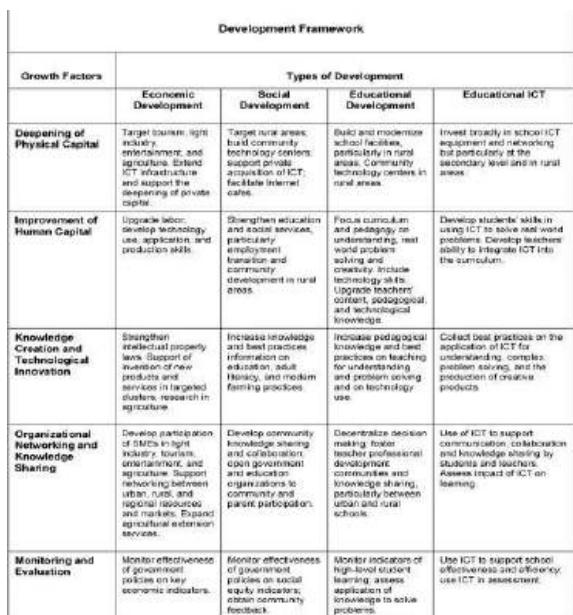
Image 5: Development Framework for Economic, Social, Educational, and ICT Growth Factors
19.1 Summary of Key Findings
The complex link between education gaps and economic issues stands out as a major finding in this study. The analysis shows that socio-economic status often restricts access to quality education, which keeps cycles of poverty going and limits opportunities for children from less fortunate backgrounds. In poorer areas, educational gaps appear in not just poor school facilities but also in the lack of essential resources and trained teachers. This point supports the claim that if all students in low-income nations had basic reading skills, about 171 million people could break free from poverty. "Education is widely recognized as a fundamental driver of economic growth and individual prosperity." (Radhika Gorur and Joyeeta Dey). These challenges highlight the urgent need for systemic changes to improve resource distribution and ensure fair access to educational opportunities for various groups. By tackling these gaps, schools can have a significant impact on breaking the link between socio-economic status and educational results. Another important finding relates to how digital technology can boost educational access and fairness. The study points out that digital platforms have the potential to fill gaps caused by geographic and socio-economic barriers, offering a range of learning opportunities that many previously couldn't reach. For instance, new technologies like adaptive learning systems and online resources are helping to tailor education to meet different learning needs, especially in underserved areas. This is similar to research from UK higher education institutions that used business intelligence to improve student engagement and decision-making about educational results (Cao et al.). These innovations indicate that technology holds promise as a tool for making education inclusive, providing customized support for students' varied learning paths. As educational plans increasingly incorporate digital tools, the chance to reshape learning and enhance economic mobility becomes clearer. Exploring these findings requires a forward-thinking view that utilizes successful examples of educational technology in action. To fully understand effective solutions, it is essential to examine how various parties—including teachers, policymakers, and technology experts—work together to create sustainable education models. As demonstrated by the action research on business intelligence solutions, there is a clear opportunity for integrated methods that incorporate socio-technical frameworks in education (Cao et al.). The lessons learned from these efforts are crucial in developing a plan for future educational innovations. Acknowledging that “education is widely recognized as a fundamental driver of economic growth and individual prosperity,” "Education is widely recognized as a fundamental driver of economic growth and individual prosperity." (Radhika Gorur and Joyeeta Dey), this research supports focused investments in educational infrastructure and technology to strengthen economic resilience and build fairer social systems.
19.2 The Interconnectedness of Education and Technology
Technology improvements have significantly transformed education, altering the traditional methods of teaching and learning. With new digital platforms and online learning, educational material is easier to access than ever. This easy access goes beyond just locations, letting students from different backgrounds participate in learning experiences that were hard to reach before. For example, using technology in classrooms allows real-time talking between teachers and students, as well as access to many informational resources that help with critical thinking. According to the U.S. Partnership for Education for Sustainable Development, resources grouped by different categories help people understand and engage with sustainable practices, showing how important technology is in today's education (US Partnership for the Decade of Education for Sustainable Development). These advancements help make a more connected global learning space, promoting inclusivity and flexibility in education. Furthermore, the integration of technology into education necessitates continuous collaboration among diverse stakeholders such as teachers, policy-makers, and technology specialists. Ensure effective use of digital tools to enhance teaching methods and boost student success through this teamwork. New ways to get families involved have appeared, focusing on the need for inclusive higher education programs and how they connect with digital tools. For instance, the changes in communication methods because of technology make it easier to share information between schools and families. As stated in the study of socio-economic gaps, technology has changed how fast and cheap communication is, marking a major shift in how schools connect with the community. "Technology has influenced the speed and cost of communication in addition to the quality and accessibility, the nature of the information that is shared (e.g., breaking news), communications about school programs and children's progress." (Epstein et al.). Therefore, the link between education and technology is important for building a flexible and active learning environment that meets modern demands. The future of education depends a lot on how technology adapts and evolves, leading to new solutions for existing problems. As education faces complicated socio-economic challenges, using technology well will be crucial for success. New technologies, like artificial intelligence and virtual reality, could change educational methods by making learning experiences more personal and engaging. Transition Design's work highlights the connection between ecological sustainability and technological growth in educational projects (Dewberry et al.). By focusing on such combined strategies, education systems can better prepare students for the global challenges ahead. The connection between education and technology will not only improve learning results but also develop a generation of informed individuals ready to make positive changes in their communities.
19.3 Call to Action for Stakeholders
The various crises caused by socio-economic differences require a strong response from all education and technology players. Governments, schools, and businesses must work together to remove these obstacles and improve access to learning resources. They must prioritize investing in technology to improve educational equity, particularly in underserved communities. The current situation shows a pressing need for new strategies, as noted by researchers who support participatory research that gets stakeholders involved in education. As one expert points out, every missed chance to make education fairer can lead to a loss of human talent, which highlights the need for shared responsibility to create positive change. Involving stakeholders through cooperative efforts can produce creative solutions to effectively tackle systemic inequities. Furthermore, stakeholders must recognize their crucial roles in leveraging technology to enhance learning outcomes. The ongoing digital changes offer special chances for personalized teaching methods that cater to different student needs. Educational technology can create platforms for independent learning, boosting student involvement and freedom. However, for technology to genuinely fill learning gaps, there must be ongoing integration efforts that focus on reliability and accessibility. Emphasizing ethical approaches and transparency is critical, especially when using digital resources in schools. Success stories from organic farming highlighted in literature show how shared knowledge management can change practices across varied fields (Cuoco et al.). These cross-disciplinary methods can motivate similar ideas in educational programs, reinforcing the need for stakeholder engagement to support innovative practices. To close educational gaps, the job does not fall only on teachers; it also involves the larger community, including parents and local groups. Involving these stakeholders can create a supportive learning environment that bolsters student achievement. Broad strategies that include initiatives for parental engagement can greatly enhance student academic results. This aligns with the wider goal of building a strong community that can face socio-economic challenges together. Using participatory models can be effective for sharing knowledge and empowerment, ultimately contributing to a comprehensive educational system. It is vital to realize that focusing on the joint creation and sharing of knowledge makes participatory models valuable within a knowledge management toolkit. "Equity doesn't end in the classroom. In fact, the most effective way to create lasting, meaningful learner equity is to promote it at all levels of education. That means reforming existing policies, or launching new policies and initiatives; holding interventions for at-risk students, such as providing counseling services or additional time to complete assignments; and, last but not least, getting the local community, families, and parents more involved in each student's learning." (N/A (Author not specified but attributed to the article)). By emphasizing inclusive partnerships, stakeholders can develop lasting solutions that tackle the primary causes of educational inequality, thereby positively impacting socio-economic stability and growth.
19.4 Future Directions for Research and Practice
Using a mixed method that merges new technology with effective teaching plans is important for future research. As technology changes quickly, we need to look at how different tools can help fix problems with accessibility, fairness, and quality in education. Research such as [citeX] examines the socio-economic challenges associated with the use of ICT in education and highlights the importance of understanding how technology can enhance learning outcomes for diverse groups. This calls for long-term studies that look closely at how digital tools affect learning results, especially in poor areas. Plus, focusing on teaching methods that work well with technology in classrooms will help find best practices that can work in many educational settings, supporting overall improvement in worldwide education systems. Another key topic for future research is looking at the socio-economic factors that affect educational achievement. By studying issues like gender gaps and economic barriers, researchers can get a better idea of what leads to education gaps, as shown in [extractedKnowledgeX]. Fixing these gaps through specific actions requires a full evaluation of local and global situations, leading to better policy-making. For instance, we can share and adapt successful educational access models to various settings by leveraging knowledge from numerous case studies. In the end, by connecting research with practical use, researchers can help create strong frameworks to tackle ongoing educational issues while supporting socio-economic growth. Moving ahead means working together across different fields, where educators, policy-makers, and tech experts collaborate to find new solutions to current problems. As [citeX] points out, we cannot solve complex educational and economic problems alone. Future studies should focus on building partnerships among disciplines, encouraging discussion among those involved to design well-rounded strategies for major changes. Additionally, using ethnographic research methods to gather various viewpoints will improve our understanding of the experiences of students and communities dealing with educational inequalities. By making inclusivity a priority in research design and execution, academics can ensure that future teaching methods reflect the real-world situations of those they seek to support, ultimately leading to effective solutions that meet societal needs.
Infrastructure-Technology, Socio-Economical Issues and Challenges in ICT-based Education and Digital Education with Possible Solutions-A Scientific Observation
P.K. Paul , P.S. Aithal , Sushil K. Sharma and Ricardo Saavedra
Director & Chair, International Programa, Azteca University, México, America
ABSTRACT
Introduction
Digital Education in generally considered as a technology required for proper educational practices and effective teaching-learning practice. Subfields of Information Technology like Communication Technology, Database Technology, Networking Technology, Multimedia Technology, and Software Technology are important in proper Digital Education System designing and development . Some of the allied nomenclature viz. Digital Learning, Online Education, and ICT in Education
Image 6: Title page of a scholarly chapter on ICT-based education challenges and solutions
| Research Area | Current Funding (USD) | Projected Growth (2024-2030) (%) | Number of Ongoing Projects |
| Artificial Intelligence in Education | $1,500,000 | 25% | 50 |
| Online Learning Effectiveness | $800,000 | 15% | 30 |
| EdTech Accessibility for Disadvantaged Groups | $600,000 | 20% | 25 |
| Cybersecurity in Educational Institutions | $1,200,000 | 20% | 40 |
| Integration of VR/AR in Classrooms | $900,000 | 30% | 35 |
2013. https://core.ac.uk/download/29821721.pdf
4..., Alvi, Imran, Bradbrook, Gail, Brake, David, Fisher, John, Helsper, Ellen, Livingstone, Sonia, Lloyd, Heidi, Moore, Ray, Thompson, Valerie. "Meeting their potential: the role of education and technology in overcoming disadvantage and disaffection in young people". British Educational Communications and Technology Agency (BECTA), 2008, https://core.ac.uk/download/4151945.pdf
-
Basch, G.. "Conservation Agriculture: The role of Academia in its technology transfer". 2012, https://core.ac.uk/download/62454602.pdf
-
Byrne, Robert, Ockwell, David. "CRIBs (Climate Relevant Innovation-system
Djukanovic, R., Dokic, D., Du Toit, G., Dubakiene, R., Dupeyron, A., Eklund, P., Emuzyte, R., Farrell, J., Ferrando, M., Ferri, M., Fico, G., Fiocchi, A., Fletcher, M., Fokkens, W. J., Fonseca, J., Fougere, B., Gamkrelidze, A., Garces, G., Garcia-Aymeric, J., Garcia-Lizana, F., Garcia-Zapirain, B., Gemicioglu, B., Goswami, N., Gouder, C., Guerin, O., Guldemond, N. A., Gutter, Z., Haahtela, T., Hellings, P. W., Hellquist-Dahl, B., Henderson, D., Hermosilla-Gimeno, I., Heve, D., Hinkema, M. J., Holland, C., Hoogerwerf, E. J., Humbert, M., Hyland, M., Iaccarino, G., Illario, M., Inzerilli, M. C., Johnston, S. L., Just, J., Jutel, M., Kaidashev, I. P., Kalayci, O., Kalyoncu, A. F., Kardas, P., Keijser, W., Keil, T., Kerstjens, H., Khaitov, M., Klimek, L., Knezovic, J., Koppelman, G. H., Kotska, T., Kovac, M., Kowalski, M., Kull, I., Kuna, P., Kvedariene, V., Lepore, V., Liotta, G., Macnee, W., Maggi, S., Maggio, M., Maggio, M., Magnan, A., Mair, A., Majer, I., Malva, J., Manning, P., Manuel De Keenoy, E., Marcucci, M., Marti, T., Masoli, M., Melen, E., Mendez-Zorrilla, A., Menditto, E., Mercier, J., Michel, J. P., Miculinic, N., Mihaltan, F., Milenkovic, B., Millot-Keurinck, J., Mlinaric, H., Moda, G., Moesges, R., Molloy, W., Momas, I., Monaco, A., Monsonis-Paya, I., Montefort, S., Morais-Almeida, M., Moreno-Casbas, T., Mullol, J., Murray, R., Nadif, R., Nalin, M., Navarro-Pardo, E., Nekam, K., Ninot, G., Nizinska, A., Nogues, M., O'Byrne-Maguire, I., O'Caoimh, R., Paccard, D., Pais, S., Palummeri, E., Panzner, P., Papadopoulos, H., Papadopoulos, N. K., Papanikolaou, C., Pappa, D., Parent, A. S., Passalacqua, G., Pastor, E., Pastorino, M., Pavlickova, A., Pecorelli, S., Perrot, M., Plavec, D., Popov, T. A., Postma, D. S., Prados-Torres, A., Price, D., Raffort, N., Ranberg, K. Andersen, Reuzeau, J. C., Robalo-Cordeiro, C., Robine, J. M., Robusto, F., Roche, N., Rodenas, F., Rodriguez-Manas, L., Roller-Wirnsberger, R. E., Romano, A., Romano, V., Rosado-Pinto, J., Roubille, F., Ruiz, F., Ryan, D., Salcedo, T., Samolinski, B., Schmid-Grendelmeier, P., Schulz, H., Schunemann, H. J., Scichilone, N., Senn, A.
Serrano, E., Sheikh, A., Shields, M., Siafakas, N., Siciliano, P., Siciliano, P., Skrindo, I., Smit, H. A., Somekh, D., Sooronbaev, T., Sourdet, S., Sousa-Costa, E., Spranger, O., Sruk, V., Sterk, P. J., Teixeira, A. M., Todo-Bom, A., Touchon, J., Tramontano, D., Triggiani, M., Tsartara, S. I., Tsartara, S. I., Usero, J., Valero, A. L., Valiulis, A., Valovirta, E., Van den Berge, M., Van Ganse, E., Van Hage, M., Vandenplas, O., Vandenplas, O., Vasankari, T., Vellas, B., Ventura, M. T., Vera-Munoz, C., Vergara, I., Vezzani, G., Vidal, D., Viegi, G., Visser, F., Vollenbroek-Hutten, M., Vontetsianos, T., Wagemann, M., Wagner, A., Whalley, B., Wickman, M., Wickman, M., Wilson, N., Yiallouros, P. K., Yorgancioglu, A., Zagar, M., Zaidi, A., Zidarn, M., Zuberbier, T., Zuffada, R.. "BUILDING BRIDGES FOR INNOVATION IN AGEING: SYNERGIES BETWEEN ACTION GROUPS OF THE EIP ON AHA". 2016, https://core.ac.uk/download/157587643.pdf
Blaug, Bodin, Bovet, Bradley, Bradley, Brailsford, Brandeau, Burke, Burke, Burke, Burke, Burke, Burke, Burke, Burke, Burke, Burke, Burke, Burney, Caballero, Carter, Carter, Carter, Carter, Carter, Casu, Casu, Ceylan, Charnes, Charnes, Charnes, Cherchye, Chizmar, Chizmar, Clarke, Clough, Cobacho, Colbert, Cook, Corberán, Cordero-Ferrera, Costa, Cutshall, da Fonseca, De Causmaecker, de Werra, de Werra, De Witte, De Witte, Dean, Dehnokhalaji, Deris, Dhar, Dickmeyer, Diminnie, Dimitrov, Dimopoulou, Dimopoulou, Dowsland, Dowsland, Doyle, Duh, Dyson, Eglese, Emrouznejad, Epstein, Epstein, Essid, Essid, Fan, Fandel, Fandel, Ferland, Finlay, Fukuyama, Gac, Gallego, Gani, Gass, Gass, Geiger, Geoffrion, Giménez, Giménez, Gochenour, Golany, Goldstein, Goldstein, Gosselin, Goyal, Gray, Griffin, Grosskopf, Grosskopf, Grosskopf, Gyimah-Brempong, Haelermans, Haelermans, Haelermans, Harden, Hartl, Hemaida, Hertz, Hertz, Hinchliffe, Holder, Holder, Holloway, Hopkins, Hopkins, Hopkins, Horvath, Howard, Huédé, Jamison, Jauch, Jennergren, Jessop, Jill Johnes, Johnes, Johnes, Johnes, Johnes, Johnes, Johnes, Johnes, Johnes, Johnes, Johnes, Johnson, Johnson, Jondrow, Kao, Kao, Kao, Kheiri, Kirby, Kirjavainen, Knutson, Kodama, Kwak, Kwak, Ladley, Lara-Velázquez, Lee, Lee, Lee, Lenzner, Letchford, Lewin, Lewis, Lewis, Li, Liu, Lofti, Lovell, Mancebón, Mancebón, Mancebón, Mar Molinero, Mar Molinero, Mar Molinero, Mar Molinero, Massy, Massy, Mayston, McCollum, McCollum, McKeown, McMillan, Meeusen, Mirrazavi, Miyaji, Moreno, Moscato, Moura, Muller, Mumford, Mühlenthaler, Nicholls, Nicholls, Nicholls, Nicholls, Nicholls O'Brien Ochoa OECD Oliver Ondrich Ouellette Ozdemir Pais Pantelous Papoutsis Paucar-Caceres Petrovic Pillay Pillay Pillay Pillay Platt Podinovski Politis Portela Portela Portela Post Powell Qing Qu Qu Ramanathan Rassouli-Currier Rath Raveh Ray Ray Ray Rayeni Reeves Ritzen Romero Romero Ruggiero Ruggiero Ruggiero
Ruggiero, Ruggiero, Ruggiero, Ruggiero, Russell, Saltzman, Sammons, Sampson, Santos, Sarrico, Sarrico, Schniederjans, Schoepfle, Schroeder, Schroeder, Schultz, Scott, Shah, Shepherd, Simon, Sinuany-Stern, Smith, Smith, Soria-Alcaraz, Southwick, Soyibo, Spada, Stevens, Stone, Stone, Sutcliffe, Sutcliffe, Tadisina, Tavares, Taylor, Thanassoulis, Thanassoulis, Thanassoulis, Thanassoulis, Thanassoulis, Thompson, Tripathy, Turabieh, Van Dusseldorp, Waldo, Walters, Ward, Wehrung, Weir, Weisbrod, Weitz, Weitz, Welsh, White, White, Wood, Woodhouse, Wright, Zhang, Zoghbi, Özcan. "Operational Research in Education". 'Elsevier BV', 2014, https://core.ac.uk/download/30731174.pdf
-
Gajewski, Marek. "Policies Supporting Innovation In The European Union In The Context Of The Lisbon Strategy And The Europe 2020 Strategy". 'Walter de Gruyter GmbH', 2017, https://core.ac.uk/download/93157565.pdf
-
McAllister, Georgina, Mudokwani, Kuda, Mukute, Mutizwa, Nyikahadzoi, Kefasi. "Exploring the Potential of Developmental Work Research and Change Laboratory to Support Sustainability Transformations: A Case Study of Organic Agriculture in Zimbabwe". 'Informa UK Limited', 2018, https://core.ac.uk/download/231744193.pdf
-
Cardinelle Oliveira Garcia, Flúvio, Cardona, Diego, Chesñevar, Carlos, Collazzo-Yelpo, Pablo, Cunha, Maria Alexandra, Damião da Silva, Eduardo, de Albuquerque, João Porto, Diniz, Eduardo Henrique, Estevez, Elsa, Ferraresi, Alex Antonio, Fischer, Frida Marina, Joia, Luiz Antonio, Luciano, Edimara M., Quandt, Carlos O., Scholz, Roland W., Silva-Junior, João Silvestre, Sánchez Rios, Rodrigo, Sánchez, Aurora, Viale Pereira, Gabriela. "South American Expert Roundtable: increasing adaptive governance capacity for coping with unintended side effects of digital transformation". 'MDPI AG', 2020, https://core.ac.uk/download/286359460.pdf
-
Franklin, Alex, Husain, Syed Omer, Roep, Dirk. "The political imaginaries of blockchain projects: discerning the expressions of an
(National University). This multi-faceted approach not only helps create a more inclusive learning setting but also boosts community strength and sustainability, critical for advancing social mobility and closing economic gaps. In conclusion, the importance of interdisciplinary methods leads to innovative solutions based on thorough data analysis and input from various parties. The use of technology in teaching financial literacy illustrates how combining different academic fields gives educators the tools to develop effective initiatives. Promoting such combined frameworks allows teachers and students to address complex issues like financial security and health literacy, which are vital for both personal and community development. Moreover, the obvious links between different socio-economic factors call for a thorough review of current educational practices; thus, visual tools like diagrams showing educational disparities help illustrate the relationships that impact student success. This comprehensive viewpoint leads to a better understanding of the difficulties schools face today and helps inform the development of adaptable, progressive educational strategies.
Vice Chancellor, Seiniras University, Karnataka, India
Associate Provost, Texas A&M University Texarkana, USA
Conflict of Interest
The authors declare no conflict of interest.
Ethical Approval
Not applicable
Data Availability
The datasets used in this study are openly available at [repository link] and the source code is available on GitHub at [GitHub link].
Funding
This work did not receive any external funding.
References
Cite this article
Related Research



Special Issue
Launch a focused special issue to highlight research, emerging trends, and expert insights in your academic field.
