


IntelliPaper
Abstract
Museums play a crucial role in non-formal education and cultural enjoyment within the culture and heritage sector. They represent a society's cultural legacy and life, acting as cultural ambassadors that inspire the preservation and promotion of cultural identities. Everyone in society has an equal right to access museums. In recent years, the scope of museum education has widened beyond universal accessibility to offer equitable learning opportunities for everyone, regardless of social, economic, cultural, or educational background. This shift is reflected in the latest ICOM definition of museums, emphasizing their role in providing inclusive learning opportunities. Efforts are underway to transform museums into dynamic, accessible, and inclusive spaces that cater to diverse groups, including those historically excluded or marginalized, thereby meeting the varied learning needs of all individuals.
In a country like India, where many people lack physical access to museums, these institutions become particularly relevant. The concepts of accessibility, inclusivity, diversity, and sustainability, integral to the new definition of museums, must also underpin museum approaches and practices, especially in India, given its rich heritage and heterogeneous population.
The paper outlines the current situational, operational, and engagement structures of museums in India, highlighting the challenges they face and their public perception. It discusses the outreach initiatives aimed at extending the 'Right to Museums' to everyone through pilot outreach educational programs, specifically targeting those who do not, or cannot, visit museums. The study delves into the approach, methodology, execution, audience response, and impact of the action research project "Museum Outreach Initiatives and the Creation of Museum Educational Resources," conducted by the author. As part of the project, a series of workshops was conducted on a unified theme for diverse Indian audiences across various regions of the country. These workshops, developed under the action research project, champion the belief that everyone has a right to cultural life. The paper reflects on the endeavors made by the author to understand the varied needs of diverse Indian audiences and create tailored educational resources and workshop models. It seeks to share these case studies with the broader museum community, aiming to broaden the spectrum of museum inclusivity through outreach initiatives.
Explore Digital Article Text
I. INTRODUCTION
Museums are one of the largest mediums of non-formal education and cultural enrichment for the culture and heritage sector. They are powerful representations of a society's cultural legacy and life, serving as cultural ambassadors that inspire people to preserve and promote their cultural identity. Everyone in society has an equal right to access museums. Historically, museums were exclusive spaces for the privileged, but since becoming public institutions, they have become vital centers for non-formal learning.
In recent years, the scope of museum education has widened from merely providing learning opportunities to ensuring equitable access for all, regardless of social, economic, cultural, or educational background. The ICOM definition of museums , adopted in 2022, highlights how museums are adapting their methodologies to be more diverse, accessible, inclusive, and participatory. From the ICOM latest definition of museum, it is clear that museum professionals value the core functions of museums while recognizing significant transformations due to evolving values within both museums and society (Bonilla-Merchav and Brulon Soares 2022). Bonilla-Merchav and Brulon Soares underscore inclusivity in museums, emphasising the necessity for museums to be welcoming to all, accommodating visitors' circumstances, specific needs, and diverse perspectives. This approach highlights the role of museums as accessible and inclusive spaces for people worldwide.
However, in India, the British museum model was inherited without considering the country's unique social, cultural, and economic context. Consequently, museums were established without meaningful engagement with the Indian public, who were often treated as passive recipients. Research indicates that a large portion of the Indian population is still unaware of the true essence and relevance of museums, resulting in fewer visits compared to other historic or non-formal educational spaces. For many, museums are still perceived as elite institutions that feel difficult to relate to or engage with (Venugopal, 2014). Additionally, many mistakenly believe that museums are solely related to history or ancient artifacts and fail to grasp the purpose and diversity of museum collections, often viewing them merely as places for housing old, rare, and exotic objects.
Like museums worldwide, Indian museums are evolving in their roles and functions. Despite this transformation, challenges persist in defining their purpose and refining their operational practices. In India, museums hold immense potential as educational tools within its diverse, multicultural, and multilingual society, with their collection playing a key role in bridging cultural, social, and linguistic barriers. Their role as educational resources is particularly vital in India, where their impact surpasses that of museums in other parts of the world. Museums, as vital repositories of knowledge, play an important role—especially since most are government-run institutions in India. (Venugopal, 2014). Moreover, the inclusion of museums in the State List in the Seventh Schedule of the Constitution of India highlights their significance as institutions of national importance.
India, a vast country spanning 3,287,263 km with an estimated population of 1.39 billion in 2021 (up from 1.21 billion in the 2011 census), has around 1,200 museums (Seth & Sadiya 2023). These museums are not distributed rationally to serve the needs of the geographically diverse population, with some states having many museums, while others have only a few or just one or two. Despite the majority of the population living in rural areas, a significant proportion of museums are located in urban and semi-urban regions. This distribution implies that museums are limited and inadequately positioned to serve the diverse needs of a society spread across vast geographical areas, from city centers to remote regions. In many states and cities in India, even where museums are numerous, they remain under-visited due to inaccessibility, lack of awareness, or lack of interest. In this context, outreach initiatives become especially crucial, as museums are often inaccessible to many visitors, and many museums go under-visited due to a lack of awareness about their relevance and potential role in cultural education. These initiatives play a vital role in addressing barriers such as uneven distribution, inaccessibility, and limited public understanding, helping museums connect with and engage a wide range of audiences across the country. A tailored strategy is essential to bridging the gap between museums and society, ensuring greater accessibility, awareness, and meaningful engagement.
II. CONNECTING MUSEUMS AND SOCIETY: AN ACTION RESEARCH ON SOCIAL INCLUSION AND OUTREACH IN INDIA
As part of the department's mandate, the author, an Assistant Professor in the Department of Museology at the Indian Institute of Heritage (IIH), is conducting an action research project on Museum Education. This project focuses on Museum Outreach initiatives and the Creation of Museum Educational Resources to enhance accessibility and engagement. The primary aim is to turn non-visitors into regular museum-goers and encourage their active participation in museums. It is envisaged that by exploring museums, the target audience will gain a deeper understanding of their cultural heritage, its resonance in contemporary times, and its significance for their future. Furthermore, the project seeks to foster a strong connection between museums and society, enhancing the community's appreciation of its cultural identity.
This initiative addresses key issues in Museum Education and Museology in India, aiming to create pilot programmes and models for museum professionals, provide academic resources for academicians, train Museology students on practically conducting outreach projects, and explore methods to make Indian museums more accessible and inclusive, considering the diverse learning needs of the audience. Indian society's heterogeneity and segmentation across social, cultural, economic, educational, regional, and geographical contexts require tailored educational approaches. The project champions the belief that everyone has the right to cultural education, cultural life, and heritage. Accordingly, this action research project has been conceptualised and categorised according to the diverse needs of its audiences. The project is being executed in three areas as follows:
2.1 Museum Outreach
The project aims to introduce museums to audiences who have never visited them before, with a particular focus on students. It seeks to enhance the use of museums as educational resources among non-visitors while also exploring innovative approaches to museum outreach and accessibility. It aims to bridge accessibility gaps by extending museum experiences to individuals who do not or cannot visit museums for various reasons. Sensory and tactile educational kits are conceptualised and designed as part of this initiative.
The programme's broader goal is to popularise museums and spark interest, encouraging people to visit these institutions. Outreach initiatives help potential visitors understand what museums are, what they offer, why visiting them is beneficial, and how a museum visit can enrich their experience. As part of this initiative, the author has developed and executed educational programmes while also creating educational resources based on museum collections. These programmes are categorised into the following four key areas:
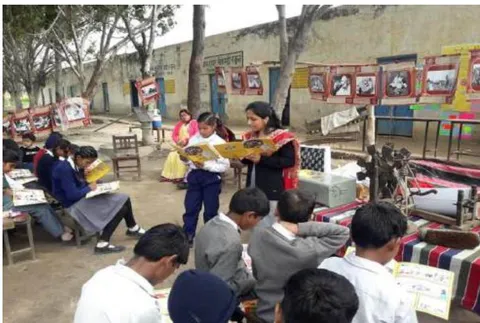
Outreach to Villages: Since most museums are located in urban or semi-urban areas, rural communities often have limited access to them, resulting in a lack of awareness and engagement. This initiative addresses the gap by conducting educational workshops for rural communities and school students who have never visited museums or cannot access museum services. These workshops covered diverse themes, including Indian arts and crafts, museum collections, and the significance of objects in preserving cultural memories and connections.
Outreach to Hospitals: Museums can play a therapeutic role in improving emotional well-being, particularly for patients and their families. This outreach programme explores how museum-based activities can support healing in healthcare settings. Specially designed workshops and customised educational kits have been developed for pediatric patients in critical care at one of India's most prominent public hospitals, the All India Institute of Medical Sciences, New Delhi. This initiative brings museum-based experiences to children in the hospital, supporting their emotional well-being and mental stimulation throughout their recovery.
Outreach to underprivileged communities: This outreach initiative aims to design educational programmes that prioritise inclusivity and accessibility, helping individuals from underrepresented backgrounds engage with cultural heritage in ways that resonate with their lived experiences. Tailored educational programmes are conceptualised to address the specific needs of these communities, facilitating meaningful interaction with museum collections.
Outreach to children with special needs: This initiative focuses on creating inclusive and accessible educational experiences for children with special needs. Tailor-made educational programmes are conceptualised and conducted for children with visual impairments, intellectual disabilities and other challenges. The programmes are designed to emphasise sensory learning, adaptive materials, and individualised pedagogical approaches to meet diverse learning requirements. The initiative fosters a sense of inclusion and promotes active participation among children with special needs.
2.2 Creation of Museum Educational Resources for Students and Educators
As a part of this programme, research is conducted to explore the educational potential of museums and develop non-formal educational resources tailored to various audiences. This includes designing educational booklets based on museum collections and creating customised non-formal learning aids. Discovery Boxes have been designed around diverse themes, featuring replicas of museum objects. Additionally, educational handbooks have been created to enhance classroom lessons and assist teachers in delivering curriculum content in an engaging manner.
Some of the key educational booklets include:
Through the Museum Lens (in English) and Sanghralaye ke Jharoke Se (in Hindi), focusing on the ancient civilization of India, centred around the collection of Indus Valley Civilization collection of the National Museum, New Delhi
Museum Safari (bilingual in English and Hindi) exploring environmental conservation, featuring the natural history collection of the State Museum, Lucknow
Aao Chalen Sanghralaye ki Aur (Let's Visit the Museum), introducing the collection of the National Museum, New Delhi
Gandhi For All, highlighting Mahatma Gandhi's principles through the collection at the National Gandhi Museum, New Delhi. These booklets are produced in Hindi, English, Urdu, Bengali, Ladakhi, Assamese, and are also available in a Braille edition.
III. MUSEUM OUTREACH: A SELECT EXAMPLE
This section delves into the approach, methodology, execution, and impact of the action research project "Museum Outreach Initiatives and the Creation of Museum Educational Resources", being conducted by the author. As part of the project, a series of workshops titled "Gandhi for All", were designed for diverse Indian audiences across various regions of India. The case study reflects the initiatives in conceptualising, designing, executing, and assessing audience responses and impact for the museum outreach programme. It highlights the efforts to understand the varied needs of diverse Indian audiences and to create tailored educational resources and workshop models based on these needs.
Theme-'Gandhi for All' workshop series: The series of outreach educational workshops titled 'Gandhi for All' was conducted across India as part of the celebration of the 150th Birth Anniversary of Mahatma Gandhi for diverse Indian audiences. The workshop series aimed to convey Mahatma Gandhi's ideas, principles, philosophy, life history, and cultural legacy by bringing symbolic objects associated with him to students and communities across India. This outreach initiative focused on ensuring that Gandhi's cultural heritage, represented by his belongings, reached people who were geographically distant or unable to visit museum housing collections associated with him. Through engaging strategies, the workshops encouraged participants to reflect on Gandhi's teachings, inspire them to integrate these teachings into their own lives and perspectives, and examine their continued relevance in today's world. Each workshop sought to make Mahatma Gandhi's cultural heritage, embodied in objects connected to him, accessible to those unable to visit museums for various reasons.
Approach: In India, there are several museums dedicated to Mahatma Gandhi's principles and teachings, including two in Delhi: Gandhi Smriti Darshan and the National Gandhi Museum. For the workshop series, replicas from the National Gandhi Museum were used to convey Mahatma Gandhi's philosophy and cultural legacy through his belongings. Tailored educational resources were conceptualised and developed to reach individuals who were geographically distant or unable to visit museum spaces housing collections related to Mahatma Gandhi. The approach used in the workshop series focused on utilising museum collections to communicate specific themes in a way that is both engaging and educational. In the workshops, students from the Department of Museology, IIH were actively engaged and trained in conceptualising and executing customised museum educational programmes, specifically designed to cater to the needs and expectations of diverse audiences across India.
Target audience: These workshops were conducted for a wide range of audiences, including young children, young adults, artisans, critically ill pediatric patients, children from nomadic villages, rural communities, rural school students, monastery school students, madrasa students, and those with special needs such as mentally and visually challenged, as well as university students, totaling over 500 participants.
Regions reached out: The workshop series was conducted in different parts of India, covering eight states and union territories, through fifteen workshops conducted over the span of a year. The workshops conducted across India were tailor-made and diversified in terms of both form and content to suit the requirements of the target audience in various regions.
The key components of the workshop series were:
'Gandhi for All' Message: Emphasising that everyone, as individuals and communities, possesses qualities that resonate with Mahatma Gandhi's principles and philosophy and can carry his legacy forward.
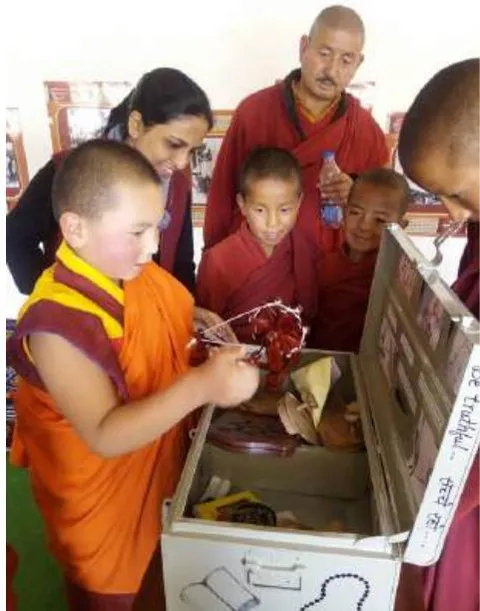
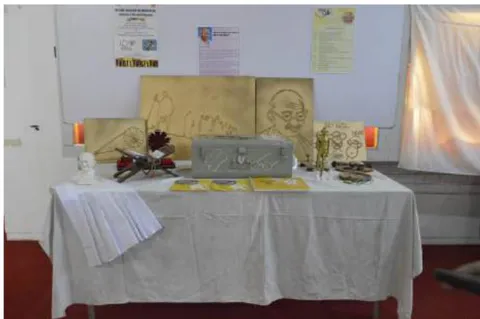
Discovery Box (Custom-made trunk containing replica objects of Mahatma Gandhi): A specially designed custom-made trunk called Gandhiji ka Pitara, was created to provide hands-on learning experience centered around Mahatma Gandhi's life and principles. It aimed to engage audiences who could not visit museums for various reasons.
This trunk contained thoughtfully selected replica objects from the National Gandhi Museum, New Delhi, each symbolising different aspects of Gandhi's philosophy, daily life, and contribution to India's independence movement. The Discovery box, with guided discussions and storytelling, enabled workshop participants to explore Gandhi's legacy through a museum lens, making the learning more engaging and meaningful.
Photographic Exhibition: This exhibition showcased rare and historically significant collection of photographs and audio-visual content highlighting significant events, people and moments from Mahatma Gandhi's life.
Tailor-Made Interactive Activities: Each workshop incorporated customised interactive activities thoughtfully designed to suit the audience's regional, educational, social, cultural, and special needs.
Activity-Based Educational Booklet: The booklet was specifically designed for the workshop series to present Mahatma Gandhi's story through museum objects. Available in multiple languages, including a Braille edition, the booklet includes anecdotes, stories, skits, and interactive games to convey Gandhiji's message with both simplicity and ethical depth.
Impact Assessment of the Workshop Series:
The workshop series made an effort to connect with individuals who had either limited or no access to museums.
The objects used in the workshops served as tangible connections to history, making abstract concepts more relatable and meaningful.
It established a model for utilising museum objects to raise awareness about the cultural legacy and philosophy of Mahatma Gandhi through a museum-based approach.
The trunks, booklets, and other props left at the respective workshop venues sparked a chain reaction, facilitating further outreach and extending the impact to many more students, teachers, and individuals.
The cultural legacy of Gandhiji, collected and displayed in museums, reached various corners of the country.

This section provides insights into the custom-designed educational materials created specifically for participants in various workshops. It aims to explain the thought process, considerations, and effectiveness of these tailored resources in addressing the diverse needs of the participants.
- For Students With Special Needs (Visually Impaired And Students with Intellectual Challenges)
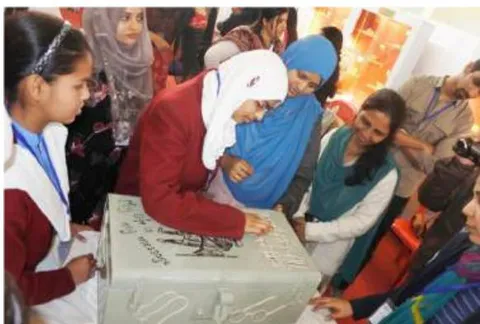
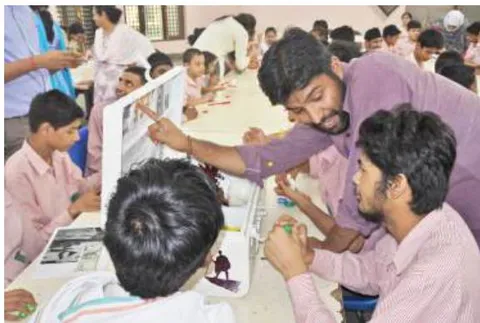
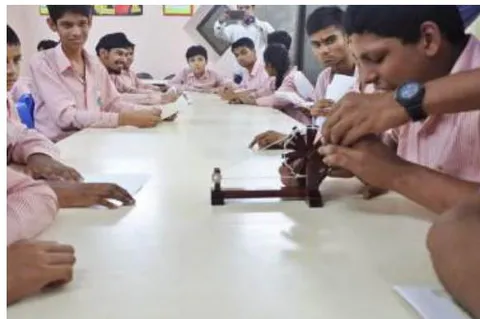
Two specialised workshops were conducted for students with special needs- one for visually impaired students and another for mentally challenged students. These workshops employed sensory-based learning tools and tactile, hands-on experiences to ensure inclusivity and meaningful participation. The goal was to ensure that Gandhiji's message and legacy resonated deeply with the participants, making information accessible to children with impairments, as emphasised by the UN Convention on the Rights of Persons with Disabilities. Asking questions and gathering feedback on the stories, objects, and activities, helped in keeping the students actively engaged throughout the process. Replica objects stimulated critical thinking and encouraged reflection on Gandhi's ideologies.
- Workshop for Visually Impaired Students: The workshop for visually impaired students focused on tactile experiences and verbal communication to convey Gandhiji's ideas and philosophy. The sense of touch played a crucial role, with even the trunk featuring three-dimensional embossing to help the students to touch and feel its various features. These students had the rare opportunity to touch and feel replicas of museum objects, an experience not typically available in museums.
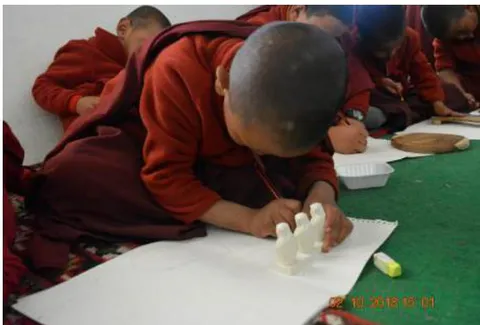
The students were provided with clay to create tactile models of Gandhi's belongings based on their sensory experiences. This activity was greatly enjoyed by the students. A distinctive aspect of the workshop was a Braille booklet, which not only documented the references and stories discussed during the sessions but also narrated the story of Mahatma Gandhi's life using museum objects.
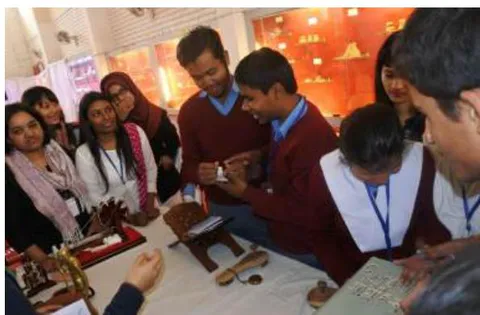
• Workshop for Students with Intellectual Challenges In this workshop, interactive games and sensory experiences were used to convey Gandhi's ideas to students with intellectual challenges. These activities simplified complex topics such as honesty, discipline, equality, discrimination, and integrity, making them easier to understand and engage with. Hands-on activities, like creating clay models, helped students connect with the material in a tangible way, enhancing their grasp of Gandhi's message and legacy. This approach not only reinforced their learning but also made the experience enjoyable and meaningful.
- For Pediatric Patients, The Workshop Served As A Therapeutic Tool
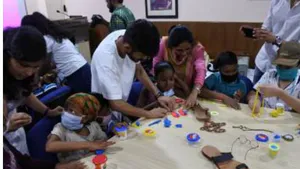
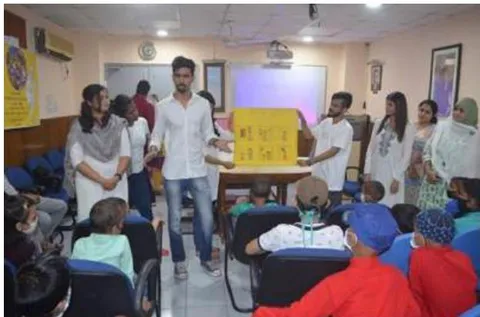
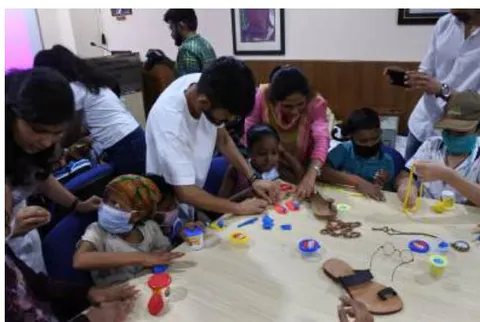
The workshop was held for critically ill pediatric patients at the All India Institute of Medical Sciences, a prominent public hospital in India. Animated skits were used to present the life and principles of Gandhiji in an engaging way. The children actively participated enthusiastically in activities like exploring replica objects, clay modeling, and paper crafting. Interestingly, many became so engrossed in the workshop that they momentarily forgot their pain and had the chance to express their emotions and creativity through artistic activities. For most of these children and their parents, it was their first introduction to museums, sparking a newfound interest in visiting them. The workshop was deeply enjoyed and served as a therapeutic experience for the young patients.
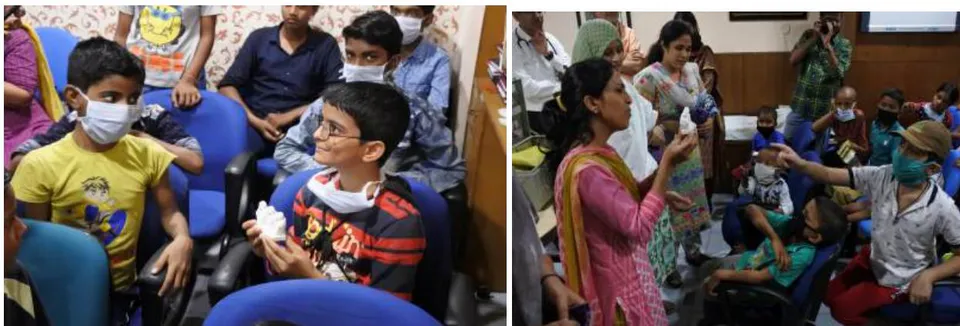
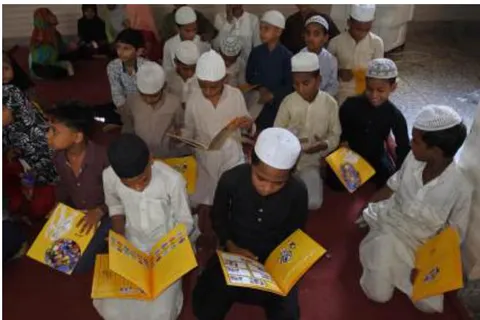
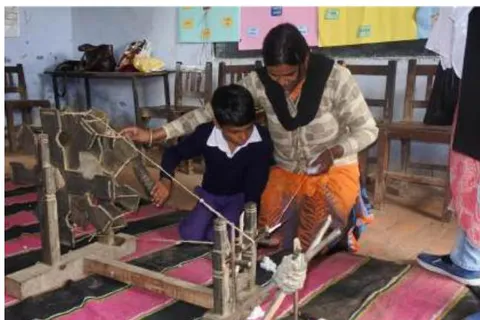
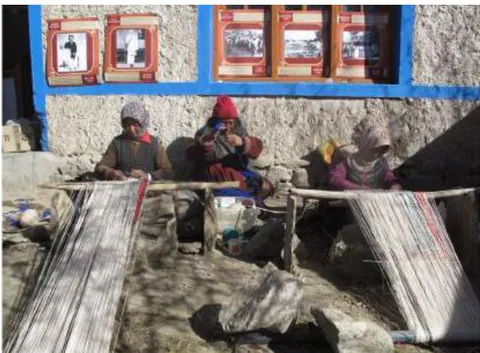
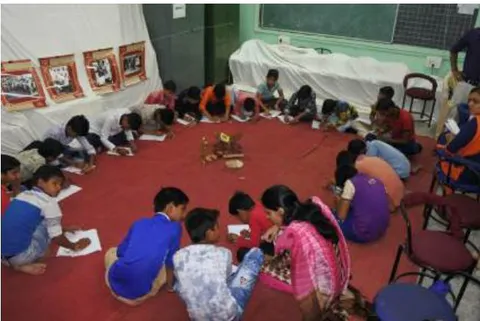
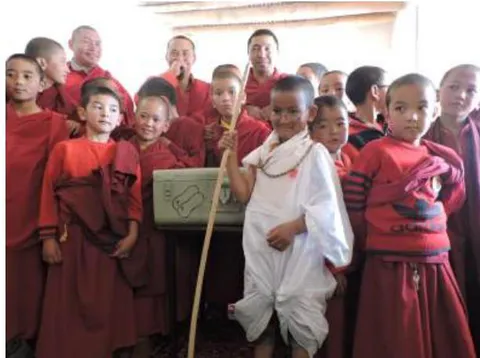
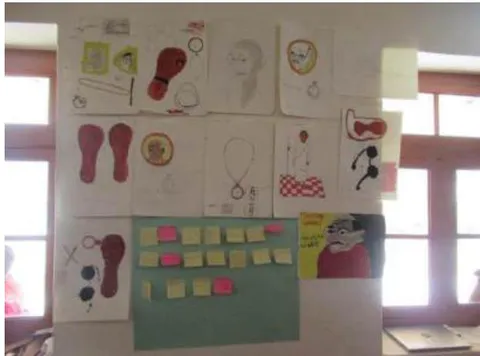
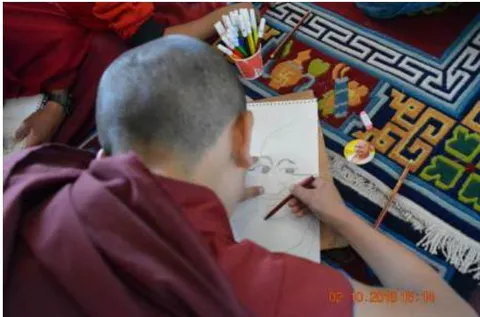
- Glimpses of some Engaging Activities Conducted for Students from various Schools including Monastery School, Madrasa, and Rural Communities
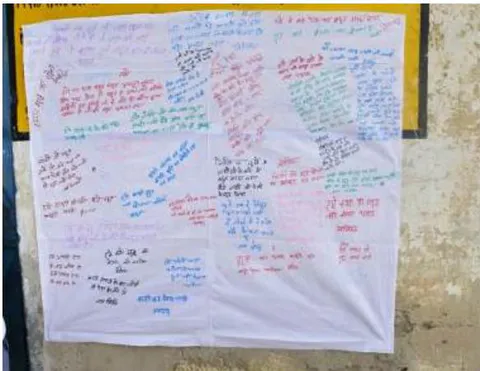
- Personifying Mahatma Gandhi's Principles through Visual, Written, and Verbal Expressions
This approach utilised various forms of expression—such as visual arts, writing, and speech—to help participants internalise and effectively communicate Mahatma Gandhi's core values and teachings. The different mediums provided participants with opportunities to reflect on and articulate Gandhi's philosophy in ways that were deeply personal and impactful. The workshops conducted made these principles more relatable and tangible, encouraging individuals to understand and reflect on Gandhi's philosophy in a meaningful and impactful way. These sessions facilitated deeper reflections on key themes such as non-violence, self-reliance, and social justice. The outreach initiative served as a catalyst for fostering a deeper understanding of Gandhi's philosophy, inspiring individuals to apply these principles in their personal, social, and professional spheres, thereby promoting a greater sense of civic responsibility.
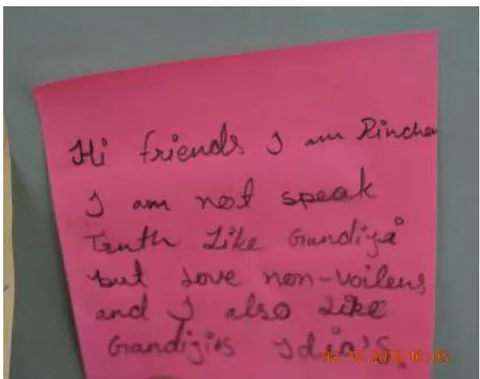
Hi friends I am Pinchen I am not speak Tenth like Grandjige but love non-voileus and I also like Grandijers Sdi's
Conflict of Interest
The authors declare no conflict of interest.
Ethical Approval
Not applicable
Data Availability
The datasets used in this study are openly available at [repository link] and the source code is available on GitHub at [GitHub link].
Funding
This work did not receive any external funding.
References
Cite this article
Related Research


Special Issue
Launch a focused special issue to highlight research, emerging trends, and expert insights in your academic field.