

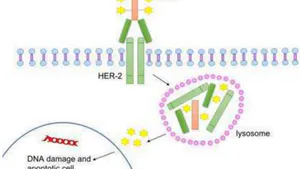



Abstract
Oncology is the study of cancer cells. To understand oncology is to understand the biology of cells. To do this is to understand how the cells work. There are several ways to get to the right research: Next Generation Sequencing or (NGS) is a powerful tool used in genomics research. NGS can sequence millions of DNA fragments at once, providing detailed information about the structure of genomes, genetic variations, gene activity, and changes in gene behavior. Targeted therapies are a type of cancer treatment that targets proteins that control how cancer cells grow, divide, and spread. Personalized treatment is to provide help for the patient to deal with cancer issues.
Explore Digital Article Text
I. INTRODUCTION
Interpretation by pathologists is also essential for correct molecular research data resulting from the analysis of tissues and cells. For example, there is evidence of the BRCA1/2 mutations or microsatellite instability (Lynch syndrome) it should be noted in the report. In the pathology report with a recommendation so that clinical geneticists must be involved to perform genetic counseling of the patient with their family history.
II. HISTORY OF PATHOLOGY TIMELINE
There are different timelines in discovering pathology in the 19 Century the tumor diagnosis was less restricted because of low scientific knowledge and low treatment plans. The new study of cell biology and molecular structure was the most important and distinct elements of benign and cancerous tissues. By the mid-1800s, a solid foundation had been made for microscopy, and surgeons recognized that microscopic diagnosis by pathology. In this setting, oncological pathology was also extremely limited. Every study for oncology and information was non-existent for cancer diagnosis. However, Rudolf Virchow (1821-1902) in the second half of the 19 century made significant research that is light microscope research, and Virchow was considered the 'father of modern pathology'.
2.1 Cell Biology and Structure
To understand oncology (Cancer) is to understand how the cell works. It is a cell's biology and structure that determines what kind of treatment collaborates well with the client.
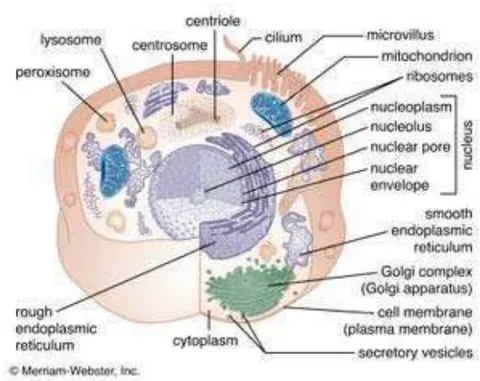
There are three areas that will help in this study it is the plasma membrane, Nucleus, Cytoplasm, Organelles: In the Cells growth, the healthy cell uses the membranes to help them maintain homeostasis, internal and external movement, consume energy and reproduce through procreation or mitosis, otherwise known as cell division.
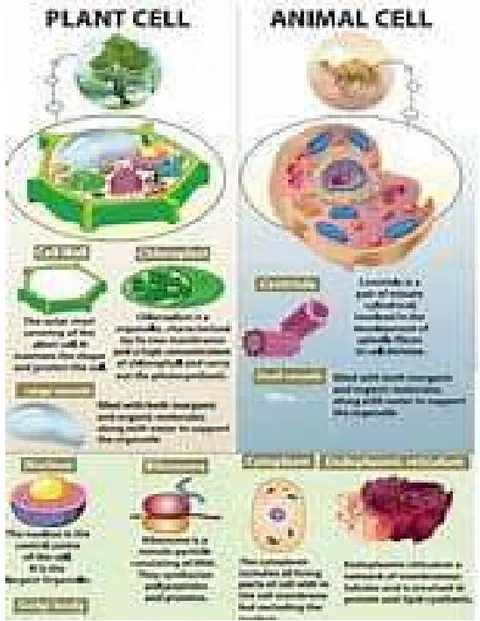
2.2 Basic Structures of a Cell
Cells are the fundamental units of life from which all other living things are made of. Each different cell has a different subcellular structure, but all eukaryotes contain the same three parts: the nucleus, the cell membrane, and the cytoplasm.
III. NEW DEVELOPMENT AND TREATMENT FOR ONCOLOGY
The new development of radio-oncology begins in the first half and the rise of modern chemotherapy in the second half of the 20th century. The medical field noticed the distinct morphological tumor entities at the same location might respond completely differently to radiotherapy and/or chemotherapy. What are morphological tumor entities? This means morphological tumors refer to Histological factors and patterns of the biomarkers in various types of cancers, for example, breast and brain cancers. Next are the new advancements in 'precision medicine' which begin in the 1980s with the development of immunohistochemistry, individualized oncology was erased from the overexpressed HER2/neu also in patients with breast cancer. The modern-day pathologist needs to research the increasing importance to detailed knowledge in morphology and in molecular mechanisms of cancer. For example, are some of those detailed knowledge of morphology and molecular mechanisms of cancer: There is One.) The online Catalogue of Somatic Mutations in Cancer (COSMIC) is a valuable source for known activating and inactivating genes in cancer genes. Two.) The FFPE setting, fluorescence in situ hybridization (FISH) proved a powerful tool to detect gains or losses of genetic material such as HER-2/neu amplification in breast cancer. For FISH has great genetical testing to offer: This could detect chromosomal translocations of one irrespective of the fusion partner. It also probes the design in two different label probes to complete the breakpoint region of the gene.
This sparks new interest, and separate signals the proof of the translocation. The detection of anaplastic lymphoma kinase translocations in non-small cell lung cancer (NSCLC) tissue specimens is a typical example of FISH translocation testing. Pathologists are necessary to guarantee the quality of the results, for several reasons: (One) Identify the molecular alterations should be interpreted in the appropriate morphologic context, since most of them are context-specific; (Two) pre-analytical issues must be taken into consideration; (Three) it is crucial to check the proportion of tumor cells in the sample subjected to analysis and presence of inflammatory infiltrate and necrosis should be monitored; and (Four) the role of pathologists is crucial to select the most appropriate methods and to control the turnaround time in which the molecular results are delivered in the context of an integrated diagnosis.
IV. GENETIC RESEARCH
Next Generation Sequencing or (NGS) is a powerful tool used in genomics research. NGS can sequence millions of DNA fragments at once, providing information about the structure of genomes, genetic variations, gene activity, and changes in gene behavior. Without the appropriate analysis and diagnosis of the sequencing of the DNA fragments there would not be any treatment care plan for cancer patients.
V. PERSONALIZED TREATMENT
This area is where the medical staff would recommend specific treatment from the Esoteric Sciences includes Reiki and Chakra healings, Self-awareness, Self-Completeness sessions, spiritual coaching are all considered non-medical treatments, Metaphysics would be Spiritual Coaching as well, self-realization and self-completeness. Life and Health Coach, Positive Psychology Coach, Spiritual Coaching, TCM, Herbal medicine. These methods will Improve the circulation of flow energy. Acupuncture and or acupressure also uses this type of technique for the body.
VI. ALTERNATIVE AND NATURAL MEDICINE
In the Natural Medicine field there is more information to use for a patient care plan. Natural Medicine has a variety of clinical procedures, they are: Diagnostic Summary which describes the symptoms and definitions of each one. Some of the topics have more information to introduce, for example, in Natural Medicine it has Affective diseases: Depression in its list of topics. Depression has different subtitles such as, Bipolar, Manic, and Seasonal Depression. All these depression terms can be found in the Diagnostic System Manual (DSM) to get all the information. Next section would be the general consideration. This section explains what the type of Depression would need treatment. Also listed in the DSM book and the Handbook of Natural Medicine the topic of cancer which has the same appropriate therapeutic techniques to use. This research comes from, "The Clinicians Handbook of Natural Medicine", Joseph E. Pizzorno, Michael T. Murray, and Herb Joiner-Bey, Third Edition, (Copy right 2016 Elsevier, Inc.). These doctors provided a plethora of information to help us determine what types of appropriate therapeutic techniques to use on a client. Also, this book is found on website; https://genesisschoolofnatur alhealth.org/wp-content/uploads/2020/03/Natu ral-Medicine-Pizzorno.pdffile.
Alternative medical systems may be based on traditional medicine practices. For Alternative medical systems can provide over one hundred different modalities. Alternative medicine is considered a non-traditional approach, which is related to: (One) The Healthcare and wellness systems, it is closely focuses on treating the whole person, including their physical, mental, emotional, and spiritual well-being. (Two) The modalities promote natural healing processes within the body and restore the balance. (Three) These can be used as Complementary Alternative Medicine (CAM) or therapies along with conventional treatments combined approaches for certain conditions. Don't forget that in alternative healing modalities it has often fewer side effects compared to medications commonly prescribed in. medicine. Also, do not forget when prescribing these modalities and the medication is to, "Do No Harm"
One such modality is the traditional Chinese medicine (TCM) and the Ayurveda in India, or practices of other cultures around the world. Traditional practices and beliefs from the Eastern medicine from China, together with modifications made by the Communist party make up TCM this is a positive move by the government. Common practices include herbal medicine, acupuncture (insertion of needles in the body at specified points), massage (Tui na), exercise (qigong), and dietary therapy. Traditional Western medicine from India is the Ayurveda which believes in the existence of three elemental substances, the doshas (called Vata, Pitta and Kapha), and states that a balance of the doshas results in health, while imbalance results in disease. Such disease-inducing imbalances can be adjusted and balanced using traditional herbs and minerals. This is why pathology cancer research is so important and can improve a patient's life.
Bio-Energetic fields. It is a holistic therapy that enhancing these energies, individuals can achieve physical, emotional, and spiritual well-being.
deals with the mind, body, and spirit. This uses the body's energy to promote healing. This work is to balance and restore energy flow, addressing physical, emotional, and mental issues. This approach believes that by balancing and Core Techniques. Therapists often incorporate movement techniques.
Breathwork used to deepen the connection between the mind and body.
Touch. These bioenergetic healing sessions as therapists use touch to help clients become more aware of their bodies.
Dialogue. Dialogue is an essential component of bioenergetic therapy, where therapists engage clients in conversations to explore their emotions, thoughts, and experiences.
VII. ISSUES ADDRESSED BY BIOENERGETIC THERAPY
7.1 Psychological Issues
Bioenergetic therapy is effective in addressing a wide range of psychological issues such as anxiety, depression, and trauma.
7.2 Stress Management
One significant benefit of bioenergetic therapy is its effectiveness in managing stress. This will reduce stress levels and improve mental clarity.
7.3 Pain Relief and Emotional Distress
Bioenergetic therapy also helps in managing chronic pain and dealing with emotional distress. It provides healing by combining physical movements with emotional release techniques.
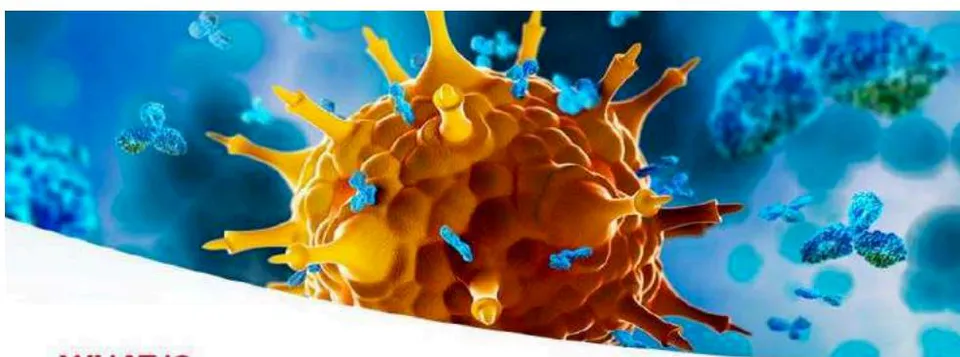
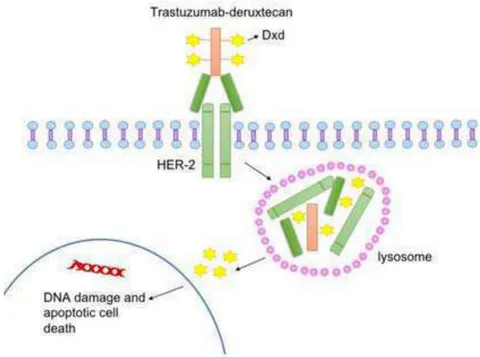
Targeted therapy focuses on the genetic characteristics of cancer cells. It uses drugs to attack mutated genes to prevent the cancer from surviving or spreading into other cells. Cancer changes the genes in your cells, and those mutations cause your cells to multiply and grow.
For these targeted therapies, it is a step by step for the doctor that collects the sample of cancer cell tissue by performing a biopsy or surgery. They then send the sample to the lab to be evaluated that determines the particular mutation that is causing the change in the cell's genes, this is called a biomarker or molecular.
How does targeted therapy work? Many types of cancer treatment that target proteins that control how cancer cells grow, divide, and spread. For example, Kinase inhibitors Angiogenesis inhibitors, monoclonal antibodies are made in a lab and target a specific antigen (protein). Proteasome inhibitors. Once your doctor identifies the mutated gene, you take targeted drugs in pill or intravenous (IV) form that will kill or slow that specific mutation.
What types of targeted therapy will the doctors use? Monoclonal antibodies are lab-produced versions of your body's antibodies. They target antigens, the unwanted proteins on or near your cells that may develop from cancer. Small-molecule inhibitors which are small enough to easily enter Trusted Source your cancer cells and attach themselves to targets, killing them or preventing them from spreading. There are many areas for doctors to use.
VIII. SAFETY MEASURES
Sometimes, hospital administrators do not consider the above-mentioned conditions. Do not take unfortunate decisions allowing molecular testing and interpretation of cancer somatic alterations in facilities, outside pathology departments. Hospitals and other facilities should realize that other forms of treatment should be considered for patient treatment. A patient should know and understand about the Patient Bill of Rights that they have the right to other forms of treatment and HIPPA Act.
Pathology and Cancer Treatment Studies
During the last part of the 18 century cancer research and pathology were fully integrated disciplines in which pathology represented a natural bridge between biology and medicine. An important contributor to the field was the work of Giovanni Battista Morgagni, an Italian physician, who in the 18th century published a comprehensive study of more than six hundred cases in which the clinical findings were correlated with the alterations found at the anatomical level.
IX. CONCLUSION
Pathology to cancer research is so important for the well-being of the patient. The history of pathology has come a long way for the proper care of the patient. The three areas needed for patient care are NGS, Personalized treatment, Targeted therapy are all steps in the right direction for patient quality care. Using Pathology The case study represents decades of research with multiple people who can use the modalities in each medical field. It was a positive study that six hundred people participated in and will continue to work with the researchers.
RESOURCES
Conflict of Interest
The authors declare no conflict of interest.
Ethical Approval
Not applicable
Data Availability
The datasets used in this study are openly available at [repository link] and the source code is available on GitHub at [GitHub link].
Funding
This work did not receive any external funding.
References
Cite this article
Related Research

Special Issue
Launch a focused special issue to highlight research, emerging trends, and expert insights in your academic field.

