


IntelliPaper
Abstract
Introduction: Non-communicable diseases (NCDs), including cardiovascular diseases (CVDs), contribute significantly to global mortality, accounting for over 70% of deaths worldwide. Recent advancements in Transdermal Optical Imaging (TOI) technologies, such as the Lifesten app, offer innovative approaches to blood pressure measurement. This study compares the accuracy of the Lifesten app to traditional cuff-based methods for measuring blood pressure.
Methods: A cross-sectional study was conducted in Kigali, Rwanda, targeting adults aged 18–45, including high-risk individuals that were identified through social media, community outreach, and targeted advertising. Participants underwent blood pressure measurements using both the Lifesten app and a traditional hand-cuff device. Data were analyzed using SPSS software to compare the two methods.
Results: Among the 384 participants, 59.63% were male (n=229) and 40.37% were female (n=155), with the majority aged 18–27 years. The mean scores measured using the Lifesten app for systolic and diastolic pressures were 111.45 mmHg and 74.75 mmHg, respectively, compared to 116.78 mmHg and 75.71 mmHg using the traditional device, showing differences of 4.56% and 1.27%. In a subgroup of 12 hypertensive individuals, the app recorded lower systolic (114.17 mmHg) and diastolic (75.67 mmHg) readings than the traditional device (140.17 mmHg and 80.00 mmHg).The app’s systolic MAE was 11.68 mmHg (MAPE: 9.63%), while diastolic MAE was 8.66 mmHg (MAPE: 11.63%).
Conclusion: The Lifesten app demonstrated potential for hypertension screening in resource-limited settings. However, algorithm improvements are necessary to enhance its accuracy and ensure reliable clinical use.
Explore Digital Article Text
I. INTRODUCTION
Non-communicable diseases (NCDs) are a global public health emergency, accounting for 74% of global deaths annually, as reported by the World Health Organization (WHO) [1]. Of the 41 million lives claimed by NCDs every year, over 15 million involve individuals aged 30 to 69, with 85% of these deaths occurring in low- and middle-income countries (LMICs). Among these, cardiovascular diseases (CVDs) are the primary contributor, causing 17.9 million deaths annually [1], [2]. These figures underscore the need for urgent and innovative interventions, especially in resource-limited settings where access to healthcare services remains inadequate In Rwanda, the rising prevalence of NCDs, particularly CVDs, poses significant challenges to the health system . The Ministry of Health estimates that NCDs account for 44% of all deaths in the country, with cardiovascular diseases contributing 14% to this total. Between 2012 and the latest STEPS survey, the prevalence of CVDs has increased from 15% to 16.8% . Behavioral and environmental factors such as tobacco use,
Urbanization and the adoption of Western lifestyles further compound the problem, highlighting the need for tailored solutions to address these risk factors effectively , .
Efforts to combat NCDs in low- and middle-income countries (LMICs) are hindered by systemic barriers, including limited healthcare infrastructure and accessibility, particularly in remote areas , , . As consequences, many individuals face delays in diagnosis and treatment, which exacerbates the burden of these conditions . In addition, traditional healthcare delivery methods often struggle to meet the needs of underserved populations . Therefore, introducing cost-effective, scalable, and locally relevant health technologies is essential for bridging these gaps , .
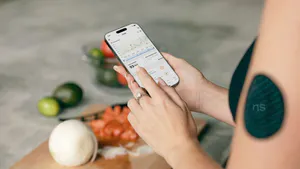
One of promising solution is transdermal optical imaging (TOI) technology, a ground breaking approach to cardiovascular health monitoring. This technology uses a smartphone's camera to analyze subdermal blood flow and oxygenation levels by processing light reflected from the skin , , . The Lifesten app integrates this TOI technology with personalized health education programs designed to improve users' physical, mental, and nutritional well-being. By providing accessible tools for health monitoring and guidance, the app empowers individuals to take proactive steps toward better cardiovascular health .
The potential impact of innovative digital health solutions is particularly profound in low- and middle-income countries (LMICs) such as Rwanda, where they can serve as valuable complements to existing healthcare infrastructure. Mobile health (mHealth) platforms offer capabilities for real-time monitoring, early detection, and personalized interventions, thereby minimizing the need for frequent visits to healthcare facilities , . These technologies are both cost-effective and scalable, making them especially suitable for resource-constrained settings . However, the successful adoption of health technologies like the Lifesten app necessitates rigorous evaluation of their accuracy and reliability. This study seeks to compare the
Lifesten app with the conventional cuff-based device in measuring blood pressure and screening for hypertension, addressing critical aspects of its performance and clinical applicability.
II. METHODOLOGY
2.1 Study Design and Setting
This cross-sectional study was conducted across the three districts of Nyarugenge, Gasabo, and Kicukiro in Kigali City, Rwanda, targeting adults aged 18 to 45, with a particular focus on individuals who have limited access to healthcare services. The study primarily aimed to screen individuals at heightened risk for cardiovascular diseases, such as those with sedentary lifestyles, poor dietary practices, and habits involving tobacco and alcohol use. Participants were selected based on criteria including age, occupation, and specific lifestyle behaviors, ensuring a representative sample of the population.
2.2 Sample Size and Sampling
The sample size for this study was determined using Cochran's formula, which calculates the appropriate number of participants needed for a specified level of confidence and margin of error (Equation 1). For this study, a confidence level of and a margin of error of were applied, with an estimated population size of 300,000.
In this equation, n represents the sample size, Z corresponds to the z-score for the desired confidence level, p is the estimated proportion of the population exhibiting the characteristic of interest, and E is the margin of error. Drawing from prior studies, the proportion p was assumed to be 0.5, which is commonly used in the absence of prior data, and the margin of error E was set to 0.05. With a 95% confidence level, the z-score value was 1.96. Substituting these values into the formula resulted in a calculated sample size of 384. To ensure the sample was representative of the population, purposive sampling was utilized, allowing for the inclusion of participants from various backgrounds and risk groups.
2.3 Eligibility Criteria
The inclusion criteria for this study were adults aged 18 to 45 who were primarily underserved by the current healthcare system in Kigali, including young individuals and those with high-risk lifestyles. Participants were required to be proficient in using smartphone applications, have access to the internet, and be at high risk of developing cardiovascular diseases due to factors such as poor dietary habits, tobacco use, and alcohol consumption. The exclusion criteria, on the other hand, included individuals under the age of 18 or over the age of 45, those already receiving regular medical treatment for cardiovascular diseases, and individuals who were either unable or unwilling to use smartphone applications or lacked internet access. Furthermore, individuals who did not meet the high-risk criteria for cardiovascular diseases, as identified through screening and assessment tools, were also excluded from participation in the study.
2.4 Study Procedure
Participants for the study were recruited through social media, community outreach, and targeted advertisements. Screening for hypertension was conducted using both the Lifesten app and a traditional cuff-based blood pressure measurement device. New participants were continuously enrolled and screened using both methods. They were given access to the Lifesten app, with training and ongoing support to help them understand cardiovascular disease risk factors and perform remote diagnostic tests.
Regular follow-ups tracked participant engagement and usage of the app. Data analysis was performed using the Statistical Package for the Social Sciences (SPSS) software to compare Lifesten app with traditional cuff-based blood pressure measurement device in screening for hypertension.
2.5 Ethical Considerations
Ethical approval was obtained from the Rwanda national research and ethics committee with the IRB number being IRB 0001497 of IORG0001100 and with issuing number 148/RNEC/2023. Informed consent was appropriately obtained at every stage of data collection, and the confidentiality of respondents' identities was fully ensured.
III. RESULTS
3.1 Characteristics of Participants
The study included a total of 384 participants, of whom 59.63% (n=229) were male and 40.37% (n=155) were female. The majority (94%) were between 18 and 27 years of age. Regarding marital status, 369 participants were single. Geographically, most respondents resided in Gasabo District (n=166), followed by Nyarugenge District (n=76). Educational attainment revealed that 60% (n=230) of the participants had achieved college or university education. Socioeconomic data indicated that 250 respondents belonged to the middle-income class, while 119 were categorized as low-income earners (Table 1).
| Study Variable | Responses | Frequency | % |
| Gender | Male | 229 | 60.0% |
| Female | 155 | 40.0% | |
| Age | 18 – 27 | 361 | 94.0% |
| 28 – 37 | 18 | 4.7% | |
| 38 – 47 | 3 | 0.8% | |
| 48 - 57 | 2 | 0.5% | |
| Marital Status | Married | 14 | 3.7% |
| Separated/Divorced | 1 | 0.3% | |
| Single | 369 | 96.0% | |
| Residence | Gasabo | 142 | 37.0% |
| Kicukiro | 166 | 43.0% | |
| Nyarugenge | 76 | 20.0% | |
| Education Level | College/University | 230 | 60% |
| No formal education | 1 | 0.3% | |
| Postgraduate | 26 | 7.0% | |
| Primary | 14 | 3.7% | |
| Secondary | 113 | 29.0% | |
| Social Economic Status | High Earning Class | 15 | 4.0% |
| Low Earning Class | 119 | 31.0% | |
| Middle Earning Class | 250 | 65.0% |
3.2 Comparing Lifesten App and Conventional Handcuff Methods for Blood Pressure Screening in General Individuals
A comparative analysis of blood pressure screening revealed that the mean systolic pressure measured using the traditional device was 116.78 mmHg, whereas the application recorded a lower mean of 111.45 mmHg, representing a difference of 4.56%. For diastolic pressure, the traditional device recorded a mean of 75.71 mmHg compared to 74.75 mmHg from the application, yielding a smaller difference of 1.27% (Table 2 and Figure 1). These findings indicated that the application tended to produce slightly lower readings, particularly for systolic pressure, although the overall differences between the two methods remained minimal.
| N | Mean(machine) | Mean (App) | Percentage difference | |
| measurements | ||||
| Systolic blood pressure | 384 | 116.78 | 111.45 | 4.56% |
| Diastolic blood pressure | 384 | 75.71 | 74.75 | 1.27% |
| Valid N (listwise) | 384 |
{"image_source":{"path":"images/6fb9ba546f6c89be2174e5007ae598b21f2ebacfc67498f152720d2b6c10962b.jpg"},"content":"","chart_caption":[{"type":"text","content":"mean of machine and app"},{"type":"text","content":"Figure 1: Difference between Lifesten App and Traditional Machine in Measuring Blood Pressure in General Individuals"}],"chart_footnote":[]}
3.3 Comparing Lifesten App and Conventional Handcuff Methods for Blood Pressure Screening in Hypertensive Persons
In a subgroup of 12 hypertensive individuals, conventional handcuff methods recorded a mean systolic blood pressure of 140.17 mmHg, reflecting elevated level consistent with hypertension, and a mean diastolic pressure of 80.00 mmHg, positioned at the upper threshold of the normal range. In contrast, the mobile application reported a lower mean systolic pressure of 114.17 mmHg and a mean diastolic pressure of 75.67 mmHg (Table 3 and Figure 2). This indicated a tendency for the application to record lower blood pressure values compared to the traditional method, particularly for systolic measurements.
| N | Mean (machine) | Mean (App) | Percentage difference | |
| Measurements | ||||
| Systolic blood pressure | 12 | 140.17 | 114.17 | 18.55% |
| Diastolic blood pressure | 12 | 80 | 75.67 | 5.41% |
| Valid N (listwise) | 12 |
{"image_source":{"path":"images/d0279e1cd952aa45037d196bd7783499995c6c0fd8bdf8f069fb403b1a578696.jpg"},"content":"","chart_caption":[{"type":"text","content":"Figure 2: Difference between Lifesten App and Traditional Machine in Measuring Blood Pressure in Hypertensive Individuals"}],"chart_footnote":[]}
3.4 Accuracy of Lifesten App in Blood Pressure Screening Compared to Conventional Way
The comparison of systolic and diastolic blood pressure readings between the Lifesten app and the traditional machine revealed modest variations in accuracy. For systolic measurements, the Mean Absolute Error (MAE) was calculated to be 11.68 mmHg, indicating an average deviation of this magnitude from the traditional machine's values. This suggests that while the app demonstrated a degree of accuracy, its readings showed noticeable differences when compared to the reference method. Additionally, the Mean
Absolute Percentage Error (MAPE) for systolic measures was 9.63%, meaning that the app's systolic readings were, on average, within approximately 10% of the machine's measurements. This represents a respectable level of precision, particularly for a non-invasive and portable tool, but highlights the presence of some variability that requires attention for improved performance in clinical practice.
For diastolic readings, the MAE was lower, calculated at 8.66 mmHg, which reflects a smaller absolute deviation compared to systolic measurements. However, the relative accuracy of the app's diastolic measurements was slightly lower, as indicated by a MAPE of (Table 4). This higher percentage of error suggests that the app's diastolic readings are relatively less consistent when compared to the machine's values. While the app's performance for diastolic measurements showed some promise, the larger relative error underscores the need for further refinement. These findings indicate that while the Lifesten app performs adequately for diastolic readings, there remains room for improvement to enhance its reliability and accuracy in both systolic and diastolic measurements.
| Mean Absolute error. (MAE) | Mean Percentage error. (MAPE) | |
| Systolic (Machine and App) | 11.67578 | 9.633785451 |
| Diastolic (Machine and app) | 8.65625 | 11.6253 |
IV. DISCUSSION
This study compared blood pressure screening using transdermal optical imaging through the Lifesten app and a conventional cuff-based machine among high-risk young adults in Kigali. The results showed that the Lifesten app recorded lower systolic and diastolic blood pressure values in both general participants and those with hypertension. These findings suggest that while the Lifesten app can be a useful tool for blood pressure screening, its readings tend to be lower than those from the traditional cuff machine. This highlights the need to refine the app's algorithms to enhance its accuracy and bring it in line with the standard measurements provided by conventional blood pressure devices.
Even though there is no specific study on Lifesten app, different authors compared different transdermal optical imaging-based apps with standard reference to understand apps' effectiveness and accuracy. Schoettker et al conducted a comparison between smartphone-based blood pressure measurements taken from 50 participants using the OptiBP app and traditional auscultatory readings for systolic blood pressure (SBP), diastolic blood pressure (DBP), and mean blood pressure (MBP) in an ambulatory setting. The differences in BP measurements (mean ± standard deviation) between the two methods were within the ISO 81,060–2:2018 standards, with SBP at -0.7 ± 7.7 mmHg, DBP at -0.4 ± 4.5 mmHg, and MBP at -0.6 ± 5.2 mmHg [21]. This demonstrate that the transdermal optical imaging-based apps can accurately measure blood pressure and has the potential to be an effective tool for detecting hypertension, particularly in low-income countries where smartphones are widely available, but healthcare access is limited.
After employing an advanced machine learning algorithm to develop computational models predicting reference systolic, diastolic, and pulse pressure based on facial blood flow data from 1,328 normative individuals, Luo et al found that the predicted blood pressure measurements were within 5±8 mmHg of the reference values, indicating a minimal deviation from standard measurements [14]. In a separate study, after analyzing 353 paired recordings from 91 subjects, Degott et al found that the differences between OptiBP and reference blood pressure recordings were 0.5±7.7 mmHg for systolic blood pressure (SBP) and 0.4±4.6 mmHg for diastolic blood pressure (DBP), with an OptiBP acceptance rate of 85%, when evaluating OptiBP against AAMI/ESH/ISO universal standards for blood pressure measurement. The smartphone-based OptiBP cuffless mobile application met the validation criteria outlined by AAMI/ESH/ISO universal standards for blood pressure measurement in the general population, further demonstrating its potential for use in blood pressure screening [22].
The Lifesten app, while demonstrating effectiveness in measuring blood pressure and screening for hypertension, exhibits accuracy limitations when compared to the standard cuff-based method. For instance, among 12 hypertensive individuals whose mean systolic blood pressure was recorded as 140.17 mmHg using the traditional method, the app measured a significantly lower mean of 114.17 mmHg, reflecting an 18.55% difference-the largest discrepancy observed across all screenings. Furthermore, the app consistently reported lower blood pressure readings in all other measurements compared to the reference. This raises concerns about the potential for underdiagnosis of hypertension, particularly in cases where blood pressure values are near the upper threshold of normal. These findings underscore the necessity of enhancing the Lifesten app's algorithm to improve its measurement accuracy and diagnostic reliability.
Cardiovascular health digital interventions such as Lifesten app, if implemented on a larger scale, holds substantial promise for supporting Rwanda's national cardiovascular disease prevention efforts, particularly in resource-limited settings where traditional healthcare access may be constrained. By delivering accessible, digital health education and screening directly to users' smartphones, the app can reach a broad demographic, including individuals who may otherwise face barriers to routine cardiovascular care. As demonstrated, the app effectively measured blood pressure with no much difference compared to the reference, demonstrating its potential of this new technology in screening of hypertension. If adopted nationally, the Lifesten app could provide a scalable and cost-effective tool to combat cardiovascular disease, reducing the burden on healthcare facilities while enabling early intervention through education screening and and self-monitoring. Furthermore, the app's success in Rwanda could serve as a model for other low- and middle-income countries, highlighting how digital health solutions can enhance public health in settings with limited resources and infrastructure.
V. CONCLUSION
The Lifesten app, utilizing transdermal optical imaging technology to measure blood pressure, represents an effective tool for hypertension screening and monitoring. Its potential is particularly significant in underserved populations where conventional methods of cardiovascular health monitoring are often inadequate. However, the app consistently recorded lower blood pressure values compared to the standard cuff-based device. Enhancing the app's algorithm to improve its accuracy is crucial to ensuring reliable hypertension detection and effective integration into clinical and community health settings.
Conflict of Interest
The authors declare no conflict of interest.
Ethical Approval
Not applicable
Data Availability
The datasets used in this study are openly available at [repository link] and the source code is available on GitHub at [GitHub link].
Funding
This work did not receive any external funding.
References
Cite this article
Special Issue
Launch a focused special issue to highlight research, emerging trends, and expert insights in your academic field.