



IntelliPaper
Abstract
Vaccines have played an important role in the lives of the people, most especially the children. It has helped prevent and protect the spread of contagious, dangerous and deadly diseases. Getting vaccinated produces antibodies that will fight that antigens in someone’s body. Thus, it keeps an individual from getting and spreading the disease. In other words, a vaccine is a safer substitute for an individual’s first exposure to a disease. The individual gets protection without having to get sick. Through vaccination, people can develop immunity without suffering from the actual diseases that vaccines prevent.
Explore Digital Article Text
I. INTRODUCTION
Vaccines have played an important role in the lives of the people, most especially the children. It has helped prevent and protect the spread of contagious, dangerous and deadly diseases.
Getting vaccinated produces antibodies that will fight that antigens in someone's body. Thus, it keeps an individual from getting and spreading the disease. In other words, a vaccine is a safer substitute for an individual's first exposure to a disease. The individual gets protection without having to get sick. Through vaccination, people can develop immunity without suffering from the actual diseases that vaccines prevent.
Vaccination has contributed significantly to global health. Since the establishment of WHO's Expanded Programme of Immunization in 1974 and the Global Alliance for Vaccination and Immunization in 2000, global coverage of vaccination against many important infectious diseases of childhood has increased dramatically.
Vaccines are biological agents that elicit an immune response to a specific antigen derived from an infectious disease-causing pathogen (Czochor & Turchick, 2014). The term "vaccine" comes from the Latin Variolae vaccinae (cowpox), which Edward Jenner demonstrated could prevent smallpox in humans in 1798. Today, the term "vaccine" refers to all biological preparations derived from living organisms that boost immunity to disease and either prevent (prophylactic vaccines) or, in some cases, treat disease (therapeutic vaccines) (Greenwood, 2014).
Vaccines are given in liquid form via injection, oral administration, or intranasal administration. Vaccines are made up of the entire pathogenic microorganism or some of its components (World Health Organization, n.d.).
COVID-19 is a deadly virus that continues to afflict many countries around the world. The Americas and Europe have a higher incidence than South East Asia, Africa, and the Western Pacific (World Health Organization, 2020).
Vaccines are the most important public health measure for protecting people from COVID-19 around the world, because SARS-CoV-2 is highly contagious and infects populations all over the world (Amanar & Krammer, 2020). Vaccine development has traditionally taken years, if not decades: from about 40 years for polio to 5 years for Ebola, most vaccines took 15 years on average (Deb et al., 2020). The vaccine trial process consists of several steps that must be completed in a systematic and measurable manner. The length of this process is related to the nature of the vaccine, which is to protect healthy people from pathogen infection. Adverse events and negative effects will not be tolerated; vaccines are not the same as drugs that patients take. Prescription drugs and vaccine administration have different risk–benefit analyses.
This study determines the level of awareness of nurse's vaccinator in administering a safe COVID-19 vaccine. The COVID-19 vaccines provide disease protection by eliciting an immune response to the SARS-Cov-2 virus. Developing immunity through vaccination reduces the likelihood of developing the illness and its consequences. Furthermore, the goal of this study is to raise awareness among healthcare workers about the importance of proper and efficient administration, including the safekeeping of COVID-19 vaccines prior to giving them to patients in the community. Nurses must provide the best possible care to their patients while exercising extreme caution at all stages of the nurse-patient interaction. It is critical that nurses are kept up to date on innovations in the healthcare setting, and thus this study was designed to place a greater emphasis on the fundamental connotation in all aspects of patient care, which is client's safety.
II. THEORETICAL FRAMEWORK
This study was anchored on the point of view of theories of well-known authors which are closely relevant to the research study. These theories are the Health Belief Model and the Theory of Planned Behavior.
Health Belief Model. The Health Belief Model (HBM) tries to describe two forms of health beliefs that make a behavior in response to disease more or less appealing (Sheeran and Abraham 1996): perceptions of illness threat and evaluations of the effectiveness of acts to combat this threat. The perceived vulnerability to the sickness and the severity of the illness's consequences influence threat perceptions. These characteristics, when added together, affect the likelihood that an individual would take a health-related activity, albeit their impact is influenced by demographic factors, social pressure, and personality. The appraisal of the possible choices determines the specific action taken. This behavioral evaluation is based on perceptions about the health practice's advantages or efficacy, as well as the perceived costs or barriers to practicing the action (Connor, 2001).
As a result, individuals are more likely to engage in a specific health behavior if they believe they are susceptible to a specific condition or illness that they consider to be serious, and they believe the benefits of the behavior undertaken to counteract the condition or illness outweigh the costs. This entire process is thought to be set in motion by cues to action. Cues to action include a wide range of triggers to the individual acting and are commonly classified as internal (e.g., physical symptoms) or external (e.g., mass media campaigns, advice from others) to the individual.
Other influences on health behavior performance, such as demographic factors or psychological characteristics (e.g. personality, peer pressure, perceived control over behavior), are thought to exert their influence through changes in the HBM components (Connor, 2001).
The Health Belief Model (HBM) is a theoretical framework that has been frequently utilized to predict whether people would engage in illness prevention or risk reduction (Kibler et al., 2018).
Perception variables, such as beliefs about personal susceptibility to disease, the seriousness of the disease, the benefits of acting, and barriers to behavioral change, influence motivations to initiate and maintain health-protective behaviors, according to this model. The greater the perceived risk, the more likely it is that people will change their behavior to reduce risk (Kibler et al., 2018).
In general, the Health Belief Model states that if an individual accepts the necessary change, it is important for them to see the benefit of making the change. Thus, the benefits of vaccines to an individual should always be presented. The key elements of the Health Belief Model focus on individual beliefs about health conditions, which predict individual health-related behaviors. It defines the key factors that influence health behaviors as an individual's perceived threat to sickness or disease, belief of consequence, potential positive benefits of action, perceived barriers to action, exposure to factors that prompt action, and confidence in ability to succeed. Therefore, these factors helps influence and individual's decision on getting vaccinated or not.
Theory of Planned Behavior. The development of behavioral theories has greatly aided our understanding of community health behavior by allowing for systematic approaches to behavioral research (US Department of Health and Human Services, 2005). The Theory of Planned Behavior (TPB) is one such theory that has been used to identify factors associated with the intention to perform a behavior, such as being immunizable. A health behavior, according to this theory, can be predicted based on the individual's intention to perform the behavior (Azjen, 1991). The model's outcome is predicted by three major constructs, behavioral intention. These three constructs are: attitude, subjective norms, and perceived behavioral control.
According to the Theory of Planned Behavior, whether or not a person will comply with a specific behavior, in this case taking the COVID-19 vaccine, is determined by three major factors (Azjen, 1985). These factors include the individual's attitudes toward vaccination in general, and the COVID-19 vaccine in particular; the attitudes of the significant others toward the vaccine; and the perceived behavioral control, which refers to the perceived difficulty in performing the behavior, namely, taking the vaccine.
All three of these factors are influenced by people's social perceptions of vaccines. Social media creates and modifies these representations. Social media influence attitudes and behavior significantly. Furthermore, it is well known that attitudes are not directly related to behavior.
Individuals may have a positive attitude toward something, but they will not always act in a way that is consistent with that attitude (Lapiere, 2010).
III. CONCEPTUAL FRAMEWORK
The focus of this study was determining the patients' safety on COVID-19 vaccination provided in the City Health Office and Integrated Provincial Health Office of Lanao del Sur. The following diagram discusses on the flow of the research gathering. It shows the independent variables such as the professional profile of the respondents in terms of sex, highest educational attainment, trainings and seminars vaccination, and number of years in service.
Further, it shows the dependent variables are the respondent's awareness on patient's safety pertaining to safe COVID-19 vaccine administration in terms of vaccines, potency, temperature, storage, sustainability of electric power, distance travelled during delivery of the vaccine, dosage, preparations, and route. It also shows the hypothesis testing on the relationship between the respondent's professional profile and their awareness on safe COVID-19 vaccine administration.
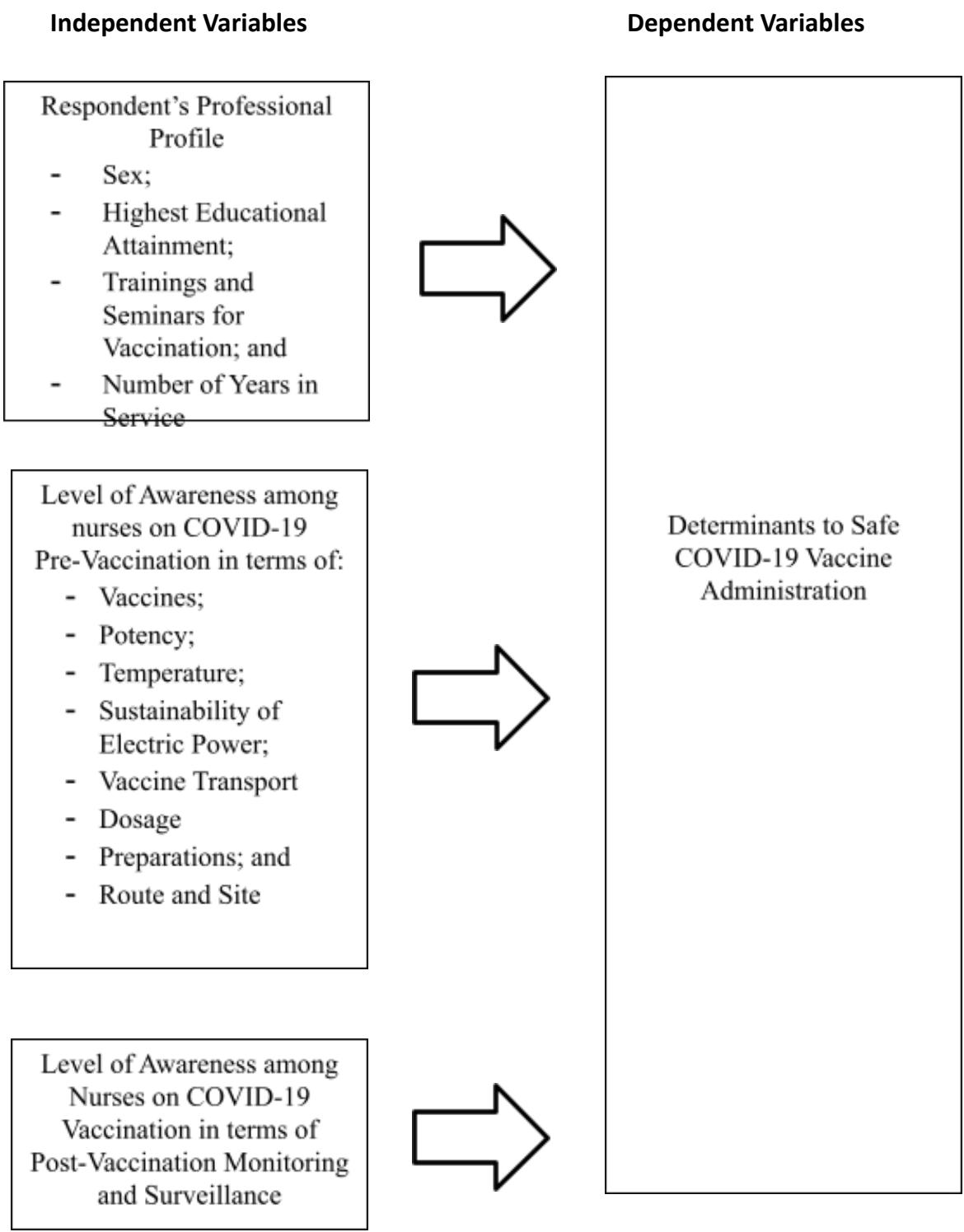 Figure 1: Schematic Diagram of the Study
V. STATEMENT OF THE PROBLEM
The study aimed to determine the level of awareness of the nurses' vaccinators in administering a safe COVID-19 vaccine in the Integrated Provincial Health Office and the City Health Office.
Specifically, it seeks to answer the following questions:
1. What is the professional profile of the respondents in terms of their:
a) Sex;
b) Highest Educational Attainment;
c) Trainings and Seminars on Vaccination; and
d) Number of Years in Service?
2. What is the respondent's awareness on COVID-19 Pre-Vaccination in terms of:
a) Vaccines;
b) Potency;
c) Temperature;
d) Storage;
e) Sustainability of Electric Power;
f) Vaccine Transport;
g) Dosage;
h) Preparations; and
i) Route and Site?
-
What is the respondent's awareness on COVID-19 Vaccination in terms of Post-Vaccination Monitoring and Surveillance?
-
Is there a significant relationship between the respondent's professional profile and the determinants to safe COVID-19 vaccine administration?
-
Is there a significant relationship between the level of awareness among nurses on COVID-19 pre-vaccination and the determinants to safe COVID-19 vaccine administration?
-
Is there a significant relationship between the level of awareness among nurses on COVID-19 vaccination in terms post-vaccination monitoring and surveillance, and the determinants to safe COVID-19 vaccine administration?
VI. NULL HYPOTHESIS
Ho1: There is no significant relationship between the respondent's professional profile and the determinants to safe COVID-19 vaccine administration.
Ho2: There is no significant relationship between the level of awareness among nurses on COVID-19 pre-vaccination and the determinants to safe COVID-19 vaccine administration.
Ho3: There is no significant relationship between the level of awareness among nurses on COVID-19 vaccination in terms post-vaccination monitoring and surveillance, and the determinants to safe COVID-19 vaccine administration.
VII. SCOPE AND DELIMITATION
Fears about the safety and efficacy of the COVID-19 vaccine will lead to a significant number of people refusing to be vaccinated. The purpose of this study was to assess community health nurses' knowledge of the safe administration of the COVID-19 vaccine. The study established an inclusion criterion that respondents must be assigned nurse vaccinators from the Integrated Provincial Health Office and the City Health Office in Marawi City. Furthermore, the study's findings will provide insight into the level of awareness of COVID-19 vaccine handling and storage, as well as associated practices. However, there was no follow-up to see if the respondents' level of awareness had changed.
VIII. SIGNIFICANCE OF THE STUDY
This study is significant on providing information about patient's safety in being vaccinated in the Integrated Provincial Health Office and the City Health Office in Marawi City. Findings of this study will be significant to the following:
Department of Health: The study's findings will be useful to the Department of Health in identifying potential issues that nurses and patients may face when administering the COVID-19 vaccine. It would also assist the department in providing quality services to ensure the safety of the patients.
Integrated Provincial Health Office and City Health of Office: The findings of this study will aid in the implementation of proper practices for administering COVID-19 vaccines in the said offices. It will also aid programs that may be required to improve community health workers' knowledge and awareness of the COVID-19 vaccination.
Healthcare Professionals: The findings of this study will be useful in assessing healthcare professionals' expertise of safe COVID-19 vaccine administration. Furthermore, it will assist in correcting and improving their skills in order to avoid mistakes when administering vaccinations in their area of assignment.
SMDFA: The result of this study will be useful to the institution as it will help them integrate this to the curriculum of the programs they offer.
Faculty: The result of this study will be useful to the faculty members as it will help them inform and teach the students of the safe vaccine administration.
Future Researchers: This study could be used as a reference for future researchers who are conducting a similar or related study.
VII. DEFINITION OF TERMS
For the convenience of readers, the following terms are conceptually and operationally defined.
Cold Chain Incident: This refers to the occurrence when vaccine is exposed to a temperature outside the required temperature range for any period of time and the potency of the vaccine is potentially compromised (Niagara Region, 2021). In this study, it refers to the exposure of the vaccine outside its required temperature that may compromise its potency.
Community Health Nurse: This refers as the synthesis of nursing and public health practice applied to promote and protect the health of the community. It combines all the basic elements of professional, clinical nursing with public health and community practice (Meadows, 2009). In this study, refers to an individual with a nursing profession to carry out preventive patient care in communities by administering vaccinations.
Dosage: This refers to the size or frequency of a dose of a medicine or drug (Oxford Languages, 2021). In this study, it refers to the volume of vaccine being administered to a patient.
Electric Power: This refers to is characterized by current or the flow of electric charge and voltage or the potential of charge to deliver energy (Britannica, 2021). In this study, it refers to the rate, per unit time, at which electrical energy is transferred by an electric circuit.
Expired Vaccine: This refers to a situation when if the month and year are specified, the vaccine expires at the end of the month (Health Desk, 2021). In this study, it refers to the vaccines that has expired and will not be used anymore.
Exposed Vaccine: This refers to vaccines that is stored or handled at temperature below the required temperature range at any period of time, or that is not stored according to the manufacturer's recommendations (Health Desk, 2021). In this study, it refers to the vaccine that the potency has been compromised.
Health Care Provider: This refers to a regulated health care professional who manages publicly funded vaccines and provides immunization services (Health Desk, 2021). In this study, it refers to the health professionals that provides healthcare diagnosis to the people.
Highest Educational Attainment: This refers to a qualification awarded on successful completion of a course or study in higher education (Oxford Languages, 2021). In this study, it refers to the highest level of education taken up by the community health nurses.
Potency: This refers to the ability of the vaccine to produce a predictable and expected level of immune response in the vaccine recipient (Oxford Languages, 2021). In this study, it refers to the strength of the vaccine, as measured by the amount needed to produce a certain response.
Route: This refers to the route of administration which a vaccine is brought into contact with the body (Britannica, 2021). In this study, it refers to the passage of the vaccine as it gets inside the vaccinated individual's body.
Seminars: This refers to a form of academic instruction, either at an academic institution or offered by a commercial or professional organization (Britannica, 2021). In this study, it refers a conference or other meetings or trainings attended by the nurses in improving their skills.
Sex: This refers to either the two main categories, male and female, which humans and other living things are divided on the basis of their reproductive functions (Oxford Languages, 2021). In this study, it refers to the gender of the nurses, either male or female.
Skin Preparation: This refers to the removal of as many bacteria as possible from the patient's skin through shaving, mechanical washing and chemical disinfection (Medical Dictionary, 2021). In this study, it refers to the disinfection of the area in the body of the individual where the vaccine will be injected.
Storage: This refers to the forms of storage in which vaccines are stored routinely in a refrigerator (Health Desk, 2021). In this study, it refers to the area where the vaccines will be stored.
Temperature: This refers to the degree or intensity of heat present in a substance or object (Health Desk, 2021). In this study, it refers to the degree of coldness that should be needed by the vaccine to maintain its effectiveness.
Vaccines: This refers to a substance used to stimulate the production of antibodies and provide immunity against one or several diseases, prepared from the causative agent of a disease, its products, or a synthetic substitute, treated to act as an antigen without inducing the disease (Health Desk, 2021). In this study, it refers to the drug that will help prevent the spread of the COVID-19 virus.
VIII. EVIEW OF RELATED LITERATURE AND RELATED STUDIES
This chapter were composed of discussion of facts and principles to which the present study is related. It deals with literature reviewed or surveyed and which serve as references and background for the subject at hand.
IX. RELATED LITERATURE
Vaccines
It is often stated that vaccination has made the greatest contribution to global health of any human intervention apart from the introduction of clean water and sanitation. Study of the pattern of infectious diseases in industrialized countries from the end of the nineteenth century onwards shows that there was a large and progressive decline in child mortality, owing largely to a reduction in mortality from infectious diseases, prior to the development and deployment of vaccines. This was associated with improvements in housing, nutrition and sanitation. Nevertheless, it is indisputable that vaccination has made an enormous contribution to human and animal health, especially in the developing world.
Mortality from smallpox and measles was massive in the pre-vaccination period with up to a half of the population dying from the former during epidemics and measles was only a little less lethal in susceptible populations (Greenwood, 2014).
The outbreak of SARS-CoV-2 among humans made it the third zoonotic coronavirus to move from animals to humans after SARS-CoV (Drosten et al., 2003) and MERS-CoV (Zaki et al., 2012). After establishing that the virus causing the acute respiratory disease was zoonotic (Rothan & Byrareddy, 2020), further epidemiology and pathology studies have been going on to understand the virus structure and possible development of vaccines to counter the infection and spread. Viral genome sequencing showed that this virus has 75 to 80% similarity to SARS-CoV,
50% to MERS-CoV and more similarity can be observed in other coronaviruses like those of bats (Zhu et al., 2020). Further, it can be cultured in conditions similar to those of Middle East respiratory syndrome coronavirus (MERS-CoV) and SARS-CoV. Due to this similarity i.e., causing acute respiratory distress (ARD) and its structure (FDA, 2020), this virus was named SARS CoV-2, and the disease it causes is called COVID -19, where 19 is associated with the year (2019) when this disease was first reported. Moreover, the binding affinity of SARS-CoV-2 and SARS-CoV spikes (S) is the same as they use the Angiotensin-converting enzyme 2 (ACE2) receptor to infect a cell (Walls et al., 2020).
With such an understanding of SARS-CoV-2's binding mechanism and its glycoproteins, researchers have developed vaccines that are at different stages of clinical trials and approved for use at a wider scope. For any vaccine to get general approval, it has to show promising results during the stages of its clinical trials. The trials always work towards establishing short-term safety, efficacy and the ability to generate enough immune response. According to the CDC, vaccine efficacy is defined as the differences between people who become sick following vaccination and those who become sick without receiving the vaccination. It is a measure identified during the third phase of a clinical trial in which the researcher vaccinates some people and give a placebo to others. The test subjects are then monitored for some months to witness whether or not the people who get vaccinated get infected at a lower rate compared to those who received placebo. For instance, suppose a COVID-19 vaccine is said to be having a vaccine efficacy of 80%, then it means that if one hundred people had been vaccinated, then on average, 80 people out of the 100 will not acquire COVID-19. On the same note, vaccine safety is defined as its ability not to cause any health complication, either at the present or in future, on the people who have been vaccinated.
X. COVID-19 VACCINES
Researchers have developed vaccines that are at different stages of clinical trials and approved for use at a wider scope. Below is a brief outline of these vaccines.
Pfizer
From the trial involving a sample size of 21720 (Polack et al., 2020), the vaccine candidates, ≥16 years received 30μg of this mRNA vaccine administered in 2 doses 21 days apart. Among the 21720 candidates who received the vaccine, 8 of them exhibited COVID-19 signs at least one week after the second dose of the vaccine. BNT162b2 showed a protection percentage of 95% (95% CI, 90.3 -97.6) with safety issues indicated by temporary pain at the point of injection, fatigue, and headache which were rated as normal local reactions. Less than 1% experienced severe pain at the injection spot. The vaccine is considered safe for the prevention of COVID-19 infection and the antibodies last for 2 months. The vaccine was approved by U.S. Food and Drug Administration (FDA). The reported side effects were mainly tiredness and headache (59% and 52%, respectively (Polack et al., 2020).
Moderna
Clinical trials done by researchers and involving a sample size of 30,000 (Baden et al., 2021) reveal that the mRNA-1273 vaccine was administered in 100 g doses 28 days apart. Just like, BNT162b2, this lipid nanoparticle encapsulated vaccine was tested in the placebo and the mRNA vaccine at a ratio of 1:1. COVID-19 symptoms were observed in 11 patients out of the 15,210 individuals who received the mRNA-1273 vaccine. The efficacy was found to be 94.1% i.e. (95% CI, 89.5 – 96.8%; p<0.001). According to the researchers, there are no safety issues with the vaccines since it is only the expected local and systemic reactions that were observed. The antibody last for 4 months upon vaccination. The vaccine was approved by U.S. Food and Drug Administration (FDA) (Baden et al., 2021). The reported side effects comprised of pain at the point of injection (91.6%), fatigue (68.5%), headache (63.0%), muscle pain (59.6%), and joint pain (44.8%) (Callaway, 2020).
AstraZeneca
This vaccine was tried in South Africa, United Kingdom, and recently in Brazil with participants receiving 5×【10】^10 molecules of the vaccine based on research done by (Voysey, 2020). The Clinical trial phase 3 involved a sample size of 23 848 participants (Voysey, 2020). The overall vaccine efficacy was computed as 70.4% (95% CI, 54.8-80.6, 30[0.5%] of 5807 patients). This viral vector vaccine was shown to be efficacious and safe for combating COVID-19 since only 79 patients out of 5807 who received ChAdOx1 vaccine showed COVID-19 symptoms. The antibody last for 6 months upon vaccination. The vaccine was approved by Institutional Biosafety Committee (IBC) (Voysey, 2020). The major side effects included fatigue and headache (Knoll & Wonodi, 2021).
Sinovac
China's CoronaVac COVID-19 vaccine that was developed by Sinovac has been proven to be harmless and protective after its third phase trials in various countries across the world, a factor that has boosted the public confidence regarding its rollout in different parts of the world (Cohen, n.d.). According to scholarly results, Sinovac's vaccine is 100 per cent efficient and effective in preventing moderate infections, 77.9% effective in preventing possible mild cases, and poses an overall efficacy of at least 50.4 per cent in Brazil latest final trials (Palacios et al., 2020). Vaccine experts have indicated that the trial results are good enough for the vaccine to be enrolled for use among the general population. It is estimated that the antibody last for 6 months upon vaccination.
The vaccine was approved by Chinese government following phase 3 clinical trials done in Brazil and other countries that involved 50,000 participants (Palacios et al., 2020). Allergies were reported as a major side effect among the participants.
Dangers of Vaccines and Vaccination
The prospects for control of diseases by vaccination are thus quite bright, but it must be admitted that several problems loom large and darken the picture. First, vaccine supply is insufficient. Even in industrialized countries, shortages of vaccines occur because there are too few manufacturers, and regulatory pressures render production ever more difficult. In the event of an emergency, such as an influenza pandemic, it is difficult to see how demand could be satisfied or access provided to developing countries. The growth of new manufacturers in developing countries like India, China, Indonesia and Brazil may fill this gap, but the solution to supply shortage is not yet clear.
Cost of vaccines is also now a problem, because new vaccines require $300 to $800 million to develop and those companies that do research and development must recoup the costs. If vaccines are to be applied broadly throughout the world, several circumstances must be maintained: higher price in developed countries, recognition by governments that the financial savings because of vaccination justify expenditures to buy vaccines, and support by donor agencies of vaccine purchases for poor countries. When the vaccine target is one that concerns only developing countries, the problem becomes even more difficult. The support of the Bill and Melinda Gates Foundation for the development of vaccines against those targets has been crucial, but at a certain point industrial manufacture will be necessary. This will require vaccine production facilities outside of developed countries or subsidized facilities at major manufacturers.
There is a growing demand for vaccine safety, fueled in part by antivaccination groups. As disease recedes, the need for vaccination becomes less evident to the public, and more people opt out of the social contract to be vaccinated, depending instead on the herd immunity of surrounding vaccinated persons. Of course, herd immunity will fail if too many refuse to be vaccinated. But there are real safety problems associated with vaccines, such as paralysis after oral polio vaccine (WHO, 1960) and disseminated infections after Bacille Calmette-Guérin (Hoft et al., 1999). For that reason, older vaccines need to be reexamined to see whether safety can be improved, as was done through replacement of whole-cell pertussis vaccine by acellular pertussis vaccines and replacement of rabies vaccine made in brain by vaccine made in cell culture. In the near future, Jenner's vaccinia will be replaced by further attenuated vaccinia (McCurdy et al., 2004) and Bacille Calmette-Guérin by engineered vaccines for tuberculosis (Horwitz & Harth, 2003). Indeed, one of the advantages of the newer molecular technologies is improved safety. As risk-benefit ratios become more controversial when disease presence declines, it will be important to reduce vaccine-associated reactions to a minimum. On the other hand, zero risk is impossible to attain, and there will always be tension between the needs of public health and the regulatory impulse to guard against even remote and theoretical risks. The latter tendency acts as a brake on the rapid application of new public health measures. Thus, there is disagreement as to whether to err on the side of safety or of disease prevention.
As vaccines are key tools for maintenance of public health, governments have a major role in their dissemination through recommendations and purchase. Although governmental agencies (particularly the US National Institutes of Health) importantly support the basic research that provides candidate vaccines, their direct involvement in industrial development and production has decreased. It is doubtless more efficient for industry to take vaccines from concept to license, but governments should advise about the choice of targets for vaccine development and guarantee markets for products developed at their request. Moreover, it has become obvious that governments must be proactive in preventing vaccine shortages by inducements for multiple suppliers.
There are many diseases as yet uncontrolled by vaccination, and new diseases are sure to emerge through evolution by mutation and gene exchange, interspecies transfer or human exposure to new environment (Morse, 1994).
Fortunately, we have many new tools with which to produce protective antigens. Two hundred years of research have enabled us to turn the immune system to our advantage, and increased understanding of microbial pathogenesis and host responses should allow us to extend control of disease by vaccination.
Rationale of the COVID-19 Vaccination Program
The long-term solution to the coronavirus disease 2019 (COVID-19) pandemic, hopefully, will be a globally implemented, safe vaccination program that has broad clinical and socioeconomic benefits. Dozens of vaccines are in development, with 8 currently in phase 1 trials. Some scenarios predict the earliest, widespread availability of a COVID-19 vaccine to be in 2021 (Rowland et al., 2020). As launches of prior mass vaccination programs have demonstrated, careful planning to ensure readiness of both the general public and the health community for a COVID-19 vaccine should begin now.
To substantially reduce morbidity and mortality from COVID-19, an efficacious and safe vaccine must be delivered swiftly and broadly to the public as soon as it is available. However, the mere availability of a vaccine is insufficient to guarantee broad immunological protection; the vaccine must also be acceptable to both the health community and general public. Vaccine hesitancy is a major barrier to vaccine uptake and the achievement of herd immunity, which is required to protect the most vulnerable populations.
Depending on varying biological, environmental, and sociobehavioral factors, the threshold for COVID-19 herd immunity may be between 55% and 82% of the population (Sanche et al., 2020).
Given that certain individuals will be ineligible for COVID-19 vaccination due to age, immunocompromise, and other preexisting medical conditions, a vaccine refusal rate greater than 10% could significantly impede attainment of this goal.
Recent surveys, that included 493 and 2200 individuals, suggest only 3 in 4 people would get vaccinated if a COVID-19 vaccine were available, and only 30% would want to receive the vaccine soon after it becomes available (Trujillo & Motta, 2020). Confidence in vaccines lies along a spectrum, and individuals who have hesitation about routine childhood vaccines have expressed various concerns (Edwards & Hackell, 2016). In their report on vaccine hesitancy, Edwards and Hackell (2016) identified 3 broad categories of parents' concerns regarding childhood vaccines: (1) the necessity of vaccines, (2) vaccine safety, and (3) freedom of choice.
Rationale for the Philippine Deployment and Vaccination Plan
The Philippine National Deployment and Vaccination Plan for COVID-19 Vaccines was drafted for the purpose of providing operational guidance in the implementation of the COVID-19 vaccine deployment and vaccination program.
The drafting of the plan involved the participation of various government agencies to ensure alignment of policies and plans among agencies and integration of the said plans into national governance mechanisms. In addition, the deployment of COVID-19 vaccines and the implementation of the COVID-19 vaccine program necessitates the participation of all members of the society. Thus, a whole of society approach is being implemented where all members of the society and government are encouraged to participate and take action to achieve collective goals and objectives. In this regard, while the government leads in the deployment of vaccines and implementation of a vaccination program, the private sector and other organizations are engaged to collaborate and work closely with the government to ensure a unified and coordinated vaccination campaign is conducted.
Cold Chain Management
COVID-19 vaccines require refrigeration with temperature ranges of +2°C to +8°C, -15°C to -24°C and to as low as -70°C to -80°C; cold chain management, whereby adequate refrigeration levels are maintained from manufacturing, storage and distribution of vaccines, and ensures integrity of vaccine compounds via specialized packaging as well as refrigeration and freezer devices. However, ensuring effective cold chain management for COVID-19 vaccines shall entail particular requirements and constraints around temperature maintenance for transport and storage and administration of the vaccines. With this, supply chain readiness at all the management levels shall be in place to efficiently deploy COVID-19 vaccines to the target population.
Storage and Distribution of COVID-19 Vaccines Given the Philippine's geographic size and population, storage of the vaccines will be centralized and managed preferably by a single logistics provider, with substantial relevant experience. As the different types of vaccine require varying temperature storage requirements, (1) ultra-cold (-70°C to -80°C), (2) frozen (-15°C to -25°C), and (3) refrigerated (2°C to 8°C), the identified logistics partner/s have to ensure substantial capacity for each temperature range.
To ensure the correct volume of vaccines are received by each Vaccination Administration Location (VAL) at the right time, a robust, accurate, real-time inventory management system will be in place to assure availability and maintenance of adequate supplies, minimize potential wastage and accurately forecast demand which can be met. The varying storage temperatures and shelf-lives out of storage of each vaccine type will mean certain vaccine types may be more suited to certain vaccination location types, depending on the volume of vaccinations carried out at the setting and the storage facilities on site. The distribution plan has accounted for this assigning the different vaccines for different locations. Ensuring adequate availability of the vaccine for the second dose will also be considered when managing stock levels. To cater for the three (3) main temperature categories, namely: (1) +2°C to +8°C, (2) -20°C and (3) -70°C to -80°C, a scenario based planning has been developed. The first two temperature ranges can be handled in the current health structures because vaccines in the National Immunization Program (NIP) has the same temperature requirement. However, the vaccines requiring -70°C to -80°C are new and shall need a special storage package and a complicated distribution mechanism. Thus, the following scenarios has been considered in the vaccine distribution:
Scenario 1 & 2: Distribution shall follow the pathway for the routine vaccines from the national cold storage facilities up the service delivery points, the health centers and hospitals allow the cold chain storage and distribution in NIP pathway of the current vaccines in the National Immunization Program of the DOH.
These vaccines require to cold storage facilities. Such facilities are in place such as the Research Institute for Tropical Medicine (RITM) as the centralized vaccine hub, regional warehouses and the RHUs and hospitals.
Scenario 3 requires a cold storage facility of to . Currently, none of the government hospitals are capable of such, thus the government will have to procure or outsource/hire a private facility.
These scenarios may also vary based on the services that will be provided by the vaccine manufacturer such as but not limited to direct distribution to the service delivery sites, presence of a distributor in the country.
Within the Philippines, existing infrastructure and established vaccination distribution channels will mean vaccines can be delivered efficiently using air and road distribution channels directly from the central storage facility to the designated cluster hub warehouses. The logistics partner/s will also manage the delivery fleet and outbound logistics/delivery to the principal vaccination locations. All deliveries will be by chilled (+2°C to +8°C) distribution using the selected logistics partner's fleet. The fleet will operate to a very high specification with full GPS monitoring, remote temperature monitoring and redundancy on the cooling systems on the vehicle. The vaccine handling characteristics for other vaccines will be more clearly defined by manufacturers as the regulatory approvals process emerges.
Vaccine Safety Monitoring, and Management of Adverse Events Following Immunization
The role of vaccine safety monitoring during COVID-19 vaccine introduction is to facilitate the early detection, reporting, notification, investigation and analysis, and feedback of Adverse Events Following Immunization (AEFIs) and Adverse Events of Special Interest (AESI), to ensure appropriate and timely case management and response. These activities shall assist vaccines and ensure them of prompt and timely response should an AEFI occur. The AEFI surveillance entails:
-
Timely detection of serious AEFIs/AESIs to provide up-to-date and accurate data that can be shared with relevant stakeholders for appropriate response;
-
Generation of data to characterize the safety of the COVID-19 vaccines in use;
-
Identification, investigation, assessment and validation of safety signals and recommendation of appropriate public health interventions or other interventions; and
-
High quality safety surveillance and maintenance of public and stakeholder confidence in vaccines and immunization.
The WHO defines Adverse Event Following Immunization (AEFI) as any untoward medical occurrence which follows immunization, and which does not necessarily have a causal relationship with the usage of the vaccine. If not rapidly and effectively dealt with, AEFIs can undermine confidence in a vaccine and ultimately have dramatic consequences for immunization coverage and disease incidence.
XI. RELATED STUDIES
The outbreak of coronavirus disease 2019 (COVID-19) in Wuhan, China, spreads globally, since its declaration by the World Health Organization (WHO) as a COVID-19 pandemic on March 11, 2020. COVID-19 vaccine is a crucial preventive approach that can halt this pandemic.
The present systematic review was aimed to assess the level of willingness to receive COVID-19 vaccine and its associated factors. A comprehensive literature search was conducted by using various online databases such as PubMed/MEDLINE, HINARI, EMBASE, Google Scholar, Web of Science, Scopus, African journals, and Google for grey literature which were used to search the related articles up to the period of May 08, 2021.
The overall rate of participants' willingness to receive the COVID-19 vaccine was ranged from to , which was from Congo and China, respectively. Factors such as age, educational status, gender, income, residency, occupation, marital status, race/ethnicity, perceived risk of
COVID-19, trust in healthcare system, health insurance, norms, attitude towards vaccine, perceived benefit of vaccine, perceived vaccine barriers, selfefficacy, up-to-date on vaccinations, tested for COVID-19 in the past, perceived efficacy of the COVID-19 vaccination, recommended for vaccination, political leaning, perceived severity of COVID-19, perceived effectiveness of COVID-19 vaccine, belief that vaccination makes them feel less worried about COVID-19, believing in mandatory COVID-19 vaccination, perceived potential vaccine harms, presence of chronic disease, confidence, COVID-19 vaccine safety concern, working in healthcare field, believing vaccines can stop the pandemic, fear about COVID-19, cues to action, COVID-19 vaccine hesitancy, complacency, and receiving any vaccine in the past 5 years were associated with the willingness of receive COVID-19 vaccine. There were insufficient levels of willingness to receive COVID-19 vaccine, and several factors were associated with it. Health education should be provided concerning this vaccine to improve the willingness of the community.
While the clinical evidence of vaccine benefits is generally well established, the argument on the broader economic benefits resulting from investments in vaccines and immunization programs is murky and oftentimes, not well articulated. This is mostly true for low and middle-income countries. In this article, we examined literature evaluating both narrow and broad economic benefits of vaccines in LMICs from January 2000 to October 2016. A total of 177 studies were reviewed. Of these, 146 (82%) focused on understanding short-term direct and indirect impact (narrow economic benefits) of vaccines and 31 (18%) examined broader economic benefits which included willingness to pay for vaccines, outcomerelated productivity gains, and savings accrued from preventing vaccine preventable disease (VPD) outbreaks.
Virtually all studies reviewed concluded that implementation of various vaccine strategies were cost saving, cost-effective or, both cost saving and highly cost-effective under varying assumptions.
The studies were further analyzed under three broad vaccine categories which included those focusing on new and underutilized vaccines 125 (71%), vaccines at the prequalification stage 31 (17%) and the traditional vaccines deployed through the Expanded Programme on Immunization such as pentavalent diphtheria-pertussis-tetanus, and those against polio, tuberculosis and measles which accounted for 21 (12%) of the studies. There was unequal geographic distribution of these studies when analyzed by World Health Organization regions.
Regions like the Eastern Mediterranean and Europe had fewest studies completed (6) and (7) respectively. The lack of a standardized methodology and assumptions made cross-study comparisons and also broad generalization of some of the conclusions difficult. Most studies indicate that investments in immunization programs are cost effective and in some cases cost saving. Studies were skewed to narrow economic benefits. Wide variations in methods and assumptions made cross-country/study and regions comparisons difficult to achieve.
Although a safe and effective vaccine holds the greatest promise for resolving the COVID-19 pandemic, hesitancy to accept vaccines remains common. To explore vaccine acceptance decisions, we conducted a national survey of 1,000 people from all US states in August of 2020 and a replication in December of 2020. Using a factorial experimental design, we estimated the impact of three factors: probability of 1) protection against COVID-19, 2) minor side effects, and 3) a serious adverse reactions. The outcome was respondents' reported likelihood of receiving a vaccine for the coronavirus.
Probability of vaccine efficacy (50%, 70%, or 90%) had the largest effect among the three factors. The probability of minor side effects (50%, 75%, 90%) including fever and sore arm, did not significantly influence likelihood of receiving the vaccine. The chances of a serious adverse reaction, such as temporary or permanent paralysis, had a small but significant effect. A serious adverse reaction rate of 1/100,000 was more likely to discourage vaccine use in comparison to rates of 1/million or 1/100 million. All interactions between the factors were nonsignificant. A replication following the announcement that vaccines were 95% effective showed small, but significant increases in the likelihood of taking a vaccine. The main effects and interactions in the model remained unchanged. Expected benefit was more influential in respondents' decision making than expected side effects. The absence of interaction effects suggests that respondents consider the side effects and benefits independently.
The study of Diamla (2017) basically aim to determine the patients' safety on immunization and to assess community health nurses' awareness on safe vaccine administration provided in rural health units in the selected municipalities of Lanao del Sur. Generally, the results implied that the respondent's professional profile such as sex, highest educational attainment, numbers of trainings and seminars on immunizations attended and years in service have no significant relationship between the respondent's awareness on safe vaccine administration on the selected municipalities of Lanao del Sur in terms of vaccine, potency, temperature, storage, sustainability of electric power, distance travelled during the delivery of vaccines, dosage, skin preparations and route. The study results revealed that there is no significant relationship between the respondents' sex, highest educational attainment, years in service and number of trainings, and their awareness on the patients' safe vaccine administration in terms of vaccines, potency, temperature, storage, sustainability of electric power, distance travelled during the delivery of vaccines, dosage, skin preparations and route. Moreover, the findings implied that the number of trainings attended by the respondents have significant relationship to the respondent's awareness on patient's safe vaccine administration in terms of vaccine transport and dosage. Further, the respondent's highest educational attainment have a significant relationship on their awareness on safe vaccine administration in terms of vaccine. The study concluded that the patients on immunizations in the selected municipalities of Lanao del Sur are receiving a safe vaccine administered by the registered community health nurses as evidence by their awareness and good satisfaction rate from the patient's mothers.
XII. RESEARCH METHODOLOGY
This chapter presents the research design, locale and respondents, as well as sampling procedure, and the research instrument and data gathering procedure.
XIII. RESEARCH DESIGN
This study used the non-experimental, quantitative, descriptive-correlational approach where the researchers used a descriptive survey. This approach is used to describe variables in a certain phenomenon. The researchers wanted to identify the community health nurse's awareness on the safe COVID-19 vaccine administration.
In this study, the researchers used a standardized questionnaire with corresponding standardized score scale for the evaluation of the respondents' awareness on the safe COVID-19 vaccine administration.
XIV. LOCALE OF THE STUDY
The study was conducted in the Integrated Provincial Health Office and the City Health Office in Marawi City. They were selected purposively by the researcher.
Marawi, officially the Islamic City of Marawi, is a 4th class component city and the capital of the Philippine province of Lanao del Sur. The population was estimated to be 207,010 according to the 2020 census. The people of Marawi are known as Maranaos and speak the Maranao language. They are named after Lake Lanao, also known as Meranau in their language, on the shores of which Marawi is located. Due to its higher elevation and cooler climate, the city is also known as the "Summer Capital of the South," a moniker it shares with Malaybalay, which legally holds the title.
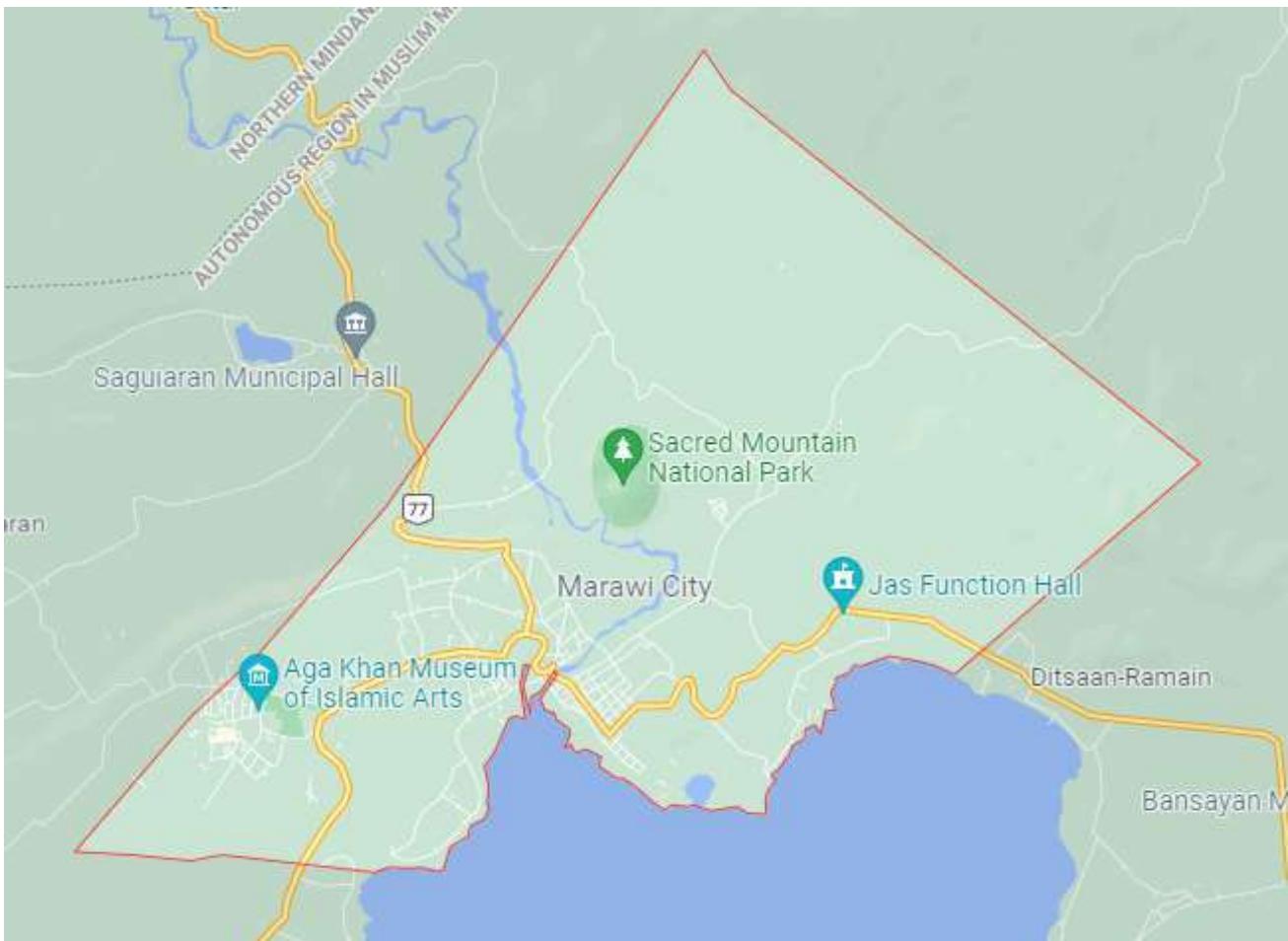 Figure 2: Map of Marawi City
XV. RESPONDENTS OF THE STUDY
The respondents of the study were the selected fifty (50) Registered Community Health Nurses who are assigned to administer the COVID-19 vaccines in the Integrated Provincial Health Office and City Health Office, Marawi City. The selection of the participants will be based on the following: 1) the nurse is assigned in the selected rural health units; 2) the nurse has been administrating COVID-19 vaccine and; 3) the nurse has attended trainings and seminars in administering the COVID-19 vaccine.
Sampling Procedure
The respondents for this study was chosen via purposive sampling by the researchers. Purposive sampling (also known as judgment, selective, or subjective sampling) is a sampling approach in which the researcher chooses members of the population to participate in the study based on his or her own judgment. Purposive sampling is a non-probability sampling method in which "items selected for the sample are chosen based on the researcher's judgment." Researchers frequently feel that by applying sound judgment, they can acquire a representative sample and save time and money."
Research Instrument
The instrument used for the study is a survey questionnaire which was adapted and modified by the researchers from "Community Health Nurses' Awareness as Determinants to the Safe Administration of Vaccines in the Selected Municipalities of Lanao del Sur" by Mohammad Ryan L. Diamla. The questionnaire was adapted by reviewing the guidelines and standards set by the Department of Health and the World Health Organization pertaining to safe administration of vaccine.
The questionnaire's content is the respondents' professional profile and the questions about their awareness on the safety administration of COVID-19 vaccine as perceived by the respondents in terms of vaccines, potency, temperature, storage, sustainability of electric power, distance travelled during the transport and delivery of vaccines, dosage, skin preparations, and route.
Before the questionnaires were finalized for pilot testing was done. Reliability analysis can be defined as the consistency of measurement with the extent to which results were similar over different forms of the same instruments or occasions of data collection. Cronbach's Alpha was used in the reliability analysis as it is the most common form of internal consistency reliability coefficient. The value of Cronbach's Alpha should be at least 0.70 or higher in order to retain the item in an adequate scale. For this study, the value of the Cronbach's Alpha was 0.980. This means that the questions on the survey questionnaire have an excellent rate in terms of its Internal Consistency.
Table 1: Reliability Test of the Survey Questionnaire using Cronbach's Alpha
| Cronbach's Alpha | Cronbach's Alpha Based on Standardized Items | N of Items |
| 0.980 | 0.987 | 65 |
Data Gathering Procedure
The researcher made use of the relevant records of studies and researches that are significant and related to the present study. The researcher also made use of a survey questionnaire to get the primary data needed in the study.
Protocol was followed by sending a consent letter to the offices and obtaining informed consent from the participants prior to the conduct of the data gathering. The researcher also informed the respondents that the during the conduct of the study, research ethics will be maintained. Thus, all information given by the respondents was kept with utmost confidentiality.
Upon approval of the permit to conduct the study, the survey questionnaires was personally distributed by the researchers to the participants following the important health protocols such as social distancing, wearing of face mask and face shield, among others.
After gathering the data, the data was tabulated and submitted to the statistician for analysis and interpretation.
Table 2: Scoring Procedure
| Range | Scale | Verbal Interpretation |
| 2.34 – 3.00 | 3 | Agree |
| 1.67 – 2.33 | 2 | Undecided |
| 1.00 – 1.66 | 1 | Disagree |
XVI. STATISTICAL TOOLS
The researchers used relevant statistical tool for data interpretation in order to arrive at an accurate and definite interpretation of results. The statistical tools utilized are the following:
Frequency Count and Percentage: This is a common tool most especially for descriptive studies. This was employed to compute for the numbers in describing the respondent's professional profile as well as their responses to specific statements.
Weighted Mean and Standard Deviation: It is an average that is used to derive the central tendency of the data in question. It is determined by adding all the data points in a population and then dividing the total by the number of points. It is used to determine the respondents' level of awareness in safe COVID-19 vaccine administration.
Formula
where:
Chi-Square Test: This is used to determine the relationship between the two categorical variables.
Pearson Product Moment Correlation: It is a measure to determine the relationship between two quantitative variables and the degree to which the two variables coincide with one another, that is, the extent to which two variables are linearly related: changes in one variable correspond to changes in another variable. This is used to determine the relationship between the two variables.
XVI. PRESENTATION, ANALYSIS, AND INTERPRETATION OF DATA
This includes the presentation, analysis and interpretation of data that have been gathered from the questionnaires distributed to the respondents. This also contains the presentation of data in tabular form along with their corresponding interpretations.
Problem 1: What is the professional profile of the respondents in terms of their:
1.1. Sex;
1.2. Highest Educational Attainment;
1.3. Trainings and Seminars on Vaccination; and
1.4. Number of Years in Service
Table 3: Frequency and Percentage of Sex
| Sex | Frequency | Percentage |
| Male | 14 | 28.0 |
| Female | 36 | 72.0 |
| Total | 50 | 100.0 |
Table 3 presents the distribution of respondents as to their sex. Results revealed that fourteen (14 or 28%) of the respondents were male and thirty-six (36 or 72%) were female. This implies that majority of the respondents were female. Hence, most of the nurses in the Integrated Provincial Health Office and City Health Office were female.
Meadows et al. (2000)'s study supports this, indicating that the current nursing staff believes the profession will continue to be dominated by women for the foreseeable future.
Table 4: Frequency and Percentage of Highest Educational Attainment
| Highest Educational Attainment | Frequency | Percentage |
| College Degree | 45 | 90.0 |
| Master's Degree | 3 | 6.0 |
| Doctorate Degree | 2 | 4.0 |
| Total | 50 | 100.0 |
Table 4 presents the distribution of respondents as to their highest educational attainment. Results showed that forty-five (45 or 90%) of the respondents were college degree holder, three (3 or 6%) were master's degree holder, and two (2 or 4%) were doctorate degree holder. This indicates that majority of the respondents were college degree holder. Thus, the highest educational attainment of most nurses in the Integrated Provincial Health Office and City Health Office were college degree.
Based on the October 2013 Labor Force Survey, majority of the workers in the service sectors, such as being a nurse, are female (Philippine Statistics Office, 2013).
Table 5: Frequency and Percentage of the Number of Trainings and Seminars on Vaccination Attended
| Number of Trainings and Seminars Attended | Frequency | Percentage |
| 1 – 3 | 33 | 66.0 |
| 4 – 6 | 14 | 28.0 |
| 7 – 8 | 2 | 4.0 |
| 9 and above | 1 | 2.0 |
| Total | 50 | 100.0 |
Table 5 presents the distribution of respondents as to the number of trainings and seminars attended. Results showed that thirty-three (33 or 66%) of the respondents have attended 1 – 3 trainings and seminars on vaccination, fourteen (14 or 28%) have attended 4 – 6 trainings and seminars, two (2 or 4%) have attended 7 – 8 trainings and seminars, and one (1 or 2%) have attended more than 9 trainings and seminars.
This implies that majority of the respondents have attended 1 – 3 trainings and seminars on vaccination. Thus, most nurses in the Integrated Provincial Health Office and City Health Office have attended at least one training on vaccination, which makes them qualified to be a nurse vaccinator.
Table 6: Frequency and Percentage Distribution of the Respondents as to the Years in Service
| Frequency | Percentage | |
| 6 months – 1 year | 10 | 20.0 |
| 1 year and 1 month – 2 years | 7 | 14.0 |
| 2 years and 1 month – 3 years | 7 | 14.0 |
| 3 years and 1 month – 4 years | 3 | 6.0 |
| 4 years and 1 month, and above | 23 | 46.0 |
| Total | 50 | 100.0 |
Table 6 presents the distribution of respondents as to years in service. Results revealed that ten (10 or 20%) of the respondents were in service for 6 months – 1 year, seven (7 or 14%) were both 1 years and 1 month – 2 years and 2 years and 1 month – 3 years in service, three (3 or 6%) were 3 years and 1 month – 4 years in service, and twenty-three (23 or 46%) were in service for more than 4 years and 1 month. This shows that most of the respondents were in service for more than 4 years and 1 month. This further implies that majority of the nurses in the Integrated Provincial Health Office and City Health Office have a long-term experience as a nurse and are eligible to be nurse vaccinators.
Problem 2: What is the respondent's awareness on COVID-19 Pre-Vaccination in terms of:
2.1. Vaccines;
2.2. Potency;
2.3. Temperature;
2.4. Storage;
2.5. Sustainability of Electric Power;
2.6. Vaccine Transport;
2.7. Dosage;
2.8. Preparations; and
2.9. Route and Site?
Table 7: Awareness on COVID-19 Pre-Vaccination in terms of Vaccines
| Indicators | Mean (n = 50) | Quantitative Description | Rank |
| 1. Vaccination is safe and effective. | 2.86 | Agree | 2 |
| 2. All vaccines undergo rigid trials by doctors, scientists and government to ensure its safety. | 2.86 | Agree | 2 |
| 3. The vaccine-preventable disease such as COVID-19 remains a threat, thus it is better to be protected. | 2.84 | Agree | 3 |
| 4. Vaccination protects both children and adults from serious illness and complication of COVID-19. | 2.70 | Agree | 5 |
| 5. Vaccination prevents the outbreak of COVID-19. | 2.78 | Agree | 4 |
| 6. Vaccines are among the most effective public health and medical strategies for protecting and preserving health. | 2.88 | Agree | 1 |
| Total | 2.82 | Agree | |
Table 7 presents the awareness on COVID-19 pre-vaccination in terms of vaccines. Results revealed that the responses of the respondents were interpreted as "agree" with a total weighted mean of 2.82 based on the formulated scaling.
The six (6) listed indicators on the awareness on COVID-19 vaccination in terms of pre-vaccination vaccines above had three (3) leading indicators based on their respective means.
The sixth indicator, which ranked 1 , "Vaccines are among the most effective public health and medical strategies for protecting and preserving health", with total weighted mean of 2.82 was interpreted as "agree". The first and second indicators, which ranked 2 , "Vaccination is safe and effective" and "All vaccines undergo rigid trials by doctors, scientists and government to ensure its safety", with total weighted mean of 2.86 was interpreted as "agree". Following closely are the indicators that ranked third, fourth and fifth. The third indicator, "The vaccine-preventable disease such as COVID-19 remains a threat, thus it is better to be protected", with total weighted mean of 2.84 was interpreted as "agree", the fifth indicator, "Vaccination prevents the outbreak of COVID-19" with total weighted mean of 2.78 was interpreted as "agree", and the fourth indicator, "Vaccination protects both children and adults from serious illness and complication of COVID-19", with total weighted mean of 2.70 was also interpreted as "agree."
Based on the interpretation, this implies that nurse vaccinators are fully aware of the safety and effectiveness of the vaccines that they will be administering to the patients and the community. The three (3) leading indicators indicates the safety and effectiveness of the vaccines. On the other hand, the rank third to fifth indicates that the vaccines are good in preventing diseases such as the COVID-19.
Vaccine acceptability among health care workers is higher at the early stage of vaccination, and they have excellent knowledge of COVID-19 and COVID-19-appropriate behavior. This will directly improve the level and acceptability of vaccines among the country's other health care workers and the general population (Dara et al., 2021).
Table 8: Awareness on COVID-19 Pre-Vaccination in terms of Potency
| Indicators | Mean (n = 50) | Quantitative Description | Rank |
| 1. The effect of vaccines coming from the main office is the same with what is supplied in the rural health units. | 2.94 | Agree | 1 |
| 2. The potency of medicines distributed in rural health units is in its efficiency to cure. | 2.76 | Agree | 4 |
| 3. Vaccines are prepared safely. | 2.94 | Agree | 1 |
| 4. Unopened vaccine vials are returned to refrigerator. | 2.76 | Agree | 4 |
| 5. Check freeze indicator (if freezing warning appears, perform shake test). | 2.68 | Agree | 5 |
| 6. Proper handling and storage of vaccines can affect the potency of medications. | 2.84 | Agree | 3 |
| 7. Proper temperature monitoring can affect vaccines' potency. | 2.84 | Agree | 3 |
| 8. Discard vaccines when its color change, its characteristics change into cloudy and bubbly. | 2.92 | Agree | 2 |
| Total | 2.84 | Agree | |
Table 8 presents the awareness on COVID-19 pre-vaccination in terms of vaccine potency. Results revealed that the responses of the respondents were interpreted as "agree" with a total weighted mean of 2.84 based on the formulated scaling. The eight (8) listed indicators on the awareness on COVID-19 vaccination in terms of pre-vaccination vaccine potency above had three (3) leading indicators based on their respective means.
The first and third indicators, which ranked 1 , "The effect of vaccines coming from the main office is the same with what is supplied in the rural health units" and "Vaccines are prepared safely", with total weighted mean of 2.94 was interpreted as "agree". The eighth indicator, which ranked 2 , "Discard vaccines when its color change, its characteristics change into cloudy and bubbly", with total weighted mean of 2.92 was interpreted as "agree".
Based on the interpretation, this implies that nurse vaccinators are fully aware of the potency of the vaccines that they will be administering to the patients and the community. The three (3) leading indicators suggests that the vaccines are capable in producing a predictable and expected level of immune response through its safe preparations and discarding when its color and characteristics have change.
To ensure the success of the vaccine delivery system, essential vaccine must be available and of high quality. A functional cold chain system is the only way to ensure vaccine quality. Vaccines are highly thermosensitive substances with a finite shelf life that degrades over time. If proper storage and temperature conditions are not maintained, this loss is irreversible and accelerates (Village Reach, 2014). Freezing or heat exposure can completely or irreversibly impair vaccine efficacy and increase the risk of side effects (Federal Ministry of Health, 2015).
Individuals will not be immunized against vaccine-preventable diseases if not potent vaccines are administered.
Table 9: Awareness on COVID-19 Pre-Vaccination in terms of Temperature
| Indicators | Mean (n = 50) | Quantitative Description | Rank |
| 1. COVID-19 vaccines require refrigeration with temperature ranges of +2°C to +8°C, -15°C to -24°C and to as low as -70°C to -80°C. | 2.66 | Agree | 6 |
| 2. The potency of the majority of the vaccines can be affected adversely by storage temperatures that are too warm, these effects are usually more gradual, predictable, and smaller in magnitude than losses from temperature that are too cold. | 2.68 | Agree | 5 |
| 3. Store vaccines at ideal temperatures. | 2.96 | Agree | 1 |
| 4. Use insulated containers with packing material and a digital temperature monitoring device to store vaccine if a refrigerator is not available during immunization clinics. | 2.86 | Agree | 3 |
| 5. Minimize the number of times that the insulated container is opened during immunization clinics. | 2.84 | Agree | 4 |
| 6. Visually inspect the digital temperature monitoring device each time the insulated container is opened. | 2.92 | Agree | 2 |
| 7. Monitor and record the temperature readings in the insulated container before, on and upon finishing the vaccine session. | 2.92 | Agree | 2 |
| Total | 2.83 | Agree | |
Table 9 presents the awareness on COVID-19 pre-vaccination in terms of temperature. Results revealed that the responses of the respondents were interpreted as "agree" with a total weighted mean of 2.83 based on the formulated scaling.
The seven (7) listed indicators on the awareness on COVID-19 vaccination in terms of pre-vaccination temperature above had three (3) leading indicators based on their respective means.
The third indicator, which ranked , "Store vaccines at ideal temperatures, with total weighted mean of 2.96 was interpreted as "agree". The sixth seventh indicators, which ranked , "Visually inspect the digital temperature monitoring device each time the insulated container is opened" and "Monitor and record the temperature readings in the insulated container before, on and upon finishing the vaccine session", with total weighted mean of 2.92 was interpreted as "agree".
Based on the interpretation, this implies that nurse vaccinators are aware of the required storage temperature needed for the vaccines that they will be administering to the patients and the community. The three (3) leading indicators suggests that the vaccine's storage temperature are being monitored from time to time to ensure that its potency are not adversely affected.
Because vaccines are very sensitive to suboptimal temperatures, proper cold chain monitoring with appropriate equipment is critical. If the temperature in cold chain equipment, such as the freezer and refrigerator, falls below or rises above the recommended temperature for vaccines stored in them, proper monitoring can detect this early and an appropriate measure can be taken to prevent vaccine damage (Ogboghodo et al., 2017).
Table 10: Awareness on COVID-19 Pre-Vaccination in terms of Storage
| Indicators | Mean (n = 50) | Quantitative Description |
| 1. COVID-19 vaccine storage units must be selected carefully and used properly. | 2.96 | Agree |
| 2. Any refrigerator/freezer used for vaccine storage must maintain the required temperature range all throughout the vaccination period. | 2.94 | Agree |
| 3. Place the vaccines in trays or uncovered containers for proper air flow. | 2.30 | Undecided |
| 4. Keep vaccines in original boxes with lids closed to prevent exposure to light. | 2.96 | Agree |
| 5. Put vaccines that are first to expire in front. | 2.96 | Agree |
| 6. Don't put vaccines in doors or on the floor of the refrigerator/freezer. | 2.70 | Agree |
| 7. The vaccine carrier prepared and lid should be closed tightly. | 2.96 | Agree |
| Total | 2.83 | Agree |
Table 10 presents the awareness on COVID-19 pre-vaccination in terms of storage. Results revealed that the responses of the respondents were interpreted as "agree" with a total weighted mean of 2.83 based on the formulated scaling.
The seven (7) listed indicators on the awareness on COVID-19 vaccination in terms of pre-vaccination storage above had four (4) leading indicators based on their respective means.
The first, fourth, fifth and seventh indicators, which ranked 1 , "COVID-19 vaccine storage units must be selected carefully and used properly", "Keep vaccines in original boxes with lids closed to prevent exposure to light", "Put vaccines that are first to expire in front", and "The vaccine carrier prepared and lid should be closed tightly", with total weighted mean of 2.96 was interpreted as "agree". Moreover, the third indicator, "Place the vaccines in trays or uncovered containers for proper air flow" is the least indicator for vaccine storage as the respondents are "undecided", with a total weighted mean of 2.30.
Based on the interpretation, this implies that nurse vaccinators are aware of the required storage needed for the vaccines that they will be administering to the patients and the community.
The three (4) leading indicators suggests that the vaccine's storage should be safely secured to prevent any exposure to avoid contamination.
Earlier studies also found that respondents had a high level of knowledge about cold chain management particularly on vaccine storage (Yassin et al., 2019). The vaccine necessitates a dependable stock rotation technique and must be securely stored in a controlled climatic environment. The first-in, first-out (FEFO) stock rotation ensures that older stock is used up before new stock. Correct application of the FEFO rule ensures that vaccine potency is maintained and preserved to the greatest extent possible.
Furthermore, proper storage must include as little exposure to extreme heat and light as possible.
Furthermore, for some vaccines, which lose potency when exposed to heat, light, or humidity, proper vaccine storage is critical. As a result, all vaccines should be stored in the freezer or the refrigerator's body to maintain their potency (Jamison et al., 2006).
Table 11: Awareness on COVID-19 Pre-Vaccination in terms of Sustainability of Electric Power Scaling: 1.00 - 1.66 Disagree 1.67 - 2.33 Undecided 2.34 - 3.00 Agree
| Indicators | Mean (n = 50) | Quantitative Description |
| 1. The proper temperature monitoring is a key to proper cold chain management and it includes electricity. | 2.90 | Agree |
| 2. When a problem is discovered, the exposed vaccine is maintained at proper temperature while state or local health departments, or the vaccine manufacturers are contacted for guidance. | 2.58 | Agree |
| 3. The written emergency retrieval and storage procedures are in place in case of equipment failures or power outages. | 2.80 | Agree |
| 4. The power interruptions may alter the temperature of the refrigerator; thus it may alter the potency of vaccines. | 2.84 | Agree |
| 5. The electric power has a major role in the maintenance of standard temperature for vaccine storage. | 2.90 | Agree |
| 6. Do not open the refrigerator right after the electric interruptions (1-2 hours) | 2.68 | Agree |
| 7. The facility must have generator as alternative to the source of electric power during electrical interruptions. | 2.84 | Agree |
| 8. The facility has measures and alternatives in time of electric power interruptions. | 2.92 | Agree |
| 9. 12 hours of electric interruptions may alter the effectiveness and potency of the vaccines. | 2.80 | Agree |
| 10. If we have vaccines wastage due to electric power interruptions, we will make an incident report about the said wastage. | 2.82 | Agree |
| Total | 2.81 | Agree |
Table 11 presents the awareness on COVID-19 pre-vaccination in terms of sustainability of electric power. Results revealed that the responses of the respondents were interpreted as "agree" with a total weighted mean of 2.81 based on the formulated scaling. The ten (10) listed indicators on the awareness on COVID-19 vaccination in terms of pre-vaccination sustainability of electric power above had three (3) leading indicators based on their respective means.
The eighth indicator, which ranked , "The facility has measures and alternatives in time of electric power interruptions, with total weighted mean of 2.92 was interpreted as "agree". The first and fifth indicators, which ranked , "The proper temperature monitoring is a key to proper cold chain management and it includes electricity" and "The electric power has a major role in the maintenance of standard temperature for vaccine storage", with a total weighted mean of 2.90 was interpreted as "agree".
Based on the interpretation, this implies that nurse vaccinators are aware of the sustainability of electric power in the community. The three (3) leading indicators demonstrates that measures have been ensured to maintain the storage temperature of vaccines in times of power interruption.
According to Ogboghodo et al. (2017), the majority of those who worked in health facilities had access to electricity, but its supply was inconsistent in all of them. This could expose vaccines stored in refrigerators and freezers to changing storage temperatures. Respondents may be further discouraged from carrying out proper cold chain management because of the stress of having to transfer vaccines to cold boxes or other health facilities with a standby generator every time there is a power outage.
Table 12: Awareness on COVID-19 Pre-Vaccination in terms of Vaccine Transport Scaling: 1.00 - 1.66 Disagree 1.67 - 2.33 Undecided 2.34 - 3.00 Agree
| Indicators | Mean (n = 50) | Quantitative Description | Rank |
| 1. Transport all vaccines in an insulated container supplied by the DOH with appropriate packing configuration. | 2.94 | Agree | 1 |
| 2. The insulated containers are internally validated to ensure that they are capable of maintaining the vaccine at the required temperatures for the required duration for transportation and/or storage. | 2.92 | Agree | 2 |
| 3. There is documentation that shows that the insulated containers have been internally validated. This documentation may be provided from the manufacturer or produced from the board of health's testing. | 2.94 | Agree | 1 |
| 4. Ensure that all insulated containers storing vaccines have digital temperature monitoring device. | 2.94 | Agree | 1 |
| 5. Clearly mark all insulated containers storing vaccines in a visible location with the following label: "VACCINES - REFRIGERATE IMMEDIATELY." Before placing vaccines into the refrigerator, they must be removed from the insulated containers. | 2.94 | Agree | 1 |
| 6. Do not transport vaccines in insulated containers in the trunk of a car due to the risk of exposure to extreme temperatures. | 2.78 | Agree | 3 |
| 7. The distance travelled by the health workers to deliver the vaccines do not affect the potency of the vaccines. | 2.36 | Agree | 6 |
| 8. The distance travelled has nothing to do with the effectiveness of the vaccines. | 2.38 | Agree | 5 |
| 9. The distance travelled and hours of travel do not affect the potency and effects of the vaccines as long as the storage practices are appropriate and maintained by the health workers. | 2.60 | Agree | 4 |
| 10. Check the condition of vaccines upon receiving it, especially when it is from a long-distance travel. | 2.92 | Agree | 2 |
| Total | 2.77 | Agree | |
Table 12 presents the awareness on COVID-19 pre-vaccination in terms of vaccine transport. Results revealed that the responses of the respondents were interpreted as "agree" with a total weighted mean of 2.77 based on the formulated scaling. The ten (10) listed indicators on the awareness on COVID-19 vaccination in terms of pre-vaccination vaccine transport above had four (4) leading indicators based on their respective means.
The first, third, fourth and fifth indicators, which ranked 1 , "Transport all vaccines in an insulated container supplied by the DOH with appropriate packing configuration", "There is documentation that shows that the insulated containers have been internally validated. This documentation may be provided from the manufacturer or produced from the board of health's testing", "Ensure that all insulated containers storing vaccines have digital temperature monitoring device" and "Clearly mark all insulated containers storing vaccines in a visible location with the following label: "VACCINES – REFRIGERATE
IMMEDIATELY." Before placing vaccines into the refrigerator, they must be removed from the insulated containers", with total weighted mean of 2.94 was interpreted as "agree".
Based on the interpretation, this implies that nurse vaccinators are aware of the correct procedures and guidelines in safely transporting vaccines from one place to another. The four(4)leading indicators demonstrate that procedures are done in securing the vaccines' insulated containers during transport.
The cold chain is comprised of three major components: transport and storage equipment, trained personnel, and effective management procedures. To ensure safe vaccine transport and storage, all three elements must work together (CDC, 2008). According to a study conducted in India, vaccine handling at outreach sessions is required to ensure optimal service delivery (Das et al., 2018). According to a study conducted in New York, vaccines are delicate products that can be easily destroyed if handled incorrectly. Vaccine management entails transporting and distributing vaccines from manufacturers to patients.
Distribution, storage, handling, and transport management are all aspects of vaccine management (Jamison et al., 2006).
Table 13: Awareness on COVID-19 Pre-Vaccination in terms of Dosage Scaling: 1.00 - 1.66 Disagree 1.67 - 2.33 Undecided 2.34 - 3.00 Agree
| Indicators | Mean (n = 50) | Quantitative Description | Rank |
| 1. The distribution of COVID-19 vaccines is according to dosage. | 2.86 | Agree | 1 |
| 2. There is corresponding dosage for adults and children. | 2.84 | Agree | 2 |
| 3. All individuals are required to have 2 doses of COVID-19 vaccines. | 2.66 | Agree | 3 |
| Total | 2.79 | Agree | |
Table 13 presents the awareness on COVID-19 pre-vaccination in terms of dosage. Results revealed that the responses of the respondents were interpreted as "agree" with a total weighted mean of 2.79 based on the formulated scaling.
The first indicator, which ranked , "The distribution of COVID-19 vaccines is according to dosage", with total weighted mean of 2.86 was interpreted as "agree". The second indicator, which ranked , "There is corresponding dosage for adults and children", with total weighted mean of 2.84 was interpreted as "agree". The third indicator, which ranked , "All individuals are required to have 2 doses of COVID-19 vaccines", with total weighted mean of 2.66 was interpreted as "agree".
Based on the interpretation, this implies that nurse vaccinators are aware of the correct dosage to be administered to the patients and the community. The three (3) indicators suggests that there are guidelines implemented for the correct dosage and number of doses to be administered to the people, particularly for children and adults.
A study in Egypt found that community health nurses have a higher knowledge score in terms of vaccine preparation, handling, administration, scheduling, dosage, routes, and contraindications of the various vaccines routinely used for children under the age of five in public health center facilities (El Shazly et al., 2016).
Table 14: Awareness on COVID-19 Pre-Vaccination in terms of Preparations
| Indicators | Mean (n = 50) | Quantitative Description | Rank |
| 1. The healthcare workers or vaccinator wash hands with soap. | 2.94 | Agree | 2 |
| 2. The care taker instructed the client about the procedure to lessen anxiety and encourage cooperation. | 2.94 | Agree | 2 |
| 3. In vaccine segregation we determined which vaccines have previously been received. | 2.96 | Agree | 1 |
| 4. The vaccines' contraindications checked. | 2.96 | Agree | 1 |
| 5. The vaccines should be prepared safely. | 2.96 | Agree | 1 |
| 6. The required quantities of vaccine vials taken out of the refrigerator shall be in specific order. | 2.84 | Agree | 3 |
| 7. The diluents taken out and matched with the appropriate vaccines. | 2.84 | Agree | 3 |
| 8. Checked if vaccines are safe to use (label, expiration date, vaccine vial monitor) | 2.96 | Agree | 1 |
| 9. The equipment for the vaccination should be collected and prepared (auto-disabled syringes, register, cards, tally sheets) | 2.96 | Agree | 1 |
| Total | 2.93 | Agree | |
Table 14 presents the awareness on COVID-19 pre-vaccination in terms of preparations. Results revealed that the responses of the respondents were interpreted as "agree" with a total weighted mean of 2.93 based on the formulated scaling.
The nine (9) listed indicators on the awareness on COVID-19 vaccination in terms of pre-vaccination preparations above had five (5) leading indicators based on their respective means.
The third, fourth, fifth, eighth and ninth indicators, which ranked 1 , "In vaccine segregation we determined which vaccines have previously been received", "The vaccines' contrain- dications checked", "The vaccines should be prepared safely", "Checked if vaccines are safe to use (label, expiration date, vaccine vial monitor)" and "The equipment for the vaccination should be collected and prepared (auto-disabled syringes, register, cards, tally sheets)", with total weighted mean of 2.93 was interpreted "agree".
Based on the interpretation, this implies that nurse vaccinators are fully aware of the preparations to be done before administering the vaccines. The five (5) leading indicators suggests that vaccines are securely checked and prepared before its administration.
A study in Egypt found that community health nurses have a higher knowledge score in terms of vaccine preparation, handling, administration, scheduling, dosage, routes, and contraindications of the various vaccines routinely used for children under the age of five in public health center facilities (El Shazly et al., 2016).
Table 15: Awareness on COVID-19 Pre-Vaccination in terms of Route and Site Scaling: 1.00 - 1.66 Disagree 1.67 - 2.33 Undecided 2.34 - 3.00 Agree
| Indicators | Mean (n = 50) | Quantitative Description | Rank |
| 1. Intramuscular (IM) injection is the recommended route for COVID-19 vaccines. | 2.96 | Agree | 1 |
| Total | 2.96 | Agree | |
Table 15 presents the awareness on COVID-19 vaccination in terms of pre-vaccination route and site. Results revealed that the responses of the respondents were interpreted as "agree" with a total weighted mean of 2.96 based on the formulated scaling.
The indicator, "Intramuscular (IM) injection is the recommended route for COVID-19 vaccines", has a total weighted mean of 2.96 was interpreted as "agree". Based on the interpretation, this implies that nurse vaccinators are fully aware of the injection route in administering COVID-19 vaccines. The indicator suggests that there should only be one route and site in administering the COVID-19 vaccine which is through the intramuscular injection.
A study in Egypt found that community health nurses have a higher knowledge score in terms of vaccine preparation, handling, administration, scheduling, dosage, routes, and contraindications of the various vaccines routinely used for children under the age of five in public health center facilities (El Shazly et al., 2016).
Problem 3: What is the respondent's awareness on COVID-19 Vaccination in terms of Post-Vaccination Monitoring and Surveillance?
Table 16: Awareness in Post-Vaccination Monitoring and Surveillance Scaling: 1.00 - 1.66 Disagree 1.67 - 2.33 Undecided 2.34 - 3.00 Agree
| Indicators | Mean (n = 50) | Quantitative Description | Rank |
| 1. The patient shall be observed for one (1) hour after the vaccination. | 2.92 | Agree | 2 |
| 2. Vital signs should be monitored every fifteen (15) minutes. | 2.84 | Agree | 3 |
| 3. Use post-vaccination checklist to monitor the patient | 2.96 | Agree | 1 |
| 4. Respond and give first aid to patient with Adverse Events Following Immunization (AEFI) | 2.96 | Agree | 1 |
| Total | 2.92 | Agree | |
Table 16 presents the awareness on COVID-19 vaccination in terms of post-vaccination monitoring and surveillance. Results revealed that the responses of the respondents were interpreted as "agree" with a total weighted mean of 2.92 based on the formulated scaling.
The third and fourth indicators, which ranked 1 , "Use post-vaccination checklist to monitor the patient", and "Respond and give first aid to patient with Adverse Events Following Immunization (AEFI)", with total weighted mean of 2.96 was interpreted as "agree". The first indicator, which ranked , "The patient shall be observed for one (1) hour after the vaccination", with total weighted mean of 2.92 was interpreted as "agree". The second indicator, which ranked , "Vital signs should be monitored every fifteen (15) minutes", with total weighted mean of 2.84 was interpreted as "agree".
Based on the interpretation, this implies that nurse vaccinators are fully aware of the post-vaccination monitoring procedures to be done to ensure the safety of the patients and those who have been administered the vaccine. The indicators suggest that a post-vaccination monitoring checklist has been imposed to check the possible effect of the vaccines to the patient and vaccinators are able to respond to any adverse effect to the patient.
Problem 4: Is there a significant relationship between the respondent's professional profile and the determinants to safe COVID-19 vaccine administration?
Table 17: Relationship between the Respondent's Profile and the Determinants to safe COVID-19 Vaccine Administration p<0.05, significant p>0.05, not significant
| Professional Profile | Safe Vaccine Administration | Chi-square value | p-value | Interpretation |
| Sex | Vaccine | 1.300 | 0.861 | Not Significant |
| Highest Educational Attainment | 2.381 | 0.967 | Not Significant | |
| Number of Trainings Attended | 10.622 | 0.832 | Not Significant | |
| Years in Service | 14.864 | 0.980 | Not Significant | |
| Sex | Potency | 2.907 | 0.714 | Not Significant |
| Highest Educational Attainment | 3.907 | 0.951 | Not Significant | |
| Number of Trainings Attended | 13.182 | 0.869 | Not Significant | |
| Years in Service | 18.043 | 0.992 | Not Significant | |
| Sex | Temperature | 1.957 | 0.744 | Not Significant |
| Highest Educational Attainment | 3.405 | 0.906 | Not Significant | |
| Number of Trainings Attended | 8.709 | 0.925 | Not Significant | |
| Years in Service | 16.649 | 0.955 | Not Significant | |
| Sex | Storage | 1.951 | 0.745 | Not Significant |
| Highest Educational Attainment | 4.733 | 0.786 | Not Significant | |
| Number of Trainings Attended | 10.011 | 0.866 | Not Significant | |
| Years in Service | 30.584 | 0.336 | Not Significant | |
| Sex | Sustainability of Electric Power | 5.753 | 0.451 | Not Significant |
| Highest Educational Attainment | 3.155 | 0.994 | Not Significant | |
| Number of Trainings Attended | 36.160 | 0.053 | Not Significant | |
| Years in Service | 49.892 | 0.188 | Not Significant | |
| Sex | Vaccine Transport | 6.890 | 0.440 | Not Significant |
| Highest Educational Attainment | 4.013 | 0.995 | Not Significant | |
| Number of Trainings Attended | 22.583 | 0.754 | Not Significant | |
| Years in Service | 66.156 | 0.052 | Not Significant | |
| Sex | Dosage | 2.257 | 0.521 | Not Significant |
| Highest Educational Attainment | 2.160 | 0.904 | Not Significant | |
| Number of Trainings Attended | 10.976 | 0.531 | Not Significant | |
| Years in Service | 31.331 | 0.068 | Not Significant | |
| Sex | Preparations | 3.775 | 0.437 | Not Significant |
| Highest Educational Attainment | 1.058 | 0.998 | Not Significant | |
| Number of Trainings Attended | 9.361 | 0.898 | Not Significant | |
| Years in Service | 13.703 | 0.989 | Not Significant | |
| Sex | Route and Site | 0.397 | 0.529 | Not Significant |
| Highest Educational Attainment | 0.113 | 0.945 | Not Significant | |
| Number of Trainings Attended | 1.198 | 0.878 | Not Significant | |
| Years in Service | 3.231 | 0.863 | Not Significant |
Table 17 presents the relationship between the respondent's professional profile and the determinants to safe COVID-19 vaccine administration. Results revealed that there is no significant relationship between the respondent's professional profile and the determinants to safe COVID-19 vaccine administration since the p-values are greater than the 0.05 level of significance.
This implies that the determinants to safe COVID-19 vaccine administration are not based on the nurses' sex, educational attainment, trainings and seminars attended and their number of years in service.
This contradicts the findings of Diamla et al. (2020), who discovered a significant relationship between nurses' demographic profile (education and number of trainings attended) and level of vaccine safety awareness (vaccine preparation and transportation). Vaccine administration requires a significant amount of education, knowledge, and practice. Community nurses are knowledgeable about vaccine administration and must administer vaccines to children in the proper manner (Mahony et al., 1999). A study conducted in Egypt discovered that nurses with a higher educational attainment (bachelor degree in nursing) had a higher knowledge score in regards to vaccine preparation than diploma graduate nurses. Indeed, knowledge, skills, and abilities are required to complete a task and improve one's clinical performance (Feliciano et al., 2019a).
Problem 5: Is there a significant relationship between the level of awareness among nurses on COVID-19 pre-vaccination and the determinants to safe COVID-19 vaccine administration?
Table 18: Relationship between the Level of Awareness among Nurses on Pre-Vaccination and the Determinants to Safe COVID-19 Vaccine Administration
| Leve of Awareness in Pre-Vaccination | |||
| Correlation Coefficient | p-value | Interpretation | |
| Vaccine | 0.813 | 0.000 | Significant |
| Potency | 0.902 | 0.000 | Significant |
| Temperature | 0.930 | 0.000 | Significant |
| Storage | 0.945 | 0.000 | Significant |
| Sustainability of Electric Power | 0.852 | 0.000 | Significant |
| Vaccine Transport | 0.859 | 0.000 | Significant |
| Dosage | 0.560 | 0.000 | Significant |
| Preparation | 0.950 | 0.000 | Significant |
| Route and Site | 0.916 | 0.000 | Significant |
Table 18 presents the relationship between the level of awareness among nurses on COVID-19 pre-vaccination and the determinants to safe COVID-19 vaccine administration. Results revealed that there is a significant relationship between the level of awareness among nurses on COVID-19 pre-vaccination and the determinants to safe COVID-19 vaccine administration since the p-values are less than the 0.05 level of significance.
The interaction between the patient and the health care provider is critical for maintaining vaccine trust. Several studies have found that health professionals' vaccine knowledge and attitudes are important factors in their own immunization, their intention to recommend the vaccine to their patients, and their patients' acceptance of vaccines (Dube et al., 2013).
Problem 6: Is there a significant relationship between the level of awareness among nurses on COVID-19 vaccination in terms post-vaccination monitoring and surveillance, and the determinants to safe COVID-19 vaccine administration?
Table 19: Relationship between the Level of Awareness among Nurses on COVID-19 Post-Vaccination and the Determinants to Safe COVID-19 Vaccine Administration
| Leve of Awareness in Post-Vaccination | |||
| Correlation Coefficient | p-value | Interpretation | |
| Vaccine | 0.617 | 0.000 | Significant |
| Potency | 0.900 | 0.000 | Significant |
| Temperature | 0.798 | 0.000 | Significant |
| Storage | 0.803 | 0.000 | Significant |
| Sustainability of Electric Power | 0.689 | 0.000 | Significant |
| Vaccine Transport | 0.687 | 0.000 | Significant |
| Dosage | 0.703 | 0.000 | Significant |
| Preparation | 0.916 | 0.000 | Significant |
| Route and Site | 0.949 | 0.000 | Significant |
Table 19 presents the relationship between the level of awareness among nurses on COVID-19 vaccination in terms post-vaccination monitoring and surveillance, and the determinants to safe COVID-19 vaccine administration. Results revealed that there is a significant relationship between the level of awareness among nurses on COVID-19 vaccination in terms post-vaccination monitoring and surveillance, and the determinants to safe COVID-19 vaccine administration since the p-values are less than the 0.05 level of significance.
This implies that the determinants to safe COVID-19 vaccine administration has a positive impact to the level of awareness on COVID-19 vaccination in terms of post-vaccination among nurses.
The nurses, particularly those with long tenure, had positive attitudes toward vaccines and a high level of knowledge. The nurses are aware of the level of individual risk and their critical role as promoters of the general population's vaccination strategy. Continuing vaccine-related education should be linked to healthcare facilities in order to raise nurses' vaccination awareness (Tuells et al., 2021).
XVII. SUMMARY, FINDINGS, CONCLUSIONS AND RECOMMENDATIONS
This chapter presents the summary, findings, and the corresponding conclusion derived in the conduct of the study. It also provides recommendations that could be pursued by the researchers.
SUMMARY
This study aimed to determine the level of awareness of the nurses' vaccinators in administering a safe COVID-19 vaccine in the Integrated Provincial Health Office and the City Health Office in Marawi City. Specifically, it has the following objectives: (1) Analyzed the professional profile of the respondents in terms of their sex, highest educational attainment, trainings and seminars on vaccination attended, and number of years in service; (2) Respondent's awareness on COVID-19 Pre-Vaccination in terms of vaccines, potency, temperature, storage, sustainability of electric power, vaccine transport, dosage, preparations and route and site; (3) Respondent's awareness on COVID-19 Vaccination in terms of Post-Vaccination Monitoring and Surveillance; (4) Significant relationship between the respondent's professional profile and the level of awareness of health care professionals in pre-vaccination; and (5) Significant relationship between the respondent's professional profile and the level of awareness of health care professionals in post-vaccination monitoring and surveillance.
This study used the non-experimental, quantitative, descriptive-correlational approach where the researchers used a descriptive survey.
The researchers conducted their study in the Integrated Provincial Health Office and the City Health Office in Marawi City. The respondents of the study are the selected fifty (50) Registered Community Health Nurses who are assigned to administer the COVID-19 vaccines from the said offices. A standardized questionnaire corresponding standardized score scale was used for the evaluation of the respondents' awareness on the safe COVID-19 vaccine administration.
Findings
From the data gathered, the following findings emerged.
1. Profile of the Respondents
a) Majority of the respondents were female (72%).
b) Majority of the respondents were college degree holder (90%).
c) Majority of the respondents have attended 1–3 trainings and seminars on vaccination (66%).
d) Most of the respondents were in service for more than 4 years and 1 month (46%).
2. Level of Awareness on COVID-19 Pre-Vaccination
e) In terms of vaccines, results revealed that the responses of the respondents were interpreted as "agree" with a total weighted mean of 2.82.
f) In terms of potency, responses of the respondents were interpreted as "agree" with a total weighted mean of 2.84.
g) In terms of temperature, responses of the respondents were interpreted as "agree" with a total weighted mean of 2.83.
h) In terms of storage, responses of the respondents were interpreted as "agree" with a total weighted mean of 2.83.
i) In terms of sustainability of electric power, responses of the respondents were interpreted as "agree" with a total weighted mean of 2.81.
j) In terms of vaccine transport, responses of the respondents were interpreted as "agree" with a total weighted mean of 2.77.
k) In terms of dosage, responses of the respondents were interpreted as "agree" with a total weighted mean of 2.79.
- In terms of preparations, responses of the respondents were interpreted as "agree" with a total weighted mean of 2.93.
m) In terms of route and site, responses the respondents were interpreted as "with a total weighted mean of 2.96.
3. Level of Awareness on COVID-19 Post-Vaccination Monitoring and Surveillance
a) In terms of post-vaccination monitoring and surveillance, responses of the respondents were interpreted as "agree" with a total weighted mean of 2.92. 4. Relationship between the respondent's professional profile and the determinants to safe COVID-19 vaccine administration
There is no significant relationship between relationship between the respondent's professional profile and the determinants to safe COVID-19 vaccine administration. 5. Relationship between the level of awareness among nurses on COVID-19 pre-vaccination and the determinants to safe COVID-19 vaccine administration
There is a significant relationship between the level of awareness among nurses on COVID-19 pre-vaccination and the determinants to safe COVID-19 vaccine administration. 6. Relationship between the level of awareness among nurses on COVID-19 vaccination in terms post-vaccination monitoring and surveillance, and the determinants to safe COVID-19 vaccine administration
There is a significant relationship between the level of awareness among nurses on COVID-19 vaccination in terms post-vaccination monitoring and surveillance, and the determinants to safe COVID-19 vaccine administration.
XVIII. CONCLUSIONS
Vaccination is one of the most effective methods of preventing infections in the general population and for public health in general. This practice provides direct benefits from vaccines as well as a form of indirect protection for people who are not immune (herd or social immunity). In response to the COVID-19 pandemic, vaccines were recently released in an emergency release to prevent the virus's spread. The COVID-19 vaccines protect against disease by inducing an immune response to the SARS-Cov-2 virus. Vaccination increases the likelihood of developing the illness and its consequences. As a result, the goal of this study is to raise awareness among healthcare professionals about the importance of proper and efficient administration, including the safekeeping of COVID-19 vaccines prior to administering them to community patients.
Given the demographics of the respondents, it is significant that the majority of them are female and hold a college degree. These are reliable statistics because female nurses outnumber male nurses in the Philippines. Furthermore, because the vast majority of respondents have been in the service for more than four years and have attended at least one training and seminar, they are eligible to become nurse vaccinators. In general, nurse vaccinators in Lanao del Sur are well-versed in vaccine administration.
Furthermore, it can be concluded that nurse vaccinators in Lanao del Sur are fully aware of the safe administration of vaccines from the pre-vaccination period to the post-vaccination monitoring and surveillance. It is critical for nurse vaccinators to be fully aware of these issues in order to avoid causing harm to patients.
XIX. RECOMMENDATIONS
Based on the findings of the study, the following recommendations are given.
- The Integrated Provincial Health Office (IPHO) and City Health Office (CHO) are encourage to strengthen its supervision and leadership with regards to safe vaccine administration. It is also recommended that an extensive trainings and seminars on vaccination will be done to increase the awareness of the nurses on the proper and safe vaccine administration.
The Department of Health (DOH) are encourage to strengthen its standard procedure and guidelines to expand the program on vaccination to ensure the safety of vaccine administration and avoid any harm to patients. Also, they are encouraged to strategically plan the vaccination process and administration in order to achieve Herd Immunity in the country.
The IPHO and CHO nurses may consider to continue professional education as only a few of the respondents were master's degree and doctorate degree holder. This will help them improve their knowledge and skills on their chosen field and provide the necessary skills to ensure a safe vaccine administration.
The nursing students are highly encouraged to put into mind and heart the knowledge and skills that they have and will be learning in school. This will help them become a good nurse that will provide quality service to patients. Further, they are encouraged to be informed and practice how to administer vaccines safely. 5. Lastly, the future researchers may consider to study the problems encountered by the IPHO and CHO nurses during vaccine administration. This will help them may necessary changes and actions that will avoid these problems in the future. The result of the problem may serve as a framework for future researches.
APPENDIX A Letter to the Municipal Health Office
Dear Sir/Madam,
Greetings of peace!
We, the Bachelor of Science in Nursing students from SMD Foundation Academy, Marawi City are conducting a study entitled "Level of Awareness on Covid-19 Vaccine Administration Among Health Care Professionals as Determinants to Safe Vaccine Administration in the Integrated Provincial Health Office and City Health Office Marawi City" in partial fulfilment of the requirements for the degree Bachelor of Science in Nursing.
In this connection, we would like to seek for your permission in allowing us to conduct a survey in selected Rural Health Units in Lanao del Sur for us to be able gather the data. We are hoping that this request will merit your consideration and approval.
We will greatly appreciate your approval and whatever form of assistance that you can extend regarding this matter.
Thank you and God bless!
Very truly yours,
Jashim M. Panolong
Sonairah M. Tacnarun
Researchers
Attested by: Rosanna L. Matuan, RN, MAN, MBA-HA, Ph.D., h.c.
Dean
APPENDIX B
Letter to the Respondents
Dear Respondents,
Greetings of peace!
We, the Bachelor of Science in Nursing students from SMD Foundation Academy, Marawi City are conducting a study entitled "Level of Awareness on Covid-19 Vaccine Administration Among Health Care Professionals as Determinants to Safe Vaccine Administration in the Integrated Provincial Health Office and City Health Office Marawi City" in partial fulfilment of the requirements for the degree Bachelor of Science in Nursing.
In this connection, we are privilege to have you as one of our respondents in this study. Please fill in the necessary information on the attached survey questionnaire. Rest assured that all your answers will be treated with utmost confidentiality. We are looking for your permission in this regard.
Your support and cooperation are highly appreciated.
Thank you and God bless!
Very truly yours,
Jashim M. Panolong
Sonairah M. Tacnarun
Researchers
Attested by: Rosanna L. Matuan, RN, MAN, MBA-HA, Ph.D, h.c.
APPENDIX C
Informed Consent Form
For Respondents participating in the research entitled: Level of Awareness on Covid-19 Vaccine Administration Among Health Care Professionals as Determinants to Safe Vaccine Administration in the Integrated Provincial Health Office and City Health Office Marawi City.
1. Information Sheet
2. Certificate of Consent
You will be given a copy of the full Inform Consent Form
Part 1: Information Sheet
You are being asked to take part in a research study. Before you decide to participate in this study, it is important that you understand why the research is being done and what if will involve. Please read the following information carefully. Please ask the researcher if there is anything that is not clear or if you need more information.
Purpose of Study
This paper reviews the patient's safety on the COVID-19 vaccines given in rural health units to cater the local residents of the selected areas in Lanao del Sur. It is also a concern of this study to assess the level of awareness of community health nurses in terms of safe vaccine administration and post-vaccination monitoring and surveillance for the purpose of maintaining quality and safe vaccine administration.
Study Procedures
Risks
The result of the study will be subjected for an intervention if there is to be improved in the knowledge and skills of the rural health workers in terms of vaccination to achieve quality care and safe vaccine administration in rural areas in Lanao del Sur. You may decline to answer any or all questions and you may terminate your involvement at any time if you choose.
Benefits
Lanao Del Sur Rural Health Units: The findings of this study will aid in the implementation of proper practices for administering COVID-19 vaccines in Lanao del Sur's rural health units. It will also provide assistance to programs that may be required to improve community health workers' knowledge and awareness of the COVID-19 vaccination.
Healthcare Workers: The findings of this study will be useful in assessing healthcare workers' expertise of safe COVID-19 vaccine administration. Furthermore, it will assist in correcting and improving their skills in order to avoid mistakes when administering vaccinations in their area of assignment.
SMDFA: The result of this study will be useful to the institution as it will help them integrate this to the curriculum of the programs they offer.
Future Researchers: This study could be used as a reference for future researchers who are conducting a similar or related study.
Confidentiality
Your responses to this research structured survey questionnaire will be anonymous. Please do not write any identifying information on your survey questionnaire or for the purposes of this research study. Every effort will be made by the researchers to preserve your confidentiality. Participant data will be kept confidential except in cases where the researchers is legally obligated to report specific incidents. These incidents include, but may not be limited to, incidents of abuse and suicide risk.
Part 2: Certificate of Consent
Voluntary Participation
Your participation in this study is voluntary. It is up to you to decide whether or not to take part in this study. If you decide to take part in this study, you will be asked to sign a consent form. After you sign the consent form, you are still free to withdraw at any time and without giving a reason. Withdrawing from this study will not affect the relationship you have, if any, with the researchers. If you withdraw from the study before data collection is completed, your data will be returned to you or destroyed.
Consent
I have read and I understand the provided information and have had the opportunity to ask questions. I understand that my participation is voluntary and that I am free to withdraw at any time, without giving a reason and without cost. I understand that I will be given a copy of this consent form. I voluntarily agree to take part in this study.
Part I: Respondent's Profile
APPENDIX D Survey Questionnaire
Level of Awareness on Covid-19 Vaccine Administration Among Health Care Professionals as Determinants to Safe Vaccine Administration in the Integrated Provincial Health Office and City Health Office Marawi City
Direction: Please fill in the blanks or check the box () to answer each question. Rest assured that your answers will be kept confidential and will serve only for research purposes. Please do not leave any questions unanswered.
Name (Optional):
Sex: () Male () Female
Highest Educational Attainment:
() College Degree () Master's Degree () Doctorate Degree
Years in Service:
() 6 months - 1 year
() 1 year and 1 month – 2 years
() 2 years and 1 month – 3 years
() 3 years and 1 month – 4 years
() 4 years and 1 month – above
Number of Trainings and Seminars Attended (For Immunization): ____
Part II: Community Health Nurses' awareness on the safe COVID-19 vaccine administration
Direction: The following statements are designed to evaluate the patient's safety as done by the respondents. Please put a check mark (√) on the appropriate column indicating your answer using the legend below:
3 – Agree: The respondent is 100% sure about the questions being asked.
2 - Undecided: The respondent is sure about the questions being asked.
1 - Disagree: The respondent is sure about the questions being asked.
A. Vaccines
| Statement Indicators | 3 | 2 | 1 |
| 1. Vaccination is safe and effective. | |||
| 2. All vaccines undergo rigid trials by doctors, scientists and government to ensure its safety. | |||
| 3. The vaccine-preventable disease such as COVID-19 remains a threat, thus it is better to be protected. | |||
| 4. Vaccination protects both children and adults from serious illness and complication of COVID-19. | |||
| 5. Vaccination prevents the outbreak of COVID-19. | |||
| 6. Vaccines are among the most effective public health and medical strategies for protecting and preserving health. |
B. Potency
| Statement Indicators | 3 | 2 | 1 |
| 1. The effect of vaccines coming from the main office is the same with what is supplied in the rural health units. | |||
| 2. The potency of medicines distributed in rural health units is in its efficiency to cure. | |||
| 3. Vaccines are prepared safely. | |||
| 4. Unopened vaccine vials are returned to refrigerator. | |||
| 5. Check freeze indicator (if freezing warning appears, perform shake test). | |||
| 6. Proper handling and storage of vaccines can affect the potency of medications. | |||
| 7. Proper temperature monitoring can affect vaccines' potency. | |||
| 8. Discard vaccines when it color change, its characteristics change into cloudy and bubbly. |
C. Temperature
| Statement Indicators | 3 | 2 | 1 |
| 1. COVID-19 vaccines require refrigeration with temperature ranges of +2°C to +8°C, -15°C to -24°C and to as low as -70°C to -80°C. | |||
| 2. The potency of the majority of the vaccines can be affected adversely by storage temperatures that are too warm, these effects are usually more gradual, predictable, and smaller in magnitude than losses from temperature that are too cold. | |||
| 3. Store vaccines at ideal temperatures. | |||
| 4. Use insulated containers with packing material and a digital temperature monitoring device to store vaccine if a refrigerator is not available during immunization clinics. | |||
| 5. Minimize the number of times that the insulated container is opened during immunization clinics. | |||
| 6. Visually inspect the digital temperature monitoring device each time the insulated container is opened. | |||
| 7. Monitor and record the temperature readings in the insulated container before, on and upon finishing the vaccine session. | |||
| 1. COVID-19 vaccine storage units must be selected carefully and used properly. | |||
| 2. Any refrigerator/freezer used for vaccine storage must maintain the required temperature range all throughout the vaccination period. | |||
| 3. Place the vaccines in trays or uncovered containers for proper air flow. | |||
| 4. Keep vaccines in original boxes with lids closed to prevent exposure to light. | |||
| 5. Put vaccines that are first to expire in front. | |||
| 6. Don't put vaccines in doors or on the floor of the refrigerator/freezer. | |||
| 7. The vaccine carrier prepared and lid should be closed tightly. |
D. Storage
E. Sustainability of Electric Power
| Statement Indicators | 3 | 2 | 1 |
| 1. The proper temperature monitoring is a key to proper cold chain management and it includes electricity. | |||
| 2. When a problem is discovered, the exposed vaccine is maintained at proper temperature while state or local health departments, or the vaccine manufacturers are contacted for guidance. | |||
| 3. The written emergency retrieval and storage procedures are in place in case of equipment failures or power outages. | |||
| 4. The power interruptions may alter the temperature of the refrigerator; thus it may alter the potency of vaccines. | |||
| 5. The electric power has a major role in the maintenance of standard temperature for vaccine storage. | |||
| 6. Do not open the refrigerator right after the electric interruptions (1-2 hours) | |||
| 7. The facility must have generator as alternative to the source of electric power during electrical interruptions. | |||
| 8. The facility has measures and alternatives in time of electric power interruptions. | |||
| 9. 12 hours of electric interruptions may alter the effectiveness and potency of the vaccines. | |||
| 10. If we have vaccines wastage due to electric power interruptions, we will make an incident report about the said wastage. |
F. Vaccine Transport/Distance Travelled
| Statement Indicators | 3 | 2 | 1 |
| 1. Transport all vaccines in an insulated container supplied by the DOH with appropriate packing configuration. | |||
| 2. The insulated containers are internally validated to ensure that they are capable of maintaining the vaccine at the required temperatures for the required duration for transportation and/or storage. | |||
| 3. There is documentation that shows that the insulated containers have been internally validated. This documentation may be provided from the manufacturer or produced from the board of health's testing. | |||
| 4. Ensure that all insulated containers storing vaccines have digital temperature monitoring device. | |||
| 5. Clearly mark all insulated containers storing vaccines in a visible location with the following label: "VACCINES – REFRIGERATE IMMEDIATELY." Before placing vaccines into the refrigerator, they must be removed from the insulated containers. | |||
| 6. Do not transport vaccines in insulated containers in the trunk of a car due to the risk of exposure to extreme temperatures. | |||
| 7. The distance travelled by the health workers to deliver the vaccines do not affect the potency of the vaccines. | |||
| 8. The distance travelled has nothing to do with the effectiveness of the vaccines. | |||
| 9. The distance travelled and hours of travel do not affect the potency and effects of the vaccines as long as the storage practices are appropriate and maintained by the health workers. | |||
| 10. Check the condition of vaccines upon receiving it, especially when it is from a long-distance travel. |
G. Dosage
| Statement Indicators | 3 | 2 | 1 |
| 1. The distribution of COVID-19 vaccines is according to dosage. | |||
| 2. There is corresponding dosage for adults and children. | |||
| 3. All individuals are required to have 2 doses of COVID-19 vaccines. |
H. Preparations
| Statement Indicators | 3 | 2 | 1 |
| 1. The healthcare workers or vaccinator wash hands with soap. | |||
| 2. The care taker instructed the client about the procedure to lessen anxiety and encourage cooperation. | |||
| 3. In vaccine segregation we determined which vaccines have previously been received. | |||
| 4. The vaccines' contraindications checked. | |||
| 5. The vaccines should be prepared safely. | |||
| 6. The required quantities of vaccine vials taken out of the refrigerator shall be in specific order. | |||
| 7. The diluents taken out and matched with the appropriate vaccines. | |||
| 8. Checked if vaccines are safe to use (label, expiration date, vaccine vial monitor) | |||
| 9. The equipment for the vaccination should be collected and prepared (auto-disabled syringes, register, cards, tally sheets) |
I. Route and Site
| Statement Indicators | 3 | 2 | 1 |
| 1. Intramuscular (IM) injection is the recommended route for COVID-19 vaccines. |
Part III: Community Health Nurses' awareness in Post-Vaccination Monitoring and Surveillance
| Statement Indicators | 3 | 2 | 1 |
| 1. The patient shall be observed for one (1) hour after the vaccination. | |||
| 2. Vital signs should be monitored every fifteen (15) minutes. | |||
| 3. Use post-vaccination checklist to monitor the patient | |||
| 4. Respond and give first aid to patient with Adverse Events Following Immunization (AEFI) |
Background of the Study
where:
This implies that the determinants to safe COVID-19 vaccine administration has a positive impact to the level of awareness in pre-vaccination among nurses.
This informed consent form has two parts:
The researchers will make use of the relevant records of studies and researches that are significant and related to the present study. The researchers will send a consent letter to the concerned offices and the researchers has to obtain informed consent to the participants prior to the conduct of the data gathering. Upon approving of the permit to conduct the study, questionnaires will be personally distributed by the researchers to the respondents. Then, the researchers will retrieve the questionnaire right after it will be completely answered.
Community: The result of this study will be a good help in making the community understand of the importance and safeness of getting vaccinated. Moreover, it will help encourage the community to get vaccinated to protect their family from the COVID-19 and prevent its spread to others.
Level of Awareness on Covid-19 Vaccine Administration among Health Care Professionals as Determinants to Safe Vaccine Administration in the Integrated Provincial Health Office and City Health Office Marawi City, Philippines
Level of Awareness on Covid-19 Vaccine Administration among Health Care Professionals as Determinants to Safe Vaccine Administration in the Integrated Provincial Health Office and City Health Office Marawi City, Philippines
- Vaccine Administration among Health Care Professionals as Determinants to Safe Vaccine Administration in the Integrated Provincial Health Office and City Health Office Marawi City, Philippines (p.3) ↩
Conflict of Interest
The authors declare no conflict of interest.
Ethical Approval
Not applicable
Data Availability
The datasets used in this study are openly available at [repository link] and the source code is available on GitHub at [GitHub link].
Funding
This work did not receive any external funding.
References
Cite this article
Related Research



Special Issue
Launch a focused special issue to highlight research, emerging trends, and expert insights in your academic field.
