






IntelliPaper
Abstract
Purpose – The swift progress of disruptive technologies holds immense potential for industry revolution and urban development in industrial cities. Nevertheless, the implementation of these technologies encounters numerous obstacles. This research paper seeks to identify and give precedence to the barriers hindering the adoption of disruptive technologies in industrial cities. Through a comprehensive understanding of these barriers, policymakers, city planners, and technology innovators can devise efficient strategies to surmount them, facilitating the swift integration of disruptive technologies.
Design/methodology/approach – The research analyzes the real-life decision-making processes of three industrial companies regarding the challenges faced by disruptive technologies in industrial cities. Subsequently, the study employs the Analytic Hierarchy Process (AHP) model to prioritize these obstacles. Finally, the findings are summarized and compared for a comprehensive understanding.
Findings –The research paper offers valuable insights into the emerging landscape of recent technologies within industrial cities. Its primary contribution lies in shedding light on the barriers that impede the effective management and implementation of these technologies.
Research limitations/implications – The scope of the study could be constrained by the scale and heterogeneity of the industrial cities selected for examination. Consequently, the conclusions drawn may not provide a comprehensive reflection of industrial cities on a global scale. Furthermore, the broad spectrum of economic, social, political, and cultural conditions present in industrial cities could potentially impact the extent to which the study's findings can be applied across different contexts.
Practical implications – This research emphasizes prioritizing IoT and AI-BigData solutions for improved data capabilities, optimizing resource allocation with AI-BigData, enhancing customer service through ChatGPT-powered chatbots, staying updated on emerging drone applications, addressing technology-specific challenges, promoting interdisciplinary collaboration, establishing ethical frameworks, and embracing ongoing learning for successful and sustainable technology integration in industrial cities.
Originality/value – This research aims to uncover new insights by examining the unique technological challenges faced by industrial cities. particularly the hurdles posed by cutting-edge technologies. This approach enhances the ongoing discourse regarding the technological advancement of industrial cities.
Explore Digital Article Text
I. INTRODUCTION
Despite extensive research on smart cities and technological adaptation, a gap remains in identifying specific barriers posed by disruptive technologies in industrial cities. These cities, pivotal for economic growth and innovation, face distinct challenges in the Arab Middle East (Idong et al., 2020). Rapid advancements in disruptive technologies like AI, robotics, IoT, and blockchain (including ChatGPT) hold potential for boosting productivity, efficiency, and competitiveness (Hede, 2007). However, integration barriers persist, necessitating attention and resolution (Sadri et al., 2023). This study aims to uncover and prioritize these obstacles, offering valuable insights for policymakers, industry leaders, and stakeholders to facilitate disruptive technology adoption in industrial cities. Disruptive innovation's impact on industrial cities compels firms to adapt swiftly. In this evolving technological landscape, cities are reshaping business processes and logistics networks for sustained competitiveness and sustainability (Rathore et al., 2022). Embracing IoT, particularly in logistics, offers notable benefits.
Worldwide, its adoption is predicted to create a US\$1.9 trillion economic value in supply chain and logistics (Phillips, 2015). IoT empowers logistics firms to monitor shipments, optimize vehicle fleets, and manage inventory effectively. Nonetheless, IoT integration brings challenges, including uncertainties about technology investments' financial returns (Rathore et al., 2022).
In their research, FaghihKhorasani and FaghihKhorasani (2022) forecasted Iran's economic growth through IoT-enabled smart irrigation in agriculture. Their study suggests that full IoT implementation could positively impact Iran's GDP growth. Santor (2020) also acknowledges IoT and AI's positive economic impact while highlighting the need for policies addressing redistribution, privacy, and competition. Krishnan et al. (2020) discuss challenges in disruptive tech implementation in smart cities, offering practical recommendations, although not focusing on industrial sectors.
Despite this, their insights benefit smart city practitioners. Ghawe and Chan (2022) focused on incumbent organizations' successful adoption of disruptive technologies. Their study emphasized overcoming technical and environmental challenges during installation. Sadri et al. (2023) proposed a model to unify disruptive technologies in the built environment's smart transformation, underlining the need for practical methodologies to uncover and validate their potential. The study also highlighted potential benefits from integrating these technologies.
This research holds substantial significance as it has the potential to offer valuable guidance to decision-makers and information professionals involved in industrial cities. By identifying and prioritizing these barriers, stakeholders can make well-informed decisions and allocate resources efficiently to overcome the challenges associated with the implementation of disruptive technologies.
The focus of this study revolves around the analysis of seven disruptive technologies within the industrial sector (Blockchain, ChatGPT, Internet of things, Drone, Artificial Intelligence, Driverless car, and 3D Printing) (see Table 1).
Table 1: Disruptive Technologies in Industrial Cities
| Technology | Explanation |
| Blockchain | Blockchain technology is a transformative innovation that is set to revolutionize the global economy. It entails a decentralized and distributed database ledger that is shared among participants, ensuring immutability and transparency. It serves as a comprehensive record of assets and transactions, facilitating peer-to-peer interactions without the need for intermediaries (Momo et al., 2019). |
| Internet of Things | The Internet of Things (IoT) is a system where various physical objects, such as devices, vehicles, and appliances, are connected together through sensors, software, and internet connectivity. This allows them to gather and share data among each other (Miraz et al., 2018) |
| Drone | Drone technology encompasses the utilization of remotely controlled aircraft or robots. These drones are outfitted with diverse sensors, cameras, and navigation systems to carry out a range of tasks, including aerial surveillance, photography, package delivery, and data collection. One notable advantage is their ability to deliver lightweight parcels at a reduced operational cost, particularly for last-mile delivery. (Rogers et al., 2022) |
| ChatGPT | ChatGPT is an AI-powered chatbot that generates coherent and informative responses similar to humans. It is an advanced language model created by OpenAI, designed to engage in conversations and provide relevant answers based on user input. Utilizing deep learning algorithms, ChatGPT comprehends and produces human-like text, enabling it to hold conversations, answer questions, and offer assistance across a wide range of subjects (Chung, 2023) |
| AI-BigData | AI-BigData is a product that integrates artificial intelligence (AI) and big data technologies, harnessing AI algorithms and machine learning techniques to analyze and extract valuable insights from extensive and intricate datasets, commonly known as big data. By combining these technologies, organizations can leverage data-driven decision-making, process automation, pattern detection, and derive meaningful insights from diverse datasets. This integration ultimately enhances efficiency, drives innovation, and empowers informed decision-making Tattersall and Grant, 2016; Hala, 2020) |
This study focuses on the chosen five disruptive technologies for the industrial sector and examines challenges through the following research questions:
-
RQ1. What defines disruptive technology in the industrial sector?
-
RQ2. How do industrial decision-makers view the importance of these technologies?
-
RQ3. What are the main barriers to implementing these technologies effectively?
-
RQ4. Which challenges should decision-makers give priority to when considering these technologies collectively?
II. LITERATURE REVIEW
Within this section, a comprehensive review was conducted to thoroughly examine the pertinent literature on the seven disruptive technologies within the industrial sector. Additionally, a meticulous analysis was undertaken to evaluate the barriers that hinder the adoption of these technologies, as depicted in Table 1.
2.1 Blockchain Technology
Blockchain Scalability is a key obstacle for industrial sector adoption. Prominent blockchain networks like Bitcoin and Ethereum encounter constraints in processing speed and capacity, impacting transaction volumes. Particularly problematic for high-transaction and real-time industries, scalability remains a crucial challenge. While blockchain holds transformative potential, its public sector adoption faces diverse complexities spanning technology, society, law, environment, and ethics (Rana et al., 2022).
Scalability persists as a critical issue, affecting public blockchains' efficiency, throughput, latency, and energy use (Khan et al., 2021). Integrating blockchain into established industrial systems is a formidable challenge. Complex legacy systems demand considerable resources and expertise, making the process intricate. A notable challenge is the substantial storage needed when integrating blockchain with other systems. The immutable nature of blockchain leads to continuous data growth, hindering integration due to escalating storage requirements (Nana et al., 2022; Rana et al., 2022).
Ensuring data privacy and security is a significant hurdle. While blockchain offers transparency, balancing it with safeguarding sensitive data poses a challenge. This balance is vital for successful industrial blockchain adoption (Liu et al., 2023; Sun et al., 2022). The decentralized blockchain structure exposes transaction records publicly, risking privacy breaches and sensitive data leaks. Implementing effective access controls, encryption, and privacy technologies becomes crucial yet intricate (Liu et al., 2023; Sun et al., 2022). Further research has also addressed regulatory and legal challenges.
Evolving legal frameworks and varying industry regulations create hurdles for blockchain implementation. Navigating these complexities can hinder adoption. Uncertainties around data ownership and governance further complicate industrial blockchain integration. The presence of blockchain silos adds interoperability challenges, necessitating examination of legal and security implications (Durneva et al., 2020).
Yeung (2021) highlighted the challenge of cost and return on investment (ROI) considerations in implementing blockchain technology. The upfront expenses, such as infrastructure, development, and ongoing maintenance, can be substantial.
Assessing the ROI and justifying the associated costs can be particularly challenging, especially in industries with narrow profit margins or when the immediate benefits of blockchain implementation are not readily apparent. Furthermore, industrial operations often involve multiple stakeholders such as suppliers, manufacturers, distributors, and customers. However, encountering obstacles in achieving compatibility and uniformity among diverse blockchain platforms and networks is common (Rana et al., 2022).
2.2 Internet of Things (IoT) Technology
Implementing IoT in industrial environments can be hindered by challenging conditions for connectivity and infrastructure. These conditions include remote locations, secure connectivity, areas with limited network coverage, and the need for reliable and robust connectivity infrastructure, wireless protocols, and sensors (Mumtaz et al., 2017; Pathak, 2016). Bertino (2016) focused on addressing the challenge of data security and privacy. Industrial IoT systems, responsible for managing operational information, customer data, and intellectual property, encounter substantial obstacles in protecting sensitive data from unauthorized access. The additional complexity of establishing secure communication channels and addressing privacy concerns further intensifies these difficulties. In their research, Gil et al. (2019) focused their attention to the aspects of scalability and complexity. Industrial operations frequently encompass a multitude of devices and generate enormous volumes of data. Ensuring the scalability of IoT systems to accommodate the expanding number of devices and effectively managing the complexity associated with data processing, storage, and analytics presents a notable challenge. Moreover, the integration of IoT with existing legacy systems and workflows can further complicate the scalability efforts. Deploying IoT technology in the industrial sector involves significant initial expenditures, such as installing sensors, establishing connectivity infrastructure, setting up data storage, and acquiring analytics capabilities.
Assessing ROI and cost rationalization for IoT implementation can be complex, especially when benefits are not immediately evident. The literature primarily theorizes decreased operational costs (Darbandi et al., 2022; Twahirwa et al., 2022; Freire et al., 2022), lacking specific quantitative measures for industrial operations, given the involvement of numerous stakeholders. IoT costs extend beyond technology expenses, encompassing IT infrastructure expansion. This entails investments in hardware, software, personnel, training, operational and maintenance costs, and legacy system replacement (Ahmetoglu et al., 2023). Industrial cities encounter an extra challenge known as Legacy System Integration. Within many industrial environments, there exist legacy systems that were not originally intended for IoT integration. The process of incorporating IoT technologies into these pre-existing systems can be intricate and time-consuming. Difficulties arise from compatibility issues, data migration challenges, and the requirement for customized solutions, all of which hinder the smooth integration of IoT (Ahmetoglu et al., 2023). The complexity and impracticality of IoT solutions arise from the utilization of diverse architectures and protocols by IoT vendors for their devices. This results in integration challenges and difficulties in communication between devices.
2.3 Drone Technology
The adoption of industrial drone technology faces hurdles, with companies utilizing drones for various purposes like aerial surveys and site monitoring (Agapiou, 2021). Regulatory and legal challenges pose a primary obstacle, as existing frameworks need advancement to govern drone usage effectively (Leary, 2017). Industrial drone applications are subject to aviation and governing entity regulations. Obtaining permits, adhering to flight restrictions, and ensuring privacy and data protection compliance are intricate and time-consuming (Raduntsev et al., 2022), hindering drone implementation. Safety concerns pose a significant obstacle to the widespread acceptance of drone technology (AL-Dosari et al., 2023). Industrial environments, such as construction sites, manufacturing facilities, and oil refineries, are characterized by intricate and dangerous conditions. Ensuring the reliable operation of drones is crucial, encompassing tasks such as collision avoidance, risk mitigation for personnel and property, and efficient emergency response. The potential for accidents or disruptions to ongoing operations amplifies safety concerns, impeding the widespread adoption of drones (Milembolo and Guo, 2022; Dosari et al., 2023). Drones face technical challenges including flight time, capacity, payload, and range limitations, raising concerns (Behjati et al., 2021). In industries, drones might need prolonged continuous operation, large payloads, and extensive coverage. Overcoming these constraints, like improving battery life, payload capacity, and communication range, is essential for successful drone integration in industrial operations.
Utilizing sensors, cameras, and equipment on drones generates extensive data, posing a significant challenge in processing and integration (Mete and Çelik, 2022). Real-time analysis, crucial for time-sensitive industrial scenarios, amplifies this challenge. Moreover, drones, robots, and satellites used for geospatial data collection increase demands on data storage and processing, expected to become more intricate in the future (Mete and Çelik, 2022). Integrating drone data with existing systems like enterprise resource planning (ERP) or asset management introduces further complexities in integration (Syed et al., 2022). Therefore, Incorporating new products into an existing system poses an inevitable challenge during deployment. Finally, Infrastructure and environmental factors present distinctive challenges within industrial sites that can hinder the operations of drones. These challenges encompass limited or inaccessible landing areas, battery limitation, obstructions such as power lines or structures, and adverse weather conditions. Effectively adapting drone operations to the specific requirements of industrial environments and infrastructure can pose a significant obstacle (Lucic et al., 2023)
2.4 ChatGPT Technology
OpenAI's ChatGPT, introduced in 2020, has advanced through various GPT model iterations, showcasing substantial strides in natural language processing (Gerrit, v. S., 2023). Its strength lies in managing intricate language tasks within conversations. Despite its acknowledged benefits across diverse domains, responsible human usage of ChatGPT is crucial to address potential risks, including academic integrity and safety issues (Wu et al., 2023). Incorporating ChatGPT into industry faces hurdles, notably data privacy and security. Industries often manage sensitive data, raising concerns about protecting and processing it. Addressing data security, secure communication, and privacy regulations becomes a major challenge (Iskender, 2023).
Businesses of various sizes are adopting industry-specific machine translation applications that depend on domain-specific training data. Unlike generic translators that rely on generic data for their training, these applications provide customizable solutions tailored to specific domains. These domains span across various industries such as military, financial, education, healthcare, legal, and more (Sharma et al.; 2023), However, Industry-Specific Knowledge and Domain Expertise continue to present a challenge. Industrial sectors often possess unique knowledge and specialized terminology. AI language models like ChatGPT may need industry-specific data training to ensure accurate responses within industrial contexts. This integration of specialized knowledge presents a challenge to effective implementation. Uddin et al. (2023) explored ChatGPT's potential in enhancing construction hazard recognition and safety education. They suggested that integrating ChatGPT could improve hazard recognition and benefit safety training, preparing future construction professionals for success. Thus, further enhancing ChatGPT with additional industry-specific knowledge and expertise is essential.
Incorporating AI language models into established systems and workflows is a common consideration for industrial organizations.
Integrating with existing systems and workflows, such as CRM platforms or helpdesk systems, often requires custom solutions and efforts due to compatibility and data exchange challenges. This complexity is further highlighted by Zamfiroiu et al. (2023), who assessed ChatGPT's medical scenario responses. The study showed the model's proficiency in recognizing and suggesting treatments but also raised concerns about occasional feedback compromising patient well-being. Hence, thoughtful integration of ChatGPT for improved knowledge quality demands careful consideration. A significant challenge is the Lack of Training Data. Training AI language models like ChatGPT requires abundant high-quality data. Generating or curating industry-specific data can be tough, especially if proprietary information is involved. Data availability and quality crucially affect model performance. Omar et al. (2023) highlighted ChatGPT's limited incorporation of external knowledge, impacting accuracy. The model lacks the ability to extract insights from sources like journals or textbooks, hindering contextual understanding. Furthermore, it can't offer up-to-date research or practices beyond its 2021 training cutoff.
Another obstacle that arises is the issue of Ethical Considerations and Bias Mitigation (Omar et al., 2023; Iskender, 2023). AI language models possess the capacity to unintentionally replicate biases embedded in the training data, leading to ethical implications. Industrial organizations need to be cautious regarding the biases that may arise in the generated responses, particularly during interactions with diverse stakeholders. This situation raises concerns related to authorship, accountability, and transparency. There is also a risk of generating misleading or inaccurate information and endorsing harmful beliefs. Therefore, it is crucial to have human oversight and ensure transparency in the utilization of AI language models (Omar et al., 2023).
2.5 AI-BigData
AI-BigData integrates AI and big data technologies to analyze complex datasets, enabling data-driven decisions, process automation, pattern detection, and informed decision-making (Tattersall and Grant, 2016; Hala, 2020). In the industrial sector, the adoption of AI-BigData can encounter significant obstacles, including the issue of data quality and accessibility. Industrial organizations often face challenges regarding the quality, completeness, and accessibility of their data. The assurance of data reliability and availability for AI analysis can present a major hurdle (Brooks, 2017).
Integrating AI-BigData technologies into current infrastructure and systems presents an additional hurdle in the form of integration complexity, demanding significant resources. The process of integration may entail addressing compatibility concerns, converting data formats, and ensuring smooth interoperability. For instance, Zhang et al. (2021) highlighted the challenges of integrating AI and blockchain technology, underscoring the limited generalization and summarization of existing research on their integration. The correlation between the two fields has yet to be fully reflected.
Having a skilled workforce is crucial for effectively implementing AI-BigData, as it necessitates individuals with expertise in data science, machine learning, and AI technologies. The scarcity of professionals possessing these skills can impede industrial organizations. According to Qunhui and Jun (2013), reduced investments in a skilled workforce, research and development, advanced manufacturing capabilities, local supplier networks, and educational institutions within the United States are particularly worrying for economic development. AI-BigData adoption raises ethical and regulatory concerns, especially regarding data privacy, security, and compliance. Governments, like noted by Langman et al. (2021), are addressing these through legislation.
Organizations must navigate these issues for responsible and legal AI-BigData implementation. While AI's achievements are notable, including facial recognition and medical diagnosis, risks like data biases, security, and ethics, as outlined by Siau and Wang (2020), warrant careful consideration. Return on investment (ROI) remains a concern for AI-BigData investments, entailing significant outlays in infrastructure, tech, and personnel. Assessing and achieving ROI involves challenges like upfront costs, data quality, and implementation, highlighted by Stone et al. (2020). Their insights stress considering these factors for optimal returns and value demonstration. Thus, ensuring positive ROI in AI demands meticulous attention to data quality, implementation, and long-term planning.
III. RESEARCH METHODOLOGY
Despite the vast potential of disruptive technologies, their successful implementation and integration in industrial cities are hindered by multiple obstacles. Recognizing and comprehending these barriers is crucial for policymakers, city planners, and technology innovators in order to devise effective strategies and policies that can expedite the adoption and integration of disruptive technologies. The objective of the proposed framework is to assist business decision-makers and technologists in establishing criteria weights and constructing a comprehensive self-assessment model to identify the most significant factors and obstacles pertaining to disruptive technologies in industrial cities. Our choice of the Analytic Hierarchy Process (AHP) methodology is justified by our commitment to investigating a real-life phenomenon. The Analytic Hierarchy Process (AHP) is a methodology employed to assess both rational and irrational values based on their relative importance in decision-making (Mohamad et al., 2020). AHP aids in the formulation and simulation of human decision-making processes by evaluating business criteria and analyzing strategic concepts within the context of complex issues. It provides a framework to comprehensively evaluate and prioritize various factors, enabling a more informed and structured decision-making approach.
The research methodology encompasses various crucial steps that are outlined below:
-
Extensive literature review: Thorough literature review and expert consultations form a comprehensive criteria set, encompassing diverse aspects relevant to disruptive technology challenges in industrial cities. This includes technology, economics, society, and regulations.
-
The selection of AHP variables: Using the established criteria, a thoughtfully crafted questionnaire is distributed to a panel of disruptive technology and industrial city development experts, including professionals, policymakers, and researchers. These experts evaluate and assign relative weights to the criteria, gauging their perceived significance.
-
Brainstorming session: Variables were selected via a two-step approach: gathering data from existing literature and conducting a brainstorming session with experts. A focus group of disruptive technology and industrial city development specialists was convened for valuable insights and opinions on obstacle identification and significance. Experts' insights yield valuable qualitative data for understanding and characterizing identified obstacles. The brainstorming session followed the "face-to-face" approach as suggested by Büyüközkan et al. (2016). Informed by focus group input, a comprehensive questionnaire is crafted and distributed to stakeholders engaged in disruptive technology implementation and industrial city planning. This survey collects demographic data and gauges obstacle significance and impact, generating quantitative data for statistical analysis to prioritize obstacles.
-
Data collection: The data gathered from the questionnaire is subsequently subjected to analysis using the Analytic Hierarchy Process (AHP) methodologies. employing experts' pairwise comparisons to quantify criteria importance in a decision matrix. AHP algorithms compute priority weights, establishing criteria significance. This guides a comprehensive evaluation and ranking of obstacles, enhancing understanding of challenges faced by disruptive technologies in industrial cities. The expert team of 12 practitioners, chosen for their field expertise, had diverse professional backgrounds and extensive experience in disruptive technology implementation for various-sized industrial city organizations.
-
Validity and reliability: To enhance validity and reliability, this study employs statistical techniques including factor analysis and the Analytic Hierarchy Process (AHP). Factor analysis identifies shared factors among obstacles, while AHP prioritizes these factors by importance. These methods bolster analysis, ensuring a robust examination and elevating research credibility and quality.
-
Proposed Model: Figure 1 outlines the AHP-based framework for Disruptive Technologies challenges in Industrial Cities. It includes Level 2 with five main technologies and Level 3 with 25 sub-criteria. The survey used a nine-point scale for pair-wise comparison, following Goyal et al. (2015) (Table 2). Data collection involved 12 senior managers from UAE's leading tech organizations. AHP's method effectively evaluates tech implementation with a small sample size, using individual pair-wise judgments based on experience and logical thinking (Drake et al., 2013). The recommended geometric mean approach (Mohamad et al., 2020) combined judgments for pair-wise matrices.
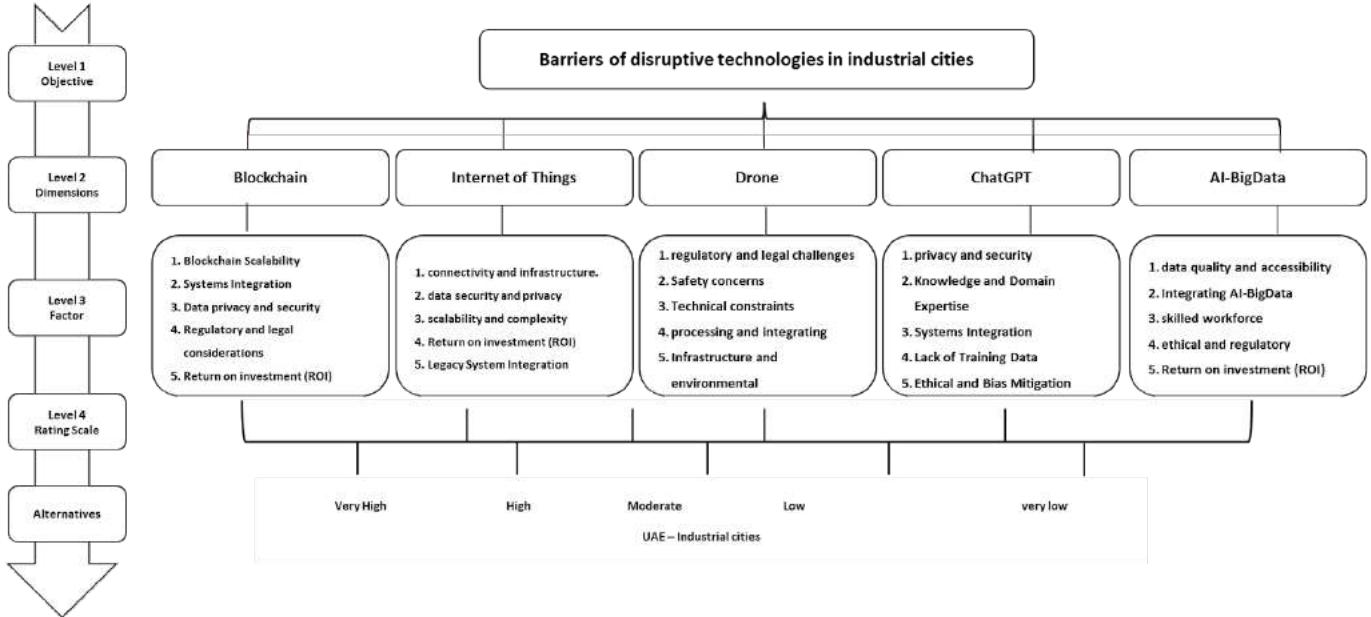 Figure 1: The Hierarchical Structure for the Barriers Associated with Disruptive Technologies in Industrial Cities
Suppose an evaluator determines that Blockchain scalability holds moderate importance compared to systems integration, resulting in a rating of "3" for the former and "1/3" for the latter. Once the evaluation is finalized, the eigenvectors (indicating the relative importance of each element), global weights, and maximum eigenvalue ( max) are computed for each matrix. To ensure the consistency of the pairwise comparison matrix, The consistency ratio (CR) is determined by calculating CI (Consistency Index) using max as a benchmark, as outlined by Drake et al. (2013). CI is defined as . The CR serves as an indicator of the level of consistency within the matrices. It is obtained by dividing CI by the random index (RI), i.e., CR = CI/RI. The RI values in Table 3 is used as benchmarks for different-sized matrices, and random pair-wise comparisons are simulated to calculate average random indices (Drake et al., 2013).
According to Drake et al., (2013), a matrix is acceptable if its CR value is 0.10 or lower. Additionally, Table 4 displays outcomes from pair-wise comparisons of the five main criteria, including average analysis and priority vectors for each factor.
VI. ANALYSIS OF THE RESULTS
Table 4 reveals IoT Technology as the top priority with a weight of 32 percent, followed closely by Ai-BigData at 26 percent. Blockchain and ChatGPT hold the third position, with drones considered the least significant technology. This highlights IoT's significance in industrial cities, gathering diverse data for business operations and customer behaviors. For example, Sensors at gates and people counters for fire drills enhance urban management and regulation (Goyal et al., 2015). Condry and Catherine (2016) assert that the Internet of Things (IoT) offers seamless compatibility and linkage among devices, systems, and networks, serving as adaptable interfaces for control systems. Swift reactions and enhanced productivity underscore its importance. Notably, IoT has brought substantial transformations across management sectors, as emphasized by Pillai and Sivathanu (2020).
Table 2: The 1–9 scale for AHP Pairwise Comparison
| Intensity of importance | Definition | Explanation |
| 1 | Equal importance | Two criteria contribute equally to the objective of waste reduction |
| 3 | Moderate importance | Judgment slightly favor one over another |
| 5 | Strong importance | Judgment strongly favor one over another |
| 7 | Very strong importance | A criterion is strongly favored and its dominance is demonstrated in practice |
| 9 | Absolute importance | Importance of one over another affirmed on the highest possible order |
| 2,4,6,8 | Intermediate values | Used to represent compromise between the priorities listed above |
Table 3: Random Index
| N | 1 | 2 | 3 | 4 | 5 | 6 | 7 | 8 | 9 | 10 |
| RI | 0.00 | 0.00 | 0.58 | 0.90 | 1.12 | 1.24 | 1.32 | 1.41 | 1.45 | 1.48 |
Table 4: Geometric Means of Pair-Wise Comparison of Main Criteria
| IoT | Drone | Blockchain | ChatGPT | AI-BigData | Priority vectors | |
| IoT | 1.00 | 4.90 | 5.01 | 3.93 | 0.29 | 0.32 |
| Drone | 0.20 | 1.00 | 1.00 | 3.65 | 0.17 | 0.12 |
| Blockchain | 0.20 | 1.00 | 1.00 | 1.38 | 3.02 | 0.15 |
| ChatGPT | 0.25 | 0.27 | 0.72 | 1.00 | 3.93 | 0.15 |
| AI-BigData | 3.42 | 5.80 | 0.33 | 0.25 | 1.00 | 0.26 |
| CR value: 0.08 < 0.10 (consistent) | ||||||
Research findings highlight AI-BigData as second in importance for industrial city management. This fusion of Artificial Intelligence and Big Data plays a crucial role, boasting diverse capabilities and benefits across domains like marketing, finance, agriculture, healthcare, security, and more (Condry and Catherine, 2016; Pillai and Sivathanu, 2020). It extends to chatbots, artificial creativity, manufacturing, and beyond. AI-BigData's influence spans chatbots, artificial creativity, and manufacturing, with urban planning and development emerging as its primary domains (Yigitcanlar et al., 2020). This application fosters digital transformation and city sustainability through the integration of AI and big data technologies.
Ranking third in importance, Blockchain and ChatGPT offer transformative potential for industrial cities, bolstering efficiency, security, and innovation across urban domains and industrial sectors. Blockchain's application holds promise in intricate supply chains, benefiting manufacturing and distribution, exemplifying its value in industrial city contexts. Blockchain guarantees transparent and unalterable records, ensuring traceability, authenticity, and fraud prevention. Acting as a trust mechanism, it secures transactions in tangible entities or organizations, storing data in an accessible repository for diverse stakeholders (Mohan et al., 2021). Industrial city industries can utilize ChatGPT-driven chatbots for seamless customer support, query resolution, and issue-solving, enhancing satisfaction while relieving operational strain. ChatGPT's global impact has spurred China's rapid iterations, emphasizing its pivotal role in the future of customer service (Hale, 2023).
Evaluators ranked Drones least significant due to other variables, differing from the current trend where drones gain prominence for their diverse utility in industrial cities. Drones are recognized as an emerging technology with diverse applications, including surveillance, agriculture, entertainment, and advancing intelligent transportation systems (ITS). Furthermore, Moreover, owing to their cost-effectiveness and capacity to be equipped with transmitters, cameras, and diverse on-board sensors, Unmanned Aerial Vehicles (UAVs) hold promise as conceivable airborne constituents of the Internet of Things (IoT). They can establish connections within their surroundings, fostering augmented mobility within the network. This investigation proposes an undertaking aimed at fortifying the rationale for integrating UAVs into the intelligent framework of prospective urban centers, as outlined by Lucic et al., (2023). To understand the priorities in Table 5, a consensus-based pairwise assessment of sub-criteria within each factor was conducted. This aimed to meet acceptable CR (Consistency Ratio) criteria. The resulting rankings for five technological challenge domains in industrial cities are shown in Table 5.
Table 5: Average for Pairwise Evaluation of Sub-Criteria Average resulting from the pairwise evaluation of challenges in IoT technology
| Criteria | (A) | (B) | (C) | (D) | (E) | Priority vectors | |
| Data security and privacy | 1.00 | 0.27 | 0.23 | 0.30 | 2.33 | 0.08 | |
| Connectivity and infrastructure. | 3.70 | 1.00 | 1.21 | 0.91 | 3.30 | 0.25 | |
| Scalability and complexity | 4.27 | 0.82 | 1.00 | 0.23 | 6.90 | 0.22 | |
| Legacy System Integration | 3.33 | 1.09 | 4.41 | 1.00 | 8.60 | 0.40 | |
| Return on investment (ROI) | 0.43 | 0.30 | 0.14 | 0.12 | 1.00 | 0.05 | |
| CR value: 0.08 < 0.10 (consistent) | |||||||
| Average resulting from the pairwise evaluation of challenges in AI-BigData technology | |||||||
| (A) | (B) | (C) | (D) | (E) | Priority vectors | ||
| Ethical and regulatory | 1.00 | 0.26 | 0.23 | 0.30 | 2.13 | 0.08 | |
| data quality and accessibility | 3.86 | 1.00 | 2.70 | 1.31 | 6.10 | 0.35 | |
| skilled workforce | 4.27 | 0.37 | 1.00 | 0.23 | 5.80 | 0.19 | |
| Integrating AI-BigData | 3.33 | 0.76 | 4.41 | 1.00 | 4.80 | 0.33 | |
| Return on investment (ROI) | 0.47 | 0.16 | 0.17 | 0.21 | 1.00 | 0.05 | |
| CR value: 0.08 < 0.10 (consistent) | |||||||
| Average resulting from the pairwise evaluation of challenges in ChatGPT technology | |||||||
| (A) | (B) | (C) | (D) | (E) | Priority vectors | ||
| Privacy and security | 1.00 | 0.26 | 0.35 | 0.26 | 2.43 | 0.09 | |
| Lack of Training Data | 3.86 | 1.00 | 2.30 | 1.66 | 4.10 | 0.36 | |
| Systems Integration | 2.83 | 0.43 | 1.00 | 0.24 | 4.70 | 0.18 | |
| Knowledge and Domain Expertise | 3.82 | 0.60 | 4.25 | 1.00 | 5.80 | 0.32 | |
| Ethical and Bias Mitigation | 0.41 | 0.24 | 0.21 | 0.17 | 1.00 | 0.05 | |
| CR value: 0.09 < 0.10 (consistent) | |||||||
Average resulting from the pairwise evaluation of challenges in Blockchain technology.
| (A) | (B) | (C) | (D) | (E) | Priority vectors | |
| Blockchain Scalability | 1.00 | 3.70 | 3.60 | 2.40 | 2.10 | 0.38 |
| Systems Integration | 0.27 | 1.00 | 4.70 | 4.10 | 2.80 | 0.29 |
| Profit growth | 0.28 | 0.21 | 1.00 | 0.61 | 0.27 | 0.07 |
| Regulatory and legal considerations | 0.42 | 0.24 | 1.64 | 1.00 | 1.11 | 0.12 |
| Return on investment (ROI | 0.48 | 0.36 | 3.74 | 0.90 | 1.00 | 0.15 |
| CR value: 0.09< 0.10 (consistent) | ||||||
Average resulting from the pairwise evaluation of challenges in Drone technology.
| (A) | (B) | (C) | (D) | (E) | Priority vectors | |
| Regulatory and legal challenges | 1.00 | 0.26 | 0.35 | 0.26 | 2.13 | 0.08 |
| Safety concerns | 3.86 | 1.00 | 2.30 | 2.56 | 4.10 | 0.37 |
| Technical constraints | 2.83 | 0.43 | 1.00 | 0.23 | 4.10 | 0.17 |
| Infrastructure and environmental processing and integrating | 3.82 | 0.39 | 4.41 | 1.00 | 6.50 | 0.32 |
| 0.47 | 0.24 | 0.24 | 0.15 | 1.00 | 0.05 | |
| CR value: 0.08< 0.10 (consistent) | ||||||
In IoT Technology (Table 5), five factors were evaluated: Legacy System Integration (40%), connectivity and infrastructure (25%), Scalability and complexity (22%), Data security and privacy (8%), and Return on Investment (ROI) (5%). Within AI-BigData sub-criteria, data quality and accessibility held the highest priority at 35%, followed by integration (23%), skilled workforce (19%), ethical/regulatory aspects (8%), and ROI (4%) as the least prioritized factor. Table 5 displays a pairwise assessment of "ChatGPT" challenges. Insufficient Training Data ranks highest at 36%, followed closely by Knowledge and Domain Expertise (32%). Systems Integration (18%) and Privacy and Security (9%) rank third and fourth, while Ethical and Bias Mitigation holds the lowest priority at 5%. For Blockchain technology (Table 5), five sub-criteria were evaluated: Blockchain Scalability (38%), Systems Integration (29%), Data Privacy and Security (15%), Regulatory and Legal Considerations (12%), and Return on Investment (ROI) (5%).
Evaluators emphasize scalability as the prime challenge in blockchain technology, aligning with Khan et al., (2021) findings. This study underscores blockchain's rapid transformation across public and private sectors, particularly in decentralized cryptocurrencies like Bitcoin and
Ethereum. While Bitcoin's success catalyzed blockchain research, scalability issues persist due to low throughput, high latency, and energy consumption. Solving scalability in public blockchains remains pivotal for industry solutions.
The expert evaluation suggests that drone technology hurdles are relatively minor compared to broader challenges faced by industrial cities. The assessment covers regulatory, safety, technical, infrastructure, and integration dimensions, allocating percentages of 37%, 32%, 17%, 8%, and 5% respectively. Industrial cities might prioritize alternative technologies or approaches that better suit their needs, emphasizing innovations with immediate benefits for their industries. The significance of drones varies based on individual circumstances, sectors, and goals of each city. While drones might not be top priority in some cases, they can significantly enhance efficiency, safety, and operations in other scenarios.
V. CONCLUSION AND FUTURE RESEARCH
This study explores the ranking of technological challenges in industrial cities. Notably, IoT Technology is prominent at 32%, collecting diverse data for understanding processes and behaviors. AI-BigData holds a competitive stance at 26%, while Blockchain and ChatGPT enhance efficiency and security. Drones rank lower but are gaining traction in various sectors. IoT Technology and AI-BigData stand out, promising productivity and innovation, while Blockchain and ChatGPT enhance security and operations.
Future investigations could delve into specific applications and scenarios for the prioritized technologies in industrial cities, exploring IoT's data utilization or AI-BigData's urban planning role. Comparative studies across diverse industrial cities might reveal technology preferences influenced by economic, geographic, and governing factors. Analyzing concurrent integration challenges could uncover harmonies and conflicts between IoT, AI-BigData, Blockchain, ChatGPT, and drones. Assessing ethical and societal impacts, including privacy and fairness concerns, within urban contexts would provide a holistic understanding of their influence.
In conclusion, this study provides insightful rankings of emerging technologies in industrial cities, guiding further research and informed urban development decisions. To maintain global competitiveness, industrial cities must prioritize ongoing research, innovation, and experimentation. Embracing these insights fosters growth, innovation, and sustainability for industrial cities.
IV. MANAGERIAL IMPLICATIONS
The research findings presented in the provided text have several important managerial implications for industrial cities and their management teams. Here are some key implications:
-
Prioritize IoT and AI-BigData: Invest in these technologies for enhanced data capabilities, analysis, and decision-making, driving productivity and minimizing losses in industrial city management.
-
AI-BigData optimizes resource allocation and city management, fostering sustainable growth and residents' well-being in industrial cities.
-
Enhanced Customer Service: ChatGPT-driven chatbots ensure efficient 24/7 support, optimizing resources and improving customer experience in industrial cities.
-
Although drones may not top the technology list, industrial cities must stay aware of emerging developments. Drones have diverse applications like surveillance and agriculture. Management should monitor drone technology and its potential integration across industries.
-
The study highlights specific hurdles for each technology. IoT deals with data security, while AI-BigData faces data quality issues. Management should proactively address these challenges for successful implementation.
-
Collaboration Across Disciplines: The study emphasizes cross-departmental teamwork in industrial cities to ensure seamless technology integration and maximize benefits across various stakeholders.
-
Ethics and Regulations: AI and blockchain integration in industrial cities require robust frameworks for ethics, data privacy, and legal compliance to ensure responsible technology implementation.
-
Ongoing Learning and Flexibility: Industrial cities must nurture a culture of continuous learning and adaptability due to the contextual variability of technology.
Conflict of Interest
The authors declare no conflict of interest.
Ethical Approval
Not applicable
Data Availability
The datasets used in this study are openly available at [repository link] and the source code is available on GitHub at [GitHub link].
Funding
This work did not receive any external funding.
References
Cite this article
Related Research




Special Issue
Launch a focused special issue to highlight research, emerging trends, and expert insights in your academic field.
