


IntelliPaper
Abstract
The metallurgical industry in Rafaela faces significant challenges related to competitiveness and the integration of digital technologies into its production processes. This study addresses the problem of how small and medium-sized enterprises (SMEs) in the sector can improve their efficiency and adapt to a globalised market environment through digital transformation.
To address this problem, an exploratory-descriptive self-diagnosis methodology was applied, using structured questionnaires to assess the levels of knowledge, integration, systematisation, and innovation in key areas such as design, procurement, manufacturing, administration, and sales. The results reveal an uneven adoption of digital technologies within these companies, with a notable reliance on manual systems in critical areas and low nformation integration between departments. The proposed solution is based on implementing a digital transformation framework that enables companies to improve their processes and foster a culture of technological advancement and continuous training. In conclusion, comprehensive digital transformation emerges as a necessary step for Rafaela’s metallurgical SMEs to enhance their competitiveness, efficiency, and adaptability in a dynamic market context. The adoption of advanced technologies and improved organisational integration are key factors for the success of this process and for ensuring sustainable long- term growth.
Explore Digital Article Text
I. INTRODUCTION
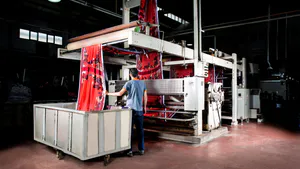
The economy of the city of Rafaela is characterised by robust industrial production and significant agricultural activity, which have driven the growth of manufacturing in various ways. Currently, Rafaela is a regional centre for industrial development and the main dairy hub of Argentina and South America. The industrialisation process in the city has been dynamic, favoured by the establishment of industries dedicated to processing raw materials from the region. In general terms, industrial development in Rafaela has followed a pattern similar to that experienced by the Argentine economy as a whole. Additionally, the city's industrial structure, composed of diverse sectors, has allowed it to maintain some stability in the face of various economic and social crises in the country. Despite this diversification, the food and beverage sectors, along with the manufacture of auto parts, machinery, and equipment, account for 69% of total employment in the region.
II. METHODOLOGY
To establish the characterisation of the level of digitalisation of a group of industries in Rafaela, a series of exploratory-descriptive questionnaires were developed, as the topic has not been addressed with this methodology in this region, and existing precedents generally have a different focus. Initially, information will be obtained from the companies, including their mission, vision, and values, corporate strategy, economic data, corporate reputation actions, history of risks and opportunities, strategic publics, along with the definition and characteristics and value in the company, competition, market share, etc. The analysis of the information will allow the extraction of variables of industrial behaviour online and the behaviour of strategic publics online, ultimately variables that affect the digital transformation of the company.
III. RESULTS AND DISCUSSIONS
The results of the self-diagnosis reveal that, although there is a good level of knowledge in some functions, integration and systematisation still require significant improvements. The adoption of digital technologies is key to improving efficiency and competitiveness in a globalised market.
IV. CONCLUSION
The functional analysis based on self-diagnosis provides a valuable tool for companies seeking to identify areas for improvement in their organisational structure. The results indicate that, while there is a good level of knowledge in some functions, integration and systematisation still require significant effort to reach a level of excellence. The adoption of digital technologies is key to improving efficiency and competitiveness in a globalised market.
ACKNOWLEDGEMENTS
This article was developed under the research project "Characterisation of the Level of Digitalisation of Industries in Rafaela through the Study and Analysis of their Business Processes using Ontologies and BPMN" and funded by the Universidad Católica de Santiago del Estero.
Conflict of Interest
The authors declare no conflict of interest.
Ethical Approval
Not applicable
Data Availability
The datasets used in this study are openly available at [repository link] and the source code is available on GitHub at [GitHub link].
Funding
This work did not receive any external funding.
References
Cite this article
Related Research


Special Issue
Launch a focused special issue to highlight research, emerging trends, and expert insights in your academic field.