



Abstract
Triglycerides (TG), together with total cholesterol (Chol-T) as well as high and low- density lipoproteins (HDL, LDL), are lipids of fundamental importance for determining cardiovascular risk (Henein M.Y., 2023). TG are molecules composed of a glycerol nucleus and three fatty acids, fats that we can find in both animal and vegetable foods. They represent the main form of storage and transport of fatty acids within cells and in the plasma, while it is in the liver that the fundamental steps for the metabolism of fatty acids occur (Strable M.S, 2010). Levels of TG higher than 150 mg/dl fasting are characteristic of a state of dyslipidemia (Pappan N. et al., 2024), which can result from a hereditary condition or an incorrect lifestyle; however, this is a condition that, if left untreated, can over time lead to severe cardiovascular consequences or to non-alcoholic fatty liver disease (NAFLD) (Alves- Bezerra M., 2019). Currently, to normalize triglyceride levels in patients with dyslipidemia, fibrates (Spence J. D., 2020), statins, or statins and ezetimibide (Ferri N., 2023) are administrated. In minor forms of hypertriglyceridemia (HTG), the administration of supplements based on Omega-3 (Rodriguez D., 2022) or berberine (Osadnik T., 2022), silymarin (Li S. et al., 2024) in addition to the diet (Hyun Suk Lee, 2021) and physical exercise (Petridou A., 2022) are also accompained. Bioelectronic medicine (BEM) is increasingly expanding its field of research, today particularly oriented towards the modulation of the activity of the vagus nerve and its effects, for example, on the release of inflammatory cytokines (Borovikova et al., 2000); this innovative approach is increasingly moving towards new directions to the point of involving its effects on inflammatory, cardiovascular, neurodegenerative diseases (Pavlov A. P., 2022), urological disorders (Peregrine B.O., 2017), etc..
In this study, we wanted to verify the effectiveness of the BEM approach on human metabolism using a specific frequency indicated by the Grabovoj method (Grabovoj G., 2013) for the physiological regeneration of TG levels; we also wanted to verify the selectivity of the effects on the organism of the frequency used for the treatments, evaluating the variations in the levels of Chol-T, HDL, LDL and Glu at time zero and at the end of the work. From this assumption, we wanted to verify the response of a young, healthy male practising competitive sport characterized by non-physiological levels of TG (409 mg/dl) and a mild form of NAFLD by first treating him with berberine/silymarin/Omega-3 and an appropriate diet and then subjecting him to treatments with a specific frequency on the body applied via electrodes emitted by a BioLife-Regen frequency generator.
Explore Digital Article Text
I. INTRODUCTION
Triglycerides (TG), the most common dietary fats, are molecules composed of a glycerol nucleus and three fatty acids, these fats can be found in both animal and plant-based foods. In the human body TG are the main source of stored energy and together with total cholesterol (Chol-T) and high and low-density lipoproteins (HDL, LDL), are considered lipids of fundamental importance for determining cardiovascular risk (Henein M.Y., 2023).
TG also represent the main form of storage and transport of fatty acids within cells and in the plasma as well, while it is in the liver that the latter accumulates through hepatocellular uptake from the plasma and through de novo biosynthesis (Strable M.S., et al. 2010). Fatty acids are then eliminated either by oxidation within the cell or secretion into the plasma as triglyceride-rich, very low-density lipoproteins (VLDL).
Physiologically, the liver stores only small amounts of TG still, in the context of overnutrition and obesity, hepatic fatty acid metabolism becomes altered, leading to TG accumulation within hepatocytes and the development of a clinical condition known as non-alcoholic fatty liver disease (NAFLD) (Alves-Bezerra M. et al., 2019).
While diet is the primary exogenous source of TG, endogenous TG is synthesized in the liver; triglyceride levels above 150 mg/dl fasting (Laufs U., 2020) are characteristic of a condition of dyslipidemia which, from mild to moderate, i.e. 175-885 mg/dl (Hegele R.A., 2014), is not only quite common in adults (Dron J.S., 2019) but is increasing (Retterstol K, 2017; Truthmann J, 2016), together with obesity and type 2 diabetes (Laufs U., 2020). On the other hand, severe HTG (Bashir B., 2023), therefore rare, is characterized by a plasma concentration of TG>1000 mg/dl, resulting from a complex genetic basis, which represents an important and known risk factor for acute pancreatitis (Yuan G., 2007).
TG levels above 150 mg/dl often result from a lifestyle associated with alcohol intake, a diet rich in refined carbohydrates that can lead to insulin resistance with a consequent increase in circulating TG levels; this is a condition that, if left untreated, can over time lead to serious consequences from a cardiovascular (CV) point of view, as demonstrated by data from numerous epidemiological studies that have highlighted how high TG levels are associated with an increase in CV risk (Boullart A.C. et al., 2012). Conversely, it has been demonstrated that lowering TG is associated with a reduced CV risk in patients with high basal TG levels (Miller M. et al., 2011).
Based on what has emerged (Budoff M., 2016), we can affirm that elevated TG levels can be considered not only a biomarker of CV risk, but also that TG and triglyceride-rich lipoproteins (TRL) are in the causal pathway of atherosclerotic CV disease (ASCVD), and that they play a pathogenic role in atherosclerosis. Furthermore, a condition of dyslipidemia, although mild, can lead to a condition of NAFLD, which has become the most widespread cause of chronic liver disease in the world (Guo X. et al., 2022).
1.1 Traditional Approach
Currently, to normalize TG levels, in patients with dyslipidemia, fibrates (Spence J.D., 2020), statins, or statins and ezetimibide (Ferri N., 2023) are administrated. With regard to statins, It is important to underline there is poor adherence to their intake by patients (Stroes E.S., 2015) due to the muscular symptoms that they cause (Laufs U., 2015): about half of them, in fact, interrupt the therapy after 12-24 months (Mann D.M., 2010).
In non-severe forms of hypertriglyceridemia (HTG), supplements based on Omega-3 (Rodriguez D., 2022; Dewey, F.E., 2017; Nordestgaard, B.G., 2014) or berberine (Osadnik T., 2022) and silymarin (Li S. et al., 2024), diet (Hyun Suk Lee, 2021) and physical exercise (Petridou A., 2022) are also recommended.
Finally, if until a few years ago, NAFLD was a little-known topic, today it is the object of great attention from researchers due to its impact on health since it has become the most commonly found cause of chronic liver inflammation worldwide (Guo X. et al., 2022). Furthermore, it should be emphasized that in NAFLD, steatosis is present in more than 5% of hepatocytes with metabolic risk factors such as obesity and type 2 diabetes (Chalasani N. et al., 2012; Miller M. et al., 2011).
Since no pharmacological therapy of proven efficacy for NAFLD (Friedman S.L. et al., 2018), natural remedies are used, including silymarin (Guo X. et al., 2022).
1.2 Bioelectronic Approach
Medical bioelectronics (BEM) refers to the therapeutic modulation of pathological conditions via the stimulation of electrically active tissues, eliciting local or systemic effects through the surgical implantation of bioelectronic devices within the body (Koutsouras A.D. et al., 2024).
This field of research is expanding enormously by developing therapeutic opportunities aimed at an ever-increasing number of pathologies such as urological ones (Peregrine B.O., 2017), rheumatoid arthritis (RA), inflammatory bowel disease (IBD), and other chronic inflammatory diseases (Genovese et al., 2020, Koopman et al., 2016, Bonaz et al., 2016, Sinniger et al., 2020),
Current applications of bioelectronic medicine (BEM) rely on the implantation of medical device technologies designed to modulate—either by amplification or suppression—the activity of the nervous system. Despite their therapeutic potential, these devices can induce an inflammatory response by the surrounding tissues to the electrode materials, known as the Foreign Body Reaction (FBR), an inevitable process triggered by the presence of foreign materials within the body (Carnicer-Lombarte A. et al., 2021).
The approach utilizing the BioLife-Regen frequency generator does not require surgical implantation, thereby eliminating the risk of FBR. The procedure involves the non-invasive application of four surface electrodes connected to the device, through which specific regenerative frequencies are transmitted to the body. In this study, we applied the principles of BEM to address a condition characterized by functional alterations in lipid metabolism.
The method used for treatments with the BioLife-Regen frequency generator does not require any implant, thus eliminating the problem of FBR, since it is limited to the application on the body of four electrodes connected to the device, through which to transmit precise regenerating frequencies.
In our research, we used the principles of BEM to correct a condition of functional alteration of lipid metabolism.
1.3 Purpose of the Study
This study aimed to evaluate the effects of a frequency generator, which delivers a fixed and selectively active frequency according to the Grabovoj method (Grabovoj G., 2013), in conjunction with supplementation of silymarin, berberine, and Omega-3, on the regeneration of TG levels in a healthy, young male with non-physiological TG values, insufficient to warrant pharmacological intervention. The primary objective was to induce a natural rebalancing of TG metabolism and assess its potential effects on a mild case of NAFLD (Ultrasound report A). Additionally, we aimed to determine whether the observed changes in TG levels and mild NAFLD could be correlated with alterations in Chol-T, HDL, LDL, and glucose (GLU) levels, in order to assess the specific selective action of the regenerating frequency used.
1.4 Study Subject
The study involved a 19-year-old male subject, healthy, practicing intense competitive physical activity, who at a preventive check-up showed TG values higher than what could be expected in a healthy, young man (Report 1).
Furthermore, a subsequent liver ultrasound revealed a pattern consistent with mild NAFLD (Ultrasound Report A). Nutritional intervention was initiated by first limiting the intake of whole grain carbohydrates to 50–70 g/day, and by recommending the consumption of the following:
Fats: coconut oil and clarified butter for breakfast and lunch, extra-virgin olive oil (EVO) for dinner and always for the raw dressing;
Fiber: raw vegetables (for lunch) and legumes (cooked for dinner);
Fish (especially blue fish);
White meat;
1 low glycemic index fruit per day.
In addition to this, and to the treatments with the BEM device, it was recommended:
Omega-3: 1500 mg/day (EPA 750 mg+DHA 450 mg+DPA 90 mg), two pearls during lunch and dinner;
Berberine: 500 mg/day;
Silymarin: 105 mg/day.
II. MATERIALS AND METHODS
The BioLife-Regen device (Arpamed Industries; CE-compliant) employed in this study is a frequency generator equipped with a biofeedback and data reacquisition circuit, operated via dedicated external software. The device delivers an electrical signal with predefined parameters, which is transmitted to the human body through surface electrodes.
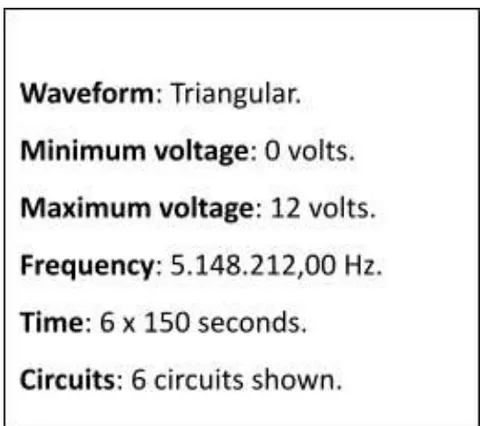
For the treatment sessions, the device was configured to generate a specific frequency of 5.148.212,00 Hz, as described by Grabovoj (2013), with a current output limited to 25 A and a 12 V triangular waveform. Each application lasted 15 minutes.
Four 16 cm conductive gel electrode pads were placed on the patient: two in correspondence with the folds inside the wrists and two in the hollow between the medial malleolus and calcaneus. The device was connected to the subject by four 2.0 m long cables; each cable is made up of 259 strands, each 0.07 mm in diameter, with a contact resistance of 40 mOhm and a length of 200 cm, sheathed in silicone in following the IEC61010 standard.
The signal generated by the frequency generator is transmitted along six different paths to ensure correct action on each part of the body by simultaneously transmitting the signal along two channels that remain completely independent throughout the treatment phase, consisting of two identical frequency generator cards powered by a special circuit that receives a 24-volt power supply, which in turn receives 220-volt power from the main electrical supply, with Double Means of Patient Protection (2xMOPP) under the IEC-60601-1 electrical safety standard to ensure adequate electrical isolation of the patient from potential electrical hazards.
Defined as (A) left wrist, (B) right wrist, (C) left ankle, (D) right ankle, the circuits used were for channel-one (CH1) and channel-two (CH2), respectively (Box 1): The treatment phase, which is the subject of this work, was carried out with the following parameters (Box 2):
Box 1: Circuits used by the Biolife Regen Device through Connection with the Electrodes Connected to the Patient
| CH1 | CH2 |
| A-B | D-C |
| C-A | B-D |
| D-A | C-B |
| B-C | A-C |
| A-D | C-D |
| C-A | D-B |
2.1 Supplements
The first phase, a combination of 500 mg of berberine from dry extract (E.S.) of Berberis aristata and 100 mg of silymarin from Milk thistle ES. was administered once a day, and Omega-3 in pearls at a rate of 856 mg of EPA and 386 mg of DHA divided into two administrations per day, corresponding to the main meals, for 5 months.
Silymarin has been traditionally used in the treatment of hepatitis (Pradhan, S.C., 2006), and has been extensively studied for its hepatoprotective, detoxifying, antioxidant, anti-inflammatory, antidiabetic, and anticancer properties (Wadhwa K. et al., 2022). Berberine, on the other hand, is well known for its lipid-lowering effects, particularly in reducing Chol-T and TG levels (Osadnik T. et al., 2022).
Omega-3 fatty acids are also employed in clinical practice to reduce CV risk (Bornfeldt K.E., 2021), primarily due to their ability to lower plasma TG levels. This effect is thought to result from enhanced fatty acid oxidation, which suppresses hepatic lipogenesis (Shearer G.C. et al., 2012; Oscarsson J., Hurt-Camejo E., 2017), thereby reducing the hepatic production of very low-density lipoproteins (VLDL). However, the precise mechanisms by which Omega-3 fatty acids lower TG levels remain incompletely understood.
III. RESULTS
In November 2022 (Table 1; Report 1), the first routine evaluation of TG, Chol-T, HDL, LDL, and GLU levels was conducted. The results revealed TG values above physiological limits, although not high enough to warrant pharmacological intervention. In the same month, the first liver ultrasound was performed (Ultrasound Report A), revealing a mild condition of NAFLD.
We therefore recommended to the subject the supplements already described both in terms of active ingredients and dosages, as well as subjecting him to a monthly treatment with the frequency generator set with the parameters indicated in Box.
- After five months (Report 2a/b), the TG value had significantly dropped from 409 to 153 mg/dl; after another four months, without having changed the work plan, the TG levels remained practically unchanged (Report 3), and then increased again, reaching 265 mg/dL (Report 4).
Given this lack of response, we decided to suspend the supplements and continue only with a monthly treatment (from October 2023 to July 2024) with the frequency generator, considering that to return to the physiological values, we would have had to go below 150 mg/dl.
At the follow-up visit conducted on July 2024 (Report 5), the TG level was 102 mg/dl, well below the threshold value. At this point, treatment with the frequency generator was discontinued.
At the end of September 2024 (Report 6), about two months after stopping the treatments, we again requested the dosage of all the parameters initially assessed: the TG levels remained stable without any further external intervention.
An interesting observation pertains to the values of Chol-T, HDL, LDL, and GLU. These parameters showed no significant variation between the initial assessment conducted in November 2022 (Table 1) and the final evaluation at the end of September 2024.
In conclusion, treatment with the BioLife-Regen device, using a fixed frequency according to the Grabovoj method (Box 2), aimed at restoring TG levels to physiological values, did not significantly affect the levels of the other parameters. Therefore, it can be affirmed that the efficacy of the treatment appears to be primarily reflected in the stabilization of TG levels.
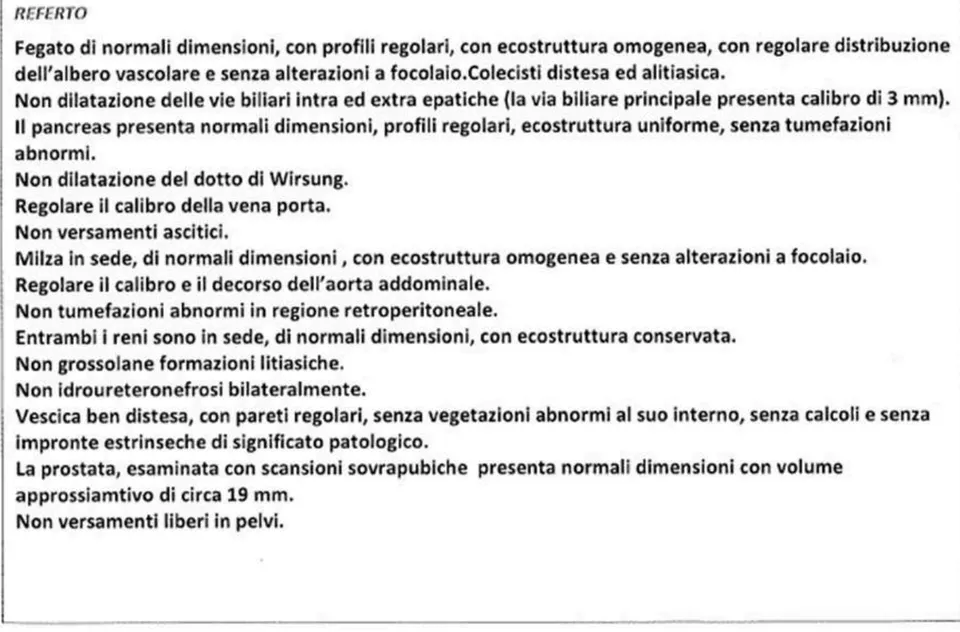
A control ultrasound performed on 02/21/2024 (Ultrasound Report B) showed the disappearance of the slight steatosis and the restoration of a physiological condition.
| BioLife-Regen Treatments | Data of Report | TG mg/dL | Chol-T mg/dL | HDL mg/dL | LDL mg/dL | Glu mg/dL | Intervention |
| 5 treatments (1 per month)5.148.212 Hz12V, triangular wave15 min | 1-11/11/22 | 409 | 201 | 48 | 132 | 94 | Berberin+ silimarina+ Om-3+diet+ BioLife-Regen frequency generator |
| 16 treatments (1 per month)5.148.212 Hz12V, triangular wave15 min | 2-12/04/23 | 153 | 217 | 68 | 119 | 82 | |
| 3-30/10/23 | 147 | 204 | 67 | 107 | 92 | ||
| 4-09/02/24 | 265 | 231 | 60 | 134 | 81 | Only BioLife- Regendevice | |
| 5-29/07/24 | 102 | No intervention | |||||
| 6-28/09/24 | 106 | 206 | 59 | 132 | 90 |
IV. DISCUSSION
High levels of TG have proven to be an essential CV element as well as representing an ideal condition for developing NAFLD, in this case, given the young age of the subject, in addition to the diet and the simultaneous initial administration of berberine/silymarin/Omega-3 based supplements, we wanted to try an alternative avenue through a series of applications of a specific regenerating frequency for TG levels according to the Grabovoj method, with a BioLife-Regen frequency generator. The results not only demonstrated a significant reduction in TG levels—restoring them within physiological limits—but also resolved the mild NAFLD condition previously identified by the initial ultrasound evaluation (Ultrasound Reports A and B).
Moreover, analysis of the available data (Table 1) shows that Chol-T, HDL, and LDL levels initially decreased during the simultaneous administration of supplements. However, these parameters-unlike GLU-returned to baseline following treatment with the frequency generator alone and remained stable even two months after treatment cessation. This finding represents a key aspect of the study, underscoring the high specificity of the applied frequency in modulating TG levels without significantly altering other metabolic parameters.
These preliminary results support the potential of this non-invasive, side effect–free technique for addressing functional lipid metabolism imbalances, although further investigation is warranted through additional studies.
polidiagnostico
| MOTIVO DELL'ESAME |
| Ipertrigliciremia |
{"image_source":{"path":"images/826ac785211f26f5126fab31d95ca769144c11fabeaea87f0e1204e8c07a25e0.jpg"},"content":"","chart_caption":[{"type":"text","content":"ECOGRAFIA ADDOME COMPLETO"}],"chart_footnote":[]}
Data 17/11/2022
Esame refertato il 17/11/2022
(Ultrasound report A: No free fluid in the abdomen. Liver of size and morphology within the limits, presents a fine and moderately more echogenic echostructure as for mild steatosis, no evident focal lesions in the context. Gallbladder well distended acalculous; no dilation of the intra and extrahepatic bile ducts. Portal vein patent and of regular caliber, presenting hepatopetal flow. Spleen regular by echostructure presents bipolar diameter of 13.5 cm (recent mononucleosis). Not expanded in the pancreatic lodge Kidneys in place, of size and echostructure within the limits: no technically detectable uroliths. No calicopvelectasis. Bladder well expanded with regular walls, no protruding formations are evident in the
Dr.ssa La Torre Lucy LTRLCY73C54A262W
Copia conforme all' originale rilasciata in data 15/04/2025 IL RESPONSABILE SANITARIO STEFANO MOZZANICA MEDICO CHIRURGO CAB SRL Seda Legale: Via Casati, 147 - 20862 ARCORE (MB) Cod. Fisc. e RIVA 0 3 9 2 9 4 7 0 1 3 0 context. Prostate with estimated volume by suprapubic route equal to 17 ml Abdominal aorta of caliber within the limits.
No lymphadenomegaly in lumbo-aortic.)

{"image_source":{"path":"images/8e98839be930c8c2fcb2f22222c573aae2919b5d8e37efa03b4969a8bc329a15.jpg"},"content":"","chart_caption":[{"type":"text","content":"ECOGRAFIA ADDOME COMPLETO O APPARATO URINARIO"}],"chart_footnote":[]}
Dr. Cristiano Curadi
Medico Chirurgo
Specialista in Radiodiagnostica
Data 21/02/2024
MOTIVO DELL'ESAME
Controllo in ipertrigliceridemia
REFERTO
Fegato di normali dimensioni, con profili regolari, con ecostruttura omogenea, con regolare distribuzione dell'albero vascolare e senza alterazioni a focolaio.Colecisti distesa ed alitiasica.
Non dilatazione delle vie biliari intra ed extra epatiche (la via biliare principale presenta calibro di 3 mm). Il pancreas presenta normali dimensioni, profili regolari, ecostruttura uniforme, senza tumefazioni abnormi.
Non dilatazione del dotto di Wirsung.
Regolare il calibro della vena porta.
Non versamenti ascitici.
Milza in sede, di normali dimensioni, con ecostruttura omogenea e senza alterazioni a focolaio.
Regolare il calibro e il decorso dell'aorta addominale.
Non tumefazioni abnormi in regione retroperitoneale.
Entrambi i reni sono in sede, di normali dimensioni, con ecostruttura conservata.
Non grossolane formazioni litiasiche.
Non idroureteronefrosi bilateralmente.
Vescica ben distesa, con pareti regolari, senza vegetazioni abnormi al suo interno, senza calcoli e senza impronte estrinseche di significato patologico.
La prostata, esaminata con scansioni sovrapubiche presenta normali dimensioni con volume approssiamtivo di circa 19 mm.
Non versamenti liberi in pelvi.
Esame refertato il 21/02/2024
Dr. Curadi Cristiano CRDCST69L31M052M
Copia conforme all' originale rilasciata in data 15/04/2025

Medicina dello Sport
(Ultrasound B: Liver of normal size, with regular profiles, with homogeneous echostructure, with regular distribution of the vascular tree and without focal alterations. Gallbladder distended and acalculous. No dilation of the intra and extra hepatic bile ducts (the main bile duct has a caliber of 3 mm). The pancreas has normal dimensions, regular profiles, uniform echostructure, without abnormal swellings. No dilation of the Wirsung duct. Regular caliber of the portal vein. No ascitic effusions. Spleen in place, of normal size, with homogeneous echostructure and without focal alterations.
Regular caliber and course of the abdominal aorta. No abnormal swellings in the retroperitoneal region. Both kidneys are in place, of normal size, with preserved echostructure. No coarse lithiasic formations. No bilateral hydroureteronephrosis.
Bladder well distended, with regular walls, without abnormal vegetations inside it, without stones and without extrinsic imprints of pathological significance.
The prostate, examined with suprapubic scans, presents normal dimensions with an approximate volume of about 19 mm. No free effusions in the pelvis.)
Report 1:
| Codice Lab. 2022 98 47454 del 11-11-2022 01e: 07:30Richiesta: 6439932 | BC508 (A40) | PREVIMEDICAL SPA (DIRETTA)Pagina 1 di 1 | |
| Esame | Risultato | U.M. | Valori di riferimento |
| GLICEMIAMetodo ENZIMATICO ESOCHINASI [S] | 94 | mg/dL | 60 - 100Neonati: 40 - 60Bambini: 60 - 100Adulti: 60 - 100 |
| EMOGLOBINA GLICOSILATA (HbA1c)Metodo HPLC [SI] | |||
| EMOGLOBINA GLICOSILATA (HbA1c) | 5,2 | % Hb Totale | <6,5 |
| EMOGLOBINA GLICOSILATA (HbA1c - IFCC) | 33 | mmol/mol | <48 |
| COLESTEROLO TOTALEMetodo ENZIMATICO COLORIMETRICO [S] | 201 | mg/dL | Fino a 200 <200 Basso rischio (desiderabile)200 - 239 Rischio moderato (borderline) >= 240 Alto rischio |
| COLESTEROLO HDLMetodo ENZIMATICO [P] | 48 | mg/dL | >= 60 Basso rischio (desiderabile)<40 Alto rischio |
| COLESTEROLO LDLMetodo ENZIMATICO [P] | 132 | mg/dL | Fino a 129 <100 Livello ottimale100 - 129 Vicino al livello ottimale130 - 159 Valore limite alto160 - 189 Elevato>= 190 Motto elevato |
| TRIGLICERIDIMetodo ENZIMATICO COLORIMETRICO [S] | 409 | mg/dL | Fino a 150 Normale: Fino a 150Borderline alto: 150 - 199Alto: 200 - 499Motto alto: >500 |
| OMOCISTEINAMetodo CHEMILUMINESCENZA [P] | 9,3 | μmol/L | 3,7 - 13,9 |
Referto firmato digitalmente da Dr/Dr.ssa:ROSSELLA VIGNOLA il 11-11-2022 ore 14:07
Per il Direttore Responsabile
Referto sottoscritto con firma digitale ai sensi degli arti.20,21 n.2,23 e 24 del D.Lgs n.82 del 7 marzo 2005 e successive modifiche. I risultati del presente referto trovano la loro efficacia diagnostica se interpretati dal proprio Medico.
Dr.ssa Cristina Kullmann
Synlab Italia sede Monza Via Beato Lodovico Pavoni 18 | Castenedolo (BS) | Direttore Laboratorio: Dott.ssa Cristina Kullmann Ragione Sociale: Synlab Italia S.r.l., soc. unipersonale, Via Martiri delle Folbe 1, 20900 Monza (MB) Soggetta a Direzione e Coordinamento di Synlab AG Sistema Sanitario
Report 2:
| Codice Lab. 2023 40 12552 del 12-04-2023 ore: 07:43 | |||
Richiesta: 6874518 | ACBARZ BARZANO'[A40] | Pagina 1 di 3 | |
| Esame | Risultato | U.M. | Valori di riferimento |
| ESAME EMOCROMOCITOMETRICOMetodo CITOMETRICO IN FLUORESCENZA - IMPEDENZIOMETRICO [SI] | Ragazzi 18-19 anni | ||
| Globuli Bianchi (WBC) | 4,95 | 4,00 - 10,00 | |
| Globuli Rossi (RBC) | 5,26 | 4,70 - 5,82 | |
| Emoglobina (HBG) | 150 | g/L | 140 - 170 |
| Ematocrito (HCT) | 46,2 | % | 43,1 - 51,5 |
| Volume corpuscolare medio (MCV) | 87,8 | fL | 81,8 - 95,3 |
| Contenuto Medio Hgb (MCH) | 29 | pg | 27 - 32 |
| Concentrazione Media Hgb (MCHC) | 325 | g/L | 314 - 359 |
| Distribuzione Volume Eritrocitario (RDW) | 12,8 | % | 11,9 - 14,4 |
| Piastrine (PLT) | 214 | 150 - 400 | |
| Volume Piastrinico Medio (MPV) | 11,6 | fL | 9,5 - 12,3 |
| FORMULA LEUCOCITARIA | |||
| Granulociti Neutrofili | 45,7 | % | |
| Linfociti | 41,4 | % | |
| Monociti | 9,3 | % | |
| Granulociti Eosinofili | 3,0 | % | |
| Granulociti Basofili | 0,6 | % | |
| Granulociti Neutrofili | 2,26 | 2,00 - 7,00 | |
| Linfociti | 2,05 | 1,10 - 4,00 | |
| Monociti | 0,46 | 0,25 - 0,80 | |
| Granulociti Eosinofili | 0,15 | 0,00 - 0,50 | |
| Granulociti Basofili | 0,03 | 0,00 - 0,10 | |
| GLUCOSIOMetodo ENZIMATICO ESOCHINASI [P] | 82 | mg/dL | 70 - 100 |
| GLUCOSIO POST-PRANDIALE PRECOCEMetodo ENZIMATICO ESOCHINASI [P] | 83 | mg/dL | |
| Codice Lab. 2023 40 12552 del 12-04-2023 ore: 07:43 | |||
Richiesta: 6874518 | ACBARZ BARZANO'{A40} Pagina 2 di 3 | ||
Report 3:
| Esame | Risultato | U.M. | Valori di riferimento |
| CREATININEMIA | 0,91 | mg/dL | 0,70 - 1,30 |
| Metodo JAFFE* [S] | |||
| 80 | 62 - 115 | ||
| STiMA DEL FILTRATO GLOMERULARE | 122 | mL/min /1,73m2 |
Nota: Utilizzata formula CDK-EPI per il calcolo dell'eGFR.
I risultati ottenuti col metodo di Jaffè non sono riferibili a quelli ottenuti con metodi definitivi. Il calcolo non è applicabile in gravidanza, nei soggetti defedati, con patologie multiple, al di sotto dei 18 anni e oltre i 75 anni.
Tabella di Classificazione dell'IRC della Kidney Disease Quality Initiative
| STADIO | GFR | DESCRIZIONE |
| 1 | >=90 | GFR nei limiti |
| 2 | 60 - 89 | Lieve diminuzione GFR |
| 3A | 45 - 59 | Modesta diminuzione GFR |
| 3B | 30 - 44 | Moderata diminuzione GFR |
| 4 | 15 - 29 | Marcata diminuzione GFR |
| 5 | < 15 | Insufficienza renale-uremia |
NOTA: Negli stadi 1-2-3A-3B si può sospettare un danno renale ove sussista: albuminuria persistente, proteinuria persistente, ematurie persistenti (escluse cause urologiche), imaging di anomalie strutturali del rene, glomerulonefrite dimostrata istologicamente.
Pazienti con GFR tra 60 e 89 senza danno renale sono da considerarsi esenti da IRC.
| AMILASEMIAMetodo ENZIMATICO IFCC 31°C [S] | 60 | U/L | <118 | |
| LIPASIMetodo ENZIMATICO COLORIMETRICO [S] | 27 | U/L | 12 - 53 | |
| COLESTEROLO TOTALEMetodo ENZIMATICO COLORIMETRICO [S] | 217 | mg/dL | < 200 desiderabile | * |
| COLESTEROLO HDLMetodo ENZIMATICO [S] | 68 | mg/dL | >40 | |
| COLESTEROLO LDLMetodo ENZIMATICO [S] | 119 | mg/dL | Valore desiderabile < 116 |
Data prelievo Richiesta n° Referto n° Data ora referto 09/02/2024 24-019126 24-013250 09/02/2024 15:15 Data di nascita Età Sesso CoCli 08/12/2004 19 M PREVIMEDICAL Provenienza Medico richiedente
| Analisi | Risultati | U. M. | Valori di riferimento | |
| GLICEMIA [P]Metodo: COLORIMETRICO | 81 | mg/dl | 70 - 100 | |
| EMOGLOBINA GLICATA (HbA1c)Metodo: HPLC | 37 | mmol/mol | 25 - 46 | |
| 5,5 | % Hb Totale | 4,4 - 6,4 | ||
| COLESTEROLO TOTALE [S]Metodo: ENZIMATICO | 231 | mg/dl | < 200200 - 239> 240 | DesiderabileBorderlineAlto |
| COLESTEROLO HDL [S]Metodo: ENZIMATICO COLORIMETRICO | 60 | mg/dl | < 4040 - 60> 60 | bassointermedioottimale |
| COLESTEROLO LDL [S]Metodo: COLORIMETRICO | 134 | mg/dl | > 190160 - 189130 - 159100 - 129< 100 | molto altoaltointermedioborderlineottimale |
| TRIGLICERIDI [S]Metodo: ENZIMATICO | 265 | mg/dl | 150 - 199200 - 499> 500 | Borderline altoAltoMolto alto |
SYNLAB www.synlab.it [email protected] Tel: 030 5531132
ACBARZ BARZANO
(A40) Pagina 1 di 1
Esame Risultato U.M. Valori di riferimento TRIGLICERIDI 102 mg/dL <150 Rischio basso Metodo ENZIMATICO COLORIMETRICO (S) 150-199 Rischio intermedio 200-499 Rischio alto
500 Rischio attissimo
Referto firmato digitalmente da Dr/Dr.ssa:CRISTINA SASSARA il 29-07-2024 ore 14:26
Per il Direttore Responsabile Dr.ssa Cristina Kullmann
Referto sottoscritto con firma digitale ai sensi degli art.20,21 n.2,23 e 24 del D.Lgs n.82 del 7 marzo 2005 e successive modifiche. I risultati del presente referto trovano la loro efficacia diagnostica se interpretati dal proprio Medico.
SYNLAB Italia sede di Monza I Laboratorio di Patologia Clinica con aree specializzate Via Martiri delle Folbe, 1 l 20900, Monza, (MB) I Direttore Laboratorio: Dott.sse Cristina Kulimann SYNLAB Italia S.r.l., soc. unipersonale, Via Martiri delle Folbe, 1, 20900 Monza (MB) I C.F. P.IVA 00577680176 REA MB-1865693 | Cap. Soc. 550.000,80 Lv.l soggetta a direzione e coordinamento ver. 1.9.11.0 SYNLAB AG
Nato/a II 06-12-2004Codice Lab. 2024 40 31010 del 28-09-2024 0fe: 06:29Richiesta: 8323457 |  ACBARZ BARZANO'(A40) Pagina 1 di 1 ACBARZ BARZANO'(A40) Pagina 1 di 1 | ||
| Esame | Risultato | U.M. | Valori di riferimento |
| GLUCOSIOMixedo ENZIMATICO ESOCHINASI [0] | 90 | mg/dL | 70 - 100 |
| ALT (GPT)Mixedo ENZIMATICO [0] | 16 | U.L | < 55 |
| ACIDO URICO (URICEMIA)Mixedo ENZIMATICO [0] | 7,0 | mg/dL | 3,5 - 7,2 |
| Valori di riferimento tratti da 'Liperuricemia cronica con e senza deposito di urato/Progetto ARTU - Appraisal boardRound Table for Uricemia, Milano | |||
| COLESTEROLO TOTALEMixedo ENZIMATICO COLORIMETRICO [0] | 206 | mg/dL | < 200 desiderabile * |
| COLESTEROLO HDLMixedo ENZIMATICO [0] | 59 | mg/dL | > 40 |
| COLESTEROLO LDLMixedo ENZIMATICO [0] | 132 | mg/dL | Valore desiderabile < 116 Limiti decisional Target terapeutici:Per soggetti a rischio moderato < 100Per soggetti a rischio alto < 70Per soggetti a rischio molto alto < 55 |
| Il limite decisionale va inteso considerando lo stato clinico complessivo del soggetto[Eur Heart J 2020; 41: 111-88;https://pro.aace.com/pdfs/lipids/CS-2020-0490 (AACE/ACE) | |||
| TRIGLICERIDIMixedo ENZIMATICO COLORIMETRICO [0] | 106 | mg/dL | <150 Rischio basso150-199 Rischio intermedio200-499 Rischio alto>500 Rischio attissimo |
SYNLAB www.synlab.it [email protected] Tel: 030 5531132
Conflict of Interest
The authors declare no conflict of interest.
Ethical Approval
Not applicable
Data Availability
The datasets used in this study are openly available at [repository link] and the source code is available on GitHub at [GitHub link].
Funding
This work did not receive any external funding.
References
Cite this article
Related Research


Special Issue
Launch a focused special issue to highlight research, emerging trends, and expert insights in your academic field.