



IntelliPaper
Abstract
Background: Depression is widely a spread global mental health problem, and continues to be among the most challenging health concerns among students. Globally, there are higher rates of depression among university students than the general population, even in Uganda.
Objective: This study was aimed at exploring the knowledge, attitude and perceptions about depression among Clarke International University students.
Methods: The study was descriptive in nature and was based on the cross-sectional design. It was conducted among 150 students of Clarke International University students who were randomly selected from the different courses offered at the university. Data was collected through self-administered questionnaire using a well-designed and structured questionnaire. Results: Majority of the study respondents, 88(58.7%) were aged 20 – 25 years, and 98(65.3%) of them were female. All study respondents, 150(100.0%) had ever heard about depression. However, majority of them, 112(74.7%) were only partially knowledgeable about depression, with only 38(25.3%) of them having good knowledge about depression. Majority, 97(64.7%) indicated that they would never admit to friends if they had depression, 129(86.0%) would never admit to colleagues if they had depression, while 75(50.0%) felt uncomfortable talking to a person with depression.
Majority, 85(56.7%) had the perception that people with depression may feel guilty when they are not at fault; 91(60.7%) felt that depression leads to loss of confidence and poor self-esteem, while 77(51.3%) were of the view that people with depression often hear voices that are not there.
Conclusion: The study found that while awareness about depression was high among the university students, majority of them were only partially knowledgeable about this condition, and this negatively influenced their attitudes and perceptions about depression.
Recommendations: The university administration should put in place and support measures of improving knowledge about depression among university students, and government of Uganda, through the National Council for Higher Education, should come up a policy that compels universities and higher learning institutions to incorporate depression information dissemination into orientation programs for all students joining these institutions
Explore Digital Article Text
I. CHAPTER ONE: INTRODUCTION
1.1 Introduction
This chapter provides an introduction to the topic under study. It includes the background to the study, the problem statement, the research objectives, research questions, significance of the study and the conceptual framework for the study.
1.2 Background to the Study
Depression is widely a spread global mental health problem (Sarokhani et al., 2013), and continues to be among the most challenging health concerns among students (Kelly, Adams & Glazebrook, 2013). Globally, there are higher rates of depression among university students than the general population (Ibrahim et al., 2013; Yusoff et al., 2013; Haldorsen, Bak, Dissing & Petersson, 2014) in both resource-rich settings (Hope & Henderson, 2014) and resource-constrained settings (Oppong & Andoh-Arthur, 2015; Brenneisen et al., 2016). Depression negatively impacts on the quality of life and academic potential of university students (Ibrahim et al., 2013). Students who suffer from depression tend to have low academic grades, are least active in classes and tend to report poor academic satisfaction (Chen et al., 2013). The global prevalence of depression is estimated to be above 35% among university students (Oppong & Andoh-Arthur, 2015; Othieno, Okoth, Peltzer, Pengpid & Malla, 2015; Brenneisen et al., 2016).
Unfortunately, depression as well as other psychological and mental problems among students are increasing globally (Field, Diego, Pelaez, Deeds & Delgado, 2012). In the United States for example, according to a national survey in 2005, 86% of university counselling centres reported an increase in serious mental health and psychological problems among university students (Gallagher, Weaver-Graham & Tylor, 2005), and even more recently, Mario (2020) reported that depression is on the increase among students in the United States of America. A recent study by the American Center for Collegiate Mental Health report (2020) indicated depression to be among the top problems affecting college students in the United States of America, with the American College Health Association (2020) reporting that over 40% of the students in the United States of America feel depressed. Depression rates have been reported to be high among students in other developing countries as well.
On the European continent, high levels of depression have been reported among Danish Medical students (Haldorsen et al., 2014), with female students having slightly higher rates of depression than their male counterparts (Ibrahim et al., 2013). On the Asian continent, Singh & Shekhar (2010) put the prevalence of depression among medical students of a private medical college in India to be 49.1%, while Chen et al. (2013) indicated that depression is common among Chinese University students, with similar rates to those of the non-student population in the Chinese city of Harbin. Similarly, in Malaysia, a study involving 743 Malaysian University students indicated high rates of depression among the students, almost all students having signs of depression (Yusoff et al., 2013). In developing countries, depression has been reported to be on the increase (Field et al., 2013), however the extent of depression among university students in these countries is not well known (January et al., 2018).
On the African continent, there is scarcity of information on the rates of depression among university students. Nonetheless, studies in some countries on the African continent have posted high rates of depression among university students. For example, a 2015 study at Addis Ababa University in Ethiopia put the prevalence of depression among university students at 27.7% (Berhanu, 2015). More recently in 2019, a study among medical students in Addis Ababa, Ethiopia, put the prevalence of co-morbid depression and anxiety to be at 21.20% and that for depression and anxiety to be 51.30% (Kebede, Anbessie & Ayano, 2019). Higher rates of depression among students have been reported in Kenya, an East African country. In 2014, a study by Othieno, Okoth, Peltzer, Pengpid & Malla (2014) posted an overall prevalence of moderate depressive symptoms at 35.7% (33.5% males and 39.0% females) and severe depression at 5.6% (5.3% males and 5.1% female) among university students in Kenya. In Uganda, there is generally scarcity of information about the prevalence of depression among university students.
However, a recent study in Uganda (Olum, Nakwagala & Odokonyero, 2020) put the prevalence of depression among Medical Students at Makerere University to be 21.5%. In the study area of Clarke International University (CIU), information is scanty about the rate of depression among students, but a recent report by the university students' counsellor indicates that depression is one of the conditions that affect students (Osire, 2021). Globally, the factors implicated in psychological morbidity among students include academic pressure, demanding workloads (Elani et al., 2014), worry about own health (Borst, Frings-Dresen & Sluiter, 2016) and financial concerns (Wege, Muth, Li & Angerer, 2016). Other factors include exposure to patients' suffering in the case of medical students (Bertman, 2016), and student abuse and mistreatment (Cook, Arora, Rasinski, Curlin & Yoon, 2014).
Depression among students can adversely influence their academic performance and quality of life (Pillay, Ramlall & Burns, 2016) and may contribute to alcohol and substance abuse, decreased empathy, and academic dishonesty (Ip et al., 2016). However, studies have highlighted the existence of gaps in knowledge, attitude and perceptions which negatively affect people's response to and management of depression. For example, studies by Rong et al. (2011), Singh et al. (2017), and Thi, Tuyen, Dat, Thi, & Nhung (2019) highlighted gaps in knowledge and attitude of students in regards to depression. Further, Jorm et al. (2005), Geisner et al. (2015) and Huizen (2019) highlighted differing perceptions of students regarding depression. Nonetheless, none of these studies was conducted in Uganda or on the African continent. Therefore, this is a grey area, and for Clarke International University (CIU), despite reports of some students suffering depression, there is no information about the knowledge, attitude and perceptions of CIU students about depression.
1.3 Problem Statement
One of the most prevalent problems in mental health is depression, which is a serious health problem among the student population globally (Ibrahim, Kelly, Adams & Glazebrook, 2013). In Uganda, depression is among the most common chronic illnesses, with prevalence rates of up to 26 percent (Kinyanda et al., 2011), and a recent study among medical students at Makerere University put the prevalence of depression to be 21.5% (Olum et al., 2020). At CIU, there is no record of a study conducted to ascertain the extent of depression among university students.
However, a report by the students' counsellor at CIU indicates an increasing number of students suffering from depression, from four in 2018 to six in 2019 and nine in 2020 (Osire, 2021). This could be an indication of a bigger problem that has caused some students to miss classes as a result of depression (Osire, 2021).
The university put up a counselling office, which has been engaging and encouraging students to seek help when they notice signs and symptoms of depression. However, the cases of students suffering from depression have been increasing, with students missing classes as a result.
Probably, this is due to gaps in knowledge, attitude, and perceptions of students regarding depression. This motivated the researchers to conduct this study in order to inform measures that could be helpful in preventing depression among the students. This is essential because depression has the ability to damage a person's physical, psychological and social wellbeing (Kinyanda et al., 2011), as well affecting the academic performance of students.
1.4 Objectives of the Study
1.4.1 Main Objective
To explore the knowledge, attitude and perceptions about depression among Clarke International University students.
1.4.2 Specific Objectives
-
To determine the level of knowledge about depression among Clarke International University students.
-
To assess the attitudes about depression among Clarke International University students.
-
To explore the perceptions about depression among Clarke International University students.
1.5 Research Questions
-
How knowledgeable are the students at Clarke International University about depression?
-
What are the attitudes of Clarke International University students toward depression?
-
What are the perceptions of Clarke International University students about depression?
1.6 Significance of the Study
Depression is commonly being recognized as major health concern among students in universities (Othieno et al., 2014). An understanding of students' appreciation of depression is key for instigating measures to combat the burden associated with depression among students. This study finds its significance for a number of platforms, including healthcare, research, education, and policy.
1.6.1 Health Practice
Health workers play a key role in the prevention and management of depression. These study findings act as a source of information for those involved in nursing practice to use their platforms to advocate for the presence and availability of psychosocial services for the prevention and management of depression among students. The results of the study could be used as a basis for the establishment of university-based health care and support services for students suffering from depression and also for institution of prevention measures in order to ensure good quality of life among university students. Further, in this era of promotion of professional expertise, the study shall provide information that can be helpful to health cadres who can position themselves as consultants and therefore be valuable in the prevention, management and combating depression and associated challenges among university students.
1.6.2 Research
There has been little research about depression involving non-medical students in Uganda. The current study provides information which can be used to further research and create more understanding about the challenge of depression among university students. For example, the current study focuses on knowledge, attitudes and perceptions of university students about depression. Basing on the findings of the study, some researchers might be interested in undertaking research to understand the burden/ and or magnitude of depression as well as coping strategies among students.
1.6.3 Health Education
The Findings of the study creates awareness about the need for modification of training curriculum for pre-service healthcare students as well as formulation of capacity building programs for those in-service on how to have programs for the prevention and management of depression among university students. In essence, health workers need to be empowered with the right knowledge and skills for responding to the challenge of depression among university students, but also on how to prevent such challenges.
1.6.4 Policy
This study provides a wealth of information and knowledge that can be essential for instituting university/college-based mental health well-being programs and interventions that can be responsive to students' psychological needs, more-so preventing programs that are helpful for the prevention and management of depression among students. The study findings can be helpful to managers and policy makers to draft policies and others for preventing depression among students. Additionally, the study findings can be helpful to university managements and policy makers to create supportive environments for students who may be having mental health difficulties during their training.
1.7 Conceptual Framework
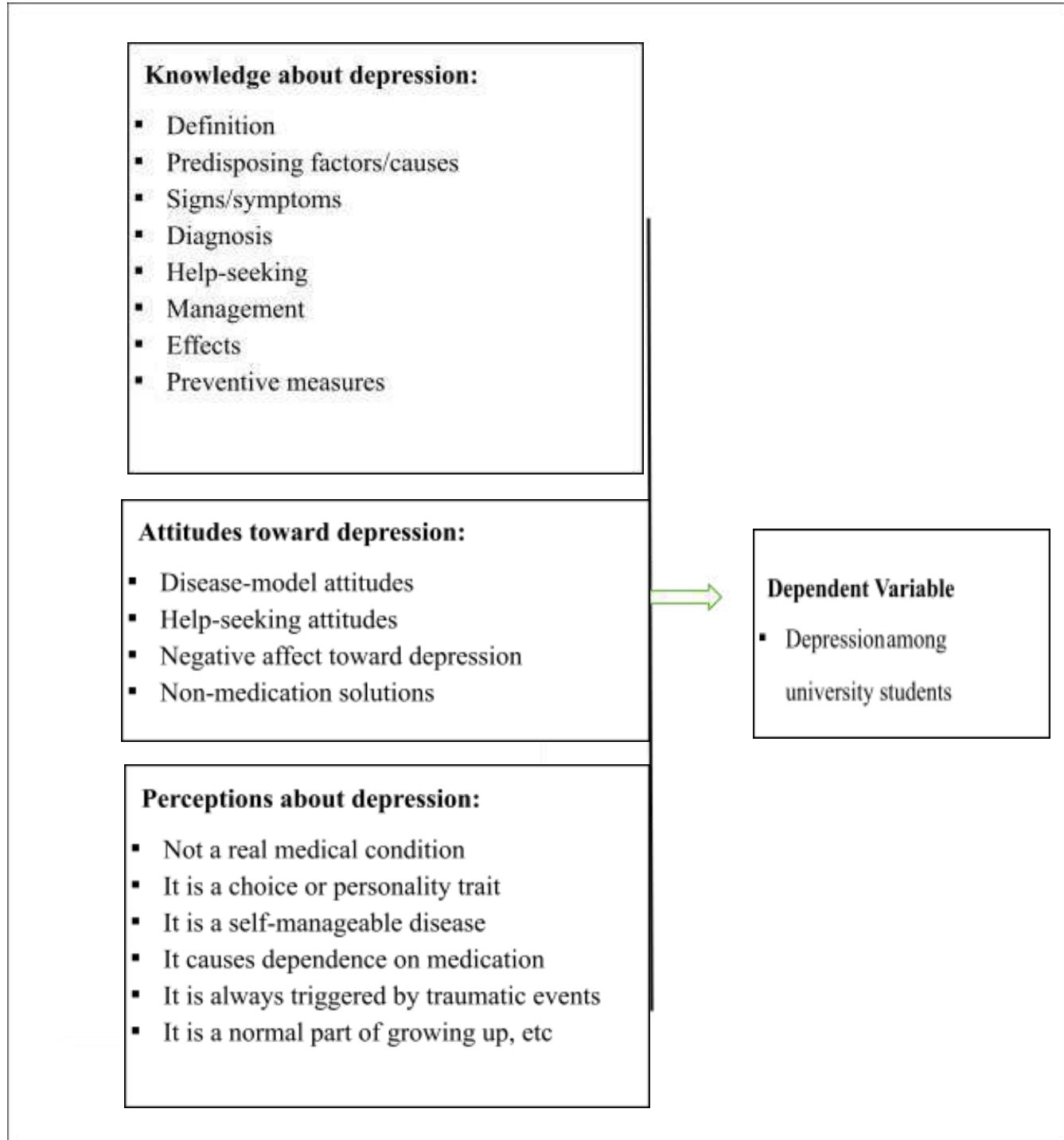
Figure 1 below shows the diagrammatic representation of the interaction between the different variables. Source: Drafted by the researchers from literature reviewed
According to figure 1 above, people's perceptions about depression depend on both knowledge and attitude towards depression. As such, a person is likely to have good perceptions about depression if they have good knowledge and attitudes toward depression while poor knowledge and attitude is likely to lead to bad perceptions.
II. CHAPTER TWO: LITERATURE REVIEW
2.1 Introduction
This chapter provides a review of literature in relation to knowledge, attitude and perceptions about depression according to other scholars and researchers around the globe.
2.2 Knowledge of Students About Depression
Studies have reported varying levels of depression among university students, with some posting moderate to high levels of knowledge and understanding about depression while others indicate low rates of knowledge about depression among university students. Further, some studies posted good to moderate levels of knowledge regarding some aspects of depression while reporting poor understanding about other aspects of depression among students.
For example, a study by Rong et al. (2011) about improving knowledge and attitudes towards depression: a controlled trial among Chinese medical students, it was obvious that the students who participated in the study had poor to moderate levels of knowledge about depression, with only 41.1% of them being knowledgeable about the predisposing factors or causes of depression, and only 38.9% being knowledgeable about the proper management for depression.
However, majority of them were knowledgeable about the definition of depression (63.2%), help-seeking for depression (58.9%), and the signs/symptoms of depression (61.1%). In terms of signs/symptoms of depression, more than three quarters (85.9%) mentioned at least three typical signs or symptoms of depression (Rong et al., 2011).
The Rong et al. (2011) study further depicted a moderate level of knowledge about depression as only 63.1% of the study respondents were in position to mention at least three common behaviours or experiences of persons with depression. Nonetheless, the commonest mentioned behaviors were: "suicidal thoughts or behaviour", "be unable to concentrate or have difficulty thinking", "suicidal thoughts or behaviour", "stop going out", and "withdrawal from close family and friends". Further, knowledge about depression was moderate as only 47% of the participants were aware of antidepressant medications, and only 22% knew of the possibility of returning to full recovery from depression (Rong et al., 2011).
In another study, Aina & Adebowale (2021) assessed the knowledge and prevalence of depression among students on College of Medicine University of Lagos, Nigeria, and reported that slightly more than a half (56.5% of 400 students) who participated in the study had good knowledge of depression but the rest had glaring gaps in knowledge about depression.
Slightly more than a half (52.5%) of them were able to give the correct definition of depression, and 58.9% could tell the signs/symptoms of depression. However, less than a half, 47.2% knew more than two dangers of depression, and only 27.8% of them could tell that depression was a significant mental health problem among university students which tends to be a main cause of disability and poor learning outcomes. Further, knowledge was scanty regarding the causes of depression, and only 18.5% of the students mentioned the connectedness of depression with stress as well as alcohol and drug abuse.
Other studies have also highlighted limited knowledge of students regarding depression. For example, a study involving students of Jimma University highlighted a generally low understanding about the predisposing factor for depression (Ahmed, Negash, Kerebih, Alemu & Tesfaye, 2020), while Students at Punjab University confused depression with anxiety and stress (Singh, Goel, Sharma, Bakshi, 2017). In Vietnam, students at Tra Vinh University had challenges giving the correct definition or predisposing factors for depression (Thi et al., 2019). However, majority of them acknowledged depression can be a big challenge that affects academic performance among university students, and agreed that seeking professional help is key for battling depression among university students (Thi et al., 2019).
2.3 Attitudes of Students Toward Depression
Studies have reported different levels of attitude of students about depression, with some studies indicating good attitude while others indicate poor attitude of students toward depression. For example, majority of students in the controlled trial among Chinese medical students (Rong et al. (2011) had poor attitude toward depression at baseline, with male students having higher scores reflecting more stigmatising attitudes compared with the female students (44.58, SD 7.07 vs. 42.66, SD 6.23, t = 2.07, d.f. = 203, P = 0.040). The study posted improvements in attitudes but with no significant association between attitude scores and age, course, year of study, area of origin, experience with depression, personal level of psychological distress, previous love/sexual relationships involved in, and use of alcohol or drugs. Other studies have also reported poor to good attitudes about depression among university students.
For example, according to the study by Yakushi et al. (2017) about usefulness of an educational lecture focusing on improvement in public awareness of and attitudes toward depression and its treatments, it was obvious that majority of the study participants expressed negative feelings in relation to disease-model attitudes, help-seeking attitudes, and on the negative affect toward depression. Most of them had a negative attitude toward depression as they would freely associate with people who have suffered from depression, while majority maintained social distance.
However, most of them expressed a positive attitude toward non-medication solutions for depression, and mostly preferred to seek help from family or friends as they considered this to be more helpful than medicalized treatment (Yakushi et al., 2017). This however, is an indication of poor attitude toward medical treatment of depression, and might be associated with poor help-seeking behavior for depression.
Negative attitude toward depression have also been observed in a study about public awareness about depression and suicide (Dumesnil & Verger, 2009). According to this, negative feelings about depression were observed in relation to disease-model attitudes, help-seeking attitudes, and on the negative affect toward depression. Further, negative attitudes toward depression were highlighted, expressed in personal stigma and social distance expressed toward persons who have suffered from depression, similar to what was reported in Japan than in other countries (Griffiths et al., 2006). Due to negative attitudes toward depression, Dumesnil & Verger (2009) recommended that public awareness campaigns should be conducted about depression in order to lead to modest improvement in public knowledge of and attitudes toward depression and suicide. However, positive attitudes about depression were observed concerning use of non-medication solutions for depression, similar to what was reported by (Yakushi et al., 2017).
Negative or stigmatizing attitudes toward people suffering from depression were also observed in a study involving psychology students despite their ability to recognize major depression than the general public (Economou et al., 2017). Such attitudes were shaped jointly by the public stigma attached to mental illnesses as well as by the content and delivery of mental health professionals' undergraduate training. According to the random sample of 167 undergraduate students who were recruited from the psychology department of one public university in Athens, majority of the study participants were ambivalent toward people suffering from depression. Further, to the majority, antidepressants were not deemed helpful to persons suffering from depression. The study participants being psychology students, their negative attitude toward depression and its treatment might render them incapable of understanding their patients, responding to their needs and providing them with appropriate help, while they may hinder their effective collaboration with psychiatrists.
In Cameroon, Mulango et al. (2018) conducted a study to assess the knowledge, attitudes and practices of primary health care providers about depression. The study found that generally, public healthcare providers had a mix of good and poor attitudes toward depression. Less than half (42.5%) of them disagreed that it is difficult to differentiate unhappiness from a clinical depressive disorder that needs treatment. More than half (61.5%) perceived that antidepressants usually produce a satisfactory result in treatment of depressed patients. Further, nearly two thirds (67.3%) believed that most depressive disorders improve without medication. A vast majority (82.7%) endorsed the statement that public healthcare providers could be useful persons to support depressed patients, and more than 60% of the respondents agreed that if depressed patients need antidepressants or psychotherapy they are better off with psychiatrists.
2.4 Perceptions of Students About Depression
Studies have reported different perceptions of people about depression. For example, according to the studies in Australia and Japan by Jorm et al. (2005) about public beliefs about treatment and outcome of mental disorders, some community members had the perceptions that personal weakness is a cause of depression, overconfidence in self-awareness is a sign of depression, depression is a self-manageable disease, and that help for depression should be sought from family as opposed to general practitioners and psychiatrists. There were also perceptions that depression causes over-reliance /dependence on medication and over-expectations from counselling, which leads to stigmas related to depression. However, there were no differences in perceptions depending on age, gender or other personal characteristics of participants. Nonetheless, even recent studies have posted several perceptions and attributes about depression among university students.
According to Huizen (2019), people have a number of perceptions about depression. These include: some people discredit depression by claiming that it is not a real medical condition, and that it is some sort of choice or personality trait instead, medications are always the best way to treat depression, depression is always triggered by a traumatic event, depression is a normal part of growing up, all women develop depression after giving birth, men do not develop depression, a person will develop depression if a family member has it, taking antidepressants is a lifetime commitment, everyone experiences depression in the same way, depression and sadness or self-pity are the same thing, keeping busy cures depression, depression develops at a certain age, people with depression always seem sad or show obvious symptoms, depression is a natural part of aging, talking about depression makes it worse, and that herbal supplements can help treat depression.
In another study, Geisner et al. (2015) explored college students' perceptions of depressed mood. Of the 1,577 undergraduate students aged 18-24 who participated in the study through an online survey as part of a larger study on drinking and depressed mood, most students under-estimated the prevalence of sadness and depression experienced by other students, and this finding was especially true for male students. Conversely, most students over-estimated the prevalence of suicidal ideation. Students who reported experiencing a given feeling in the past two weeks perceived greater rates of the feeling among other students. Depression symptoms were associated with both greater perceived prevalence of sadness, depression and suicidal ideation, as well as correct and over-estimates of the prevalence of sadness and depression. Implications for future directions in prevention and interventions efforts are discussed.
In another study, Abbas et al. (2015) determined the prevalence of depression and its perceptions among undergraduate pharmacy students at the university of Sunderland, England, United Kingdom. Of the 433 students who participated in the study, a huge proportion (39.7%) of them believed that depressed individuals are a threat to the society. The majority disagreed with the idea that depressed individuals can never recover (N = 300, 69.3%) and no improvements despite treatment (N = 307, 70.9%). These findings are indicative of wrong perceptions about depression.
In Sri Lanka, Amarasuriya et al. (2015) conducted a study about the perceptions and intentions relating to seeking help for depression among medical undergraduates. According to this cross-sectional study which was conducted among 620 medical students and 4050 non-medical undergraduates, only 50% of the study participants had the perception that professional help-seeking alone was needed to deal with depression. Other studies highlighted depression-related perceptions to include depression being the cause of suicide, and the perceptions that a person who has suffered from depression can never gain meaningful social relationships and psychological well-being. These perceptions were observed to impede the recovery process from depression (Griffiths et al., 2004; Gulliver et al., 2012; Drapalski et al., 2013).
III. CHAPTER THREE: METHODOLOGY
3.1 Introduction
This chapter describes the study design, the study area, data sources, study population, inclusion and exclusion criteria, the sample size determination technique, the sampling procedures, study variables, data collection tools, data collection techniques, data management, quality control measures, data analysis techniques, ethical consideration, study limitations, and plan for dissemination.
3.2 Study Design
The study was descriptive in nature and was based on the cross-sectional research design. The study was descriptive because it summarized the findings using descriptive statistics of frequencies and percentages. The study was cross-sectional because it was conducted at the same point in time, which was favorable for the researchers' limited time and financial resources for conducting research and yet it leads to the realization of the study set objectives.
3.3 Study Area
The study was carried out at Clarke International University (CIU), which is located in Kampala City, Uganda. Formerly called International Health Sciences University, CIU is a private non-residential university in Uganda. The university has its main campus at 4686 St. Barnabas Road, Namuwongo, a southeastern section of Kampala, Uganda's capital and largest city. The university has an annex on campus, that is located at St.
Agnes Academy, Muwayire Road, Kisugu, Kampala, Uganda. It has one institute and three functional schools. These include: The Institute of Health Policy and Management, the School of Nursing & Midwifery, the School of Allied Health Sciences, and the School of Business and Applied Technology.
The university offers a number of postgraduate degree courses, undergraduate degree courses, diploma courses, and certificate courses in the fields of nursing, clinical medicine and community health, healthcare management and administration, and others. This area was selected for this study because it has registered a sizeable number of students who have suffered from depression. It is therefore necessary to conduct this study to explore the knowledge, attitude and perceptions about depression among the student population in order to provide information that was helpful for instituting measures for preventing and combating depression among students.
3.5 Data Sources
The study utilized primary sources of data, and this was obtained from the study respondents who were the students of CIU.
Secondary sources of data were obtained from published articles and ministry of health publications.
3.6 Study Population
The study targeted students at CIU.
3.6.1 Inclusion Criteria
The study included students who were registered and attending lectures at CIU and consented in writing to take part in the study and those who were present at the University campus during the study.
3.6.2 Exclusion Criteria
The study excluded those who were not present at the university campus during the time of the study.
3.7 Sample Size Determination
The study sample size was determined using Kish (1965) formula for cross sectional study:
Where:
Z - value at 95% confidence interval (1.96) d - is the margin of error (5%) n - is the sample size.
P - Estimated proportion of factor of interest (in this case, students who have suffered from depression. At CIU, the proportion of students who have suffered from depression is not known. It was therefore taken to be 10% in order to get meaningful and workable sample size population. Hence, P = 10% or 0.1
Substituting the formula
However, 12 respondents were added (8.7%) to cater for attrition/non-response. Therefore, 150 respondents were considered for this study.
3.8 Sampling Procedures
This involved: sampling of representative institutes/schools, sampling of representative course, and sampling of study respondents.
3.8.1 Sampling of Institutes/Schools
All three institutes/schools at CIU were considered in the study.
3.8.2 Sampling of Courses
Each institute/school offers a number of courses, including graduate, undergraduate, diploma, and certificate courses. However, due to time and financial limitations, two representative courses were selected per institute. This was done by simple random sampling method in order to offer all courses in each selected institute/school an equal chance of being selected to participate in the study. Accordingly, the names of all the available courses in every selected institute/school were written on small pieces of paper of the same size, color, shape, and texture. The pieces of paper were folded and then placed in a small box and covered. The box was shaken, and support staff was asked to pick a piece of paper from the box without returning. The box was shaken again, and a second piece of paper picked. The names on the picked pieces of paper were of those courses that had been selected to participate in the study per institute/ school. In total therefore, six courses were selected to participate in the study (2 per participating institute/school).
3.8.3 Sampling of Study Respondents
Since the study targeted 150 respondents, and six courses were participating in the study, 25 respondents (150/6) were selected per each of the selected courses. This was also done by simple random sampling method in order to offer all students in every selected course an equal chance of being selected to participate in the study. The updated student register shall be obtained from the university academic registrar, and this shall be used as the sampling frame.
Thereafter, the registration numbers of all students in every selected course were written on small pieces of paper of the same size, colour, shape, and texture. The pieces of paper were folded and then placed in a small box and covered. The box was shaken, and an assistant was asked to pick a piece of paper from the box without returning.
The box was shaken again, and a second piece of paper picked. This process was repeated until 25 pieces of paper were picked representing the number of students who had been picked to participate in the study. The registration numbers on the picked pieces of paper were of those students who had been selected to participate in the study course. In total therefore, six courses were selected to participate in the study (2 per participating institute/school). In case a selected student didn't meet the study criteria, a replacement was done in similar manner of simple random sampling described above.
3.9 Study Variables
This study was guided by two kinds of variables: independent variables and dependent variables.
3.9.1 Dependent Variable
This was the outcome variable and therefore it was the perceptions about depression, since it was assumed to result from knowledge and attitude about depression.
3.9.2 Independent Variables
These were the predictor or determinant variables. Therefore, they were the knowledge and attitude toward depression as these were assumed to lead to people's perception about depression.
3.10 Measurement of Variables
The study variables were assessed using questions from the International Depression Literacy Survey (IDLS). The IDLS was developed to investigate the knowledge about general and mental health issues, as well as attitudes and personal mental health experience. It consists of individual perceptions of major health and mental health problems in their countries, knowledge regarding the typical symptoms and common experience of depression and opinion on treatment and recovery. The utility of IDLS has been demonstrated among medical and non-medical students in both Australia and China (Rong et al., 2009; Hickie, Kelk & Medlow, 2010).
3.10.1 Measurement of Knowledge on Depression
In line with the IDLS, the level of knowledge about depression was assessed in three ways: 1) the proportion of students mentioning depression as a main health concern in Uganda (public health impact), 2) the proportion of students mentioning specific common behaviours or experiences for a person with depression (recognition), and 3) the proportion indicating that recovery is possible and that antidepressants are useful (outcome).
3.10.2 Measurement of Attitude Toward Depression
The students' attitudes toward depression was assessed using the Mental Illness: Clinician's Attitude's (MICA) scale which was specially designed for assessing the level of stigmatizing attitudes to mental illness and psychiatry among medical students (Kassam, Glozier, Leese & Thornicroft, 2010). The MICA scale has satisfactory internal consistency, face and construct validity. It includes 16 items. Each item is rated by using a six-point Likert scale from 1 to 6 indicating 'strongly agree', 'agree', 'somewhat agree', 'somewhat disagree', 'disagree', and 'strongly disagree', respectively. The MICA was adapted to this study with modification of the phrase "mental illness" being translated as "depression".
3.10.3 Measurement of Perception toward Depression
Perceptions about depression were measured through "true" or "false" answers to each of the perception questions.
3.11 Data Collection Techniques
Data from the respondents was collected through self-administered questionnaire method. In this process, the researchers distributed the data collection tool to the respondents who completed it and then returned to the researchers. This was because the respondents were in position to complete the questionnaire in the English language in which it was designed.
3.12 Data Collection Tools
Data was collected using semi-structured questionnaires for obtaining quantitative data for the study. The data collection tool contained closed -ended questions in order to enable the respondents to give specific responses to the questions. It was arranged in four sections.
Section A was used to obtain data on socio-demographic characteristics of respondents. Section B of the questionnaire comprised of the questions for assessing knowledge on depression.
Section C had questions for obtaining data on attitudes toward depression, and section D had questions for assessing the perceptions about depression. The data collection tool was organised in English language since the study respondents being university students, they were considered to be comfortable with reading and writing in English language. Therefore, no translation of the data collection tool was done.
3.13 Quality Control Measures
This was done to ensure that the research tools measure what is intended to be measured. Quality control measures include validity and reliability checks.
3.13.1 Reliability
According to Eisinga et al. (2012), reliability is the overall consistency of a measure. It is the degree to which the result of a measurement, calculation, or specification can be depended on to be accurate. In the current study, reliability was ensured through giving the research tools to the supervisor to ensure they are essential for obtaining the study objectives. Thereafter, the data collection tools were subjected to ethical review, where thereafter, the university research and ethics committee certified them for use in the study.
3.13.2 Validity
According to Brains and Manheim (2011), validity is the main extent to which a concept, conclusion or measurement is well-founded and likely corresponds accurately to the real world. In the current study, validity was ensured through pre-testing of the study questionnaire in order to ensure that the questions are easily understandable for the respondents. This pre-testing exercise was conducted at the nearby Kampala International University by giving the questionnaire to ten undergraduate students who completed the questionnaire and thereafter returned it to the researchers. After pre-testing, adjustments were made in the questionnaire in order to make modifications that made the questionnaire understandable before being applied on the main study respondents at CIU.
3.14 Data Management Measures
These include data editing and data coding.
3.14.1 Data Editing
On the respondents returning the completed questionnaire, the researchers went through it to assess its completeness. Further, after entry, data was cleaned prior to analysis.
3.14.2 Data Coding
The study used a pre-coded questionnaire in order to facilitate data entry and analysis.
3.15 Data Analysis
This was done by entering quantitative data into the computer-based Statistical Package for Social Sciences Research (SPSS), version 22 for window. All objectives were analysed using descriptive statistics of frequencies and percentages.
3.16 Ethical Considerations
These included the approval of the written proposal by the administration and the Research and Ethics Committee (REC) of CIU, and obtaining informed consent from the study respondents before allowing them to participate in the study. The respondents were assured of confidentiality, the reason as to why their names or other specific identifiers were not to be used in the study. They were assured that participation in study was free, and that they were at liberty to withdraw from the study at any stage if they so wished.
3.17 Covid-19 Mitigation
The study was to incorporate the Corona Virus Disease (COVID-19) Standard Operating Procedures (SOPs) set by the Ministry of Health. The researchers ensured to avoid overcrowding, and any other practices that fuel the spread of COVID-19. Other SOPs such as hand hygiene through proper hand washing or sanitizing and application of the face masks were ensured by both the researchers and respondents during the time of data collection.
3.18 Limitations of the Study
This was a cross sectional study relying on self-report by the respondents, some of whom could have given inaccurate information. Also, self-reported questionnaires could have been open to specific response biases. Further, the study was conducted in a private university, the study population could have been limited in terms of diversity of students admitted at the university.
Therefore, the study findings might have not been truly representative of the students and universities in Uganda.
3.19 Plan for Dissemination of Study Results
Approved copies of research dissertation are to be submitted to the administration of CIU.
Additionally, the researchers made efforts to disseminate the study findings through student seminars and conferences organised at the university, and also through other scientific seminars and conferences, both local and international. The researchers shall also ensure to publish the study findings in reputable journals of science and nursing.
IV. CHAPTER FOUR: STUDY RESULTS
4.1 Introduction
This study was conducted among 150 students of CIU to assess their knowledge, attitude, and perceptions about depression. The study respondents were randomly selected from six representative courses at the university. These included: bachelor of public health, bachelor of nursing science, diploma midwifery, diploma clinical medicine, diploma pharmacy, and diploma public health courses (Table 1).
4.2 Sociodemographic Characteristics of Respondents Table 1: Sociodemographic Characteristics of Respondents
| Characteristics | Frequency (n = 150) | Percent (%) |
| Age | ||
| <20 years | 27 | 18.0 |
| 20 - 25 years | 88 | 58.7 |
| >25 years | 35 | 23.3 |
| Gender | ||
| Male | 52 | 34.7 |
| Female | 98 | 65.3 |
| Course of study | ||
| Bachelor of Public Health | 25 | 16.7 |
| Bachelor of Nursing Science | 25 | 16.7 |
| Diploma Midwifery | 25 | 16.7 |
| Diploma Clinical Medicine | 25 | 16.7 |
| Diploma Pharmacy | 25 | 16.7 |
| Diploma Public Health | 25 | 16.7 |
| Year of study | ||
| One | 25 | 16.7 |
| Two | 50 | 33.3 |
| Three | 50 | 33.3 |
| Four | 25 | 16.7 |
According to study results summarized in Table 1 above, majority of the study respondents, 88(58.7%) were aged 20 – 25 years while the least, 27(18.0%) were those below the age of 20 years. Majority, 98(65.3%) were female. An equal number of students, 25(16.7%) were selected from each of the representative courses of bachelor of public health, bachelor of nursing science, diploma midwifery, diploma clinical medicine, diploma pharmacy, and diploma public health courses. An equal number of students, 50(33.3%) were in years 2 and 3 of study while an equal number, 25(16.7%) were in years 1 and 4 of study respectively.
4.3 Knowledge about Depression
All study respondents, 150(100.0%) had ever heard about depression, and were therefore further assessed for their knowledge by asking about specific components about depression, for example: knowledge of depression as a main health concern in Uganda, knowledge of signs or symptoms as well as typical behaviours and experiences of people with depression. They were also assessed for their knowledge about whether a person who has suffered depression can gain full recovery from the condition, and if they are aware of the existence of antidepressants for managing depression. Table 2 shows the summary of results.
Table 2: Respondents' Knowledge about Depression
| Characteristics | Frequency (n = 150) | Percent (%) | ||
| Knows that depression is a main health concern in Uganda | ||||
| Yes | 43 | 28.7 | ||
| No | 107 | 71.3 | ||
| Knows some signs or symptoms of depression | ||||
| Yes | 101 | 67.3 | ||
| No | 49 | 32.7 | ||
| Knows at least three signs or symptoms of depression | ||||
| Yes | 42 | 28.0 | ||
| No | 59 | 39.3 | ||
| N/A (Doesn't know the signs/symptoms) | 49 | 32.7 | ||
| *Known signs/symptoms typifying a person with depression | ||||
| Being sad, down or miserable | 27 | 18.0 | ||
| Sleep disturbance | 10 | 6.7 | ||
| Being unhappy or depressed | 36 | 24.0 | ||
| Feeling tired all the time | 3 | 2.0 | ||
| Thinking that life is not worth living | 9 | 6.0 | ||
| Thinking of worthlessness | 17 | 11.3 | ||
| Thinking of being a failure | 12 | 8.0 | ||
| Having no confidence | 5 | 3.3 | ||
| Feeling frustrated | 18 | 12.0 | ||
| Feeling overwhelmed | 21 | 14.0 | ||
| N/A (Doesn't know the signs/symptoms) | 49 | 32.7 | ||
| *Typical behaviours and experiences of people with depression | ||||
| Unable to concentrate/have difficulty thinking | 31 | 20.7 | ||
| Stop doing things they enjoy | 29 | 19.3 | ||
| Withdraw from close family and friends | 37 | 24.7 | ||
| Have relationship or family problem | 18 | 12.0 | ||
| Stop going out | 25 | 16.7 | ||
| Become dependent on sedatives | alcohol, drugs | or | 30 | 20.0 |
| Have suicidal thoughts or behaviours | 27 | 18.0 | ||
| Not get things done at school/work | 16 | 10.7 | ||
| Lack of selfcare | 26 | 17.3 | ||
- Respondents were giving more than one answer
N/A (Doesn't behaviours/experiences) know the 44 29.3 A person who has suffered depression can gain full recovery from the condition Yes 72 48.0 No 78 52.0 Antidepressants are useful in managing depression Yes 83 55.3 No 67 44.7
According to the study results as indicated in Table 2 above, majority, 107(71.3%) of the study respondents were not aware that depression is a main health concern in Uganda, and only slightly above a quarter of them, 43(28.7%) were aware of this fact. Majority of them, 101(67.3%) knew some signs or symptoms of depression. However, only 42(28.0%) knew at least three signs or symptoms of depression. Being unhappy was the most mentioned sign/symptom of depression, followed by being sad, down or miserable, 27(18.0%), while the least known sign/symptom of depression was feeling tired all the time, 3(2.0%).
Most of them, 101(67.3%), were aware of the typical behaviors and experiences of people with depression, and the most mentioned behavior/experience was withdrawal from close family and friends, 37(24.7%).
Furthermore, according to the study results as indicated in Table 2 above, slightly more than a half, 78(52.0%) of the study respondents were not aware that a person who has suffered depression can gain full recovery from the condition, and only slightly more than a half, 83(55.3%) were aware that antidepressants are useful in managing depression.
4.4 Level of Knowledge about Depression
The level of knowledge about depression was determined by finding out the number of study respondents who were in position to answer all knowledge questions correctly, those who answered them partially and those who didn't answer any of the knowledge questions correctly.
{"image_source":{"path":"images/9d6d430efdf6782e8a8e3a8a2a29d0dbd026120635dbf4918d20f5eb41ba0428.jpg"},"content":"","chart_caption":[{"type":"text","content":"(n = 150)"},{"type":"text","content":"Figure 2: Respondents' Level of Knowledge about Depression"}],"chart_footnote":[]} In the study results as indicated in Figure 2 above, slightly more than a quarter, 38(25.3%) of the study respondents were fully knowledgeable about depression can as they were in position to answer all knowledge questions correctly, while the majority of them, 112(74.7%) were only partially knowledgeable since they were in position to answer some but not all knowledge questions correctly. None of them wasn't knowledgeable since none failed to answer any of the knowledge questions correctly.
4.5 Attitude of Respondents Toward Depression
The respondents' attitude toward depression were measured through 16 items on the MICA scale using a six-point Likert scale indicating strongly agree (SA), agree (A), somewhat agree (SAG), somewhat disagree (SAD), disagree (D), and strongly disagree (SD). SA, A, and SAG indicate negative attitude toward the depression while SAD, D and SD indicate positive attitude toward depression in line with the assessment statements.
Table 3: Respondents' Attitudes Toward Depression (n = 150)
| Statement | SA | A | SAG | SAD | D | SD | ||||||
| Freq. | % | Freq. | % | Freq. | % | Freq. | % | Freq. | % | Freq. | % | |
| I just learn about depression when I have to, and would not bother reading additional material on it. | 27 | 18.0 | 41 | 27.3 | 11 | 7.3 | 17 | 11.3 | 34 | 22.7 | 20 | 13.3 |
| People with a severe depression can never recover enough to have a good quality of life. | 24 | 16.0 | 29 | 19.3 | 21 | 14.0 | 26 | 17.3 | 25 | 16.7 | 25 | 16.7 |
| Working in the depression clinic or field is not as respectable as other fields of health and social care | 19 | 12.7 | 29 | 19.3 | 27 | 18.0 | 19 | 12.7 | 31 | 20.7 | 25 | 16.7 |
| If I had depression, I would never admit this to my friends because I would fear being treated differently. | 38 | 25.3 | 33 | 22.0 | 26 | 17.3 | 23 | 15.3 | 18 | 12.0 | 12 | 8.0 |
| People with a severe mental illness are dangerous more often than not | 36 | 24.0 | 31 | 20.7 | 31 | 20.7 | 17 | 11.3 | 19 | 12.7 | 16 | 10.7 |
| Health/social care staff know more about the lives of people treated for depression than do family members or friends. | 43 | 28.7 | 16 | 10.7 | 18 | 12.0 | 26 | 17.3 | 31 | 20.7 | 16 | 10.7 |
| If I had depression, I would never admit this to my colleagues for fear of being treated differently. | 47 | 31.3 | 42 | 28.0 | 40 | 26.7 | 8 | 5.3 | 9 | 6.0 | 4 | 2.7 |
| Being a health/social care professional working on depression is not like being a real health/social care professional | 28 | 18.7 | 29 | 19.3 | 16 | 10.7 | 25 | 16.7 | 27 | 18.0 | 25 | 16.7 |
| If a senior colleague instructed me to treat people with depression in a disrespectful manner, I would follow their instructions. | 9 | 6.0 | 15 | 10.0 | 6 | 4.0 | 45 | 30.0 | 39 | 26.0 | 36 | 24.0 |
| I feel uncomfortable talking to a person with depression | 22 | 14.7 | 27 | 18.0 | 26 | 17.3 | 27 | 18.0 | 21 | 14.0 | 27 | 18.0 |
| A health/social care professional supporting a person with depression doesn't have to ensure that their physical health is assessed as well. | 13 | 8.7 | 15 | 10.0 | 21 | 14.0 | 46 | 30.7 | 31 | 20.7 | 24 | 16.0 |
| The public needs to be protected from people with severe depression | 34 | 22.7 | 33 | 22.0 | 25 | 16.7 | 25 | 16.7 | 22 | 14.7 | 11 | 7.3 |
| If a person with depression complained of physical symptoms (such as chest pain), I would attribute it to their mental illness. | 36 | 24.0 | 21 | 14.0 | 19 | 12.7 | 21 | 14.0 | 29 | 19.3 | 24 | 16.0 |
| General practitioners should not be expected to complete a thorough assessment for people with depression symptoms because they can be referred to a psychiatrist. | 9 | 6.0 | 19 | 12.7 | 42 | 28.0 | 43 | 28.7 | 19 | 12.7 | 18 | 12.0 |
| I would use the terms 'crazy', 'mad' etc. to describe to colleagues people with depression | 3 | 2.0 | 16 | 10.7 | 13 | 8.7 | 47 | 31.3 | 44 | 29.3 | 27 | 18.0 |
| If a colleague told me they had depression, I would not want to work with them. | 21 | 14.0 | 27 | 18.0 | 25 | 16.7 | 24 | 16.0 | 28 | 18.7 | 25 | 16.7 |
The study results indicated in Table 3 above show that majority of the respondents had negative/poor attitudes toward depression. This can be observed in majority of them, 79(52.7%) agreeing that they can just learn about depression when they have to and that they would not bother reading additional material on it [27(18.0%) strongly agreed; 41(27.3%) disagreed, and 11(7.3%) somewhat agree].
Furthermore, majority of them, 97(64.7%) indicated that if they had depression, they would never admit this to my friends because of fear of being treated differently [38(25.3%) strongly agreed, 33(22.0%) agreed, and 26(17.3%) somewhat agreed]. Similarly, majority of them, 129(86.0%) would never admit to colleagues if they had depression [47(31.3%) strongly agreed, 42(28.0%) agreed, and 40(26.7%) somewhat agreed].
Negative attitude toward depression can also be observed in a half of the respondents, 75(50.0%) indicating that they feel uncomfortable talking to a person with depression [22(14.7%) strongly agreed, 27(18.0%) agreed, and 26(17.3%) somewhat agreed], and in 73(48.7%) not wanting to work with colleague with depression [21(14.0%) strongly agreed, 27(18.0%) agreed, and 25(16.7%) somewhat agreed](Table 3).
4.5 Respondents' Perceptions About Depression
Respondents' perceptions were measured through "true" or "false" answers to each of the perception questions, with "true" answers indicating the perceptions that the respondents had about depression. Table 4 below shows the summary of results on respondents' perceptions about depression.
Table 4: Respondents' Perceptions About Depression n = 150
| Perception Statement | True | False | ||
| Freq. | % | Freq. | % | |
| People with depression often speak in a rambling and disjointed way | 17 | 11.3 | 133 | 88.7 |
| People with depression may feel guilty when they are not at fault | 85 | 56.7 | 65 | 43.3 |
| Reckless and foolhardy behaviour is a common sign of depression | 28 | 18.7 | 122 | 81.3 |
| Loss of confidence and poor self-esteem may be a symptom of depression | 91 | 60.7 | 59 | 39.3 |
| Not stepping on cracks in the footpath may be a sign of depression | 36 | 24.0 | 114 | 76.0 |
| People with depression often hear voices that are not there | 77 | 51.3 | 73 | 48.7 |
| Sleeping too much or too little may be a sign of depression | 83 | 55.3 | 67 | 44.7 |
| Eating too much or losing interest in food may be a sign of depression | 98 | 65.3 | 52 | 34.7 |
| Depression affects your memory and concentration | 102 | 68.0 | 48 | 32.0 |
| Having several distinct personalities may be a sign of depression | 11 | 7.3 | 139 | 92.7 |
| People may move more slowly or become agitated as a result of their depression | 57 | 38.0 | 93 | 62.0 |
| Clinical psychologists can prescribe antidepressants | 93 | 62.0 | 57 | 38.0 |
| Moderate depression disrupts a person's life as much as multiple sclerosis or deafness | 125 | 83.3 | 25 | 16.7 |
| Most people with depression need to be hospitalised | 117 | 78.0 | 33 | 22.0 |
| Many famous people have suffered from depression | 5 | 3.3 | 145 | 96.7 |
| Many treatments for depression are more effective than antidepressants | 16 | 10.7 | 134 | 89.3 |
| Counselling is as effective as cognitive behavioural therapy for depression | 44 | 29.3 | 106 | 70.7 |
| Cognitive behavioural therapy is as effective as antidepressants for mild to moderate depression | 21 | 14.0 | 129 | 86.0 |
| Of all the alternative and lifestyle treatments for depression, vitamins are likely to be the most helpful | 27 | 18.0 | 123 | 82.0 |
| People with depression should stop taking antidepressants as soon as they feel better. | 88 | 58.7 | 62 | 41.3 |
| Antidepressants are addictive | 24 | 16.0 | 126 | 84.0 |
| Antidepressant medications usually work straight away | 41 | 27.3 | 109 | 72.7 |
The study results in Table 4 above show that study respondents had different perceptions about depression. For example, majority of them, 85(56.7%) had the perception that people with depression may feel guilty when they are not at fault; 91(60.7%) had the perception that loss of confidence and poor self-esteem may be a symptom of depression; 77(51.3%) had the perception that people with depression often hear voices that are not there; 83(55.3%) had the perception that sleeping too much or too little may be a sign of depression; 98(65.3%) had the perception that eating too much or losing interest in food may be a sign of depression, and 102(68.0%) had the depression affects the memory and concentration of an individual.
Further, majority of them, 125(83.3%) had the perception that moderate depression disrupts a person's life as much as multiple sclerosis or deafness, and 117(78.0%) had the perception that most people with depression need to be hospitalised.
V. CHAPTER FIVE: DISCUSSION
5.1 Introduction
This chapter presents the discussion from the study about the knowledge, attitude and perceptions the students of CIU have about depression.
5.2 Knowledge about Depression
According to the study, majority of the students at CIU, 112(74.7%) are only partially knowledgeable about depression. Probably this was because the study considered all categories of students at the university, some of whom by nature of the courses they were undertaking (table 1) didn't have the opportunity of getting comprehensive information about depression. It could also probably be attributed to the fact that a half of them, 75(50.0%) were in year 1 or 2 of their study (table 1), whereby they might not have been taught about depression yet. This finding however, is not unique as other studies involving students have reported limited knowledge about depression. For example, Rong et al. (2011) in study among Chinese medical students reported moderate levels of knowledge about depression.
However, the Rong et al. (2011) study found a higher proportion (41.1%) of students being fully knowledgeable about depression than the 25.3% in the current study who had good knowledge about depression.
The difference in findings between the current study and that by Rong et al. (2011) can be attributed to differences in study settings with the Rong et al. (2011) study having been conducted in a more technologically advanced setting (China) which could have enabled the students to gain knowledge on depression than the participants in current study which was conducted in a third world country (Uganda). Also, the difference in findings can be attributed to the fact that the Rong et al. (2011) study was conducted among medical students, which could have given them an edge in gaining knowledge about depression than the current study which had a mix of students offering different courses, some of which might not equip learners with information on depression.
Further, current study finding of only about a quarter (25.3%) in the current study having good knowledge about depression is much lower than 56.5% of students from the College of Medicine, University of Lagos, Nigeria (Aina & Adebowale, 2021) who had good knowledge about depression, and this can also be attributed to the Aina & Adebowale (2021) study being conducted among medical students, which probably offered them the opportunity to learn about depression during their course lessons. However, on signs/symptoms of depression, the current study found that majority, 101(67.3%) of the current study that majority, 101(67.3%) of the current study respondents knew some signs or symptoms of depression, slightly higher than the 58.9% who could tell the signs/symptoms of depression in the study by (Aina & Adebowale, 2021). This is probably an indication that students still have gaps in understanding about depression even when they are undertaking medical courses, thereby calling upon university managements to improve information dissemination measures for students in order to improve knowledge and understanding about depression.
In the current study, majority, 107(71.3%) of the study respondents were not aware that depression is a main health concern in Uganda.
This can probably be attributed to their generally moderate knowledge about depression. However, studies in other settings have reported similar settings. For example, Aina & Adebowale (2021) in a study involving students at the College of Medicine in the University of Lagos, Nigeria, reported that only 27.8% of the students were aware that depression was a significant mental health problem in their country. These findings underscore the need for university students to interest their students into taking keen interest in learning about the happenings in their country environments, not only in relation to depression, but other health conditions that can have great negative impact on the students or the general population.
5.3 Attitude about Depression
The study found a relatively poor attitude of students toward depression. For example, majority of them, 97(64.7%) indicated that they would never admit to friends if they had depression; 129(86.0%) would never admit to colleagues if they had depression; 75(50.0%) felt uncomfortable talking to a person with depression; and 73(48.7%) did not want to work with colleagues who have depression (table 3).
These are all indicators of negative attitude toward depression, and could be attributed to limited knowledge and understanding about depression. This finding is supported by the other studies, such as that by Dumesnil & Verger (2009), Rong et al. (2011) Yakushi et al. (2017), which also reported negative attitudes of university students toward depression.
The negative feelings about depression were an indication of poor understanding about depression, and had the implication that university students might subject their colleagues struggling with depression to negative treatment instead of playing a supportive role. This in essence calls for the intervention of the university administration to support awareness creation about depression among university students so as to improve their appreciation of this condition, foster prevention of suffering from the condition, and improve support for those who suffer from this condition as well as tackling and addressing its negative among students.
5.4 Perceptions about Depression
Study respondents had different perceptions about depression (Table 4), with majority of them, 85(56.7%) having the perception that people with depression may feel guilty when they are not at fault; 91(60.7%) had the perception that loss of confidence and poor self-esteem may be a symptom of depression; 77(51.3%) had the perception that people with depression often hear voices that are not there; 83(55.3%) had the perception that sleeping too much or too little may be a sign of depression; 98(65.3%) had the perception that eating too much or losing interest in food may be a sign of depression, and 102(68.0%) had the depression affects the memory and concentration of an individual.
These findings are indicative of negative perception about depression, and could be the results of their limited knowledge and as well as poor attitude toward depression. Their limited knowledge and poor attitude could have led to poor understanding about depression, thereby causing these negative perceptions about the condition.
Negative perceptions about depression have also been reported by other studies, such as the one by Huizen (2019) which also reported university students as having the perceptions that depression those suffering from depression feel guilty when they are not at fault, lose interest in food, or hear voices that might not be there.
Similarly, Geisner et al. (2015) reported university students as having perceptions that those suffering from depression have poor self-esteem, can eat too much, and have trouble concentrating. These are negative perceptions, and can be attributed to limited understanding about depression, and have the potential of negatively influencing students' support to their colleagues suffering with depression, thereby impeding the recovery process from the condition.
These findings are further an indication of the need for university authorities to consider improving awareness creation on depression for their students. This is key for enabling students to play a preventive role in regards to depression, and also offer support to those struggling with the condition.
VI. CHAPTER SIX: CONCLUSION AND RECOMMENDATIONS
6.1 Conclusion
The study found that while awareness about depression was high among the university students, majority of them are only partially knowledgeable about this condition. Their knowledge was generally moderate about depression, which negatively influences their attitude and perceptions about depression. As such, majority of them had negative attitudes and perceptions about depression.
6.2 Recommendations
Basing on the study findings, the researchers hereby make the following recommendations:
-
The university administration should put in place and support measures of improving knowledge about depression among university students. This can be done through conducting routine depression awareness creation clinics, setting up depression support-clubs that can be used as platforms for improving information dissemination and support to those suffering from depression, and through conducting depression information dissemination lectures. This is likely to lead to improvements in students' understanding about depression, thereby improving their attitudes and perceptions toward this condition.
-
The limited knowledge, coupled with negative attitudes and perceptions about depression found in the current study might imply that the students could be silently suffering with this condition. Therefore, the university administration should, in liaison with experts, consider undertaking a depression screening exercise with the aim of identifying and supporting those who might be suffering from depression.
-
The Government of Uganda, through the National Council for Higher Education, should come up with a policy that compels universities and higher learning institutions to incorporate depression information dissemination into orientation programs for all students joining these institutions. This is anticipated to lead to improved understanding of students about depression, which might result in their improvements in attitudes and perceptions about depression.
ACKNOWLEDGMENT
We take this opportunity to appreciate the Almighty God who has given us life and has enabled us to keep striving regardless of the challenges.
We also greatly appreciate our mentor, Mr. Osire Tukei Maurice, who despite his very busy schedule accepted to guide us all the way in this research process. We shouldn't have completed this research without his continuous guidance.
We also greatly appreciate our respondents who accepted to participate in this study and gave us their valuable responses, without which we should never have completed this research process.
Let us also appreciate Ms Mulungi Justine for the moral, financial and spiritual support. We could not have done this without you.
CIU: Clarke International University
COVID: Corona Virus Disease
IDLS: International Depression Literacy Survey
LMICs: Low- and middle-income countries
MICA: Mental Illness: Clinician's Attitudes
MoH: Ministry of Health
SOP: Standard Operating Procedures
SPSS: Statistical Package for Social Sciences Research
REC: Research Ethics Committee
Operational Definitions
Attitude: Refers to the person's settled way of thinking or feeling about depression.
Depression: A mental health disorder characterised by persistently low mood or loss of interest in activities, causing significant impairment in daily life.
Knowledge: The familiarity, awareness, or what a person understands about depression.
Perception: The way in which a person regards, understands, interprets or takes depression to be.
APPENDICES
APPENDIX I: INFORMED CONSENT
Introduction
Hello, my name is Diana Nakayenga. My colleague, Rebecca Kisaakye, and I would like to invite you to participate in this research study which is for academic purposes only.
Objectives
This study seeks to assess the Knowledge, Attitude, And Perceptions About Depression Among Clarke International University Students
Procedures
You are being asked to complete a questionnaire which will take about 20 or 30 minutes. I will give you the questionnaire which you will complete and then return to me.
Risks for participating in the study
There are assumed risks for you when you participate in this study.
Possible benefits
The information collected may be helpful designing strategies for preventing and managing depression among university students.
Your rights as a participant
Your participation will be entirely voluntary. You are free to stop the interview at any time without giving any reason.
Confidentiality
All your responses will be confidential. The researchers will assign a unique identification number, so that your name is not linked to the answers that you give. The results of the study will be presented in a respectful manner, and information that could enable anyone to identify you personally will be reported.
Questions and contacts
If you have any questions for me, about the study or the consent document, please ask before signing, and I will do my best to answer them. You will receive a copy of this consent form if you like. If you have additional questions or if you need to discuss any other aspect of the study, you can contact the researcher at +256 779450390.
STATEMENT OF INFORMED CONSENT
Please tick the box which best describes your assessment of understanding of the above informed consent document:
- I have read the above informed consent document and understand the information provided to me regarding participation in the study and benefits and risks. I give consent to take part in the study and will sign the following page.
Signature/thumbprint of Person Taking Part in Study Date: ____
Name of Person Taking Part in Study ____
APPENDIX II: QUESTIONNAIRE
Questionnaire for Determining Knowledge, Attitude, and Perceptions About Depression Among Clarke International University Students
Respondent Institute/School:......
Section A: Sociodemographic Characteristics
What is your age in complete years?
-
What is your gender? Male () Female ()
-
What is your course of study?
In which year of study are?
Section B: Knowledge About Depression
Have you ever heard about depression? Yes () No ()
If "Yes", continue with the following questions; if "No" please stop here
Do you think that depression as a main health concern in Uganda? Yes () No ()
-
What are some of the signs or symptoms typifying a person with depression? Tick as many as apply.
-
Being sad, down or miserable ()
-
Sleep disturbance ()
-
Being unhappy or depressed ()
-
Feeling tired all the time ()
-
Thinking "Life is not worth living ()
-
Thinking "I'm worthless ()
-
Thinking "I'm a failure ()
-
Feeling frustrated ()
-
Feeling overwhelmed ()
- What are some of typical behaviours and experiences of people with depression? Tick as many as apply.
-
Be unable to concentrate or have difficulty thinking ()
-
Withdraw from close family and friends ()
-
Have relationship or family problem ()
-
Stop going out ()
-
Become dependent on alcohol, drugs or sedatives ()
-
Have suicidal thoughts or behaviours ()
-
Not get things done at school/work ()
-
Lack of selfcare (e.g. have a change in their personal hygiene habits) ()
Do you think that someone who has suffered depression can gain full recovery from the condition? Yes () No ()
Do you think antidepressants are useful in managing depression? Yes () No ()
Section C: Attitude Toward Depression For each of the statements in the table below, indicate (tick) whether you 'strongly agree', 'agree', 'somewhat agree', 'somewhat disagree', 'disagree', and 'strongly disagree'
| Statement | Strongly agree | Agree | Somewhat agree | Somewhat disagree | Disagree | Strongly disagree | |
| 11 | I just learn about depression when I have to, and would not bother reading additional material on it. | ||||||
| 12 | People with a severe depression can never recover enough to have a good quality of life. | ||||||
| 13 | Working in the depression clinic or field is just as respectable as other fields of health and social care | ||||||
| 14 | If I had depression, I would never admit this to my friends because I would fear being treated differently. | ||||||
| 15 | People with a severe mental illness are dangerous more often than not | ||||||
| 16 | Health/social care staff know more about the lives of people treated for depression than do family members or friends. | ||||||
| 17 | If I had depression, I would never admit this to my colleagues for fear of being treated differently. | ||||||
| 18 | Being a health/social care professional working on depression is not like being a real health/social care professional | ||||||
| 19 | If a senior colleague instructed me to treat people with depression in a disrespectful manner, I would not follow their instructions. | ||||||
| 20 | I feel as comfortable talking to a person with depression as I do talking to a person with a physical illness. | ||||||
| 21 | It is important that any health/social care professional supporting a person with depression also ensures that their physical health is assessed. | ||||||
| 22 | The public does not need to be protected from people with severe depression | ||||||
| 23 | If a person with depression complained of physical symptoms (such as chest pain) I would attribute it to their mental illness. | ||||||
| 24 | General practitioners should not be expected to complete a thorough assessment for people with depression symptoms because they can be referred to a psychiatrist. | ||||||
| 25 | I would use the terms 'crazy', 'mad' etc. to describe to colleagues people with depression who I have seen in my work | ||||||
| 26 | If a colleague told me they had depression, I would still want to work with them. |
Section D: Perceptions About Depression For each of the statements in the table below, indicate (tick) "True" or "False" depending on whether you agree or disagree with the statement
| Statement | True | False | |
| 27 | People with depression often speak in a rambling and disjointed way | ||
| 28 | People with depression may feel guilty when they are not at fault | ||
| 29 | Reckless and foolhardy behaviour is a common sign of depression | ||
| 30 | Loss of confidence and poor self-esteem may be a symptom of depression | ||
| 31 | Not stepping on cracks in the footpath may be a sign of depression | ||
| 32 | People with depression often hear voices that are not there | ||
| 33 | Sleeping too much or too little may be a sign of depression | ||
| 34 | Eating too much or losing interest in food may be a sign of depression | ||
| 35 | Depression does not affect your memory and concentration | ||
| 36 | Having several distinct personalities may be a sign of depression | ||
| 37 | People may move more slowly or become agitated as a result of their depression | ||
| 38 | Clinical psychologists can prescribe antidepressants | ||
| 39 | Moderate depression disrupts a person's life as much as multiple sclerosis or deafness | ||
| 40 | Most people with depression need to be hospitalised | ||
| 41 | Many famous people have suffered from depression | ||
| 42 | Many treatments for depression are more effective than antidepressants | ||
| 43 | Counselling is as effective as cognitive behavioural therapy for depression | ||
| 44 | Cognitive behavioural therapy is as effective as antidepressants for mild to moderate depression | ||
| 45 | Of all the alternative and lifestyle treatments for depression, vitamins are likely to be the most helpful | ||
| 46 | People with depression should stop taking antidepressants as soon as they feel better. | ||
| 47 | Antidepressants are addictive | ||
| 48 | Antidepressant medications usually work straight away |
To: Kisaakye Rebecca
23/10/2021
0702113059
Type: Initial Review
Re: CLARKE-2021-189: Knowledge, attitudes and perceptions about depression among students of Clarke International University, 2.0, 2021--20
I am pleased to inform you that at the 24th convened meeting on 20/10/2021, the Clarke International University REC, committee meeting, etc voted to approve the above referenced application.
Approval of the research is for the period of 23/10/2021 to 23/10/2022.
As Principal Investigator of the research, you are responsible for fulfilling the following requirements of approval:
-
All co-investigators must be kept informed of the status of the research.
-
Changes, amendments, and addenda to the protocol or the consent form must be submitted to the REC for re-review and approval prior to the activation of the changes.
-
Reports of unanticipated problems involving risks to participants or any new information which could change the risk benefit: ratio must be submitted to the REC.
-
Only approved consent forms are to be used in the enrollment of participants. All consent forms signed by participants and/or witnesses should be retained on file. The REC may conduct audits of all study records, and consent documentation may be part of such audits.
-
Continuing review application must be submitted to the REC eight weeks prior to the expiration date of 23/10/2022 in order to continue the study beyond the approved period. Failure to submit a continuing review application in a timely fashion may result in suspension or termination of the study.
-
The REC application number assigned to the research should be cited in any correspondence with the REC of record.
-
You are required to register the research protocol with the Uganda National Council for Science and Technology (UNCST) for final clearance to undertake the study in Uganda.
The following is the list of all documents approved in this application by Clarke International University REC:
| No. | Document Title | Language | Version Number | Version Date |
| 1 | Protocol | English | 2.0 | 2021--20 |
| 2 | Risk Management Plan | English | 1 | 2021-09-13 |
| 3 | Informed Consent forms | English | 1 | 2021-09-13 |
| 4 | Data collection tools | English | 1 | 2021-09-13 |
Yours Sincerely
Kaweguca
Samuel Kabwigu
For: Clarke International University REC
Dear Sir/Madam,
RE: ASSISTANCE FOR RESEARCH
Greetings from Clarke International University.
Her topic of research is: Knowledge, Attitude and Perceptions about Depression among Clarke International University Students.
This therefore is to kindly request you to render the student assistance as may be necessary for research. I, and indeed the entire University are grateful in advance for all assistance that will be accorded to our student.
Sincerely Yours,
 Figure 1: Conceptual Framework
Ms. Agwang Agnes
Dean, School of Nursing and Midwifery
Make a Difference
Kawagga Close, off Kalungi Road, Muyenga Block 224 | Plot 8244 Bukasa Kyadondo P.O.Box 7782 Kampala-Uganda
APPENDIX V: COVID-19 RISK MANAGEMENT PLAN
Introduction
The COVID-19 virus has been a serious health threat globally and has led to the death of many people. Therefore, there is need to take extra precaution when carrying out a research during this pandemic. The COVID-19 is a disease that is transmitted by people carrying the virus. The disease can be spread from person to person through aerosols expelled from the nose and mouth when a person coughs or sneezes. It can also be transmitted when humans have contact with hands or surfaces that contain the virus and touch their face, mouth or nose with the contaminated hands.
There is currently no specific treatment for COVID-19 and the vaccine which is there has only been given to few Ugandans leaving out the biggest portion out. Due to the rapidly increasing number of cases in the country, there is a great danger posed among communities to have cross infection from either symptomatic or asymptomatic individuals if COVID 19 safety guidelines are not well observed.
The researcher and the 2 research assistants who are to engage study participants using a printed questionnaire to collect data may be at high risk of infection which may potentially increase the risk of transmitting COVID-19 between study participants, their household members, participant to study staff and vice versa.
This Plan is designed to ensure the health and safety of research team and study participants against COVID-19. The following protocols will be observed to ensure the protection of study participants and my research team;
-
The research assistants and I will put on masks covering the mouth and the nose properly and consistently.
-
The research assistants and I will use an alcohol based sanitizers containing 80% alcohol several times.
-
My research assistants and I will maintain a 2-meter distance from our study participants during data collection.
-
Data collection will be done in an environment that is well aerated and few participants will be handled at a time to avoid overcrowding and the spread of COVID-19.
Conflict of Interest
The authors declare no conflict of interest.
Ethical Approval
Not applicable
Data Availability
The datasets used in this study are openly available at [repository link] and the source code is available on GitHub at [GitHub link].
Funding
This work did not receive any external funding.
References
Cite this article
Related Research



Special Issue
Launch a focused special issue to highlight research, emerging trends, and expert insights in your academic field.
