


Abstract
Progress towards the fourth Millennium Development Goal - to reduce child mortality under the age of 5, to which all countries are committed - has been slow in several countries in the Central African region in recent years. This study includes 2,886 observations from Burundi between 2019 and 2022. Early neonatal mortality (0 - 6 days) accounts for 50% of neonatal deaths in the country. Through survival analysis, I identified several key risk factors—Caesarean section, malaria, and fetal distress—as the primary causes of early neonatal mortality. Contrary to conventional wisdom, most of these health problems can be managed with cost-effective, evidence-based interventions that do not require sophisticated skills or technologies in countries with high infant mortality. By improving the health of the mother, through adequate nutrition during pregnancy, correct management of childbirth and appropriate care of the newborn, 32.9% of infant deaths can be avoided. These results further argue in favor of an appropriate prevention policy focused on the mother-child pair: better monitoring of pregnancies among mothers, ensuring good vaccination coverage and improving health infrastructure.
Explore Digital Article Text
I. INTRODUCTION
Maternal health in Burundi remains a critical concern, with alarmingly high maternal, neonatal, and child mortality rates, significantly surpassing the targets set by the Sustainable Development Goals. According to the 2021 report from the Congress of the Obstetrics and Gynecology Association, the country has a maternal mortality ratio of 334 deaths per 100,000 live births, a neonatal mortality rate of 23 per 1,000 live births, and an infant and child mortality rate of 78 per 1,000 live births (EDSB III 2016-2017). These high mortality rates are primarily driven by complications during pregnancy, childbirth, and the postpartum period. Burundi's healthcare system is underdeveloped, grappling with limited resources, poverty, food insecurity, and inadequate access to healthcare, particularly in rural areas. The country faces challenges such as insufficient infrastructure, a lack of trained healthcare professionals, and inadequate neonatal care, including the shortage of essential equipment like incubators and resuscitation tools. Many women in rural areas also lack proper prenatal care, and traditional birth attendants often lack the skills to manage serious complications during childbirth. In the same context, statistics collected by the WHO indicate that approximately 830 women die every day worldwide due to complications related to pregnancy or childbirth [1]. According to the same statistics, half of these deaths occur in Sub-Saharan Africa. Following all these observations, the following questions arise:
- "How can survival time for newborns be increased during the first four weeks after birth?"
- "How do neonatal deaths evolve during the first four weeks after birth?"
- "Does the survival time of the newborn differ depending on whether the mother was exposed to a disease before childbirth?"
II. RESEARCH METHODOLOGY
- This research aims to model the time remaining before the death of a newborn, presenting the relevance and interpretation of survival curves.
The survival analysis of patients relies on robust biostatistical techniques, such as the Kaplan-Meier model or Cox regression. We focus on the occurrence of an event over time, and in the case of death, this goal involves attempting to increase the survival duration of patients (the newborns).
In practice, estimating the average survival times in hospitals proves impossible in many situations, as it is rare to follow all patients until the event occurs. To address this difficulty, survival analysis techniques have been developed [2].
For this purpose, a proportional hazards model (Cox Model) will be used, which is a class of survival models in Statistics. Survival models relate the time that elapses before an event occurs based on the survey data collected [3].
Survival analysis was performed using the R software, and SPSS software was used for descriptive analysis.
III. DATA SOURCES
The data from DHIS2 is used by the Ministry of Public Health and the Fight Against AIDS of Burundi. This system is installed in all health centers across the country, and the data is reported daily to the national server. The censoring in the dataset was random.
IV. CHOICE OF VARIABLE
Statistics indicate that female babies are generally more resilient, while male babies face higher risks of death, as they are more susceptible to infections, according to the WHO [1].
Approximately 830 women die each day worldwide due to complications related to pregnancy or childbirth. In 2015, 303,000 women died during or after pregnancy, with the majority of these deaths occurring in low-income countries, many of which could have been avoided. The risk of maternal mortality is higher among adolescents under the age of 15. Pregnancy and childbirth complications are among the leading causes of death among adolescents in most developing countries, according to the WHO [1].
A well-known case study documenting the severe consequences of Plasmodium falciparum malaria during pregnancy, particularly highlighting higher rates of maternal anemia and low birth weight [4].
Fetal distress refers to signs before and during birth indicating that the fetus is in trouble. It usually occurs when the fetus does not receive enough oxygen. Each year, between 4 and 9 million newborns develop asphyxia. It is estimated that one million newborns die annually from birth asphyxia in many developing countries, with causes such as cord compression, placental abruption with retroplacental hematoma, and excessive uterine contractions [1].
The study concluded that gestational diabetes mellitus (GDM) is a condition with profound effects on both maternal and fetal health. Women with GDM are at increased risk of maternal anemia, and their infants are at higher risk for low birth weight due to placental insufficiency. Poorly controlled glucose levels during pregnancy increase the risk of pregnancy complications, including preterm birth, neonatal hypoglycemia, and fetal distress [5].
A study titled "Maternal mortality and severe morbidity associated with low risk planned cesarean delivery versus planned vaginal delivery at term" [6], examined the risks associated with planned cesarean deliveries in low-risk women. The study found that while the overall in-hospital maternal mortality rate was not significantly different between the planned cesarean and planned vaginal delivery groups, the planned cesarean group had an increased risk of severe maternal morbidity, with an adjusted odds ratio of 3.1.
V. SURVIVAL ANALYSIS
5.1 Survival Estimation: Kaplan-Meier Method
The survival curve is the most commonly used representation to describe the dynamics of death occurrences over time. It is a curve that represents the survival rate (the probability of surviving at least until time ) as a function of time. The estimation of survival curves primarily uses the Kaplan-Meier technique 1, a nonparametric method (i.e., one that does not use a model where the distribution of survival durations is a function of time) in which an estimate of the survival probability is calculated at each occurrence of the event of interest (e.g., death). In the Kaplan-Meier method, the observed participation time is divided into time intervals, starting at the time when a death occurs and ending just before the next death. Survival is estimated for each time interval, giving the curve a "staircase" appearance [7].
5.2 Cox
The proportional hazards regression model proposed by Cox in 1972 to study the relationship between the time to occurrence of an event (e.g., death) and a set of explanatory variables (e.g., genes) has had a significant impact on survival data analysis, both theoretically and practically, and has quickly become the most widely used model. However, it assumes (like any multiple linear regression model) that there are more observations than variables, complete data, and variables that are not strongly correlated with each other. These assumptions are often impossible to meet in practice [8].
Cox's semi-parametric regression (estimating the influence of exogenous factors without assumptions about the baseline distribution) is the standard method for analyzing longitudinal data from cohort studies or clinical trials. The goal is to model the logarithm of the instantaneous risk as a function of a set of explanatory variables that may change over time [8].
Equivalently:
The term is a baseline hazard independent of the explanatory factors of the model. No assumption is made about the duration distribution, i.e., the form of . As with a survival curve, two special variables are required to estimate the Cox model: the follow-up times and the event indicator (whether or not the event occurred).
VI. DATA PROCESSING
6.1. Survival Curves by Sex of Newborns
We use the median time rather than the mean time here because as soon as some of the observations are censored, we cannot calculate a mean time [7].
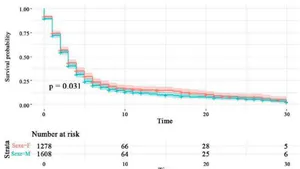
The Kaplan-Meier method shows the survival curve of infants over the 30 days following birth, with a survival probability ranging from 0 to 1 (100%).
Additionally, the median time, which corresponds to a survival chance, is equal to 3 days, meaning that from the 3rd day, these newborns have a chance of dying within the next 30 days. Although very close, it is observed that the survival curve for female infants is higher than that for male infants.
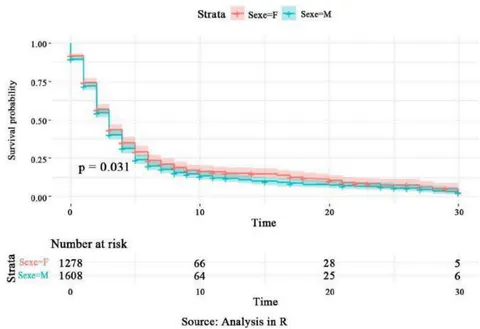
Figure 1: Survival Curves by Sex of Newborns
Figure 1 shows that among 1,278 female infants, 653 (51.09%) died, while 854 (53.10%) of the 1,608 male infants died. Do neonatal death rates differ significantly based on the infant's sex? We will now test whether this difference is statistically significant. Hypotheses:
- Ho: No difference in survival between the two studied groups, meaning neonatal deaths affect both girls and boys equally;
- Ha: Difference in survival between the two studied groups, meaning neonatal deaths affect girls and boys differently.
| Observed | Expected | (O-E)^2 /EE | (O-E)^2 /E | |
| Sex = F | 1278 | 653 | 3 2.05 | 4.64 |
| Sex = M | 1608 | 854 | 3 1.74 | 4.64 |
| Chisq = 4.6 on 1 degrees of freedom, p =0.03 | ||||
Table 1 shows that the Chi-squared value is 4.6, with 1 degree of freedom (df), and a p-value of 0.03, which is less than 0.05. Therefore, we reject the null hypothesis (Ho) at the significance level. This indicates that boys are more affected by neonatal mortality compared to girls.
6.2 Survival Curves of Newborns Based on Whether the Mothers Have Malaria
Figure 2 shows that newborns of mothers not affected by malaria have a better survival curve, indicating improved survival outcomes compared to those whose mothers were affected by malaria. Furthermore, the median time is on the 2nd day for newborns of mothers with malaria, and for mothers without malaria, the median time for their newborns is on the 3rd day. However, the survival curve for newborns of mothers with malaria stops at the 23rd day, meaning that from the 23rd day these newborns have a chance of survival.
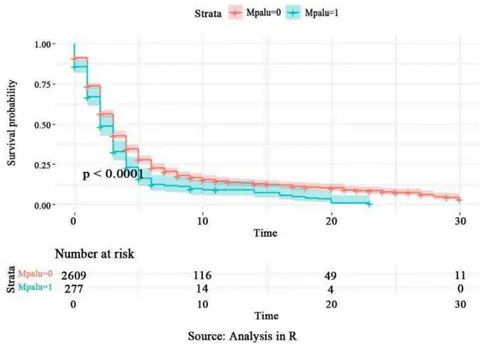
Figure 2: Survival Curves by Malaria in Mothers
It is observed that a large majority of mothers (2609) were not sick with malaria, and only a small minority of mothers (277) had malaria. Note that 1299, or , of newborns died among mothers who did not have malaria, while 208, or , died among mothers who were affected by malaria.
| N | Observed | Expected | (O - E)^2 /E | (O - E)^2 /E | |
| Malaria = 0 | 2609 | 1299 | 1345 | 1.55 | 17.7 |
| Malaria = 1 | 277 | 208 | 162 | 12.80 | 17.7 |
Chi-squared on 1 degree of freedom,
Table 2 shows that the Chi-squared , df , p-value , we reject Ho at . There is a statistically significant difference in neonatal mortality between newborns with mothers who have malaria and those whose mothers are not sick.
6.3 Survival Curves of Newborns based on Diabetic Mothers
Figure 3 shows that the median survival time for newborns of diabetic mothers is between the 3rd and 4th days, while for mothers who are not diabetic, the median time is 3 days. It is observed that newborns of diabetic mothers show a better survival curve until the 20th day because these women received quality medical follow-up during their pregnancy. However, it is observed that the two survival curves for newborns converge after the 20th day, but with a sharp drop at the 27th day for newborns of diabetic mothers, meaning that from the 27th day, these newborns have a chance of survival.
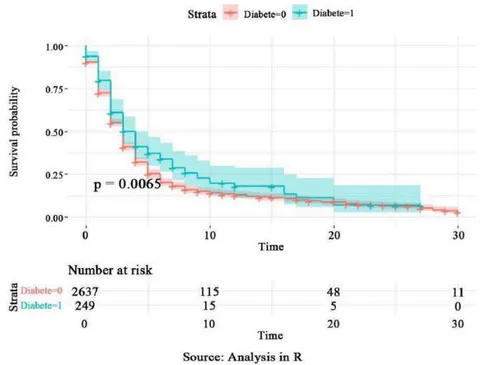
Figure 3: Survival Curves by Diabetes in Mothers
It is observed that the vast majority of mothers (2835) did not suffer from diabetes, but a small minority of them (249) were diabetic. It is worth noting that 1385, or , of newborns died among mothers without diabetes, and 122, or 49.0%, of deaths occurred among diabetic mothers. I will test whether this difference is significant or not.
| N | Observed | Expected | (O-E)^2 /E | (O-E)^2/E | |
| Diabetes = 0 | 2637 | 1385 | 1356 | 0.601 | 7.4 |
| Diabetes = 1 | 249 | 122 | 151 | 5.415 | 7.4 |
| Chisq = 7.4 on 1 degrees of freedom, p = 0.007 | |||||
Table 3 shows that the Chi-squared , df , p-value , we reject Ho at . Therefore, there is a statistically significant difference in neonatal deaths between newborns of diabetic and non-diabetic mothers.
6.4. Survival Curves of Newborns based on Fetal Distress
Figure 4 shows that the median survival time corresponding to a chance of survival is 3 days for both groups, meaning that from the 3rd day these infants have a chance of dying within the 30 days. Although it is very close, we observe that the survival curve for fetuses without fetal distress is higher than that of fetuses showing signs of fetal distress.
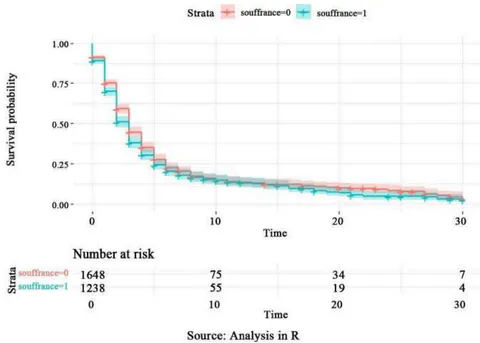
Figure 4: Survival Curves by Fetal Distress
We observe that 1238 refers to the fetuses that showed signs of fetal distress, and 700, or , of the newborns died among them. While 807, or 49.0% of the deaths among the 1648 newborns, showed no signs of fetal distress.
| N | Observed | Expected | (O-E)^2 /E | (O-E)^2 /E |
| Fetal distress = 0 | 1648 | 861 | 861 | 3.37 |
| Fetal distress = 1 | 1238 | 700 | 646 | 4.48 |
| Chisq = 8.1 on 1 degrees of freedom, p = 0.002 | ||||
Table 4 shows that the Chi-squared , df , p-value , we reject Ho at . There is a statistically significant difference in newborn deaths between fetuses born with fetal distress and those born without it.
6.5 Survival Curves of Newborns According to Mothers who Received Fetal Iron Supplement
Figure 5 shows that the median survival time corresponding to a chance of survival is 3 days for both groups, meaning that from the 3rd day these infants have a chance of dying within the 30 days. Although it is very close, it is noted that the survival curve for fetuses whose mothers received fetal iron supplements is lower than that of fetuses whose mothers did not receive fetal iron supplements from the 2nd day to the 15th day. Indeed, iron accumulates in the body, and its excess can cause severe poisoning: joint pain, diabetes, heart disorders, liver cirrhosis, and even colon and rectal cancers. However, from the 15th day to the 30th day, the two curves cross and therefore have the same survival probability.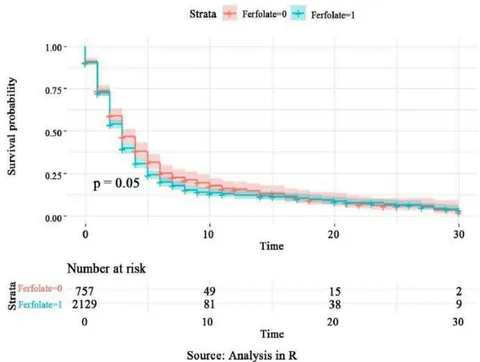
Figure 5: Survival Curves According to Maternal Fetal Iron Supplement It is observed that the majority of mothers (2129) received iron supplements, but only a small proportion (757, or ) did not receive them. It is worth noting that 413, or of the fetuses died among the mothers who did not receive iron supplements, and 1094, or of the deaths were recorded among the fetuses whose mothers received iron supplements. Table 5: Fetal Iron N Observed Expected (O-E)^2 /E (O-E)^2 /E Fetal Iron = 0 757 413 444 2.205 Fetal Iron= 1 2129 1094 1063 4.48 Chisq = 8.1 on 1 degrees of freedom, p = 0.002
Table 5 shows that the Chi-squared $= 3.9$ , df $= 1$ , p-value $= 0.05$ , we reject Ho at $5\%$ . There is a statistically significant difference in newborn deaths between fetuses whose mothers received fetal iron supplementation and those who did not.
6.6 Survival Curves According to the Type of Delivery
Figure 6 shows that the survival curves for cesarean and eutocic births are very similar. However, we can see that the survival curve for newborns born by vacuum or forceps is much higher than the cesarean and eutocic curves. The median time corresponding to a chance of survival is 3 days for newborns whose mothers had a eutocic or cesarean delivery, meaning that from the 3rd day, these newborns have a chance of dying within 30 days. On the other hand, newborns born by vacuum or forceps have a median time of 6 days, meaning that from the 6th day, these newborns have a chance of dying.
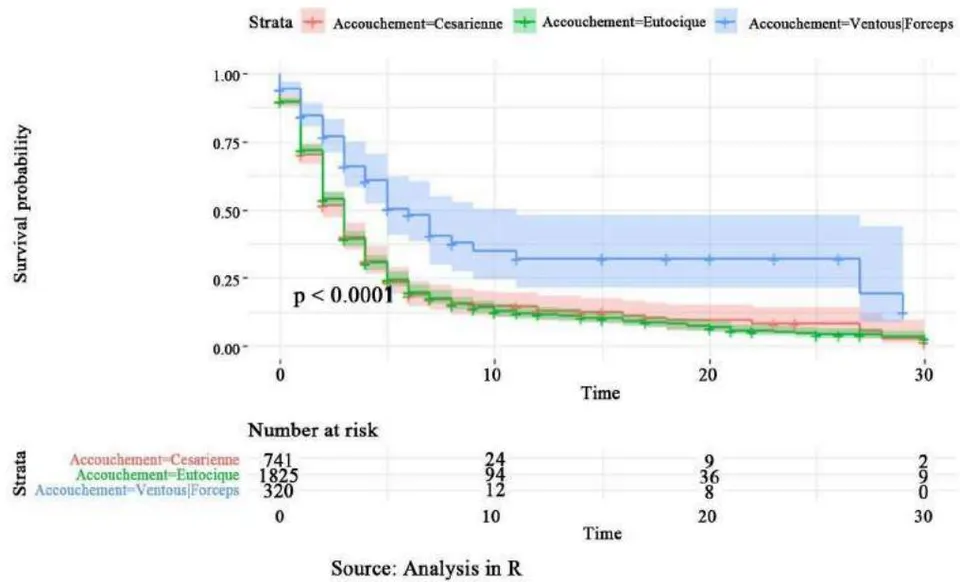
Figure 6: Survival Curves According to the Type of Delivery
We have 741 newborns who were born by cesarean section, of which died. While 1065, or of the newborns, died among the 1825 newborns who were born eutocically. It should be noted that 80, or of the deaths, were recorded among the 320 newborns born by vacuum or forceps.
| N | Observed | Expected | (O-E)^2 /E | (O-E)^2 /E | |
| Vacuum|Forceps = 0 | 320 | 80 | 152 | 33.95 | 46.05 |
| Caesarean = 1 | 741 | 362 | 342 | 1.21 | 1.91 |
| Eutocic = 2 | 1825 | 1065 | 1014 | 2.61 | 9.79 |
| Chisq = 46.1 on 2 degrees of freedom, p = 1e-10 | |||||
Table 6 shows that the Chi2 = 46.1, ddl = 2, the calculated probability = 1e-10 < 0.05, we reject Ho at 5%. There is a statistically significant difference in deaths according to the type of delivery used.
VII. ESTIMATION OF THE COX MODEL:
SELECTION OF SIGNIFICANT VARIABLES USING THE STEPWISE PROCEDURE
First, we will focus on selecting the variables that should be included in our model and those that do not need to be retained. To do this, I will use the Stepwise procedure, which also retests all variables (whether included or not in the model) at each step and can re-enter or remove a variable.
STEPWISE in R:
Model 1:
Start: AIC=20592.11
Surv(dueHop, statut) - Sexe + AgeM + Mpalu + mPresentation + Vaccantitetanique + Diabete + Accouchement + ProfessionMere + SitMat + Perfotale + souffrance
Df: AIC
mPresentation 1: 20589
ProfessionMere 1: 20589
Vaccantitetanique 1: 20589
SitMat 1: 20589
<name> 20591
Sexe 1: 20593
AgeM 1: 20594
Perfotale 1: 20595
souffrance 1: 20599
Diabetes 1: 20599
Mpalu 1: 20603
Accouchement 2: 20640
Model 2:
Step: AIC=20590.11
Surv(dueHop, statut) - Sexe + AgeM + Mpalu + Vaccantitetanique + Diabete + Accouchement + ProfessionMere + SitMat + Perfotale + souffrance
Df: AIC
ProfessionMere 1: 20587
Vaccantitetanique 1: 20587
SitMat 1: 20587
<name> 20589
Sexe 1: 20591
AgeM 1: 20592
Perfotale 1: 20593
souffrance 1: 20597
Diabetes 1: 20597
Mpalu 1: 20601
Accouchement 2: 20638
Model 3:
Step: AIC=20588.2
Surv(dueHop, statut) - Sexe + AgeM + Mpalu + Vaccantitetanique + Diabete + Accouchement + SitMat + Perfotale + souffrance
Df: AIC
Vaccantitetanique 1: 20585
SitMat 1: 20585
<name> 20587
Sexe 1: 20589
AgeM 1: 20590
Perfotale 1: 20591
souffrance 1: 20595
Diabetes 1: 20595
Mpalu 1: 20600
Accouchement 2: 20636
Model 4: Step: AIC=20586.41
Surv(dureeHop, statut) - Sexe + AgeM + Mpalu + Diabete + Accouchement + SitMat + Perfotale + souffrance
Df: AIC
SitMat 1: 20584
<name> 20585
Sexe 1: 20587
AgeM 1: 20588
Perfotale 1: 20590
souffrance 1: 20591
Diabete 1: 20593
Mpalu 1: 20596
Accouchement 2: 20634
Model 5: Step: AIC=20583.51
Surv(dureeHop, statut) - Sexe + AgeM + Mpalu + Diabete + Accouchement + Perfotale + souffrance
Df: AIC
<name> 20584
Sexe 1: 20585
AgeM 1: 20587
Perfotale 1: 20588
souffrance 1: 20591
Diabete 1: 20592
Mpalu 1: 20596
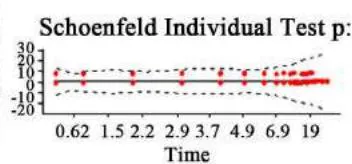
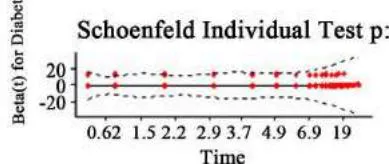
Accouchement 2: 206337.1 Partial Schoenfeld Residuals
In a traditional linear regression model, residuals measure the difference between the observed values of the dependent variable and the values predicted by the model;
In the case of a Cox model, it is the instantaneous risk that is explained, and the notion of residual does not make sense, because there is no way to calculate a difference between observed and predicted values;
Schoenfeld residuals primarily concern the covariates and not the instantaneous risk function;
These residuals only concern uncensored cases. The Schoenfeld residual represents the deviation between the value taken by this covariate for an individual at the time of the event's occurrence and the mean of this covariate among all individuals exposed to the risk at that moment.
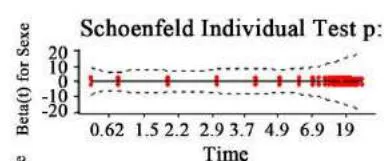
Global Schoenfeld Test p: 0.6907 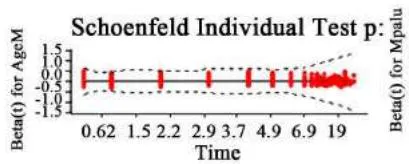
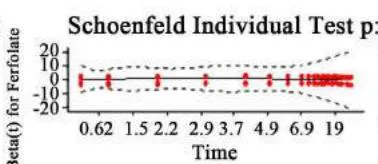
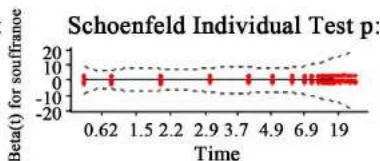
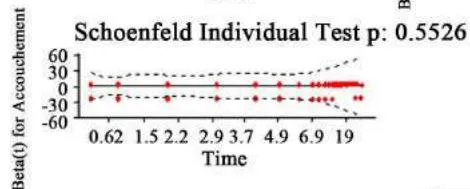
Source: Analysis in R
Figure 7: Survival Curves According to the Type of Delivery
Figure 7 shows that the residuals are normally distributed around 0 for each variable, indicating that the data follows a normal distribution. However, the evolution of the Schoenfeld residuals over time did not allow for a graphical verification of the proportional hazards assumption for the variables in this model, as the proportionality of the hazards over time is difficult to see on the survival curve (survival rate S(t) versus time). More simply, it is often considered that as long as the survival curves from different groups do not cross, the proportional hazards assumption is "acceptable".
Test of Residuals : chisq df p Sex 0.0529 1 0.818 AgeM 0.0968 1 0.756 Mpalu 0.9119 1 0.340 Diabetes 0.5006 1 0.479 Folate 0.1161 1 0.733 Suffering 2.8490 1 0.091 Delivery 1.1863 2 0.553 GLOBAL 5.6115 8 0.691
A variation in risk over time can lead to contradictory conclusions [7]. Test the Proportional Hazards Assumption of a Cox Regression allows testing whether the condition of independence of the explanatory variables Xi over time is met. In my case, a p-value less than indicates and text heads. That the hypothesis of independence of the explanatory variables over time is not verified. It appears that is greater than overall and for each variable individually, so the hypothesis of independence of the explanatory variables over time is verified. Therefore, my model is valid.
7.2 Test of Influential Observations
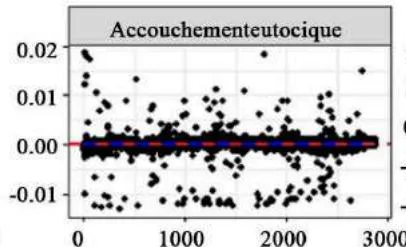
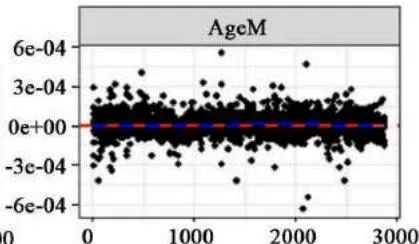
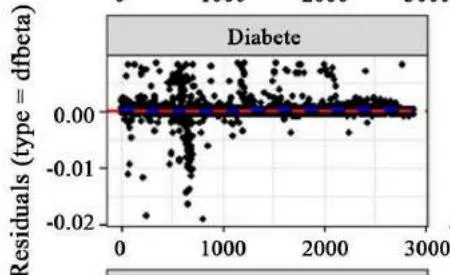
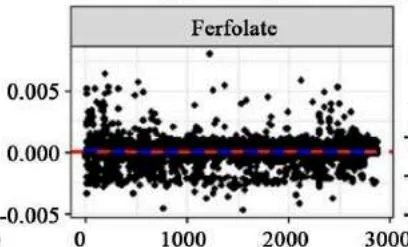
To test for influential observations or outliers, I can visualize either: The deviance residuals or The dfbeta values.
By specifying the argument type "dfbeta", we trace the estimated changes in the regression coefficients when each observation is removed one at a time; similarly, type "dfbetas" produces the estimated changes in the coefficients divided by their standard errors.
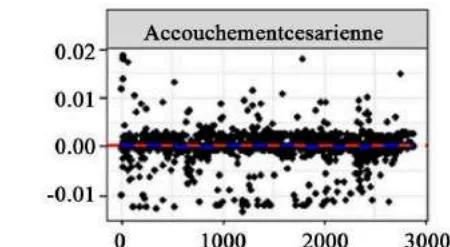
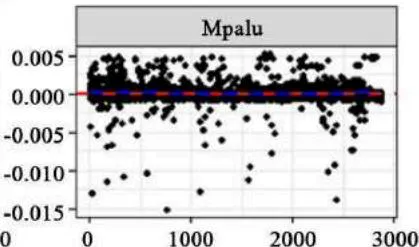
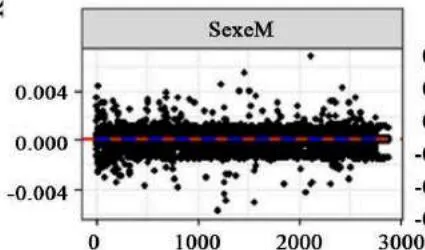
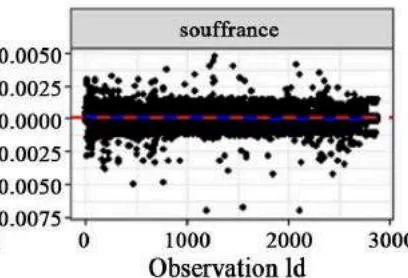
Source: Analysis in R
Figure 8: Representation of Influential Observations
The index plots above (Figure 8) show that the comparison of the amplitudes of the largest dfbeta values with the regression coefficients suggests that none of the observations are particularly influential individually, even though some dfbeta values for delivery (amplitudes between 0.02 and -0.01) and diabetes (amplitudes between 0.009 and ) are important compared to others. It is also possible to check outliers by visualizing the deviance residuals. The deviance residual is a normalized transformation of the martingale residual. These residuals should be approximately symmetrically distributed around zero with a standard deviation of 1.
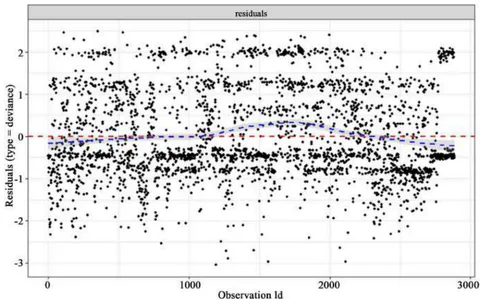
Source: Analysis in R
Figure 9: Representation of Deviance Residuals
- Positive values correspond to individuals "who died too early" compared to the expected survival durations;
- Negative values correspond to individuals who "lived too long"; 3) Very large or small values are outliers, poorly predicted by the model.
The deviance residuals of the model appear quite symmetric around 0 in Figure 9.
7.3 Martingale Residuals
In the Cox model, the relationship between instantaneous risk and covariates is loglinear. Often, it is assumed that continuous covariates have a linear form. However, this assumption should be verified. Plotting the martingale residuals against the explanatory variables included in the model can be used to indicate whether certain variables need to be transformed before being incorporated into the model. To do this, a smoothed curve is added over the points obtained. The functional form is then suggested by the shape of the smoothed curve. Thus, a slow growth of the curve suggests a logarithmic or root transformation. Conversely, a rapid growth suggests a power transformation with a power greater than 1 [8].
The fitted line has a flatter function; it is linear to satisfy the assumptions of the Cox proportional hazards model. The martingale residuals are therefore linear (Figure 9).
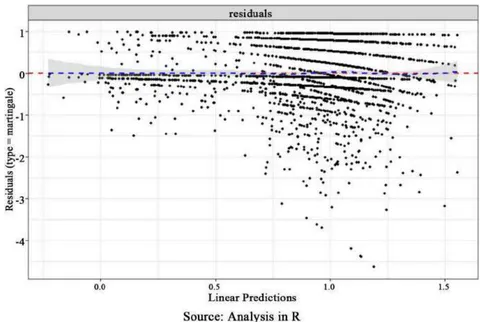
Figure 10: Model Visualization and Interpretation
7.4 Model Visualization and Interpretation
Figure 11 shows that the survival probability is highest at the beginning of the cycle, but the risk of death increases with the duration of hospitalization. The estimated model indicates that the median time for a survival chance within the 30-day period is 4 days. This probability is reached on the 4th day because nearly half of the newborns die before this time, due to factors such as hypothermia (body temperature below ), hypoglycemia (abnormal drop in blood sugar from insufficient breastfeeding), fetal infections, and other complications. By day 30, the survival probability of newborns drops to less than .
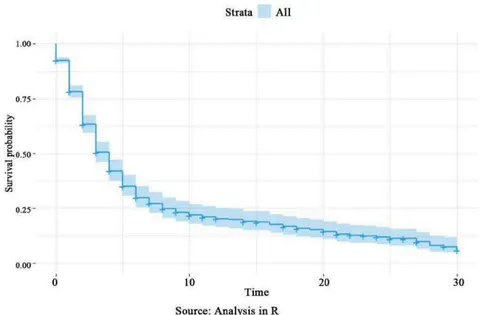
Figure 11: Survival Curve from the final Model
Estimated Model:
h(t|x_i) = e^{0.10 SexM -0.009 AgeM -0.29 Diabetes +0.29 Mpalu +0.15 FetalFolate +0.16 Suffering -0.75 VacuumForceps}
The model is globally significant (Wald statistic of 93.52 with a p-value of ). The Concordance = 0.584, meaning a concordance of . This percentage also helps verify the model's strength, indicating that it is correct of the time. In other words, the predictions from this model align with reality of the time.
Likelihood ratio test , this value can roughly be interpreted as the distance between the predictions made by this model and the observations. However, this value alone doesn't tell us much but is useful as a reference for judging the contribution of explanatory factors introduced later.
We see that the estimated effect of the child's sex has a logarithmic hazard ratio equal to 0.102790. Since its coefficient is positive, higher risks are associated with male infants. In other words, at any given moment in time, the risk of death for male infants is over higher than for female infants, as they are more prone to infections. Very significant and negative ( ), the mother's age coefficient reduces the risk of death for newborns, meaning that regardless of time t, each additional year of life for the mother decreases the overall risk of newborn death by a factor of 0.990934 (1%) per year.
For malaria, significant at the level (6.74e-05 ), the value 1.349314 indicates that at any given time, newborns of mothers with malaria are estimated to have a higher risk of death compared to newborns of mothers without malaria.
Although significant , the fetal iron supplementation for mothers, at any moment during the first 4 weeks after birth, increases the risk of death for newborns by a factor of 1.162351, meaning the risk of death for newborns whose mothers received iron supplementation is higher than for those whose mothers did not receive this treatment. In fact, iron accumulates in the body, and its excess can lead to severe poisoning: joint pain, diabetes, heart issues, liver cirrhosis, and even colon and rectum cancers.
Significant at the level , the effect of fetal distress in newborns, at any time, increases the risk of death for newborns by a factor of 1.177144, about higher risk of death for distressed newborns. Also significant at the level , the effect of diabetes in mothers, at any time, reduces the risk of death for newborns by a factor of 0.744649, meaning the neonatal mortality risk in the group of diabetic mothers is 0.74 times lower than in the group of non-diabetic mothers. Since diabetic mothers and their children receive high quality medical care (prenatal care), this contributes to reducing the risk of death.
Vaginal delivery (eutocic) is found to be non-significant in my model and has no effect on the neonatal death risk. However, assisted delivery by vacuum or forceps is significant at the level , and the value 0.4718794 indicates that at any time, newborns born via assisted delivery with vacuum or forceps have a lower risk of death than newborns born via caesarean section.
VIII. GENERAL CONCLUSION AND DISCUSSION OF RESULTS
8.1 Iron Supplementation and Mortality Risk
The study challenges the common belief that iron is crucial for neonatal health by suggesting that iron supplementation may actually increase the risk of neonatal mortality. This discrepancy could be due to a range of factors, such as the dosage of iron, the timing of supplementation, and underlying comorbidities, which may contribute to negative outcomes, including iron toxicity. The risk of iron overload is a well-established concern, particularly for newborns, and studies provide additional evidence supporting this hypothesis [9].
One study emphasized that excessive iron intake can lead to oxidative stress and damage to vital organs, which may have severe consequences for neonates, particularly in regions where healthcare monitoring is inadequate. Another study similarly found that iron overload can impair antioxidant defenses in neonates, increasing susceptibility to various infections and diseases, thereby negatively affecting survival. On the other hand, several studies have highlighted the importance of iron supplementation in preventing iron deficiency anemia, one of the leading causes of poor neonatal health outcomes. Other studies demonstrated that iron supplementation helps reduce the risks of preterm birth, low birth weight, and developmental delays when properly administered. This indicates that the timing, dosage, and method of supplementation are key factors in determining whether iron supplementation is beneficial or harmful.
8.2 The Protective Effect of Diabetic Mothers
The finding that maternal diabetes may offer a protective effect for neonatal outcomes is intriguing but likely reflects the quality of prenatal care received rather than a direct protective benefit of the condition itself. As the study suggests, more intensive prenatal care for diabetic mothers could lead to better neonatal outcomes, skewing results and potentially leading to a false assumption of protection.
Studies like those by Schoenleber et al. and Radaelli et al. have shown that better management of maternal diabetes, through blood glucose control and close monitoring, can reduce the risks of neonatal complications. However, they also caution that the underlying risks of maternal diabetes—such as preterm birth, macrosomia (large birth weight), and fetal hypoglycemia—remain significant despite improved care. This suggests that while intensive prenatal care can improve outcomes, diabetes itself is not inherently protective.
8.3 Malaria and Neonatal Mortality
The study also highlights the well-documented link between maternal malaria and increased neonatal mortality. Malaria is a leading cause of neonatal death, especially in sub-Saharan Africa, due to its association with preterm birth, low birth weight, and intrauterine growth restriction. This finding is consistent with studies by Mwakagile et al. and Akinmoladun et al., which reported higher rates of neonatal mortality in malaria-endemic regions. Mwakagile noted that maternal malaria during pregnancy significantly impairs placental function, leading to poor fetal development and increased susceptibility to infections after birth. This reinforces the need for malaria prevention and treatment interventions to reduce neonatal mortality in malaria-endemic areas.
8.4 Caesarean Delivery and Neonatal Mortality
Perhaps one of the most surprising findings is that caesarean sections, generally considered protective for neonatal health by preventing complications associated with vaginal delivery, appear to increase the risk of neonatal mortality in this study. While caesarean sections are essential in cases of obstructed labor, fetal distress, or other complications, unnecessary or non-medically indicated caesarean sections can be associated with increased neonatal risks. Research by Guise et al. and Barros et al. supports this concern, showing that elective caesarean deliveries in low-risk pregnancies may expose newborns to greater respiratory complications, infections, or longer recovery times, particularly in settings with limited access to specialized neonatal care. It's also important to consider that caesareans are often performed in higher-risk pregnancies, which may inherently carry a higher risk of adverse neonatal outcomes. This suggests that the apparent increase in neonatal mortality may be linked to factors such as underlying maternal health conditions, complications during pregnancy, or the context in which the caesarean is performed.
8.5 Data Limitations and Implications for Policy
A significant limitation of the study, as acknowledged by the authors, is the reliance on retrospective data, which may introduce biases due to inaccurate or incomplete records. Retrospective studies, particularly those relying on administrative data from systems like DHIS2, are susceptible to data entry errors, inconsistencies in reporting, and lack of standardized monitoring. These issues could undermine the validity of the findings, as seen in previous studies examining maternal and neonatal outcomes based on administrative records. Future prospective studies with more rigorous data collection and standardization could provide more reliable insights into the relationships between iron supplementation, maternal health conditions, and neonatal outcomes.
From a policy perspective, the study advocates for improving prenatal and postnatal care, with a focus on providing effective interventions, such as iron supplementation and malaria prevention, tailored to the specific needs of mothers and newborns. Addressing the quality of healthcare services, expanding access to care, and ensuring accurate data collection should be central to policies aimed at reducing neonatal mortality, particularly in low-resource settings. Additionally, strengthening surveillance during pregnancy and the postpartum period, as well as ensuring high-quality neonatal care in the first days of life, could significantly improve survival rates.
IX. CONCLUSION
In summary, while this study offers important insights into the factors affecting neonatal mortality, including the role of iron supplementation, caesarean delivery, and maternal diabetes, it also underscores the complexity of neonatal health outcomes. Further research is needed to clarify the causality of these associations, especially with respect to the timing and dosage of interventions like iron supplementation, the true impact of maternal health conditions, and the consequences of caesarean deliveries. The study also highlights the need for improved data accuracy and healthcare policies that prioritize equitable access to high-quality prenatal, delivery, and neonatal care, particularly in resource-limited settings.
Conflicts of Interest
The author declares no conflicts of interest regarding the publication of this paper.
Conflict of Interest
The authors declare no conflict of interest.
Ethical Approval
Not applicable
Data Availability
The datasets used in this study are openly available at [repository link] and the source code is available on GitHub at [GitHub link].
Funding
This work did not receive any external funding.
Cite this article
Related Research

Special Issue
Launch a focused special issue to highlight research, emerging trends, and expert insights in your academic field.