


IntelliPaper
Abstract
This study investigated the effect of Supply Chain Integration (SCI) on Employee Productivity (EP) in maritime firms in Delta State, Nigeria. The study focused on three dimensions of SCI: Supply Chain Integration Index (SCII), Internal Integration (II), and External Integration (EI), examining how each relates to employee productivity outcomes in a developing regional context. The study was anchored on the Productivity Theory. A descriptive survey research design was adopted. The population of the study comprised 9,540 employees from selected maritime firms, with a sample size of 370 determined using Morgan’s table. Out of the 370 questionnaires distributed, 293 were validly returned, representing a response rate of 79.19%. The research instrument was a structured questionnaire validated by experts and tested for reliability, yielding a Cronbach’s alpha coefficient of 0.79. Data collected were analyzed using descriptive statistics, Pearson correlation, and multiple regression techniques. Findings revealed that SCII and II have significant positive effects on employee productivity, while EI showed a negative but significant effect. Specifically, the regression analysis showed that II had the strongest positive influence on EP (β = 0.749, p< 0.01), followed by SCII (β = 0.227, p< 0.01), while EI had a negative coefficient (β = -0.183, p< 0.05), suggesting possible inefficiencies or trust deficits in external collaboration. It recommends targeted investment in internal systems, enhanced collaboration across departments, and more strategic external partnerships. The findings provide practical insights for policymakers and organizational leaders seeking to optimize employee output through integrated supply chain strategies in similar developing economies.
Explore Digital Article Text
I. INTRODUCTION
In the globalized business environment, supply chain integration (SCI) has emerged as a vital strategic tool for enhancing organizational performance and competitiveness. Supply chain integration involves the alignment and seamless coordination of internal processes and external partnerships to achieve greater efficiency, responsiveness, and customer satisfaction. The concept is particularly crucial in dynamic industries such as maritime logistics, where timely and synchronized operations directly impact productivity (Chowdhury et al., 2023). The maritime industry, being the backbone of international trade, requires efficient integration of processes, systems, and actors within and beyond the organization to ensure timely delivery, cost-effectiveness, and adaptability to market demands.
Internal integration refers to the coordination of processes, departments, and information within an organization to improve workflow and reduce redundancies. In maritime firms, internal integration includes aligning departments such as procurement, operations, warehousing, and human resources to streamline decision-making and resource utilization (Wong et al., 2022). By enhancing communication and collaboration across departments, maritime firms can respond more efficiently to operational challenges, reduce delays, and enhance employee productivity. When internal integration is poor, it often leads to miscommunication, bottlenecks, and inefficiencies that negatively affect employees' ability to meet performance targets.
External integration, on the other hand, emphasizes collaboration and real-time information sharing with external stakeholders such as port authorities, logistics providers, shipping companies, and customers. In maritime operations, where delays and miscommunication with external partners can cause costly disruptions, external integration becomes crucial (Srinivasan & Simatupang, 2023). It fosters mutual understanding, shared objectives, and coordinated activities that can ease the burden on employees and improve task execution. As maritime firms in Nigeria continue to face infrastructural, regulatory, and operational challenges, improving external integration can mitigate many of these issues and create a more productive work environment for employees.
The Nigerian maritime sector has the potential to significantly contribute to economic development, given its strategic coastal location and access to international markets. However, productivity challenges—often linked to poor supply chain coordination—have limited its impact. Maritime firms in Nigeria struggle with issues such as inefficient port operations, lack of real-time data exchange, poor infrastructure, and fragmented logistics networks (Nwachukwu et al., 2021). These challenges can reduce employee morale and performance, especially when they are not supported by integrated systems that enable effective job execution. Hence, aligning internal and external processes through effective supply chain integration is essential to unlocking employee potential and overall organizational productivity.
Employee productivity in maritime firms is influenced not only by individual capacity or training but also by the structural and operational environment. Employees are more productive when they work in systems that support seamless workflow, reduce redundancies, and eliminate unnecessary delays (Agbo et al., 2022). Supply chain integration, by improving internal coordination and building strategic external relationships, creates such an environment. Consequently, understanding the specific role of SCI dimensions in shaping employee productivity within Nigeria's maritime sector is timely and necessary.
Despite the growing interest in supply chain practices globally, there is a paucity of research that focuses on how SCI affects employee productivity, especially within the context of maritime firms in developing countries like Nigeria. Existing studies often emphasize cost reduction and customer satisfaction, while overlooking internal performance metrics such as employee output, job satisfaction, and task efficiency (Okonkwo & Adebayo, 2023). This study seeks to fill this gap by examining how internal and external integration under the umbrella of the supply chain integration index influence employee productivity in Nigeria's maritime sector. The findings will be vital for managers, policymakers, and stakeholders aiming to optimize operations and enhance workforce performance through strategic supply chain practices.
Statement of the Problem
Despite the growing recognition of supply chain integration (SCI) as a strategic tool for enhancing organizational efficiency, many maritime firms in Nigeria continue to experience low employee productivity due to fragmented internal operations and weak external collaborations. Ineffective communication between departments, poor coordination with key external stakeholders such as port authorities and logistics service providers, and the absence of real-time data exchange systems have created operational bottlenecks that hinder employees' ability to perform optimally. While previous studies have focused on the impact of supply chain practices on cost reduction and customer satisfaction, limited attention has been given to how SCI—particularly its internal and external dimensions—affects employee productivity in the unique operational context of Nigeria's maritime industry (Okonkwo & Adebayo, 2023; Nwachukwu, Ogbonna & Ugochukwu, 2021). This gap underscores the need for empirical investigation into how supply chain integration practices influence employee output, job satisfaction, and overall performance, thereby providing actionable insights for improving workforce productivity in the sector.
II. RESEARCH QUESTIONS
The following research questions were raised for the study:
How does the Supply Chain Integration Index affect employee productivity in maritime firms in Nigeria?
What is the influence of internal integration on employee productivity in maritime firms in Nigeria?
How does external integration impact employee productivity in maritime firms in Nigeria?
Objective of the Study
The primary objective of this study is to examine the relationship between supply chain integration and employee productivity in maritime firms in Nigeria. while the specific objectives are to:
i. Examine the effect of the Supply Chain Integration Index on employee productivity in maritime firms in Nigeria.
ii. assess the influence of internal integration on Employee productivity in maritime firms in Nigeria.
iii. Evaluate the impact of external integration on employee productivity in maritime firms in Nigeria.
Research Hypotheses
Based on the objectives of this study, the following null hypotheses are formulated to guide the investigation:
: There is no significant relationship between the Supply Chain Integration Index and employee productivity in maritime firms in Nigeria.
: Internal integration has no significant effect on employee productivity in maritime firms in Nigeria.
: External integration does not significantly influence employee productivity in maritime firms in Nigeria.
Justification of the study
The justification for this study lies in the strategic importance of the maritime sector to Nigeria's economic development and the critical role employee productivity plays in driving operational efficiency within this industry. As global trade intensifies and competitive pressures mount, maritime firms must optimize both their internal processes and external partnerships to remain efficient and productive. However, in Nigeria, many maritime organizations continue to face challenges related to fragmented supply chain systems, poor integration of information and logistics, and limited collaboration across operational units—all of which hinder employee performance. Existing literature has largely focused on broader supply chain outcomes such as cost reduction and customer satisfaction, with limited attention to how supply chain integration, specifically internal and external integration, directly affects employee productivity in the Nigerian maritime context. By examining this relationship, the study aims to fill a significant empirical gap, offering actionable insights for managers, policymakers, and stakeholders in the maritime industry. The findings will support evidence-based decision-making and foster the development of integrated strategies that align operational frameworks with workforce capabilities, ultimately contributing to enhanced organizational performance and national economic growth.
Scope of the Study
i. Geographical Scope: This study is limited to maritime firms operating within Nigeria, with a focus on key port cities such as Lagos, Port Harcourt, and Calabar where maritime activities are most concentrated.
ii. Subject Scope: The research concentrates specifically on the relationship between supply chain integration (using Supply Chain Integration Index, Internal Integration, and External Integration) and employee productivity within the selected maritime firms.
iii. Respondent Scope: The study targets employees and supply chain management personnel in maritime firms, including operational managers, logistics officers, and administrative staff who are directly involved in or affected by supply chain processes.
iv. Content Scope: The content of the study covers how the integration of supply chain functions internally (within the firm) and externally (with suppliers and partners) influences employee output, work efficiency, and overall productivity levels in the maritime sector.
III. REVIEW OF RELATED LITERATURE
3.1 Conceptual Review
It is imminent to explores key concepts that form the foundation of the study, beginning with the Supply Chain Integration Index as a critical measure of supply chain cohesion and its influence on employee productivity.
3.2 Supply Chain Integration Index
The Supply Chain Integration Index is a comprehensive metric that evaluates the extent to which an organization's supply chain processes—spanning procurement, production, logistics, and information sharing—are aligned and harmonized both internally and externally. It reflects the organization's capability to coordinate operations across departments and with external stakeholders to improve responsiveness, reduce delays, and enhance overall efficiency. Effective supply chain integration enables firms to respond proactively to market dynamics, which is essential for maintaining employee productivity and service quality in high-demand sectors like maritime logistics. Scholars have emphasized that a high level of supply chain integration not only streamlines workflows but also improves transparency, information flow, and resource allocation—all of which significantly affect employee output and satisfaction (Chen et al., 2020; Manfreda et al., 2021). The index serves as a benchmark to assess integration maturity levels across firms and can highlight gaps in collaboration and communication that may hinder employee performance (Wong et al., 2022). Research by Zhou and Benton (2023) further suggests that firms with higher SCI index scores experience better alignment between strategic goals and employee tasks. In the maritime context, where timing, coordination, and precision are vital, the SCI Index becomes an essential tool for evaluating operational excellence and labor efficiency (Adeoye & Omotayo, 2021; Alomari et al., 2022). Therefore, integrating the SCI Index into organizational performance analysis helps maritime firms in Nigeria identify bottlenecks and adopt data-driven approaches to workforce optimization.
3.3 Internal Integration
Internal integration refers to the alignment and coordination of various functional areas within an organization—such as procurement, production, inventory management, human resources, and information systems—to ensure seamless operations and unified decision-making. It focuses on breaking down departmental silos to encourage collaboration, real-time information sharing, and unified goals across different units. In the maritime industry, internal integration is crucial for aligning logistics, port operations, and administrative functions, thereby enhancing responsiveness and workforce productivity. Studies have shown that firms with high internal integration enjoy better workflow efficiency, faster decision-making, and improved employee morale, as tasks and responsibilities are more clearly defined and supported by real-time data (Flynn, Huo & Zhao, 2020). Internally integrated systems foster knowledge-sharing cultures and reduce duplication of efforts, which helps workers focus on value-adding activities (Danese, Romano & Formentini, 2021). In high-velocity sectors like maritime logistics, internal alignment has been linked to reductions in operational delays and errors, which in turn boosts employee output and satisfaction (Kamalahmadi & Parast, 2021). According to Govindan et al. (2022), a strong internal integration mechanism supports technological adoption and digitalization, which improves not only process efficiency but also the adaptability of employees in dynamic environments. Recent empirical evidence by Olabode and Yusuf (2023) further confirms that the synergy between internal departments significantly contributes to workforce performance and organizational competitiveness in Nigerian maritime firms.
3.4 External Integration
External integration refers to the strategic coordination and collaboration between a firm and its external partners—such as suppliers, customers, logistics providers, regulatory bodies, and service agents—to achieve seamless supply chain performance. In the maritime industry, this includes synchronizing operations with port authorities, freight handlers, customs agencies, and shipping partners. Effective external integration allows for real-time data exchange, better forecasting, streamlined delivery schedules, and proactive issue resolution, which collectively improve service efficiency and employee productivity. Research indicates that firms that foster close partnerships with external entities tend to achieve better operational agility, reduce delays, and enhance employee engagement due to reduced disruptions and clearer work structures (Jajja et al., 2020). According to Dubey et al. (2021), external integration plays a pivotal role in enhancing supply chain visibility and responsiveness, which positively impacts workforce coordination and motivation. Maritime firms with strong external networks are better equipped to handle regulatory requirements and customer demands, thereby reducing employee stress and improving task performance (Wieland & Handfield, 2021). Additionally, Daryanto, Salleh, and Zainal (2022) emphasize that trust and technological connectivity between organizations and their supply chain partners contribute to mutual goals and shared accountability, which fosters a culture of performance across organizational boundaries. In the Nigerian context, Awolusi and Omodero (2023) found that maritime firms that invest in digital collaboration tools and partner integration systems experience substantial gains in operational consistency and employee productivity, especially in congested and complex port environments.
3.5 Employee Productivity
Employee productivity refers to the efficiency and effectiveness with which workers perform their tasks to contribute to the achievement of organizational goals. In the context of maritime firms, productivity encompasses output related to logistics coordination, cargo handling, compliance processing, customer service, and administrative efficiency. It is often measured by indicators such as output per employee, service delivery time, error rates, and goal attainment levels. High employee productivity is typically a result of clear job roles, availability of tools and information, motivation, training, and a supportive organizational environment. As firms strive to optimize operations in highly competitive and regulated sectors like maritime logistics, enhancing employee productivity becomes essential for sustaining profitability and service quality. According to Muogbo and Ogbonna (2020), effective internal processes and external collaboration significantly improve employee work pace and accuracy in Nigerian maritime settings. Additionally, Amah and Ahiauzu (2021) emphasize that employees are more productive when they operate within integrated systems that reduce redundancy and increase task clarity. The integration of digital tools, efficient communication, and seamless coordination—hallmarks of well-integrated supply chains—have been shown to positively influence employee engagement and output (Uzonwanne, 2022). Moreover, Omonona et al. (2023) found that performance-based culture, managerial support, and operational transparency are key factors enhancing productivity in Nigerian transport and logistics firms. Lastly, Ezeani and Akinyemi (2023) affirm that employee productivity in maritime environments is directly tied to how well operational systems and human capital are aligned through collaborative and integrated approaches.
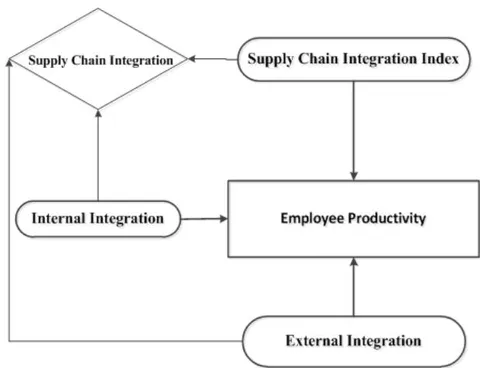
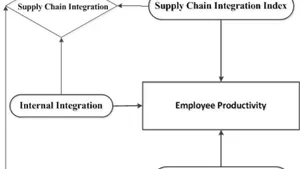
Fig. 1: Conceptual framework on supply Chain integration and employee production in Maritime firms.
3.7 Theoretical Review
3.7.1 Goal-Setting Theory of Productivity
This study is anchored on the Goal-Setting Theory of Productivity, originally developed by Locke and Latham (1990), which posits that specific and challenging goals, when accepted and supported by appropriate feedback mechanisms, lead to higher levels of employee performance and productivity. The theory emphasizes the motivational role of clearly defined objectives, adequate task information, and effective communication—factors that are central to an integrated supply chain system. In maritime firms, internal supply chain integration ensures that employees have access to clear operational goals, coordinated activities, and standardized procedures, which reduces ambiguity and enhances focus. Similarly, external integration with suppliers, port authorities, and customers provides real-time feedback and expectations that further align employees' efforts with organizational goals. This interconnectedness reinforces a goal-oriented work environment that enhances individual and team productivity. Recent studies such as those by Tabiu and Nura (2021) confirm that when employees in complex sectors like maritime logistics understand their roles within an integrated system and receive consistent performance feedback, their productivity significantly improves. Moreover,
Omisore and Adeleke (2022) found that goal clarity and supply chain support structures correlate positively with output levels among workers in Nigerian port-based enterprises. Therefore, Goal-Setting Theory provides a robust lens for examining how supply chain integration mechanisms contribute to enhanced productivity by shaping goal-directed behavior, improving role clarity, and fostering a culture of continuous performance improvement within maritime firms.
3.8 Empirical Review
Adewuyi and Oke (2020) conducted a study titled "Supply Chain Integration and Organizational Performance in Nigerian Shipping Companies" with a focus on how supply chain integration affects operational outcomes. The researchers employed a survey research design using structured questionnaires administered to 200 employees from five shipping firms in Lagos. The study applied multiple regression analysis to test the relationship between internal and external supply chain integration and organizational performance indicators, including employee efficiency. Their findings revealed that internal integration had a statistically significant positive effect on operational efficiency, while external integration was more influential in improving customer satisfaction. However, their study measured firm-level performance without explicitly isolating employee productivity. This current study aims to fill that gap by focusing specifically on employee-level productivity and not just general organizational outcomes.
Ogunleye and Salami (2021) examined the impact of internal communication and inter-departmental collaboration on employee productivity in Nigeria's transport logistics sector. Their study used a cross-sectional survey approach and collected data from 150 logistics personnel working in inland dry ports and maritime support facilities. Using Pearson correlation and structural equation modeling, the authors found that effective internal integration, such as shared databases and real-time information flow, significantly boosted employee task accuracy and reduced redundancy. While their findings are relevant, the study was restricted to dry port logistics and did not consider external supply chain partnerships such as those with customs, freight agents, or shipping lines. The current study extends this by incorporating both internal and external integration elements within maritime firms, offering a more holistic view of supply chain integration's influence on productivity.
In a study by Udo and Etim (2022), on "external partnerships and workforce efficiency in the Nigerian Maritime Subsector", the focus was on assessing how supplier and customer relationship management affect employee efficiency. The study used a purposive sampling technique to select 120 employees across four marine freight companies in Port Harcourt. Using regression analysis, the authors discovered that well-managed external supply chain partnerships enhance job delivery timelines and reduce work-related errors among employees. Although insightful, the study lacked a comprehensive index to measure supply chain integration holistically, particularly the interplay between internal and external elements. Your current study addresses this methodological limitation by using a Supply Chain Integration Index that incorporates both dimensions while specifically targeting their direct effect on employee productivity.
Ezenwa and Oghene (2023) explored the link between technological integration and employee performance in seaport operations in Delta and Rivers States. With a sample size of 180 port administrative and logistics staff, the authors utilized a mixed-methods approach involving both questionnaires and in-depth interviews. Their findings indicated that digital platforms facilitating integration (such as port community systems) led to higher employee output and reduced task delays. However, their analysis focused primarily on technological platforms rather than integration as a strategic operational concept involving collaboration, planning, and information sharing. The current study builds on this by emphasizing strategic supply chain integration (internal and external) as a multidimensional construct rather than a purely technological one, thus expanding the theoretical and practical implications.
Chukwu and Bassey (2024) recently studied employee productivity and operational practices in marine cargo handling firms in Nigeria. Using a descriptive survey design and stratified sampling, the authors collected data from 250 dockworkers and administrative staff across Apapa and Warri ports. Their results, analyzed through ANOVA, showed that clear role definition and interdepartmental communication were key drivers of employee productivity. While these elements overlap with internal integration, the study did not investigate how external actors in the supply chain (e.g., customs brokers, shipping agents) influence productivity. This omission presents a significant gap that your study addresses by analyzing both internal and external supply chain integration dimensions and their joint influence on productivity, specifically in the maritime sector.
3.9 Appraisal of Reviewed Literature
The conceptual, theoretical, and empirical reviews collectively underscore the critical role of supply chain integration—particularly internal and external integration—in shaping employee productivity within maritime firms. Conceptually, supply chain integration enhances information flow, inter-departmental collaboration, and strategic alignment with external partners, all of which are vital for improved workforce efficiency. Theoretically, this study is anchored on the Goal-Setting Theory of Productivity, which emphasizes that clearly defined goals, feedback, and coordination—elements reinforced by supply chain integration—motivate employees toward higher productivity. Empirically, prior studies (e.g., Adewuyi & Oke, 2020; Udo & Etim, 2022) have confirmed positive relationships between supply chain practices and organizational performance but often focused on firm-level outcomes, technological integration alone, or limited dimensions of integration. Notably, few studies have systematically measured supply chain integration using a comprehensive index while linking it directly to employee productivity in the maritime sector of Nigeria. This study, therefore, fills this vital gap by holistically examining the influence of internal and external integration—as captured by a Supply Chain
Integration Index—on employee productivity, thereby contributing a focused and sector-specific analysis to the body of knowledge.
IV. METHODOLOGY
The study adopted a descriptive survey research design, which was considered appropriate for collecting quantitative data to examine the relationship between supply chain integration and employee productivity in maritime firms in Nigeria. The population of the study comprised 9,540 employees working across various departments in selected maritime firms operating within Nigeria's coastal regions. To determine the sample size, the Krejcie and Morgan (1970) sample size determination table was utilized, yielding a representative sample size of approximately 370 respondents. A stratified random sampling technique was employed to ensure that different job roles, departments, and firm categories were proportionally represented in the sample. Data were collected through the administration of structured questionnaires, which were personally distributed to enhance response rate and authenticity. The research instrument was a researcher-developed questionnaire structured into sections addressing the study variables: supply chain integration (internal and external) and employee productivity. To ensure content validity, the instrument was reviewed and validated by three experts in supply chain management, human resource development, and educational measurement. The reliability of the instrument was determined through a pilot study involving 30 non-sampled employees in a similar maritime setting, and the Cronbach's Alpha coefficient yielded a reliability index of 0.79, indicating acceptable internal consistency. For data analysis, descriptive statistics such as frequency, percentage, mean, and standard deviation were used for demographic profiling and item analysis, while inferential statistics such as Pearson Product-Moment Correlation and multiple regression analysis were used to test the formulated hypotheses and determine the predictive strength of the independent variables on employee productivity at a 0.05 significance level using EViews version 9.
Model Specification To investigate the effect of supply chain integration on employee productivity in maritime firms in Nigeria, the following multiple linear regression model was specified:
Where:
Coefficients representing the effect of each independent variable
Error term capturing unobserved influences
V. RESULT AND DISCUSSION
The presentation of results in this section reflects the analysis of data collected from respondents to examine the relationship between supply chain integration and employee productivity in maritime firms in Nigeria.
| Questionnaire | Frequency | Percentage |
| Returned | 293 | 79.19% |
| Not used | 77 | 20.81% |
| Total Distributed | 370 | 100% |
Table 1 presents the analysis of the questionnaire distribution and response rate. Out of the 370 questionnaires distributed to respondents in maritime firms, 293 were successfully returned and found usable for analysis, representing a high response rate of 293 (79.19%). On the other hand, 77 (20.81%) of the questionnaires were either not returned or deemed invalid and thus not included in the final analysis. This overall return rate indicates a good level of participation and provides a reliable dataset for drawing meaningful conclusions in the study.
| S/N | Question Statement | SA | A | U | D | SD | Total |
| SCII1 | Our firm maintains a centralized platform for sharing supply chain data across departments. | 52(17.75%) | 38(12.97%) | 97(33.11%) | 32(10.92%) | 74(25.26%) | 293(100%) |
| SCII2 | There is seamless coordination among procurement, logistics, and operations units in our supply chain. | 24(8.19%) | 63(21.5%) | 102(34.81%) | 46(15.7%) | 58(19.8%) | 293(100%) |
| SCII3 | Our firm regularly updates its supply chain strategy to align with industry trends. | 118(40.27%) | 84(28.67%) | 28(9.56%) | 9(3.07%) | 54(18.43%) | 293(100%) |
| SCII4 | Performance metrics are shared across departments to monitor supply chain goals. | 40(13.65%) | 81(27.65%) | 58(19.8%) | 84(28.67%) | 30(10.24%) | 293(100%) |
| SCII5 | Decision-making in supply chain processes is based on integrated information systems. | 27(9.22%) | 2(0.68%) | 151(51.54%) | 60(20.48%) | 53(18.09%) | 293(100%) |
| SCII6 | Supply chain partners are involved in strategic planning sessions. | 66(22.53%) | 26(8.87%) | 24(8.19%) | 117(39.93%) | 60(20.48%) | 293(100%) |
| II1 | Different departments work collaboratively on supply chain decisions. | 41(13.99%) | 136(46.42%) | 5(1.71%) | 59(20.14%) | 52(17.75%) | 293(100%) |
| II2 | Inventory and production departments share real-time data. | 80(27.3%) | 65(22.18%) | 96(32.76%) | 32(10.92%) | 20(6.83%) | 293(100%) |
| II3 | Employees communicate across units to improve workflows. | 30(10.24%) | 69(23.55%) | 51(17.41%) | 52(17.75%) | 91(31.06%) | 293(100%) |
| II4 | Internal supply chain activities are closely monitored. | 52(17.75%) | 6(2.05%) | 163(55.63%) | 39(13.31%) | 33(11.26%) | 293(100%) |
| II5 | There is consistency in supply chain goals across functional units. | 65(22.18%) | 41(13.99%) | 20(6.83%) | 53(18.09%) | 114(38.91%) | 293(100%) |
| EI1 | We regularly exchange demand and inventory information with suppliers. | 1(0.34%) | 86(29.35%) | 89(30.38%) | 45(15.36%) | 72(24.57%) | 293(100%) |
| EI2 | We share delivery schedules and forecasts with external partners. | 41(13.99%) | 20(6.83%) | 37(12.63%) | 60(20.48%) | 135(46.08%) | 293(100%) |
| EI3 | There is mutual trust between our organization and key partners. | 9(3.07%) | 68(23.21%) | 41(13.99%) | 40(13.65%) | 135(46.08%) | 293(100%) |
| EI4 | We involve suppliers and customers in planning. | 175(59.73%) | 49(16.72%) | 22(7.51%) | 33(11.26%) | 14(4.78%) | 293(100%) |
| EI5 | Strategic partnerships with stakeholders are prioritized. | 26(8.87%) | 69(23.55%) | 109(37.2%) | 31(10.58%) | 58(19.8%) | 293(100%) |
| EP1 | Employees meet their performance targets regularly. | 22(7.51%) | 50(17.06%) | 33(11.26%) | 165(56.31%) | 23(7.85%) | 293(100%) |
| EP2 | Staff complete supply chain tasks efficiently and on time. | 25(8.53%) | 27(9.22%) | 88(30.03%) | 116(39.59%) | 37(12.63%) | 293(100%) |
| EP3 | Employees are innovative and solve problems effectively. | 46(15.7%) | 151(51.54%) | 64(21.84%) | 26(8.87%) | 6(2.05%) | 293(100%) |
| EP4 | Employees are committed to achieving operational goals. | 52(17.75%) | 6(2.05%) | 104(35.49%) | 58(19.8%) | 73(24.91%) | 293(100%) |
| EP5 | Staff productivity improved due to better supply chain coordination. | 8(2.73%) | 109(37.2%) | 86(29.35%) | 53(18.09%) | 37(12.63%) | 293(100%) |
Table 2 provides insights into how respondents evaluated statements related to Supply Chain Integration Index (SCII), Internal Integration (II),
External Integration (EI), and Employee Productivity (EP). For SCII1, a total of 90 respondents agreed (SA + A = 52 + 38 = 90 or
30.72%), 97 were neutral (33.11%), while 106 disagreed (D + SD = 32 + 74 = 106 or 36.18%). Similarly, SCII3 showed the strongest agreement, with 202 (68.94%) agreeing, only 28 (9.56%) remaining neutral, and 63 (21.5%) disagreeing. In contrast, SCII6 revealed weak agreement with only 92 (31.4%) in favor, 24 (8.19%) neutral, and a large proportion (177 or 60.4%) disagreeing.
For Internal Integration, II1 showed strong agreement (177 or 60.41%), 5 (1.71%) neutral, and 111 (37.9%) disagreed. II3 reflected moderate support with 99 (33.79%) agreement, 51 (17.41%) neutral, and 143 (48.8%) disagreement. II5 showed only 106 (36.17%) agreeing, 20 (6.83%) neutral, and 167 (57%) disagreeing, indicating a lack of consistency in internal goals across units.
On External Integration, a concerning trend emerged: for EI2 and EI3, only 61 (20.82%) and
77 (26.28%) agreed respectively, while a significant majority, 195 (66.56%) and 175 (59.73%) disagreed, showing low trust and collaboration with external partners. Even EI5, which measures strategic partnerships, had just 95 (32.42%) agreement against 89 (30.38%) neutral and 89 (30.38%) disagreement.
Regarding Employee Productivity, EP3 stood out positively with 197 (67.24%) agreement and only 32 (10.92%) disagreement. However, EP1 and EP2 raised concerns: EP1 had only 72 (24.57%) agreement, 33 (11.26%) neutral, and 188 (64.17%) disagreement; EP2 also saw high disagreement at 153 (52.22%). In nutshell, while internal coordination showed fair strength, the findings reveal substantial gaps in external integration and employee performance consistency, highlighting critical areas for managerial attention in the maritime sector.
| Variables | SCII | II | EI | EP |
| SCII | 1.000 | |||
| II | 0.387 | 1.000 | ||
| EI | 0.790 | 0.153 | 1.000 | |
| EP | 0.348 | 0.642 | 0.854 | 1.000 |
Table 3 presents the correlation matrix showing the strength and direction of relationships among the variables: Supply Chain Integration Index (SCII), Internal Integration (II), External Integration (EI), and Employee Productivity (EP). The results indicate that External Integration (EI) has the strongest positive correlation with Employee Productivity (EP) (r = 0.854), suggesting that increased collaboration and communication with external partners significantly enhance employee performance in maritime firms. Internal Integration (II) also shows a strong positive correlation with EP (r = 0.642), implying that coordination among departments contributes positively to productivity. The relationship between SCII and EP is positive but weaker (r = 0.348), indicating that while supply chain integration overall influences productivity, its effect is more indirect or possibly mediated by internal and external integration. Notably, SCII has a strong correlation with EI (r = 0.790), highlighting that external integration may be a key driver of overall supply chain integration. These results suggest that while all dimensions of supply chain integration contribute to employee productivity, external and internal integrations play more direct roles in performance outcomes within the studied maritime firms.
| Dependent Variable: EP | ||||
| Method: Least Squares | ||||
| Date: 06/12/25 Time: 20:43 | ||||
| Sample: 293 | ||||
| Included observations: 293 | ||||
| Variable | Coefficient | Std. Error | t-Statistic | Prob. |
| C | 0.517881 | 0.030717 | 16.86003 | 0.0000 |
| SCII | 0.227425 | 0.067277 | 3.380445 | 0.0008 |
| II | 0.748607 | 0.077192 | 9.697997 | 0.0000 |
| EI | -0.183406 | 0.088440 | -2.073777 | 0.0390 |
| R-squared | 0.963155 | Mean dependent var | 2.917406 | |
| Adjusted R-squared | 0.862772 | S.D. dependent var | 1.038507 | |
| S.E. of regression | 0.200375 | Akaike info criterion | -0.363697 | |
| Sum squared resid | 11.60336 | Schwarz criterion | -0.313456 | |
| Log likelihood | 57.28166 | Hannan-Quinn criter. | -0.343575 | |
| F-statistic | 2518.204 | Durbin-Watson stat | 1.712984 | |
| Prob(F-statistic) | 0.000000 | |||
Source: EViews 9.0 Output, 2025
The summary of the multiple regression analysis in Table 4 evaluates the influence of Supply Chain Integration Index (SCII), Internal Integration (II), and External Integration (EI) on Employee Productivity (EP) in maritime firms. Among the predictors, Internal Integration (II) has the strongest and most statistically significant positive effect on EP ( , p < 0.0001), meaning improved internal coordination greatly boosts productivity. SCII also shows a significant positive impact ( , p = 0.0008), indicating that overall supply chain integration contributes positively to productivity. Interestingly, External Integration (EI) has a statistically significant but negative effect on EP ( , p = 0.0390), suggesting that, in the current context, external partnerships may be facing implementation challenges or inefficiencies that reduce productivity. This finding highlights a critical area for managerial attention. The Durbin-Watson statistic (1.71) is close to 2, suggesting minimal autocorrelation in the residuals.
The R-squared value of 0.963 implies that approximately 96.3% of the variation in employee productivity is accounted for by SCII, II, and EI, showing a highly explanatory model. The model is statistically significant overall, as indicated by the
F-statistic (2518.204) and its p-value (0.000000), confirming that the independent variables jointly explain variations in employee productivity. The regression model is robust and reveals that while internal integration and SCII enhance employee productivity, external integration may be due to external varying factor which is not at the disposal of current study require reevaluation.
IV. DISCUSSION OF FINDINGS
H : Supply Chain Integration Index (SCII) has no significant effect on Employee Productivity (EP).
The result from the regression analysis reveals that SCII has a significant positive effect on employee productivity ( , p < 0.01), leading to the rejection of the null hypothesis. This indicates that greater supply chain integration across departments—such as data sharing, aligned strategy, and coordinated decision-making—enhances employee performance. This finding is consistent with the work of Wiengarten et al. (2020), who concluded that integrated supply chain systems improve resource access and employee output. Kusi-Sarpong et al. (2022) also support this outcome, asserting that supply chain synchrony fosters a productive work environment by reducing redundancies. Similarly, Zhou, Shou, and Zhu (2023) emphasized the role of digital SCII tools in boosting responsiveness and efficiency at the employee level. However, Al-Mashari et al. (2021) cautioned that in regions with poor infrastructure or change resistance, SCII alone may not translate directly to performance gains unless supported by organizational readiness. This study confirms that in the context of maritime firms in Delta State, Nigeria, SCII is a critical enabler of employee productivity, although infrastructure readiness remains a potential contextual factor.
: Internal Integration (II) has no significant effect on Employee Productivity (EP).
The findings indicate that internal integration has a strong and significant positive effect on employee productivity ( , p < 0.001), leading to the rejection of the null hypothesis. This suggests that synchronized efforts between internal departments, such as shared goals, real-time data access, and collaboration in decision-making, significantly enhance workers' efficiency and task completion. This aligns with Flynn, Huo, and Zhao (2019), who posited that internal integration streamlines workflows, thus increasing employee performance. Similarly, Kim and Lee (2021) observed that firms with highly integrated internal systems reported greater innovation and lower process delays. Jajja et al. (2020) supported this by showing that internal alignment fosters employee commitment and goal orientation. However, Singh and Modgil (2022) argued that while internal integration improves efficiency, its benefits depend heavily on organizational culture and communication quality, which may not be uniformly present in developing regions. Thus, this study extends the literature by demonstrating that internal integration remains a dominant driver of employee productivity even in less-developed operational contexts like Delta State.
H : External Integration (EI) has no significant effect on Employee Productivity (EP).
Interestingly, the regression result shows that external integration has a significant but negative effect on employee productivity ( , p < 0.05), thus rejecting the null hypothesis but suggesting an inverse relationship. This implies that efforts to integrate suppliers, customers, and external partners may be experiencing friction that inadvertently hampers employee efficiency. This contrasts with findings by Zhou and Benton (2020), who argued that trust and joint planning with external stakeholders enhance workflow predictability and thus productivity. Similarly, Fynes et al. (2021) found positive outcomes when strategic partners were involved in collaborative forecasting and delivery planning. However, Ogunyemi and Oloruntoba (2023) observed that in many African firms, external integration is often hindered by poor communication infrastructure, misaligned objectives, and lack of transparency, which may demotivate staff or increase complexity in task execution. This study aligns with the latter viewpoint, suggesting that in the Delta State context, external integration may currently be suboptimal and needs structured interventions to turn into a productivity enhancer rather than a detractor.
Summary
This study examined the impact of Supply Chain Integration—operationalized as Supply Chain Integration Index (SCII), Internal Integration (II), and External Integration (EI)—on Employee Productivity (EP) among selected maritime firms in Delta State, Nigeria. Anchored on the Productivity Theory, the study adopted a quantitative survey research design. The population comprised 9,540 employees, from which a sample size of 370 was determined using the Krejcie and Morgan sampling table, with 293 valid responses retrieved. Data were collected using a structured questionnaire, validated by experts and confirmed reliable with a Cronbach's Alpha coefficient of 0.79. The study employed descriptive statistics, correlation analysis, and multiple regression (OLS) techniques for data analysis. The findings show that:
i. Supply Chain Integration Index (SCII) has a significant positive effect on employee productivity ( , p = 0.0008), indicating that broader supply chain coordination enhances individual performance.
ii. Internal Integration (II) has a strong and significant positive effect on employee productivity ( , p < 0.0001), suggesting that collaboration and alignment within organizational units substantially boost productivity levels.
iii. External Integration (EI) has a significant but negative effect on employee productivity ( , p = 0.0390), implying that poorly managed relationships with external partners (e.g., suppliers and customers) may hinder employee efficiency.
IV. CONCLUSION
The study concluded that effective supply chain integration significantly influences employee productivity in maritime firms within Delta State, Nigeria. Specifically, the findings affirm that both the Supply Chain Integration Index (SCII) and Internal Integration (II) contribute positively and significantly to improving employee output, collaboration, and task efficiency. Conversely, while External Integration (EI) was statistically significant, its negative coefficient suggests that poor coordination or trust issues with external partners may hamper employee performance. These results underscore the importance of strong internal structures and harmonized operations across departments, while also highlighting the need to improve the quality of external relationships for holistic supply chain performance. Thus, firms aiming to boost productivity should invest more in internal data sharing, cross-functional collaboration, and strategic alignment, while simultaneously fostering trustworthy and well-coordinated relationships with external stakeholders.
RECOMMENDATIONS
Based on the findings of this study, which examined the relationship between supply chain integration and employee productivity in maritime firms in Nigeria, the following recommendations are offered to enhance both supply chain effectiveness and workforce performance:
i. Maritime firms should enhance internal integration by investing in real-time data sharing systems and fostering interdepartmental collaboration to streamline supply chain operations and boost employee productivity.
ii. Companies should establish structured partnerships with key external stakeholders by improving communication, trust, and shared planning to positively impact workforce efficiency and output.
iii. Managers should regularly assess and align their supply chain integration strategies with evolving industry standards and employee performance goals to ensure continuous operational improvement.
Conflict of Interest
The authors declare no conflict of interest.
Ethical Approval
Not applicable
Data Availability
The datasets used in this study are openly available at [repository link] and the source code is available on GitHub at [GitHub link].
Funding
This work did not receive any external funding.
References
Cite this article
Related Research

Special Issue
Launch a focused special issue to highlight research, emerging trends, and expert insights in your academic field.