




IntelliPaper
Abstract
Gastritis, peptic ulcers, and gastric cancer are the most common disorders and the leading cause of death worldwide. Helicobacter pylori is a bacterium that has been related to stomach inflammation, Peptic Ulcer, as well as gastric cancer. The current study sought to identify natural inhibitors of the Crystal Structure of Carboxyspermidine Dehydrogenase in a complex with Nicotinamide adenine dinucleotide phosphate (PDB ID: 8H52). Natural inhibitors appear to be a potential treatment strategy for inhibiting H. Pylori. 1102 Bioactive compounds from significant traditional medicinal herbs were selected. The initial selection results were based on the physicochemical, absorption, distribution, metabolism, excretion, and toxicity (ADMET) traits and other drug-like traits. Binding energy calculations and interaction analysis were applied to identify safe and efficient results. 17 Bioactive compounds were found with binding affinities between -7.8 Kcal/mol and -9.9 Kcal/mol. Among 17; curcumin pyrazole, scoparol, tryptanthrin
and 4’-O-methylcatechin displayed effective interactions with docking scores of -9.9 Kcal/mol, -9.6 Kcal/mol, 9.5 Kcal/mol, and -9.5 Kcal/mol respectively compared to the control drug Omeprazole (-8.8 Kcal/mol). Molecular dynamic simulation revealed that 4'-O-methyl catechin is stable inside the binding pocket 8H52 and can be used as a potential therapeutic agent to cure intestinal disorders.
Explore Digital Article Text
I. INTRODUCTION
The prime reservoir of bacteria in humans is in the digestive tract and Helicobacter pylori (H. pylori) is one of the threats leading to ulcers. H. pylori has the capacity to endure in the hostile environment of the stomach (Fagoonee & Pellicano, 2019). Moreover, H. pylori has become one of the most prevalent infections in humans and a major causative factor in a number of stomach conditions, such as gastritis, peptic ulcers, and gastric carcinoma (Haley & Gaddy, 2015). People diagnosed with H. pylori are expected to have a more than twice higher risk of developing gastric cancer relative to non-infected individuals (Queiroz et al., 2012).
1.1 Level of H. pylori
Proportionally, the major affected population with H. pylori has been falling in the Western world with high levels of industrialization around the turn of the twenty-first century, whereas it has stagnated at high levels in developing and recently industrialized nations. H. pylori occurs more frequently in Asia, Latin America, and Africa than in North America and Oceania, where it has been discovered in only 24% of the population (Sjomina et al., 2018) (FitzGerald & Smith, 2021) (Elbehiry et al., 2023). 50.8% of people with H. pylori infection reside in developing countries compared to 34.7% in industrialized countries (Elbehiry et al., 2023). The future global occurrence of disorders related to H. pylori, such as peptic ulcer and gastric cancer, will be significantly impacted by the increasing industrialization (Hooi et al., 2017).
1.2 The virulence of H. pylori
This bacteria (H. pylori) is a gram-negative bacterium with a helical structure that colonizes the human gastrointestinal tract, especially leading to infection of the stomach epithelium (Charitos et al., 2021). Four essential steps are necessary for H. pylori bacteria to achieve effective colonization, persistent infection, and disease pathogenesis once they have entered the stomach of the host: (a) survival in the stomach's acid; (b) motility toward epithelial cells via flagella; (c) adhesion/receptor contact for attachment to host cells; and (d) release of toxins that cause tissue damage (Kao et al., 2016). Infection normally causes silent stomach inflammation, but chronic exposure to more pathogenic strains causes serious pathological changes such as gastric and duodenal ulcers, as well as tumor progression that ends in gastric malignancies and carcinoma (Peek & Blaser, 2002). Gastric and duodenal ulcer wounds are at least 5 mm broad but can be much larger and deeper ulcers involving the capillaries of the muscularis propria and even the serosa layer can induce bleeding and perforation, although ulcers in the pyloric canal can produce pyloric smooth muscle spasm, resulting in pyloric obstruction (Gurusamy & Pallari, 2016).
An enzyme known as urease is produced by H. pylori. Due to its weakening effect on the gastric lining, this enzyme neutralizes and acidity of stomach acids and help H. pylori survival before the mucous layer.A thick coat of mucous coating the stomach wall shields it against its own gastric acid (Penta et al., 2005). Mucins, which are high molar mass and extensively glycosylated glycoproteins, form the mucous membrane and protect stomach epithelial cells. The primary mucins produced in the stomach are MUC 1 (membrane-bound) and MUC5AC and MUC6 (secreted), MUC5AC, constituting the majority of the adherent unstirred mucus layer, is released by surface foveolar cells. In contrast, MUC6 is released by neck and gland cells, and both are highly expressed in normal stomach lining (Boltin & Niv, 2013). H. pylori enzymes, protease and lipase, break down gastric mucus and disrupt the phospholipid-rich layer on the surface of apical epithelial cells, permitting gastric epithelium cells damage from the backward flow of gastric acid (Smoot, 1997). The mucosal layer's primary elements are associated with H.pylori and aid in the bacterium's adhesion to the gastric epithelium (Van den Brink et al., 2000). The role of this pathogen in stomach disorders remains uncertain and controversial. H. pylori induces passive inflammation in the gastric epithelium and disrupts signal transduction pathways, which facilitates pathogenesis. Additionally, it acquires antimicrobial resistance through genetic changes and biofilm formation (Baj et al., 2020) (Elbehiry et al., 2023).
8H52 is the crystal structure of Helicobacter pylori carboxyspermidine dehydrogenase (CASDH) in combination with Nicotinamide adenine dinucleotide Phosphate (NADP). This protein contains spermidine, a positive polyamine that is important in a variety of biological activities. CASDH aids H. pylori's survival and virulence by enabling the metabolism of polyamines, which are essential for the bacterium's growth, stress response, and ability to colonize the acidic stomach environment. (Ko et al., 2022). To biosynthesize spermidine, H. pylori uses the enzymes CASDH and carboxyspermidine decarboxylase (CASDC), the presence of spermidine is necessary for bacterial growth (Zhang & Au, 2017).
1.3 Herbs bioactive compounds (BACs) and drug designing
The usage of phytochemicals, often known as nutritional supplements, is growing faster all over the world for treating a variety of health issues (Organization, 2004). Numerous substances originating from natural sources have shown pharmacological properties against H. pylori, which makes them extremely promising candidates for future medication. These medicines derived from plants are largely used and are a better option due to safety in use, availability, and have few side effects compared to the synthetic alternatives (Iwu et al., 1999).
Drug designing is an important area of research where computational biophysics, biochemistry, and data science have recently gained popularity and the use of computational methods can assist researched results from sizable databases and synthesized new tiny molecules (Preman et al., 2022). Computer-aided drug design (CADD) has gained general recognition among scientists as part of a comprehensive drug-designing strategy (Sabe et al., 2021). Therefore, this work focused on uncovering new possible leads from herbs that could be used to inhibit spermidine production in battling H. pylori using computational methods, which is a major cause of gastritis, peptic ulcers, and gastric cancer.
II. METHODOLOGY
2.1 Protein Preparation
The crystal structure CASDH from H. pylori in combination with NADP (PDB ID: 8H52) was retrieved from Protein Data Bank (https://www.rcsb.org/). NADP alters the structure ordering of carboxyspermidine dehydrogenase by optimizing its configuration for efficient catalysis in polyamine metabolism, thereby enhancing the protein's functional activities crucial for cellular processes. (Ko et al., 2022). Protein was prepared in to receptor by the addition of charges, polar hydrogen, and deletion of the heavy atoms, including co-crystallized ligands, water molecules, heteroatoms, Actosite, and co-factors. And the addition of polar Hydrogen took place performed in BIOVIA discovery and UCSF Chimera with charm force field parameter to perform energy minimization of the receptor.
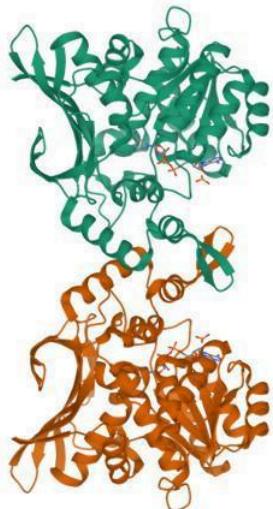 Figure 1: Helicobacter pylori carboxyspermidine dehydrogenase crystal structure in combination with NADP (PDB ID: 8H52)
2.2 Ligand Preparation and Virtual screening
The Zinc Data Base was used to obtain all-natural chemical structures (ligands) in SDF format. Before molecular docking, ligands were filtered by druglikeness for the preliminary assessment of physiochemical, pharmacokinetic, and ADMET properties performed in SwissADME. The ligands preparation and virtual screening were done in PyRx 0.9x and UCSF chimera software with an Autodock vina to find the BACs fit to the target and acquire a variety of binding conformations and binding affinities (BA) by approximates the Gibbs free energy change upon binding. Table 1 represents the alternative medicines uses or other biological activities.
Table 1: Complementary medicine uses, herbal sources and selected BACs
| Major BACs chosen for anti-peptic ulcers | Source of BACs | Complementary medicine uses |
| Hydroxybenzoic acid, Hydroxycinnamic acid, Cyanidin, Delphinidin, Malvidin, Peonidin, Petunidin, Pelargonidin and Procyanidin B1, Procyanidin B2, Procyanidin B3, Procyanidin A1, Procyanidin A2 and Proanthocyanidins (Tannis) | Ribes uva-crispa and Vaccinium sect. Cyanococcus | Enabling digestion, lower fever, detoxify blood, lower cough, significant for eyes, enhance hair growth (Annapurna, 2012) |
| Isoflavonoids, Dihydroflavanols, Dihydrochalcone, Cinamic acid, Feruloylquinic acid, Comaroylquinic acid, Shikimic acid, Ellagic acid, Propionic acid, Abscisic acid, β-carotene and α-carotene. | Prunus Domestica | Anti-cancer, Anti-bacteria, Anti-fungal (Hussain et al., 2021) |
| β-carotene, α-carotene, Hydroxybenzoic acid, Hydroxycinnamic acid, dehydroascorbic acid (DAA), Chlorophyll, lycopene, lutein, Ellagic acid, Gallic acid, Kaempferol, xanthophyll and flavonoids | Cucumis melo var. cantalupensis | Anti-oxidant, Anti-microbial, maintain radical stability, anti-carcinogenic (Vella et al., 2019) |
| Cyanidin, Chlorogenic acid, apigenin, apiin, Rutin, niacin, riboflavin, pantothenic acid, choline, phylloquinone, dehydroascorbic acid (DAA), Vitamin E succinate, oleic acid, β-linoleic acid, α-linoleic acid, (3,7-dihydroxyflavonoid), Cirtusin A, Abietin, Peucedanin, Citropten, Ostenol, Xanthophyll, diadinoxanthin, violaxanthin, artemisin, ganoderic acid V, ganoderic acid R, α-ionone, diosmetin, tomatine, corticrocin, and safflomin A | Apium graveolens | Anti-oxidants, Anti-microbial, hypolipidemic, hypoglycemic, and anti-platelet aggre(Sowbhagya, 2014) |
| Epicatechin, Quercetin, Kaempferol, Galic acid, Ellagic acid, Caffeic acid (Hydroxycinnamic acid) | Potentilla Fulgens | Antimicrobial, anticancer, antioxidant, anti-inflammatory, and antiulcerogenic, as well as anti-hyperglycemic, anti-hyperlipidemic(Nath & Joshi, 2013) |
| Catechin, Theaflavin, flavonol glycosides, L-theanine, Caffeine, theobromine. | Camellia sinensis | Therapy of cardiovascular conditions, cancer, digestive issues, obesity, and diabetes. Also show strong anti-oxidants, andanti-inflammatory attributes (Samanta, 2022) |
| Hydroxybenzoic acid, Hydroxycinnamic acid, Flavonoids and Carotenoids | Spinacia oleracea | Anti-tumor, Antioxidant, bile acid binding, and Anti - inflammatory actions (Singh et al., 2018) |
| Gingerols, Shogaols, Paradols, Quercetin, Zingerone, Gingerenone-A, 6-dehydrogingerdione, β-bisabolene, α-circumene, Zingiberene, α-farnesene, β-sesquiphellandrene. | Zingiber officinale | Gastrointestinal protection, cholesterol lowering, anti-obesity, cardioprotective, anti-diabetic, anti-inflammatory, and anti-cancer activities and digestive stimulant (Srinivasan, 2017) |
| Demethoxycurcumin, bisdemethoxycurcumin, Ar-turmerone, α-phellandrene, Terpionele, α-zingiberene, β-sesquiphellandrene, Ar-turmerol, farnesol, β-bisabolol, Germacrone, Caffeic acid, Catechin, Chlorogenic, Cinnamic acid, Myricetin, Rutin, Quercetin, Sinapic acid, curcumin pyrazole, and Vanilic acid | Curcuma | Antioxidant qualities, anti-inflammatory properties, anti-cancer properties, neuroprotective properties, antibacterial and antiviral effects, asthma and diabetes prevention properties (Sahoo et al., 2021) |
| Ascorbic acid, α-tocopherol, Glucoraphanin, 4-hydroxyglucobrassicin, Neoglucobrassicin, Sulforaphene, Sulforaphane, Indole-3-carbinol | Raphanus sativus | Prevention of cancer by apoptosis, Inhibit growth of H.Pylori due to antioxidants presence, therefore lower the risk of Gastric cancer (Lim et al., 2015) |
| vitexin-7-O-glucoside, vicenin-2, vicenin-2, orientin, luteolin, naringenin, quercetin, diosgenin, yamogenin, yuccagenin, tigogenin, and smilagenin | Trigonella foenum-graecum | Gastroprotective, anti-hypercholesterolemic Preventing liver damage, Stabilize blood glucose level, cytotoxic (Olaiya & Soetan, 2014) |
| β-carotene, Tocopherol, Xanthophyll, Lutein, Chlorogenic acid, Falcarinol, Falcarindiol, Falcarindiol-3-acetate, Glutamic acid, Caffeic acid, Thiamin, Riboflavin, Niacin. | Daucus carota | Antitumor, cytotoxic, anti-inflammatory, cardiovascular diseases (Ahmad et al., 2019) |
| Alkaloid (Tryptanthrin), Flavanoids, terpinoids, Indigotine, Induruben and ratenoids. | Indigofera tinctoria | Anti-viral, Anti-bacterial, Anti-inflammatory, Gastroprotective also prevent liver damage (Motamarri et al., 2012) |
2.3 Molecular docking
The AutoDock Vina tool was used to dock the selected BACs with the crystal structure of Carboxyspermidine dehydrogenase from Helicobacter pylori in combination with NADP, with Vina search center (X: -16.2076, Y: -29.6123 and Z: -24.0957) and Dimension (Angstrom) (X: 71.9734 Y: 47.2377 Z: 74.8061) using PyRx, and the best responses were subjected to site specific docking using UCSF chimera with coordinates center (X: -37, Y: 4, and Z: -18) and coordinate size (X: 10, Y: 22, and Z: 15). Center coordinates target binding site by center the box on the known or predicted binding site of the target protein, while dimensions ensuring entire binding pocket is covered, including possible sub sites which allow ligands to explore all potential binding conformation with the binding site (Zhao et al., 2020). Hydrogen bonds interaction, hydrophobic interaction, solvation effects and binding affinities scores estimated by autodock vina provide the optimal conformation with lowest docking potential and best poses. The potential scores with best poses were picked for visualization and interaction analysis using Maestro (reddy Peasari et al., 2018) and UCSF Chimera (Pettersen et al., 2004).
2.4 Physiochemical, Pharmacokinetics, and Drug Likeness Aspects of BACs
Typical computational pharmacokinetics parameters and drug-likeness were developed for the assessment of physicochemical, pharmacological, and drug-like features during the drug development process. Ghose, Veber, Egan, and Muegge rules are characteristics of drug likeness that define Lipinski (Lipinski, 2004). Any bioactive compound potential for treatment has to obey Lipinki's rule of five and the data from the ADMET investigations were filtered and confirmed for Lipinski's rule of five that are stated as follows: hydrogen-bonding donors < 5 (the overall amount of nitrogen-hydrogen and oxygen-hydrogen bonds), hydrogen bond acceptors < 10 (all nitrogen or oxygen atoms), a molecular weight < 500 daltons, and a coefficient of octanol-water partitioning log P < 5 (Lipinski, 2004). The first two rules for Hydrogen bond donor and acceptor imply adequate intestinal availability, and the latter two rules imply excellent oral absorption thus this decides whether a molecule is drug-like or not (Schneider, 2013) (Lipinski, 2004). All BACs were ADME/T screened using the internet web SwissADME to determine the drug-likeness agents (Bakchi et al., 2022).
2.5 MD modeling of protein-ligand interactions
Molecular Dynamics Simulation was conducted to understand in deep how 8H52 interacts with potential phytochemicals when it binds to a target protein, molecular dynamics (MD) simulation aids in the visualization of protein flexibility (Hansson et al., 2002). Analyzing the underlying motions of protein-ligand complexes can reveal several new unexplored bioactivities and intricate dynamic processes (Anwer et al., 2015). GROMACS was utilized to investigate the stability of the complexes, energy minimization, and equilibration (Gapsys et al., 2022). The GROMACS was also utilized in the simulation of Receptor-ZINC519621, Receptor-ZINC33299, Receptor-ZINC14642912, and Receptor-ZINC19816066 at 300K, with CHARMM27 force fields then hybrid ligand structure and force field properties of chosen ligands were determined using Swiss Param In a "cubicbox" with a basic diameter of 1 nm with all the default settings, Receptor-ZINC519621, Receptor-ZINC33299, Receptor-ZINC14642912, and Receptor-ZINC19816066 were wet. The heat of all systems was raised from 0 to 300 K during the length of the equilibration time (1000 ps), while preserving a steady volume and periodic boundary conditions, and the system was then reduced using 1000 "sharpest decline" steps. The resulting trajectories were utilized to examine the system stability as well as to evaluate each complex's behavior. Root mean square deviation (RMSD), root mean square fluctuation (RMSF), radius of gyration (Rg), Hydrogen bonding (H-bond), and Total energy calculations were used to examine the variations of the macromolecule and macromolecule-ligand complex system (Salaria et al., 2022).
NVT ensemble and NPT ensemble were the two phases of the equilibration process. While all other atoms were allowed to move freely in both NVT and NPT, the C backbone atoms of the original structures were constrained. The MD was then run at 300 K with a 10 ns time frame. The obtained trajectories were examined using GROMACS analysis modules. UCF Chimera and Maestro were used to produce MD movies and interaction diagrams respectively.
In Silico Identification of Natural Inhibitors Targeting Helicobacter Pylori Carboxyspermidine Dehydrogenase: A Computational Study
III. RESULTS AND ISCUSSION
This study tested 1102 BACs derived from traditional herbs with the goal of targeting spermidine, which is biosynthesized by carboxyspermidine dehydrogenase (CASDH) in H. pylori. Initially, 323 BACs found to have druglikeness after filtering physiochemical, lipophilicity, water solubility, pharmacokinetics and medicinal chemistry. Four BACs were found to have significance scores from molecular docking for the inhibition of 8H52 protein. These were curcumin pyrazole (ZINC19816066), scoparol (ZINC519621), tryptanthrin (ZINC33299) and 4'-O-methylcatechin (ZINC14642912). Curcumin pyrazole was from curcuma, scoparol from trigonella foenum-graecum, tryptanthrin from indigofera tinctoria, and 4'-O-methylcatechin from camellia sinensis and curcuma. Spermidine is significant for bacteria growth and cell survival. Therefore H.pylori binds on the surface and facilitates adherence to the gastric epithelial cells. These bioactive substances were observed to be crucial for the suppression of spermidine to stop the protein's development. The physicochemical, pharmacokinetic, drug-likeness, and ADMET aspects of curcumin pyrazole, scoparol, tryptanthrin, and 4'-O-methylcatechin are presented in Table 2.
Table 2: ADME evaluation of curcumin pyrazole, scoparol, tryptanthrin and catechin
| Property | Attribute | Value | ||||
| Curcumin pyrazole ZINC19816066 | Scoparol ZINC519621 | Tryptanthrin ZINC33299 | Catechin ZINC14642912 | Unit | ||
| Physiochemical | Molecular weight | 364 | 300.26 | 248.24 | 290.27 | g/mol |
| 27 | 22 | 19 | 21 | |||
| Number of heavy atoms | 17 | 16 | 16 | 12 | ||
| 6 | 2 | 0 | 1 | |||
| Number of aromatic heavy atom | 5 | 6 | 3 | 6 | ||
| 3 | 3 | 0 | 5 | |||
| Number of rotatable bonds | 106.36 | 80.48 | 70.77 | 74.33 | ||
| Number of H-bond acceptors Number of H-bond donors Molar Refractivity | ||||||
| Lipophilicity | $Log P_{o/w}$ | 3.12 | 2.18 | 2.08 | 0.85 | |
| Water solubility | Log S Solubility Class | -4.73 | -4.06 | -2.77 | -2.14 | mg/ml; mol/l |
| 6.83e-03; 1.88e-05 Moderately soluble | 2.61e-02; 8.69e-05 Moderately soluble | 4.22e-01; 1.70e-03 Soluble | 2.09e+00; 7.19e-03 Soluble | |||
| Pharmacokinetics | GI absorption | High | High | High | High | |
| No | No | Yes | No | |||
| BBB permeant | No | No | No | Yes | ||
| P-gp substrate | No | Yes | Yes | No | ||
| CYP1A2 | Yes | Yes | No | No | ||
| No | Yes | No | No | |||
| CYP2C19CYP2C9CYP2D6CYP3A4Log $K_p$ | No-5.64 | Yes-5.93 | Yes-6.36 | No-7.82 | cm/s | |
| Druglikeness | LipinskiGhoseVeberEganMueggeBioavailability score | Yes; o violationYesYesYesYesYes0.55 | Yes: o violationYesYesYesYesYes0.55 | Yes: o violationYesYesYesYesYes0.55 | Yes: o violationYesYesYesYesYes0.55 | |
| Pharmaceutical Chemistry | PAINSBrenkLeadlikenessSynthetic accessibility | o alerto alertMW>3503.14 | o Alerto AlertYes3.06 | o Alerto AlertMW< 2502.42 | 1 Alert1 AlertYes3.50 | |
These four BACs were found to have the highest binding scores as compared to the synthetic medicine omeprazole, with a binding affinity of -8.8 Kcal/mol. Curcumin pyrazole from curcuma has the highest docking score of -9.9 Kcal/mol, scoparol from trigonella foenum-graecum exhibits favorable interaction with a docking result of -9.6 Kcal/mol, followed by tryptanthrin from indigofera tinctoria and 4'-O-methylcatechin from camellia sinensis and curcuma which has -9.5 Kcal/mol.
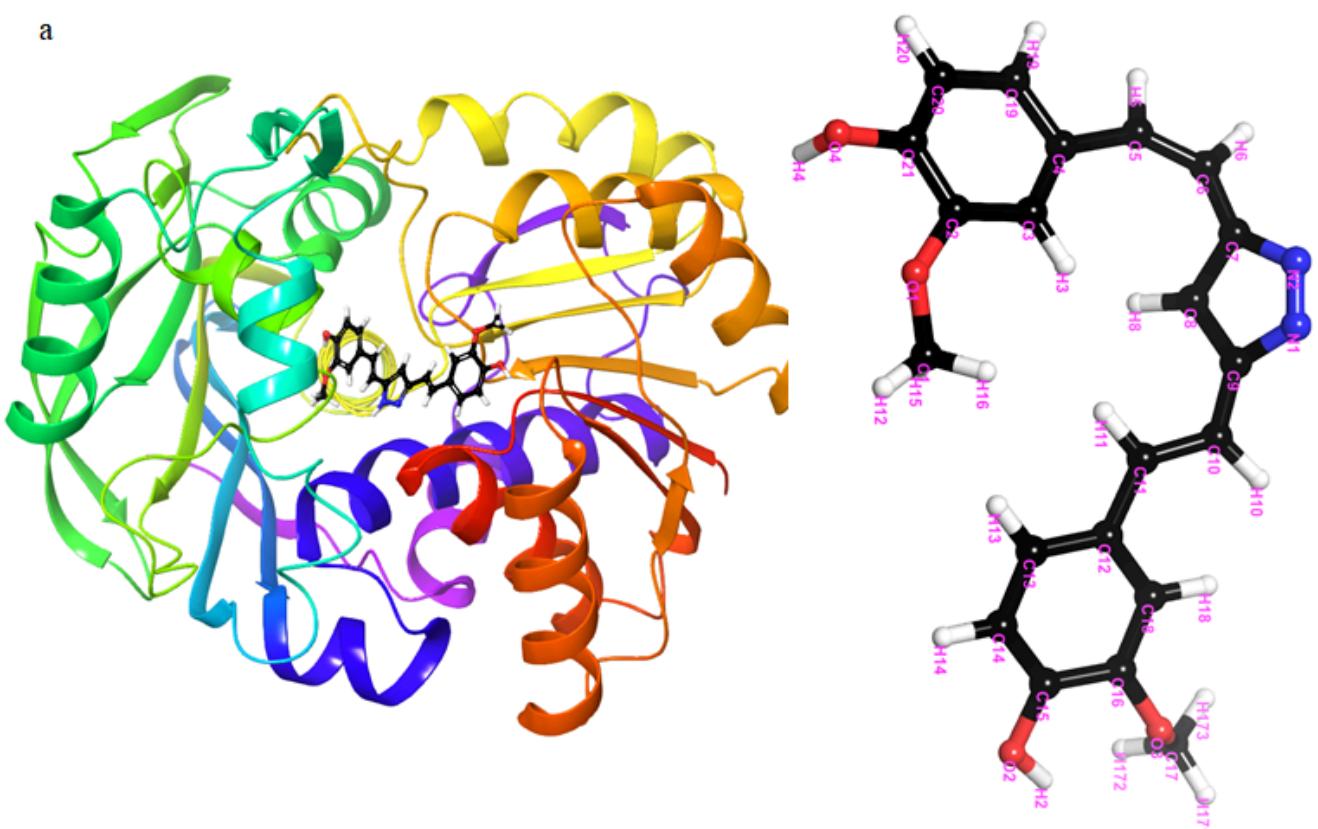
Curcuma possesses antioxidant, anti-inflammatory, anti-cancer, neuroprotective, antibacterial, and antiviral properties, as well as asthma and diabetes-preventative characteristics (Sahoo et al., 2021), curcumin pyrazole formed stacking bonding with PHE183. Furthermore, curcumin pyrazole formed three hydrogen bonds (H-bonds) with the receptor's residues. The H-bonds was formed with ASH143, LEU85, and SER34. The ASH143 and SER34 are the hydrogen bond acceptors (HBA), and LEU85 is the hydrogen bond donor (HBD). H-bonds are important for the stability of the complex structure and also for drug absorption and distribution (Coimbra et al., 2021). Atoms exposed to solvent for curcumin pyrazole from the 2D interaction diagram are C19, C20, C21, C2, O1, C1, C7, C9, C11, C13, C14 and C17 as depicted in Figure 2 (a and b).
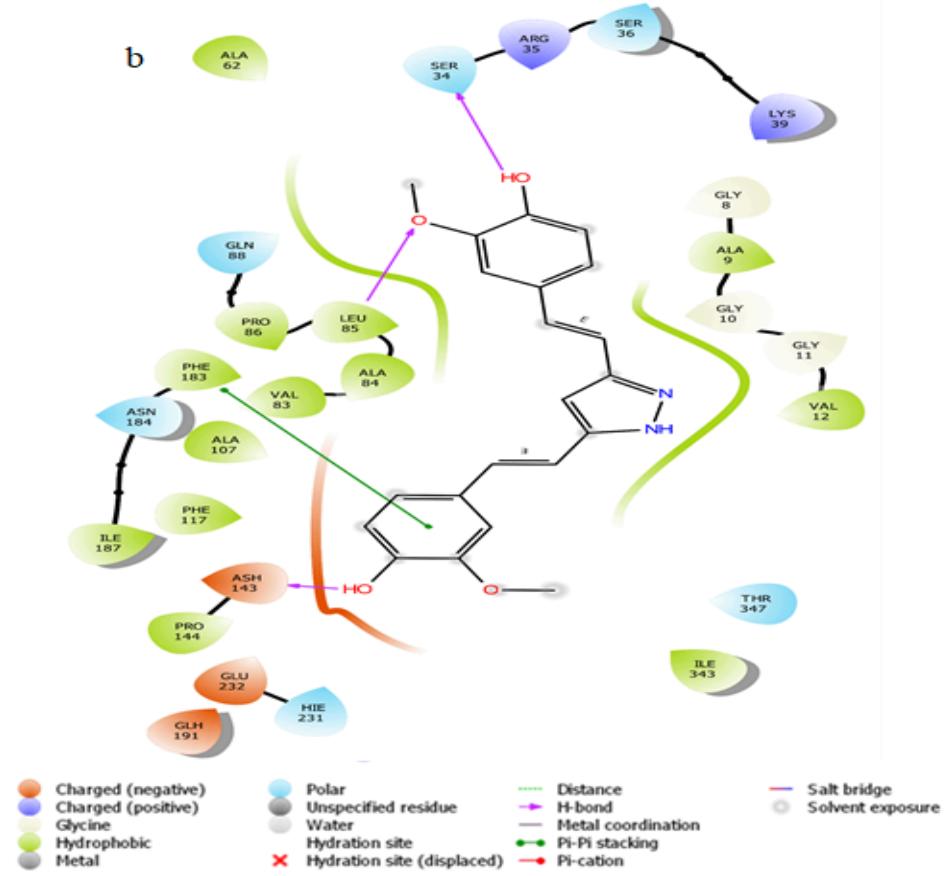 Figure 2 a: 3D visualization of receptor-curcumin pyrazole and curcumin pyrazole structure. Figure 2 b: 2D interaction diagram of curcumin pyrazole inside binding pocket of 8H52
Scoparol during docking produces two different pose structures which are visualized in 2D interaction. Figure 3b, initially, the 2D interaction diagram of scoparol shows scoparol formed two stacking with residue PHE183, and four H-bonds with ASH143, GLH191, GLU232, and VAL83. In these configurations ASH143, GLU232, and VAL83 were HBAs while GLH191 was HBD. The final structure in Figure 3c, scoparol formed two stacking with residue PHE183, and three H-bonds with GLH191, GLU232, and VAL83. In this interaction diagram GLU232 and VAL83 are HBAs while GLH191 is the HBD. In the first pose structure, solvent exposure of scoparol atoms inside the receptor is observed in Figure 3b in the ring with C12, C11, C8, and O6. For the second pose structure, in Figure 3b, atoms C12, C11, O5, and O6 are exposed to solvent as depicted in scoparol atoms in Figure 3a.
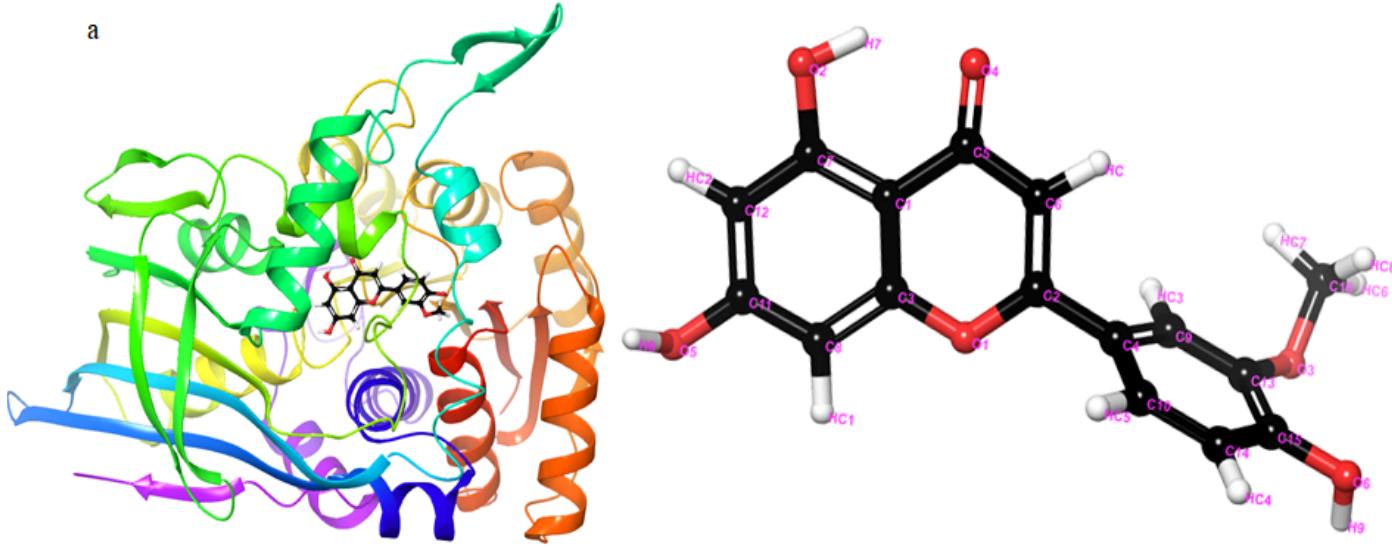 Figure 3a: 3D visualization of receptor-scoparol and scoparol structure.
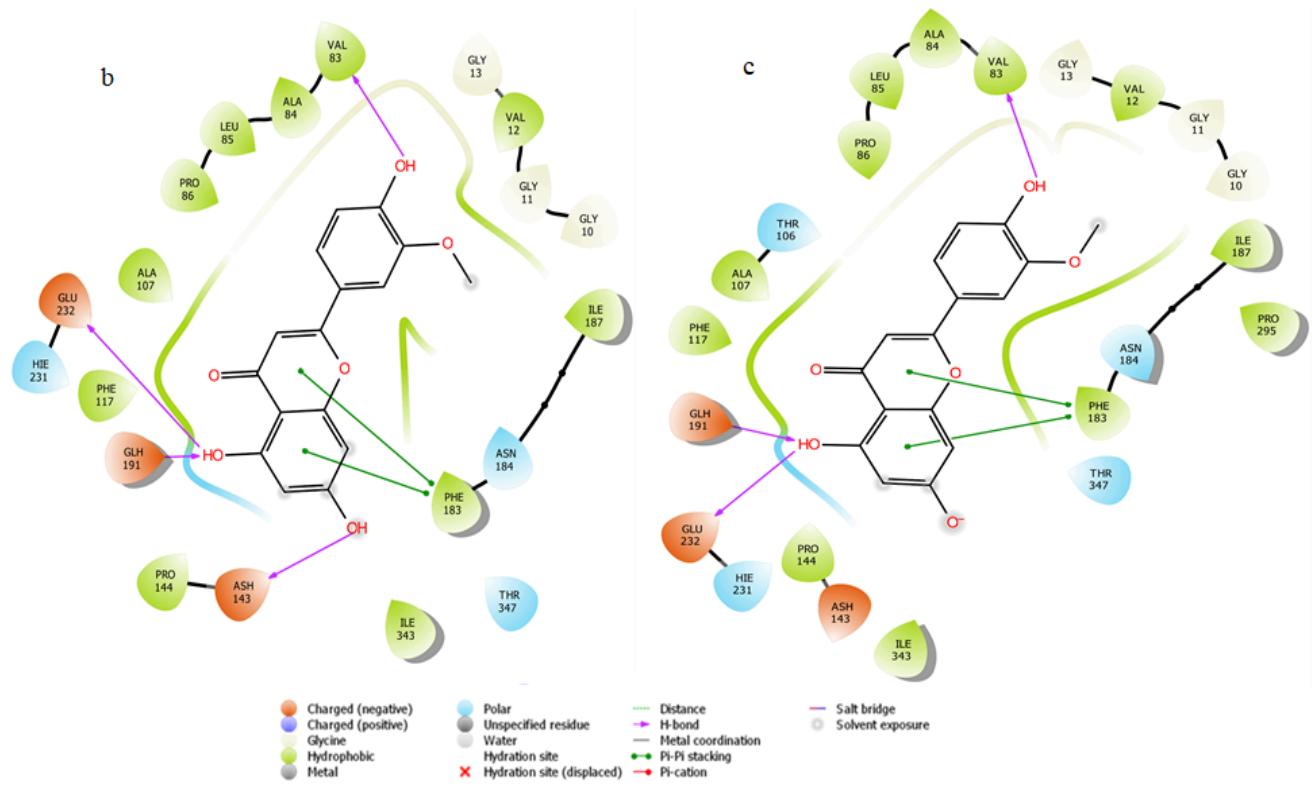 Figure 3 (b and c): 2D interaction diagram of two different poses of scoparol inside the binding pocket of 8H52
It has been found that indigofera tinctoria contains antiviral, antibacterial, anti-inflammatory, and gastroprotective properties that also inhibit liver damage (Motamarri et al., 2012). Tryptanthrin formed two stacking bonds with the PHE183. Moreover, there is one hydrogen bond with GLH191, in which GLH191 is the HBD. It is also observed that C11, C12, C13, C15, and C14 are exposed to solvents compared to other atoms as shown in Figure 4 (a and b).
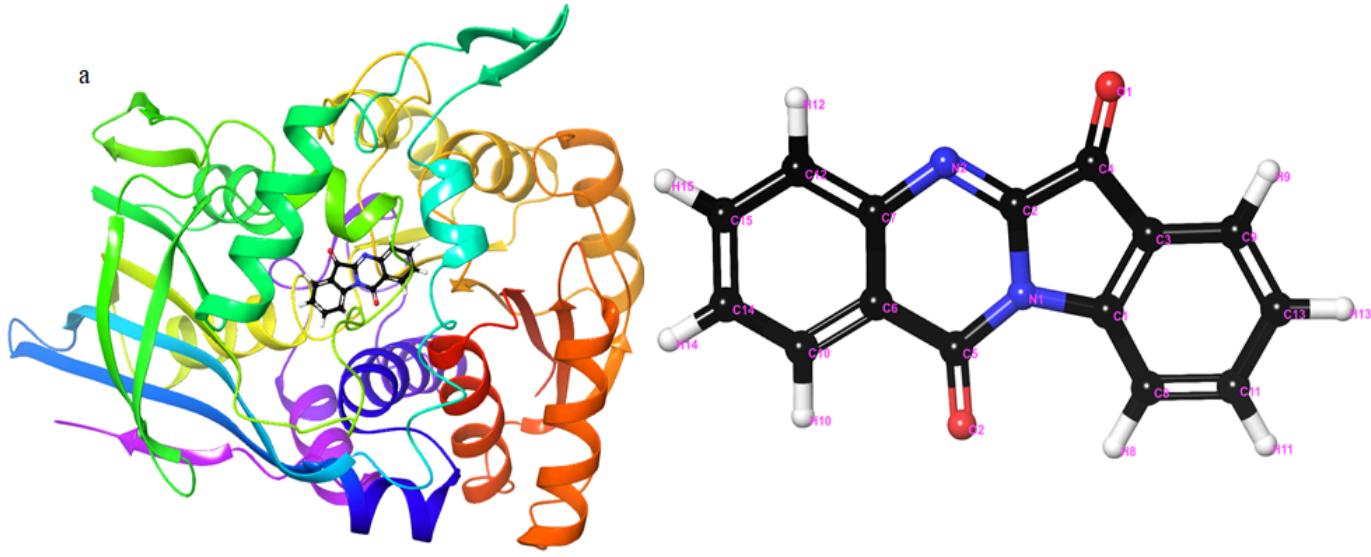 Figure 4a: 3D visualization of receptor-tryptanthrin and tryptanthrin structure
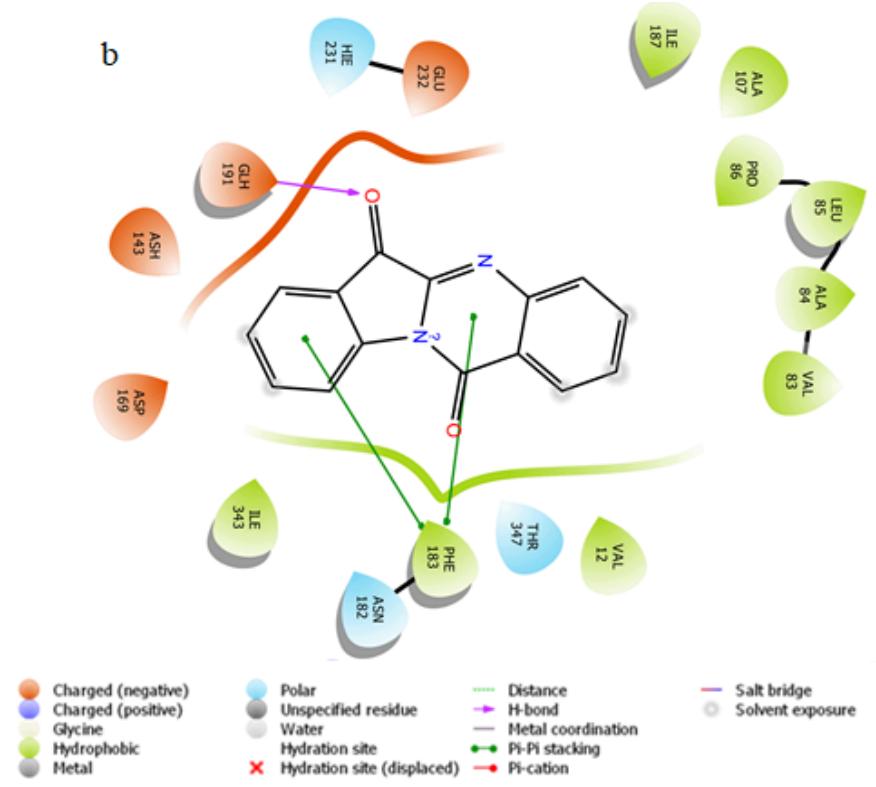 Figure 4b: 2D interaction diagram of tryptanthrin inside the binding pocket of 8H52
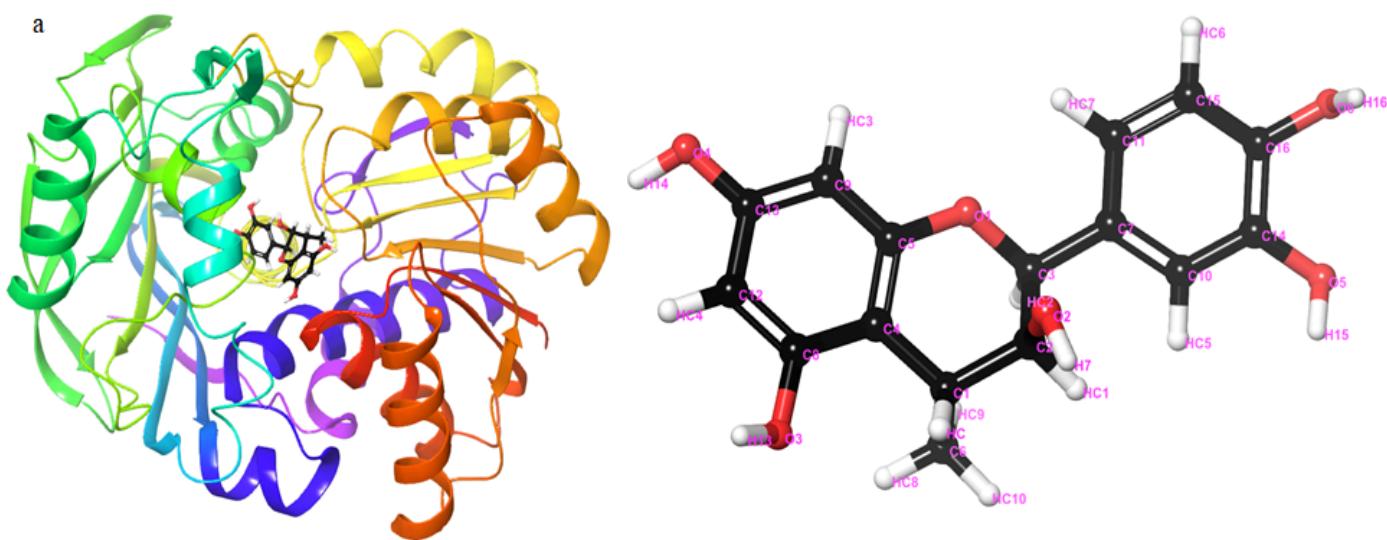 Figure 5 a: 3D visualization of receptor-4'-O-methylcatechin and 4'-O-methylcatechin structure.
{"image_source":{"path":"images/7f4c02590cdd56a034060076a5abec18a5c783443c41a3c28bb102b1bdaa5572.jpg"},"content":"","chart_caption":[{"type":"text","content":"Figure 5 b: 2D interaction diagram of 4'-O-methylcatechin inside binding pocket of 8H52"}],"chart_footnote":[]}
Antioxidants, anti-inflammatory, gastrointestinal protection, and antitumor activities have also been reported from Camellia sinensis and Curcuma (Sahoo et al., 2021; Samanta, 2022). 4'-O-methylcatechin formed stacking bonding with PHE183, in this there are five hydrogen bonds formed with the residues. Three are HBAs, ASH143, VAL83, and GLU232; while the GLY11 and GLH191 are HBDs. This contributes to the overall binding affinity of the 4'-O-methylcatechin inside the protein structure. It is shown also that C15, C16, and C14 are exposed to solvent compare to other 4'-O-methylcatechin atoms as shown in Figure 5 (a and b).
H.Pylori has been becoming resistant to a number of synthetic drugs that are used as a therapy (Qureshi & Graham, 2000). One of the commonly used therapeutic drugs which is widely used for inhibition of H.Pylori is Omeprazole. From the docking result of Omeprazole against the target (8H52), the binding affinity was observed to be 8.8Kcal/mol. It was observed that, omeprazole had no bonds formed with the residues. As seen from Figure 6, C12, C14, C13, O1, C4, S1, C2, C3, C6, C8, C11, and C16 are exposed to solvent.
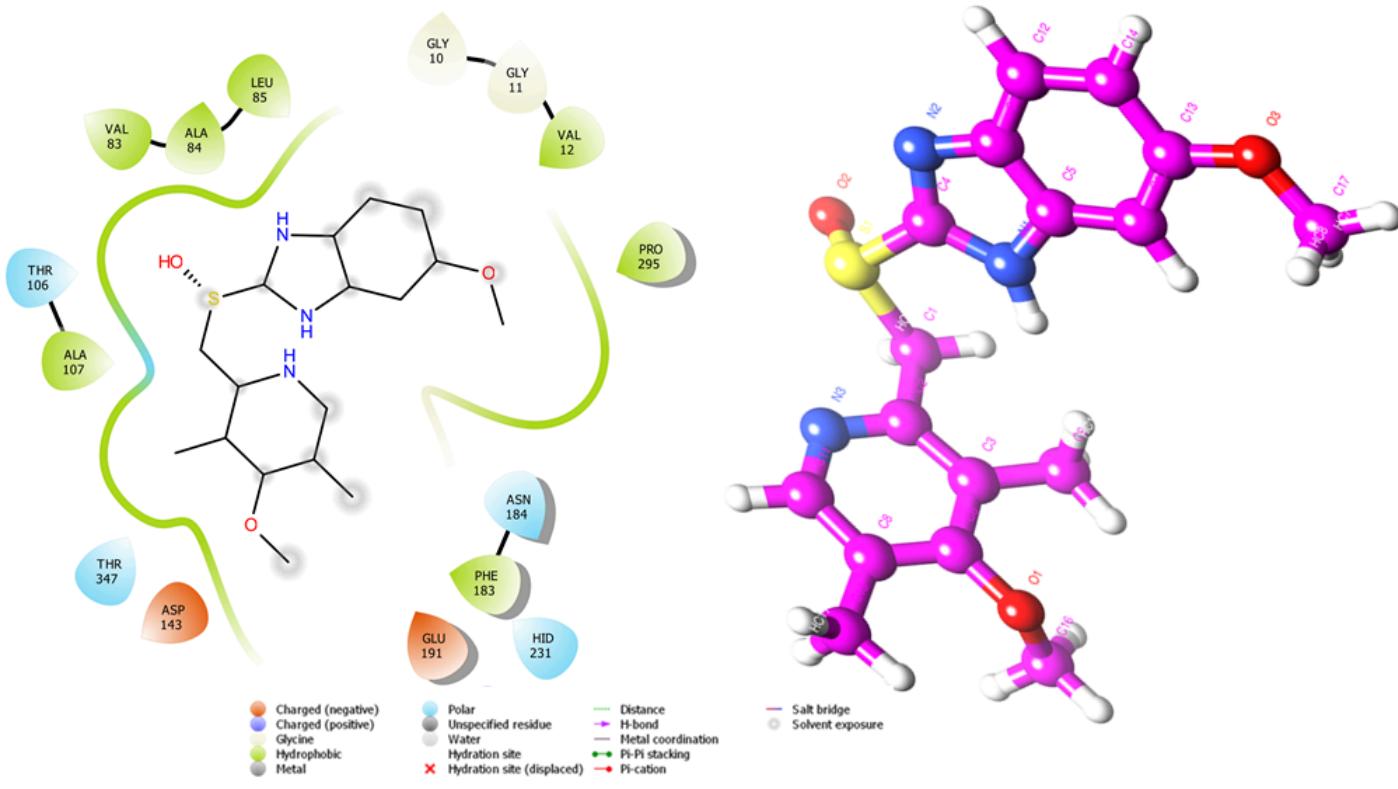 Figure 6: 2D interaction diagram of omeprazole inside binding pocket of 8H52
Inhibiting Spermidine, which is essential for bacterial biofilm development and cell growth, is as important as for bacterial ablation because it prevents bacterial adherence to stomach epithelial cells. Thus, the receptor-ligand interaction is a promising technique for H.pylori suppression in the prevention of peptic ulcers and gastric cancer. It has been observed that curcumin pyrazole, scoparol, tryptanthrin, and 4'-O-methylcatechin interact well with 8H52, and the interesting is the formation of H-bonds that maintain the stability of the complexes. RMSD analysis was employed to assess the stability of the protein-ligand complex throughout a defined time period of 10 ns. This was an essential metric in determining structural stability. Findings from molecular dynamic simulation indicated that the mean stabilities of the studied protein-ligand complexes have been found to be 0.42 nm for 8H52-curcumin pyrazole, 0.39nm for 8H52-scoparol, 0.395nm for 8H52-tryptanthrin, 0.18nm for 8H52-4'-O-methylcatechin, while it was 0.56 nm for 8H52-Omeprazole. Analysis from RMSD indicated that the maximum deviation exhibited by OM (omeprazole) and CP (curcuminpyrazole) was 0.63 nm and the minimum deviation was shown by CA (4'-O-methylcatechin) with the value of 0.18 nm. This shows that 4'-O-methylcatechin has good stability compared to the four ligands as depicted in the line and box plot (Figure 7) (Castro-Alvarez et al., 2017). Furthermore, the total energy interaction profile for the five ligands is less ranged from -480000 KJ/mol to -478300 KJ/mol. This indicating that the system is stable during the simulation (Figure 8) (Peach et al., 2017).
{"image_source":{"path":"images/98ac111ed87f08e02bccde19bcbee9f932bb140944ea60436fde41d72f0fe2ed.jpg"},"content":"","chart_caption":[],"chart_footnote":[]} {"image_source":{"path":"images/bc9f9d930d518610af249890ca1ab5397310e274ca865154c79a459132d04a49.jpg"},"content":"","chart_caption":[],"chart_footnote":[]}
{"image_source":{"path":"images/cf52536d593264e2ec084975522b219ae8830f588a006525450316b97f77bca2.jpg"},"content":"","chart_caption":[{"type":"text","content":"Figure 7: RMSD plot of BACs and control drug in complexation with 8H52"},{"type":"text","content":"Figure 8: Total energy interactions profiles"}],"chart_footnote":[]} In a protein's three-dimensional structure, RMSF is an average over the number of atoms measurement of how far an individual atom, or group of atoms, has moved away from the reference structure. The mean fluctuations of the ligand's atoms were 0.11904 nm for curcumin pyrazole, 0.05317 nm for scoparol, 0.01727 nm for tryptanthrin, 0.04734 nm for 4'-O-methylcatechin, and 0.11255 nm for omeprazole. As it is seen from these results tryptanthrin had minimum RMSF indicating that their atoms does not move far away from the reference structure. The maximum fluctuations of ligand's atoms are influenced by the environmental exposure. The minimum, mean and maximum fluctuations of the ligand's atoms are represented in Figure 9.
{"image_source":{"path":"images/11e2e55434e8f46c97c6a07a43a85d29d173bb9c68215635a4893fa8b2be4041.jpg"},"content":"","chart_caption":[{"type":"text","content":"CurcuminPyrazole Ligand Atoms"}],"chart_footnote":[]} {"image_source":{"path":"images/27a074956bdf8896ff233461e3e6e52485c853215637aff6bc87b2dba06c6a1a.jpg"},"content":"","chart_caption":[{"type":"text","content":"Scoparol Ligand Atoms"}],"chart_footnote":[]}
{"image_source":{"path":"images/41808201c6d6787bdf1630b0304426a704d6c818a180a11e75d20e5aef4980bf.jpg"},"content":"","chart_caption":[{"type":"text","content":"Tryptanthrin Ligand Atoms"}],"chart_footnote":[]} {"image_source":{"path":"images/bf38481864e88ba807127f0578f4acbf5c95aa935dea2bca8720f47f7e0adff8.jpg"},"content":"","chart_caption":[{"type":"text","content":"Catechin Ligand Atoms"}],"chart_footnote":[]}
{"image_source":{"path":"images/9cde2f0b8de94594adc5010f8e9c41278a2419684418db9bcf83248ecc5012cb.jpg"},"content":"","chart_caption":[{"type":"text","content":"Figure 9: RMSF plots for curcumin pyrazole, scoparol, tryptanthrin 4'-O-methylcatechin, and Omeprazole."}],"chart_footnote":[]}
The analysis of radius of gyration was used to determine the compactness of atoms in a structure under study. Thus, the radius of gyration tells about the distribution fo atoms in the protein structure. The average values of radius of gyration for the five ligands are presented in Figure 10. As it is seen from Figure 10, tryptanthrin and 4'-O-methylcatechin had the minimum value of radius of gyration. This indicating that tryptanthrin (0.29 nm) and 4'-O-methylcatechin (0.375 nm) had minimum distribution of atoms along all axes, thus are stable inside the binding pocket (Chen et al., 2016). The analysis reveals that curcumin pyrazole binds in the active pocket of 8H52 with stable 2 – 3 H-bonds bonds formed in the time of 10 ns which also supports the docking findings. Scoparol initially had 4 -5 unstable H-bonds formed with the target, at the end of 10 ns, 1 - 2 H - bonds remained stable, as a result, the decrement ends up with 2 strong H – bonds. For tryptanthrin, during molecular dynamics simulation, there were no stable hydrogen bonds formed in the run of 10 ns. This indicates that tryptanthrin is not stable in the binding pocket of 8H52. 4'-O-methylcatechin binds in the active pocket of 8H52 initially with 4 – 5 hydrogen bonds with fluctuations. It was also observed that a minimal stable of 2 - 3 H - bonds formed around 2 ns to 8 ns, from 8 ns till the end, 2 - 3 H - bonds remained stable for the 4'-O-methylcatechin - 8H52 complex. It was discovered that omeprazole binds in the active pocket of 8H52 with a total of 2 – 3 H - bonds with fluctuations initially. From 5 ns till the end, there were 1 – 2 stable H – bonds formed and makes a maximum of 2 H – bonds formed for the omeprazole – 8H52 complex (Figure 11), Therefore, 4'-O-methylcatechin formed 3 stable H-bonds indicating the stability in the binding pocket (Fatriansyah et al., 2022).
{"image_source":{"path":"images/33fb2ea00d8648aadc5291ecb60e33da8d9f15fba392aab9da92460eb0fde630.jpg"},"content":"","chart_caption":[{"type":"text","content":"Figure 10: The average radius of gyration for the five hits"}],"chart_footnote":[{"type":"text","content":"CurcuminPyrazole Hydrogen Bonds"}]} {"image_source":{"path":"images/dbd4b2e5b96559b4d9bbd9087e187976b9f8dc05668b87d4dbdc23b2d7c8a1c2.jpg"},"content":"","chart_caption":[],"chart_footnote":[]}
{"image_source":{"path":"images/4b5eeaa01e9648634aaaa0a0844a6dcc175e5e08710a0262bc94dbc8b46ee72e.jpg"},"content":"","chart_caption":[{"type":"text","content":"Scoparol Hydrogen Bonds"}],"chart_footnote":[]}
Tryptanthrin Hydrogen Bonds {"image_source":{"path":"images/061e6f27094a308f005276ea80633f200d40b65e1e2053e4cdc9dde934dbcb1f.jpg"},"content":"","chart_caption":[],"chart_footnote":[{"type":"text","content":"Catechin Hydrogen Bonds"}]}
{"image_source":{"path":"images/64e5f1fc33ac25c38437d3cef583130956443e5e0b62ce3bf201d132d88eeab1.jpg"},"content":"","chart_caption":[],"chart_footnote":[]} {"image_source":{"path":"images/c77f4039e70b49842a8cd96d0ba2a6f55c10e95c1a9401e5cf95438cdab1b60e.jpg"},"content":"","chart_caption":[{"type":"text","content":"Omeprazole Hydrogen bonds"},{"type":"text","content":"Figure 11: BACs and control drug hydrogen bonds"}],"chart_footnote":[]}
IV. CONCLUSION
In this study 1102 BACs from traditional medicinal herbs were investigated as a potential inhibitor for the treatment of peptic ulcers. Among those, four compounds curcumin pyrazole, scoparol, tryptanthrin, and 4'-O-methylcatechin were the ligands that outperformed Omeprazole were found to be promising for peptic ulcers treatment. Molecular docking results displayed docking scores of -9.9 Kcal/mol, -9.6 Kcal/mol, -9.5 Kcal/mol, -9.5 Kcal/mol, and -8.8 Kcal/mol for curcumin pyrazole, scoparol, 4'-O-methylcatechin, tryptanthrin, and omeprazole respectively. Therefore, these structures have been identified to possess significant inhibitory activities against H-pylori. Further analysis was then performed using molecular dynamic studies to understand the flexibility and physical movement of the BACs and the control drug in complex with 8H52 as the target protein. Molecular dynamic results showed that all of the BACs had good findings. 4'-O-methycatechin had the best results compared to the control drugs in terms of binding affinity (-9.6 Kcal/mol), RMSD (0.18 nm), RMSF (0.04734 nm), H – bonds formed (2 to 3 stable H- bonds), and radius of gyration (0.375 nm). This study thus concludes that four BACs that were studied have inhibitory activities against 8H52, therefore these BACs are proposed to be possible candidates for medicines against 8H52 to inhibit bacterial growth and cell development to promote health and well-being for peptic ulcer disorders. MMPBSA, and other parameters such as temperatures, volume, bond energies, and lamb energies can be extended for further research to widen validation of results through in vitro and in vivo studies.
Funding: The authors express deep gratitude to University of Dodoma (UDOM) and Tanzania Atomic Energy Commission (TAEC) for supporting this work.
Conflict of interest: The authors disclose no conflict of interest.
Conflict of Interest
The authors declare no conflict of interest.
Ethical Approval
Not applicable
Data Availability
The datasets used in this study are openly available at [repository link] and the source code is available on GitHub at [GitHub link].
Funding
This work did not receive any external funding.
References
Cite this article
Related Research


Special Issue
Launch a focused special issue to highlight research, emerging trends, and expert insights in your academic field.
