



IntelliPaper
Abstract
The global healthcare sector, paradoxically, stands as a significant contributor to the very climate crisis it aims to mitigate. Estimates suggest that healthcare accounts for a substantial portion of global greenhouse gas (GHG) emissions, ranging between 4% and 10% of total worldwide emissions, and approximately 8.5% within the United States.1 This impact directly contradicts the fundamental medical principle of "do no harm," as climate change itself poses a major and escalating threat to human health. Medical procedures, particularly those conducted within energy-intensive operating rooms (ORs), are identified as primary drivers of these emissions. Key contributors include the disproportionately high energy consumption of ORs, which can be up to six times greater than that of standard clinical wards, the pervasive use of potent Anaesthetic gases, the widespread adoption of single-use medical devices and consumables, and the often-overlooked yet significant carbon footprint associated with patient and staff travel.3 Effective strategies for reducing these emissions necessitate a multi-faceted approach. This includes optimizing operational energy use within facilities, transitioning towards reusable medical devices, implementing robust reprocessing programs for single-use devices, adopting Anaesthetic agents with lower global warming potential (GWP), enhancing comprehensive waste management practices, leveraging telehealth services to reduce travel, and integrating sustainable principles into procurement policies. These strategic shifts not only contribute to environmental stewardship but frequently result in considerable economic benefits through cost savings.8 Achieving net-zero healthcare demands a systemic transformation, embedding sustainability into every layer of decision-making, from individual clinical actions to overarching national policy frameworks. This report elaborates on these critical drivers and outlines a comprehensive set of strategies to mitigate healthcare's environmental impact.
Explore Digital Article Text
The global healthcare sector, paradoxically, stands as a significant contributor to the very climate crisis it aims to mitigate. Estimates suggest that healthcare accounts for a substantial portion of global greenhouse gas (GHG) emissions, ranging between 4% and 10% of total worldwide emissions, and approximately 8.5% within the United States. This impact directly contradicts the fundamental medical principle of "do no harm," as climate change itself poses a major and escalating threat to human health.
Medical procedures, particularly those conducted within energy-intensive operating rooms (ORs), are identified as primary drivers of these emissions. Key contributors include the disproportionately high energy consumption of ORs, which can be up to six times greater than that of standard clinical wards, the pervasive use of potent Anaesthetic gases, the widespread adoption of single-use medical devices and consumables, and the often-overlooked yet significant carbon footprint associated with patient and staff travel.
Effective strategies for reducing these emissions necessitate a multi-faceted approach. This includes optimizing operational energy use within facilities, transitioning towards reusable medical devices, implementing robust reprocessing programs for single-use devices, adopting Anaesthetic agents with lower global warming potential (GWP), enhancing comprehensive waste management practices, leveraging telehealth services to reduce travel, and integrating sustainable principles into procurement policies. These strategic shifts not only contribute to environmental stewardship but frequently result in considerable economic benefits through cost savings.
Achieving net-zero healthcare demands a systemic transformation, embedding sustainability into every layer of decision-making, from individual clinical actions to overarching national policy frameworks. This report elaborates on these critical drivers and outlines a comprehensive set of strategies to mitigate healthcare's environmental impact.
I. INTRODUCTION: THE HEALTHCARE SECTOR'S ENVIRONMENTAL IMPERATIVE
The 21st century recognizes climate change as the foremost global health threat, with its ramifications extending to increased incidences of various diseases, including skin cancers like melanoma, exacerbated by rising ultraviolet radiation due to ozone depletion and global warming. This alarming reality presents a profound paradox: the very systems dedicated to preserving and restoring human health are, through their operational footprint, substantial contributors to this escalating crisis.
The global healthcare sector's carbon footprint is indeed substantial, accounting for approximately 4.4% of global emissions. In the United States, this figure rises to nearly 8.5% of national greenhouse gas emissions. To put this into perspective, if the global healthcare system were a sovereign nation, its carbon emissions would rank as the fifth largest worldwide, surpassing even those of Japan. This environmental burden highlights a critical ethical dilemma. The foundational principle of medicine, "primum non nocere" (first, do no harm), extends beyond individual patient care to encompass planetary health. When healthcare operations contribute to environmental degradation that directly harms public health outcomes, a fundamental contradiction arises. Therefore, addressing healthcare's environmental impact is not merely an act of environmental stewardship but a core ethical responsibility, intrinsically linked to the sector's mission to promote and protect health.
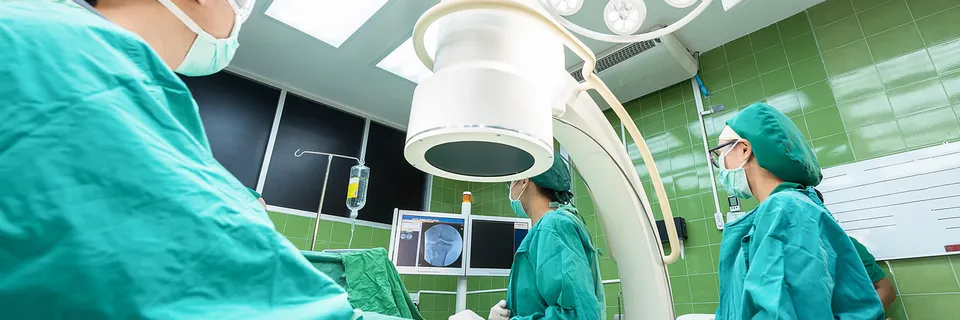
Within the broad spectrum of healthcare activities, surgical care and other medical procedures are notably resource-intensive and carbon-heavy areas. Operating rooms (ORs) are consistently identified as major carbon hotspots, consuming three to six times more energy than other clinical areas within a hospital. Furthermore, ORs are prodigious generators of waste, accounting for 50% to 70% of a hospital's total waste output. This report will meticulously examine the specific factors driving emissions within these procedures and delineate actionable strategies for their reduction.
The imperative to address healthcare's carbon footprint is gaining significant traction, reflected in concrete commitments from major health systems globally. The National Health Service (NHS) in the UK, for instance, has pledged to achieve a carbon-neutral service by 2040, with a broader net-zero target by 2045. Similarly, over 1,000 hospitals in the United States have committed to emissions reductions. Despite these growing commitments and increasing awareness among healthcare professionals regarding their sector's environmental impact , the actual pace of climate action often falls short of the urgency demanded by the consequences of climate change. This observed gap between recognition and implementation suggests the presence of underlying systemic barriers. These include ingrained arguments of "medical exceptionalism" that propose healthcare should be exempt from decarbonization efforts , alongside practical challenges such as a lack of appropriate infrastructure, significant financial considerations, and insufficient education and training for staff. Overcoming these deeply entrenched behavioral and structural challenges will require more forceful, integrated policy interventions and comprehensive educational initiatives to translate awareness into tangible, widespread change.
II. METHODOLOGIES FOR CARBON FOOTPRINTING IN HEALTHCARE
Accurately quantifying environmental impact is a foundational step towards establishing sustainable health systems and facilitating evidence-based policy adjustments. This process is essential for identifying "carbon hotspots" – areas of high emissions – which then become targeted points for intervention. Without precise measurement, efforts to reduce environmental impact may be misdirected or inefficient.
2.1 Life Cycle Assessment (LCA)
Life Cycle Assessment (LCA) stands as an internationally standardized methodology for quantifying the environmental impacts associated with the entire lifecycle of a product, process, or service. Often described as a "cradle-to-grave" approach, LCA meticulously evaluates all stages, from raw material extraction, through manufacturing, transportation, and use, to its eventual disposal. This method systematically measures the energy and materials consumed and the emissions released throughout a defined system. While LCA has been widely adopted and matured in various industries, its application within healthcare is still considered to be in its nascent stages, requiring further research and broader scaling to achieve its full potential. Nevertheless, LCA is an invaluable tool for comparing the environmental impacts of different materials, designs, and processes, such as evaluating the footprint of single-use versus reusable medical products.
2.2 Greenhouse Gas Protocol (Scopes 1, 2, and 3)
The Greenhouse Gas Protocol provides a widely recognized framework for categorizing and reporting carbon emissions, dividing them into three distinct scopes :
Scope 1: These are direct emissions from sources that are owned or controlled by the organization itself. In healthcare, this primarily includes emissions from onsite energy generation and, notably, Anaesthetic gases released during medical procedures.
Scope 2: These represent indirect emissions resulting from the generation of purchased electricity, heating, or cooling consumed by the organization.
Scope 3: This scope encompasses all other indirect emissions that occur within the organization's value chain. For healthcare, this is the most expansive category, covering emissions from the production and transportation of medical devices and pharmaceuticals, waste disposal processes, and the significant impact of patient and staff travel to and from facilities.
A critical observation from current analyses is the overwhelming dominance of Scope 3 emissions in healthcare's total carbon footprint. A majority of healthcare emissions, typically ranging from 50% to 75%, fall under Scope 3, with disposables, equipment, and pharmaceuticals being the largest contributors. This distribution underscores the necessity of a holistic approach to decarbonization that extends far beyond the direct operational boundaries of hospitals.
2.3 Operational vs. Embodied Carbon
Understanding the distinction between operational and embodied carbon is crucial for a comprehensive decarbonization strategy:
Operational Carbon: This refers to the emissions associated with the energy consumed to operate a building or its infrastructure. This includes energy for heating, cooling, ventilation, lighting systems, and the operation of medical equipment. Historically, this has been the primary focus of sustainability initiatives within buildings.
Embodied Carbon (also known as Embedded Carbon): This represents the total greenhouse gases emitted throughout the entire lifecycle of materials and products. This includes emissions from raw material extraction, manufacturing processes, transportation to the site, and even the deconstruction and disposal at the end of a product's useful life. Embodied carbon can constitute a substantial portion, often to , of a product's total life energy. A key characteristic is that, unlike operational carbon emissions which can be reduced through efficiency improvements during use, embodied carbon cannot be reversed once the materials are produced. This makes it a critical consideration for product design and procurement decisions.
The significant contribution of Scope 3 emissions and embodied carbon reveals a substantial environmental burden that often remains less visible than direct operational emissions. The fact that 50% to 75% of healthcare's total emissions are indirect (Scope 3) and that embodied carbon can account for 20% to 50% of a product's total lifecycle emissions means that focusing solely on energy efficiency within hospital buildings, while important, will only address a fraction of the overall problem. This reality implies that genuine decarbonization requires deep engagement with the entire supply chain, including suppliers and manufacturers, to influence product design, material choices, and transportation logistics.
Furthermore, the current state of carbon footprinting in healthcare presents a significant challenge: the application of LCA is described as "in its infancy," and there is a noted "lack of consistency in carbon footprint calculations between studies". This methodological immaturity poses a substantial barrier to effective decarbonization. Without standardized and robust data collection and analytical methodologies, it becomes difficult to accurately compare the environmental impact of different procedures or products, identify the most impactful hotspots, and reliably measure the effectiveness of interventions. This situation suggests that a foundational step for the healthcare sector must be to invest in developing and mandating consistent carbon footprinting methodologies, potentially through collaborative efforts and regulatory frameworks, to ensure that future sustainability initiatives are truly evidence-based and impactful.
III. KEY DRIVERS OF CARBON EMISSIONS IN MEDICAL PROCEDURES
Medical procedures, particularly those performed in operating rooms (ORs), are inherently resource-intensive and contribute significantly to the healthcare sector's carbon footprint. The primary drivers of these emissions are multifaceted and interconnected.
3.1 Operating Rooms (ORs)
Operating rooms are consistently identified as major carbon hotspots due to their exceptionally high energy intensity and substantial resource consumption. These environments typically consume three to six times more energy per square foot than other clinical wards within a hospital. A predominant portion of this energy consumption, estimated at 90% to 99%, is attributed to heating, ventilation, and air conditioning (HVAC) systems. This energy expenditure is not limited to active use; a significant amount, for instance, two-thirds of yearly CT scanner energy consumption and one-third for MRIs, occurs even when these machines are in idle states.
Beyond energy, ORs are prodigious generators of waste, accounting for 20% to 33% and even up to 50% to 70% of a hospital's total waste. A notable portion of this waste, approximately a quarter, is generated by anesthesia practices alone. Disturbingly, a significant amount of this OR waste is inappropriately segregated, leading to its incineration, a process that itself is carbon-intensive.
The major drivers of emissions within the OR—energy consumption, Anaesthetic gases, and single-use devices—are not isolated issues but are deeply intertwined within the surgical environment. For example, the stringent air exchange rates required for infection control, which necessitate high energy use for HVAC systems, also often contribute to the perceived need for single-use products. Similarly, complex surgical procedures, which typically demand more energy and disposable items, also tend to involve higher usage of potent Anaesthetic gases. This intricate web of interdependencies implies that solutions must be holistic, addressing these connections rather than tackling each component in isolation. A reduction in one area, such as transitioning to reusable items, may necessitate increased energy for sterilization, requiring a systems-thinking approach that considers the full operational and lifecycle impacts.
3.2 Anaesthetic Gases
Volatile Anaesthetic agents are potent greenhouse gases, contributing approximately 5% of a hospital's total carbon emissions. A concerning aspect of their use is that a staggering 95% of inhaled Anaesthetics are not metabolized by the patient but are instead released directly into the atmosphere through the anaesthesia machine's scavenging system. Among these, Desflurane stands out for its exceptionally high global warming potential (GWP); the emissions from a single bottle of Desflurane are equivalent to the carbon footprint of burning 440 kg of coal.
3.3 Medical Devices and Consumables
Medical devices and consumables are consistently identified as the largest contributors to emissions within surgical procedures. The primary carbon hotspot within this category is the material production and manufacturing phase of these items.
The widespread reliance on single-use items, often driven by perceptions of convenience, efficiency, and infection control, significantly inflates the carbon footprint. For instance, a single-use flexible cystoscope generates 2.40 kg of CO2e per procedure, whereas its reusable counterpart accounts for only 0.53 kg of CO2e. This disparity highlights a significant "perception gap" in healthcare. While single-use products are often chosen for perceived ease and safety, evidence demonstrates that reusable alternatives are frequently "environmentally superior and economically advantageous". Moreover, regulated reprocessing of single-use devices (SUDs) has been shown to reduce GHG emissions by 40% to 60% with no increased risk to patient safety. This suggests that a critical barrier to sustainability is not a lack of viable alternatives, but rather a need for robust evidence dissemination and a cultural shift within clinical practice to overcome ingrained habits and misperceptions about safety and cost.
3.4 Medical Imaging and Interventional Procedures
Medical imaging modalities are substantial contributors to healthcare's greenhouse gas emissions. Computed Tomography (CT) and Magnetic Resonance Imaging (MRI) produce considerably more CO2e per examination (6.6 kg and 19.7 kg, respectively) compared to ultrasound (1.2 kg). The increasing demand for diagnostic imaging is projected to lead to a 30% increase in CO2e from CT and MRI by 2030.
Furthermore, the waste generated from contrast agents, such as iodinated media and gadolinium-based contrast agents (GBCAs), poses an environmental concern. These agents have been detected in drinking water, and while clinically stable, GBCAs eventually degrade to free gadolinium, a known environmental toxin. Their indiscriminate disposal is deemed unsustainable. Interventional radiology (IR) procedures also contribute significantly due to their high volume of single-use products, including coils, syringes, wires, and catheters. Studies indicate that climate control systems (HVAC) and disposable surgical items are the largest contributors to IR's carbon footprint.
3.5 Pharmaceuticals
The pharmaceutical industry exhibits a remarkably high carbon intensity, reportedly 55% more carbon intensive than the automotive industry. This makes pharmaceuticals a significant component of healthcare's overall environmental footprint, particularly in specialties like oncology with intensive prescribing practices. The transportation of imported drugs, medical equipment, and supplies further exacerbates these emissions.
3.6 Patient and Staff Travel
Travel associated with healthcare, though often overlooked, contributes substantially to overall emissions. In the United States, patient healthcare-related travel alone generates an estimated 35.7 megatons (Mt) of CO2e annually, accounting for approximately 6% of the nation's total healthcare-related emissions. This impact is particularly pronounced for rural patients, who tend to generate higher emissions per trip due to longer travel distances. Similarly, employee commutes contribute significantly to health system carbon footprints, with annual emissions per participant ranging from 1750 to 3333 kg CO2e in surveyed health systems.
3.7 Ancillary Services
Even seemingly minor ancillary services contribute to the overall carbon burden. High volume clinical activities such as perioperative group and save (G&S) blood testing have a measurable carbon footprint, calculated at 0.43 kg CO2e for an inpatient sample and 7 kg CO2e for an outpatient sample.
Eliminating unnecessary tests, such as a second G&S in elective cases with low transfusion rates, could save approximately 9 tonnes of CO2e per year. Patient meals also contribute to emissions, estimated at an average of 8.8 kg CO2e per patient-bed-day. Simple dietary changes, such as replacing beef with chicken as a protein source, could reduce these emissions by 29%. Furthermore, laundry processes for hospital linens also add to the carbon footprint, as observed in non melanoma skin cancer surgery, where it accounted for 0.38 kgCO2eq.
3.8 Specialty-Wise Indicative Carbon Emission Data (Per Procedure)
Disclaimer: All figures are approximate and based on current research, often from Western healthcare systems (e.g., UK, USA). Emissions for procedures can vary significantly due to factors mentioned above.
3.9 Tentative Carbon Emissions from Common Medical Procedures: A Tabular Overview
The following table summarizes the indicative carbon dioxide equivalent (CO2e) ranges for common surgical and medical interventions across various specialties, as discussed in the preceding sections. These figures are approximate and subject to variability based on numerous factors, including location, specific hospital practices, and methodology of carbon footprinting.
| Specialty | Procedure | Indicative CO2e Range (kg CO2e) |
| Gynaecology | Laparoscopic Hysterectomy | 30-100 |
| Gynaecology | Laparoscopic Ovarian Cystectomy | 25-80 |
| Gynaecology | Dilation and Curettage (D&C) | 10-30 |
| Gynaecology | Vaginal Delivery | 20-50 |
| Gynaecology | C-section | 50-150 |
| Gynaecology | Colposcopy/Biopsy (Outpatient) | 5-20 |
| Oncology | Mastectomy (with or without lymph node dissection) | 70-200 |
| Oncology | Colectomy (Laparoscopic/Open for colorectal cancer) | 80-300 |
| Oncology | Lung Resection (e.g., Lobectomy for lung cancer) | 100-350 |
| Oncology | Robotic Radical Prostatectomy | 40-100 |
| Oncology | Open Radical Prostatectomy | 20-70 |
| Oncology | Non-Melanoma Skin Cancer Excision (e.g., Basal Cell Carcinoma) | 30-70 |
| General Surgery | Laparoscopic | 20-80 |
| Cholecystectomy | ||
| General Surgery | Appendicectomy (Laparoscopic) | 20-70 |
| General Surgery | Laparoscopic Inguinal Hernia Repair | 20-70 |
| General Surgery | Open Inguinal Hernia Repair | 15-50 |
| General Surgery | Thyroidectomy | 30-100 |
| General Surgery | Gastric Bypass/Sleeve Gastrectomy (Bariatric Surgery) | 100-300 |
| ENT (Ear, Nose, Throat) | Tonsillectomy/Adenoidectomy (Pediatric) | 40-80 |
| ENT (Ear, Nose, Throat) | Myringotomy with Tube Insertion | 20-50 |
| ENT (Ear, Nose, Throat) | Septoplasty/Rhinoplasty | 50-150 |
| ENT (Ear, Nose, Throat) | Functional Endoscopic Sinus Surgery (FESS) | 40-120 |
| ENT (Ear, Nose, Throat) | Cochlear Implant Surgery | 100-300 |
| Dentistry including Maxillofacial | Dental Examination/Scale & Polish (Clinic-based) | 5-15 |
| Dentistry including Maxillofacial | Dental Filling/Restoration (Clinic-based) | 10-30 |
| Dentistry including Maxillofacial | Simple Tooth Extraction (Clinic-based) | 10-30 |
| Dentistry including Maxillofacial | Impacted Wisdom Tooth Extraction (OR-based, often GA) | 30-80 |
| Dentistry including Maxillofacial | Orthognathic Surgery (Maxillofacial, OR-based) | 80-250 |
| Neurosurgery | Craniotomy for Brain Tumor Resection | 100-400 |
| Neurosurgery | Spinal Fusion/Disc Surgery | 80-300 |
| Neurosurgery | Ventriculoperitoneal (VP) Shunt Insertion | 50-150 |
| Neurosurgery | Deep Brain Stimulation (DBS) Surgery | 100-350 |
| Neurosurgery | Aneurysm Clipping/Coiling | 100-400 |
| Cathlab Procedures (Cardiology/Vascular) | Coronary Angiography/Stenting (PCI) | 50-200 |
| Cathlab Procedures (Cardiology/Vascular) | Electrophysiology Study & Ablation (e.g., AF Ablation) | 70-300 |
| Cathlab Procedures (Cardiology/Vascular) | Pacemaker/ICD Implantation | 30-100 |
| Cathlab Procedures (Cardiology/Vascular) | Peripheral Angiography/Stenting | 50-200 |
| Cathlab Procedures (Cardiology/Vascular) | Transcatheter Aortic Valve Implantation (TAVI) | 150-500 |
| Urosurgery | Cystoscopy | 10-40 |
| Urosurgery | Transurethral Resection of Prostate (TURP) | 40-100 |
| Urosurgery | Ureteroscopy (e.g., for stones) | 30-100 |
| Urosurg] \ery | Nephrectomy (Laparoscopic/Robotic for kidney cancer) | 80-250 |
| Urosurgery | Robotic Radical Prostatectomy | 40-100 |
| Urosurgery | Open Radical Prostatectomy | 20-70 |
| Interventional Radiology (IR) | Embolization (e.g., UFE, bland embolization) | 50-200 |
| Interventional Radiology (IR) | Biopsy (Image-Guided, e.g., Liver/Lung) | 20-70 |
| Interventional Radiology (IR) | Drainage Procedures (e.g., | 30-100 |
| Abscess Drainage) | ||
| Interventional Radiology (IR) | Vertebroplasty/Kyphoplasty | 40-120 |
| Interventional Radiology (IR) | Peripheral Artery Intervention | 50-200 |
| Other Specialty Major Carbon Emission Rich Procedures | Orthopaedic Surgery - Total Knee Arthroplasty (TKA) / Total Hip Arthroplasty (THA) | 80-300 |
| Other Specialty Major Carbon Emission Rich Procedures | Organ Transplantation (e.g., Liver Transplant) | 500-1500+ |
| Other Specialty Major Carbon Emission Rich Procedures | Cardiac Surgery (e.g., CABG - Coronary Artery Bypass Grafting) | 200-800 |
| Other Specialty Major Carbon Emission Rich Procedures | Plastic Surgery - Major Reconstructive Surgery (e.g., Free Flap) | 100-400 |
3.10 General Notes on Carbon Footprint (CO2e - Carbon Dioxide Equivalent):
Energy: HVAC (heating, ventilation, air conditioning) is a major energy drain.
Anaesthetic Gases: Desflurane and nitrous oxide are potent greenhouse gases.
Consumables/Waste: Single-use instruments, drapes, gowns, and the energy/emissions from their manufacturing, transport, and disposal.
Equipment: Manufacturing and electricity for equipment (cautery, drills, navigation, imaging). Specialty-Wise Indicative Carbon Emission Data (Per Procedure).
3.11 General Takeaways for Reducing Carbon Footprint
Anaesthetic Choices: Prioritize sevoflurane with low flow, propofol, and regional anesthesia over desflurane and nitrous oxide.
Energy Efficiency: Optimize HVAC, lighting, and equipment usage in ORs. Power down equipment when not in use.
Waste Reduction: Reduce single-use plastics and disposables. Explore reprocessing of suitable single-use devices (where safe and regulated). Improve waste segregation and recycling. Sustainable Procurement: Choose suppliers with sustainable practices and products with lower embodied carbon.
Patient and Staff Travel: Promote public transport, carpooling, and telehealth where appropriate. Optimizing Surgical Flow: Shorter, more efficient surgeries reduce energy consumption and consumables.
IV. CARBON REDUCTION STRATEGIES IN MEDICAL PROCEDURES
Mitigating the carbon footprint of medical procedures requires a comprehensive and multi-pronged approach, targeting various aspects of healthcare operations and delivery.
4.1 Operational Efficiency and Energy Management
Optimizing energy consumption within healthcare facilities, particularly in energy intensive areas like operating rooms, is paramount. This involves implementing comprehensive energy audits to identify areas of significant waste and upgrading to more efficient systems. Strategies include enhancing building management systems (BMS) with automated controls that adjust lighting, HVAC, and other systems based on occupancy and real-time energy demand. Reducing air flow turnover in ORs when unoccupied, improving insulation, and installing energy-efficient lighting (e.g., LED) are crucial steps. Initiatives such as the "Operation TLC" (Turn off equipment, Lights out, Control temperatures) implemented by Barts Health NHS Trust, demonstrated significant reductions, saving 2200 tonnes of carbon emissions and £500,000 in energy costs annually.
Beyond structural improvements, equipment management plays a vital role. Implementing "power-down" modes for imaging machines and ensuring that electrosurgical equipment and ventilators are turned off when not in use can yield substantial energy savings. Investing in ENERGY STAR certified medical devices and transitioning to renewable energy sources, such as solar and wind power, either through onsite generation or purchasing green power, further reduces reliance on carbon-intensive grids.
4.2 Sustainable Medical Devices and Consumables
The shift from single-use to reusable medical devices and the reprocessing of single-use devices (SUDs) represent significant opportunities for carbon reduction. Research indicates that switching to reusable instruments can lead to a 38% to 56% reduction in carbon footprint. This applies across various specialties, from general surgery to ENT clinics, where prioritizing reusable metal instruments and optimizing their cleaning in tray sets can enhance efficiency and reduce waste.
Reprocessing SUDs, an FDA-supervised process of cleaning, testing, and repackaging devices for reuse, offers substantial environmental and economic benefits. Studies show a 40% to 60% reduction in GHG emissions when reprocessed devices are used compared to virgin ones. For example, a 49-hospital system partnered with Advantus Health Partners to implement an electrophysiology equipment reprocessing program, resulting in 4.9 million in savings and preventing over 11,000 pounds of CO2 emissions over four years, all while maintaining high-quality patient care. This directly challenges the perception that sustainable options are inherently costlier or compromise patient safety, as over 25 years of research and regulatory scrutiny have shown no increased risk with reprocessing.
Lean practices and robust waste reduction programs are also essential. This includes optimizing surgical trays to reduce unnecessary instruments, as demonstrated in plastic surgery where redesigned packs saved over €50,000 and 2.9-3.3 tonnes of CO2e annually. Minimizing unnecessary unpacking of instruments in the OR and implementing comprehensive waste segregation and recycling protocols are critical. Adopting circular economy principles, where materials are reused and recycled to the greatest extent possible, transforms waste into a resource, reducing the need for new material extraction.
4.3 Anaesthesia Practices
Anesthesia is a significant contributor to OR emissions, making it a key area for targeted interventions. Choosing inhalational Anaesthetics with lower global warming potential (GWP), such as Sevoflurane over Desflurane, can significantly reduce environmental impact. Furthermore, the adoption of Total Intravenous Anesthesia (TIVA) where appropriate, can reduce the carbon footprint by as much as 20 times compared to inhalation anesthesia. The use of gas purification systems to capture and process Anaesthetic gases before release can also mitigate their environmental impact.
4.4 Optimizing Clinical Pathways
Redesigning care delivery models can improve patient outcomes while simultaneously reducing carbon emissions. A crucial strategy is to reduce low-value care, including eliminating unnecessary procedures and laboratory tests. For instance, rationalizing perioperative group and save (G&S) blood testing by eliminating unnecessary second tests in elective cases could save 9 tonnes of CO2e per year. Similarly, advocating for the judicious use of medical imaging, favoring lower-emission modalities like ultrasound over CT or MRI when clinically appropriate, can significantly reduce emissions.
Shifting care closer to home or into community-based settings, which inherently have a lower carbon footprint than large hospitals, can reduce patient travel and the energy intensity of care delivery. Performing procedures in ambulatory settings, such as using wide-awake local anaesthesia with no tourniquet (WALANT) for hand surgeries, eliminates the need for extensive preoperative tests and anaesthetists, saving both costs and waste (e.g., 13,250 and 2.8 tons of waste over two years in one study).
The increased adoption of telehealth and digital tools, including virtual consultations and remote patient monitoring, offers a powerful means to reduce emissions associated with patient and staff travel. Given that patient travel alone accounts for approximately 35.7 Mt of CO2e annually in the US, expanding telehealth can significantly mitigate this impact, particularly for rural patients who travel longer distances.
4.5 Sustainable Procurement and Supply Chain
Integrating carbon emissions data into procurement decisions is a strategic lever to incentivize suppliers to develop and offer low-carbon medical products. Prioritizing suppliers who demonstrate a commitment to environmental responsibility, possess environmental certifications (e.g., ISO 14001), and source supplies locally can significantly reduce transportation emissions.
Reducing packaging waste is another critical area. This involves choosing packaging made from sustainable, recyclable, or compostable materials and collaborating with suppliers to reduce excessive packaging. The NHS Supply Chain's "Reduce, Reuse, Remanufacture" framework provides practical case studies, such as the introduction of a stand-alone nail pick that reduced single-use plastic, reusable sharps containers that cut 15 tonnes of plastic, and the "Pee in Pot" initiative for sustainable urine testing.
4.6 Innovative Materials and Technologies
Advancements in materials science offer promising avenues for reducing healthcare's environmental impact. The development of cutting-edge biomaterials, biodegradable polymers, and smart substances can revolutionize medical devices, implants, and diagnostics, improving patient outcomes while simultaneously reducing environmental impact. The creation of eco-friendly alternatives, such as plant-based plastics or recyclable components, directly supports the principles of a circular economy, reducing waste and reliance on finite resources.
Sustainable design principles for healthcare facilities also play a crucial role. This includes integrating renewable energy sources (e.g., photovoltaic panels), maximizing natural daylighting, incorporating vegetation and green spaces, implementing rainwater harvesting, and utilizing energy-efficient systems like high-efficiency VRF mechanical systems. Adaptive reuse of existing buildings, rather than new construction, also contributes to reducing embodied carbon and waste.
4.7 Policy and Governance Frameworks
Effective policy and governance are essential to drive systemic change. Establishing national standards and providing financial incentives for low-carbon healthcare operations can standardize efforts and prioritize sustainability initiatives. For instance, the US Inflation Reduction Act offers significant incentives, including a tax credit of up to 30% for installing renewable energy systems and an expanded tax deduction (179D) for energy-efficient commercial buildings, now including nonprofit healthcare facilities. Certification programs, such as The Joint Commission's Sustainable Healthcare Certification for US hospitals, provide a framework for organizations to accelerate decarbonization efforts and gain public recognition for their achievements.
Ultimately, leadership commitment and comprehensive education and training for all healthcare personnel, from clinicians to administrators, are vital to fostering a culture of sustainability. This ensures that sustainability is embedded as a core value and integrated into daily practices and strategic decision-making processes.
V. CONCLUSION AND RECOMMENDATIONS
The analysis unequivocally demonstrates that the healthcare sector carries a significant and paradoxical carbon footprint, contributing substantially to global greenhouse gas emissions despite its mission to heal. This environmental impact is primarily driven by energy-intensive operating rooms, the widespread use of disposable medical devices, potent Anaesthetic gases, and the considerable carbon generated by patient and staff travel. This situation presents a profound ethical challenge, as healthcare's emissions directly undermine public health by exacerbating climate change.
Isolated interventions are insufficient to address this complex challenge. A systemic, multi-faceted approach is imperative, integrating sustainability into every aspect of healthcare delivery and operations. The current landscape also reveals critical methodological gaps, particularly the nascent stage of Life Cycle Assessment application and inconsistencies in carbon footprint calculations across studies, which can hinder effective, evidence-based interventions. Furthermore, a prevailing "perception gap" regarding the safety and cost-effectiveness of sustainable alternatives, such as reusable devices and reprocessing, acts as a significant barrier to widespread adoption.
Based on this comprehensive review, the following actionable recommendations are proposed to guide the healthcare sector towards a more sustainable and responsible future:
Standardize Carbon Foot printing Methodologies: Develop and mandate consistent, robust Life Cycle Assessment (LCA) methodologies across healthcare institutions. This will enable accurate identification of carbon hotspots, allow for reliable comparisons between procedures and products, and provide a clear baseline against which to measure the effectiveness of decarbonization strategies.
Prioritize Reusables and Reprocessing: Implement procurement policies that actively favor reusable medical instruments and expand regulated reprocessing programs for single-use devices. This must be supported by comprehensive education and transparent communication to address any lingering concerns about patient safety or cost, leveraging existing evidence that demonstrates both environmental and economic advantages.
Optimize Energy Consumption and Anaesthesia Practices: Invest aggressively in energy-efficient infrastructure, including advanced HVAC systems, LED lighting, and smart building management systems. Transition rapidly to renewable energy sources for facility power. Simultaneously, reduce the use of high-GWP Anaesthetic agents, favoring lower-impact alternatives and promoting Total Intravenous Anesthesia (TIVA) where clinically appropriate.
Redesign Clinical Pathways for Lower Carbon Footprint: Increase the adoption and accessibility of telehealth services to reduce patient and staff travel. Promote community-based care models and ambulatory surgical settings where feasible. Implement rigorous protocols to reduce low-value care, including unnecessary diagnostic tests and procedures, ensuring that care is both effective and resource efficient.
Strengthen Sustainable Procurement and Supply Chain Management: Integrate robust environmental criteria into all purchasing decisions, incentivizing suppliers to develop and provide low-carbon products and services. Foster collaboration with suppliers to reduce excessive packaging and promote circular economy principles throughout the supply chain, emphasizing material reuse and recycling.
Foster a Culture of Sustainability through Education: Implement comprehensive, ongoing education and training programs for all healthcare professionals and administrative staff. These programs should raise awareness of healthcare's environmental impact, highlight individual and organizational roles in decarbonization, and equip staff with the knowledge and tools to implement sustainable practices in their daily work.
Leverage Policy and Financial Incentives: Advocate for and actively utilize governmental policies, grants, and certification programs designed to support healthcare sustainability initiatives. Engage with policymakers to create frameworks that incentivize decarbonization, such as tax credits for renewable energy adoption and deductions for energy-efficient building upgrades.
Addressing healthcare's carbon footprint is not merely an environmental obligation; it is a critical component of ensuring patient safety, promoting public health, and securing the long-term economic viability of healthcare systems. By embracing these strategies, the sector can uphold its ethical commitment to "do no harm" while leading the way towards a healthier, more sustainable future.
Conflict of Interest
The authors declare no conflict of interest.
Ethical Approval
Not applicable
Data Availability
The datasets used in this study are openly available at [repository link] and the source code is available on GitHub at [GitHub link].
Funding
This work did not receive any external funding.
References
Cite this article
Related Research


Special Issue
Launch a focused special issue to highlight research, emerging trends, and expert insights in your academic field.