

IntelliPaper
Abstract
About 14,000 individuals lose their lives every day as a result of exposure to certain toxins in the environment. Reducing these pollutants to acceptable levels using existing methods including adsorption, biodegradation, oxidation, precipitation, reverse osmosis, and photocatalysis is costly, energy-intensive, and unsustainable. A novel method of cleaning up these chemical pollutants combines biosorption with nanotechnology. Nanocellulose (NC) has been widely utilized to cleanse water. According to reports, nanocellulose may be utilized to eliminate various contaminants from water systems, such as dyes, heavy metals, medications, pesticides, medicines, and microbiological cells. There is a lot of interest in wastewater management globally in developing practical treatment methods to guarantee the supply of clean water. The abundance of -OH groups that allow nanocellulose to bond with heavy metals, dyes, and other pollutants and high aspect ratio are its specializations for this specific application. This review summarizes the application of nanocellulose in wastewater treatment, namely as heavy metal, oil, salts, and dye adsorbents and as membranes for filtering other pollutants, such as microorganisms. The effectiveness of nanocellulose over conventional methods towards wastewater treatment is also reviewed. Applicability of cellulosic nanomaterials in wastewater treatment as well as aspects of nanocellulose as an adsorbent for diverse water contaminants are highlighted in this review. The broad application of materials based on nanocellulose as adsorbents and catalysts is made possible by the commercial processing of cellulose. The membrane technologies' longevity and efficacy in separating materials have been demonstrated. Recent advancements in the creation of innovative membranes or adsorbents promote the use of cleaner technologies based on NC for treatment of wastewater. Future research prospects of nanocellulose composites for wastewater treatment are also discussed, along with the difficulties and possibilities of nanocellulose-based composites in these fields.
Explore Digital Article Text
I. INTRODUCTION
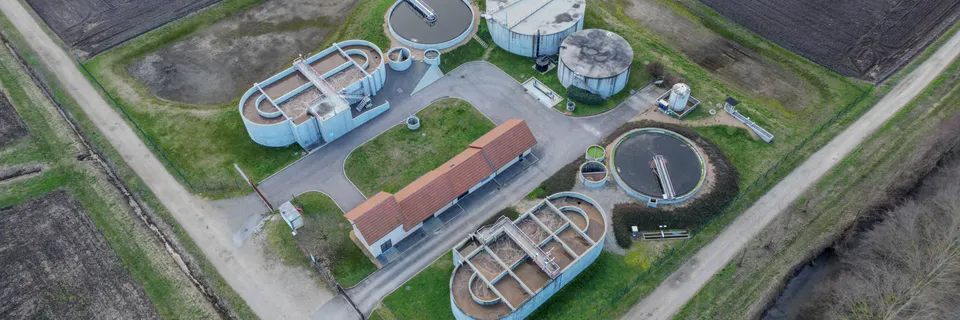
Water, which makes up around 71% of the Earth's surface, is necessary for all life systems. The universe's water content is maintained. Nonetheless, water consumption has been rising at a rate that is more than twice as fast as the whole population. Because of the substantial increase in water utilization, problems like water pollution, and water scarcity, clean water has emerged as a crucial concern of the twenty-first century. In order to provide the basic needs of industrial and household water, wastewater treatment is a necessary technology. A sustainable solution may be provided by cellulose-based polymers, which might address issues including the buildup of oil reserves, plastic pollution, and carbon emissions. As a result, cellulose synthesis is crucial. Water treatment , ultraviolet protection , and biomedicine have all made extensive use of cellulose-based products.
They provide environmentally friendly purifying methods. Both with and without substrates, they work well as materials for membrane-based technologies .
Water sources across the world have been revealed to comprise a diversity of contaminants, such as organic dyes, heavy metals, medicines, and petroleum products . They are extremely dangerous to persons and other alive things because of their poisonousness and bioaccumulation . Therefore, it is now urgently necessary to remove them from the seas. Reverse osmosis, filtration, solvent extraction, precipitation, adsorption, ion exchange, and coagulation are just a few of the methods that have been used throughout the years to remove these contaminants . Nevertheless, the majority of these techniques are quite costly, have poor clearance rates, and need further treatments . However, adsorption appears to be receiving a lot of attention amid these technologies due to its simplicity of use, high economic values, ability to remove contaminants at low concentrations, high accessibility and efficiency, to a variety of adsorbents, for example carbon nanotubes (CNT), composites, and tiny-particles . Compared to their non-biological adsorbent equivalents, biomaterials such as chitin, starch, cellulose, chitosan, alginate, and gelatine have the benefits of being non-toxic and biocompatible when applied to eliminate contaminants from water. Cellulose is superior to these biomaterials due to its relative plenty in nature, renewable properties, non-toxicity, and the presence of OH functional groups that are employed in a number of instigation activities . In spite of its many advantages, cellulose's limited adsorption capacity and weak hydrophilicity, and its low chemical and physical steadiness, are its drawbacks in water remediation . To boost cellulose's adsorption capacities, this disadvantage can be addressed by turning it into a nanosized substance . A cellulosic substance with a single dimension in the nanometre range, nanocellulose (NC) has excellent mechanical strength, stability, and surface area . Nanocellulosic material can be classified as cellulose nano-crystals (CNC), cellulose from bacteria (BC), or nanofibrillated cellulose (NFC) based on how it was isolated . Nanocellulose's exceptional qualities have made it a perfect reinforcement for a variety of nanocomposites, including ceramics, graphene oxides which are reduced, CNT, and non-metals, which are used in water remediation . Examining several nanocellulose-based composites that are employed to adsorb different harmful chemicals from water is the goal of this review. There is also discussion of the problems that exist now, potential remedies, and potential future developments.
Recent advances in nanotechnology have produced a range of innovative materials based on nanocellulose (NC) that show promise for wastewater reduction and purification . Numerous inexpensive sorbents have been shown to be successful in removing dye from both industrial and agricultural wastewater . To fulfil this need for industrial scalability, nanocellulose (NC) may be utilized to provide an ecologically friendly and economically viable solution . The probability of turning cellulose into small scale materials utilizing several physicochemical techniques has unlocked up a novel area for researchers to examine the characteristics and probable applications of this nanomaterial in the wastewater treatment. Nanocelluloses are favored over small-dimensional materials for efficient elimination of pollution because of their large surface area and nano-dimension . Surface alterations allow the backbone of cellulose to be refined and adapted for a particular purpose because of the diversity and ease of incorporating functional groups into the structure of NC . There are exponential increases in the publications number over the year on the utilization of NC in water treatment as seen in Figure 1 .
{"image_source":{"path":"images/8c87e31ee386af051abf81f38cc9e4e4ee2cdf66ccac68a041cd8f02b7ffbde6.jpg"},"content":"","chart_caption":[{"type":"text","content":"Figure 1: Scientometric investigation of cellulose in water treatment centered on publications number [2]."}],"chart_footnote":[]}
The first section of the review provides a concise overview of current approaches used in purification of water. The specific characteristics of nanocellulose that forms the prerequisites for an adsorbent is examined. The subsequent section discusses the modification of nanocellulose for water treatment. Also the applications of nanocellulose to eliminate a diversity of pollutants from water, comprising bacteria, heavy metals, oil, hazardous textile colours and viruses, are highlighted. The reusability of nanocellulose based materials is reviewed and then the current challenges and research opportunities, emphasizing the significance of enhancing nanocellulose production methods and looking at its potential for widespread usage in real-world wastewater treatment applications is discussed in this review paper.
II. THE EFFECTIVENESS OF NANOCELLULOSE OVER CONVENTIONAL METHODS TOWARDS WASTEWATER TREATMENT
Nanocellulose, resulting from renewable materials of plants, has arisen as a favorable solution in treatment of wastewater because of its unique characteristics, including biodegradability, mechanical strength, as well as high surface area. As industries progressively face strict regulations regarding quality of wastewater, the requirement for sustainable and effective treatment technologies is more demanding than ever. NC can significantly improve the effectiveness of conventional wastewater treatment procedures by acting as a flocculant, enhancing the exclusion of pollutants and allowing the recovering of treated water . Furthermore, the economic profits of consuming NC in treatment of wastewater are noteworthy. Different studies have revealed that its incorporation can lead to cheap operating costs by depressing consumption of energy and usage of chemicals . For example, the utilization of NC can improve the settling characteristics of sludge, reducing the volume of mud created and reducing dumping costs . As per industries attempt for sustainability while handling costs, NC offerings a viable substitute that not only increases treatment efficacy but also grants significant economic benefits. This dual benefit positions NC as a key player in the future of wastewater treatment. Precipitation, biodegradation, bio-sand, reverse osmosis, adsorptive filtration using ion exchange resins, photocatalysis, iron oxide and active alumina are a few of the traditional water treatment techniques that may be employed to remove impurities . Nevertheless, only certain chemical pollutants may be eliminated from water using some of these methods. Potable water has long been purified using a variety of techniques, including membrane separation, chemical oxidation, liquid extraction, electro-dialysis, electro-coagulation, electrolytic treatment, electrochemical treatment, adsorption onto activated carbons, and membrane technologies, even though adsorption–filtration is frequently the preferred approach . The primary issues with these techniques are insufficient precipitation and the fabrication of substantial quantities of sludge, which are subsequently challenging to filter out for disposal. The expensive price of activated carbons, particularly those that experience material loss during regeneration after usage, is another barrier to their widespread adoption. Adsorption has been acknowledged as a desirable method for eliminating chemical pollutants since it is easy to use, doesn't produce any byproducts, and is less expensive than alternative techniques . Through physical forces like weak forces known as van der Waals forces as well as electrostatic attraction, or through covalent bonds formed amid molecules of the oppositely electric adsorbate and the surface of adsorbent, adsorption enables pollutant molecules to adhere to the adsorbent's surface . Nevertheless, the adsorbent's quality deteriorates after wards several rounds of usage, and the column of adsorption requires periodic cleaning also maintenance . All adsorption-based methods, however, are not capable of functioning across extensive levels of pH which are important to the surroundings. In addition to pH, adsorption capacity is also significantly influenced by extra condition factors including duration of contact, operating temperature, and concentration of contaminant . Ideal adsorption materials for contaminants must generally have the subsequent characteristics: (i) be affordable; (ii) be structurally and mechanically sound enough to sustain water flow over an lengthy duration; (iii) exhibit a great adsorption capability at a great rate; (iv) have a great specific surface area; as well as (v) be capable of regeneration utilizing economical approaches . Materials based on nanocellulose are frequently utilized to remediate wastewater because they meet all of these criteria. NC's easy processability and inexpensive raw material costs may also make it more affordable than other nanomaterials like graphene and ceramics. With the remarkable adsorption capability of cellulose nanocrystals (CNC) and the significant potential to replace activated carbons, there are numerous approaches to producing appropriate, reasonably priced adsorbents from derivatives from industries and agricultural activities .
Recent advances in material science offer an extensive diversity of raw materials for the membranes creation. The majority of membrane materials utilized in filtration of water and wastewater today are polymeric. The main drawbacks of the majority of these membranes, however they are severe fouling brought on by their nature of hydrophobicity that negatively impacts flow, membrane lifetime, and separation efficiency. However, because of their high running costs and brittleness, inorganic membranes have a restricted range of applications . The availability, renewability, and biodegradability of nanocellulose materials, along with their remarkable qualities of great water penetrability, outstanding mechanical capabilities, and expanded surface area, make them very intriguing for use in water filtration technologies. The many kinds of nanocellulose-based membranes that are used in water filtering are shown in Table 1. The removal capability of the specific pollutant and the water permeation flux are the main factors influencing the filtering effectiveness of membranes based on nanocellulose .
| Materials | Filtration Method | Sample | Performance | Ref. |
| Cellulose nanocrystals and TOCNF coated polyethersulfone (PES) membrane | Membrane filtration | Water | Better antibacterial and antifouling qualities | [33] |
| Composite membrane of NC/filter paper | Ultrafiltration | Oily wastewater | Up to 97.14% retaining rate; 46,279 L m-2h-1flux | [34] |
| Cellulose triacetate and novel thin film composite | Forward osmosis | Desalination | Cleaning by hand was more effective. | [33] |
| NC metalized with Ag and Pt | Forward osmosis | Wastewater, urea, and nanopure water, | High solute rejection and water flux with sample of wastewater | [35] |
| Carbon nanofiber (CNF)/cellulosic membranes | Forward osmosis | Desalination | water flux | [36] |
| Cellulose acetate membrane | Ultrafiltration | Wastewater | Permeability of pure water, ; flux recovery ratio, 90.56% | [37] |
| Biocellulose nanofibers membrane | Nanofiltration | Emulsified oily wastewater | 99% effectiveness in separation; >94% permeate flux retrieval ratio | [33] |
| Cellulose acetate/copper oxide nanoparticles | Ultrafiltration | Wastewater | Better water penetration, separation of BSA, antifouling activity, and hydrophilicity | [38] |
| Nanocellulose as modifier for hollow fiber | Ultrafiltration | Dye | Rejection rose from 96 to 99%, whereas permeability increased by 1.5 times. | [39] |
| Cellulose membrane | Membrane filtration | Oily wastewater | 99% of oil from peanut and pump nanoe mulsions are rejected. | [15] |
III. EVALUATION OF NANOCELLULOSE IN WASTEWATER TREATMENT
Nanocellulose has bring in attention in treatment of wastewater because of its exceptional characteristics, including non-toxicity, biodegradability, and high surface area, making it an attractive choice for eliminating contaminants such as organic dyes and heavy metals. Its exceptional structure permits for enhanced filtration and adsorption proficiencies, contributing to more effective processes for wastewater treatment. Additionally, NC can be integrated into composite materials, improving the effectiveness of purification systems. Nevertheless, challenges continue concerning the scalability of production of nanocellulose and its cost-effective achievability in large-scale utilization . While studies highlight the efficiency of NC in enhancing traditional wastewater treatment techniques, further research is essential to evaluate its long-term performance, sustainability, and overall effect on the environment.
3.1. Advantages of Nanocellulose in Waste water Treatment
Nanocellulose presents numerous benefits in treatment of water, mainly because of its sole chemical and structural properties. Its high surface area-to-volume ratio increases adsorption capability, making it operative for eliminating pollutants including dyes, heavy metals, and organic contaminants. Being non-toxic and biodegradable, NC offerings an eco-friendly substitute to conventional materials, decreasing environmental effect. Its capability to form aerogels and hydrogels permits for the effective retention and capture of impurities, enabling easier separation practices . Additionally, NC can be simply modified to improve its functionality, for example through the introduction of groups which are reactive that rise its affinity for particular contaminants. The lightweight nature of NC also adds to lower consumption of energy in treatment procedures related to traditional materials. Moreover, it's prospective for renewal and use again brands it economically feasible for long-term utilizations in systems of wastewater treatment. Largely, the multifunctional characteristics of NC position it as a favorable material for proceeding sustainable water treatment technologies, contributing to further effective and conservational solutions. One of the significant advantages of using nanocellulose is its biodegradability, which contributes to sustainability in wastewater treatment. Pollutants removed by nanocellulose do not pose the risk of secondary pollution, thereby promoting environmental safety [18].
3.2. Disadvantages of Nanocellulose in Treatment of Wastewater
Regardless of its promising utilizations, NC offers some shortcomings in treatment of water that must be spoken. One major challenge is the scalability of its fabrication; recent techniques can be expensive and energy-intensive, which restricts extensive adoption in large-scale wastewater treatment facilities. Furthermore, while NC is biodegradable, the potential discharge of microplastics in the course of treatment increases concerns about secondary contamination, predominantly in aquatic settings. There are also issues associated to the consistency and steadiness of NC in numerous water conditions; its performance can be affected by aspects for instance ionic strength, pH, and the existence of competing pollutants that may decrease its effectiveness. Also, the discharge of chemical additives utilized during the processes of modification can cause additional environmental hazards. Addressing these drawbacks through further research and novelty is critical to increase the potential of NC in sustainable solutions of water treatment [41].
IV. MODIFICATIONS ON NANOCELLULOSE TO IMPROVE FILTER EFFICIENCY
Once the filter membrane operates utilizing the affinity system, surface functionalization is a crucial step that can be accomplished through various strategies that encompass the chemistry of OH function . Nanocellulose can be modified through a variety of processes, including esterification, etherification and oxidation that lead to introducing new functional groups on the material. Additionally, prior study has demonstrated that nanocellulose can be modified by the addition of compounds including quaternary compounds, aldehyde, antibiotics, citric acid, activated carbon, and tiny materials. Let's say, aldehyde groups are attached onto NC by oxidation utilizing oxidants including periodate Na and 2,2,6,6-teramethylpiperidinyloxy (TEMPO). This process places TEMPO on the nanocellulose's surface in aqueous settings, while the OH group at the C6 location of NC can be changed into aldehyde and carboxyl functional groups. In addition, quaternary compounds with low toxicity and no harm to the environment, for instance polyglutamic acid, poly(N,N-dimethylaminoethyl methacrylate), anionic polyelectrolytes, and amines, can be utilized to quaternize NC and increase effectiveness of nanocellulose as membrane filters because they can develop an electrostatic affinity for microorganisms. Both grinding and high-pressure homogenization might be used in this quaternization procedure. Several instances of NC functionalized employing quaternary chemicals for elimination of virus uses are shown in Figure 2. Since the majority of viruses and some microorganisms have polar charges on their surfaces, altering the nanocellulose's surface charge would enhance the material's electrostatic contact qualities, leading to excellent filtering efficiency .
![Figure 2: Functionalization of nanocellulose by TEMPO/periodate oxidation [43].](https://doc.journalspress.com/nysk47_110721/ocr/images/derivatives/89/8901aa413610c8afc257980752ea83741fbb22e2466d2af1c02e5417133549ac.webp)
4.1. Potential Risks and Environmental Impacts of Nanocellulose Modifications in Water Treatment
The modification of NC for the purposes of water treatment offerings potential dangers and environmental effects that deserve careful concern. Although modifications can improve the adsorption properties of material and specificity to numerous pollutants, they frequently involve the usage of chemicals that may introduce harmful substances into the environment. For example, particular additives utilized in functionalization processes of surface may leak into treated water, causing risks to aquatic ecologies as well as human health. Also, the energy-intensive practices necessary for the production of NC and modification can add to carbon radiations and environmental deprivation. There is also a regard concerning the steadiness of modified NC in diverse water chemistries; changes in temperature, pH, or ionic strength may change its performance and lead to the discharge of microplastics .
V. APPLICABILITY OF CELLULOSIC NANOMATERIALS IN WASTEWATER TREATMENT
It is possible to modify nanocellulose to display new and markedly enhanced chemical and physical characteristics. Small diameter, high surface-to-volume ratio, plenty of OH groups enabling simple functionalization, outstanding mechanical qualities, and superior chemical resistance are some of nanocellulose's distinctive qualities. Nanocellulose is a very promising option for wastewater treatment because of these superior qualities. High aspect ratio and large surface area of NC create an ultrafine, 3-D network structure in an aqueous environment, which may be used to remove and absorb different types of water contaminants. The hydrophilic characteristic of cellulose has led to its usage as an antifouling hydrophilic covering to boost membrane flow. After being appropriately chemically modified on its surface to include molecules with elementary groups, especially those which are rich in N, O, and S, cellulose tends to show a high adsorption capacity for contaminants [44]. Because of their inherent plenty, structural variety, and easiness of functionalization, cellulose nanofibers have been the subject of much research [45]. In the areas of pollution prevention, treatment, and cleanup, nanotechnologies have been hailed as having enormous promise to lower costs and increase efficiency . By way of an active sorbent material for pollutants and in place of a stabilizer for other particles that are active, nanocellulose has sparked attention in this field. Nanocellulose's readily functionalizable surface enables the addition of various chemical moieties which might improve the adsorption also binding effectiveness contrary to water contaminants including colours, hazardous heavy metals, etc. Due to their low cost, high natural abundance, intrinsic environmental inertness, and high surface area-to-volume ratio, cellulose nanoparticles hold great promise as an alternative adsorbent. Additionally, the readily functionalizable surface of CN makes it possible to add chemical moieties that might improve the contaminants' ability to attach to the CN. The most extensively researched technique for enhancing CNs' sorptive ability is carboxylation. Modified CN matrices have also been shown to be effective at sorbing organic pollutants. To increase the material's affinity for hydrophobic chemicals, CNs' intrinsic hydrophilicity might be decreased. It is possible to manipulate the CNs' surface chemistry by adding inorganic as well as organic functionalities. Fast advancements in the nanosciences, particularly in the area of nanocellulose, present a promising new material type for application in treatment of water in the form of tiny particles. Incorporating both organic and inorganic functions into nanocellulose might alter its surface chemistry, potentially making it a repellent which can eliminate oils which have been dispersed on the surface of water. Water treatment microfiltration membranes based on nanocellulose have lately fascinated a lot of attention. Membrane construction for treatment of water may take use of nanocellulose's strength and characteristics. Membranes can benefit tremendously from nanocellulose's high strength. NC can raise the polymer membranes' stretchy strength by up to 50 percent at modest loadings of a few weight percentage when loading nanocellulose is low .
VI. ASPECTS OF NANOCELLULOSE AS AN ADSORBENT
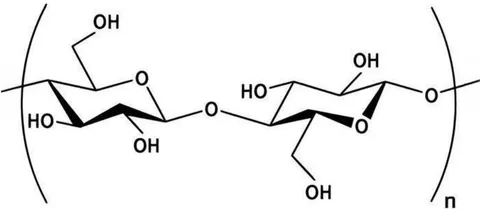
As was already noted, nanocellulose's intriguing qualities have made it a material that may be utilized in a diversity of ways. NC is a great material as an adsorbent of chemical pollutants because it can functionalize its surface chemistry. Nanocellulose may be easily functionalized to add the needed functionality and create extremely efficient flocculants thanks to the hydroxyl groups, on its cellulose backbone [48]. The cellulose's chemical structure is seen in Figure 3, where hydroxyl groups are abundant. Aside from that, nanocellulose has several intriguing properties, such as the capacity to desorb and adsorb repeatedly, very high specific area, high permeability with good pore interconnectivity, great biodegradability, small weight, also a structure that resembles a rod or ribbon [49]. The importance of these distinctive characteristics of nanocellulose in its use as an adsorbent is summed up in Table 2. [1]
| Property | Benefits | Ref. |
| Refillable/desorption | The capacity to desorb and adsorb pollutants repeatedly. NC just needs a straightforward regeneration process which doesn't impair its ability to adsorb substances. | [50] |
| High mechanical properties | The adsorbent's mechanical qualities are enhanced by the high stiffness and cohesiveness of nanocellulose. This demonstrates an adsorbent's potential for renewal. | [51] |
| Good surface tension properties | Facilitating water-induced wetting of nanocellulose | [52] |
| Surface functionalization | Able to undergo grafting, silylation, etherification, esterification, oxidation, and addition to become surface functionalized. The adsorption capacity rises as a result. | [42] |
| Biodegradability | It decomposes naturally. Therefore, it doesn't hurt the environment. | [50] |
| Renewable | Economical in contrast to active carbon. able can be utilized from a diversity of feedstock | [30] |
| Stable in water | Nanocellulose's high hydrophilicity can lessen organic and biofouling. Because of nanocellulose's high crystallinity, the adsorbent is impervious to both chemical and biological corrosion in water. | [53] |
VII. POLLUTANT REMOVAL MECHANISMS BY NANOCELLULOSE
NC reveals exceptional characteristics that brand it an operative an effective material for removal of pollutant in wastewater. Its surface chemistry unique as well as structure enable numerous molecular-level interactions with contaminants that can be classified into flocculation, electrostatic interactions and adsorption.
7.1. Flocculation Mechanisms
NC functions as a natural flocculant, accumulating suspended particles and contaminants through two key processes. These processes are described as follows: (i) Charge Neutralization: Adjustment of NC can change its surface charge, permitting it to neutralize contaminants which are negatively charged. For example, Aguado et al. (2023) found that cationic NC efficiently eliminated anionic dyes through charge neutralization, leading to the creation of larger collections which can be simply settled. (ii) Linking mechanism: NC fibers can physically bridge several particles together, improving sedimentation. This linking effect is critical for eliminating colloidal materials and suspended solids . According to Mohd et al. (2017), the linking mechanism permits for the effective elimination of fine particles, enhancing general water clearness .
7.2. Adsorption Mechanisms
Polar impurities including heavy metals and dyes can be removed by materials which form hydrogen bond with them. NC comprises abundant hydroxyl groups that support hydrogen bonding with these polar contaminants. For instance, Liu (2021) verified that the OH groups on NC can successfully adsorb cationic dyes through hydrogen bonding, increasing elimination effectiveness. Moreover, the nanocellulose's porous structure and high surface area enable strong Van der Waals interactions with hydrophobic contaminants . As reported by Abdelhamid et al. (2024), the adsorption capability for organic compounds which are non-polar considerably rises because of Van der Waals interactions that are crucial for the elimination of certain industrial contaminants
7.3. Electrostatic Interactions
There are several charged pollutants in water. These pollutants can be removed with materials through electrostatic interaction. The nanocellulose's surface charge can be modified to improve interactions with numerous charged contaminants. Cationic nanocellulose can be utilized to adsorb negatively charged contaminants including heavy metals and anionic dyes. By introducing cationic functional groups, NC can efficiently adsorb these contaminants. A study by Xiuping et al. (2017) revealed that cationic NC demonstrated significantly enhanced adsorption capabilities for anionic pollutants because of strong electrostatic attractions [57]. On the other hand, anionic NC adsorb contaminants which are positively charged. This adaptability makes NC appropriate for an extensive range of wastewater treatment applications [54]
VIII. REAL-WORLD APPLICATIONS AND PILOT STUDIES OF NANOCELLULOSE-BASED WASTEWATER TREATMENT TECHNOLOGIES
NC has revealed significant potential in laboratory sites for treatment of wastewater, and there are developing real-world applications, pilot studies, and field trials that show its potential. The fabric industry is recognized for producing significant wastewater laden with chemicals and dyes. Many companies have initiated incorporating NC into treatment systems to improve dye elimination efficiency. For example, a pilot study done in India revealed that NC flocculants could decrease concentrations of dye by over 90%. Wastewater treatment technologies based on NC are gradually being discovered in real-world utilizations and pilot studies, indicating their potential for effective contaminant elimination. For instance, model projects have efficiently make use of NC composites for treating wastewater from industries, where they efficiently adsorbed organic dyes and heavy metals, showcasing important enhancements in discharge quality. Also, NC has been used in biofilters for treatment of municipal wastewater, improving the elimination of pathogens and nutrients whereas upholding low energy consumption. These uses highpoint the adaptability of NC in numerous treatment processes, such as filtration, and adsorption, as a support medium for bacterial biofilms. Furthermore, studies specify that NC can be incorporated into present treatment systems, providing an ecological and sustainable alternative to conventional materials. The positive results of these model studies highlight the practicality of scaling up NC technologies, paving the way for wider implementation in both industrial and urban wastewater treatment practices [58].
IX. REMOVAL OF VARIOUS POLLUTANTS FROM WATER USING NANOCELLULOSE-BASED MATERIALS
Proteins, starch, chitosan, alginate, and cellulose are among the several biopolymers that have been utilised recently to treat wastewater . Because of its unique structure, wide availability, and biodegradable nature, nanocellulose is one of the practical options for eliminating different pollutants from water. Desalination, oil removal, dye removal, and metal ion removal from water and wastewater have all been accomplished with nanocellulose. This section discusses several contaminants for which cellulose has been used as an adsorbing material .
9.1. Nanocellulose for Removal of Dyes
In recent years, the paper, textile, food, and pharmaceutical sectors have used synthetic chemical dyes much more often that has headed to the discharge and buildup of industrial effluents comprising colours into water systems. According to the literature, there are an estimated to tonnes of dyes produced year globally, and there are more than different kinds of commercially obtainable dyes [61]. Due to their intricate aromatic structures, the majority of dyes are difficult for standard waste treatment procedures to remove and are resilient to light, ozone, biological activity. One of the utmost effective means to extract textile colours from is via adsorption.
Materials made from nanocellulose have been used to industrial effluent to remove dyes. The colour that has been extracted from wastewater using nanocellulose the most frequently researched is methylene blue. Recently, cellulose nanocrystals with a high carboxylation content were prepared utilizing Fe (II)/H O in an easy and environmentally friendly manner. With a removal effectiveness of up to 95.6%, the produced cellulose nanocrystals demonstrated a superior adsorbing ability for methylene blue from wastewater [62]. Luo and colleagues (2020) used a lignin/hemicellulose mix to create films generated from nanocellulose. The films had better mechanical qualities. The study also noted that hybrid nanocellulose films with lignin/hemicellulose solution showed outstanding methylene blue elimination efficiency (ranging from 192 to 429 mgg ) [63]. Utilizing nanowhiskers cellulose-based tiny-fibrous microfiltration membranes through adsorption, Ma et al. (2012) stated the elimination of crystal violet colorants. They applied TEMPO oxidation on the cellulose nanowhiskers' surface. A nanofibrous mesh which is cross-linked with an extremely great surface-to-volume ratio was produced by soaking cellulose tiny-whiskers into the poly(acrylonitrile) (PAN) electrospun scaffolding to create the nanofibrous microfiltration membrane based on cellulose nanowhiskers. The formed membrane for adsorption of crystal violet (CV) dye was found to have a maximum adsorption capacity 16× more than that of the commercially accessible membrane GSo-22, as seen in Figure 4. This occurred because the surface of the cellulose nanowhiskers had extremely negative carboxylate groups and protonated CV molecules that were strongly attracted to each other electrostatically [61]. In order to eliminate anionic dyes from aqueous solutions, Jin et al. (2015) produced a unique NC-based tiny-composite microgel and amphoteric polyvinyl amine (PVAm) using a 2-step process. Because the produced microgel protonates amino groups, it was shown to be efficient in removing anionic dyes in acidic environments. According to absorption tests, the produced microgel revealed a great adsorption capability of 1469 mgg for Congo red dye [64].
{"image_source":{"path":"images/971910c86e506e811bc809dcae136199adf9efb7daa6411a12174eb7ae57515c.jpg"},"content":"","chart_caption":[{"type":"text","content":"Figure 4: Adsorption capability towards CV dyes of membrane based on cellulose nanowhisker and GSo.22 against time [61]."}],"chart_footnote":[]}
9.2. Nanocellulose for Filtration of Microbes
When microorganisms contaminate water, it can lead to major epidemics of waterborne illnesses including cholera, giardiasis, cryptosporidiosis, and gastroenteritis. E. coli, Legionella sp., Campylobacter jejuni, Vibrio cholera, in addition Shigella dysenteriae are the most often implicated bacteria in these epidemics . However, gastrointestinal disorders such as cryptosporidiosis and giardiasis are brought on by protozoa or tiny parasites, specifically Cryptosporidium sp., and Giardia duodenalis respectively . Due to drinking tainted water, an estimated 485,000 persons each year pass away from diarrhoeal illness (WHO 2019). Therefore, before being released into bodies or courses of water, effluent that has been microbially polluted has to be treated. With small pore sizes ranging from 1 to 100 nm, nanocellulose has several special qualities that make it a favorable material for utilize as a high-performance membrane filter which can efficiently eliminate microorganisms from air or liquids. These qualities include high surface area, great strength, chemical inertness, and hydrophilic surface chemistry .
A citric acid cross-linked NC-based paper was created by Quellmalz and Mihranyan (2015) for size-exclusion nanofiltration. The cellulose nanopapers were cross-connected with citric acid to improve the wet strength of paper. According to their particle retention tests, tracer particles as tiny as 20 nm might be eliminated by the produced paper. In order to create paper-based sterile (virus) elimination filters, they came to the conclusion that cross-linking nanocellulose with citric acid was advantageous [68].
9.3. Nanocellulose for Absorption of Oil
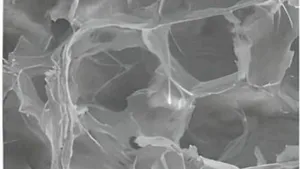
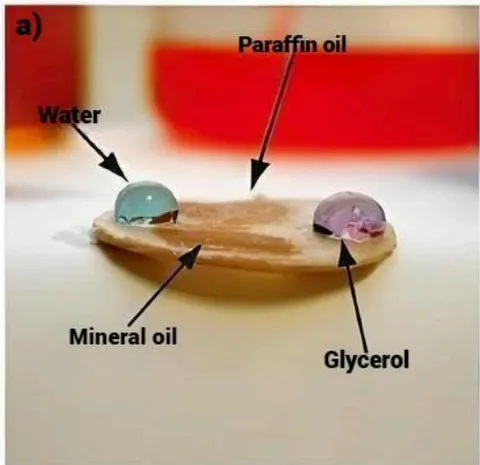
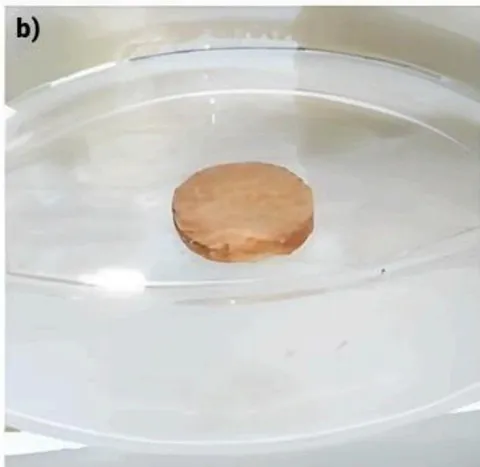
Large ship oil leaks are a major cause of oil contamination, but additional types of pollution also contribute to the problem, releasing extra oil into the sea overall. When oil builds up on the water's surface, a number of negative consequences may arise. The oil spreading across the water's surface is the most frequent result. Oil spreads across the water's surface when it spills because it is often less thick than water. Water for drinking and other uses can get contaminated by oil effluence, which can also damage ecosystems that support animals as well as plants. Cleaning up oil spills in water is crucial. Research has been done to create materials that are strong, reusable, floating, ecologically benign, and capable of quickly absorbing vast amounts of oil without absorbing water. These materials may also be burnt together with the oil they absorb . A functionalized cellulose nanofibrils-based materials was shown by Korhonen et al. (2011). Cellulose is natural, renewable polymer, also most abundant. By vacuity freeze drying microfibrillated cellulose hydrogels, they created extremely porous nanocellulose aerogels, as seen in Figure 5. They demonstrated how the hydrophobic titanium dioxide oleophilic covering functionalizes the aerogel's natural cellulose nanofibrils, allowing them to preferentially absorb oils from water. As seen in Figure 6, the low density of the surface-modified aerogels and capability to absorb oils as well as non-polar liquid up to nearly their full original volume allow them to remove organic contaminants from the surface of water. They revealed that, depending on the liquid's density, the adsorption capacity based on mass ranges from 20 to 40 (wt/wt), and that the absorption was nearly equal to the total volume of aerogel (80% to 90% vol/vol). According to their findings, aerogels based on nanocellulose show promise as oil absorbents for upcoming environmentally friendly uses . The enhanced manufacturing and capabilities of oil absorption of super-hydrophilic reused cellulose aerogels were reported by Feng et al. (2020) They used chemical vapour deposition to cover the reused cellulose-based aerogels with methyl/trimethoxy silane (MTMS), which produced outstanding capacities of oil absorption up to 95 gg with the 0.25 weight percent cellulose-based aerogel and highly steady super hydrophobicity for over 5 months. It was demonstrated that the generated cellulose aerogels' capacity to absorb oil is highly influenced by the initial concentration of cellulose fibre. They came to the conclusion that among of the utmost favorable sorbents for cleaning up oil spills would be the super-hydrophobic recycled cellulose aerogels that were shown .
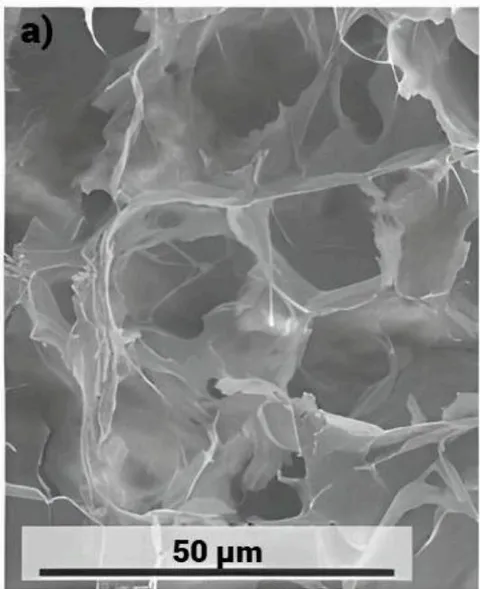
![Figure 5: Microscopic structure of innate NC aerogels. SEM micrographs of (a) freeze-dried NC aerogels with fibrils packed into sheets, which are linked to make an open, porous aerogel structure, and (b) an intensification of a sheet, which is composed of fibrils forming the structure also nanoporous. (c) TEM micrograph of a nanocellulose fibril with an even 7 nm titanium dioxide coat [70].](https://doc.journalspress.com/nysk47_110721/ocr/images/derivatives/15/15e5ac644519a2b2c73075a23ed56d763bb7191f683a8885a0f81a020c2f21c9.webp)
9.4. Nanocellulose for Heavy Metal Adsorption
Cadmium, lead, arsenic, copper, mercury, and chromium are examples of heavy metal ions that have been a hazard to aquatic and human life. According to , the majority of heavy metal ions that are released into the environment come from various sectors, including metals, batteries, fertilizers, electroplating operations, oil and gas, and dyes. According to Pan et al. (2016), the limited mobility, non-biodegradability, and bioaccumulation of heavy metals make them extremely detrimental to the ecosystem . Heavy metals can be found in wastewater from a diversity of businesses, together with the pesticide, paper, and metal plating industries. The effects of heavy metal pollution are severe since these metals are not biodegradable and have a tendency to build up in alive things . A number of techniques, including chemical precipitation, the use of ion exchange resins, and coagulation, have been proposed for the elimination of heavy metals out of water . Adding a secondary chemical to the is one of these techniques for getting rid of heavy metal ions. Therefore, in order to produce potable drinking water, this secondary component needs to be eliminated from the water . Centered on the sorption procedure, the elimination of hazardous heavy metals from has remained regarded as a potential method. Globally, investigators are becoming progressively interested in finding economical, effective bio-based materials that have improved sorption and stability while lowering the dosage of biomass. Because of its chirality, hydrophilicity, and reactivity, nanocellulose has emerged as a viable sorbent material for the elimination of hazardous heavy metal ions out of wastewater .
For the elimination of copper (II), cadmium (II), and lead (II) from solution of contaminated water, Zubair and colleagues stated a simple production of acrylic acid attached CNC derived adsorbent utilizing the hydrothermal method; the results showed a maximum of 872, 898, and 1026, for copper (II), cadmium (II), and lead (II), respectively, from aqueous solutions which are acidic; the isothermal, kinetic, and thermodynamic investigation demonstrated that the adsorption phenomenon was very well fitted with the Freundlich isotherm model and pseudo-second-order [60]. Another intriguing study was conducted by Wang and colleagues (2013). They reported used PVAm grafting on cellulose nanofibers to eliminate Cr (IV) from the . The high number of amine groups in PVAm-grafted cellulose nanofibers produced positive charges in the solution, which made it easier for Cr (IV) ions which are negatively charged to be adsorbed from the aqueous solution. They discovered that the membrane of PVAm-CNF, as illustrated in Figure 7, exhibited capacity of adsorption of against chromium (IV) ions from the solution [76]. Karim et al. (2016) used multilayered nanocellulose membranes to effectively eliminate silver (I) copper (II), and iron (II)/iron (III) ions from mirror manufacturing discharges. They used cellulose nanofiber solutions that had been vacuum-filtered, then CNC having carboxyl or sulphate surface groups were dip-coated to create the membranes. The tensile strength of CNF coated using carboxyl surface-grouped CNC was high (95MPa). Additionally, they proposed that by adjusting the drying conditions and acetone treatment, structure of the pore, the specific surface area, water flow, and membranes' wet strength that were displayed could be customized [77].
{"image_source":{"path":"images/a783f4437c5253ef5c8728a95159422fe4820df5850da4ff7b7091d71d8ee928.jpg"},"content":"","chart_caption":[{"type":"text","content":"Figure 7: Active adsorption of chromium (VI) solution done with PVAm-CNF membrane [76]."}],"chart_footnote":[]}
9.5. Desalination
The procedure of producing fresh water by eliminating salts and minerals from seawater is called desalination . In general, technologies of desalination can be separated into 2 separation procedures: desalination based on membrane and thermal desalination. Desalination based on membrane includes electrodialysis, nanofilteration, and reverse osmosis, whereas the thermal procedure includes multistage flash, multiple effect distillation, as well as vapour compression distillation, . The application of membrane technology for desalination of water has remained steadily increasing, whereas the thermal procedure has remained largely unaffected . In order to improve the membranes' performance, there has been a heightened interest in developing tiny composite membranes by combining matrix of polymer with hydrophilic tiny fillers. Several physicochemical characteristics of membranes have been discovered to be improved by the incorporation of hydrophilic nanoparticles . The most often utilized nanomaterials in the creation of desalination membranes include graphene oxide, titanium oxide, silica, carbon nanotubes, alumina, clay, and carbon dots . But the persistent problem with these nanomaterials is that they aggregate while making nanocomposite membranes, which still has to be fixed for better outcomes . The use of cellulose nanocrystals as a nanofiller in membrane construction has grown significantly due to its inexpensive cost, hydrophilic nature, low density, and favourable mechanical characteristics. Furthermore, cellulose nanocrystals can be a desirable alternative to traditional inorganic fillers since they are non-hazardous, renewable, and simply changed to improve their surface qualities . By adding cellulose nanocrystals to a polyamide layer, Bai et al. (2018) created a new thin-film composite tiny filtration membrane (CNC-TFC-Ms). When matched to control membranes (lacking CNC), the study found that the bivalent salts and had strong elimination performance, with elimination rates exceeding 98 percent and 97.5 percent, respectively . Using the forward osmosis procedure, have created and studied carbon tiny fiber/cellulosic membranes for desalination of water. Carboxylic and amine functionalized carbon tiny fibers were used to create membranes. For seawater desalination, membranes made with functionalized carbon nanofibers have demonstrated enhanced flow (15 L/m h) once employed in approach of forward osmosis. New multifunctional membranes with enhanced penetrability (25.4 L/m h bar) and a higher rate of elimination for (99%) have recently been described. These membranes are made by combining silver and CNCs into a layer of polyamide. Additionally, these membranes were discovered to have antibacterial and antifouling properties [86].
X. REUSABILITY OF NANOCELLULOSE
Adsorbent reusability is an important consideration for industrial wastewater treatment applications since it has a big impact on operating costs. Adsorbent regeneration is required due to economic considerations, particularly for costly adsorbents. There are two methods of regeneration: chemical and physical regeneration. Temperature is linked to physical regeneration, whereas chemical solvent is employed in chemical regeneration to remove adsorbate out of a solid adsorbent. As far as we are aware, no physical renewal has been done to renew changed NC adsorbents as it involves high temperatures which can break down the nanocellulose's structure. In order to regenerate the improved NC adsorbent, chemicals including alkaline and acid solution were utilized as seen in Table 3. For two to six adsorption-desorption cycles, regeneration with a strong base or acid produced a great regeneration effectiveness (greater than ) [75]. Nevertheless, in certain instances, such as the nickel and lead adsorption by succinic anhydride improved NCC, the active sites were damaged by the adsorbent renewal process using hydrochloric acid, which led to a poor regeneration efficiency. Continuous ion exchange amid multiple and metallic adsorption led to good regeneration efficiency when and succinic improved NCC were regenerated utilizing saturated sodium chloride solution [87]. The results of using nitric acid to recover succinic anhydride-modified nanocellulose were not adequate. But after an extra 15 seconds of ultrasonic treatment, the regeneration effectiveness rises to to . It was noted that the entangled fibres might be separated by ultrasonic treatment, resulting in a reduction in adsorption efficiency. It was also examined how weak acids, including acetic, ascorbic acids, and formic, affected the recovery of nanofibers; the findings showed that weak acids were not appropriate for use in regeneration [88]. Even after four cycles, the regeneration of carbonated hydroxyapatite improved NC following adsorption utilizing nitric acid demonstrated a high regeneration effectiveness. However, when the number of rounds rises in the adsorption of , the adsorption capability decreases. Utilizing NaOH as the renewing agent, comparable results were achieved for the and adsorption [70]. Although regeneration utilizing sodium hydroxide and the mixture of gave high effectiveness, approximately 97 and 80 percent, respectively, it appears that the recovery of the adsorbent using and HCl did not yield good results for the adsorption of methylene [89].
| Adsorbent | Sorbate | Regenerant | Concentration | Cycles | Efficiency | Ref. |
| Nonocellulose | Fluoride | NaOH | 0.1 M | 5 | 89% | [90]. |
| Xanthated nano banana cellulose | HCl | 0.1 M | 4 | 87.5% | [91] | |
| Poly(itaconic acid)-poly(methacrylicacid)-graftednanocellulose/nanobentonite | HCl | 0.1 M | 6 | 89.60% | [92] | |
| NFC | HCl | 0.5 M | 4 | 74.38% | [75] | |
| 4 | 72.25% | |||||
| 4 | 63.35% | |||||
| Magnetic iron tiny particles improved microfibrillated cellulose | As(V) | NaOH | 1.0 M | 4 | 69.16% | [93] |
| Succinic anhydride improved NCC | HCl | 3 | 48% | [87] | ||
| and succinic modified NCC | NaCl | 3 | 88% | [87] | ||
| Succinic anhydride modified NC | 1 M | 2 | 14.15% | [88] |
Using a new technique, Zhang et al. (2016) created an extremely effective aerogel based on cellulose with a great mechanical strength. With its flawless 3D structure and honeycomb-like linked pores, the produced aerogel demonstrated exceptional oil/ selectivity. Additionally, the observed aerogels revealed steady super-oleophilic and super-hydrophobic characteristics, even approaching a significant mechanical scratch. Additionally, they revealed the 30-cycle reuse of cellulose aerogels [94]. The used adsorbent was obtained by filtering the reaction mixture following the first catalytic elimination of fluoride. After properly cleaning the adsorbent many times using distilled water, the nanocellulose fibre residue was let to dry. Up to five cycles, the recovered adsorbent was once again utilized straight away in a subsequent catalytic reaction run. It was discovered that the same adsorbent may be used for five repetitions of the reaction without causing a noticeable drop in performance in either scenario (Figure 8) [90].
{"image_source":{"path":"images/c9748bbf0221adfd1972d61a637322a8ad42769d9757e09e6303bf710611fc56.jpg"},"content":"","chart_caption":[{"type":"text","content":"Figure 8: Reusability capacity of nanocellulose fibre after 5 cycles [90]."}],"chart_footnote":[]}
Beyki et al. (2016) used an effective magnetic Fe3O4 cellulose core to remove Congo red dye. In a single process, they created the Fe3O4 cellulose core with magnet. To create a magnetic polymeric ionic liquid, this cellulose underwent more reactions with 1-methylimidazole and epichlorohydrin. Their findings demonstrated that the Congo red dye adsorption is considerably influenced by many parameters, including contact duration, ionic strength, and adsorbent dyes. According to a regeneration investigation, this proven nanohybrid was highly reusable as a magnetic sorbent for remediation of environmental applications [95].
XI. SUSTAINABILITY AND CHALLENGES
Worldwide environmental issues and the ongoing exhaustion of natural properties have led to a recent global adoption of green materials derived from natural sources as water pollution adsorbents. These minerals are tremendously valuable and help human communities thrive sustainably. Cellulose, the most prevalent polymer found in nature, is one of the environmentally friendly substances that is known to be suitable for removing contaminants from water structures. Cellulose is comparatively inexpensive to produce than other materials because of its great relative abundance and its versatility in transforming into derivatives such nanocellulose and composites . However, many restrictions and difficulties still exist in spite of these exceptional qualities of cellulose. Cellulose is available in great quantities in nature and is recognized to be the substance that gives plant cell walls their hard structure. Its reliance on forest resources for production, however, was one of its drawbacks, since the loss of natural vegetation may lead to a natural disaster . It also takes a lot of time, energy, and harmful chemicals to isolate cellulose components, which is bad for the environment and people .
For a number of reasons, materials based on nanocellulose are frequently employed as adsorbents in the wastewater treatment and water purification processes. These include:
i. Possess a greater adsorption capacity than commercially marketed commercial adsorbents (zeolites and activated carbons), or at least one that is equivalent.
ii. They are less expensive than activated carbon.
iii. They are easily regenerable without compromising their adsorption capabilities.
iv. They have a consistent adsorption capability and are readily accessible in large numbers.
v. Nanocellulose synthesis as an adsorbent is environmentally benign.
Chemicals are primarily used in the recovery or regeneration of nanocellulose and its improved forms. Excess regenerating chemicals must be appropriately handled after regeneration to prevent further environmental issues. Maintaining the adsorbent's structure and surface chemistry requires the right acid/base concentration. According to research on reusing nanocellulose crystal adsorbents, after many runs, up to 97% of the adsorption capacity may be maintained . This suggests that the adsorbents made of nanocellulose crystals can be reused.
Hypothetically, the accessibility of nanocellulose crystals and their improved forms in great quantities is not a major issue because any type of lignocellulosic material can be used as a precursor for the preparation of nanocellulose crystals, and raw materials for their production are widely available. But for commercial use, additional work has to be done to create a more environmentally friendly method of producing nanocellulose crystals without the use of dangerous altering chemicals. Moreover, adsorption research employing nanocellulose crystals in the near future have to concentrate on multicomponent systems and use actual wastewater as a solution model. The pilot plant scale should be used for adsorption tests if the laboratory scale proves effective . Whereas the prospective of NC in wastewater treatment is substantial, numerous challenges must be addressed for effective scaling up. The cost of generating high-quality NC at scale remains an obstacle. Present production approaches can be costly and energy-intensive. Developing more cost-effective and maintainable production methods is critical . The absence of well-known regulatory standards for NC in treatment of wastewater stances a challenge. Clear rules and safety valuations are essential to facilitate the implementation of these technologies in numerous sectors .
XII. CONCLUSION
This review highlights numerous possibilities for the utilization of nanocellulose in treatment of wastewater with distinct emphasis on materials based on nanocellulose as adsorbents or membranes. Products made from NC have demonstrated excellent efficacy in removing a wide range of pollutants, comprising both inorganic and organic contaminants from wastewater. An affordable, sustainable, and renewable substance, nanocellulose has the prospective to displace other materials utilized in rehabilitation of wastewater and water. Nanocellulose shown remarkable adsorption capabilities for the elimination of salts, dyes, and heavy metals. Comparing cellulose-based materials to other adsorbing materials, they are a great option because of all these great qualities. The investigation of innovative nanocellulose solutions for wastewater treatment presents a favorable pathway towards addressing global water contamination challenges while encouraging sustainability. This research reviews the remarkable characteristics of nanocellulose, including its high surface area, adsorption abilities, and biocompatibility, that make it an active agent for eliminating pollutants from wastewater. By leveraging these aspects, nanocellulose not only improves the efficiency of traditional treatment approaches but also offers a sustainable alternative to conventional materials.
The reusability of nanocellulose is a critical factor that highlights its potential as a cost-effective solution. The capability to regenerate and recycle nanocellulose after its application in wastewater treatment reduces waste generation and decreases the overall environmental impact. This cyclical use aligns with the values of a circular economy, encouraging resource effectiveness and promising a shift towards more viable industrial practices. Particular adsorption of a class of contaminants is made possible by the occurrence of high-surface-density OH groups, which provide a wide range of surface modification options depending on their chemistry. Since electrostatic or van der Waals interactions with the contaminant molecules promote adsorption, the adsorbed molecules may be removed by washing treatment, allowing the adsorbent to be reused for several treatment cycles. The discoveries from this research specify that incorporating nanocellulose into wastewater treatment systems could considerably improve the removal rates of pollutant and facilitate compliance with stricter environmental regulations. Moreover, the development of tailored nanocellulose composites could improve performance, further increasing their applicability across various industrial sectors. The readily functionalizable surface of cellulose nanoparticles permits various surface alterations that might improve the effectiveness of contaminants' binding to the surface. Heavy metals, chemical compounds, oils, germs, viruses, and textile dyes are the most problematic contaminants found in water. When compared to other nanomaterials like carbon nanotubes, nanosized zeolites, and grapheme, the application of nanocellulose in the adsorption sector demonstrated encouraging promise.
In summary, the innovative utilization of nanocellulose not only speaks the crucial need for effective wastewater treatment solutions but furthermore paves the way for the improvement of eco-friendly technologies. Sustained investigation and collaboration in this field will be critical to expose the full potential of nanocellulose, ensuring its effective application and promoting maintainable practices that profit both society and the environment. Eventually, the transition towards solutions based on nanocellulose marks a substantial step forward in achieving a cleaner, more sustainable upcoming. Research initiatives are needed to improve understanding on recycling, membrane fouling, and regeneration. Further research is necessary to develop hybrid composites of the nanocellulose at nano-level to facilitate simultaneous interaction with various contaminants, but its inherent fibrous nature, amazing mechanical characteristics, biocompatibility, and reasonable cost guarantee it as a relevant constituent.
Conflict of Interest
The authors declare no conflict of interest.
Ethical Approval
Not applicable
Data Availability
The datasets used in this study are openly available at [repository link] and the source code is available on GitHub at [GitHub link].
Funding
This work did not receive any external funding.
References
Cite this article
Related Research

Special Issue
Launch a focused special issue to highlight research, emerging trends, and expert insights in your academic field.