



IntelliPaper
Abstract
This paper focuses on Green Human Resource Management in the Bangladeshi Ready Made Garments industry. It is claimed that the concept of GHRM fits in the Bangladeshi RMG industry context, especially in aspects such as HRM, sustainability, environmental management, green management, and corporate social responsibility (CSR). However, there is a paucity of researcher that has suggested potential research avenues by focusing on GHRM in the early mentioned industry context. To address this gap in literature and to fully understand and develop further knowledge on GHRM, this paper contextualizes the notion of GHRM in the context of export-oriented small, medium, and large firms predominantly in the RMG industry in all five geo-political regions in Bangladesh to offer a comprehensive future research avenues. Systematically reviewing 57 papers, this paper has provided a comprehensive overview of different aspects of the Bangladeshi RMG industry and the extent of GHRM practices implementation there. The review has revealed six contextual gaps for the potential researchers in the relevant field. The originality of this paper lies in the fact that it has highlighted the GHRM research gaps in the Bangladeshi RMG industry context which is found absent in the literature.
Explore Digital Article Text
I. INTRODUCTION
Green Human Resource Management (GHRM) plays a vital role in addressing and implementing sustainability initiatives. It is the integration of environmental management into human resource management (Renwick et al., 2013). Its major aspects include green recruitment and selection, which is aimed at getting the right persons with environmental values and concerns, green training and development, which is concerned with developing green skills, green performance management, which is focused on assessing and improving employees performance by including green criteria in the performance management systems, green compensation and reward which intends to motivate employees based on their green performance, and green employee involvement which encourages employees in initiating and implementing green innovations and initiatives (Tang et al., 2018; Renwick et al., 2013; Jackson et al., 2011). In light of these GHRM aspects, previous GHRM studies have reported a positive impact of GHRM on multiple dimensions of organizational sustainable performance, which includes environmental performance, economic performance, social performance, corporate social responsibility, green competitive advantage, as well as multiple dimensions of individual performance including green behavior, green creativity, green innovations, green job satisfaction etc (Zafar et al., 2023; Darvishmotevali and Altinay, 2022;
Zhu et al., 2021). Moreover, Tang et al. (2018) claimed that GHRM can create win-win situations for multiple stakeholders, including consumers, employees, owners, suppliers etc. Therefore, there is a call for more research on GHRM to make the field more flourished and developed (Renwick et al., 2013; Jabbour et al., 2010; Islam et al., 2022).
Despite Ready Made Garments (RMG) industry of Bangladesh has been playing a tremendous role in enhancing foreign currency earnings of Bangladesh, the sustainability issues have not been made formalized and implemented to the expected extent (Chowdhury et al., 2017; Islam et al., 2020; Rubel et al., 2021). Therefore, Islam et al. (2020), and
Chowdhury et al. (2023) argued that implementing GHRM practices could play an important role in the sustainable development of the industry by addressing green in labor-management issues. However, this review has revealed that there is a paucity of studies on GHRM in the Bangladeshi RMG industry context. Moreover, there is no comprehensive research agenda in the field to date to direct potential researchers to take more research initiatives. This study aims to address this void in the literature in the industry context as mentioned earlier.
The subsequent section has given a justification for addressing the Bangladeshi RMG industry context, followed by methods, synthesizing and reporting review results, and research directions. Finally, the paper has been concluded.
II. WHY BANGLADESHI RMG CONTEXT?
The key reasons behind taking this industry as the context of this research are twofold: first, this is one of the major contributors to the socio-economic development of Bangladesh, and second, this is an under-researched industry in terms of GHRM-focused research. These have been discussed in detail in the subsequent sub-sections:
2.1 A Key Contributor to the Bangladeshi Socio-economic Growth
The agro-based economy of Bangladesh has been converting into an industrial economy (Mendy and Rahman, 2019; Chowdhury et al., 2017; Rubel et al., 2021), where the RMG industry is playing an important role (Mia and Akter, 2019; Chowdhury et al., 2019). Therefore, sustainable development of this industry is essential by taking different sustainability oriented initiatives, including GHRM practices, green CSR, etc., for sustainable development of the country (Islam et al., 2020; Rubel et al., 2021; Chowdhury et al., 2023). Some points signifying its role have been highlighted in the following subsections:
RMG is the largest foreign currency-earning industry in Bangladesh (Rahman and Siddiqui, 2015; Islam et al., 2016), and it is the highest garments exporting country in the globe (after China) (Rahman and Siddiqui, 2015; Kaizer, 2020). Its global export share is around 4-5% (Adnan et al., 2015; BGMEA, 2023).
It contributes more than to Bangladesh's total GDP (Rahman and Siddiqui, 2015; BGMEA, 2023), for which it has been considered as one of the major pillars of the economy.
Bangladesh is an overpopulated country where ensuring employment for all employable citizens is difficult (Alam et al., 2020). Hence, this industry is playing an important role in generating colossal employment for skilled, semi-skilled, and unskilled employees and thereby, accelerating poverty alleviation in the country (Chowdhury et al., 2017; Kumar et al., 2020). For example, it currently employs around 4 million workers, which is the biggest portion of the total labor force (BGMEA, 2022).
This industry has been contributing tremendously to the women's empowerment in the country, as nearly of its workforce is women, which is rated as the top proportion in South East Asia (Chowdhury et al., 2017; Alam et al., 2020).
2.2 Under-Researched area in Terms of GHRM-Focused Research
Despite the Bangladeshi RMG industry having playing an important part in the country's socio-economic development, this is an under-researched industry in terms of GHRM focused research (Islam et al., 2020; Rubel et al., 2021). In addition to that, there is a dearth of HR research in the same context (Rahman et al., 2018; Kabir et al., 2018; Zaman and Khan, 2021) that has addressed the link between HRM and sustainability issues, despite the claim that sustainable HRM can play an important role in sustainable management of all other organizational resources (Raut et al., 2020; Mendy and Rahman, 2019). Moreover, only two GHRM studies conducted in the Bangladeshi RMG industry context were found to date (Rubel et al., 2021; Islam et al., 2020). Apart from that, the industry background analysis has revealed the following facts in terms of HRM and GHRM research: The most of HR or GHRM studies conducted previously in the Bangladeshi RMG industry context are either literature review-based conceptual papers or empirical papers with impoverished analysis, based on which no precise or reliable insights could be developed for managerial decision-making. Therefore, more empirical research is needed to address this contextual gap. There is not even a single empirical study to date that assessed GHRM aspects and practices to suggest critical one/ones for sustainably improving individual and organizational performance. No study has been conducted to date to ascertain the extent to which GHRM practices have been implemented into the industry. No research was found that analyzed and prioritized the factors based on prominence and influential scores that either drive or challenge GHRM practices implementation in the industry. Only two GHRM studies were found in the Bangladeshi RMG industry context. For example, Rubel et al. (2021) examined how green work climate perceptions mediate the association of green HRM with eco-friendly behavior through quantitative research design. Islam et al. (2020) explored challenges and solutions in using green HRM attributes for the ecological work station through an interview-based qualitative study. Still, they ignored inter-relationship analysis among challenges to prioritize the most critical ones affecting the implementation process.
The industry analysis has also found some other studies which were focused on different aspects of HRM. For example, job satisfaction (Rahman et al., 2018), working environment (Kabir et al., 2018), compensation (Zaman and Khan, 2021), and compliance with labor law (Islam et al., 2017). Some empirical studies also focused on CSR (Chowdhury et al., 2017).
III. METHODS
Figure 1 depicts the PRISMA flow chart of this article. Firstly, the keywords focusing on the main theme have been identified. Major Key words include Green HRM in Bangladesh, GHRM in Bangladesh, GHRM in the RMG industry of Bangladesh, and Green HRM in the Bangladeshi RMG industry. Second, the papers matched with the theme were extracted from the Scopus database. Third, all the articles have been judged using some criteria as shown in Figure 1. The selected 57 papers reviewed in this study have been discussed under different themes.
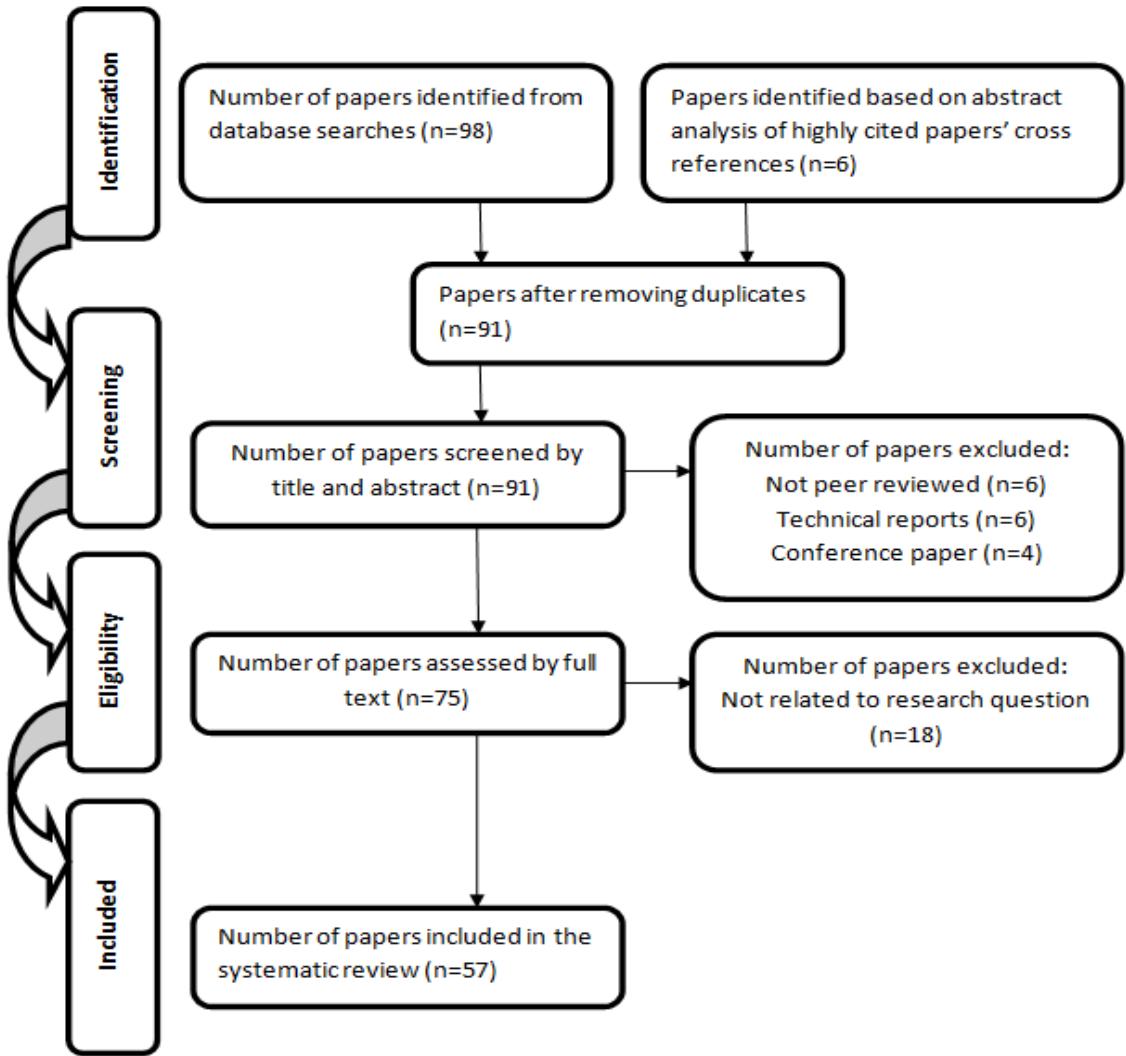 Figure 1: PRISMA flow diagram of this paper
This SLR has been conducted following the guidelines of Sharma et al. (2021); and Tranfield et al. (2003). The selected papers have been reviewed and analyzed by applying thematic analysis.
picture between Bangladeshi RMG exports and total exports.
3.1 Synthesizing and reporting review results
This section provides short highlights on the Bangladeshi RMG in terms of industry and factories based on the literature review.
3.2 Contributions of the industry
The industry contributes about to Bangladesh's GDP (Rahman and Siddiqui, 2015; BGMEA, 2023). Apart from that, it is the largest foreign currency-earning industry in Bangladesh (Islam et al., 2016; Rahman and Siddiqui, 2015; Alam et al., 2020). Figure 2 shows a comparative {"image_source":{"path":"images/a16625ba87e0826d120763943da0a429f38c3a2922c505b42c548d3e4398e773.jpg"},"content":"","chart_caption":[{"type":"text","content":"Figure 2: Comparisons between Bangladeshi RMG exports & total export"}],"chart_footnote":[]}
Moreover, Bangladesh has been ranked the second highest garment exporter country in the World (next to China) (Rahman and Siddiqui, 2015; Kaizer, 2020). Its global RMG export share is around 4-5% (Adnan et al., 2015; Chowdhury et al., 2022).
It is worth mentioning here that the United States and the EU have been switching their consideration from the Chinese RMG marketplace as this is no longer as favorable as the Bangladeshi one concerning low-cost labor (Sarkar et al., 2020). Furthermore, the industry plays a key role in creating job opportunities and poverty alleviation in the country (Kumar et al., 2020). Figure 3 shows the Bangladeshi knitted and woven RMGs exported to the World.
{"image_source":{"path":"images/f853197c8a715986f8ff19831910356a05c424c38291a1a19da123c0d60eb6ae.jpg"},"content":"","chart_caption":[{"type":"text","content":"Figure 3: Bangladesh's RMG export to World (Value in million USD)"}],"chart_footnote":[]}
More specifically, this industry has been playing an important role in generating employment, mainly for the women workforce of the country (Mia and Akter, 2019; Alam et al., 2020). Hence, it has been contributing tremendously to empowering females, as around 60% of its workers are women which are rated top in South East Asia (Islam et al., 2016; Chowdhury et al., 2022). Moreover, one of its present targets is to contribute not only to economic development, but also to human capital development by empowering women (Rahman and Siddiqui,
2015; BGMEA 2022). Therefore, there is a call for sustainable strategies, such as GHRM practices, to ensure sustainable human capital development (Wagner, 2009) through practices such as GRS, GTD, GPM, GCR, and GEI. Despite the facts, the SLR has revealed that what GHRM aspects and practices are critical to enhancing human capital development is missing in the previous GHRM research and literature. The major socio-economic contributions of the RMG industry have been captured in Figure 4.
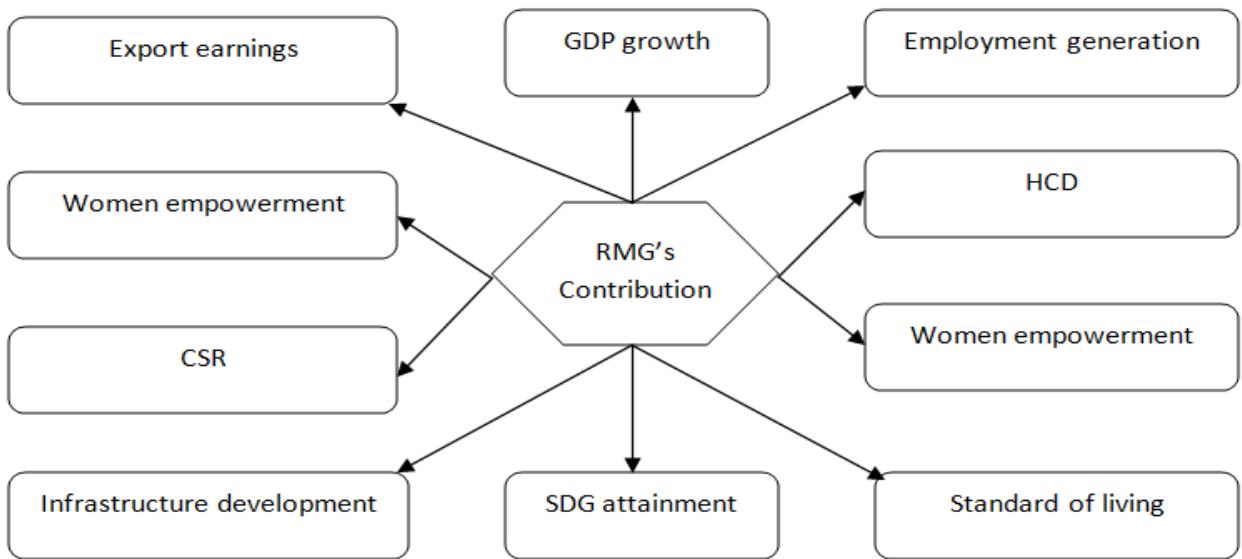 Figure 4: Socio-economic contributions of RMG in the context of Bangladesh Staff Composition
All staff working in the Bangladeshi RMG industry has been broadly categorized into two groups: white-collar staff and blue-collar staff (Chowdhury et al., 2022; BGMEA, 2022).
White-collar staff: Staff holding positions like MD, CEO, GM, DGM, AGM, manager, etc. is considered white-collar staff (Chowdhury et al., 2023; Alam et al., 2020). They perform primarily official and managerial jobs and their education level is comparatively higher than that of blue-collar staff (Sarkar et al., 2020; Chowdhury et al., 2022). More male staff come under this group than female staff. The number of staff in this group is much lower than that of the blue-collar group. RMG factories are also employing a number of foreign professionals.
Blue-collar staff: Workers working at the operating or production level are considered blue collar staff (Chowdhury et al., 2017; Alam et al., 2020). They are the staff directly involved in woven or knitted garment production. Their education level is comparatively shallow. Some have only primary education, and some are illiterate. They are the majority in numbers compared to white-collar staff (Islam et al., 2016). This review of literature shows that the majority of previous HRM studies conducted in the Bangladeshi RMG industry context were based on data collected from blue-collar staff (Chowdhury et al., 2023; Islam et al., 2020), where the majority are either illiterate or poorly educated, who cannot provide factual data to depict the actual picture of the industry. So, there is a dearth of HRM studies that were conducted based on data collected from white collar staff who can provide more rich, accurate, and reliable data on HRM or EM or GHRM practices of the industry (Chowdhury et al., 2022; Rubel et al., 2021). Now there is a need not only to focus GHRM studies on blue-collar staff, but also on white-collar staff to ascertain the effects of green HRM practices implementation on a firm's performance, individual performance, and the extent to which both aspects are sustainable in the Bangladeshi context. The staff composition of this industry has been highlighted in Figure 5.
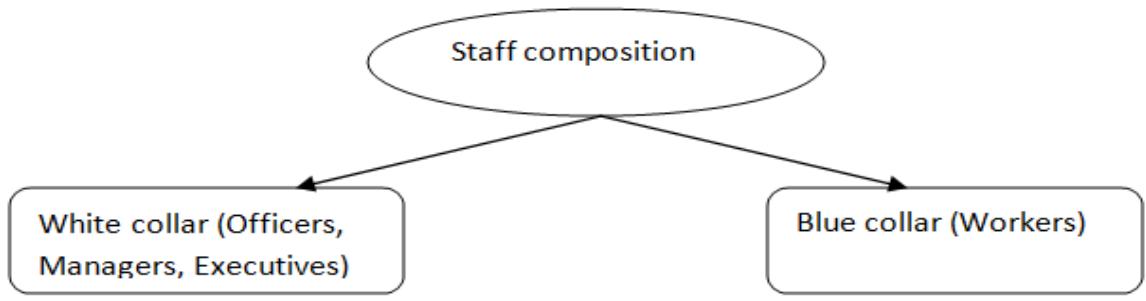 Figure 5: Staff composition of RMG in the context of Bangladesh
IV. INTERNATIONAL MARKETS
Bangladeshi RMG is concentrating on two international marketplaces: the EU and the USA. These two consist around 83% of the country's total RMG exports in 2021 (BGMEA, 2023). International buyers and suppliers have been considered crucial stakeholders having an influential voice in the management of this industry (Alam et al., 2020; Chowdhury et al., 2022). They set different benchmarks for the firms, such as minimum wages, sustainable working methods, CSR, safe working environment, leave and holidays for staff, green workplace design, etc. All of these aspects are part of external companies', and stakeholders' drive to ensure not only the implementation of GHRM practices, but also the sustainability of performance at the organizational, and individual levels. For example, after the collapse of Rana Plaza and Tazreen Fashion, international buyers have become very serious about the overall management system of Bangladeshi RMG factories, urging them to ensure a sustainable and safe workplace. Therefore, it's crucial to assess their part in ensuring a sustainable workplace. However, this review shows that very few studies explored the role of the buyer as a stakeholder in promoting a green and sustainable workplace. Major international markets are displayed in Figure 6.
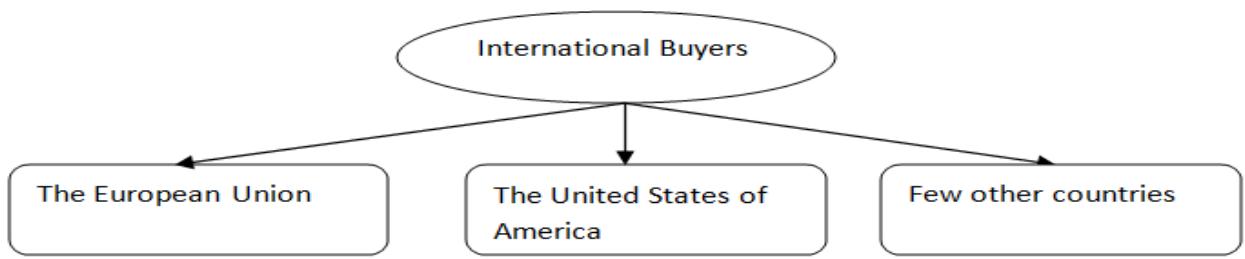 Figure 6: International markets of Bangladeshi RMG
4.1 Challenges
The industry is facing multiple types of challenges, ranging from HR, power, infrastructural, legal, political, social, and environmental to financial, in its journey of progression.
Significant challenges that have been highlighted in the previous research include unskilled workers, improper infrastructure, electricity crisis, gas shortage, insufficient bank loans associated with high rates of interest, high tax rates, intricate social compliance, political crisis, market and product diversification (Rakib and Adnan, 2015; Islam et al., 2016); lack of new investment, poor backward and forward linkage (Rakib and Adnan, 2015); higher production cost, high maintenance cost, and lack of green-financial support (Kaizer, 2020). Significant challenges that the RMG industry has been tackling are shown in Figure 7.
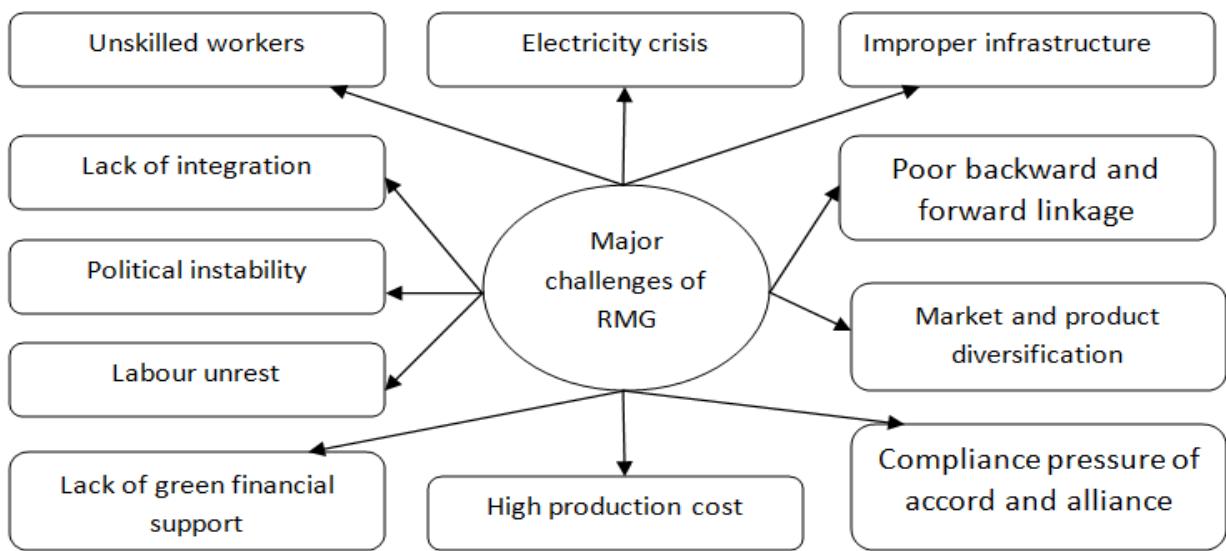 Figure 7: Challenges of the RMG industry in the context of Bangladesh
However, the background analysis of the industry shows that, though the industry is facing multiple problems in managing human resources in an environmentally friendly way, there are minimal studies conducted to explore what human-related challenges the industry is facing from various stakeholders' perspectives in managing HR in an environmentally friendly manner.
4.2 Green Concerns and Initiatives
Global demand for eco-friendly products and services has been creating tremendous pressure on RMG firms to uptake greener initiatives, design environment-friendly production systems, and hold a conclusive locus for the minimization of effluence and detrimental effects of biological footprint (Sarkar et al., 2020; Rubel et al., 2021). It was reported that this industry consumes energy and natural means in such an unmaintainable way and releases a massive amount of ozone impairing affluences that cause copious environmental, economic, and social issues from ecological alteration to worldwide-tendencies of affluence management (Sarkar et al., 2020; Rubel et al., 2021; Chowdhury et al., 2022). Therefore, the Asian RMG industries are striving to grasp the opportunities of going green movement and attract current and potential eco-friendly purchasers from Western countries (Sarkar et al., 2020; Chowdhury et al., 2017). Likewise, Bangladeshi RMG firms have been taking different green creativities, like clean production frameworks and green water treatment facilities, while the government is also daunting novel legislature and placing pressure on the RMG producers to adopt ecologically sustainable practices (Sarkar et al., 2020; Chowdhury et al., 2022). Moreover, as the buyers are asking the manufacturer for more eco-friendly products and services, green-oriented RMG firms have the opportunity to gain a competitive advantage (Chowdhury et al., 2017; Sarkar et al., 2020).
However, it is a matter of hope that, Bangladesh is the 2nd top RMG exporting country in the ecosphere, which has the maximum numeral of green RMG plants in the World (Kaizer, 2020; BGMEA, 2022). The study conducted by Kaizer (2020) exposed that a safe working place, ecological safety, a factory's reputation, attracting buyers, and less energy consumption (among others) are the key stirring aspects behind moving towards the green RMG factories. The previous research also reported that green priority orders from the buyers, fair price, green infrastructure development from the government side, and tax deductions can extraordinarily affect the green renovation and sustainability of the RMG industry. On the other hand, BGMEA has taken some measures to lift the sustainability gait of the industry to the subsequent stage, such as SDG alignment, de-carbonization, green button, partnership for a cleaner textile (PaCT) II, green policy, waste management, etc. Major green initiatives and concerns in the RMG industry have been captured in Figure 8.
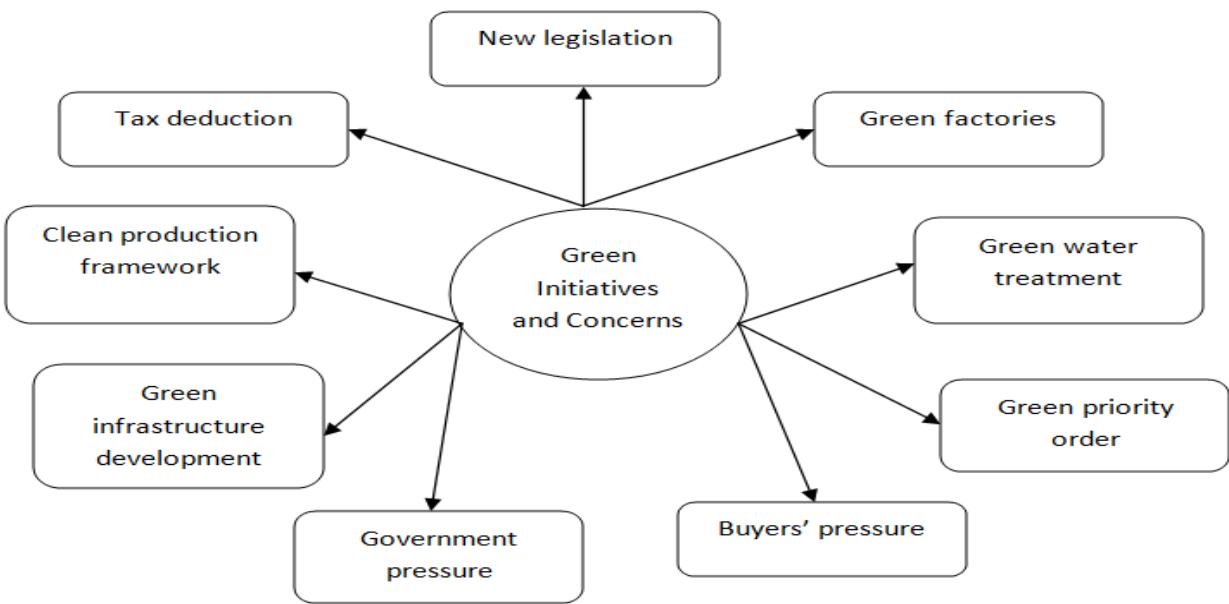 Figure 8: Green initiatives and concerns in the RMG industry in the context of Bangladesh
In a nutshell, Bangladeshi garment entrepreneurs have started to respond to the call made for –Going Green for the sustainable development of the industry. However, there is a dearth of studies that present an insightful gestalt of green business strategies from the Bangladeshi garments industry context (Islam et al., 2020; Sarkar et al., 2020).
4.3 Why is GHRM Essential in the RMG Industry?
Despite the RMG industry of Bangladesh progressing rapidly, it is also facing some emergent challenges in the area of sustainability, with issues like weather adjustment, groundwater diminution, proficiency, and many more (Chowdhury et al., 2022; BGMEA, 2022; Alam et al., 2020). Globally, it has been reported that the fashion industry is the most polluting, only after oil and gas (BGMEA, 2022; Alam et al., 2020), as it requires thousands of chemicals and many sophisticated processes to give the fast fashion industry the colors it has. More specifically, some issues that have necessitated an urgent call for GHRM practices implementation in the RMG industry are described below (see Figure 9).
Some tragedies in the Bangladeshi RMG industry have raised awareness and concerns of local and international stakeholders regarding issues such as sustainable working environment, workers' safety and job security, minimum wages, etc. For example, after the Rana Plaza accident in 2013, the garment industry went via a huge reorganization procedure and adopted numerous variations in their health and safety initiatives (Chowdhury et al., 2017; Alam et al., 2020).
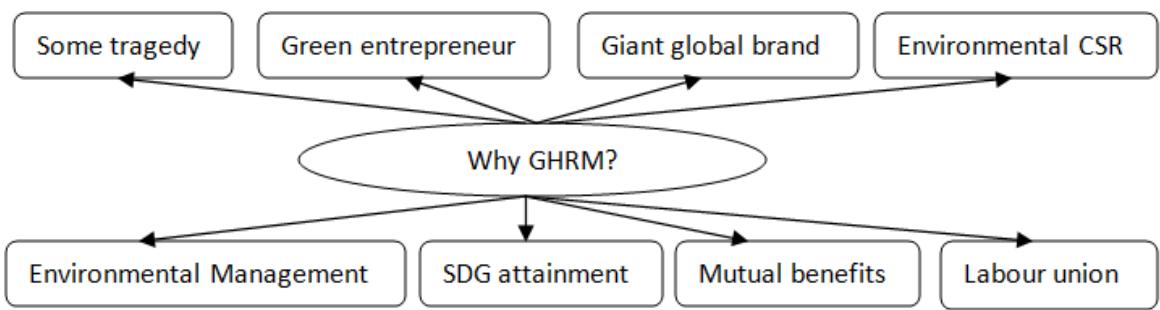 Figure 9: Emergence of GHRM in the Bangladeshi RMG industry context
The rise of a good number of green entrepreneurs in the industry has also facilitated the GHRM practices implementation. Bangladesh, the most prominent garments exporting country in the globe, has the maximum number of green garments plants in the world (Kaizer, 2020; BGMEA, 2022). It has 160 LEED green RMG plants certified by the US Green Building Council. Five hundred more factories are about to receive LEED certification. Likewise, green investors are taking different green initiatives, including environmental CSR and environmental HRM, to minimize detrimental impacts on the environment to deal with the sustainability challenges.
Giant international brands come up with pledges to their customer to supply fashion with less ecological effect. Environmental watchdogs, global policy leaders, and civil society organizations are increasingly very vocal about the effect of the apparel industry. The labor union in the industry is strong and getting stronger. They are raising their voice in favor of workers' rights and putting pressure on the management to improve governance, green working environment, safety, job security, and benefits for workers. Attaining SDGs is one of the core concerns for the Bangladesh government, and without the help of the private sector, it is not possible for the government to achieve the goals on time. Adopting GHRM can contribute to attaining this goal by addressing environmental issues in human capital development.
4.4 Scope for the Application of GHRM Practices
Bangladeshi export-oriented RMG manufacturing firms can take the benefits of GHRM practices implementation in dealing with sustainability-related challenges mentioned earlier through its different aspects, such as GRS, GTD, GPM, GCR, and GEI (Islam et al., 2020; Alam et al., 2020; Chowdhury et al., 2022). For example, through GRS, RMG firms can attract candidates with pro-environmental values and can select environmentally committed personnel who exhibit environmental in-role and voluntary behavior (Chaudhary, 2019; Zhu et al., 2021) resulting in enhanced sustainable performance directly as well as indirectly (Longoni et al., 2018; Islam et al., 2022). GTD can educate unskilled and semi-skilled workers on the EM values, train them in energy-conserving working methods, diffuse environmental awareness within the organization, provide opportunity, and reduce waste to involve staff in ecological problem solving (Kumar and Chakraborty, 2022), which helps to deal with sustainability challenges effectively (Malik et al., 2020; Chowdhury et al., 2017).
Through GPM, leaders and managers of the RMG industry can incorporate EM responsibilities into the performance management and appraisal system for workers for displaying uninterruptedly green job behaviors, including recycling, green workplace analysis, energy efficiency, and waste management, which help organizations to enhance sustainability (Zaid et al., 2018; Mousa and Othman, 2020). By providing GCR, which is linked with workers' environmental, economic, and social performance, RMG manufacturing firms can motivate the workers to complete the activity on time, deliver the services, & show team spirit to the highest extent, which helps in enhancing the sustainable performance of the organization (Malik et al., 2020). This is because, the availability of financial and non-financial rewards in the firm sends strong signals to employees that pro environmental behaviors are encouraged, appreciated, and rewarded (Ari et al., 2020; Kumar and Chakraborty, 2022). Lastly, by implementing GEI, RMG manufacturing firms benefit in three different ways (Haddock-Millar et al., 2016) as, first, by involving and endowing staff to provide recommendations for ecological developments (Govindarajulu and Daily, 2004); second, by drumming workforce tacit knowledge acquired via their adjacent associations with the manufacturing procedure (Boiral, 2002), and, third, via nurturing a culture in the workstation, which helps ecological development endeavors (Haddock-Millar et al., 2016). However, the literature review shows that no previous research measured the extent to which GHRM practices are implemented in the industry. Moreover, no previous study has been found that investigated what aspects and practices of GHRM are significant for improving the sustainable performance of the industry.
4.5 RMG Factories
There are three types of factories in the RMG industry of Bangladesh based on 1) product types and 2) size (see Figure 10). The former factories produce three types of textiles: only woven garments, only knitted garments, and a mixture of both types (BGMEA, 2022). Woven products include formal trousers, shirts, suits, denim jeans, georgette dresses, and chiffon. Knitted products include polo shirts, t-shirts, innerwear like briefs, bras, panties, socks, sweaters, stockings, and hoodies (BKMEA, 2022). The contribution of Woven garments to the country's exports is higher than that of the knitted products. Woven factories have more female workers than male workers; conversely, knitted factories have more male workers than female workers (MiB, 2022). This study has considered all three categories of factories in its sampling, partly to enrich the sources of data collection and to allow the highlighting of the differences in terms of how the implementation of GHRM practices impacted (positively and, or negatively) organizational and individual performance.
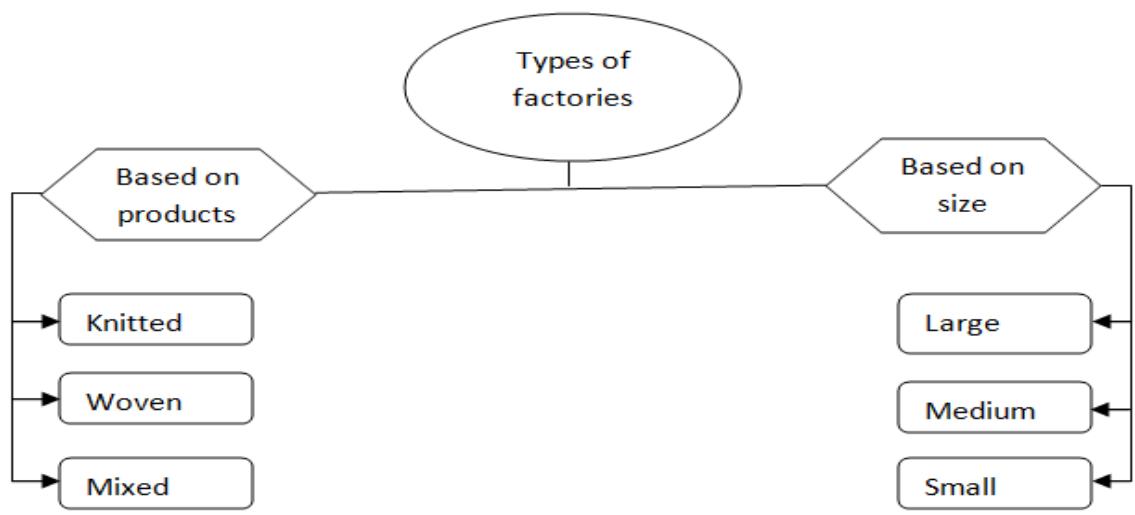 Figure 10: Types of Bangladeshi RMG factories
There are three types of RMG factories based on size: large factories having more than 1000 workers (Bangladesh Industry Policy, 2015), medium factories have 1000 or fewer but more than 50 workers (Bangladesh Industry Policy, 2015), and small factories which have one to fifty workers. These three types of RMG factories differ in various aspects, namely export worth, employment opportunity, business nature, business automation, regulatory compliance, CSR activities, job security, HR practices, environmental management, and green HRM practices. These various aspects are clarified further in the following subsections:
Export worth: Large RMG exporters export more than 50 million USD worth of garments. Some giant exporters, like Noman group, Youngone Corporation, DBL group, and Hameem group, are exporting about 500 million USD annually. On the other hand, medium firms are exporting around 15 to 50 million USD annually, and small firms are exporting a maximum of 15 million USD annually.
Employment opportunity: Large factories, such as Babylon group, Walton group, and Hameem groups, etc., employ around 5000 workers, thereby, are creating more employment opportunities than medium or small firms.
Business nature: Usually, large RMG firms, such as Ananta group, Standard group, and DBL group, conduct business directly with buying houses/buyers, whereas medium and small firms work as subcontractors in most cases.
Business automation and Tech savvy: Large RMG firms are adaptive to modern manufacturing systems. For example, large groups, such as Fakir Group and Bitopi Group, use current software, such as enterprise resource planning (ERP), MIS planning, production management systems, HR payroll, etc. On the other hand, medium and small RMG firms can not avail themselves of these modern technological opportunities in most cases.
Regulatory Compliance: Large RMG factories, like Epic Group, and Mohammadi Group, mainly comply with different laws and standards, such as the Bangladesh National Building Code (BNBC), Accord, Alliance, and fire safety standards. This is because they are financially sound to invest in complying with these issues. On the other hand, compliance with these issues is poor in medium and almost absent in small factories.
CSR activities: Large RMG firms like AVS Fashion and Epyllion Group perform CSR activities regularly, and have a separate CSR fund. In this case, they hold an accommodative stance. On the other hand, medium firms hold a defensive stance, and small firms hold an obstructionist stance in most of the issues.
Job security: As large RMG firms work directly with the buyers, their operations and production has more continuity, which ensures better job security for the staff. Conversely, medium and small firms provide less job security as they mostly work as subcontractors. HR Practices and EM: HR practices and EM in large-sized RMG firms, such as RBS Fashion and Square Textile, are comparatively more structured than in medium and small firms. Almost all large firms have a separate HR department and EM wing.
Green factory: Almost all of the green factories in the Bangladeshi RMG industry are under large-scale firms, whereas medium and small firms have no green factories. A review of previous research, such as Kaizer (2020), Alam et al. (2020), MiB (2022), Rubel et al. (2021), Chowdhury et al. (2017), and Chowdhury et al. (2022), has exposed the fact that most of researches conducted in the Bangladeshi RMG context focused on either small firms or medium firms or large firms. Though, these three types of factories differ significantly in multiple aspects, as stated above, very few studies included all three types of factories (Chowdhury et al., 2017; Rubel et al., 2021).
Almost all export-oriented RMG factories are located in Dhaka, which is the capital city; Chittagong which is the commercial city, Narayangonj, Gazipur; and a few at different EPZs (MiB, 2022; Alam et al., 2020). More specifically, among export-oriented RMG factories, 37.9% are located in Dhaka, 28.9% are located in Gazipur, 16.1% are located in Chittagong, 14.7% are located in Narayangonj, and 1.5% are located in EPZs (Alam et al., 2020; Chowdhury et al., 2017). According to the MiB database, Narayanganj has the highest number of knit factories, Dhaka has the maximum number of woven factories, Chittagong has the highest number of mixed factories, and Gazipur has the highest number of factories). Significant locations of RMG factories sweater factories (which is also under knit have been highlighted in Figure 11.
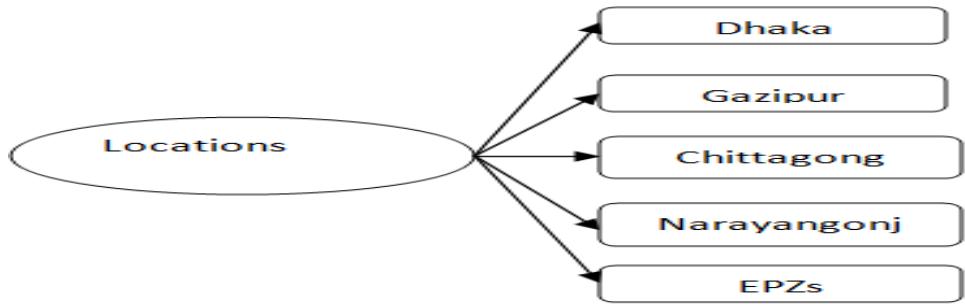 Figure 11: Locations of Bangladeshi RMG factories
For generalizing the research findings, it has been suggested to use the probability sampling technique wherever possible to ensure better representation of the target population. However, a review of previous GHRM studies showed that, very few studies were conducted in the RMG industry context that applied the probability sampling technique in collecting and analyzing data.
There are around 5000 garment factories in Bangladesh (BGMEA, 2022; Chowdhury et al., 2022). Among these, the total export-oriented RMG factories are 3805 (MiB, 2022). Out of these, 2767 factories are BGMEA and BKMEA member factories, while the remaining 1038 factories are non-members.
V. RESEARCH AVENUES
This systematic literature review has revealed the following contextual research gaps.
Gap one: The SLR has revealed that what GHRM aspects and practices are critical to enhance human capital development is missing in the previous GHRM research and literature, specifically in the context of the Bangladeshi RMG industry.
Gap two: The majority of previous HRM studies conducted in the Bangladeshi RMG industry context were based on data collected from blue collar staff (Chowdhury et al., 2023; Islam et al., 2020), where the maximum is either illiterate or poorly educated, who cannot provide factual data to depict the actual picture of the industry. So, there is a dearth of HRM studies that were conducted based on data collected from white-collar staff who can provide more rich, accurate, and reliable data on HRM or EM or GHRM practices of the industry (Chowdhury et al., 2022; Rubel et al., 2021). Now there is a need not only to focus GHRM studies on blue-collar staff, but also on white-collar staff to ascertain the effects of green HRM practices implementation on a firm's performance, individual performance, and the extent to which both aspects are sustainable in the Bangladeshi RMG industry context.
Gap three: This review further show, very few studies have explored the role of the buyers as a stakeholder in promoting a green and sustainable workplace in the same industry context.
Gap Four: The background analysis of the industry shows that, though the industry is facing multiple problems in managing human resources in an environmentally friendly way, there are minimal studies conducted to explore what human-related challenges the industry is facing from various stakeholders' perspectives in managing HR in an environmentally friendly manner.
Gap Five: There is a dearth of studies that present an insightful gestalt of green business strategies from the Bangladeshi garments industry context (Islam et al., 2020; Sarkar et al., 2020).
Gap Six: Finally, this literature review shows no previous study that has measured the extent to which GHRM practices are implemented in the industry. Moreover, no previous research has been found that investigated what aspects and practices of GHRM are significant for improving the sustainable performance of the industry.
VI. CONCLUSION
This paper has focused on different aspects of GHRM practices in the Bangladeshi RMG industry context to highlight the future research potentials and scope. A systematic review of 57 papers has revealed six contextual research gaps, which can be summarized as follows: no study has been found which is focused on assessing the extent of GHRM practices implementation, no single study was found that explored and suggested critical GHRM drivers and challenges facilitating or hindering the GHRM practices implementation in the industry, few types of research have been found which were conducted based on data collected from white-collar staff, the role of the buyer is less explored as an essential stakeholder affecting GHRM practices, very few studies have been seen that took all three types of RMG factory namely, small, medium, and large or woven, knitted, and mixed factories. Therefore, more studies in the future are needed on GHRM practices in the context of the RMG industry of Bangladesh to ensure sustainable performance improvement.
Conflict of Interest
The authors declare no conflict of interest.
Ethical Approval
Not applicable
Data Availability
The datasets used in this study are openly available at [repository link] and the source code is available on GitHub at [GitHub link].
Funding
This work did not receive any external funding.
References
Cite this article
Related Research


Special Issue
Launch a focused special issue to highlight research, emerging trends, and expert insights in your academic field.
