


Abstract
The aim of this project is to improve the quality of life for children with autism in school environments and to promote inclusive education from an early age through play. To inform the design process, the study combined a review of relevant literature with direct engagement with children with autism and their families, through 57 interviews. This approach allowed the identification of key challenges faced by these children, including limited understanding from peers and teachers, communication difficulties, and other social barriers.
Based on these insights, Auri was developed-an interactive game in the shape of a lighthouse, designed for preschool classrooms. It integrates a pictogram-based communicator-a form of augmentative and alternative communication (AAC)-with a sensory projector, allowing children to interact with pictograms and play audiovisual content that supports relaxation, entertainment and learning. Compared to existing tools for autistic children, which typically focus on either communication or sensory stimulation, Auri integrates both didactic and sensory experiences into a single interactive system.
Explore Digital Article Text
I. INTRODUCTION
Autism, or Autism Spectrum Disorder (ASD), is a neurodevelopmental condition characterized by the synaptic dysfunction, which affects cognition and social processing. This distinguishes ASD from other developmental disorders that primarily involve motor or purely cognitive impairments. ASD primarily impacts communication, social interaction, and behaviour, manifesting in a wide range of ways across individuals. Globally, it is estimated that approximately 1 in every 100 children is diagnosed with ASD, with higher prevalence reported in boys. In Spain, recent estimates suggest that over 450,000 people live with this condition [1].
Despite increasing awareness and evolving diagnostic criteria, individuals with ASD continue to face significant barriers to social adaptation, including challenges in education, employment, and interpersonal relationships. These barriers may increase vulnerability to social exclusion and peer conflict, potentially limiting personal development and autonomy . In response, early education about ASD is crucial to fostering empathy, understanding, and inclusion from a young age.
Current research in Spain and Europe have highlighted gaps in inclusive educational strategies and accessible tools that support social integration for children with ASD. This study addresses these gaps by exploring innovative approaches-such as sensory-based educational technologies-that can facilitate early understanding of ASD and promote inclusive classroom environments.
1.1 Considerations for Understanding Autism
Autism Spectrum Disorder (ASD) is a complex neurodevelopmental condition that presents significant variability across individuals. While research has identified common characteristics, each person with ASD exhibits a unique profile of strengths and challenges. This heterogeneity means that no single intervention is universally effective; instead, professionals focus on providing tailored support to enhance communication, learning, and social participation [2]. At the same time, research into the genetic, neurological and environmental factors underlying ASD continues to advance, contributing to a deeper understanding of its causes.
Over the years, a number of recurring patterns have been observed, but these vary widely in presentation and severity. Some children may develop advanced skills in certain areas, while others face greater developmental challenges. Similarly, some enjoy social interactions, whereas others may prefer solitary activities. Recognizing these differences highlights the importance of viewing ASD through the lens of neurodiversity, emphasizing that these variations reflect differences rather than deficits.
There are many international frameworks that contribute to understanding a diagnosis, such as the ICD-11 by the World Health Organization, provide complementary perspectives on diagnosis and classification. Others, like the latest edition of the Diagnostic and Statistical Manual of Mental Disorders published by the American Psychiatric Association in 2013 [3], core features of ASD that include the following difficulties:
1. Communication and social interaction difficulties
Communication difficulties:
Difficulty in developing spoken language.
Reduced spontaneity in verbal expression.
Deficits in nonverbal communication, including gestures and facial expressions.
Limitations in reciprocal socio-emotional interaction:
Lack of response and interest in social interactions.
Difficulty understanding others' behaviour.
Stronger relationships with adults than with peers.
Tendency to prefer solitary play over group play.
Cognitive difficulties:
Difficulty understanding their sensations (such as pain).
Poor comprehension of non-literal language.
Lack of functional and imitative interpretation.
Difficulty adjusting their behaviour to different contexts.
2. Pattern of repetitive behaviours and restricted interests
Mental rigidity:
Resistance to changes in routines, environments, etc.
Repetitive use of objects, routines, or specific rituals.
Repetitive self-regulatory movements:
Stereotypies: Repetitive movements that express calm or joy.
Echolalia: Repetition of words or phrases previously heard.
3. Sensory processing alterations
Hypersensitivity or hyposensitivity to particular sounds, textures, or lights.
Unusual interest in specific sensory stimuli, such as contact with particular objects.
4. Other difficulties
Sudden behavioural changes, and possible aggressive behaviour.
Eating and sleeping disorders.
Altered psychomotor system.
In addition to challenges, many individuals with ASD exhibit distinctive strengths, such as heightened pattern recognition, extensive knowledge in specific areas of interest, exceptional memory, or strong attention to detail . Understanding ASD as a spectrum of diverse abilities and differences, rather than solely as a set of deficits, supports a more inclusive, strengths-based approach to education, intervention, and social integration.
1.2 Adaptation to Autism
Adapting to autism involves adjusting environments, educational practices and activities to the specific needs and characteristics of each child with ASD, rather than expecting the child to conform to standardized norms. This approach aligns with the social model of disability, which emphasizes that barriers to participation often arise from inflexible social and educational structures rather than from the individual [5]. Effective adaptation is essential to improving quality of life, ensuring equitable access to education, and supporting meaningful social integration for children with autism.
A range of individualized support strategies has been shown to facilitate inclusion and learning in children with ASD:
Use of specific interests: Many children with ASD develop strong interests in particular topics. Leveraging these interests, rather than suppressing them, can significantly enhance motivation, engagement, and learning outcomes [4]. For example, educators can incorporate a child's preferred themes into subjects such as reading or problem-solving activities, thereby strengthening comprehension and participation.
Self-regulation and sensory integration: During periods of sensory overload, children with ASD may exhibit difficulties in self-regulation. Support strategies focus on helping them manage these moments through sensory integration approaches, including the use of sensory toys, breathing exercises, structured calming routines, or mindfulness-based techniques [4]. For older children, evidence-based interventions such as Cognitive Behavioral Therapy (CBT) have also been shown to support emotional regulation and adaptive coping strategies [6].
Visual supports and structured communication: Visual supports, including Augmentative and Alternative Communication (AAC) systems, play a crucial role in supporting understanding and communication. Tools such as pictograms, visual schedules, and structured teaching approaches, help children anticipate routines, understand expectations, and communicate more effectively within educational settings [4]. In Spain, pictograms from ARASAAC (Centro Aragonés para la Comunicación Aumentativa y Alternativa) are widely used and have become a standardized visual language, adopted by numerous educational tools to develop AAC communicators with a pictographic system.
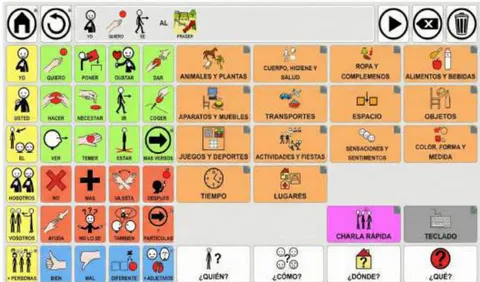
Anticipation and routines: Anticipating events and maintaining structured routines provides a sense of security and reducing anxiety, particularly in situations involving change. A widely used tool for this purpose is the use of visual schedules of daily routines, which support predictability.
Play: Play is essential for child development; activities aligned with children's interests promote engagement and support social and communication skills, such as turn-taking through collaborative games.
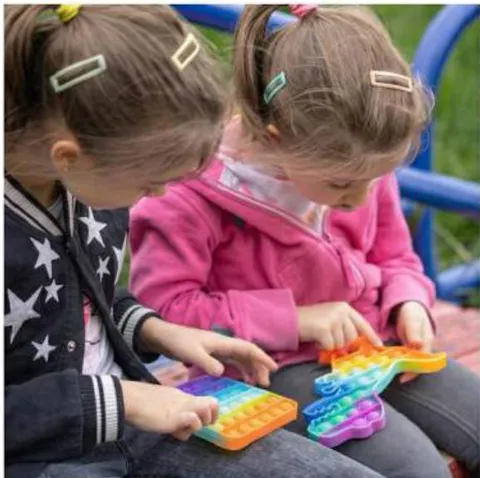

Empirical research consistently supports the effectiveness of these adaptive strategies in promoting autonomy, reducing anxiety, and enhancing participation among children with ASD [4]. By combining environmental adaptation with structured and educational settings can better accommodate neurodiverse learners and foster more inclusive classrooms.
II. SURVEYS AND INTERVIEWS WITH FAMILIES AND PROFESSIONALS
The theoretical framework of this study is fundamental for understanding the general aspects of autism. However, to achieve a deeper understanding of the issue, it is essential to listen to the voices of those who experience it firsthand. For this reason, a survey-based study and some interviews were conducted to gather qualitative data from families of children with autism and professionals working in the field.
A semi-structured survey was administered to 57 participants, including relatives and professionals from various autism associations across Spain. Participants were selected through voluntary participation via these associations. Additionally, three families connected through personal contacts, participated in telephone interviews, providing detailed accounts of their experiences and methods through direct conversation. The collected responses were analysed using thematic analysis, allowing recurring patterns, concerns, and needs to be identified.
2.1 Key Findings
The analysis identified several key themes related to daily challenges, communication, sensory regulation and inclusion:
Daily challenges and interests
Participants reported significant challenges related to daily routines, transitions, and sensory regulation. At the same time, they highlighted common interests among children, such as puzzles, numbers, colours, and video games, which often serve as effective motivators for learning.
Sensory regulation strategies
Families described various strategies used during moments of sensory overstimulation, including the use of sensory toys, listening to music, or retreating to a safe and quiet space, such as a corner of the child's room.
Communication needs
Communication emerged as a major area of support, with many children relying on pictogram-based keyboards to express themselves and understand their environment. Respondents also emphasized the importance of anticipating changes in routines through visual supports to reduce anxiety.
Inclusion and societal awareness
Finally, most participants stressed the need for greater public awareness, better training for educators and more adapted resources in public spaces. They noted that fostering understanding of autism among peers and families could help reduce social stigma, as well as lessen the constant need for parents to justify their children's behaviour.
Some of the mothers surveyed commented
"There is a lack of societal awareness because it is invisible to the eye. And there is a lot of judgment toward families and children when behaviours fall outside what is considered normative."
"They do not learn worse, but differently and this is often not taken into account."
These findings align with existing literature on invisible disabilities, social stigma, and inclusive education, reinforcing the need for tools that support both autistic children and their surrounding communities. Inspired by these insights, this project led to the development of an interactive educational tool designed to support communication, sensory regulation and inclusion within early childhood educational environments. Auri is born.
III. DEVELOPMENT OF THE CONCEPTUAL IDEA
To develop Auri, the project adopted Kees Dorst's Frame Creation methodology, a design thinking approach particularly suited to addressing complex challenges such as autism inclusion. This methodology is structured around nine iterative steps, which guide the process from problem exploration to the development of innovative design solutions through continuous reframing and reflection [7]. These nine steps are the following: archaeological phase, paradox, context, field, themes, frames of reference, future phase, transformation phase and integration phase, which are named using illustrative terminology to guide the design process.
The process began with an archaeological phase, focused on gaining a deep understanding of the problem through theoretical research and analysis of existing solutions. This step was addressed through an extensive literature review, allowing the identification of key difficulties faced by children with ASD in childhood.
From this research, the central paradox of the problem was identified: while early education is a crucial stage for fostering inclusion, the young age of children limits their ability to fully understand autism. At the same time, children with ASD are expected to adapt to highly social and stimulating classroom environments, creating tension between collective dynamics.
The context was then defined, focusing on mainstream early childhood classrooms where play plays a fundamental role. This stage included the identification of the main stakeholders involved: children with ASD, neurotypical children, teachers, school management, and families, highlighting their roles, responsibilities, and influence on inclusion.
In the field phase, particular attention was given to the values, needs, and experiences of the most influential actors. Insights gathered from interviews with parents of children with ASD were especially relevant, as they provided first-hand knowledge of children's daily challenges. This information was translated into invented stakeholder archetypes, helping to humanize the problem.
From this understanding, several key themes emerged, reflecting deeper needs shared across stakeholders: the need for flexibility in play, the challenge of balancing stimulation and relaxation, and the importance of perceiving the classroom as a safe space. These themes acted as a bridge between research and conceptual development.
The next step involved creating frames of reference, using metaphorical thinking to reframe the problem. Through statements such as "If the problem was approached as..., then the solution should be like...", different metaphors were explored. The following statements were formulated using this method:
"If the lack of integration of a child with ASD in a preschool classroom is approached as limited flexibility in play, then the solution should be like a puzzle, where each piece fits together depending on its placement."
"If the lack of integration of a child with ASD in a preschool classroom is approached as a difficulty in finding a balance between fun and relaxation, then the solution should be like yoga, providing calm through movement and posture imitation."
"If the lack of integration of a child with ASD in a preschool classroom is approached as non-existent sense of a safe space, then the solution should be like a lighthouse, a constant light guiding for navigators in the darkness that provides them orientation and security."
From this process, the first metaphorical concepts arose: the puzzle, yoga, and the lighthouse.
Based on these frames, the future phase generated several preliminary design concepts, all aimed at combining relaxation, socialization, and play while prioritizing the needs of children with ASD without excluding their peers. Some ideas were a Sensory Planetarium, Guided Path and Refuge House. These concepts were intentionally left open to evolution.
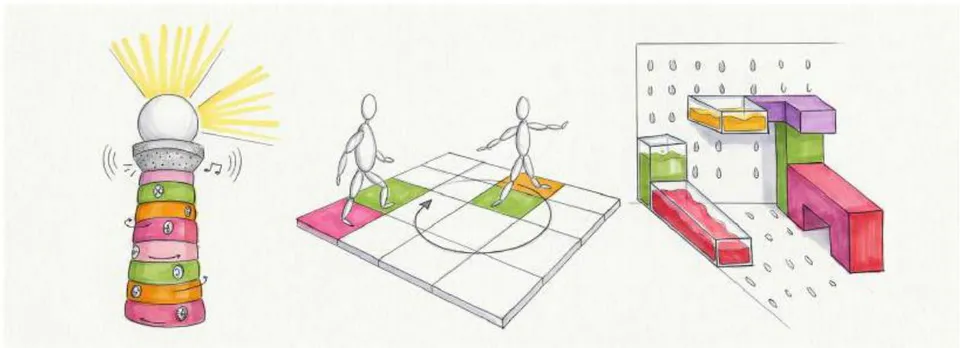
During the transformation phase, the proposed ideas were evaluated against a set of design requirements derived from autism-friendly principles, such as sensory balance, intuitiveness, personalization, and cooperative learning. This evaluation led to the selection of the Sensory Planetarium concept as the most valuable solution.
Finally, in the integration phase, functional, aesthetic, and educational requirements were combined to define the final design. The lighthouse metaphor was translated into the product's form and interaction logic. This process ultimately resulted in Auri, an interactive educational tool designed to support communication, sensory regulation and inclusion in early childhood classrooms.
IV. PRESENTATION OF AURI
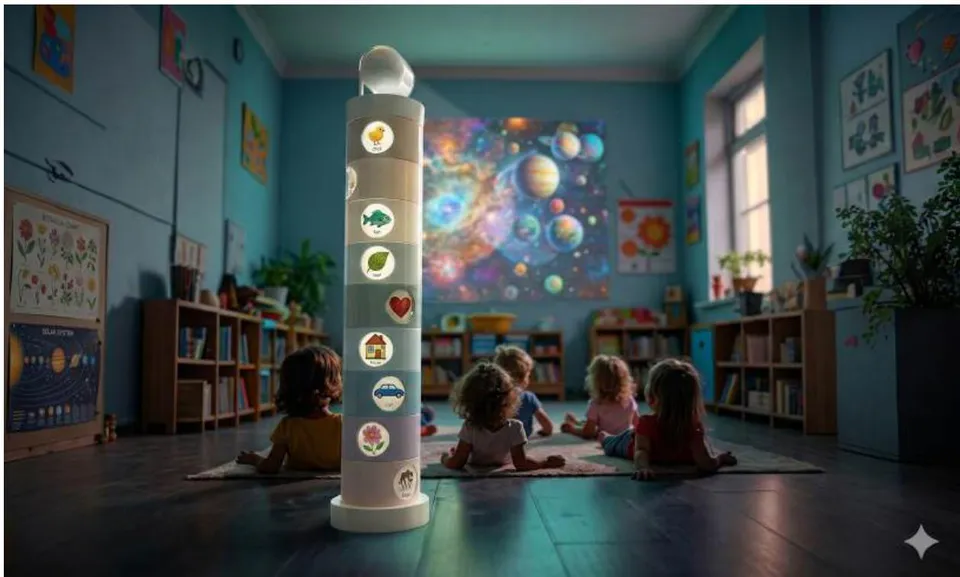
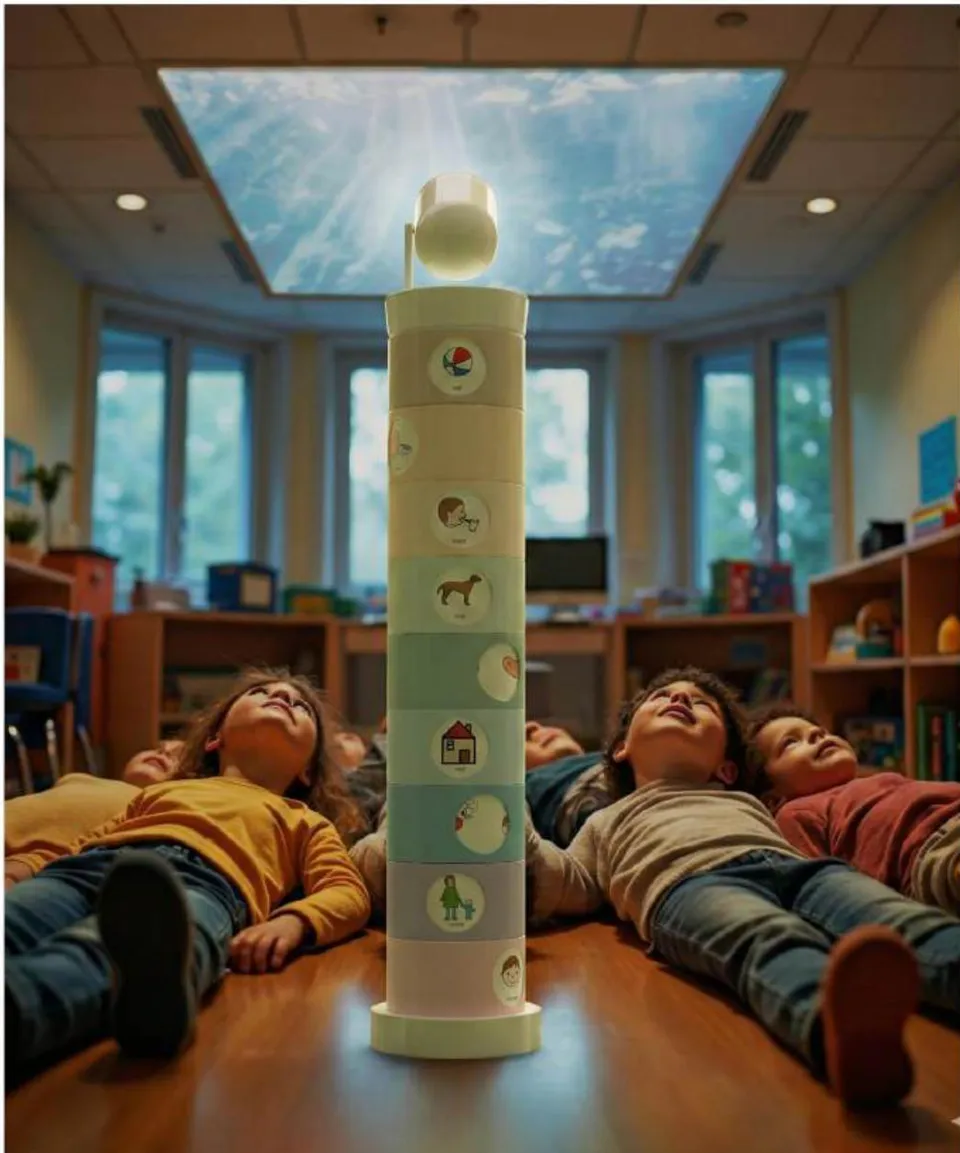
Auri is an interactive, lighthouse-shaped educational device that combines audiovisual projection and visual communication supports to foster inclusion in early childhood classrooms. Conceived as a shared classroom resource, Auri is designed to support communication, emotional regulation, and peer understanding, particularly benefiting children with autism while remaining engaging to all students.
The lighthouse form is both symbolic and functional. Symbolically, it represents guidance, a key element for children who may experience uncertainty in the classroom. Functionally, its vertical structure allows light projections to be distributed so that uniform and easily adjustable lighting environments can be created.
The body of the lighthouse incorporates pictograms that enable interaction across different activities, supporting Augmentative and Alternative Communication (AAC). Additionally, the projector located at the top allows the display of varied content, relaxing, educational, or playful, adapted to the specific goals of each activity. All this facilitates receptive and expressive communication, promote moments of relaxation in the classroom and encourages interaction among peers.
Auri differs from other AAC tools by offering a collective, sensorial, and play-centred experience that introduces this form of communication to all children through play, promoting empathy with children with autism.
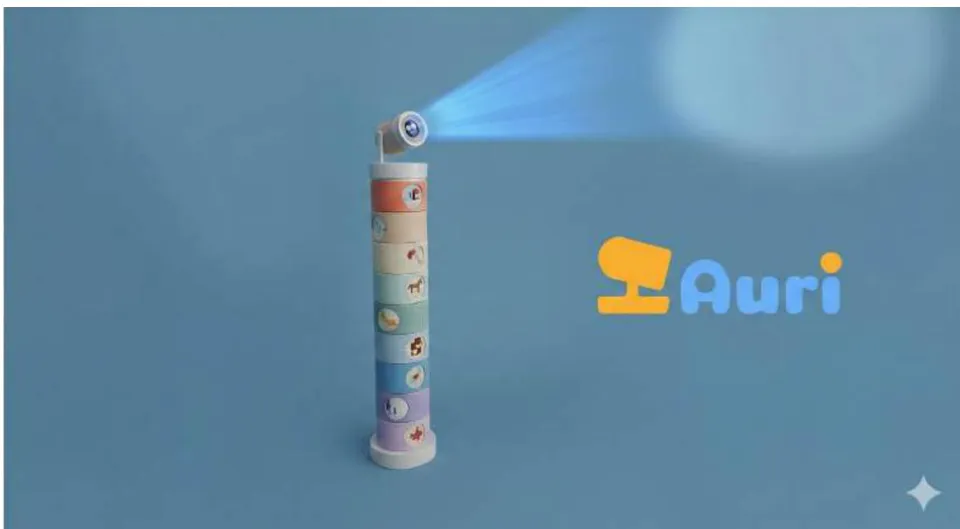
4.1 Description of the Game
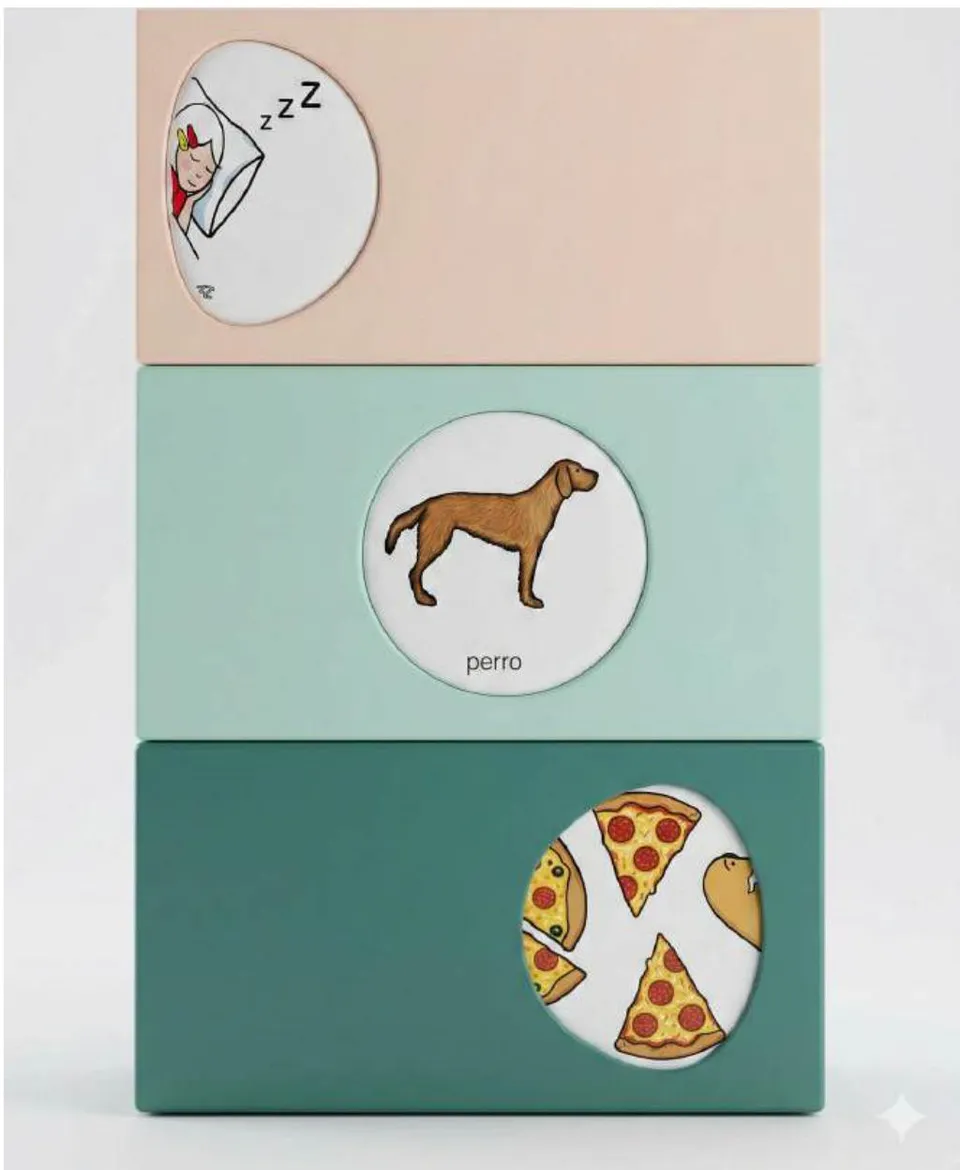
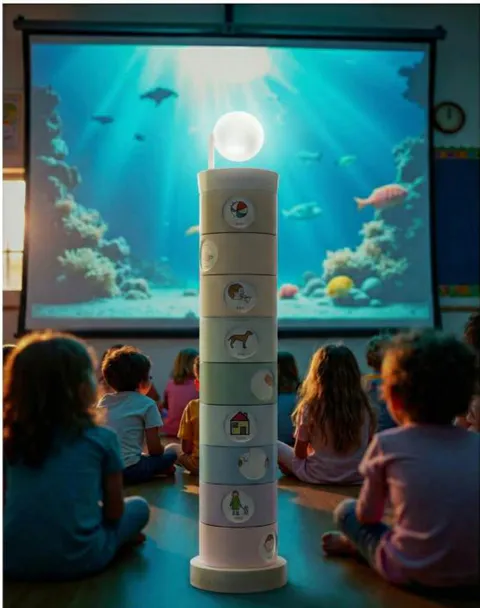
The game is centred on a lighthouse-shaped structure that functions as a communication tool. The lighthouse is composed of rotating discs that can cover or reveal different pictograms. The game would consist of children being guided by a professional to complete different activities with these discs, such as identifying specific pictograms, forming sentences, or creating stories with them.
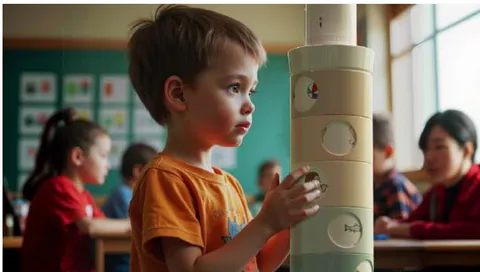
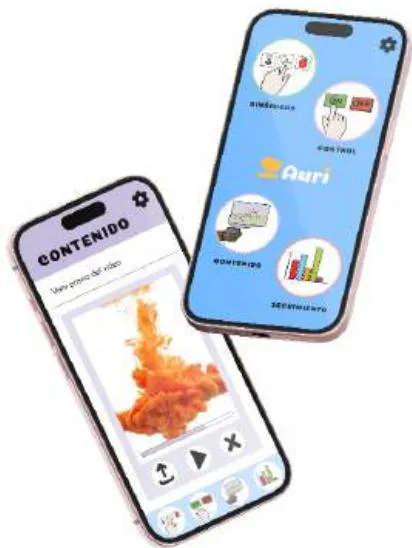
Once the children have completed the tasks assigned by the instructor, the instructor activates the projector through an app. This functions as a form of reward, providing the children with a variety of audiovisual content after a successful completion of an activity. The projections include sensory videos to relax children, educational representations of concepts such as animal movement and games projected onto the floor that encourage physical interaction. Additionally, Auri plays calming audio, creating an enriching experience.
4.2 Auri's Features
The game, standing 95 cm tall, comprises several key parts: a base, a central axis, eight discs, a projector mount and a projector. Its characteristics include Heavy and stable base, smooth rotation of the discs, soft colours for a visually pleasant experience, eye-catching lighthouse-inspired shape with an attractive and symbolic design, easy assembly and resistant materials to falls and frequent use.
zapato
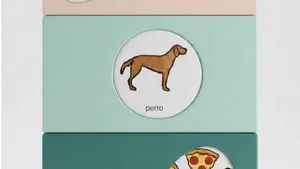
The color palette, composed of soft tones, helps children distinguish with facility between the different groups of pictograms represented on each disc.
Auri's body features 54 pictograms organized into nine thematic bands, covered by discs that children rotate to reveal the pictograms. The themes are as follows:
Emotions
Daily activities
People
Animals
Places
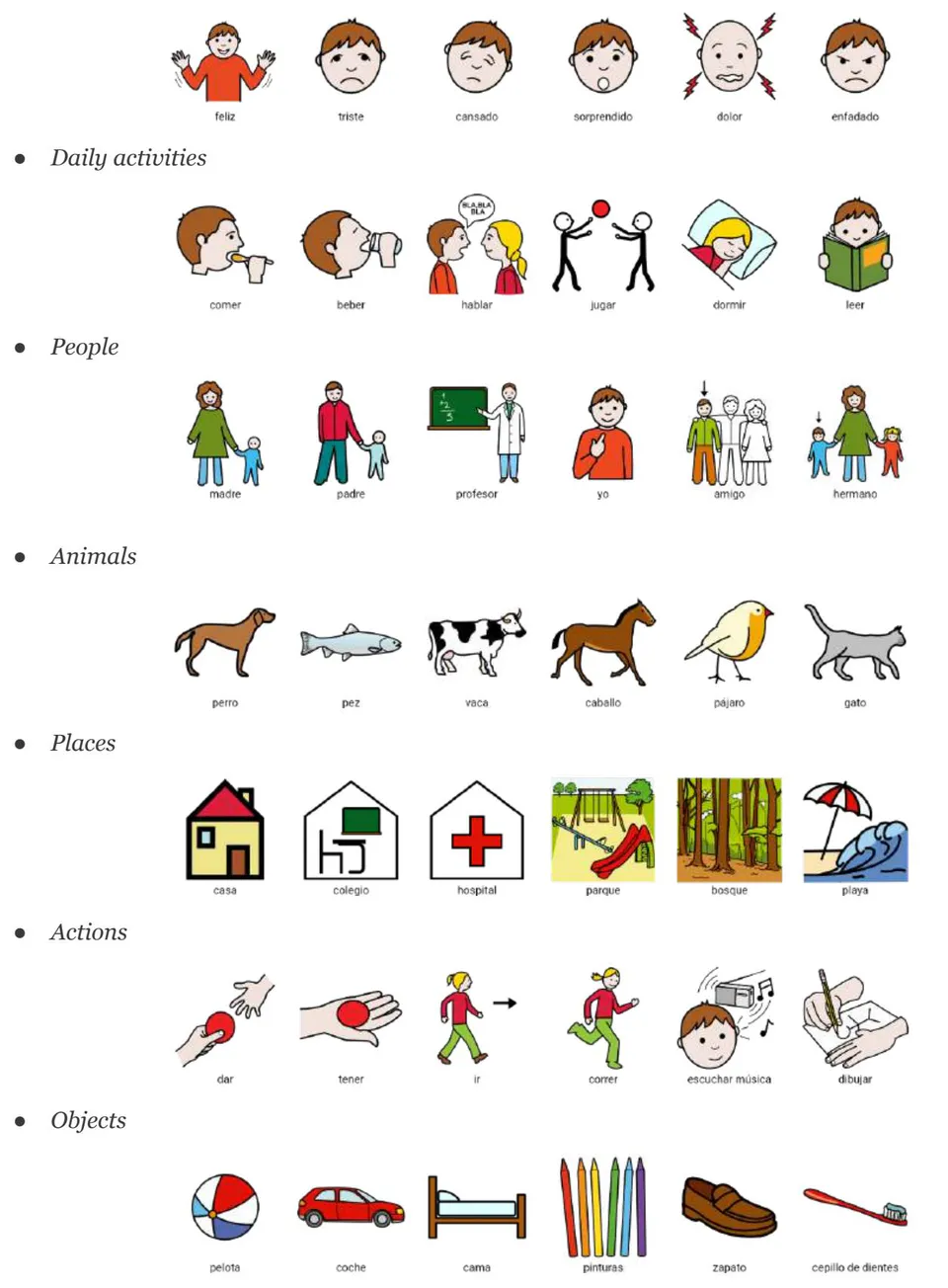
- Actions
cepillo de dientes
- Parts of the body

- Food

4.3 Projector
The projector is positioned at the top of the lighthouse. It is mounted on an axis that allows it to rotate , enabling projection in all directions. In addition, it is also capable of playing audio.

4.4 Audiovisual Content and Activities
The audiovisual content is activated whenever the teacher deems it appropriate, managed through a mobile application, which features a simple and user-friendly design. The app includes games, control of the projections and pedagogical tracking systems.
4.5 Proposed Activities
This section presents a set of example activities designed to support teachers in integrating Auri into everyday classroom dynamics. The proposed activities illustrate how pictograms and projections can be used to foster communication, emotional understanding, cooperation and inclusion among children with diverse abilities. All scenarios are flexible and can be adapted according to the age, needs and characteristics of each group.
- Activity 1: Scenario Simulation
Objective:
To encourage the development of social, emotional and problem-solving skills through the simulation of familiar social contexts.
Suggested Duration: 10–15 minutes.
Description and use of Auri:
The teacher introduces a scenario projected by Auri, such as:
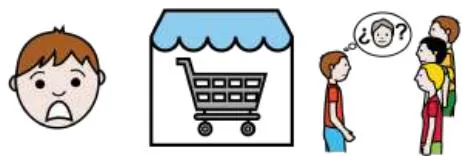
"Imagine you are at the supermarket, and you see a child who seems lost."
Using the pictograms displayed on Auri, children are invited to select pictograms relevant to the situation (e.g., sad, ask for help, supermarket). Auri supports both verbal and non-verbal participation, allowing all children to contribute by pointing or naming pictograms.
Once the choices are made, Auri projects a short educational video showing a child shopping with their parents in a supermarket. This helps contextualize the environment and reinforces understanding through visual learning.
Facilitate turn-taking and shared decision-making.
Ask guiding questions such as:
"How do you think the child feels?"
"What could we do to help?"
Encourage respectful listening.
Activity 2: Cooperative Stories
Objective:
To encourage the development of language, creativity, turn-taking, narrative sequencing and cooperative interaction through shared storytelling.
Suggested duration:20-30 minutes.
Description and use of Auri:
The teacher invites the children to collaboratively create a story using Auri as a shared communication tool. The activity begins with the prompt:
"Let's create a story together. Each of you will choose a pictogram from Auri and add something to our story."
One at a time, children rotate a disc on Auri and select a pictogram representing a character, action, object, place, or emotion. Children then contribute a short addition to the story. For example:
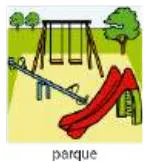
"A group of children found an abandoned ball in a park and felt happy because they could play together."


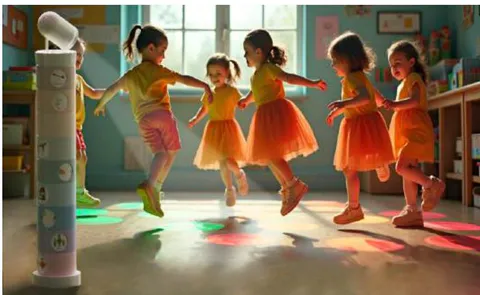
After the story is completed, Auri projects an interactive floor-based game in which children follow a visual path by stepping on specific geometric shapes. This movement-based extension promotes entertainment, supports sensory regulation and reinforces body coordination.
Role of the teacher:
Facilitate turn-taking and ensure equal participation.
Support narrative coherence by prompting with questions such as:
"What happens next?"
"How does the character feel now?"
Encourage decision-making.
Activity 3: Exploring Emotions
To support recognition of emotions, emotional vocabulary, self-awareness and empathy by linking emotions to everyday situations.
Suggested duration: 15-20 minutes.
Description and use of Auri:
The teacher introduces the activity by selecting an emotion pictogram on Auri (e.g., happiness, sadness, anger). The group is then prompted with the question:
"What situations might make us feel like this?"

Children are encouraged to respond by sharing personal or imagined experiences.
Once several situations have been identified, Auri projects a short video designed to either stimulate or calm, depending on the selected emotion. This visual content helps children associate emotions with bodily sensations.
Guide the discussion in a supportive and non-judgmental way.
Help children label emotions accurately and validate different responses.
Ask reflective questions such as:
"Have you ever felt like this at school?"
"What helps you feel better when you feel this way?"
Adjust the emotional intensity of the projected content to respect individual sensory sensitivities.
V. CONCLUSION
This project presented the conceptual design and development of Auri, an interactive educational system intended to support communication, sensory regulation and inclusion for children with Autism Spectrum Disorder (ASD) in school classrooms. Auri is proposed as a design-led response to challenges identified through theoretical research and qualitative input from families and professionals.
Auri combines pedagogy with technology: a pictogram-based communication system aligned with Augmentative and Alternative Communication (AAC) principles, and a multisensory projector designed to provide controlled audiovisual stimuli. The intended educational value of Auri lies in its ability to combine communication, play, and sensory experience within a single interactive framework. The following table illustrates how Auri can support the development of key skills in children.
| Skill | How it Develops the Skill |
| Communication (verbal & non-verbal) | Children use pictograms to express ideas, needs, and emotions. Through the various activities offered by Auri, all children can learn to use and understand the Augmentative and Alternative Communication system better. |
| Turn-taking/Social interaction | Structured activities and group interactions encourage waiting for turns. Also, interaction with peers around Auri's projected games promotes cooperative play. |
| Empathy with Autism | It introduces this type of communication to other children, who may not need it in their daily lives, but benefit from it to better understand what their autistic peers want to express. |
| Creativity & storytelling | Children invent narratives using pictograms and projections. |
| Emotional regulation/Self-calming | Projected calming videos, soothing lights and scenario-based learning videos allow children to manage stress or other specific situations and practice self- regulation. |
| Problem-solving & decision-making | Children choose responses to social scenarios during some activities with Auri (for example, Scenario simulation activity) or decide which pictograms to use, promoting reasoning, planning and decision-making. |
| Attention & focus | Children must attend to teacher's instructions before play or maintain engagement with interactive projections. |
| Collaboration/teamwork | With Auri's example activities, children collaborate to create stories, respond to scenarios, or play projected games together. |
These developmental goals are theoretically grounded in inclusive education and Universal Design for Learning approaches; however, their effectiveness has not yet been empirically measured.
Also, the system was designed to be adaptable, allowing educators to modify pictograms, activities, and projected content according to the needs of each group, which represents one of its main strengths for long-term classroom integration.
At this stage, the evaluation of Auri is limited to its conceptual coherence and preliminary qualitative feedback. Informal responses from families associated with autism support organizations in Spain indicate a positive perception of the project's potential usefulness in educational and domestic contexts. The following statements reflect the perspectives of families who participated in the final survey:
"I find it very valuable that initiatives like this are being considered to support the learning of children with this type of disorder, and that it is designed for use in classrooms to promote inclusion with their peers."
"Thank you for contributing something of great value. My son is older (21 years), and I would have liked there to be much more awareness about his condition."
Nevertheless, this feedback should be understood as exploratory, as no structured pilot study, usability testing, or quantitative assessment has been conducted. Consequently, claims regarding impact on motivation, emotional regulation or social skills should be interpreted as intended outcomes.
Several limitations must therefore be acknowledged. The absence of real-world testing with children and educators restricts the ability to assess usability. Future work should address these gaps through mixed-methods research, including classroom pilots, observational analysis and engagement metrics such as participation levels.
Despite these limitations, the project aims to demonstrate the potential of viewing assistive technologies not merely as compensatory tools, but as shared pedagogical ecosystems that promote mutual understanding among all children. By introducing AAC-based communication through collective, play-centred experiences, Auri seeks to normalize diverse forms of communication and reduce barriers associated with invisible disabilities.
In conclusion, this project contributes a design-oriented perspective to the field of inclusive education, highlighting how interactive, multisensory systems can be conceptually structured to support neurodiverse learners while fostering empathy and cooperation in early educational environments. Further empirical validation will be essential to determine Auri's practical impact, but the framework developed here offers a foundation for future research and implementation in inclusive classroom design.
Conflict of Interest
The authors declare no conflict of interest.
Ethical Approval
Not applicable
Data Availability
The datasets used in this study are openly available at [repository link] and the source code is available on GitHub at [GitHub link].
Funding
This work did not receive any external funding.
References
Cite this article
Related Research


Special Issue
Launch a focused special issue to highlight research, emerging trends, and expert insights in your academic field.