



IntelliPaper
Abstract
Our gastrointestinal system, which is named as our second brain, is struggling with the devastating disease of recentyears, COVID-19. Thestruggle of bacteria in the intestinal microflora in terms of over coming possible liver damage causedby COVID-19 is the subject of researchers. Despite the limited number of studies, the fight againstl iver organ damage by the gastrointestinal system, which is our second brain is important.
Explore Digital Article Text
I. INTRODUCTION
The gastrointestinal tract includes life forms consisting of bacteria, viruses, fungi, and protozoa in its natural flora (Matijašić et al., 2020; Vemuri et al., 2020; Davis, 2016). This flora is different in every person like a fingerprint and is necessary for the protection of intestinal health and has an important place in the fight against various diseases (Tomasello et al., 2017; McFarland et al., 2019; Rees et al., 2018; Conlon et al., 2014). Our microbial flora, which is the basic defense element of our immune system, starts in the mother's womb and begins to colonize with birth. The commensal microorganisms residing in the gastrointestinal tract play a pivotal role in facilitating the metabolic processing of orally ingested nutrients through the process of fermentation. If the beneficial microbial flora develops in sufficient amounts, it prevents the reproduction of harmful microorganisms (Krajmalnik et al., 2012; Morowitz et al., 2011).
Intestinal flora produces some products that are fed into the bloodstream by feeding the nutrients in the digestive tract and helping the nervous system to be healthy (Clapp et al., 2017; Butler et al., 2019; Taylor, 2019). In addition, microscopic creatures in the digestive tract fight harmful organisms by triggering an immune response and directly affecting the health of vital organs such as the liver (Dantzer, 2018; Rivest, 2019; Hanke et al., 2011).
Recent studies show that liver transplant patients are at high risk for COVID-19 mortality (Nobel et al., 2021; Choudhary et al., 2021; Schult et al., 2022). Researchers have proven that patients who drink alcohol and have advanced liver cirrhosis experience the disease severely. These patients should continue treatment with mechanical ventilation. Covid 19 disease creates a disorder in liver metabolism and mortality occurs (Cheemerla et al., 2021; Mallet et al., 2020). Metabolic disorder due to elevated liver enzyme values, combined with inflammation caused by COVID-19 infection, can accelerate cytokine storms and increase immune system dysregulation.
Therefore, it has been reported that transaminase values were found to be high in patients who died as a result of COVID-19 disease (Chadalavada et al., 2020; Kaneko et al., 2020; Pott-Junior et al., 2021).
The microbiota in the intestines reduces the defense system that affects the liver through the general circulation (Schnabl et al., 2014; Belkaid et al., 2014; Newsome et al., 2021). The function of our body's microbiome mechanism affects the health of our physiological nervous system and the perfection of our sensory perceptions. The microbiome, brain, central nervous system, endocrine glands, and lymphoid organs all communicate with one another through the living body (Carabotti et al., 2015; Martin et al., 2018; Fung et al., 2017; Wang et al., 2014; Maeda et al., 2022). Studies on the relationship between the gut microbiome and the central nervous system have revealed that changes in the gut flora increase intestinal permeability, which makes it possible for neuroactive substances to enter the bloodstream (Galland et al., 2014). The extant body of scientific literature substantiates the proposition that various microbiota exhibit the capacity to synthesize bioactive compounds with discernible impacts on gene expression within the neurological milieu. Empirical investigations have delineated a nexus between alterations in microbiota composition and the manifestation of depressive states, modulation of social responsiveness, and the fortification of the immune system against deleterious modifications induced by stressors. These findings underscore the intricate interplay between the microbiome and neurobiological processes, thereby advancing our comprehension of the multifaceted influences exerted by microbial communities on mental health and physiological resilience (Madison et al., 2019). In certain scholarly investigations, findings have been documented suggesting that alterations in the microbiome can precipitate neurological modifications, demonstrating a transferability that extends beyond conspecifics and encompasses inter-species dynamics, notably observed in subjects undergoing fecal transplant procedures. (Napolitano et al., 2020; Chinna et al., 2020). The reciprocal interaction between the microbiome and the nervous system is characterized by a bidirectional relationship, indicating that their influence on each other is not unidirectional. The microbiome can affect how we think, but also our nervous system and lifestyle have a major effect on the composition of our microbiome (Sharon et al., 2016). The struggle to protect immunity lasts until the death of the person and explains why the flora in the digestive system fights for us like gladiators (Wiertsema et al., 2021). The brain alters intestinal permeability and secretions, and the digestive tract microbiome is normal unless there is intestinal disease.
Moreover, the endocrine secretions of the cerebral system, with consequential implications for microbial gene expression, possess the capacity to induce alterations in the constitution of the intestinal microbiota (Kho et al., 2019). Hormonal changes can cause disruptions in the flora of the digestive tract (Martin et al., 2019; Gilbert et al., 2018; Conlon et al., 2014). According to recent studies the administration of antibiotics results in a depletion of the indigenous gut microbiota, affording an advantageous milieu for the colonization of the gut epithelium by pathogenic microbiota. (Kelly et al., 2021; Ramirez et al., 2020; Ceccarelli et al., 2021). There have been studies on the signal pathways used by the gastrointestinal system to communicate with the brain (Looft et al., 2012; Khlevner et al., 2018). A neural network of more than 500 million neurons that controls the digestive system is intertwined with the enteric nervous system (Sasselli et al., 2012; Furness et al., 2014). This number of neurons is roughly five times that of the spinal cord's neurons. The enteric nervous system can be referred to as our second brain because of this. (Li et al., 2020). Some researchers are looking into the possibility of autonomous activation of this system. Additionally, they get signals from the prevertebral ganglia, the enteric nervous system, and the central nervous system via the vagus nerve (Furness et al., 2014). The nomenclature "intestinal axis" is employed to delineate the complex network of biochemical signaling that transpires between the digestive system and the central nervous system (Arneth et al., 2018).
Nevertheless, the comprehensive impact of the microbiome on cerebral function is currently emerging, prompting the characterization of the reciprocal interplay between the microbiome and the central nervous system as the "microbiome-gut-brain axis." Notably, the absence of a typical gut microbiome during early developmental stages markedly influences an individual's stress response in adulthood (Agata et al., 2019). One of the first studies that turned the microbiome gut brain access into a hot research topic was a study in 2004 that showed differences in behavior between germ free and non germ free laboratory mice (Shen et al., 2015). The mice lacking a microbiome showed an exaggerated stress response. This was reversed when their gut was colonized by a bifidobacterium species.
Elimination of the gut microbiome and mice resulted in problems with spatial and working memory (Gutiérrez et al., 2022). In other studies, dietary modifications also altered the performance of mice on memory tasks. One potential mechanism for these changes is the nerve growth factor BDNF, which is short for brain derived neurotrophic factor (Bathina et al., 2015; Binder et al., 2004). This substance influences neuronal development, protects against stress induced damage, and is important in determining stress tolerance, mood, and cognitive function. Mice with healthy microbiomes have higher expression of BDNF in their brains, which might be why they have better memories. Another study showed that even in the absence of obesity, the microbiome associated with obesity can cause neurophysiological changes (Davis et al., 2016).
Researchers use donor mice for the development of two different types of microbiomes. One group was fed a diet with 13% fat calories, while the other was fed a diet with 60% fat calories. 10 weeks after the diets commenced, the researchers harvested their microbiomes. At this time, mice from the leaner group weighed an average of 24.5 grams, while mice from the high fat diet group weighed an average of 37 grams. Next, another group of mice, the microbiota recipients, were given antibiotics daily for two weeks to eliminate their original microbiomes. Three days after the end of the two week course of antibiotics, the mice were recolonized by donor microbiota from either the group that had been found, the high fat diet or from the group that had been fed the control diet (Rodriguez et al., 2019). Behavioral assessments were systematically executed, revealing a discernible reduction in exploratory behavior and a concurrent elevation in anxiety-related behaviors among recipients exposed to high-fat microbiota. Notwithstanding, locomotor activity and overall behavioral metrics remained within comparable ranges. Distance traveled was the same for both groups of recipient mice, indicating no effect of the different microbiomes on motor function (Luo et al., 2018). The mice which received the high fat diet microbiota also had increased intestinal permeability. The authors also examined markers for brain injury and inflammation and found that the high fat diet microbiota receiving mice had higher numbers for these markers. It is, of course, much more difficult to conduct studies regarding the relationship of the brain and the microbiome in humans.
Interesting link that is still being investigated is the correlation between autism and high levels of Clostridium bacteria in children's stools (Argou et al., 2018). Around 70% of people with autism suffer from gastrointestinal problems (Wasilewska et al., 2015). The gastrointestinal maladies in question may potentially correlate with a modified gut microbiome, leading to heightened intestinal permeability; however, it is imperative to acknowledge that substantial further inquiry is requisite before definitive conclusions can be drawn. It is possible that certain developments in gut flora may trigger autism, or that the two develop concurrently.
Upon traversing the birth canal, neonates encounter constituents of their maternal microbiome, constituting their inaugural exposure to bacteria that subsequently assume a pivotal role in the establishment and maturation of their indigenous microbiota (Dunn et al., 2017).
Alterations in dietary patterns have been demonstrated to exert substantial and expeditious impacts on the compositional framework of the gut microbiome in both human subjects and murine models. Notably, such modifications have been observed to exert discernible influences on cognitive processes, specifically memory and learning. Further exploration of the ramifications of the gut-brain axis microbiome interrelation on visceral organs, such as the liver, holds promise for enhancing our understanding of the pathophysiological sequelae induced by COVID-19. The principal emphasis of this systematic review centered on a research article and meta-analysis, aimed at providing a comprehensive synthesis of data elucidating the impact of gut microbiota on COVID-19 comorbidities, specifically with regard to hepatic injuries.
II. MATERIALS AND METHODS
The checklist's meta-analyses and observational PRISMA 2009 guidelines were followed in gathering the data for this study.
III. LITERATURE SEARCH
A systematic inquiry was conducted utilizing reputable databases, namely PubMed/MEDLINE, Excerpta Medica Database (EMBASE), and Web of Science, with the objective of identifying pertinent cohort studies, case-control studies, or randomized controlled trials that furnished comprehensive data regarding the nexus between the gut microbiome and COVID-19. The search encompassed publications available up to September 1, 2022 (Table 1). The terms related to the microbiota, the relationship between the liver and COVID-19, and the function of the microbiome in COVID-19 were combined with or used as synonyms in the literature search method.
To ascertain additional data sources within the obtained results, an exhaustive review of the reference lists from relevant research and review articles was systematically undertaken.
Table 1: General Characteristics of Included Studies RCS: Retrospective Cohort Study CC: Case-Control GIS: Gastro Intestinal System
| Ref. | Study Design | Comparison Criteria | Total Sample | Gut Microbiome Culture | COVID-19 Presence | Potantiel Gut Brain Axis Presence |
| Yeoh et al. | CC | GIS probiotic formula | 178 | Performed | + | + |
| Zuo et al. | CC | Fecal sample | 69 | Performed | + | + |
| Maeda et al. | CC | Fecal sample | 108 | Performed | + | + |
| Castrellon et al. | CC | GIS probiotic formula | 300 | Performed | + | + |
| Newsome et al. | RCS | Observational cohort study | 93 | Performed | + | + |
| Schult et al. | CC | Saliva and fecal samples | 130 | Performed | + | + |
| Jin et al. | CC | Retrospective bioinformatic data | 651 | Performed | + | + |
| Nobel et al. | CC | Retrospective bioinformatic data | 516 | Performed | + | + |
| Ceccarelli et al. | RCS | Observational cohort study | 143 | Performed | + | + |
IV. STUDY SELECTION
A comprehensive literature review encompassing 80,891 records was conducted, culminating in the final inclusion of nine pertinent articles. The subsequent meta-analysis incorporated data derived from these nine selected studies. 2.188 patients with liver findings and COVID-19 disease were included in the studies that made up the meta-analysis in this study. Most of the data was collected prospectively for observational studies, all of which were case-control studies. The majority of assessment items had a low risk of bias in studies. Figure 1 provides a summary of the chosen studies.
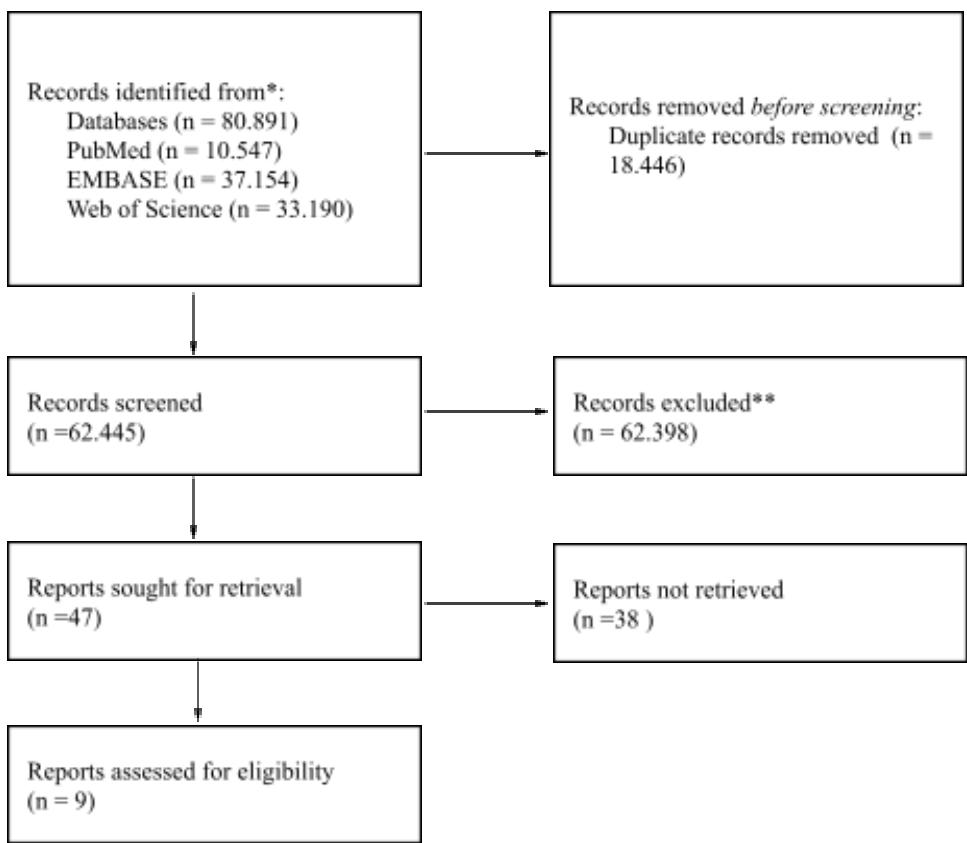 Figure 1: PRISMA Flow Chart of Study Selection
This study incorporated retrospective cohort studies and case-control investigations involving a cohort size of 69 or more participants. Inclusion criteria encompassed studies that reported on the risk of gastrointestinal system symptoms associated with COVID-19, or studies providing empirically derived data suitable for the computation of said risk estimates. Studies that included patients undergoing non-COVID-19, lacked a clear definition of the recovery period after illness follow-up, and failed to report high priority data were excluded from the main analysis. We only included the one report with the largest sample size to avoid publishing the same group or cohort of patients twice. The same investigators individually retrieved and downloaded the full texts of articles that were thought to be potentially admissible for analogy inclusion. Each downloaded file received a file number and a password that was known to both researchers.
V. DATA EXTRACTION AND PROCESSING
One researcher extracted data using a common data abstraction form, and another researcher double-checked the results. Data retrieval encompassed pertinent information on the study's objectives, COVID-19 typology, the interplay between the microbiome and COVID-19, sample size, demographic characteristics such as mean or median age and sex ratio, prevalence of comorbid conditions (e.g., cirrhosis, immune-specificity), incidence of COVID-19 among participants, and the associated risk estimation accompanied by a 95% confidence interval (95% CI). Utilizing Comprehensive Meta-Analysis Software tools tailored for case-control studies and randomized controlled trials, a meticulous assessment of bias risk was undertaken.
VI. STATISTICAL ANALYSIS
Analyses were conducted with Comprehensive Meta-Analysis Software (version 3.3.070, USA). Heterogeneity evaluation was conducted through the test on Cochrane's Q statistic, with quantification facilitated by values. The values were interpreted as indicators of heterogeneity, acknowledging that higher values correspondingly denote greater heterogeneity in the data (Ramirez et. Al., 2020).
By inspecting funnel plots and performing a linear regression test of funnel plot asymmetry, we determined whether studies had any bias related to the sample size effect. (Hedges's test). Two -tailed statistical tests were used, and a P value of 0.05 was considered statistically significant.
VII. RESULTS
of 9 publications investigating randomized effects was found to be 0.934486 (Table 2). The heterogeneity within randomized trials is statistically significant (p < 0.05), and upon meticulous inspection of the funnel plot, no discernible evidence of publication bias was observed (Figure 2). According to the meta-analysis tree graph, the weights of the studies are significantly to the right of the 2 vertical lines. The confidence interval of each study has significant weights. The weights of the studies are significantly to the right of the 2 vertical lines indicated by meta-analysis tree graph. As shown in Figure 2 and Table 3, the articles identified for meta-analysis were not found to be heterogeneous (p\<0.05). These results show the net value of the effect weight for the study (Figure 3).
7.1 Association Between Gastrointestinal Microbiata and COVID-19
Effect size and 95% confidence interval were evaluated in this study. The standard error margin {"image_source":{"path":"images/c8dd64b27c5619a24b6ef78a5f7e4091370e87d0c97aceb870cd33d03f96937b.jpg"},"content":"","chart_caption":[{"type":"text","content":"Figure 2: Publication Bias on Funnel Plot Inspection"}],"chart_footnote":[]}
Table 2: Effect Size of Gastrointestinal System Microbiata Association Between Immun System Response and Brain Axix
| Study Model | Number Studies | Point Estimate | Standard Error | Variance | Lower limit | Upper limit |
| Fixed effects | 9 | 2.302287 | 6.97E-02 | 4.86E-03 | 2.16565 | 2.438923 |
| Random effects | 9 | 3.661963 | 0.934486 | 0.873264 | 1.830404 | 5.493522 |
Table 3: Heterogeneity of Study Results
| Study Model | Test of null (2-Tail) | Heterogeneity | ||||
| Fixed effects | Z value | P value | Q-value | df (Q) | P-value | I-squared |
| Random effects | 33.02492 | 0.000 | 1295.44022 | 8 | 0.000 | 99.38244931 |
| Study Model | 3.918692 | 0.000 | ||||
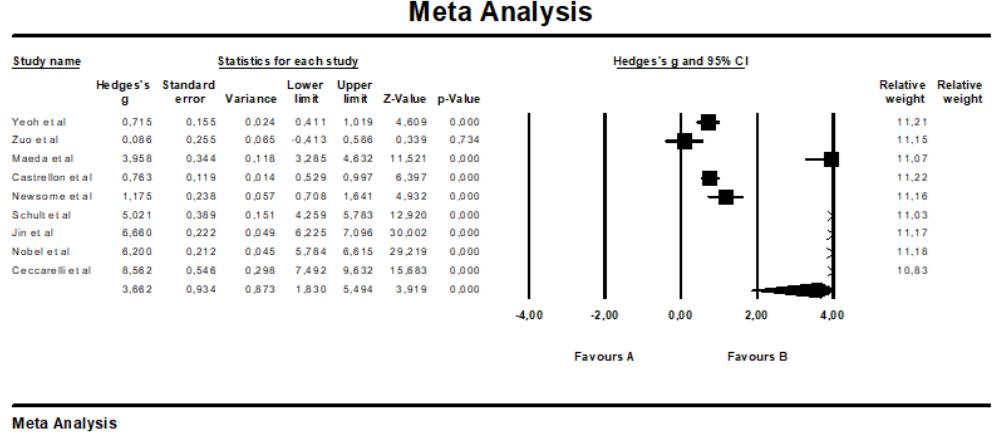 Figure 3: Meta-Analysis Tree Graph: The Weights of the Studies are Significantly to the Right of the 2 Vertical Lines
VIII. DISCUSSION
If the microorganisms in the intestinal flora provide sufficient serous structure protection, the neural communication with the brain is healthier. If we evaluate the immune system as a whole, any change in the flora may cause a decrease in the defense response to COVID-19 disease (Suganya et al., 2020). This interaction is in constant communication with the brain-gut neural axis (Ceccarelli et al., 2019). Studies report that recovery is accelerated if the intestinal microbiota is good in patients with COVID-19 disease and liver damage (Chowdhury et al., 2020; Farsi et al., 2020). According to this meta-analysis study data, it is understood that if the intestinal microbiota is healthy enough, the recovery processes of the patients are accelerated (Gagliardi et al., 2018).
Perturbations in the gut microbiome have been widely acknowledged in association with COVID-19 (Sun et al., 2022). The proposed interventions involve arresting viral proliferation within the gastrointestinal tract, mitigating inflammation of epithelial cells in the intestinal milieu (Somsouk et al., 2022), ameliorating the dysbiosis of gut bacteria induced by COVID-19, and reinstating the impaired transport and metabolism of tryptophan in individuals affected by the virus. Restore the mucus layer in the gastrointestinal tract and tight junction integrity to assure a return to normal intestinal permeability (Gold et al., 2021). After detoxifying the gut, it is necessary to create a microbiome that will support T memory cell function, which is essential not only for warding off neuropathy but also for protecting against the effects of future infections. There is now ample evidence that ongoing viral infection contributes to prolonged COVID-19. In this meta-analysis, almost all of these mechanisms of the defense system were examined. Spike protein circulating in the blood of people in plasma, even in the cells of people with COVID-19, up to 12 months after they were first infected. And these researchers said there must be a reservoir of chronic viral infection (Carvalho et al., 2021). This is present and this creates and then persists, possibly driving long-term COVID-19 and immune response of people especially neuropathic.
An impairment of T effector memory cells of the type that would be seen with chronic antigenic stimulation. So, steps to prevent viral proliferation in the gut, there are drugs that might be used. Researchers mostly are using natural products and flavonoids figure very strongly into that pharmaceutical repertoire, especially those concerning containing quercetin (D'Andrea et al., 2015). Thus have effects of protease inhibition and that also destroy bacteriophages. There is very strong evidence that the Coronavirus, not only infects human cells but can infect bacteria and act as a bacteriophage (Górski et al., 2020).
Researchers now exploring the role of antibiotics along with these antiviral herbs, in particular amoxicillin, which in his studies actually proved to be the most effective. Dietary factors that could impact the activity of bacteriophages, polyphenols, especially the bioflavonoids. So since we don't know what stevia does in this particular setting, a study would use caution with stevia in patients who've had COVID-19. Now there also is a probiotic that has antiviral activity.
The Next Step: Reducing Epithelial Cell Inflammation
Inflammation increases the synthesis of nitric oxide, which results in an increase in the nitrate concentration of the inflamed tissue (Sharma et al., 2020). High nitrate environment, which is what's created, enhances the growth of many bacterial pathogens (Vázquez et al., 2016). But it inhibits the growth of many healthy anti-inflammatory natural bacteria. This is a vicious cycle. The high nitrate environment invites the growth of pathogenic bacteria, which then generate more inflammation and maintain this nitrate cycle. There are a number of natural products that researchers use for this purpose, quercetin. Mastic gum from the Mediterranean food pistachio lenticonus. Curcumin from turmeric, omega-3 fats, Magnolia bark, which is used a lot in Chinese medicine, and bovine serum immunoglobulins have all been shown in controlled studies to reverse intestinal inflammation (Thota et al., 2019). Because some of these also have antiviral effects, they do double duty. Quercetin has garnered particular attention in scientific inquiry due to its examined antiviral properties and its capacity to mitigate inflammation within the gastrointestinal tract. And there's several studies to that effect now.
Improving the gut microbiome. People who did not show these features had a much better outcome and recovered fully from COVID-19. A pivotal bacterial species known as Faecalibacterium prausnitzii holds keystone significance, primarily as a significant producer of the short-chain fatty acid butyrate. This compound, renowned for its pronounced anti-inflammatory effects, exerts its influence within the gastrointestinal tract and, consequently, throughout the entire physiological system. There are higher levels of certain other bacteria that are associated with inflammation, in particular a species called ruminococcus gnavus.
Another important gastrointestinal system protective agent is butyrate. When we look at the physiology of butyrate, it becomes pretty clear that. This is not just a coincidence, so next step is to try and restore the depleted bacteria and restrain the inflammatory bacteria once again in a general way. Bioflavonoids play a major role in doing that. Flavonoids, as curators of the gut microbiome, and they encourage the growth of and activity of certain species and inhibit certain other species. And at the same time, we need these flavonoid dependent bacteria because they make the flavonoids more available to human body. Butyrate is what is called a post biotic. It is produced by bacteria in the gut. It's not produced by human cells. About 80% of the energy that maintains the integrity of the lining of the large intestine comes from butyrate. The mitochondria in the large intestine depend on butyrate for their activity (Davie, 2003). Outside the gastrointestinal tract that rate has some important effects. It has main effects in the brain.
This is a volatile short chain fatty acid. It passes very readily through membranes which produced in the gastrointestinal tract, goes into the body, which circulates in the blood goes readily into the brain. One of the systemic effects of butyrate is an inhibitor of an enzyme called histone deacetylase. Histone deacetylase inhibits certain genes and it has been shown that in the brain the presence of butyrate activates some quiescent genes, in particular a gene that's involved in producing a protein called brain derived neurotrophic factor (BDNF), which is really important for recovery of neurons from damage and injury it also (Wei et al., 2014). Activates various complexes on cells called G protein coupled receptors. Some of them are only activated by butyrate, and they have important effects in regulating immune responses and inflammation. So the steps to be taken toward reversing gut bacterial dysbiosis among people with long COVID-19 from a dietary perspective, the science would suggest a high fiber polyphenol rich diet. That increases butyrate secretion production. It increases the growth of Faecalibacterium prausnitzii. The research criteria and adherence to a Mediterranean type diet was also shown to elevate fecal levels of fecal bacterium presidency. Bacteria called Enterococcus fetalis that's associated with worse outcomes in people hospitalized with COVID-19. It is a major stimulus to the production of gamma interferon, which plays a role in the cytokines storm of acute COVID-19 resveratrol.
A study report focused on adults with allergies investigated the efficacy of Bacillus coagulans, a soil-derived organism. In particular strain GB 130, which was studied in elderly people and found to decrease inflammatory markers like C reactive protein (Madempudi et al., 2019). This is a study that just came out on Ruminococcus Navis, and higher levels of Ruminococcus gnavus was associated with an increased risk of long COVID-19 and also converts tryptophane and essential amino acid to tryptamine. On a mean that has that promotes migraine headaches and migraine phenomena and migraine type phenomena play an important role in the physiology of neuropathic (Liu et al., 2022).
IX. CONCLUSION
Based on the study findings, this interaction in the gut microbiota shows us that there is an area we need to investigate against COVID-19 disease. Studies conducted for many years explain that the signaling pathways in the intestinal system are related to the brain. On the other hand, we can keep the most basic organs of our body, such as the liver, alive to the extent that we make the digestive system healthy. Therefore, the healthier we keep the digestive system, the better we can keep the liver health. As a result of the study, it was understood that our digestive system is the most important auxiliary element of our brain.
Future studies should reveal the basic pathways of this communication.
Funding
The authors report that there was no funding source for this study.
Declaration of Conflicting Interest
The author declare no conflicts of interest.
Conflict of Interest
The authors declare no conflict of interest.
Ethical Approval
Not applicable
Data Availability
The datasets used in this study are openly available at [repository link] and the source code is available on GitHub at [GitHub link].
Funding
This work did not receive any external funding.
References
Cite this article
Related Research



Special Issue
Launch a focused special issue to highlight research, emerging trends, and expert insights in your academic field.
