



IntelliPaper
Abstract
This study dives into the usually ignored area of snow pollution, shedding light on the complicated network of biological repercussions caused by impurities in pure frozen environments. Our research, which looks at the origins and types of contaminants found in snow, reveals the complex interplay between industrial emissions, automobile activity, and atmospheric deposition. We investigate the socioeconomic repercussions, including implications for human health and the tourist sector, using a multidisciplinary approach. As snow pollution becomes a growing worldwide problem, our study intends to increase awareness while also encouraging educated decision-making and long-term policies to limit its widespread impacts on vulnerable ecosystems. We demonstrate the critical necessity for proactive environmental policy to protect the purity of snow-covered landscapes via a thorough assessment of case studies and scientific evidence.
Explore Digital Article Text
I. INTRODUCTION
Snow has always represented the clean essence of winter landscapes, with its crystalline splendor. However, under its supposedly unspoiled exterior, a less visible but increasingly serious concern is arising: snow pollution. This phenomenon represents the penetration of numerous contaminants into previously pristine snow, indicating a complicated relationship between human activity and the environment. In this introduction, we will go on a journey to comprehend the notion of snow pollution, looking at its various expressions and the ramifications for our ecosystems.
1.1. Concept of Snow Pollution
Snow pollution refers to the contamination of snow by a myriad of pollutants, ranging from atmospheric emissions to industrial byproducts and even microplastics. Unlike other environmental mediums, snow possesses unique characteristics that make it particularly susceptible to accumulating and preserving these pollutants. As snow falls and accumulates on the ground, it acts as a temporary repository for the myriad substances present in the atmosphere, reflecting a snapshot of the environmental conditions at the time of its formation.
II. MAJOR SNOW POLLUTANTS
2.1 PAH
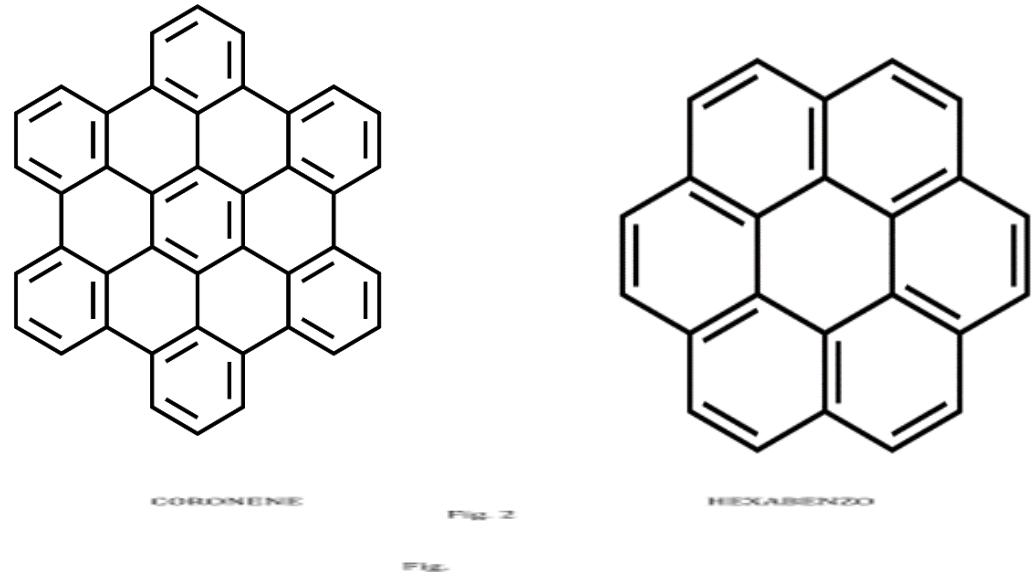
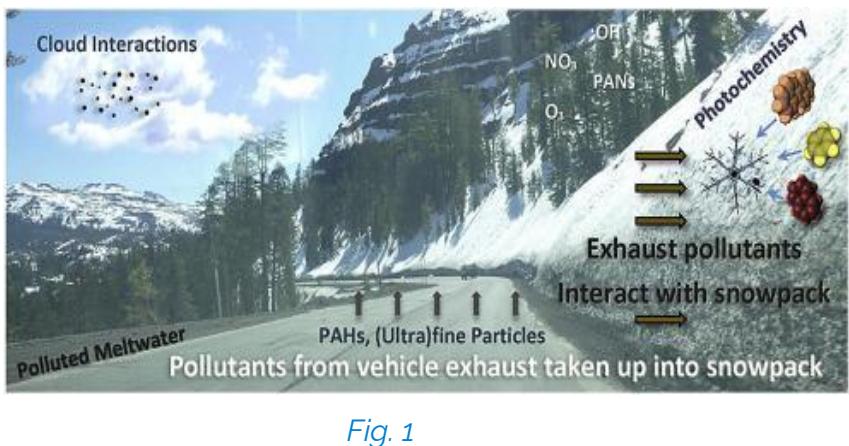
Polycyclic aromatic hydrocarbons (PAHs) are a kind of organic substance that is produced when organic matter is incompletely burned. They can be found in a variety of environments, including automobile exhaust, industrial pollution, and forest fires. PAHs can be deposited on snow by a number of methods, including dry deposition, wet deposition, and soil resuspension. When PAHs are deposited on snow, they can become absorbed into the snowpack and remain there for extended periods of time. This is due to the fact that PAHs are insoluble in water and are not easily degraded by sunlight.
{"image_source":{"path":"images/2fa4d53896fb1d5cfe2aa44ac7383e6a6e2140db5def017e8c738555762a8e0c.jpg"},"content":"","chart_caption":[{"type":"text","content":"Frozen Conundrum: Unveiling the Ecological Impacts of Snow Pollution Through Diverse Case Studies"}],"chart_footnote":[]}
PAHs have a number of negative effects on snow. They can reduce the albedo of snow, which means that snow reflects less sunlight and absorbs more heat. This can lead to earlier snowmelt and reduced water availability in the spring. PAHs can also be toxic to aquatic life and can contaminate drinking water supplies.
2.2 Aerosols
Aerosols are microscopic particles suspended in air. They might be inorganic or organic, natural or anthropogenic (produced by humans). Aerosols are a significant source of air pollution and can have a variety of harmful consequences on snowpack. Aerosols can diminish snow's albedo, which means it reflects less sunlight and absorbs more heat. This can result in earlier snowmelt and less water available in the spring. Aerosols can also serve as cloud condensation nuclei, providing a surface for water vapor to condense on and produce clouds.
This can result in increased cloud cover and precipitation, further reducing snow's reflectivity.
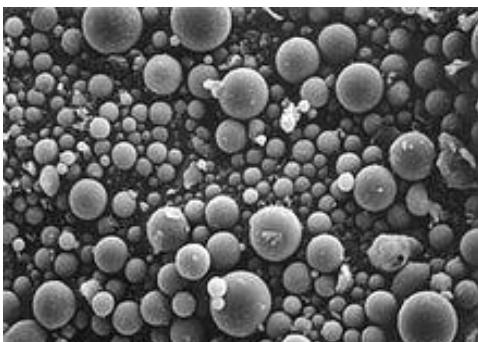 Fig. 3
2.3 PAN
Peroxyacyl nitrates (PANs) are a kind of organic molecule that results from the interaction of nitrogen oxides (NOx) with volatile organic compounds (VOCs) in the environment. PANs are a key contributor to pollution and can have a number of harmful consequences on snowpack. PANs may absorb sunlight and emit NOx, leading to enhanced ozone production. Ozone is a dangerous pollutant that may destroy lung tissue and inhibit plant development. PANs can also be deposited onto snow by dry and moist deposition. When PANs are deposited on snow, they can be integrated into the snowpack and remain there for extended periods of time.
2.4 Ozone
Three oxygen atoms (O3) combine to form the gas known as ozone. It exists in the stratosphere, shielding humans from the sun's damaging ultraviolet (UV) rays. The troposphere, the lowest part of the atmosphere, also contains ozone. One dangerous contaminant that can destroy lung tissue and inhibit plant growth is tropospheric ozone. Both dry and moist deposition processes can deposit ozone on snow. Ozone can stay in the snowpack for extended periods of time once it is deposited on top of it.
2.5 Gasoline engine exhaust
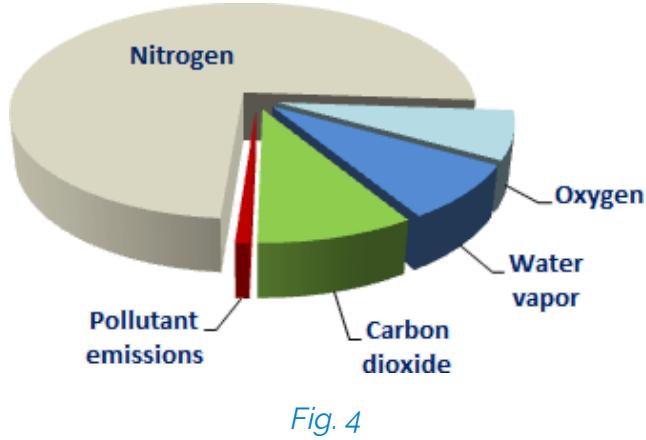
Nitrogen oxides (NOx), volatile organic compounds (VOCs), and black carbon are just a few of the dangerous pollutants found in gasoline engine exhaust, which is one of the main sources of air pollution. Both dry and wet deposition processes can deposit these contaminants on snow. When placed on snow, they can become part of the snowpack and stay there for a very long time. Soot that remains after incomplete combustion of organic matter is known as black carbon. Black carbon has the potential to absorb light and emit heat, which may cause snow to melt earlier and result in less water being available in the spring. In the environment, VOCs and NOx can combine to create ozone, a dangerous pollutant that can stunt plant development and cause lung disease.
2.6 Cloud interaction
Clouds can interact with snow in a number of ways. They can deposit pollutants onto snow through wet deposition. They can also reduce the amount of sunlight that reaches the snowpack, which can slow down melting. Clouds can also increase the humidity of the air, which can make it more difficult for snow to evaporate.
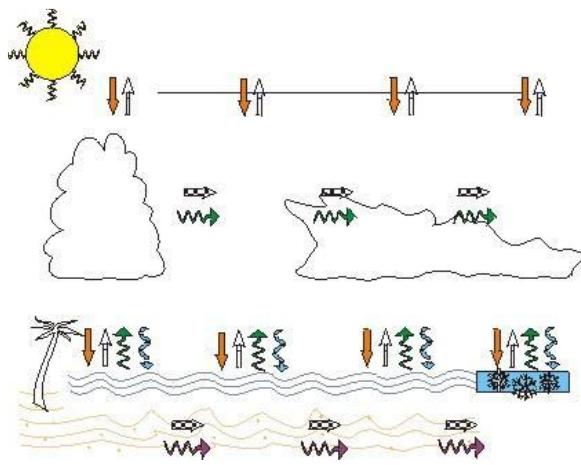 Fig. 5
The interaction between clouds and snow can have a number of effects on the snowpack. It can affect the albedo of snow, the amount of snowmelt, and the persistence of pollutants in the snowpack.
III. CASE STUDIES ON SIBERIA AND MOUNT EVEREST
3.1 Case Study: PFAs and Microplastics on Mount Everest
Mount Everest, the Earth's highest peak, renowned for its awe-inspiring beauty and challenging climbing expeditions, is facing a modern environmental challenge – the infiltration of per- and polyfluoroalkyl substances (PFAs) and microplastics into its fragile ecosystems. This detailed case study explores the complexities and consequences of PFAs and microplastics pollution on Mount Everest, shedding light on the environmental and human dimensions of this issue.
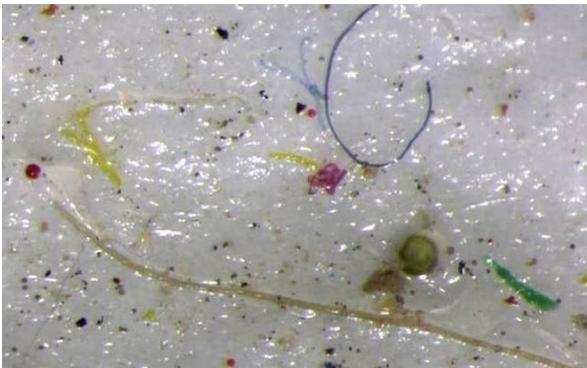 Fig. 6
Geographical Context: Mount Everest, towering at 29,032 feet (8,848 meters), is situated in the Himalayan range, straddling the border between Nepal and Tibet. Its extreme altitude and remote location present unique challenges and opportunities for studying environmental impacts.
PFAs and Microplastics Sources: PFAs: Mount Everest faces PFAs pollution primarily from long-range atmospheric transport. These persistent organic pollutants are used in various industrial and consumer products and can travel vast distances through the atmosphere.
Microplastics: The presence of microplastics on Everest is attributed to both direct human activities, such as mountaineering expeditions, and atmospheric deposition from lower altitudes.
Environmental Consequences:
-
Glacial Melting and Runoff: PFAs and microplastics, once deposited on the snow and glaciers of Everest, contribute to accelerated melting. As the glaciers retreat, they release these pollutants into downstream water sources, impacting water quality.
-
Ecosystem Disruption: Microplastics, being minute particles, can be ingested by organisms in the ecosystem, potentially causing harm at the microscopic level and disrupting the delicate balance of alpine flora and fauna.
-
Exposure to Climbers and Locals: Climbers and local communities residing in the Everest region are exposed to PFAs and microplastics through water sources and the consumption of locally sourced food. Investigating potential health risks becomes crucial, considering the long-term consequences of exposure to these pollutants.
Previous Research Findings:
-
Sampling and Analysis: Researchers conduct extensive field sampling, collecting snow and water samples from various locations on Everest, including base camps and high-altitude regions. Advanced analytical techniques, such as mass spectrometry and microscopy, are employed to detect and quantify PFAs and microplastics.
-
PFAs Concentrations: Analysis reveals the presence of PFAs in snow samples, indicating atmospheric transport to high altitudes. Concentrations are assessed about potential sources, such as industrial regions and urban centers.
-
Microplastics Distribution: Microplastics are found in various forms, including fibers and fragments. The distribution pattern is examined based on altitude, proximity to climbing routes, and prevalent wind patterns.
-
The study concludes by emphasizing the urgent need for comprehensive research, policy measures, and international cooperation to address PFAs and microplastics pollution on Mount Everest.
Preserving the pristine environment of Everest requires concerted efforts to mitigate the impact of these emerging pollutants and ensure the long-term sustainability of this iconic mountain ecosystem.
- This detailed case study aims to provide a comprehensive understanding of the challenges posed by PFAs and microplastic pollution on Mount Everest, emphasizing the interconnectedness of environmental, human health, and policy dimensions in addressing this pressing issue.
3.2 Case study on "Siberian Black Snow and Unraveling the Environmental Conundrum"
-
Black snow, a phenomenon caused by various pollutants, has garnered global attention. This study provides an overview of the issue, with a specific focus on Russia's intriguing manifestation of green black snow. Residents in a coalmining area of Siberia have shared online videos depicting entire streets and neighborhoods blanketed in hazardous black snow, emphasizing a human-induced ecological disaster, according to critics.
-
In a video captured in Kiselyovsk, a town within the Kuzbass region, a woman navigates through expanses of coal-colored snow extending to the horizon, covering a children's playground and residential courtyards. Russian media characterized the scenes as "post-apocalyptic."
-
The coal dust responsible for the black snow in Kuzbass originates from numerous open pit mines, which environmental activists assert have resulted in severe health consequences for the region's 2.6 million inhabitants. Life expectancy in Kuzbass is reportedly three to four years lower than the national average of 66 for men and 77 for women in Russia.
-
Instances of cancer, child cerebral palsy, and tuberculosis in the Kuzbass region surpass national averages. According to Vladimir Slivyak, a member of the Ecodefense environmental group, "It's more challenging to locate white snow than black snow during winter." He explains that coal dust remains present in the air throughout the year but becomes visible when snow falls.
-
Despite geopolitical tensions between Moscow and London, Russia serves as the primary supplier of British coal imports. Russian mines, predominantly from the Kuzbass region, contributed about half of the 8.5 million tons of coal imported into Britain in 2017. Coal is utilized in various sectors in Britain, including cement and steel manufacturing and power stations, with the UK government committed to phasing out coal-fired power by 2025.
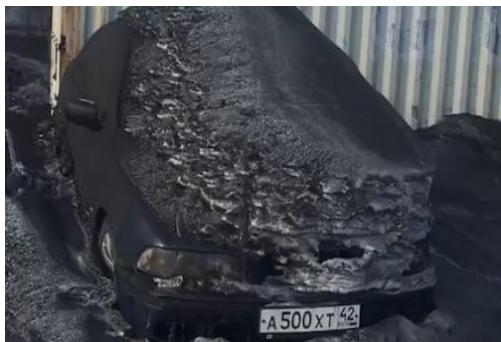
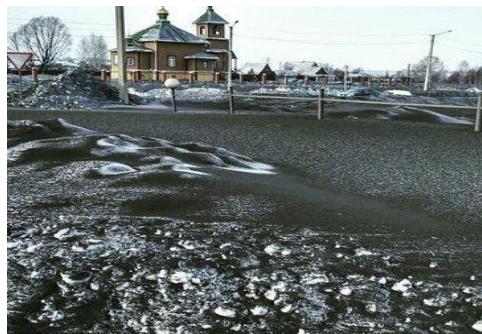 Fig. 7
-
Geographical Context: Siberia, known for its vast and pristine landscapes, has been witnessing an alarming occurrence known as "Siberian Black Snow." This phenomenon, characterized by snow taking on a dark coloration, has become a visible manifestation of environmental pollution in the region.
-
Sources of Black Snow: The blackening of Siberian snow is linked to a combination of industrial emissions, particularly from factories and power plants, as well as vehicular pollution. The primary contributors include particulate matter, heavy metals, and soot, which collectively alter the color and composition of the snow.
-
Environmental Consequences: The impact of Siberian Black Snow extends beyond its visual appearance, signaling potential ecological hazards:
-
Albedo Reduction: Similar to other cases of snow pollution, the presence of pollutants in Siberian snow reduces its albedo. This alteration can lead to increased absorption of sunlight, accelerating snowmelt and affecting local temperature patterns.
-
Soil Contamination: As black snow melts, the pollutants are released into the soil, affecting its composition and potentially harming vegetation. The altered soil conditions can disrupt the delicate balance of the local ecosystem.
-
Water Quality Concerns: The melting black snow contributes to water runoff, potentially contaminating freshwater sources. This runoff may carry pollutants downstream, impacting aquatic ecosystems and posing risks to human communities relying on these water sources.
- Studies and Investigations: Several scientific investigations have been conducted to understand the composition and implications of Siberian Black Snow:
-
Chemical Analysis: Researchers have analyzed snow samples from affected regions, employing techniques such as spectroscopy and chromatography to identify the specific pollutants present.
-
Source Attribution: Studies aim to pinpoint the sources of pollutants, distinguishing between industrial emissions, transportation-related contaminants, and natural contributors.
-
Ecological Monitoring: Field studies assess the impact of black snow on local flora and fauna. Researchers examine changes in plant growth, soil health, and aquatic ecosystems to gauge the overall ecological consequences.
IV. CONCLUSION
In conclusion, the exploration of snow pollution and its ecological impacts, as presented in this study, underscores the urgent need for a comprehensive understanding of the intricate relationships between human activities and the pristine environments they affect. The phenomenon of snow pollution, often overlooked, unveils a complex web of contaminants infiltrating snow-covered landscapes, with far-reaching consequences for ecosystems, human health, and local economies.
The identification and examination of major snow pollutants, such as polycyclic aromatic hydrocarbons (PAHs), aerosols, peroxyacyl nitrates (PANs), ozone, and gasoline engine exhaust, provide valuable insights into the diverse sources and mechanisms through which impurities compromise the purity of snow. These contaminants not only alter the reflective properties of snow, contributing to accelerated melting and reduced water availability but also pose significant threats to aquatic life, soil composition, and even human well-being.
The case studies on Mount Everest and Siberia illuminate the varied manifestations of snow pollution, emphasizing the global nature of this environmental challenge. The infiltration of per- and polyfluoroalkyl substances (PFAs) and microplastics on Everest, propelled by both atmospheric transport and direct human activities, highlights the vulnerability of even the most remote and iconic landscapes to pollution. The repercussions extend from glacial melting and ecosystem disruption to potential health risks for climbers and local communities, underscoring the interconnectedness of environmental, human health, and policy dimensions.
Similarly, the "Siberian Black Snow" phenomenon provides a stark illustration of the consequences of industrial emissions and vehicular pollution on snow-covered regions. Beyond the visible aesthetic impact, black snow signifies albedo reduction, soil contamination, and water quality concerns, amplifying the ecological footprint of pollution in Siberia. The case study underscores the importance of scientific investigations to understand pollutant composition, attribute sources, and monitor ecological changes.
As we navigate the ecological conundrum of snow pollution, the study emphasizes the imperative for proactive environmental policies and international cooperation. The identified pollutants necessitate a multidisciplinary approach, integrating scientific research, policy formulation, and public awareness. Preserving the pristine nature of snow-covered landscapes requires concerted efforts to mitigate pollution sources, implement sustainable practices, and safeguard the well-being of ecosystems and communities.
In essence, this study serves as a call to action, urging policymakers, researchers, and the global community to recognize and address the intricate challenges posed by snow pollution. Through informed decision-making, long-term policies, and collaborative efforts, we can aspire to protect the purity of snow-covered environments and ensurheir resilience against the growing threats of pollution in a changing world.
Conflict of Interest
The authors declare no conflict of interest.
Ethical Approval
Not applicable
Data Availability
The datasets used in this study are openly available at [repository link] and the source code is available on GitHub at [GitHub link].
Funding
This work did not receive any external funding.
References
Cite this article
Related Research


Special Issue
Launch a focused special issue to highlight research, emerging trends, and expert insights in your academic field.
