





IntelliPaper
Abstract
Wide-ranging usages of nanomaterials have become physiologically safe as a result of the global focus on studying green nanotechnology. The creation of nanoparticles with a regular shape and set of characteristics is the focus of nanotechnology. According to recent research in the field of nanotechnology, the size, shape, composition, level of crystallinity, and stability of metal nanoparticles are all factors that affect how they behave. Due to their great biocompatibility, stability, and relatively low toxicity, bimetallic nanoparticles are essential. Bimetallic nanostructures on graphene, zeolites, clays, fibers, and polymers, as well as non-supported bimetallic nanoparticles, are reviewed. Their production processes, resultant characteristics, and antibacterial activity are all presented. The ratio of the two metals in a bimetallic nanoparticle population as well as the internal distribution of the elements inside specific nanoparticles (such as the presence of homogeneous alloys, core-shell systems, and potential intermediary phases) are the two main elements that make up this population. Biological applications (in medicine and agriculture), environmental applications (in water treatment and removal of toxic contaminants), engineering applications (in Nano sensors, nanochips, and nano-semiconductors), and chemical and physical applications (in optics, catalysis, and paints) are just a few of the many uses they have thanks to their synergistic properties.
Explore Digital Article Text
I. INTRODUCTION
The area of study of nanoparticles is known as nanotechnology. Thus, Nobel Prize winner Richard P. Feynman introduced nanotechnology in his 1959 speech "There's Plenty of Room at the Bottom" [1]. In the year 2008, the International Organization for Standardization (ISO) described a discrete nanoparticle as a nano-object with all three Cartesian dimensions less than . A more technical but broader definition was adopted by the European Union's commission in 2011: a natural, incidental, or manufactured material containing particles, in an unbound state or as an aggregate, where or more of the particles in the number size distribution have one or more external dimensions that fall within the size range of to [2, 3]. Nanotechnology, as its name suggests, is a field of technology that works with matter at the nanoscale. It is a term used to describe the area of science and engineering that deals with manipulating atoms or molecules at the nanoscale to create systems and devices for diverse uses. The nanoparticles are the fundamental component of nanotechnology. These nanoparticles are small in size, have a large surface area, and show a characteristic known as quantum effects, which denotes erratic or unpredictable behavior [4,5].
Nanotechnology is an enabling technology that works with items as small as a nanometer. Three levels of development are anticipated for nanotechnology: materials, devices, and systems. The creation of nanoparticles using biological entities has caught the interest of many researchers due to their distinctive shape-dependent optical, electrical, and chemical properties that have potential applications in nanobiotechnology .
The Environmental Protection Agency (EPA) asserts that NMs "may display distinct features differing from the identical chemical molecule in a greater dimension." The US Food and Drug Administration (USFDA) defines NMs as "materials that have at least one dimension in the range of about 1 to 100 nm and show dimension-dependent behaviours." The International Organization for Standardization (ISO), in a similar vein, has referred to NMs as "materials with any outward nanoscale dimension or possessing internal nanoscale surface structure." The definitions of nanofibers, nanoplates, nanowires, quantum dots, and other related words are based on this ISO standard. Similar to how the word "nanomaterial" is defined as "a manmade or natural material that comprises unbound, aggregated, or agglomerated particles with exterior diameters in the range of 1-100 nm", according to the EU Commission.
The British Standards Institution recently offered the following definitions for the terminology used in science:
-
Nanoscale: a size range of around 1 to 1000 nm.
-
Nanoscience: The study of matter at the nanoscale that focuses on comprehending its size- and structure-dependent features and examines the emergence of individual atoms or molecules or changes in bulk materials.
-
Nanotechnology: Using scientific knowledge for a variety of industrial and healthcare purposes, it is the manipulation and control of matter on the nanoscale dimension.
-
Materials with any internal or exterior structures on the nanoscale dimension are considered nanomaterials.
A material with one or more peripheral nanoscale dimensions is referred to as a nano-object.
Three exterior nanoscale dimensions are present in a nanoparticle, a nano-object. When nano-longest objects and shortest axes are different lengths, the words "nanorod" or "nanoplate" is used in place of "nanoparticle" (NP).
-
Nanofiber: A nanomaterial is referred to as nanofiber if it has three dimensions total - two outside nanoscale dimensions that are comparable and one larger dimension.
-
A multiphase structure containing at least one nanoscale phase is referred to as a nanocomposite.
-
Nanostructure: a structure made up of interconnecting nanoscale building blocks.
-
Nanostructured materials: Substances with either internal or external nanostructure [9,3]
According to their structure (metal base, carbon base, dendrimers, or liposome), dimension (zero, one, two, or three dimensions), or origin (natural or manmade), nanoparticles can be categorized into various types . Metal-based nanoparticles, particularly those made of noble metals, provide greater benefits than other forms of nanoparticles. This is due to the very stable, biocompatible, and potential for large-scale manufacture of metal-based nanoparticles for use in biomedical and environmental applications . The use of metal-based nanoparticles needs to be enhanced in several fields of study despite their intriguing capabilities and characteristics due to their toxicity, big size, cellular absorption, and chemical stability . Therefore, those restrictions must be overcome. Any two metals can be combined to create a bimetallic nanoparticle, which has intriguing and synergistic features that result in new, improved structural and physical properties, boosting its functionality and applicability . The experimental results have also revealed a surprising enhancing capability and a potential workaround for the monometallic nanoparticles' drawbacks .
Due to their distinctive optical, electrical, magnetic, and catalytic properties—which, in most cases, are markedly different from those of their monometallic counterparts—bimetallic NPs have attracted considerable attention in the academic and technological fields over the past ten years. Two different kinds of metal nanoparticles are combined to create bimetallic NPs, which can have a wide range of morphologies and architectures . They frequently display more fascinating features than the corresponding monometallic NPs, a phenomenon that is explained by the synergistic properties between the two separate metal components. By choosing the right metal combination and support as well as enhancing the composition of each metal type, characteristics, and performance may be tuned. Bimetallic nanostructures can be divided into two groups, namely mixed and segregated ones, which can then be further divided into alloy, intermetallic, subcluster, and core-shell types based on their atom configuration .
1.1 Green synthesis of bimetallic nanoparticles
The bottom-up approach needs a good soluble source of metals, often metal cations in the form of soluble salts or coordinated by appropriate ligands. Such a solution has a reducing agent added to it whose type has a significant impact on the particle characteristics. Many techniques use reducing agents such as sodium borohydride, glucose, or citrate. The so-called polyol approach, which uses high-boiling alcohol as the solvent and a reducing agent at the same time, is an exception. Surfactants, polymers, and polyelectrolytes, which are ideal capping agents, are frequently used to regulate particle development and colloidal stability. The type of nanoparticles that are created relies on several factors, including temperature, duration, and reagent concentrations. These are frequently difficult to properly manage to produce monodisperse nanoparticle populations. After all, the basic processes that control crystal growth and nucleation are complicated and yet poorly understood . Plectonema boryanum (Cyanobacteria) produces intracellular silver nanoparticles . Algae such as Sargassum wightii and Chlorella vulgaris can produce Au nanoparticles .
1.2 Green synthesis of ZnO NPs using microalgae and macroalgae
Algae are a class of photosynthetic organisms that can be either single-celled (like chlorella) or multicellular (like brown algae). Basic plant components like roots and leaves are absent in algae. The color of the marine algae—Rhodophyta has red pigment, Phaeophyta has brown pigment, and Chlorophytes has green pigment—is used to classify them. Algae have been widely used in the manufacture of Au and Ag nanoparticles, but their use in the synthesis of ZnO nanoparticles is more restricted and has been documented in fewer works . Because of its capacity to break down hazardous metals and transform them into less toxic forms, microalgae have received particular attention . Sargassum muticum and S. myriocystum, both members of the Sargassaceae family, were employed to synthesize ZnO NP. Using XRD and FE-SEM, Sargassum muticum researchers looked at the size of NPs, which revealed similar ranges and a hexagonal wurtzite structure with hydroxyl groups and sulfated polysaccharides present. S. myriocystum used DLS and AFM to compare sizes, revealing distinct size ranges with the presence of hydroxyl and carbonyl stretching in NPs with a wide range of shapes . Some of the macro- and microalgae are used in the synthesis of ZnO NP .
1.3 Biological Method of bimetallic nanoparticles
Typically, creating nanomaterials using physical or chemical means is pricey, arduous, time-consuming, and harmful to the environment. In addition, they create highly poisonous by-products, demand a lot of energy, and could be dangerous to people's health. Therefore, a quicker, less expensive synthesis method that can get beyond these constraints is required. The biological method of making nanoparticles, often known as the "green synthesis method," is an additional and more biocompatible way to make nanomaterials. With the green synthesis process, nanoparticles are created without the use of risky or expensive chemicals. Instead, natural resources are employed to create the nanoparticles, resulting in a more ecologically and biologically friendly final product. In general, there are two approaches to producing biological synthesis: either by employing microorganisms (bacteria, fungi, yeast, etc.) or plants (i.e., leaves, stems, fruits, seeds, bark, peels, shoots, roots, etc.) as the reducing and stabilizing agent. This method of creating nanoparticles is known as creating biogenic nanoparticles or biogenic nanomaterials .
Table 1: Different types of bimetallic nanoparticles by green synthesis method
| Forms of Bimetallic Nanoparticles | Type of Bimetallic Nanoparticle | Structure of the Bimetallic Nanoparticle | Method of Synthesis | References |
| Gold-based | Au-Pt | Cubic crystal structure | Green synthesis | [26] |
| Au-Ag | Alloy & Core-shell | Green synthesis | [27] | |
| Silver-based | Ag-Cu | Alloy | Green synthesis | [28] |
| Ag-Au | Alloy | Green synthesis | [29] | |
| Ag-Fe | Spherical shape | Green synthesis | [30] | |
| Ag-Pd | Cubic Crystalline structure | Green synthesis | [31] | |
| Ag-Zn | Wurtzite hexagonal | Green synthesis | [32] | |
| Copper based | Cu-Ag | Alloy | Green synthesis | [33] |
| Iron-based | Fe-Zn | Spherical | Green synthesis | [34] |
| Fe-Cu | Crystalline | Green synthesis | [35] | |
| Platinum-based | Pt-Pd | Crystalline | Green synthesis | [36] |
| Palladium based | Pd-Ag | Spherical | Green synthesis | [37] |
| Pd-Cu | Crystalline alloy | Green synthesis | [38] |
1.4 Potential Applications of Bimetallic Nanoparticles
Numerous medical fields, such as diagnostic (bio-imaging), therapeutic (cancer therapy), and preventative (antimicrobial, antioxidant, and antidiabetic drug delivery) use bimetallic nanoparticles (Table 2). Bimetallic nanoparticles made of Au-Fe and Ni-Co are strongly magnetic, making them appropriate for use as contrast agents in CT and MRI imaging for diagnosis and prognosis [39] as well as theranostic agents for malignancies [40]. Similar to Cu-Fe, Pd-Pt, Au-Co, Au-Co, Ag-Cu, and Au-Pt, these materials have been exploited for cancer therapies and anticancer action [42, 43–46] as well as Au-Bi for the suppression of tumor cells [47]. Bimetallic nanoparticles are widely employed in preventive medicine, and many of them serve as antibacterial, antioxidant, anti-diabetic, anti-Alzheimer, anti-inflammatory, and drug-delivery agents [4].
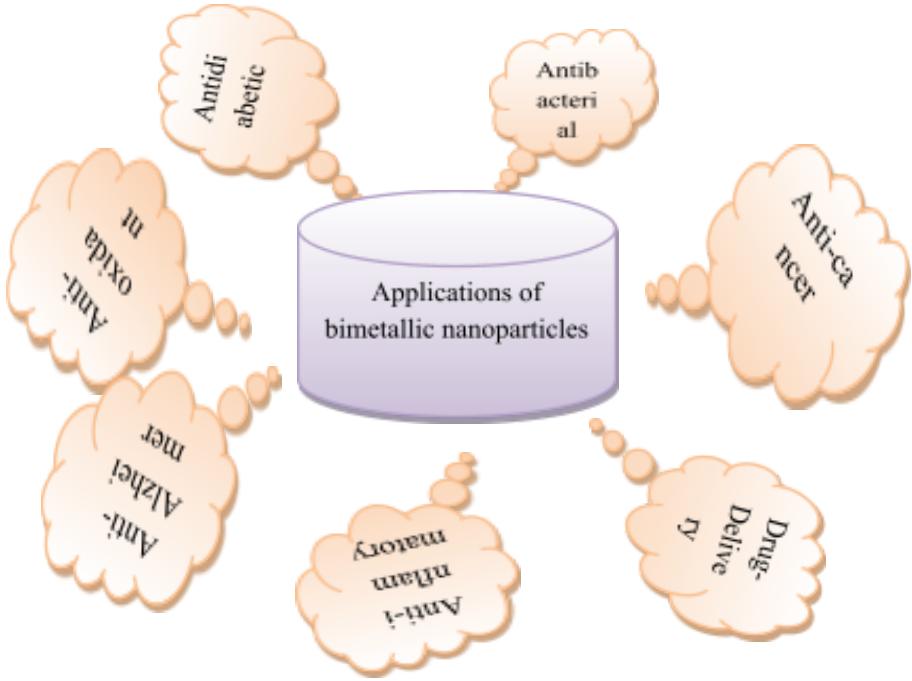 Fig. 1: Potential Applications of Bimetallic Nanoparticles
Table 2: Biological Applications of Bimetallic nanoparticles [4].
| Applications | Bimetallic Nanoparticles | References |
| Antimicrobial agents | Pd-Pt | [48] |
| Ag-Fe | [49] | |
| CuO-NiO | [50] | |
| Ag-Au | [51-54] | |
| Cu-Ag | [55] | |
| Ag-Cu | [56] | |
| Au-Pt | [57] | |
| Cu-Zn | [58,59] | |
| Cu-Ni | [59] | |
| Antioxidant | CuO/NiO | [50] |
| Ag-Cu | [60] | |
| Au-Ag | [61] | |
| Mn-Cu | [62] | |
| Pt-Pd | [63] | |
| Ag-Au | [64] | |
| Antidiabetic | Au-Ag | [65] |
| Ag-Au | [66] | |
| Ag/ ZnOVI | [67] | |
| Ag-ZnO | [68] | |
| Anti-Alzheimer | Ag-Au | [66] |
| Anti-Inflammatory | Ag/ ZnOVI | [67] |
| Zn-Fe2O4 | [68] | |
| CuFeO2 | [69] | |
| Au@Ag | [70] | |
| Drug delivery | Au@Pd | [71] |
| Au-Pt | [72] | |
| Pd-Pt | [73] |
1.5 Prospects
A considerable amount of work has been reported for bimetallic nanoparticles. In summary, they extend the field of potential applications beyond monometallic nanoparticles. It will be interesting to blend three or more metals in one nanoparticle. This touches the field of high-entropy alloys in materials science. The synthesis and the structural characterization will be more complex, but a possible fine-tuning of the properties could give rise to new applications, for example, in heterogeneous catalysis. There is the perspective to make the bimetallic nanoparticles smaller until they reach the size of ultrasmall particles which meet the area of atom-sharp clusters. In this case, the particle diameters are about 2 nm and below. From such particles, novel applications (e.g., imaging in cell biology) and better cell wall permeation can be expected.
The current advancements in nanotechnology suggest a sustainable development in the green synthesis of bimetallic nanoparticles (BMNPs) through green approaches. Though challenging, nano phytotechnology has versatile methods to achieve desired unique properties like optic, electronic, magnetic, therapeutic, and catalytic efficiencies. The review also highlights the prospective future direction to improve the reliability, and reproducibility of biosynthesis methods, their actual mechanism in research works, and the extensive application of biogenic bimetallic NPs .
II. CONCLUSION
The field of nanotechnology has witnessed considerable advancement over the last decade. It has been applied in many areas, including biology, medicine, engineering, environment, physics, and chemistry. This is because of the fascinating and synergistic effect between the two metals. This review comprehends the overview of bimetallic nanoparticles, types, synthesis, characterization, application, and toxicity. The toxicity of NPs of the eukaryotic cell is a legitimate concern and remains uncharacterized. In recent years, the vast spectrum of AgNPs used in medicine, cosmetics, biosensors, therapies, and other fields has prompted the development of innovative green production techniques. This review article emphasizes the numerous uses for silver nanoparticles, pointing out that the most widely used way of producing and extracting silver nanoparticles is through the synthesis of algae. A novel, developing method enables the controlled and high-quality production of algae-mediated nanoparticles (NPs), which enhances the properties and usefulness of these NPs for commercial use.
Conflict of Interest
The authors declare no conflict of interest.
Ethical Approval
Not applicable
Data Availability
The datasets used in this study are openly available at [repository link] and the source code is available on GitHub at [GitHub link].
Funding
This work did not receive any external funding.
References
Cite this article
Related Research


Special Issue
Launch a focused special issue to highlight research, emerging trends, and expert insights in your academic field.
