




IntelliPaper
Abstract
This paper focuses on the possibility of cross-border tourism projects between Jordan, Egypt and Saudi Arabia, with a focus on cooperative tourism tactics. The study presents a cross border tourism project model which describes the structure for analyzing and developing cross border tourism strategies. Cultural, historical, natural, and economic conditions are suggested to outline several project options: cultural and historical interactions based on common history, new opportunities in natural and health tourism, and the enhancement of economic cooperation. Thus, it is possible to state that these projects can positively affect the development of the tourism industry, preserve cultural and natural heritage, and contribute to the regional economic development. Thus, the study suggests that Jordan should include the cross-border tourism into its national plans and strategies, engage in diplomacy, create task forces, and obtain international funding and technical cooperation.
Explore Digital Article Text
I. INTRODUCTION
At the regional and international level, changes are taking place in various sectors and domains of the Jordanian society and life which have been further magnified by the COVID-19 pandemic. New situations like the current effects of COVID-19 and the critical matter of climate change have called for new adaptation and planning. The present generation's technologies (LaBerge et al. 2020) and the available economics (World Bank, 2022) require organizations to adapt strategically. Furthermore, United Nation confirmed that the Earth is currently in the phase of thermal boiling which is a major environmental crisis (Bisset, 2023). Sustainable development is an essential component of future society and the global environment (Freyling et al., 2015). Due to the fact that Jordan is a poor country with scarce resources, there is a need for it to formulate strategies that can help it in avoiding dangers that may arise and also grab chances.
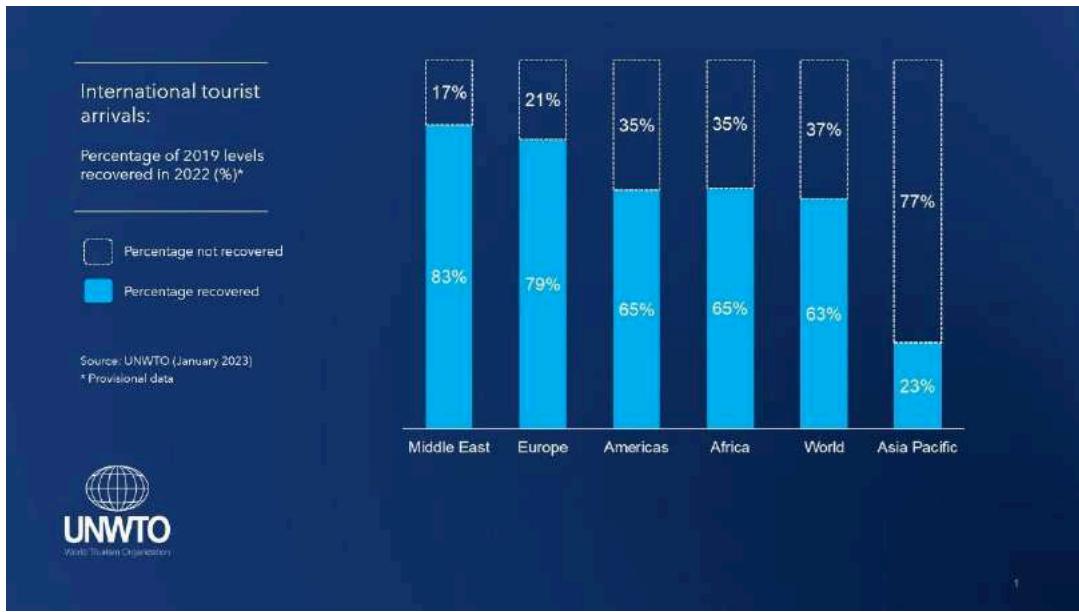
The growth of tourism in the Middle East has been recovering post-pandemic; however, the region's tourism continued to be threatened in 2024 by the war in Gaza (Figure 1) (UNWTO, 2023). Jordan has been greatly affected as evidenced in (Figure 3). The conflict has significantly affected the hotel industry where the occupancy rates are still unable to rise above in most of the regions with some regions having no new bookings at all>>>>. In addition, some of the international airlines have halted their operations to Jordan and this has worsened the decrease in tourist traffic (Frontier View, 2024). As a result, the Jordanian government has outlined measures to promote the local and regional tourism through focusing on the Asian and African markets as a way of reducing the adverse impacts of the conflict. This shift is to revamp the tourism industry by expanding the sources of visitors and decrease reliance on Western tourists who have been severely affected by the war.
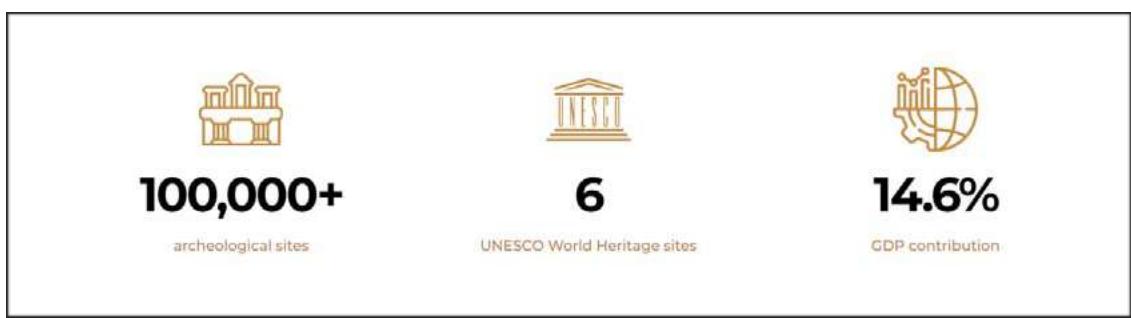
Global trends revolve around the economic consequences of the pandemic that hits the tourism industry badly. The tourism industry, accounting for 14. The tourism sector which is estimated to contribute to Jordan's GDP in 2023 (www.invest.jo) is one of the biggest sources of income because of the country's history and culture. This is due to the fact that there are strategic challenges present in this sector which is important for Jordan's economic plan as pointed out by international organizations (Patrier, 2020). Figure 2: Tourism Related Figures from Jordanian Ministry of Investment portal invest.jo www.invest.jo {"image_source":{"path":"images/970eca25857e1832c2a8f15d5f77c2d7c0408b0470cfe81b7edc7cd7176e0a5a.jpg"},"content":"","chart_caption":[{"type":"text","content":"Figure 3: Post- Gaza War Effect on Jordan Tourism Sector https://frontierview.com"}],"chart_footnote":[]}
This paper aims at focusing on the problems of Jordan's tourism sector and underlining the importance of its strategic management as a response to the global and regional changes. Some of the factors that affect tourism in Jordan are the sustainable development goals, changes in the trends of the global tourism, post-COVID-19 tourism trends and changes in tourists' desires (Figure 4), The figure illustrates tourists' changing preferences for vacation activities before and after the COVID-19 pandemic. It compares preferences across three years: 2015, 2017, and 2020. Notably, the data for 2020, derived from a recent survey, highlights a significant shift towards outdoor activities such as beaches, waterfalls/valleys, and campsites. In contrast, preferences for indoor activities like swimming pools, museums, and exhibitions/concerts have declined (Kim & Han, 2021).
{"image_source":{"path":"images/795267f1bc4ff0bdf7f75bda707aab5da6b45d33e8e7924d72c0c01c5221581f.jpg"},"content":"","chart_caption":[{"type":"text","content":"Figure 4: Comparison of vacation activity preferences before and after the COVID-19 pandemic. (Sohn et al., 2021)"}],"chart_footnote":[]}
The Arab regional level, there are apparent changes in the tourism industry. According to the Vision 2030 of Saudi Arabia, the country aims at developing itself as a main tourist reception country (Shaban, 2023). Egypt has recently opened the National Museum of Egyptian Civilization and The King's Festivities Road while focusing on cultural tourism (Wahby, 2022). It has also brought a change in the perception of tourism in Arab countries specifically for the Qatar 2022 World Cup (Proctor, 2023). Although these are helpful, they increase regional rivalry and, thus, require Jordan to employ superior marketing and development approaches for its tourism industry.
There are several opportunities and threats that affect the development of the tourism industry in Jordan. It has to have clear strategic choices to address regional tourism development stimuli and aggressive rivalry. To effectively market and advertise it, its historical and cultural relations with the neighboring countries should be promoted. This study aims to answer the following research questions: What measures can Jordanian diplomacy take to use the cooperation in tourism sphere with Egypt and Saudi Arabia to overcome these problems? In what ways and which specific bilateral tourism cooperation cases will positively affect and improve Jordan's tourism sector and its outcomes?
The shifts in the tourism at the Arab regional level are evident with the example of Saudi Arabia's Vision 2030 that focuses on the tourism sector and branding the country as a key tourist destination (Shaban, 2023). Some new promotional strategies have been put into place especially in the Arab region, for instance Egypt launched the National Museum of Egyptian Civilization and The King's Festivities Road and this was accompanied by aggressive advertisement to promote. The significance of this study can be seen in the possibility of contributing to the further development of the existing literature by outlining a new area in tourism and tourism diplomacy for the case of Jordan. This is a new research work that adds value to scientific advancement and improvement of knowledge. In practice, it seeks to enhance the cooperation in tourism at the regional and international levels for sustainable tourism development in the border areas of Jordan, Egypt, and Saudi Arabia.
The research objectives encompass evaluating the impacts of regional and global tourism changes on Jordan, Egypt, and Saudi Arabia's tourism activities. It also aims at defining the possible cooperation and enhancing the effectiveness of activities to raise overall tourism revenues, including for Jordan.
II. LITERATURE REVIEW
Cross-border tourism means joint cooperation between neighboring countries or regions with common historical, cultural, and natural attractions to enrich and potentiate the tourism offer, solve certain problems of the tourism development, and promote and brand the united product (Livandovschi,2017), these projects are dedicated to the development of cultural intercommunication, the activation of economic development, and the improvement of the cooperation of the region (Kropinova, 2013). The main feature of cross-border tourism is in the possibility of its implementation across the borders and connection of several countries for the creation of one tourist product based on the specificities of each country (Tables 1&2). (Kropinova, 2021),
Table 1: Examples of Cross-Border Tourism Corporations
| Project | Description | Key Outcomes |
| HU-SK-RO-UA Cultural Tourism | Development of cultural tourism through innovative and integrated tourism products leveraging the cultural heritage of Hungary, Slovakia, Romania, and Ukraine. | Enhanced cooperation among tourism stakeholders, improved social cohesion, increased economic growth (Rădulescu & Pop, 2017). |
| Trans-Cult-Tour Project | Cultural heritage-based tourism project in Hungary, Slovakia, Romania, and Croatia. Focuses on promoting cultural and natural heritage through complex tourism packages. | Developed a multilingual digital platform, network of cultural and tourism stakeholders, innovative tourism products like Creative Museum Program and Heritage Trails App (Rădulescu & Pop, 2017). |
| Serbia-Bulgaria-Romania Cultural | Developed cross-border cultural tourism projects to enhance intercultural dialogue and promote | Promoted the cultural sector, encouraged entrepreneurship, created job opportunities, |
| Tourism Cooperation | cultural tourism as a generator of development. | enhanced cooperation among ministries and sectors (Вићентијевић, 2017). |
| Poland-Ukraine Cross-Border Cooperation | Included specific tourism-related activities such as developing tourism services and products, protecting cultural heritage, and coordinated tourism infrastructure development. | Recognized environmental values and cultural heritage as strengths, fostering regional tourism development (Miszczuk, 2015). |
Table 2: Success Factors and Challenges of Cross-Border Tourism Corporations
| Success Factor | Source | Challenge | Source |
| Transport Connectivity | Kozak & Buhalis, 2019 | Functional Integration | Stoffelen & Vanneste, 2017 |
| Coordination among Stakeholders | Kozak & Buhalis, 2019 | Regulatory Differences | Stoffelen & Vanneste, 2017 |
| Organizational Cooperation | Kozak & Buhalis, 2019 | Infrastructure Deficiencies | Xie & Aprelkova, 2017 |
| Ease of Visa Procedures | Kozak & Buhalis, 2019 | Environmental Challenges | Shcherba, 2010 |
| Sustainability | Sergeyeva et al., 2022 | Language and Cultural Barriers | Cerić, 2023 |
| Financial Constraints | Gautrin, 2014 |
Jordan has a favorable geographical location, historical background, and the variety of tourism resources that enable it to become one of the key players in the cross-border tourism in the region (Hussein & Aqel, 2015), yet Jordan is experiencing instabilities on Northern, partial part of east borders and west borders (Figure5). The types of tourism in Jordan are historical, religious, medical, adventure, and cultural tourism among others (Al-Makhadmeh, 2020). Some of the main tourism sites that have been identified in the country include Petra, Jerash, and Amman which all depict the historical and cultural aspect of the country (Hussein & Aqel, 2015). Also, locations of religious tourism, for example the Baptism Site of Jesus Christ and Mount Nebo, are visited by Christians and Muslims thus generating income for the country and promoting it as a diverse tourism desk (Al-Makhadmeh, 2020).
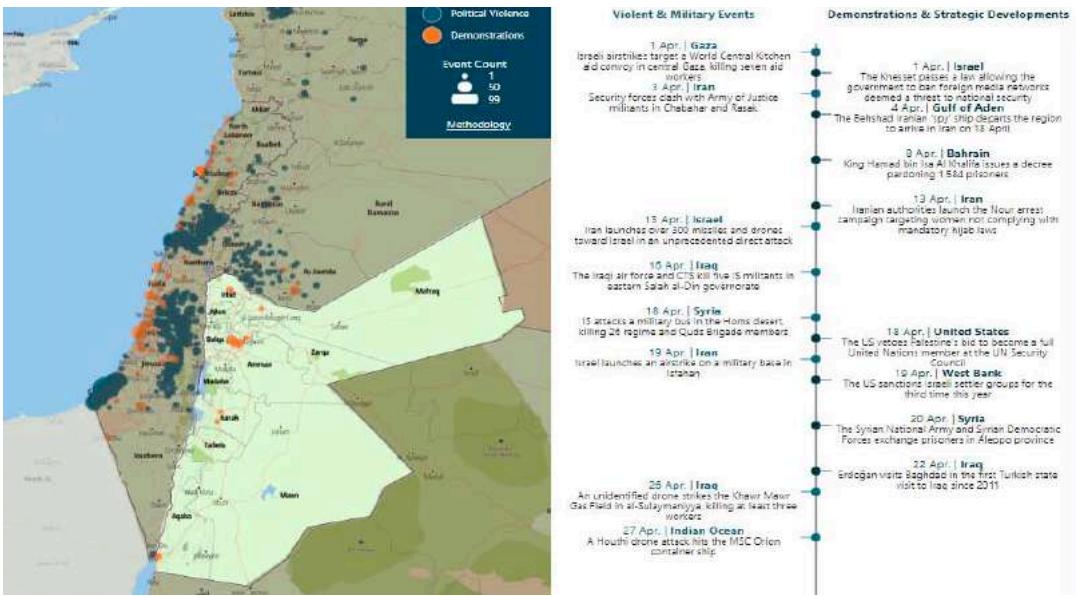 Figure 5: Instable Jordanian Borders, May 2024 acleddata.com
Tourism is one of the vital sectors that positively impact the economy of Jordan, including GDP, employment, and services such as hoteling, transportation, etc. (Khasawneh, 2020). Thus, the management and further development of the tourism infrastructure are vital for maintaining and increasing this economic effect (Khasawneh, 2020). In addition, educational tourism which is associated with international students also supports the economic significance of the sector by injecting money through tuition fees, lodging, and other expenses incurred in the day to day life (Khasawneh, 2020).
Nevertheless, there are some hurdles that have limited the growth of Jordan's tourism in spite of the fact that the industry is rather strong. Political instability and economic conditions in the region are rather unstable and create many risks (Hussein & Aqel, 2015). Solving these challenges calls for the involvement of the Jordanian government and other stakeholders (Khasawneh, 2020). Strategies that have been implemented include; The development of tourism facilities and structures, boost on security features and measures lastly the carrying out of marketing campaigns on the international scene in a bid to market Jordan as a safe and beautiful country to visit (Hussein & Aqel, 2015).
The location of Jordan, Egypt and Saudi Arabia, together with the approximate cultures, and shared relatively safe joint borders, offers a good platform for the cross border tourism investment. In this regard, the countries have many historical as well as religious sites which can be exploited for creating integrated tourism products (Al-Makhadmeh, 2020). For example, cruise projects that connect main ports of Saudi Arabia, Egypt and Jordan are an example of cooperation in the sphere of tourism (www.aljazeera.net).
Jordan has a long land frontier with Saudi Arabia of about 744 km from Gulf of Aqaba in the southwest to the tripoint with Iraq in the northeastern part of Jordan as seen in Figure. This border runs through mostly the desert areas and some of the important points of entry and exits for the two countries for business and movement. In regards to the sea, both Jordan and Egypt are neighbors with a sea border that is made up of the Gulf of Aqaba. The area of Jordan's coastline on the Gulf of Aqaba is about 26 km, that is the important maritime communication between Jordan and Egypt. This maritime boundary is important to encourage the economic activities of the two countries especially in the areas of maritime business and tourism such as through the port of Aqaba which is in Jordan and the Sinai Peninsula which is in Egypt (https://staging.jordan.gov.jo/) (https://www.mfa.gov.jo/)].
The success of cross-border tourism projects depends on several critical factors: Ferry and flight services are rather crucial as they provide the needed transport connectivity for efficient border crossing (Kozak & Buhalis, 2019). This means that there is a need to ensure that there is proper coordination between the tourism boards, regional governments and the private sector to ensure that there is proper delivery of tourism services (Kozak & Buhalis, 2019). Efficiency of visa procedures and changes in the border policies improve the experience of the visitors and promote tourism (Kozak & Buhalis, 2019). The integration of sustainable principles in the development of tourism guarantees the achievement of positive impacts for the local population and the conservation of natural and cultural assets (Sergeyeva et al., 2022).
Thus, the problem of challenges and the potential for further development of cross-border tourism can only be solved with innovative solutions. The application of information and communication technologies and artificial intelligence can also improve the quality of tourist services through provision of information and individual approaches (Kropinova, 2013). Marketing promotions and improved transportation systems and facilities can also improve the popularity of cross-border locations (Khasawneh, 2020).
The opportunities for the cross-border tourism projects among Jordan, Egypt, and Saudi Arabia also present important theoretical implications for the region's tourism development. Such projects prove that regional cooperation is vital in the establishment of tourism products as well as the economic progress. According to the theoretical concepts, cross-border cooperation may result in the diversification of the tourism product and enhance the value proposition for tourists and the region's economy (Rădulescu & Pop, 2017). Furthermore, the incorporation of sustainability and technology in these projects is an indication of the projects' visionary approach to the current issues affecting the modern tourism sector (Sergeyeva et al., 2022).
III. METHODOLOGY
The research methodology used in this study was a secondary data analysis to determine and compare successful cross-border tourism projects. To collect the examples of best practices of cross-border collaboration, this review used academic literature, historical documents, government documents, and case studies. Every named project was analyzed to the maximum extent in order to define the basic concepts and conditions, which were used as the foundation for its success.
The choice of the case studies was informed by certain parameters to make sure that the cases chosen were current and representative. The projects were selected depending on the factors that are related to cross-border tourism collaboration of neighboring countries with comparable geographical, cultural or historical backgrounds. The most effective according to the academic literature or government reports were chosen. Also, examples of the projects from different regions were chosen to give a broader view of the different strategies for cross-border tourism. Availability of detailed data and documentation was also considered as another important factor in the choice of the case studies.
The sources of information for this research were chosen based on their reliability and relation to the research question. These comprised of peer reviewed articles and books that contained theoretical and empirical analysis of cross border tourism. The present study used secondary data sources such as records and archives on the history of the cooperation between the countries. Secondary sources were used to analyze the position and the strategies of the government through official documents like reports and strategic plans of the tourism boards and other government departments. The authors reviewed the literature on cases of actual cross-border tourism projects implemented in different parts of the world in order to identify practical recommendations and lessons learned.
The reason why the secondary data analysis was considered most appropriate to the objectives of the study was that it allowed for a rather detailed and contextualized review of the existing cross-border tourism projects. This approach enables the consideration of many projects, thus making it easier to identify useful practices that can be transferred to other situations.
Sampling and data collection was done through a systematic search of academicians' databases, government documents, and historical records. The analysis process was organized around the following activities. To assess the conditions and interests similar to those of Jordan, Egypt, and Saudi Arabia the comparison was made with other areas having successful cross-border projects. From these projects, the successful factors were then considered and aligned with the characteristics of the Jordanian circumstance. Therefore, project proposals were made which were specific to the cultural, historical, natural, economic, and social systems of Jordan and the neighboring countries. Also, previous cross border products on tourism were evaluated in order to come up with new tourism products for the proposed projects in Jordan.
Based on the analysis of the revealed projects, Cross-Border Tourism Project Model (CBTPM) was suggested. Thus, this model can serve as a theoretical tool for studying and implementing specialized tourism cooperation projects in Jordan, Egypt, and Saudi Arabia. The CBTPM contains elements that are cultural and historical heritage, the relations between regions, natural values, business opportunities, and social dynamics. Through this model, all the important aspects are captured in the formulation of cross-border tourism related strategies.
With the help of the CBTPM, the research identified successful elements and strategies and associated them with the regions' circumstances to design relevant scenarios. This process included comparing the conditions and interest that are comparable to Jordan, Egypt, and Saudi Arabia, introducing elements used in other regions that have been successful and applying these elements to the context of Jordan. Proposed projects were then created with regard to cultural, historical, natural, economic, and social aspects of Jordan and neighboring countries. The experiences from other cross-border projects in the context of the tourism products enriched the understanding how to develop new and suitable tourism products in Jordan.
IV. RESULTS
The result of this paper focuses on the potential and suggested projects for cross-border tourism between Jordan and its neighboring countries Egypt and Saudi Arabia. Applying the framework and the Cross-Border Tourism Project Model (CBTPM) which have been developed during the research Figure 2, several viable and unique cross-border tourism strategies have been outlined in this study to promote tourism cooperation, economic development, and cultural interchange between the regions. In this section, the prospective projects are described based on the above-mentioned cultural, historical, natural, economic, and social scenarios, and the main features and strategic premises of each project are defined.
Source: by researchers
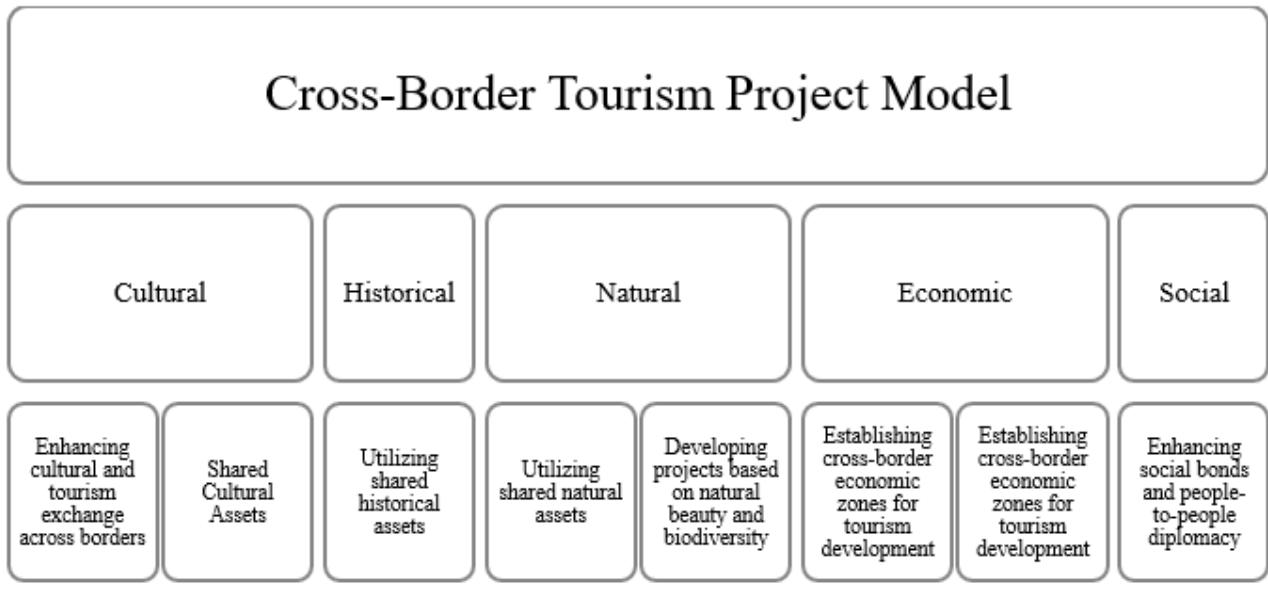 Figure 2: Cross-Border Tourism Project Model (CBTPM) which have been developed based on literature review
The research outcomes point to the positive effects of cross-border tourism as a tool for sustainable development and, thus, the potential for boosting the tourism sector's value for the regional economy while preserving and promoting cultural and natural heritage. The above projects have been chosen to best fit within the geographical, historical, cultural circumstances of the Jordan, Egypt, and Saudi Arabia to meet the intended goals.
The study lists and recommends several ideas of the cross-border tourism development between Jordan and its neighbors – Egypt and Saudi Arabia. These projects are aimed at the further development of cultural, historical, natural, economic, and social interrelations between the countries engaged. Based on the CBTPM derived from the literature review, the study has identified the following strategic moves that could help to promote tourism in the region.
As a note, names of the projects and the suggested products mentioned in this study are proposed by the researcher as the possible directions for the development of cross-border tourism. These examples are aimed at showing the various opportunities through which Jordan, Egypt and Saudi Arabia can work to boost their tourism industries. It should be pointed out that these are not the only categories; these are just some possibilities that can be considered. Further projects and products may be built according to the need, capacity, and strategic plan of the participating countries. This approach involves openness and creativity in coming up with new measures that can be used to enhance the tourism agenda thus promoting cooperation between regions and economic growth.
The following tables 3 to 10 present the breakdown of various proposed projects and scenarios. Table 3 provides best practices of cross-border tourism cooperation from various regions, which forms the foundation for future recommendations in the Middle East. These projects can show the possibility of the development of cultural interchange, the use of the common historical heritage, and the establishment of economic and social cooperation.
Table 3: Examples of Cross-Border Tourism Cooperation and Their Basis and Assigned Scenarios
| Cross-Border Cooperation Example | Basis of Cross-Border Cooperation | Scenario | References |
| Hungary-Slovakia-Romania-Ukraine: Developing cultural tourism through innovative and integrated tourism products | Enhancing cultural and tourism exchange across borders | Cultural | Rădulescu & Pop, 2017 |
| Ukraine-Poland: Improving tourism services and products, protecting and enhancing cultural heritage | Enhancing cultural and tourism exchange across borders | Cultural | Rădulescu & Pop, 2017 |
| Kazakhstan-Uzbekistan: Long-term cooperation in cultural, historical, and health tourism | Utilizing shared historical assets | Historical | Sergeyeva et al., 2022 |
| Danube Strategy (Bulgaria): Developing sustainable, cultural, and environmental tourism | Utilizing shared natural assets | Natural | Koleva & Kusheva, 2020 |
| Saudi Arabia-Egypt-Jordan: Luxury Red Sea cruises | Developing projects based on natural beauty and biodiversity | Natural | Nagy et al., 2019 |
| Altai-Sayan Region: Natural, ethnocultural, and economic structures to enhance cross-border relations | Enhancing economic and social relations across borders | Economic | Dunets et al., 2019 |
| Malaysia-Indonesia (Growth Triangle): Enhancing economic cooperation through cross-border tourism | Establishing cross-border economic zones for tourism development | Economic | Hampton, 2010 |
| Altai-Sayan Region: Natural, ethnocultural, and economic structures to enhance cross-border relations | Enhancing social bonds and people-to-people diplomacy | Social | Dunets et al., 2019 |
| Ukraine-Poland: Improving tourism infrastructure to support historical and cultural projects | Utilizing shared historical assets | Historical | Miszczuk, 2015 |
| Lithuania-Poland-Russia: Innovations such as information stations and new IT technologies to improve tourism infrastructure | Utilizing shared natural assets (digital platforms and technology enhance sustainability) | Natural | Kropinova, 2013 |
| India-Myanmar: Improving bilateral cooperation and access to healthcare and other cross-border infrastructure | Enhancing social bonds and people-to-people diplomacy | Social | Wani, Dada, & Shah, 2023 |
Table 4 lists potential tourism products derived from past cross-border cooperation analyzed by researcher, offering general directions for developing new tourist sites, joint programs, infrastructure improvements, and innovative tourism products. These examples serve as a blueprint for the proposed projects between Jordan, Egypt, and Saudi Arabia.
Table 4: Tourism Products Derived from Past Cross- Border Cooperation
| References | Tourism Products | Examples |
| (Rădulescu & Pop, 2017) | Tourist Sites and Areas | New tourist sites, developing existing areas, exhibitions, museums |
| (Rădulescu & Pop, 2017), (Xie & Aprelkova, 2017) | Joint Programs | Cultural exchange programs, cultural and historical trails, joint marketing, cross-marketing |
| (Rădulescu & Pop, 2017), (Kropinova, 2013) | Infrastructure and Technology Products | Travel infrastructure improvements, digital tourism platforms, information station networks, mobile apps, VR, AR technologies |
| (Rădulescu & Pop, 2017) | Sustainability and Innovation Products | Innovative tourism products |
| (Badulescu & Badulescu, 2017), (Rădulescu & Pop, 2017, N/A) | Tourism Packages and Experiences | New accommodations and events, joint tourism packages, tourist experiences, festivals |
Tables 5 and 7 focus specifically on proposed cross-border tourism projects between Jordan and Egypt, and Jordan and Saudi Arabia, respectively. Each project is described in terms of its objectives and underlying scenarios, such as cultural exchange, historical exploration, and natural asset utilization. These tables illustrate how shared cultural and historical assets can be leveraged to create unique tourism experiences.
Table 5: Proposed Cross-Border Tourism Projects between Jordan and Egypt
| Code | Proposed Project Name | Description | Scenario | Basis of Projects |
| JEP1 | Nubian-Nabatae an Narrative | Enhancing cultural exchange between Petra in Jordan and Luxor in Egypt based on the twinning agreement.(https://beta.sis.gov.eg/) | Cultural | Enhancing cultural and tourism exchange |
| JEP2 | Graeco-Ptolemaic Tomb | Highlighting Ptolemaic influence in Jordan with exhibitions and digital reconstructions of tombs found in Jerash. (https://jordantimes.com/) | Cultural | Utilizing shared cultural assets |
| JEP3 | Bella Box | Showcasing a 3000-year-old box from Pella as evidence of historical cultural intermixing between Jordan and Egypt.(www.visitjordanfromhome.com) | Cultural | Utilizing shared cultural assets |
| JEP4 | Ancient Trade Routes | Exploring historical trade relations and networks between Jordan and Egypt during the Early Bronze Age. (https://jordantimes.com/) | Historical | Utilizing shared historical assets |
| JEP5 | Thutmose III's Campaigns | Developing itineraries and guided tours based on the routes of Thutmose III's military campaigns through Jordan. | Historical | Utilizing shared historical assets |
| JEP6 | From Siwa to the Dead Sea | Promoting health and wellness tourism utilizing the mineral-rich | Natural | Utilizing shared natural assets |
| waters of Siwa Oasis and the Dead Sea. (Figure 6) | ||||
| JEP7 | From Pharaoh's Baths to Ma'in Hot Springs | Connecting hot springs in Sinai and Jordan for a holistic health tourism experience. (Figure 7) | Natural | Utilizing shared natural assets |
| JEP8 | From Jordan Trail to Sinai Trail | Creating a continuous hiking trail connecting Jordan and Sinai, highlighting natural and historical landscapes. (Figure 8) | Natural | Utilizing shared natural assets |
| JEP9 | Civilizations Around the Rivers | Developing a joint tourism project exploring the significance of the Jordan and Nile rivers. (Figure 9) | Natural/Historical | Utilizing shared natural and historical assets |
In our capacity as researchers, we have carefully designed a number of projects, which seek to enhance the cultural and historical links between Jordan and Egypt based on the two countries' natural resources. The "Nubian-Nabataean Narrative" project seeks to enhance cultural exchange between Petra and Luxor based on their twinning agreement, promoting mutual understanding and tourism (https: The official website of the Ministry of Trade and Industry of Ghana is www. trade. gov. gh and the beta version of the website is www. beta. trade. gov. gh. The "Graeco-Ptolemaic Tomb" project aims to highlight the Ptolemaic influence in Jordan through exhibitions and digital reconstructions of tombs in Jerash (https:(Accessed from http://www. jordantimes. com/). The "Bella Box" project presents a 3000-year-old artifact from Pella as a testimony of the cultural exchange between the two regions (www. visitjordanfromhome. com). Additionally, the "Ancient Trade Routes" project explores historical trade networks between Jordan and Egypt during the Early Bronze Age (https: While the "Thutmose III's Campaigns" project offers itineraries and guided tours along the routes of Thutmose III's military campaigns through Jordan (http://www. jordantimes. com/), the "Thutmose III's Campaigns" project focuses on identifying and proposing itineraries and guided tours along the military campaign routes of Thutmose III through Jordan. In the domain of natural resources, the "From Siwa to the Dead Sea" project focuses on health and medical tourism based on the therapeutic properties of the water in Siwa Oasis and the Dead Sea, while the "From Pharaoh's Baths to Ma'in Hot Springs" project links hot springs in Sinai and Jordan for a comprehensive health tourism destination. In addition, the project 'From Jordan Trail to Sinai Trail' seeks to establish a trail that passes through natural and historical sites and the project 'Civilizations Around the Rivers' seeks to market joint tourism focusing on the Jordan and Nile rivers. All the projects are aimed at leveraging on the cultural, historical and natural resources that are common between Jordan and Egypt with an emphasis on tourism and cultural interchange.
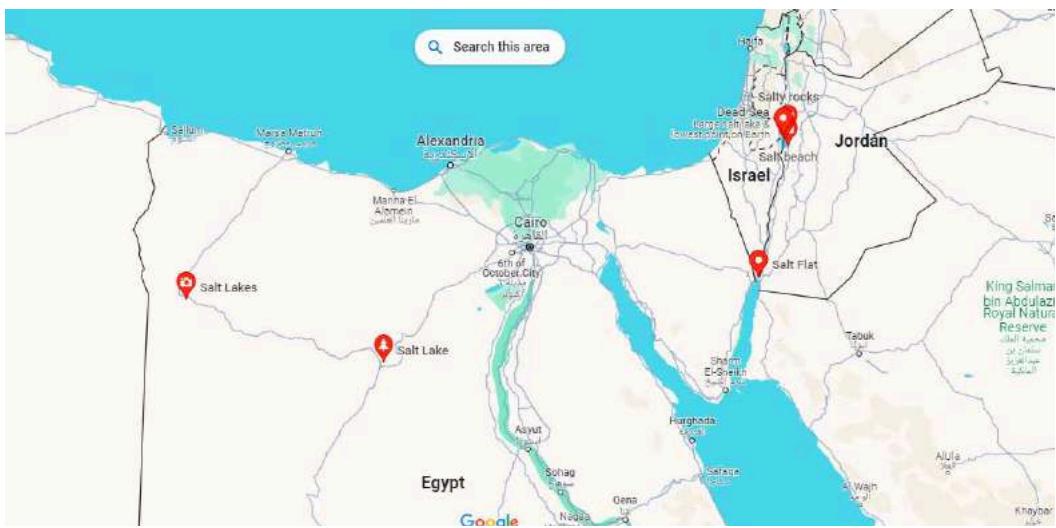
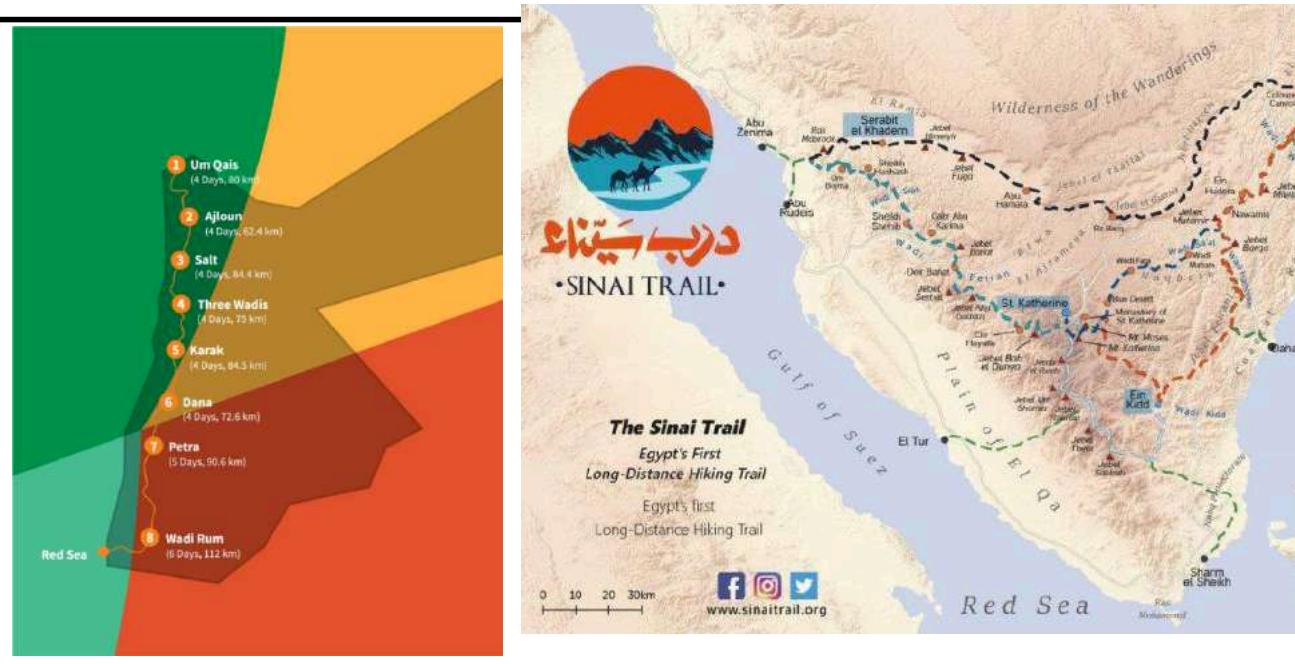
Figure 6: Salt Lake and Seas in Jordan and Egypt, Google Maps
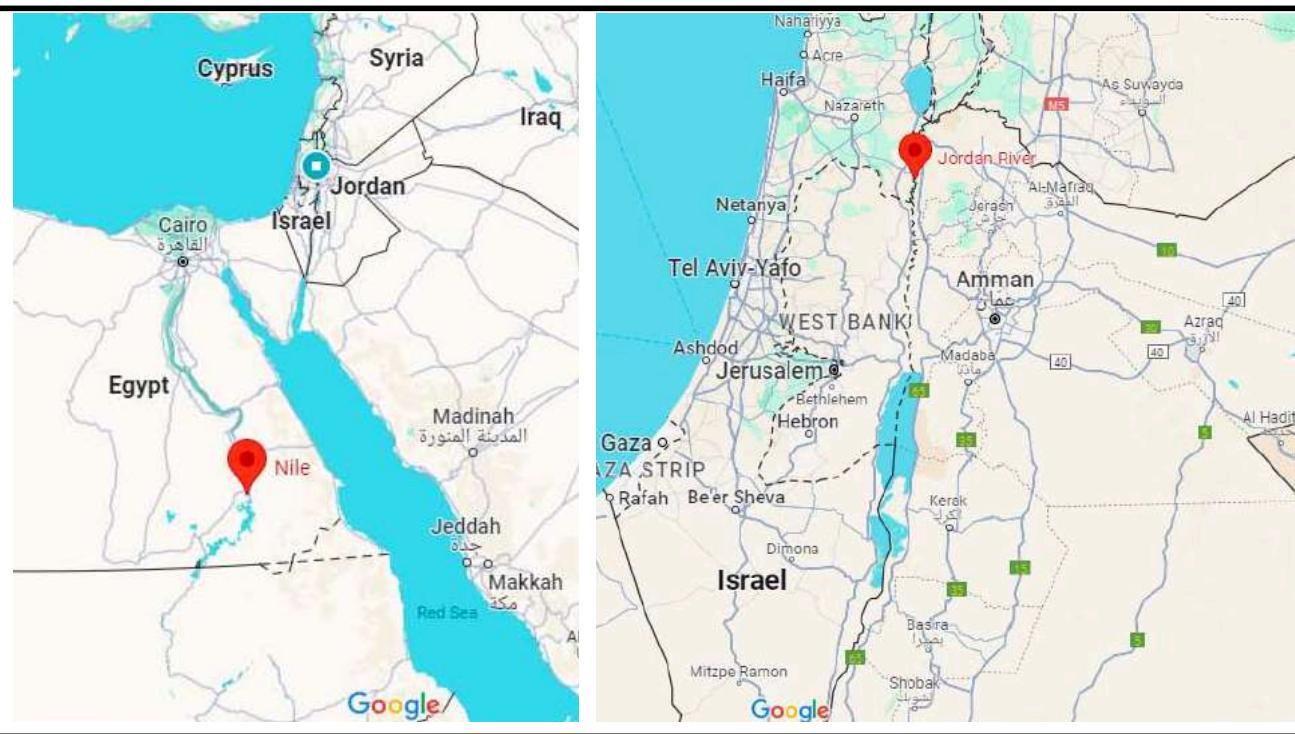 Figure 9: Rivers in Jordan and Egypt Google Maps
Tables 6 and 8 present matrices of cross-border tourism products based on the proposed projects. These matrices show the potential overlap and synergies between various projects, highlighting opportunities for joint marketing, cultural trails, and improved travel infrastructure.
Table 6: Matrix of Cross-Border Tourism Products Between Jordan and Egypt Based on Proposed Projects
| JEP | JEP2 | JEP3 | JEP4 | JEP5 | JEP6 | JEP7 | JEP8 | JEP9 | |
| Shared Border Site | |||||||||
| Museum | X | X | X | X | X | X | |||
| Exhibition | X | X | X | X | X | X | |||
| Cultural Exchange Program | X | X | X | X | X | X | |||
| Cultural Trail | X | X | X | X | X | ||||
| Historical Trail | X | X | X | X | X | X | |||
| Joint Marketing | X | X | X | X | X | ||||
| Cross-Marketing | X | X | |||||||
| Travel Infrastructure Improvement | |||||||||
| Digital Tourism Platform | |||||||||
| Information Station Network | |||||||||
| Mobile App | |||||||||
| VR Experience | |||||||||
| Innovative Tourism Product | X | X | |||||||
| New Accommodation | X | X | |||||||
| Joint Tourism Package | X | X | |||||||
| Tourist Experience | X | X | |||||||
| Festival | X | X | |||||||
| Digital Reconstruction | X |
Table 7 shows a list of potential projects that can foster the bilateral relations between Jordan and its neighboring areas especially the Saudi Arabia. The Cultural Coffee Tour [(accessed 3 February 2017). Available from: Jordan-travel. com/] attempts to leverage on coffee and cultural exchange for tourism. Thus, the "Nabataean Poetry Trail" and the "Jordanian-Saudi Culinary Tours" are focused on the development of cultural relations through poetry and meals. Such links are emphasized in the "Shared Tribal Heritage" and "Petra and Al-Ula" initiatives focusing on the tribal relations and the historical importance of the ancient towns and cities. The 'Desert Caravan Festival' is focused on strengthening the economic and social interactions through the appreciation of the common trade routes. Resources of natural environment are utilized in the "Healing Sands" and "Desert Stars" projects, which are based on desert's sands' therapeutic effects and astronomy tourism, correspondingly. The "Hiking and Biking Trails" project promotes cross border activities while the "Hijaz Routes" project is about the development of routes. All these projects in general seek to harness and develop closer relations between Jordan and the neighboring regions based on cultural, historical, economical and natural resources.
Table 7: Proposed Cross-Border Tourism Projects between Jordan and Saudi Arabia
| Code | Project | Scenario | Basis of Projects |
| JSP1 | Cultural Coffee Tour (jordan-travel.com/) | Cultural | Enhancing cultural and tourism exchange across borders |
| JSP2 | Nabataean Poetry Trail (Figure14) | Cultural | Enhancing cultural and tourism exchange across borders |
| JSP3 | Jordanian-Saudi Culinary Tours(Shared Borders) | Cultural | Enhancing cultural and tourism exchange across borders |
| JSP4 | Shared Tribal Heritage (Figure 10) | Historical | Utilizing shared historical assets |
| JSP5 | Petra and Al-Ula (Figure 14) | Historical | Utilizing shared historical assets |
| JSP6 | Desert Caravan Festival (Shared Borders) | Economic | Enhancing economic and social relations across borders |
| JSP7 | Healing Sands (Shared Borders) | Natural | Utilizing shared natural assets |
| JSP8 | Desert Stars (Shared Borders) | Natural | Utilizing shared natural assets |
| JSP9 | Hiking and Biking Trails (Shared Borders) | Natural | Utilizing shared natural assets |
| JSP10 | Hijaz Routes (Figure 11) | Historical | Developing infrastructure and facilities |
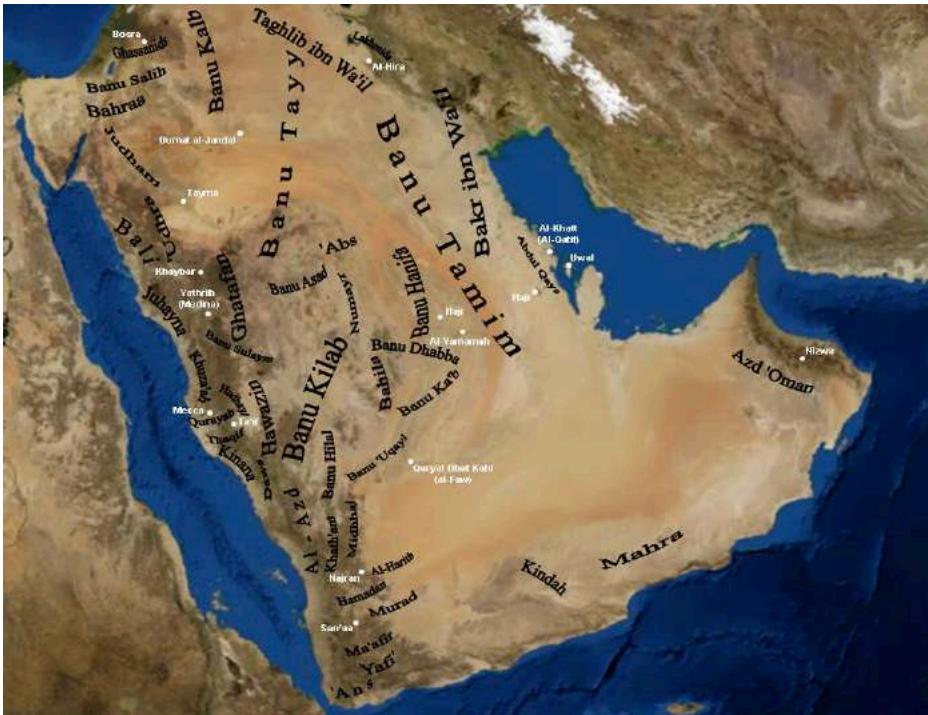
Figure 8: Maps of Jordan Trail and Sinai Trail https://sinaitrail.net/, https://thetrek.co/jordan-trail-400-miles-foot-history/
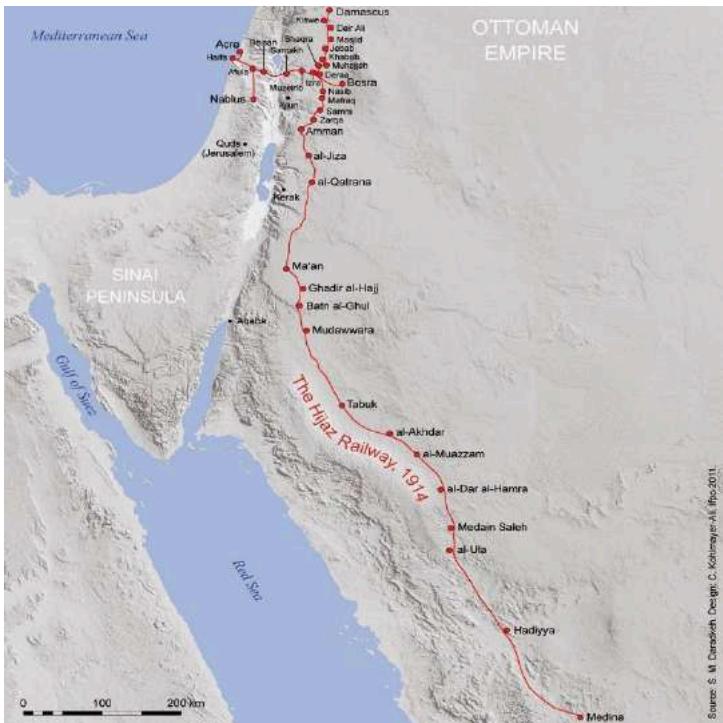 Figure 10: Tribal Map on Current Shared Border between Jordan and Saudi Arabia (Parkinson, 2022)
Table 8: Matrix of Cross-Border Tourism Products Between Jordan and Saudi Arabia Based on Proposed Projects
| JSP1 | JSP2 | JSP3 | JSP4 | JSP5 | JSP6 | JSP7 | JSP8 | JSP9 | JSP10 | |
| Shared Border Site | X | X | X | X | ||||||
| Museum | X | |||||||||
| Exhibition | X | |||||||||
| Cultural Exchange Program | X | X | X | X | ||||||
| Cultural Trail | X | X | X | X | X | X | ||||
| Historical Trail | X | X | X | X | X | X | ||||
| Joint Marketing | X | X | X | X | X | |||||
| Cross-Marketing | X | X | X | X | ||||||
| Travel Infrastructure Improvement | ||||||||||
| Digital Tourism Platform | ||||||||||
| Information Station Network | ||||||||||
| Mobile App | ||||||||||
| VR Experience | ||||||||||
| Innovative Tourism Product | X | |||||||||
| New Accommodation | X | X | ||||||||
| Joint Tourism Package | X | X | X | |||||||
| Tourist Experience | X | X | X | |||||||
| Festival | X |
Table 9: Proposed Cross-Border Tourism Projects between Jordan, Saudi Arabia and Egypt
| Scenario | Basis of Projects | Project |
| Natural | Utilizing shared natural assets (Figure 12) | Red Sea Coral Guardians |
| Historical | Utilizing shared historical assets (Figure 13) | Route of Ancient Civilizations |
| Natural | Utilizing shared natural assets (Figure 14) | Environmental and Wildlife Conservation |
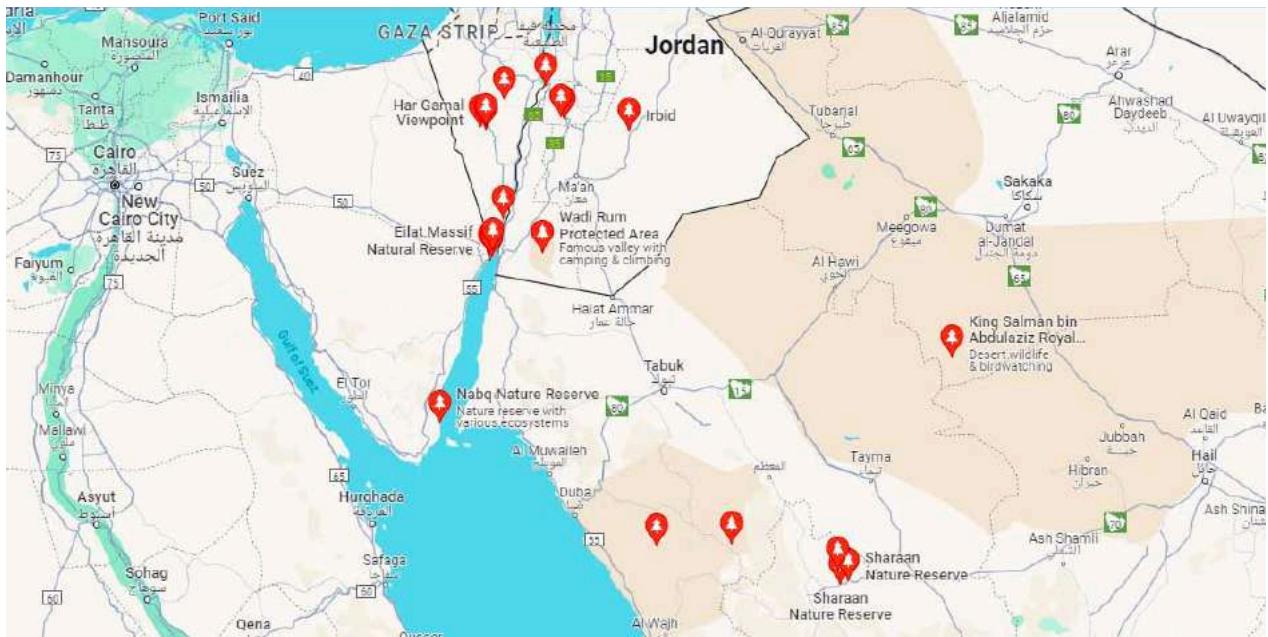
Table 9 shows potential cross-border tourism projects for Jordan, Saudi Arabia, and Egypt based on their natural and historical similarities. The "Red Sea Coral Guardians" project aims at preserving and developing the coral reefs of the Red Sea and encourage the protection of the environment and responsible tourism (Figure 12). The "Route of Ancient Civilizations" project is to bring attention and link the historical legacy of the region, as well as trade routes and cultural sights. Likewise, the "Environmental and Wildlife Conservation" project aims at preserving and enhancing the natural resources and wildlife of both countries, encouraging tourism and increasing public awareness on conservation (Figure 14). These initiatives are designed to promote cooperation within the region, intercultural communication, and sustainable tourism.
Figure 11: The Hizaj Railway Map (Atlas of Jordan, 2013)
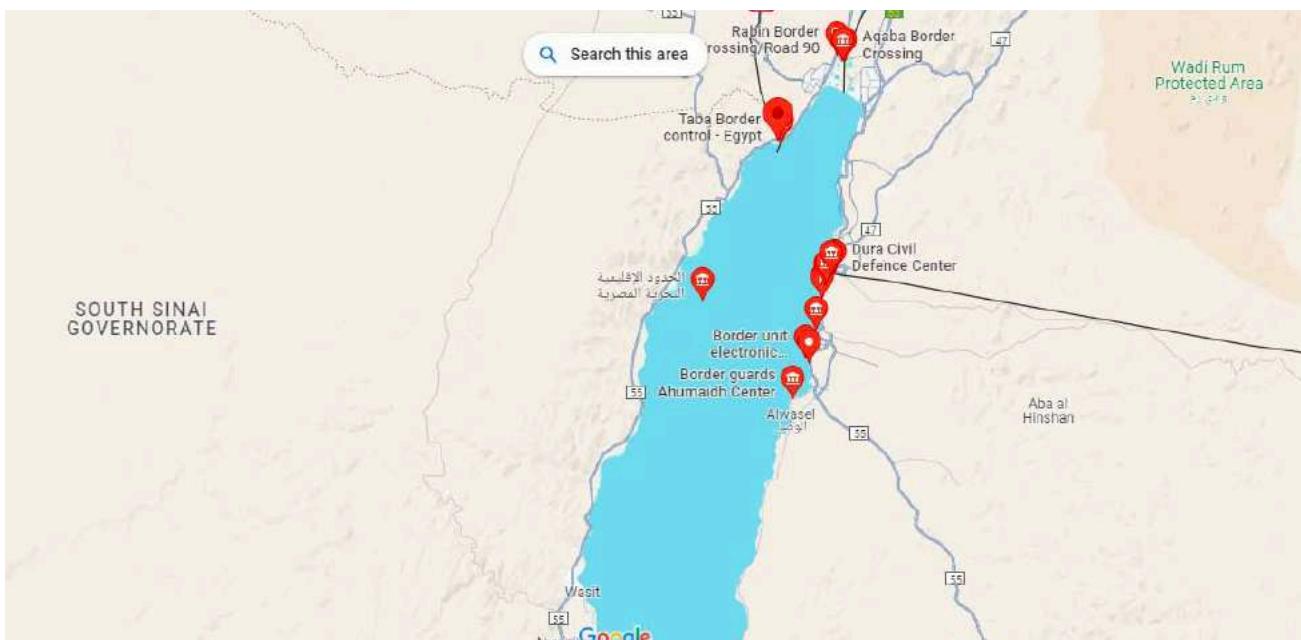
Figure 12: Natural Rererves in Jordan Egypt and Saudi Arabia Google Maps Figure 13: Sea Borders between Jordan, Egypt and Saudi Arabia Google Maps
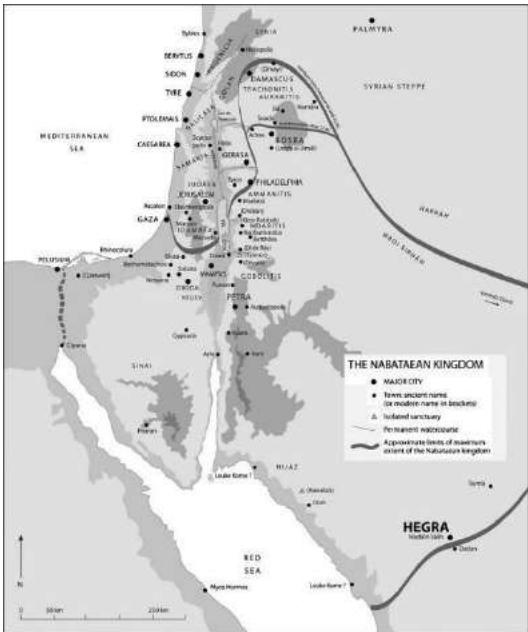 Figure 14: Map of Nabataean Kingdom (Bouchaud, 2015)
Table 10: Proposed Cross-Border Tourism Projects between Jordan, Saudi Arabia and Egypt
| Red Sea Coral Guardians | Route of Ancient Civilizations | Environmental and Wildlife Conservation | |
| Shared Border Site | X | X | X |
| Museum | X | ||
| Exhibition | X | X | X |
| Cultural Exchange Program | X | X | |
| Cultural Trail | X | ||
| Historical Trail | X | ||
| Joint Marketing | X | ||
| Cross-Marketing | X | ||
| Travel Infrastructure Improvement | X | X | |
| Digital Tourism Platform | X | X | |
| Information Station Network | X | X | |
| Mobile App | X | X | |
| VR Experience | X | X | |
| Innovative Tourism Product | X | X | X |
| New Accommodation | X | X | |
| Joint Tourism Package | X | X | |
| Tourist Experience | X | X | |
| Festival |
V. CONCLUSION AND RECOMMENDATIONS
This research has revealed the opportunities for cross-border tourism projects between Jordan and its neighbors; Egypt and Saudi Arabia and a tripartite cooperation between the three countries. Therefore, these projects are possible to contribute not only to the development of cooperation and economic well-being of the regions but also to the development of cultural interactions and mutual perception. Thus, the detailed analysis and the development of the Cross-Border Tourism Project Model (CBTPM) enabled the identification of potential tourism projects and their evaluation. Cultural, historical, natural, and economic scenarios can be distinguished within these projects, and they are designed for the specific geographic and cultural conditions of the countries involved, thus making them accurate and efficient.
To effectively implement these cross-border tourism projects, the following recommendations are directed towards the Jordanian government, focusing on strategic inclusion and fostering regional cooperation: To effectively implement these cross-border tourism projects, the following recommendations are directed towards the Jordanian government, focusing on strategic inclusion and fostering regional cooperation:
-
The Jordanian government should ensure that cross border tourism is well included in the national tourism plan. This can be done through defining goals, identification of necessary resources and elaboration of particular strategies for the creation of cross-border tourism products.
-
Negotiate with the Ambassadors of Egypt and Saudi Arabia to enhance the existing Bilateral Accords and develop Multilateral Accords that enhance for cross-border tourism. The following should be the focus of these agreements: relaxation of measures on borders, standardization of visa policies, development of transportation and infrastructure.
-
Create a special team of the officials from the tourism ministries, cultural heritage departments, and representatives of the companies. This task force should be charged with the responsibility of coordinating, supervising and evaluating cross border tourism projects in relation to the national and regional tourism policy.
-
Enhance marketing and branding activities that would promote the cultures, histories, and natural endowment of Jordan, Egypt, and Saudi Arabia. This means that digital platforms, social media, and international tourism fairs should be used to advertise these cross-border tourism experiences to a global market.
-
Try to get funding and technical assistance from such international organizations as World Tourism Organization (UNWTO), UNESCO and regional development banks. The following are possible resources that can help in developing infrastructure, building capacity, and putting in place sustainable tourism practices.
-
Engage Local Communities: In this way, local communities should be taken into consideration and included in the planning and development of cross-border tourism. This can be made possible through involving the local people, strengthening the institutions and ensuring that the locals get to benefit from the enhancing flows of tourists.
-
Facilitate Knowledge Exchange and Best Practices: Hold workshops, conferences and study tours whereby participants from Jordan, Egypt and Saudi Arabia can transfer knowledge and learn from other similar cross border tourism projects in other regions.
-
Monitor and Adapt to Market Trends: Regularly identify and analyze the tendencies in tourism on the global level and coordinate the projects of cross-border tourism with the changes in tourists' needs and values. This covers the use of information and communication technologies, improving the quality of tourist services, and the rational use of resources.
Thus, the Jordanian government can do much to work towards the inclusion of cross-border tourism into its strategic visions and enhance its cooperation with the neighboring countries and, thus, develop tourism as one of the most promising and powerful spheres of the economy. Thus, owing to the cooperation and the common goal, Jordan, Egypt, and Saudi Arabia can build a successful model of the cross-border tourism that will be beneficial for all the countries involved.
Conflict of Interest
The authors declare no conflict of interest.
Ethical Approval
Not applicable
Data Availability
The datasets used in this study are openly available at [repository link] and the source code is available on GitHub at [GitHub link].
Funding
This work did not receive any external funding.
References
Cite this article
Related Research



Special Issue
Launch a focused special issue to highlight research, emerging trends, and expert insights in your academic field.
