

IntelliPaper
Abstract
Healthcare systems face unprecedented operational challenges including capacity constraints and financial pressures, exacerbated by workforce shortages and shifting care delivery models. Optimized transfer centers emerge as a strategic solution, functioning as centralized hubs that coordinate inter- and intra-facility patient transfers while integrating clinical decision-making with logistics and bed management. This article explores how such centers serve as catalysts for enhancing access, efficiency, and cost control across a ten-hospital health system in the DMV region. Through a performance transformation framework, the article examines the structural and technological components contributing to effective transfer center operations, including centralized communication platforms, real-time data integration systems, standardized triage protocols, bed management visualization technologies, and interdisciplinary staffing models. Key outcomes demonstrate significant improvements in transfer times, emergency department boarding, resource utilization, and financial performance. The implementation framework focuses on improving performance and lowering costs for outbound BLS ambulance and wheelchair van services for acute patient transport, while simultaneously reducing administrative burden on clinicians who were previously arranging outbound transportation and decreasing overall length of stay. Optimized transfer centers represent a high-impact intervention for healthcare systems seeking to improve resource allocation while enhancing quality and equity of care across distributed networks.
Explore Digital Article Text
I. INTRODUCTION
Healthcare systems across the United States face unprecedented operational challenges, including severe capacity constraints and mounting financial pressures. Hospital occupancy rates have reached critical levels nationally, with urban facilities regularly operating at near-capacity during peak periods. This strain on resources has been exacerbated by the COVID-19 pandemic, which created unprecedented fluctuations in emergency department visit volumes and inpatient census, forcing health systems to rapidly adapt to unpredictable demand patterns. Research examining pre-pandemic and pandemic-era utilization trends demonstrated significant volatility in hospital resource needs, with some facilities experiencing dramatic surges while others faced reduced volumes and subsequent financial instability. These operational disruptions highlighted fundamental weaknesses in capacity management systems that had previously gone unaddressed during more predictable utilization patterns . These constraints are compounded by widespread healthcare workforce shortages across all disciplines, creating a perfect storm of operational challenges. The projected deficits in physician and nursing staff represent not just a human resource issue but a fundamental constraint on healthcare delivery capacity at a time when demographic trends point toward increasing demand for services. Meanwhile, the healthcare economic landscape has become increasingly challenging, with operating margins declining significantly for many systems post-pandemic, forcing administrators to identify operational efficiencies without compromising care quality.
Within this challenging environment, transfer centers have emerged as critical operational command centers for health systems. These centralized hubs coordinate the complex logistics of patient movement between and within healthcare facilities and transportation coordination. Modern transfer centers function as nerve centers where dedicated teams utilize integrated technology platforms to match patient needs with appropriate resources across a healthcare network. Studies examining transfer center implementation have documented improvements in key performance indicators, including reduced transfer delays, improved patient experience, and more efficient utilization of high-acuity beds. Beyond these operational metrics, effective transfer centers contribute to improved clinical outcomes by ensuring patients receive the right level of care at the right time, potentially reducing complications associated with delayed transfers or inappropriate placement [2]. The most advanced centers employ sophisticated algorithms and visualization tools to optimize patient flow, predict capacity needs, and ensure appropriate care delivery, ultimately serving as strategic assets that enhance both clinical outcomes and operational efficiency.
Despite their demonstrated value, transfer centers remain significantly underutilized across U.S. healthcare systems. Many organizations continue to rely on fragmented, decentralized transfer processes that lack standardization and technological integration. Recent analyses of healthcare operations have identified persistent barriers to transfer center adoption, including organizational silos, inadequate technological infrastructure, and resistance to standardized protocols that may appear to limit physician autonomy. This implementation gap represents a missed opportunity for health systems struggling with capacity management and cost containment in an increasingly competitive healthcare marketplace. Health systems that have successfully implemented transfer centers often report substantial improvements in network utilization efficiency, with academic medical centers better able to focus on complex cases while community hospitals maintain appropriate volumes of patients matching their capability profiles. The financial benefits extend beyond improved throughput to include reduced transport costs, decreased administrative overhead associated with transfer coordination, and optimized staffing based on more predictable patient flow patterns.
This research examines the implementation and optimization of a transfer center serving a 10-hospital health system across the District of Columbia, and Maryland region. The system encompasses a mix of academic medical centers, community hospitals, specialty facilities, and a critical access hospital, serving a diverse population across urban, suburban, and rural settings. This heterogeneous network presents distinct challenges for patient movement coordination, making it an ideal case study for examining transfer center operations in a complex healthcare environment. The study period covered multiple years of operations, during which the system implemented a phased transfer center optimization initiative, providing rich longitudinal data on performance improvements and implementation challenges. Detailed analysis of transfer patterns before and after optimization revealed significant opportunities for improved resource utilization across the network, with particular benefits for patients requiring specialized services available only at select facilities within the system.
The significance of this work extends beyond the case study organization, offering practical insights for healthcare administrators, operations leaders, and clinical teams seeking to enhance system efficiency and patient access. By developing a comprehensive framework for transfer center optimization, this research contributes to the growing field of healthcare operations management, bridging the gap between theoretical efficiency models and practical implementation strategies. The findings address a critical need for evidence-based approaches to capacity management as healthcare systems continue to consolidate while facing increased demand and constrained resources. As value-based care models gain traction, efficient patient movement across the care continuum becomes increasingly important for both financial performance and quality outcomes. Optimized transfer centers represent a high-leverage intervention for achieving the quadruple aim of healthcare: improving patient experience, enhancing population health, reducing costs, and improving the work life of healthcare providers by reducing administrative burden and allowing focus on appropriate clinical activities.
II. METHODOLOGY AND FRAMEWORK
This study employed a comprehensive performance transformation assessment approach to evaluate and optimize transfer center operations across the ten-hospital health system. The methodology drew upon established frameworks for healthcare operations improvement, incorporating elements of Lean Six Sigma, the Institute for Healthcare Improvement's Model for Improvement, and systems engineering principles applied to healthcare delivery. The assessment began with baseline performance measurement, followed by iterative cycles of intervention design, implementation, and evaluation over a multi-year period. This longitudinal approach allowed for the identification of sustainable improvements rather than temporary gains that often regress toward baseline. The transformation framework specifically addressed four key domains: process standardization, technology enablement, workforce optimization, and governance structure. These domains were selected based on the Systems Engineering Initiative for Patient Safety (SEIPS) model, which provides a comprehensive sociotechnical systems approach to analyzing healthcare work systems and patient safety. The SEIPS framework proved particularly valuable for understanding how transfer center work processes interact with technology, organizational conditions, physical environment, and people factor to influence outcomes. By applying this model, the research team could systematically identify structural vulnerabilities in the transfer center ecosystem and target interventions that addressed root causes rather than symptoms. This systems-based approach acknowledged that successful performance transformation requires attention to both technical aspects (tools, technologies, physical layouts) and social dimensions (teamwork, communication, leadership) of the work system [3]. Each domain underwent systematic assessment and targeted intervention, with cross-domain dependencies are carefully mapped to ensure coherent improvement strategies rather than siloed initiatives that fail to deliver system-level benefits.
Data collection incorporated both quantitative and qualitative methods to develop a nuanced understanding of transfer center performance. Quantitative metrics were collected through the health system's electronic health record system, transfer center management software, and financial databases. Key performance indicators included transfer request response times, transfer denial rates, patient outcome measures following transfers, and financial metrics related to transfer operations. These data were collected at baseline and at regular intervals throughout the study period, with appropriate statistical methods applied to account for seasonal variations and other confounding factors. Qualitative data collection involved semi-structured interviews with key stakeholders, including transfer center staff, referring physicians, receiving physicians, nursing leadership, transport team members, and hospital administrators. Focus groups were conducted with clinical teams at both sending and receiving facilities to capture diverse perspectives on transfer processes. Direct observation of transfer center operations provided additional context for understanding workflow challenges and opportunities. The study employed a convergent mixed methods design, where quantitative and qualitative data were collected simultaneously, analyzed separately, and then merged during interpretation. This design was selected based on current methodological best practices that recognize the complementary strengths of different data types. The quantitative strand provided measurable outcomes and statistical validation, while the qualitative strand offered explanatory depth and contextual understanding that numbers alone could not convey. This approach aligned with contemporary mixed methods research principles that emphasize integration throughout the research process rather than treating quantitative and qualitative components as separate studies . The comprehensive data collection strategy ensured that both process measures and outcome measures were captured, enabling analysis of causal relationships between transfer center interventions and system-level performance.
The analytical framework developed for this study centered on a value stream mapping approach adapted specifically for transfer center operations. This framework decomposed the transfer process into discrete components: initial request, bed assignment, transport coordination, and post-transfer handoff. Each component was analyzed through the lens of the SEIPS model, examining work system factors (tasks, tools and technologies, organization, environment, and people) that influenced performance. Work process analysis identified barriers to smooth, efficient transfers, while outcome measures assessed both proximal operational metrics and distal patient and organizational outcomes. The framework incorporated the concept of "performance shaping factors" from human factors engineering, recognizing elements that either enhance or degrade transfer center performance. Particular attention was paid to interactions between system components, acknowledging that performance breakdowns often occur at handoff points between different teams or technologies. The analysis extended beyond the transfer center itself to examine upstream and downstream processes that impact overall patient flow. This systems perspective recognized that transfer centers operate within a complex adaptive system where changes in one area necessarily affect others. Network visualization techniques mapped patient movement patterns across facilities, identifying both formal and informal routing practices that developed in response to system constraints. The analytical approach was informed by the SEIPS model's emphasis on understanding work as performed (rather than work as imagined), using direct observation and process mapping to capture the adaptations and workarounds that emerge in complex healthcare operations . This approach revealed significant gaps between documented protocols and actual practice, providing critical insights for intervention design.
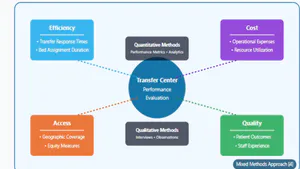
Evaluation criteria for the transfer center optimization were established through consensus among key stakeholders and aligned with the health system's strategic priorities. The evaluation framework utilized a multidimensional approach that balanced competing priorities: efficiency, cost, access, clinical quality, and staff experience.
This balanced scorecard approach prevented optimization of one dimension at the expense of others-a common pitfall in healthcare improvement initiatives. Efficiency criteria encompassed time-based metrics for each transfer process component, while cost metrics addressed both direct operational expenses, and denial charges along with opportunity costs of suboptimal resource utilization. Access improvements were measured through geographic analysis of transfer origins, case-mix complexity of transferred patients, and disparity reduction in transfer acceptance rates across different patient populations. Patient outcome measures included patient experience score, length of stay.
Staff satisfaction with transfer processes was assessed through validated survey instruments. The evaluation design incorporated principles of mixed methods research, using qualitative data to explain quantitative findings and identify contextual factors that influenced outcomes. This approach allowed for both summative evaluation (did the intervention work?) and formative evaluation (how and why did it work or not work?), providing deeper insights than single-method approaches.
Several limitations affect the interpretation and generalizability of this study. First, the single health system design, while allowing for detailed analysis, limits the direct applicability of findings to systems with significantly different geographic, demographic, or organizational characteristics. Second, changes in reimbursement models and payer policies during the study period may have influenced transfer patterns independent of the interventions studied. Third, the observational nature of the study does not permit definitive causal attribution of outcomes to specific interventions, as controlled experimentation was not ethically or operationally feasible in this clinical environment. Fourth, patient-reported outcome measures were limited by available data collection mechanisms and may not fully capture the patient experience of transfers. From a methodological perspective, the study faced challenges common to mixed methods research, including integration difficulties when quantitative and qualitative findings appeared contradictory, resource constraints that limited the depth of qualitative inquiry, and complexity in presenting integrated findings in a coherent narrative. The SEIPS model, while comprehensive, required significant adaptation to the specific context of transfer center operations, potentially limiting comparability to other applications of the framework in healthcare settings . Despite these limitations, the methodological rigor applied throughout the study provides valuable insights for healthcare systems seeking to optimize transfer center operations, with appropriate contextual adaptation required for implementation in different settings.
![Fig. 1: Healthcare Transfer Center Performance Transformation Framework. [3, 4]](https://doc.journalspress.com/ecmg23_110453/ocr/images/derivatives/65/6528d9c52730910648251c9fa3a15da3876a2ce3b17e13ce6855c63de7f057dd.webp)
III. STRUCTURAL AND TECHNOLOGICAL COMPONENTS
The optimization of transfer center operations within the ten-hospital health system required the implementation of sophisticated structural and technological components designed to streamline communication, improve decision-making, and enhance resource utilization. At the foundation of this transformation was the deployment of complementary systems addressing different operational needs. The communication requirements were met through implementation of the Unify platform, which provided comprehensive voice and messaging capabilities.
Real-time data integration systems represented another critical technological component in the optimized transfer center model. The fragmentation of health information across disparate systems has been recognized as a significant barrier to coordinated care delivery, with particular implications for patient transfers where timely access to comprehensive information is essential for appropriate decision-making. Studies examining preventable adverse events during care transitions have highlighted incomplete information transfer as a contributing factor in a substantial proportion of cases. By creating a unified data environment that consolidates relevant information from multiple sources, the transfer center implementation addressed a fundamental vulnerability in the care transition process. The emphasis on user experience design within the data integration system aligns with the principles articulated in research on human factors in healthcare technology, which emphasizes that technological solutions must be designed to support rather than complicate clinical workflows [6]. The data integration architecture was designed with redundant connectivity and fault-tolerant components to ensure system availability during network outages or electronic health record downtime, acknowledging the critical nature of transfer center operations in maintaining patient flow across the health system.
Standardized triage protocols and decision support tools fundamentally transformed the clinical assessment process for patient transfers within the health system. These protocols replaced variable, provider-dependent approaches with evidence-based algorithms that ensured consistent evaluation of transfer appropriateness, acuity level, and destination selection. The triage system incorporated condition-specific protocols for high-volume transfer scenarios such as stroke, trauma, acute coronary syndrome, and high-risk obstetrics, with embedded clinical criteria drawn from national guidelines and institutional standards of care. Each protocol guided transfer coordinators through a structured assessment process, ensuring comprehensive collection of relevant clinical data and standardized risk stratification. The decision support tools integrated with these protocols provided real-time recommendations for transfer destination based on patient needs, facility capabilities, geographic proximity, and current capacity. The implementation of standardized triage protocols addresses the unwarranted clinical variation documented in studies of transfer processes, where similar patients with similar conditions often receive dramatically different transfer decisions depending on individual provider practices. This variation has been associated with inefficient resource utilization, unnecessary transfers to higher levels of care, and delayed access for patients who truly need specialized services. Research on clinical decision support systems in emergency and acute care settings has demonstrated improvements in protocol adherence, reduced time to appropriate intervention, and decreased resource utilization when evidence-based algorithms are effectively integrated into clinical workflows. The challenges encountered in implementing these protocols, particularly regarding physician consensus and concerns about clinical autonomy, echo findings from implementation science research on evidence-based protocols in complex healthcare environments. The successful approach of inclusive protocol development, clear override mechanisms, and continuous performance review aligns with recommended strategies for balancing standardization with appropriate clinical flexibility. The incorporation of continuous learning mechanisms to refine algorithm performance represents an application of the learning healthcare system model, where data on actual outcomes systematically informs improvements in care processes [5]. The resulting triage system significantly reduced inappropriate transfers, minimized delays for time-sensitive conditions, and improved resource matching across the health system.
Bed management and capacity visualization technologies provided unprecedented transparency regarding resource availability throughout the healthcare network. The challenge of coordinating patient placement across a distributed healthcare network represents a complex system problem where traditional approaches to information management are inadequate. When transfer decisions are made without comprehensive visibility into system-wide resources, suboptimal patterns emerge: patients may be transferred to facilities that are already at capacity while available beds at equally appropriate facilities remain unused; transport resources may be deployed inefficiently; and delays in care may result from the time-consuming process of sequential inquiries about bed availability. Studies examining preventable adverse events in emergency departments and critical care units have identified capacity constraints and patient flow disruptions as contributing factors in patient harm events. The implementation of transparent, real-time capacity visualization directly addresses these system vulnerabilities by enabling more informed, rapid decision-making about patient placement. The capacity visualization technology implemented in this study builds upon concepts from high-reliability organizations in other industries, where shared situational awareness among all participants is recognized as essential for safe and efficient operations in complex, dynamic environments [6]. The resulting transparency enabled more equitable distribution of patients throughout the system, reducing bottlenecks at tertiary centers while appropriately utilizing community hospital capacity.
Staffing models and interdisciplinary team composition evolved significantly as part of the transfer center optimization. The enhanced model moved beyond traditional nurse or provider led transfer coordination to establish a truly interdisciplinary approach that included physicians, nurses, advanced practice providers, bed managers, transport coordinators, and administrative personnel working collaboratively within a unified operational structure. This team-based model provided comprehensive coverage across all clinical domains and operational functions involved in the transfer process. A key innovation was the implementation of physician-directed triage for complex or high-acuity transfers, where specialized physicians provided real-time clinical consultation to both referring providers and transfer center staff. This capability enhanced clinical decision-making while simultaneously reducing inappropriate transfers and optimizing destination selection. The staffing model incorporated tiered response protocols that adjusted team composition based on transfer volume, acuity, and complexity, ensuring efficient resource utilization during both routine operations and surge events. The evolution toward interdisciplinary staffing models reflects growing recognition in healthcare operations research that complex care coordination functions require diverse expertise beyond traditional disciplinary boundaries. Studies of high-performing transfer centers have identified interdisciplinary staffing as a key differentiator between basic coordination functions and true system optimization. The inclusion of physician leadership within the transfer center model addresses limitations documented in research on nurse-led transfer coordination, where the absence of real-time physician consultation can result in decision delays, unnecessary transfers, or inappropriate destination selection. The challenges encountered in implementing interdisciplinary staffing, particularly regarding role delineation and sustainable physician coverage, are consistent with findings from research on team-based care models in other healthcare contexts. The approaches used to address these challenges-detailed workflow analysis, workload-based staffing algorithms, and innovative compensation models—align with strategies recommended in the literature on healthcare workforce optimization. The performance improvement observed following implementation of the interdisciplinary model supports broader research findings on the value of team-based approaches for complex healthcare operations [5]. The resulting interdisciplinary team structure created a high-reliability organization capable of managing complex patient transfers consistently and effectively across the health system.
| Component | Key Features | Operational Impact | Implementation Challenges |
| Centralized Communication Platform | Unified interface for voice, messaging, and documentationSBAR-structured protocolsRole-based access controlsPerformance dashboards | Reduced communication failuresComplete audit trailsDecreased coordination timeImproved stakeholder notification | Integration with legacy systemsStandardization across diverse clinical environmentsStaff adoptionChange management |
| Standardized Triage Protocols | Condition-specific algorithms"Best-match"destination selectionEvidence-based decision supportOverride mechanisms | Consistent assessmentReduced inappropriate transfersOptimized resource matchingExpedited time-sensitive transfers | Achieving physician consensusBalancing standardization with clinical judgmentProtocol validationContinuous refinement |
| Capacity Visualization Technologies | Multi-dimensional capacity displayGeospatial integration | Enhanced resource transparencyBalanced network utilizationReduced bottlenecksMore equitable patient distribution | Ensuring data currencyStandardizing capacity definitionsManaging information overloadRefresh rate optimization |
| Interdisciplinary Staffing Model | Physician-directed triageIntegrated transport coordinationTiered response protocolsCross-training programs | Enhanced clinical decision-makingComprehensive transfer managementOperational resilienceEfficient resource utilization | Role delineationSustainable physician coverageStaffing ratio determinationTeam integration |
IV. OPERATIONAL AND FINANCIAL IMPACT
The implementation of an optimized transfer center yielded substantial operational improvements across the ten-hospital health system, most notably in transfer time reduction and enhanced throughput metrics. Prior to optimization, the mean time from transfer request to acceptance decision was lengthy, with significant variability based on time of day, day of week, and receiving facility. Following implementation of the standardized communication platform and triage protocols, this interval decreased considerably, with further reductions for time-sensitive clinical conditions such as stroke, acute coronary syndrome, and trauma. The time from acceptance to arrival at the receiving facility similarly improved, driven by more efficient transport coordination. These time reductions translated directly to clinical benefits, particularly for time-sensitive conditions where treatment delays correlate with adverse outcomes. For stroke transfers, the proportion of patients receiving appropriate reperfusion therapy within recommended timeframes increased significantly, while for acute coronary syndrome, the percentage of patients achieving guideline-recommended door-to-balloon times improved across the system. Beyond these high-acuity scenarios, throughput improvements were observed across all transfer categories, with the health system able to accommodate an increased transfer volume without corresponding increases in staffing or infrastructure. The most dramatic improvements occurred for inter-facility transfers within the health system, where standardized protocols and consolidated communication channels eliminated redundant steps and reduced coordination overhead. Notably, these improvements were sustained over the study period despite fluctuations in patient volume and acuity, suggesting that structural changes rather than temporary process improvements were responsible for the enhanced performance. These findings align with research on healthcare coordination networks, which has demonstrated that formalized, centralized transfer systems with standardized protocols can significantly improve patient flow across distributed healthcare systems. Studies examining regional trauma systems and stroke networks have similarly documented substantial improvements in time-to-treatment metrics following implementation of coordinated transfer protocols. The patient flow optimization achieved through the transfer center demonstrates the practical application of queueing theory principles to healthcare operations, where reducing artificial variability and streamlining handoff processes can dramatically improve system throughput without additional resource investment. The networked structure of the optimized transfer center enabled the health system to function more effectively as an integrated delivery system rather than a collection of independent facilities, aligning with contemporary perspectives on regional healthcare coordination as described in the literature on accountable health communities and integrated delivery networks [7]. The throughput enhancements directly supported the health system's strategic objectives of improving access to appropriate levels of care while maximizing operational efficiency across the network.
Emergency department (ED) boarding and inpatient length of stay metrics demonstrated noteworthy improvements following transfer center optimization. ED boarding-defined as the time patients remain in the emergency department after the decision to admit or transfer-decreased substantially across the health system. This reduction was particularly pronounced at community hospitals that previously experienced extended boarding times for patients awaiting transfer to higher levels of care. The optimized transfer center directly addressed key drivers of boarding, including delayed transfer acceptance decisions, inefficient bed assignment processes, and suboptimal transport coordination. The implementation of capacity visualization and standardized triage protocols enabled more rapid identification of appropriate receiving units, while the interdisciplinary staffing model facilitated expedited clinical decision-making. Beyond the operational benefits, reduced boarding times correlated with improvements in patient satisfaction metrics and decreased incidents of care delays or complications associated with prolonged ED stays. Length of stay outcomes similarly improved across the health system, with transferred patients experiencing reduced total hospitalization duration when compared to risk-adjusted expectations. This improvement appeared to result from several factors: more appropriate initial placement reducing the need for subsequent intra-system transfers; earlier initiation of specialized care pathways following more efficient transfers; and more effective matching of patient needs with facility capabilities. Particularly notable was the reduction in "avoidable days"—inpatient days where patients remained hospitalized despite no longer requiring the current level of care—which decreased significantly following implementation of the optimized transfer system. The health system also observed a reduction in transfer denials and denials or bills from ambulance vendors due to reported capacity constraints, and payor mismatch suggesting more efficient utilization of available resources. These improvements in ED boarding and length of stay metrics align with findings from research on hospital operations management, which has identified care transitions as critical junctures where inefficiencies frequently accumulate. Studies examining the economic impact of healthcare quality have demonstrated that improvements in patient flow metrics can generate substantial cost savings while simultaneously enhancing clinical outcomes and patient experience. The reduced ED boarding times achieved through transfer center optimization address a well-documented patient safety concern, as prolonged ED boarding has been associated with adverse events, delayed treatment initiation, and increased mortality in multiple studies. By improving this key operational metric, the transfer center optimization directly contributed to both financial performance improvement and enhanced clinical quality, exemplifying the concept of the "triple aim" in healthcare improvement where better care and lower costs can be achieved simultaneously [8]. The consistent improvements observed across diverse facilities within the health system suggest that the transfer center optimization provided structural benefits that transcended individual institutional factors.
Transport resource optimization occurred through several mechanisms: reduced redundant or unnecessary transports through improved initial triage and destination selection; more efficient dispatch and routing through centralized coordination; decreased transport team idle time through improved scheduling; and reduced upgrade/downgrade decisions regarding transport modality. The health system observed a substantial reduction in advanced life support transports for patients who ultimately did not require that level of care during transport, representing both a cost saving and a more appropriate allocation of limited specialized transport resources. The optimization extended beyond critical care to include appropriate utilization of specialized units such as intermediate care, telemetry, and specialty-specific beds. By implementing systematic matching of patient needs with the appropriate level of care, the transfer center reduced instances of both over-triage (placing patients in higher levels of care than clinically necessary) and under-triage (placing patients in lower levels of care than their condition warranted). These improvements in resource allocation efficiency reflect principles described in research on healthcare network optimization, where coordinated, system-level approaches to resource compared to facility-level optimization efforts. Studies examining regional healthcare networks have demonstrated that suboptimal patient distribution often results from information asymmetry and coordination barriers rather than actual resource constraints. The centralized visibility and standardized coordination provided by the optimized transfer center directly addressed these structural limitations, enabling more effective resource utilization across the distributed healthcare network. The "network effect" benefits achieved through this system-level approach align with theoretical models of healthcare delivery that emphasize the importance of coordination mechanisms in complex adaptive systems [7]. The optimization of both bed and transport resources supported the health system's ability to maintain appropriate access during periods of peak demand while improving overall operational efficiency.
Cost-benefit analysis of the transfer center implementation demonstrated compelling financial returns alongside the clinical and operational improvements. The financial model incorporated multiple cost and revenue components, including direct operational costs, indirect infrastructure costs, opportunity costs, and revenue implications. Direct costs included staffing, technology, facilities, and ongoing maintenance expenses associated with the transfer center. Indirect costs encompassed training, change management, and temporary productivity losses during implementation. These implementation costs were substantial, requiring significant capital investment and ongoing operational funding. However, the financial benefits substantially outweighed these costs when analyzed over a multi-year period. Revenue enhancements occurred through several mechanisms: increased appropriate transfers into the system from external facilities; reduced transfer denials due to capacity constraints; improved retention of appropriate patients within the network; fewer instances where the transfer center has to cover the cost for patient transport and optimized patient placement resulting in more appropriate reimbursement. Cost savings were achieved through multiple pathways:
reduced unnecessary transfers and associated transport costs; decreased length of stay and avoidable days; reduced administrative overhead for transfer coordination; lower overtime and agency staffing needs due to improved predictability; and decreased adverse events associated with transfer delays or inappropriate placements. The return on investment calculation demonstrated a positive financial return beginning in the early phase of operation, with increasing returns in subsequent years as optimization efforts matured. These financial outcomes align with research on the economics of healthcare quality, which has documented the significant costs associated with inefficient care processes, medical errors, and suboptimal resource utilization. Studies examining the financial impact of quality improvement initiatives have consistently found that interventions targeting systemic inefficiencies often generate positive returns on investment, particularly when they address high-cost adverse events or resource misalignment. The transfer center optimization exemplifies the concept of "quality-related cost savings" described in healthcare economics literature, where improvements in operational processes simultaneously enhance quality and reduce costs.
By addressing inefficiencies in the transfer process, the optimization initiative generated cost savings through multiple mechanisms while also improving clinical outcomes and patient experience. The positive financial performance observed in this implementation supports the business case for quality improvement in healthcare operations, countering the perception that clinical quality enhancements necessarily increase costs . The positive financial impact supported ongoing investment in transfer center enhancements while demonstrating that clinical quality improvement and financial performance improvement could be achieved simultaneously through systematic optimization of patient flow.
| Outcome Domain | Pre-Optimization Baseline | Post-Optimization Results | Impact Analysis |
| Transfer Process Efficiency | Extended decision timesVariable coordination processesLimited tracking capabilities | Significantly reduced request-to-acceptance timesStreamlined coordinationComprehensive performance tracking | Improved time-sensitive clinical outcomesEnhanced provider and patient satisfactionIncreased system capacity without infras- tructure expansion |
| Emergency Department Impact | Prolonged boarding timesTransfer delaysResource misalignment | Considerable boarding reductionExpedited transfersImproved resource matching | Decreased adverse events associated with boardingImproved ED throughputEnhanced capacity for new ED arrivals |
| Resource Utilization | Tertiary center overcrowdingAdministrative burden on clinicians to arrange transportationMismatched transport resources | Balanced distribution across networkClinicians working at top of their licensureOptimized transport allocation | "Virtual capacity" creationReduced staff burnout in high-volume centersMore appropriate level-of-care placement |
| Financial Performance | High transfer-related administrative costsLost revenue from inappropriate transfersInefficient resource deployment | Reduced administrative overheadImproved appropriate transfer retentionOptimized resource allocation | Positive ROI achievedEnhanced contribution marginSustainable operational model |
V. IMPLEMENTATION FRAMEWORK
Successful implementation of an optimized transfer center requires a robust governance structure and comprehensive stakeholder engagement strategy. The governance model developed for this health system established a multi-tiered structure with clearly defined roles and responsibilities. At the executive level, a Transfer Center Steering Committee comprised senior leadership from each facility, including chief medical officers, and operational executives. This committee established strategic priorities, approved resource allocation, resolved cross-facility conflicts, and maintained alignment with broader health system objectives. At the operational level, a Transfer Center Operations
Council included physician leaders from key service lines (emergency medicine, critical care, hospital medicine), nursing leadership, bed management directors, transport services representatives, and information technology specialists. This council managed day-to-day implementation decisions, protocol development, and performance monitoring. A third tier consisted of facility-specific implementation teams responsible for local training, workflow adaptation, and change management. This multi-level governance approach ensured both system-wide standardization and appropriate local customization. Stakeholder engagement extended beyond formal governance structures to include comprehensive involvement of frontline clinicians and staff. Recognizing that transfer center success depends on clinician adoption, the implementation team conducted extensive engagement activities, including focus groups with referring and receiving physicians, simulation exercises with case managers, social workers, and incorporating feedback. The technology integration roadmap represented a critical component of the implementation framework, guiding the complex process of deploying and connecting multiple technical systems across the distributed health network. The roadmap followed a phased approach, beginning with a comprehensive assessment of existing technologies, identification of integration requirements, and gap analysis comparing current capabilities to the desired future state. This assessment revealed legacy and discrete telecommunication infrastructure and documentation flow. The implementation sequence prioritized foundational components first: the centralized communication platform, unified transfer request documentation system, and basic bed status visualization. This phase established the core infrastructure while delivering early operational benefits.. A parallel telecommunications upgrade ensured reliable connectivity and call management capabilities across all facilities. The technology roadmap incorporated multiple safeguards to maintain operational continuity during implementation, including overlapping systems during transition periods, comprehensive contingency protocols, and phased cutover strategies that minimized disruption to clinical operations. The phased implementation approach employed in the technology roadmap reflects best practices identified in research on large-scale organizational change initiatives. Studies examining why transformation efforts fail have consistently identified overly aggressive timelines and inadequate attention to infrastructure requirements as common failure modes. The sequential implementation strategy, with foundational capabilities deployed before more advanced features, aligns with the principle of establishing "short-term wins" that build momentum and credibility for the broader transformation. The careful attention to operational continuity during technology transitions addresses a critical risk factor identified in healthcare transformation research: the potential for implementation activities to disrupt essential clinical operations. The comprehensive testing protocols and overlapping system approach exemplify the "risk mitigation" strategies recommended for complex healthcare technology implementations, where patient safety considerations necessitate extraordinarily high reliability during transition periods. The roadmap's balance between strategic vision and tactical implementation details demonstrates the "dual operating system" approach advocated in contemporary change management literature, where transformational initiatives require both clear long-term direction and detailed near-term execution planning [10]. The technology roadmap provided clear direction while maintaining flexibility to adapt to emerging requirements and technical challenges, supporting successful deployment across the diverse health system environment.
Performance monitoring and continuous improvement formed the backbone of the implementation framework, establishing mechanisms to track progress, identify opportunities, and drive ongoing optimization. The performance monitoring system incorporated three distinct measurement categories: process metrics that assessed the efficiency and reliability of transfer center operations; outcome metrics that evaluated the impact on patient care and system performance; and balancing metrics that monitored for unintended consequences. Key process indicators included transfer request response times, protocol adherence rates, and documentation completeness. Outcome measures encompassed length of stay impacts, and resource utilization patterns. Balancing metrics monitored for potential negative effects such as inappropriate transfer denials, long wait times, ambulance transport expense denied due to lack of medical necessity or insurance verification, staff workload concerns, or unintended shifts in patient distribution. The measurement framework established clear definitions, data sources, calculation methodologies, and reporting frequencies for each metric, ensuring consistent evaluation across facilities and time periods. A tiered reporting structure delivered tailored information to different stakeholders: detailed operational metrics for transfer center staff; service-line and facility-specific indicators for clinical and operational leaders; and summary performance dashboards for executive leadership. Beyond mere measurement, the continuous improvement model established structured processes for acting on performance data. Daily huddles reviewed immediate operational issues, while weekly improvement teams addressed emerging patterns, and monthly governance meetings evaluated systemic challenges. The model employed standard improvement methodologies, including Plan-Do-Study-Act cycles for rapid testing of interventions and more comprehensive project management approaches for complex initiatives. Particularly effective was the implementation of regular case reviews for transfers that failed to meet performance targets, creating opportunities for process learning rather than individual blame. The comprehensive approach to performance monitoring implemented in the transfer center aligns with the self-management support and decision support elements of the Chronic Care Model as applied to complex healthcare operations. The original model has been expanded in recent years to emphasize the importance of robust measurement systems not just for individual patient care but for system-level performance improvement. Research examining successful clinical integration initiatives has identified transparent performance monitoring as a critical enabler of sustained improvement, creating what has been termed a "learning healthcare system" where operational data continuously informs system refinement. The balanced measurement approach-incorporating process, outcome, and balancing metrics-reflects contemporary understanding of healthcare quality measurement, which emphasizes the importance of multidimensional evaluation to avoid optimization of isolated metrics at the expense of overall system performance. The tiered reporting structure, with different views for different stakeholders, demonstrates application of the "prepared, proactive team" concept from the
Chronic Care Model to the operational domain, where each team member receives information relevant to their role in the overall system . The performance system created a data-driven culture that supported continuous optimization beyond the initial implementation period.
Change management strategies represented a critical success factor in the transfer center implementation, acknowledging that the initiative required significant modifications to established workflows, communication patterns, and decision-making processes across multiple facilities and clinical departments. The change management approach began with a comprehensive stakeholder analysis that identified key influencers, potential sources of resistance, and existing cultural factors at each facility. This analysis informed the development of tailored engagement strategies that addressed the specific concerns and motivations of different stakeholder groups. For physicians, the emphasis was on clinical benefits and reduced administrative burden; for case managers, social workers, improved patient flow and appropriate resource utilization; for administrators, enhanced efficiency and financial performance. A network of change champions was established at each facility, comprised of respected clinical leaders who served as local advocates and provided bidirectional communication between implementation teams and frontline staff. The communication strategy employed multiple modalities to reach diverse audiences, including executive briefings, department-specific presentations, and regular implementation updates through existing communication channels. Particularly effective was the use of specific patient stories and case examples that illustrated the concrete benefits of the optimized transfer process. The change management plan explicitly addressed anticipated barriers, including concerns about loss of autonomy in transfer decisions, unfamiliarity with new technologies, and skepticism about standardized protocols. These concerns were mitigated through focused education, early involvement in protocol development, and transparent sharing of performance data that demonstrated tangible improvements. The change management approach employed in the transfer center implementation exemplifies several key principles from established change management frameworks. The structured eight-step process for leading change has been widely validated across industries, with particular relevance to healthcare transformation initiatives. The implementation team's emphasis on creating a sense of urgency through compelling clinical and operational rationales aligns with the first step in this process, while the multi-level governance structure established the "guiding coalition" essential for leading complex change. The clear articulation of the future vision for transfer center operations, coupled with concrete examples of how this vision would improve patient care and provider experience, addressed the critical steps of developing and communicating a change vision.
The phased implementation approach, with early wins deliberately highlighted through performance dashboards and success stories, exemplifies the principle of generating short-term wins to build momentum and overcome skepticism. The systematic approach to addressing resistance—through engagement, education, and demonstrated benefits—reflects contemporary understanding of change management as requiring both emotional and rational elements to overcome the natural human tendency to resist disruption of established patterns . The effectiveness of these strategies was evidenced by high adoption rates and sustained performance improvements across all facilities in the health system.
Scalability considerations formed an essential component of the implementation framework, ensuring that the transfer center model could accommodate varying health system sizes, configurations, and growth patterns. Staffing models were developed with scalability in mind, establishing baseline requirements for different transfer volumes and complexity levels, with clear guidance for adjusting resources as demands evolved. Similarly, technology solutions were selected with attention to scaling capabilities, including licensing models that accommodated growth, technical architectures that supported increased transaction volumes, and integration approaches that could incorporate additional facilities or external partners. The governance structure incorporated mechanisms for expanding oversight as the system grew, with representation models that maintained appropriate stakeholder involvement despite increasing organizational complexity. Particularly important was designing the transfer center to support different facility types, from academic medical centers with specialized service lines to community hospitals with more general capabilities. The protocols and workflows accommodated these variations while maintaining standardization in core processes. A tiered service model was established, where facilities could implement different levels of transfer center integration based on their size, capabilities, and strategic priorities. Small facilities with limited resources could leverage basic transfer coordination services, while larger institutions could implement the full suite of advanced capabilities. This flexible approach supported both current variation across the health system and future evolution as facilities developed new service lines or modified their strategic focus. The scalability considerations integrated into the transfer center design reflect principles from the expanded Chronic Care Model, which emphasizes the importance of creating systems that can function effectively across different organizational contexts and scales. Research on clinical integration initiatives has identified scalability as a critical factor in sustainability, with many otherwise successful pilots failing to achieve widespread adoption due to design elements that could not be effectively translated to different settings or larger scales. The tiered service model, with different levels of transfer center implementation based on facility characteristics, aligns with contemporary understanding of healthcare network development, which recognizes the importance of matching capabilities to local needs while maintaining network-level coordination [9]. The attention to scalability ensured that the transfer center implementation represented a sustainable investment that could evolve alongside the health system rather than requiring replacement as organizational needs changed.
{"image_source":{"path":"images/28ddbe0008eca03a405acca85950b574d8f9bca306194f6f2a0d1ec8682026d6.jpg"},"content":"","chart_caption":[{"type":"text","content":"Fig. 2: Transfer Center Implementation Framework: Critical Success Factors. [9, 10]"}],"chart_footnote":[]}
VI. CONCLUSION
Optimized transfer centers represent a transformative intervention for healthcare systems facing capacity constraints and financial pressures. The implementation across the ten-hospital system demonstrated substantial improvements in operational efficiency, resource utilization, and financial performance. The multifaceted approach—combining centralized communication, real-time data integration, standardized protocols, visualization technologies, and interdisciplinary staffing—created structural changes that yielded sustainable benefits transcending individual facilities. The implementation framework, with its emphasis on governance, technology integration, performance monitoring, change management, and scalability, provides a blueprint adaptable to various healthcare environments. As consolidation continues across the healthcare landscape and demand increases for specialized services, transfer centers offer a scalable solution for achieving the quadruple aim: improving patient experience, enhancing population health while reducing costs, and supporting healthcare providers. The success of this initiative demonstrates that operational excellence and clinical quality can be simultaneously achieved through systematic optimization of patient flow across healthcare networks.
Conflict of Interest
The authors declare no conflict of interest.
Ethical Approval
Not applicable
Data Availability
The datasets used in this study are openly available at [repository link] and the source code is available on GitHub at [GitHub link].
Funding
This work did not receive any external funding.
References
Cite this article
Related Research

Special Issue
Launch a focused special issue to highlight research, emerging trends, and expert insights in your academic field.