



IntelliPaper
Abstract
Language is fundamental to identity, culture and belonging in India, a country characterised by significant linguistic diversity. Mother tongues function as cultural capital transmitting customs values and communal memory through generations. The prevalence of English in education has created obstacles for rural students particularly those from Telugu-medium backgrounds who frequently find it challenging to adapt to English-focused higher education. This study examines the significance of mother language in the reclamation of identity and the preservation of culture within the context of the National Education Policy (NEP) 2020. Employing a descriptive research design, data was collected from postgraduate and doctoral students at Osmania University, Hyderabad, using simple random sampling. Participants predominantly hailed from rural regions where Telugu was the medium of initial education. Case studies and focus group conversations were undertaken to document lived experiences. Quantitative data was analysed using SPSS software with percentages and Likert scale responses. The results indicate that students predominantly view mother language education as a means of reinforcing cultural identity improving understanding and reducing dropout rates. They also recognise English as crucial for global prospects while asserting that it should not supplant the native language. The study indicates that NEP 2020 offers a corrective framework by legitimising education in the mother tongue and reconciling the disparity between home and school environments. This research emphasises the significance of the mother tongue as cultural capital for inclusive development linguistic justice and the safeguarding of identity for future generations.
Explore Digital Article Text
INTRODUCTION
In India, language transcends mere communication, it embodies collective essence, serves as a repository of memories, and constitutes the foundation of identity (Kumar, 2023). Throughout states and regions, native languages encompass songs, proverbs, rites, and quotidian wisdom that unite generations (Senthilkumar & Periyasamy, 2025). When individuals communicate, contemplate, and envision in their native language, they engage with a realm constructed by their forebears and shaped by indigenous wisdom. In this regard, language constitutes cultural capital (Mani Karki & Devi Karki, 2025), it provides individuals with a sense of belonging, confidence, and access to the collective significances that render life coherent. In contemporary India, the evolution of language has traversed intricate landscapes—colonial history, nation-building, urbanisation, and globalization—each influencing children's learning and families' appreciation of their linguistic heritage (Luke et al., 2005). This paper analyses the assertion that reclaiming identity via language is not a nostalgic endeavour but a pragmatic, future-focused undertaking. It contends that mother language education, as outlined in the National Education Policy (NEP) 2020, serves as a strategic avenue for cultural preservation, inclusive development, and cognitive empowerment.
Language and identity in the Indian context
India is a tapestry of languages, each possessing its own literature, melody, humour, and ethical creativity. Mother tongues are not only local dialects, they represent epistemologies, methods of understanding the world, and forms of reasoning (Kravchenko, 2010). A Telugu proverb or a Bhojpuri folktale serves not only to entertain but also imparts lessons about assessing situations, respecting elders, resolving conflicts, and relating to land and environment. Language shapes social connections (Evans, 2014), it expresses respect through forms of address, closeness through idiomatic expressions, and dignity through tone. In communities throughout, identity is validated when youngsters acquire and utilise their native language in public and educational contexts. The acknowledgement of an individual's language in educational settings signifies the acknowledgement of their community, history, and value (Kinossalo et al., 2022). In the absence of this recognition, individuals internalise disadvantage, leading them to question their own lineage and feel alienated within institutions that are meant to support them.
In this environment, the mother tongue transforms into cultural capital with concrete value. It empowers adolescents to undertake research within local contexts, interact with elders, and convert indigenous answers into public policy (Huaman et al., 2016). It assists professions—social work, agriculture, public administration—in integrating community knowledge with formal education. When students can seamlessly transition between their native language and English or other languages, they acquire a bilingual advantage while preserving their identity. This expression of identity is essential for an India pursuing inclusive growth and social justice.
Western education, English dominance, and everyday displacement
The contemporary Indian educational system has extensively integrated the heritage of Western pedagogy (Singh, 2013), with English serving as the pivotal language of merit and opportunity. Historically, English provided access to governance, scientific discourse, and international networks (Hamel, 2007). However, their exclusive dominance frequently suppresses mother languages in educational settings, relegating them to the status of “home language” instead of recognising them as legitimate mediums for intellectual discourse and academic achievement. This results in cognitive strain and emotional detachment for several rural and first-generation students (Lee & Fletcher, 2023). Students who think in Telugu, Marathi, or Santali must perpetually translate their thoughts to conform to academic frameworks; this leads to alienation from learning rather than a deficiency in intelligence.
This domination reconfigures aspirations, families associate English competence with success and unintentionally diminish the significance of local knowledge. The classroom becomes into a venue where youngsters realise that their native language is inadequate for genuine success (Harklau, 2000). Over time, educational institutions alienate students from the cultural competencies inherent in local languages—competencies encompassing ethical principles, ecological knowledge, and social responsibility. This is not an exhortation to dismiss English, which continues to hold significance. It is a plea to reject a hierarchy that deems the mother tongue as subordinate. An equitable education system must be bilingual and balanced, enabling children to cultivate robust fundamental reading and numeracy in their native language (Ortiz et al., 2022), while also facilitating access to English and other languages.
NEP 2020 and the renewal of linguistic confidence
The NEP 2020 articulates clearly the importance of foundational learning, advocating for the use of the mother tongue or regional language as the medium of education (Mahapatra & Anderson, 2023), especially during the early years. This policy is characterised by a rehabilitative rather than exclusionary mentality. It aims to mend the divide between home and school, as well as between community and curriculum. When children receive fundamental education in their own language, they comprehend topics more effectively, engage more actively, and feel acknowledged by the institution (Hawkins, 2005). This enhances understanding and decreases attrition rates among at-risk populations. NEP 2020 positions language as a conduit, enabling pupils to subsequently shift into English and other languages with enhanced cognitive foundations and greater self-esteem.
Nevertheless, policy alone cannot reinstate confidence. Implementation necessitates educator training, curriculum development, assessment modification, and parental involvement. Educational institutions must incorporate culturally significant content—narratives, regional histories, ecological practices—into formal curricula (Potocki, 2025). Educators must be equipped to appreciate and utilise native languages while maintaining academic rigour. Parents should be convinced that multilingual competency is advantageous, robust foundations in the mother tongue do not hinder English mastery, rather, they facilitate it. The NEP's multilingual principles necessitate a revaluation of access frameworks, support structures, and research pathways for institutions and professional programs. This is especially critical in urban areas because rural and Telugu-medium kids access elite environments defined by English standards.
Cultural preservation as future-building, not nostalgia
Maintaining culture via the mother tongue constitutes a progressive investment (Atifnigar et al., 2025). It provides future generations with a sense of belonging, fortitude, and moral guidance. During periods of swift transformation—digital economies, environmental strain, and migration—children proficient in their native language can communicate with elders, access local documentation, and galvanise communities (Harris et al., 2018). They can convert local inventions into information suitable for policy implementation. Proficiency in one's native language facilitates engagement in democratic processes (Liggett, 2014), including the comprehension of ballots, community announcements, social welfare benefits, and legal documentation. It also underpins mental health and identity development of children who feel validated in their linguistic heritage embody dignity in higher education, rather than shame.
Reclaiming identity by language consequently corresponds with national development objectives (Leonard, 2024). It fosters social bonding and mitigates cultural bias in educational settings. It facilitates academic exploration of indigenous practices—soil conservation, health, social organization—that are frequently neglected in English-centric discussions. In places like as Hyderabad, students from rural Telugu-medium backgrounds contribute significant perspectives to social work and public administration yet, they frequently encounter challenges due to language barriers in English. When institutions implement mentoring, bilingual resources, and helpful evaluation, these students thrive while maintaining their identity.
This article regards NEP 2020 as a pivotal moment for linguistic fairness. It contends that mother language education is not solely a cultural preference but a logical policy decision grounded in pedagogy, equity, and nation-building. Considering mother tongue as cultural capital, we perceive language not merely as a personal sentiment, but as a communal asset for inclusive advancement. The objective is to establish learning ecosystems in which Telugu and other native languages coexist with English, rather than being subordinate to it. This action reinstates equilibrium in Indian education, respects the dignity of varied groups, and equips students for global participation without cultural obliteration.
Importance and Objectives of the Study
Importance of the Study
The preservation of culture via language transcends academic interest, it pertains to identity, dignity, and continuity. In India, characterised by extensive linguistic diversity integral to community life, the mother language functions as the principal channel for the transmission of customs, values, and collective memories (Ghose et al., 2025). The use of English in education has established a divide between home and school, frequently estranging kids from their cultural roots. This study underscores the necessity of reclaiming identity through mother tongue education to bridge this gap. The research emphasises the significance of the mother tongue as cultural capital, illustrating how language enhances social cohesion, fosters confidence, and preserves indigenous knowledge systems essential for inclusive development.
This study is significant due to its agreement with the NEP 2020 goal, which acknowledges the mother language as an essential medium for basic learning. The policy emphasises that children acquire knowledge most effectively in a language they comprehend, a premise that is both pedagogical and cultural. This study contextualises mother tongue education within the framework of national identity, contributing to the discourse on India's ability to reconcile global involvement with cultural preservation. Cultural identity serves not as an impediment to modernity, but as a cornerstone for significant engagement in the global knowledge economy.
Objectives of the Study
- To investigate the function of mother tongue as cultural capital within the Indian educational framework.
The study aims to elucidate how language serves as a resource that strengthens communities, preserves traditions, and fosters a sense of belonging for students in academic environments.
- To examine the influence of Western education and the prevalence of English on cultural identity.
This research examines the impact of the pressure to adhere to English standards on the confidence, academic performance, and cultural continuity of students from rural Telugu-medium homes.
- To assess the significance of NEP 2020 in restoring linguistic identity.
The study seeks to evaluate how the policy's focus on mother tongue instruction might function as a remedial strategy, allowing children to maintain their cultural heritage while developing competencies for global engagement.
- To furnish insights for subsequent generations.
The research aims to demonstrate that regaining identity through language is not merely a nostalgic endeavour but a calculated investment in the future. It emphasises that cultural preservation via mother language education provides youth with resilience, a sense of belonging, and ethical guidance in an increasingly dynamic environment.
METHODOLOGY
This study employs a descriptive research methodology to examine the function of mother language as cultural capital within the framework of NEP 2020. Descriptive research is especially effective for investigating individuals' perceptions, experiences, and attitudes, as it enables the researcher to document respondents' lived reality without altering variables. This study examines students' perceptions of the significance of their native language in school, their navigation of English's predominance, and their interpretations of the cultural ramifications of NEP 2020.
Sampling and Respondents
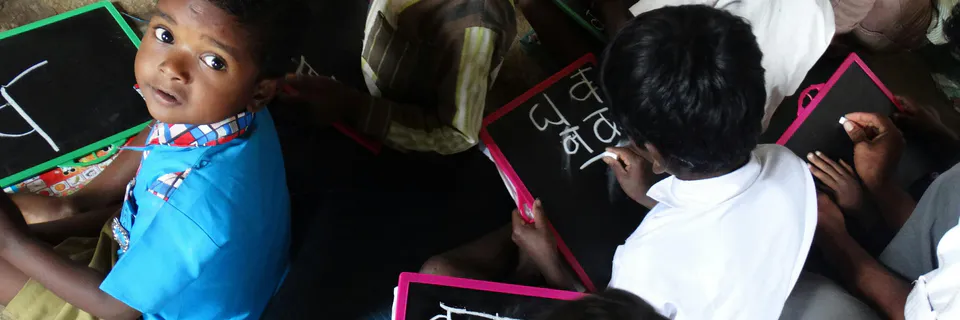
The research utilised basic random sampling to guarantee that each student had an equal probability of selection. Participants were selected among postgraduate (PG) and doctoral (Ph.D.) students at Osmania University, Hyderabad, a metropolitan university that attracts individuals from varied backgrounds. The sample deliberately included students from rural regions who had finished their education in Telugu-medium schools. This cohort of students constitutes a pivotal demographic for the research, as they frequently have difficulties in adapting to English-centric higher education settings. Their stories offer significant insights into the conflict between cultural identity and academic success.
Data Collection Methods
Data was gathered use standardised surveys, case studies, and focus group discussions. The questionnaire aimed to gather demographic information, socio-economic context, and views on language and identity. It comprised items assessed on a five-point Likert scale, ranging from “strongly disagree” to “strongly agree.” Case studies were performed with chosen students to record their individual experiences, emphasising the challenges and tactics they utilised to surmount linguistic obstacles. Focus group talks offered a collaborative environment for students to express their experiences, contrast viewpoints, and contemplate the wider societal ramifications of their educational paths.
Data Analysis
The gathered data was examined utilising SPSS software, facilitating methodical tabulation and interpretation. Basic percentages were employed to delineate the demographic profiles and socio-economic attributes of the respondents. Responses on the Likert scale were consolidated to discern patterns of consensus and dissent for critical statements pertaining to linguistic identity, cultural preservation, and educational obstacles. The integration of quantitative and qualitative methodologies ensured the study encompassed both statistical patterns and intricate personal experiences.
Scope of the Methodology
The study concentrates on students from rural Telugu-medium backgrounds currently engaged in higher education in Hyderabad, positioning itself at the convergence of tradition and modernity. It aims to comprehend how these pupils navigate the predominance of English while endeavouring to maintain their cultural identity. The technique offers a comprehensive framework for examining the obstacles and potential of reclaiming identity via language within the context of NEP 2020.
RESULTS
This study elucidates how postgraduate and doctorate students at Osmania University assess the influence of their mother tongue on their cultural identity and educational experiences. The findings demonstrates the significant contradictions between the self-assurance fostered by mother tongue instruction in early schooling and the obstacles presented by the predominance of English in higher education. Their observations underscore the hope students exhibit over the National Education Policy (NEP) 2020, which they perceive as a means to restore identity through language.
The demographic profile of the respondents demonstrates the variety of backgrounds present in the study. Of the 120 students surveyed, 65% were male and 35% were female. A substantial majority, 72%, originated from rural regions, whilst 28% were from metropolitan environments. This rural participation was significant, as these students had predominantly finished their education in Telugu-medium institutions before to moving to English-dominated higher education. Socio-economic data indicated that 60% of respondents were from lower-middle-income households, with yearly earnings below three lakhs. 25% originated from middle-income households, and 15% stemmed from comparatively higher-income families. These statistics highlight the socio-economic difficulties encountered by rural and economically disadvantaged students, who frequently find it challenging to acclimatise to English-dominated higher education systems.
Data on educational background indicated that 68% of respondents were exclusively educated in Telugu-medium schools, and 32% had some exposure to English-medium schooling. Nonetheless, all responders were mandated to engage in higher education in English, resulting in a considerable linguistic obstacle. Notably, 82% recognised that their native language afforded them significant conceptual clarity in their formative education. They indicated that acquiring knowledge in Telugu facilitated a better understanding of concepts, enhanced classroom engagement, and fostered a connection to their cultural background. Nonetheless, 74% saw a disadvantage when transferring to English at the university level. Numerous individuals conveyed that although they could engage in critical thinking and explain concepts in Telugu, they encountered difficulties in translating such thoughts into English, resulting in feelings of inadequacy inside academic environments.
Students' views on language and identity indicated robust endorsement for mother tongue education as a method of cultural preservation. Ninety percent of respondents confirmed that education in their native language enhanced their cultural identity and sense of belonging. They asserted that language is not solely a medium of instruction but also a vessel for values, traditions, and communal memory. Simultaneously, around 88% acknowledged that the pre-eminence of English in higher education imposed obstacles, especially for rural students who found it challenging to articulate themselves proficiently in academic environments. Participants observed that English frequently served as a gatekeeping language, influencing access to opportunities, acknowledgement, and achievement. This fostered a sense of isolation for the less skilled, exacerbating disparities between rural and urban children.
Notwithstanding these issues, students conveyed confidence for the National Education Policy 2020. Approximately 85% agreed that NEP's focus on mother tongue training provided opportunity to restore identity and diminish dropout rates. The policy's acknowledgement of the mother language as a viable medium of instruction affirmed their cultural history and instilled a sense of dignity. Participants emphasised that NEP's multilingual framework might facilitate the connection between home and school, enabling children to learn in a comprehensible language while progressively attaining competency in English and additional languages. This equitable strategy was regarded as essential for cultural preservation and global engagement.
The research revealed instances of discrimination encountered by rural pupils in English-centric classes. 78% of respondents recognised that students from Telugu-medium households frequently faced both subtle and overt forms of marginalisation. Numerous individuals expressed feelings of being muted in seminars or reluctance to engage in conversations due to apprehension regarding judgement of their linguistic abilities. Some reported that their peers and even faculty members occasionally saw their contributions as less significant due to their expression in substandard English. This fostered a sense of estrangement and promoted the notion that English competence was synonymous with intelligence and merit. Simultaneously, 80% of participants advocated for the incorporation of their native language into higher education curricula, contending that it would both validate their identity and improve understanding and self-assurance.
Case studies offered profound insights into these challenges. “A student from Nalgonda district expressed that, despite his proficiency in Telugu-medium education, he felt marginalised in seminars conducted only in English. He articulated that although he possessed critical thinking skills and could contribute substantively, the need to express himself in English frequently rendered him mute”.
“A fellow student from Warangal observed that her confidence in social work practice stemmed from her proficiency in Telugu communication, enabling her to relate effectively with communities. Nonetheless, academic writing in English continued to be a significant obstacle, constraining her capacity to excel in formal evaluations. These personal anecdotes underscore the experiences of rural students, who consistently contend with the conflict between cultural identity and scholastic demands”.
Focus group discussion reflected these feelings, as students jointly articulated their displeasure regarding the devaluation of their cultural knowledge in English-only courses. They contended that their native language encompassed profound cultural insights, especially in areas such as social work, agriculture, and public administration, however, these insights were frequently disregarded due to their lack of expression in English. Simultaneously, pupils expressed optimism that NEP 2020 will validate their linguistic history and diminish stigma. They asserted that bilingual education will enable academic excellence while maintaining cultural identity, fostering a more inclusive and egalitarian educational environment.
The statistical analysis performed with SPSS validated these findings. More than 80% of respondents consistently concurred or strongly concurred with assertions connecting mother language to cultural identity, understanding, and equity. In contrast, 70–90% recognised English dominance as an impediment, especially for students in rural areas. Percentages indicated distinct trends: 90% endorsed cultural identity via mother tongue education, 88% identified obstacles stemming from English predominance, 85% conveyed hope towards NEP 2020, and 78% admitted to discrimination based on linguistic heritage. The data indicate that students predominantly view their home language as cultural capital, while still acknowledging the importance of English for global mobility.
Collectively, the data show a multifaceted depiction of students' educational experiences. Mother tongue education offers robust foundations, cultural assurance, and conceptual precision. Conversely, the predominance of English engenders obstacles, discrimination, and a sense of inadequacy. Students acknowledge the significance of English for international prospects but say that it should not supplant their own language. They promote a balanced multilingual approach that appreciates both languages. The optimism around NEP 2020 signifies a want for systemic transformation, wherein laws and practices endorse linguistic variety and establish inclusive avenues for all learners.
The findings underscore the multiple challenges encountered by rural Telugu-medium students in urban higher education. They assert the cultural significance of mother tongue education while recognising the limitations presented by the predominance of English. They express optimism that NEP 2020 will facilitate the reclamation of identity and the preservation of culture for future generations. The results highlight the necessity for educational policies and practices that harmonise global involvement with cultural preservation, guaranteeing that language serves as a means of empowerment rather than exclusion.
DISCUSSION
This study's findings demonstrate a complex relationship among language, identity, and education in modern India. Students from rural Telugu-medium origins, currently engaged in higher education in metropolitan Hyderabad, exemplify the conflict between cultural preservation and adaptation to global exigencies. Their experiences underscore the empowering nature of mother tongue education and the problems presented by the dominance of English. This discourse contextualises these findings within extensive discussions on cultural capital, linguistic equity, and the transformative capacity of NEP 2020.
Mother Tongue as Cultural Capital
The findings confirm that mother language education enhances cultural identification and fosters a sense of belonging among pupils. 90% of participants concurred that education in their native language strengthened their cultural heritage. This corresponds with sociological theories of cultural capital, which assert that language functions not just as a means of communication but also as a repository of values, customs, and collective memory (Assmann, 2011). For rural pupils, Telugu transcends mere education, it embodies the language of familial, communal, and quotidian interactions. When educational institutions affirm this language, they affirm the students themselves (Reyhner, 2017). Conversely, when educational institutions marginalise the native language, pupils encounter alienation and a reduction in self-confidence.
The case studies exemplify this clearly. Students who thrived in Telugu-medium education frequently experienced marginalisation in English-centric classes, not due to a deficiency in intellect but because their cultural capital was devalued. This indicates that educational systems should acknowledge and incorporate the mother language as a valid kind of knowledge (Ozfidan, 2017). This practice not only validates identification but also improves understanding and decreases dropout rates, especially among marginalised populations.
English Dominance and Educational Barriers
The statistics highlight the extensive predominance of English in higher education. Approximately 88% of participants recognised that English posed obstacles, particularly for students in remote areas. This illustrates the historical legacy of colonial schooling, wherein English was established as the language of authority, governance, and modernity. In modern India, English serves as a gatekeeping language, influencing access to opportunities and acknowledgement (Manan et al., 2021; Von, 2020).
Students reported instances of prejudice, with 78% recognising exclusion in English-dominated environments. This highlights the structural inequities inherent in linguistic hierarchy. English competence is sometimes regarded as a measure of merit, but proficiency in one's own tongue is deemed insufficient (Davies et al., 2003). These hierarchies not only affect rural students but also sustain cultural erasure. The difficulty is to reconcile the necessity of English for global mobility with the imperative of conserving the home tongue for cultural continuity.
NEP 2020 as a Corrective Measure
The optimism around NEP 2020 is substantial. 85% of participants felt that the policy's focus on mother tongue training provided avenues for identity reclamation. The NEP's acknowledgement of the mother language as a genuine medium of teaching affirms pupils' cultural heritage and instils a sense of dignity. The policy aims to bridge the gap between home and school by promoting basic learning in the mother tongue.
The findings indicate that NEP's multilingual philosophy may facilitate the reconciliation of cultural preservation with global engagement. Students asserted that bilingual education, which incorporates English with the native language, would offer a balanced methodology. This demonstrates a pragmatic comprehension, although English is essential for global prospects, it must not supplant the native language (Melitz, 2016). Both languages should coexist, enabling pupils to achieve academic excellence while maintaining cultural identity.
Implications for Higher Education
The results possess significant ramifications for higher education in urban centres such as Hyderabad. Students from rural backgrounds who enrol in English-dominated universities frequently encounter linguistic obstacles that impact their confidence and academic performance. Incorporating the mother tongue into higher education curricula may assist in mitigating these issues. Bilingual resources, mentorship initiatives, and inclusive evaluation methods could facilitate student success while preserving their identity.
Focus group discussion indicated that students perceived their cultural knowledge as valuable in English-only schools. They also articulated optimism that NEP 2020 will validate their linguistic heritage. This indicates that institutions should transcend mere token acknowledgement of the home tongue and actively incorporate it into pedagogy, research, and practical applications. Such actions would not only validate identity but also enhance academic discourse through indigenous knowledge systems.
Reclaiming Identity for Future Generations
The results emphasize the significance of regaining identity via language for subsequent generations. Students indicated that mother tongue education provides youth with a sense of identity, fortitude, and moral guidance. During periods of swift transformation—digital economy, migration, and climate stress—children proficient in their mother tongue can interact with elders (Nguyen et al., 2022), galvanise communities, and convert local inventions into actionable policy knowledge. This emphasises that cultural preservation is not just nostalgia but a proactive investment in the future.
By positioning mother tongue as cultural capital, the study illustrates that language serves as a communal asset for inclusive development. It facilitates engagement in democratic processes, preserves indigenous wisdom, and promotes societal unity. The optimism around NEP 2020 signifies a want for systemic transformation, wherein laws and practices endorse linguistic variety and establish inclusive avenues for all learners.
CONCLUSION
The research on Reclaiming Identity through Language: Mother Tongue as Cultural Capital in NEP 2020 emphasises the significant influence of language on cultural identity, educational experiences, and national advancement. The results unequivocally indicate that mother language education fosters robust conceptual understanding, cultural assurance, and a sense of belonging among pupils. For rural children from Telugu-medium families, the mother tongue serves not just as a medium of instruction but also as an essential connection to their heritage, traditions, and communal existence. The prevalence of English in higher education perpetuates inequality and fosters cultural erasure.
The findings indicate that students mostly view their mother language as cultural capital, underscoring its significance for identity development and cultural preservation. However, they also acknowledge the imperative of English for international prospects. This dual reality highlights the want for a balanced bilingual methodology, wherever English is instructed concurrently with the native language without supplanting it. This strategy would enable kids to achieve academic excellence while maintaining their cultural heritage, ensuring that language serves as a means of empowerment rather than isolation.
The optimism around NEP 2020 is very significant. Students contend that the policy's focus on mother language instruction provides opportunity to reclaim identity, diminish dropout rates, and validate linguistic variety. NEP 2020 aims to rectify the disjunction between home and school, as well as between community and curriculum, by promoting fundamental learning in the mother tongue. Its bilingual ethos establishes a framework that reconciles cultural preservation with global engagement, guaranteeing that education remains inclusive and forward-looking.
This study emphasises the significance of regaining identity via language for future generations. Cultural preservation is not mere nostalgia; it is a proactive investment in the future. Mother language education equips youth with a sense of rootedness, resilience, and ethical orientation, enabling them to handle swift social and economic transformations while maintaining a connection to their ancestry. It facilitates engagement in democratic processes, preserves indigenous knowledge systems, and promotes social unity.
The authors declare that they have no conflict of interest in relation to this study. No funding has been allotted or received from any institution, organization, or agency for the conduct of this research. The study was carried out independently, with the sole purpose of contributing to academic discourse on language, identity, and cultural capital in the context of NEP 2020.
The author gratefully acknowledges that this paper was presented at the National Seminar on “Language, Identity and Power: Sociological Reflections on NEP 2020 and The Mother Tongue”, organized and conducted by Banaras Hindu University (BHU). The seminar provided an invaluable platform for scholarly exchange and constructive feedback, which enriched the development of this study.
Special gratitude is extended to the respondents from Osmania University, whose participation and insights formed the foundation of this research. Their willingness to share experiences and perspectives made this work possible. The author also sincerely thanks the administrative staff of Osmania University for their support and cooperation during the data collection process.
Conflict of Interest
Ethical Approval
Not applicable
Data Availability
Funding
This work did not receive any external funding.
References
Cite this article
Related Research


Special Issue
Launch a focused special issue to highlight research, emerging trends, and expert insights in your academic field.