




IntelliPaper
Abstract
Breast cancer is a complex and diverse disease with varying responses to therapeutics. To address this diversity and offer personalized treatment plans, molecular and genetic analysis of breast tumors is crucial. The World Health Organization classifies breast cancer into different subtypes, including precursor lesions like Ductal carcinoma in-situ (DCIS), lobular carcinoma in-situ (LCIS), and Pleomorphic LCIS, which have the potential to develop into cancer. Invasive breast carcinomas infiltrate nearby tissues and can metastasize. These subtypes are categorized based on their microscopic appearances, such as Invasive Ductal Carcinoma (NOS), Invasive Lobular Carcinoma, Triple-Negative Breast Cancer (Estrogen receptor-, Progesterone receptor-, and, HER2-), HER2-Positive Breast Cancer (HER2 overexpression), and less common types like Mucinous, Metaplastic, and Papillary carcinomas. Molecular and genetic profiling are powerful tools to aid in treatment decisions. Understanding the underlying biology of the disease helps physicians develop personalized treatment plans that consider the unique characteristics of each patient's tumor. Ongoing advancements in technology and research are improving our ability to diagnose and treat breast cancer effectively. This review presents an insight into molecular genetic profile, the role of artificial intelligence in breast cancer, and a concise overview of targeted pharmacotherapeutics for treating hormone receptor-based breast cancer.
Explore Digital Article Text
I. INTRODUCTION
Breast cancer, a historically enigmatic malignancy, is now being illuminated by powerful insights provided by molecular testing. This revolutionary approach has transformed the landscape of cancer diagnosis by delving deeper than traditional methods, enabling a thorough examination of the tumors' genetic and molecular makeup [1]. Such in-depth analysis can reveal the unique characteristics of each tumor, paving the way for targeted treatment, improved prognosis, and a ray of hope for cancer patients. The rapid transition from traditional radiology-based diagnostics to precise genetic profiling of tumor suppressor genes has significantly expanded our understanding of breast cancer. It has led to classifying a broader spectrum of subtypes, each with distinct vulnerabilities and potential for targeted treatment . This detailed understanding empowers medical professionals to develop highly tailored therapies to create a precise match between the treatment and the specific characteristics of each tumor. Molecular testing is also crucial in predicting the likelihood of cancer recurrence, guiding decisions about adjuvant therapy, and offering invaluable insights into overall prognosis . Additionally, it catalyzes cutting-edge research, driving the development of novel treatments and strategies for personalized medicine. Through this continued progress in understanding the genetic and molecular underpinnings of breast cancer, a future is being shaped where tailored treatments and improved outcomes are within reach .
II. MOLECULAR AND GENETIC PROFILING
Breast cancer is a formidable and widespread threat that impacts millions of lives annually. It represents nearly a quarter of all new cancer diagnoses in women, underscoring the urgency of comprehending its developmental patterns and its impact on diverse demographic groups . Developed nations display higher incidence rates due to aging populations and lifestyle choices. Nevertheless, even low- and middle-income countries are witnessing a surge in cases as their populations age and adopt Western behaviors . The intricate nature of breast cancer is highlighted by an array of factors that influence an individual's susceptibility, including age, family history, genetic mutations, reproductive history, and lifestyle decisions. Specific lifestyle factors, such as obesity, alcohol consumption, and physical inactivity, can heighten the risk, besides contributory factors of early menarche, late menopause, and lack of breastfeeding. . Early detection through regular screening, particularly in regions with limited resources, offers promise in intercepting the disease before it advances. Moreover, the evolving research landscape offers encouraging treatment options, including targeted therapies, immunotherapy, and personalized medicine approaches that are pivotal in tailoring care for each case . Appreciating the interplay between geographical factors, genetics, and lifestyles empowers us to reshape the narrative of breast cancer from a global shadow to a testament to resilience and prevention.
Molecular profiling thoroughly investigates different molecules within a tumor, such as DNA, RNA, and proteins. DNA analysis unveils genetic alterations, such as mutations, insertions, deletions, and rearrangements, contributing to cancer development and progression. RNA assessment provides insights into cellular processes and potential therapeutic targets by evaluating the expression levels of various genes. Analyzing protein expression and activity can aid in identifying biomarkers for diagnosis, prognosis, and treatment response . Genetic profiling explores deep into the intricate analysis of DNA to unveil crucial details, such as mutations in genes associated with cancer, such as the BRCA1/2, TP53, and HER2 types, which significantly influence tumor aggressiveness and response to treatment. Additionally, alterations in chromosomal regions, known as copy number alterations, can impact gene expression and contribute to tumor development. Furthermore, merging different genes, known as gene rearrangements, can produce novel proteins that fuel cancer growth .
Molecular and genetic profiling has revolutionized the landscape of breast cancer management, enabling tumor classification into distinct subtypes . These subtypes, such as luminal A, luminal B, HER2-enriched, and triple-negative breast cancer, exhibit unique clinical characteristics, prognosis, and responses to treatment depending on the immunoreactivity to estrogen receptors (ER), progesterone receptors (PR) and HER2 (Figure 1-3). Moreover, specific genetic alterations can serve as indicators of a higher risk of cancer recurrence, consequently influencing decisions regarding adjuvant therapy. Identifying mutations or gene expression patterns also facilitates the selection of targeted therapies that counter specific cancer-driving pathways.
Understanding the molecular underpinnings of breast cancer progression holds the promise of developing innovative targeted therapies and personalized treatment approaches [14].
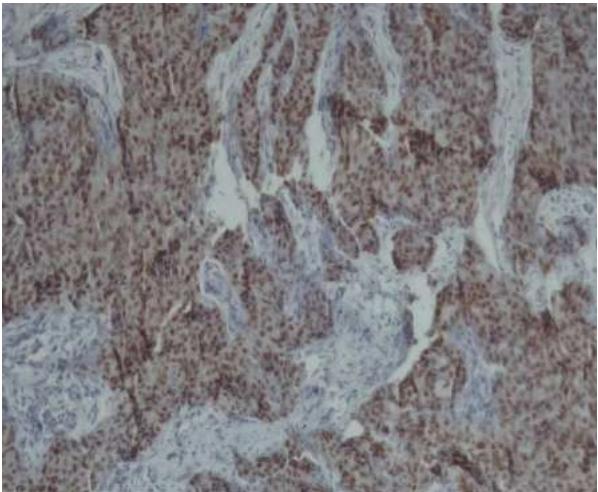 Figure 1: ER-Positive Tumor Cells (x40)
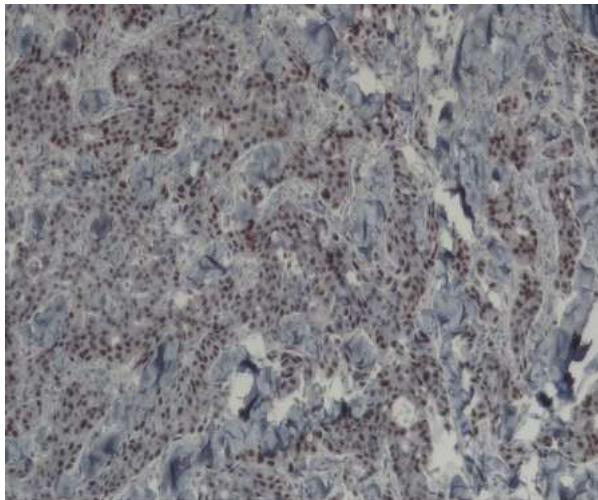
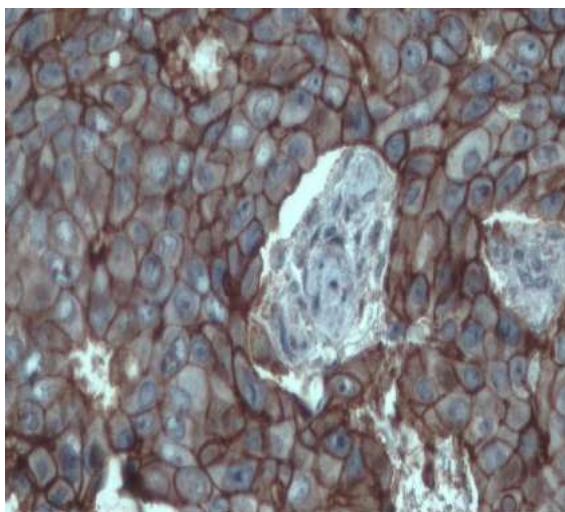 Figure 2: PR Positive Tumor Cells (x40) Figure 3: HER-2 Expressed as Strong Membrane Staining (3+)
Molecular testing in breast cancer has transcended the realm of futuristic possibilities and has become an essential component of present-day patient care. The advent of multigene assays has sparked a paradigm shift in the management of early-stage, hormone receptor-positive (HR+) breast cancer. Sophisticated tools such as Oncotype DX, MammaPrint, Prosigna, and Breast Cancer Index go beyond traditional clinicopathological parameters' constraints by meticulously analyzing multiple genes' collective expression patterns . This in-depth analysis, akin to deciphering the molecular blueprint of a tumor, yields a wealth of clinically actionable insights. For instance, the Oncotype DX test examines the expression of 70 genes to determine the likelihood of breast cancer recurrence and offers guidance on adjuvant therapy. Similarly, the MammaPrint test evaluates 70 genes to classify breast cancer into subtypes and predict the risk of recurrence. In addition, BRCA testing identifies mutations in the BRCA1 and BRCA2 genes, which may elevate the risk of developing breast and ovarian cancer .
2.1 Next-Generation Sequencing (NGS)
NGS provides a comprehensive view of a tumor's genetic alterations by examining its entire genome. NGS is ushering in an era of comprehensive genomic profiling and personalized medicine . Unlike traditional targeted assays, NGS panels can simultaneously analyze thousands of genes, unraveling the intricate genetic landscape of tumors in unprecedented detail. NGS surpasses the limitations of single-gene analyses by revealing a broader spectrum of mutations and genomic alterations, including rare mutations, driver mutations in unconventional pathways, and complex chromosomal rearrangements. This capability has paved the way for identifying novel therapeutic targets, such as mutations in genes like ESR1 and ERBB2/HER2 amplifications, leading to targeted therapies like aromatase inhibitors and antibody-drug conjugates .
2.2 Guiding Clinical Trial Design
The comprehensive data generated by NGS panels is invaluable for stratifying patients for clinical trials with targeted therapies or novel immunotherapy agents. By identifying specific genetic aberrations or molecular signatures associated with response, NGS can optimize clinical trial design and accelerate the development of personalized treatment options for patients with unique genomic profiles.
Tailoring Treatment Strategies: With a deep understanding of the tumor's genetic makeup, NGS empowers clinicians to develop personalized treatment plans beyond traditional clinicopathological parameters. This knowledge can guide the selection of targeted therapies, optimize chemotherapy regimens, and inform decisions regarding adjuvant therapy based on individual risk profiles . For instance, identifying BRCA1/2 mutations may guide the use of PARP inhibitors, while ERBB2/HER2 amplifications may indicate the potential benefit of trastuzumab-based therapy .
2.3 Unlocking Novel Therapeutic Targets
The ever-expanding library of mutations and alterations detected by NGS fuels the discovery of novel therapeutic targets. NGS paves the way for developing new drugs and targeted therapies for specific molecular pathways in breast cancer by identifying actionable genomic aberrations . This ongoing research holds immense promise for expanding the armamentarium of available treatments and improving outcomes for patients with diverse genomic profiles . To make the most of NGS for managing breast cancer, it's essential to overcome certain obstacles. Interpreting and integrating data from NGS generates large amounts of complex information requiring robust computational tools and algorithms to analyze and integrate clinical factors accurately. .
2.4 The Changing Tumor Environment
Tumor heterogeneity demands dynamic profiling techniques that account for the evolution of the genomic landscape and adjust treatment strategies accordingly. One of the most compelling applications of multigene profiling lies in its ability to predict the risk of cancer recurrence [28]. By meticulously quantifying the expression of genes associated with cell proliferation, invasion, and drug resistance, these assays provide a nuanced assessment of future disease dissemination. This information empowers clinicians to stratify patients into distinct risk categories, optimizing adjuvant therapy decisions. For patients classified as low risk based on multigene profiling, the potential benefits of chemotherapy may be outweighed by the associated toxicities, allowing for treatment de-escalation and improved quality of life. Conversely, for patients classified as high-risk, more aggressive adjuvant regimens can be tailored to combat the heightened threat of recurrence effectively [29].
Furthermore, multigene assays possess the unique ability to predict the potential benefit of chemotherapy in individual patients. By comprehensively evaluating the interplay between tumor genomic expression and clinical characteristics, these tests can identify patients unlikely to experience a significant survival advantage from chemotherapy. This personalized approach spares patients from unnecessary toxicities and significantly reduces healthcare costs . The clinical significance of multigene profiling goes beyond merely identifying the risk and predicting treatment outcomes. These assessments provide valuable insights into the classification of tumor subtypes, further refining our comprehension of breast cancer heterogeneity . By investigating into the molecular foundations of each tumor, multigene profiling can pinpoint subtle differences within traditional subtypes, such as luminal A and B. This enhanced level of detail enables the development of more targeted treatment plans tailored to the unique molecular profile of each tumor. Multigene profiling has become a fundamental aspect of personalized medicine in early-stage HR+ breast cancer. By meticulously examining the molecular landscape of the tumor, these assessments empower clinicians to make evidence-based treatment decisions, optimize clinical outcomes, and minimize unnecessary therapeutic burden. As our understanding of tumor biology and multigene data analyses continues to evolve, we can anticipate further enhancements to these powerful tools, ultimately leading to a future of truly personalized cancer care .
2.5 Utilizing Molecular Sequencing
Ductal carcinoma in situ (DCIS), a non-invasive precursor to invasive breast cancer, presents a challenging clinical dilemma. While it is not an immediate threat, DCIS has the potential to progress to invasive disease . This brings up the critical question: How do we navigate the treatment options for DCIS, balancing the potential benefits of aggressive treatment against the risk of overtreating low-risk cases? This is where Oncotype DX DCIS and DCISionRT, two advanced molecular assays, emerge as invaluable tools for guiding the way forward. These assays surpass the limitations of traditional clinicopathological factors by deeply into the molecular mechanisms of the tumor . A rigorous analysis of the expression patterns of multiple genes associated with cell proliferation, invasion, and resistance to therapy provides a detailed and personalized risk assessment for the recurrence of DCIS. This prognostic information forms the cornerstone of treatment decision-making for patients diagnosed with DCIS .
Oncotype DX DCIS primarily focuses on stratifying the risk of recurrence. Categorizing patients into distinct risk groups (low, intermediate, or high) provides crucial guidance on the necessity of adjuvant radiation therapy. For patients identified as low risk by the test, radiation therapy can be safely omitted, sparing them from unnecessary side effects and potential psychological distress . Conversely, Oncotype DX DCIS is a valuable tool for optimizing treatment strategies for high-risk patients. It may reveal the need for more aggressive approaches, such as additional surgery or more intensive radiation regimens, to effectively mitigate the elevated risk of recurrence. DCISionRT, however, goes beyond mere risk stratification . It can uniquely predict the potential benefit of adjuvant radiation therapy. By considering both the inherent aggressiveness of the tumor, as revealed by gene expression, and the specific clinical characteristics of the patient, DCISionRT identifies patients who are unlikely to experience a significant survival advantage from radiation. This personalized approach enables clinicians to tailor treatment plans for each individual and reduce healthcare costs by eliminating unnecessary interventions. Furthermore, Oncotype DX DCIS and DCISionRT can contribute to refining tumor classification. By providing insights into the underlying molecular landscape of DCIS, these assays help identify subtle variations within traditional subtypes, potentially informing the development of more precise and targeted treatment strategies .
The field of genomic tools in the context of early-stage breast cancer is constantly evolving, with novel companion diagnostics taking center stage in personalized medicine. While multigene assays such as Oncotype DX and MammaPrint have excelled in prognosis and treatment de-escalation, the emergence of companion diagnostics designed to guide targeted therapies represents a significant shift in cancer care . A prime example of this shift is the identification of PIK3CA mutations, which are present in around 20% of breast cancers, particularly in those classified as luminal HR+. These mutations are associated with aggressive tumor behavior and resistance to standard therapies . However, the development of PIK3CA inhibitors like alpelisib and buparlisib offers hope. Companion diagnostics designed to detect PIK3CA mutations enable identifying patients who can significantly benefit from these targeted therapies, paving the way for a more precise and effective treatment approach .
Similarly, NTRK fusions, though rare in breast cancer, represent another actionable target. These gene rearrangements produce a chimeric protein with oncogenic properties, driving tumor growth and progression. Precision drugs like entrectinib have shown remarkable efficacy in targeting NTRK fusions across various tumor types, including breast cancer. The role of companion diagnostics is crucial in identifying patients harboring these rare alterations, offering them access to transformative targeted therapies that were previously unimaginable .
The implications of companion diagnostics extend beyond individual success stories. This approach could optimize resource allocation by directing targeted therapies toward patients most likely to respond. This approach could minimize unnecessary exposure to ineffective treatments and related costs while potentially leading to superior response rates and progression-free survival compared to conventional therapy. Additionally, patients benefit from companion diagnostics by gaining insight into their tumor's genomic profile and potential treatment options, allowing them to engage in informed discussions about their care and fostering a sense of agency and autonomy . Unlike traditional therapies, which directly target tumor cells, immunotherapy engages the immune system to recognize and eliminate cancerous cells. To navigate this new frontier, specialized assays have been developed to guide patient selection and predict treatment responses in a personalized manner .
One significant element in this evolving scenario is PD-L1 expression analysis. PD-L1, a protein expressed on both tumor cells and immune cells, acts as an immunosuppressive checkpoint molecule, hindering the antitumor activity of T cells. Immunohistochemistry assays employing specific antibodies quantify PD-L1 expression on tumor cells. Patients with high PD-L1 expression are considered potential candidates for anti-PD-L1 therapy, which activates the T cell response and unleashes their ability to combat the tumor [49]. This personalized approach, guided by PD-L1 expression testing, optimizes treatment efficacy while reducing exposure to ineffective therapies. The significance of various tumor-intrinsic markers in identifying the immunological vulnerability of tumors, mainly focusing on markers such as PD-L1 expression, microsatellite instability (MSI), mismatch repair deficiency (MMRd), and tumor mutational burden (TMB). These markers serve as valuable indicators of a pre-existing antitumor immune response, suggesting their potential to predict the responsiveness of tumors to immunotherapy [50-53]. Moreover, the text emphasizes the clinical implications of incorporating these immunological markers, such as improved patient selection and enhanced treatment monitoring, as well as the challenges associated with fully leveraging the potential of these emerging assays, including the need for standardization of testing protocols and interpretation criteria .
III. DRAWBACKS OF MULTIGENE ASSAYS
In breast cancer treatment, multigene assays provide clinicians with a diverse array of tools to help make informed treatment decisions. However, each assay has its own set of unique strengths and limitations, making it crucial for clinicians to have a distinct understanding of their capabilities to select the most appropriate assay for their patients. The four prominent multigene assays: Oncotype DX, MammaPrint, Prosigna, and Breast Cancer Index.
3.1 Oncotype DX
Widely recognized and validated, this assay predicts prognosis and determines whether treatment can be scaled down. It focuses on proliferation genes and hormone receptor activity, enabling accurate risk stratification for early-stage, hormone receptor-positive breast cancer . For patients identified as low risk by Oncotype DX, the potential benefits of chemotherapy may not outweigh the associated side effects, empowering clinicians to spare them from unnecessary treatment confidently. However, it may only partially capture the aggressive potential of tumors driven by pathways other than proliferation .
3.2 Mamma Print
Unlike Oncotype DX, MammaPrint emphasizes analyzing genes associated with epithelial-mesenchymal transition and extracellular matrix remodeling to assess invasion and tumor aggressiveness. This makes MammaPrint particularly sensitive in identifying high-risk tumors that may benefit from more aggressive therapeutic approaches. However, its focus on proliferation may overlook low-risk tumors suitable for less aggressive treatment .
3.3 Prosigna
Taking a holistic approach, Prosigna integrates gene expression analysis with clinical factors such as tumor size, nodal involvement, and age. This comprehensive perspective results in a multifaceted risk assessment, providing valuable insights beyond proliferation or invasion. Prosigna's strength lies in its ability to cater to a broader range of patients, including those with triple-negative or HER2-positive tumors, where other assays may offer limited information . However, its complexity makes careful interpretation and integration with clinical context essential.
3.4 Breast Cancer Index (BCI)
Focusing on a specific niche, BCI utilizes a unique algorithm to predict the likelihood of response to endocrine therapy . This provides valuable information for tailoring treatment plans for patients with hormone receptor-positive tumors. However, BCI's predictive power primarily lies in this context, limiting its applicability in other scenarios .
Selecting the most suitable assay involves evaluating various factors, including tumor characteristics (subtype, stage, hormone receptor status), patient preferences, and physician expertise. Ultimately, the optimal multigene assay selection is a collaborative decision between the clinician and patient, considering the individual benefits and limitations of each tool, the specific clinical context, and patient preferences (Figure 4). As research continues to improve existing assays and introduce new ones, clinicians must stay abreast of developments to ensure patients receive the most precise and personalized care available.
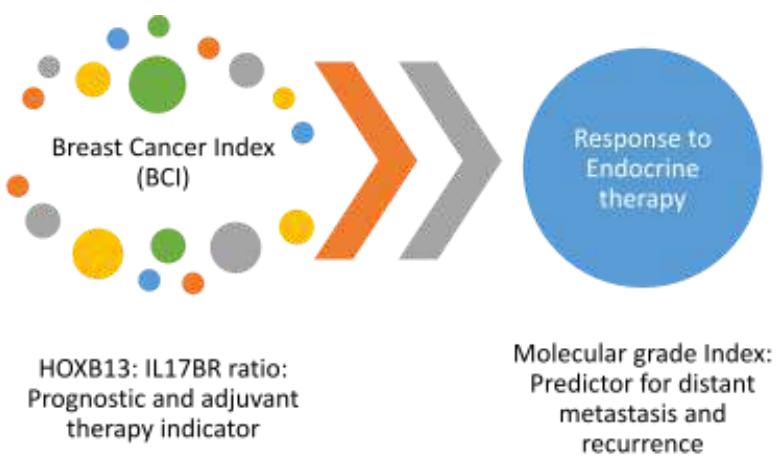 Figure 4: "Breast Cancer Index Rationale
IV. LEVERAGING ARTIFICIAL INTELLIGENCE (AI) FOR BREAKTHROUGHS IN BREAST CANCER MOLECULAR GENETICS
Artificial intelligence (AI) has emerged as a transformative and formidable influence in shaping clinical diagnosis, drug discovery, and patient care in the contemporary medical landscape. AI systems possess the remarkable ability to analyze vast datasets of medical records, radiological and histological images, and genomic data stored within healthcare institutions. They present crucial insights that empower us to recognize, quantify, and correlate complex patterns within data. Implementing AI-driven analysis fosters more accurate and personalized patient diagnoses, informs research initiatives for novel drug therapies, and facilitates the development of effective, multidisciplinary treatment plans for chronic diseases .
Medical imaging has exceptional potential within the spectrum of promising AI applications in modern medicine. AI-powered algorithms are now being developed to achieve superior accuracy and sensitivity in identifying cancerous cells and other lesions within medical images. This technical advance is promising for early diagnosis and treatment intervention, with beneficial patient outcomes . Breast cancer research is a field that can profit immensely from the integration of AI-powered molecular analysis. By harnessing the power of AI to analyze vast quantities of genetic data, researchers can gain deeper insights into the complex mechanisms that initiate breast cancer and sustain its progress. Such knowledge is foundational to developing targeted therapeutics that are precision zeroed in on breast cancer cells .
Though imaging modalities have been pivotal in the early detection and clinical staging of breast cancer, they present challenges in clinical practice. The burgeoning volume of imaging data generated during breast cancer diagnosis inflicts a significant work burden on radiologists. Further quality limitations and ambiguity of imaging can compromise diagnostic accuracy. Moreover, the subtle complexity of the disease presentations often necessitates combined imaging and clinical data analysis for comprehensive evaluation .
Radiologists now use computer-aided diagnosis (CAD) as an efficient tool to interpret medical images and highlight and evaluate noticeable/suspicious lesions to support accurate clinical diagnoses and decisions. As an early form of AI, advancements in CAD led to the development of more flexible and versatile analyses, particularly image-based artificial intelligence (AI) techniques. These AI-powered methods significantly augment the clinical value of CAD in breast cancer diagnosis .
Reliable CAD methods coupled with high-performance computing are crucial to ensure accurate diagnoses. The underlying computational techniques directly influence the accuracy of interpretation of these systems. Therefore, optimizing the performance of AI-based breast cancer screening and diagnosis is paramount in effectively supporting radiologists' work [66].
Radiology and pathology are witnessing a paradigm shift with the introduction of digital workflows and AI. The expansile era of precision medicine demands decidedly accurate and comprehensive diagnostic tests. The emergence of digital imaging and Picture Archiving and Communication Systems (PACS), along with whole slide images (WSI) and digital pathology, has significantly reshaped diagnostic medicine, with the emergence of a merged single novel entity of the "information specialist" as a suggested new role for pathologists and radiologists [67].
AI systems have remarkably developed over the past two decades, progressing from machine learning (ML) to deep learning (DL) to transformer models capable of integrating multimodal data as inputs. Convolutional Neural Networks (CNNs) represent a famous DL image-analysis architecture . Their ability to extract spatial and contextual information from images through multiple convolutional layers offers a significant advantage. When trained on comprehensive, labeled datasets, CNNs can perform tasks such as segmentation, prediction, and detection with exceptional accuracy and efficiency. Transfer learning, a valuable DL technique, establishes foundational capabilities for image-related tasks. By leveraging pre-trained models developed using large datasets, transfer learning facilitates the transfer of learned features and representations to new tasks with limited labeled data. This approach improves performance and reduces the need for extensive training from scratch .
AI systems have demonstrated superior performance to human experts in predicting long-term breast cancer risk and patient prognosis. In breast pathology, AI algorithms have successfully been implemented for various tasks, including cancer detection, classification, histologic grading, lymph node (LN) metastasis detection, biomarker quantification, and even the prediction of genetic abnormalities such as BRCA mutations .
While computer-aided diagnosis (CAD) systems have found widespread application in mammography, conventional programs relying on prompts to highlight potential lesions have yet to improve diagnostic accuracy demonstrably. Innovations in machine learning, particularly the emergence of deep learning architectures like multilayered convolutional neural networks (CNNs), have significantly transformed the field of artificial intelligence (AI). These advancements have led to noteworthy upgrades in the predictive capabilities of AI models . Deep learning algorithms have been successfully applied to mammography and digital breast tomosynthesis (DBT) in recent years .
Current deep learning algorithms exhibit promising performance, approaching the level of human radiologists in cancer detection and risk prediction within mammography. Nevertheless, these fruitions could be improved by a need for robust clinical validation. Consequently, the optimal integration of deep learning's potential to optimize clinical practice remains to be determined. Further development of deep learning models tailored explicitly for DBT analysis is essential, calling for the collection of vastly extensive and comprehensive databases to facilitate practical training . Despite these limitations, deep learning is anticipated to play a pivotal role in the future of DBT, with applications potentially extending to the generation of synthetic images .
V. IDENTIFYING GENETIC DRIVERS OF BREAST CANCER
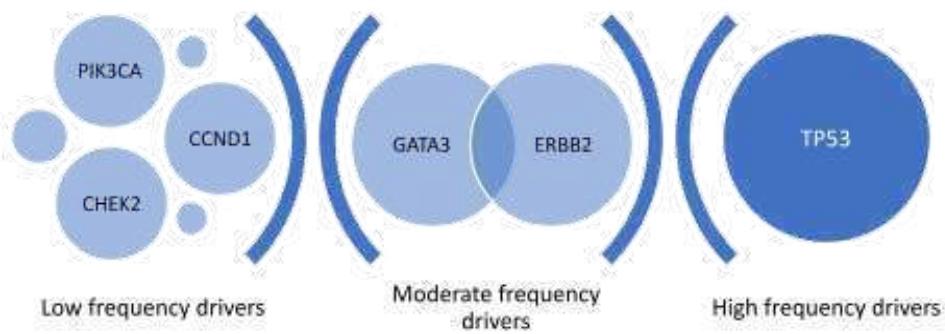
AI can analyze large datasets of genetic mutations to identify patterns and correlations. Researchers can thus pinpoint specific genes or combinations of genes that program breast cancer development-crucial knowledge to develop targeted therapies. Oncology has entered uncharted waters where the integration of medical imaging and genomics, facilitated by the transformative power of AI, has significant potential for rapid and accurate evaluation of a patient's tumor genetic status. Researchers are actively exploring the development of radiometric signatures (Figure 5). These AI-derived signatures, based on the analysis of data from imaging modalities such as computed tomography (CT), positron emission tomography (PET), magnetic resonance imaging (MRI), mammography, and digital tomosynthesis, hold promise for the non-invasive prediction of genetic alterations within tumors [63,65,67].
Furthermore, these AI-enabled macro-level imaging biomarkers can be leveraged to assess treatment response and patient prognosis. Notably, some AI-powered tools have demonstrated diagnostic performance comparable to or surpassing that of human experts. Within the domain of pathology, the gold standard for genetic testing, AI is seen as a valuable tool to augment the efficiency of pathologists in interpreting complex molecular profiles. Therapeutic approaches could be highly personalized for breast cancer patients. Several challenges, though, remain to be addressed, such as the widespread clinical adoption of AI-powered tools in the field. Critical evaluation and attention to these challenges will ultimately allow the potential of this transformative technology to be achieved .
 Figure 5: Genetic Drivers of Breast Cancer Based on Frequency and Intensity
Oncologists have long envisioned AI's transformative potential in delivering highly personalized cancer care. This vision is steadily materializing due to a confluence of scientific developments. These include the continued refinement of machine learning (ML) and deep learning (DL) algorithms, the exponential growth and diversification of healthcare databases, including multi-omics data, and the declining cost of massively parallelized computing power . Within AI, two primary paradigms guide model development: symbolic AI (SAI) and data-driven AI (DAI). Symbolic AI, grounded in human expertise, utilizes human-readable symbols and "if-then" rules to arrive at conclusions. This approach is particularly suited for deterministic situations where explicit knowledge encoding is effective . SAI empowers them to reason and reach informed judgments by incorporating human knowledge and rules into computer systems. In essence, SAI leverages pre-defined regulations to arrive at conclusions, requiring minimal to no learning from data (Figure 6).
In contrast, the data-driven AI paradigm draws upon historical data as a form of experience. This data is used to develop mathematical equations that generate intelligent decisions. The informed AI (IAI) concept bridges the gap between SAI and DAI approaches. IAI integrates human-domain expertise into the model development process to create the target variable (i.e., data annotation) and enhance model interpretability . Data-driven AI plays a pivotal role in cancer research. However, ensuring data security and privacy while performing inferences from encrypted data presents a challenge. Protopia AI's Stained-Glass Transforms offer a promising solution by mitigating the risk of sensitive data leakage during analysis. These transformations are compatible with various formats, including tabular data, text, images, and videos .
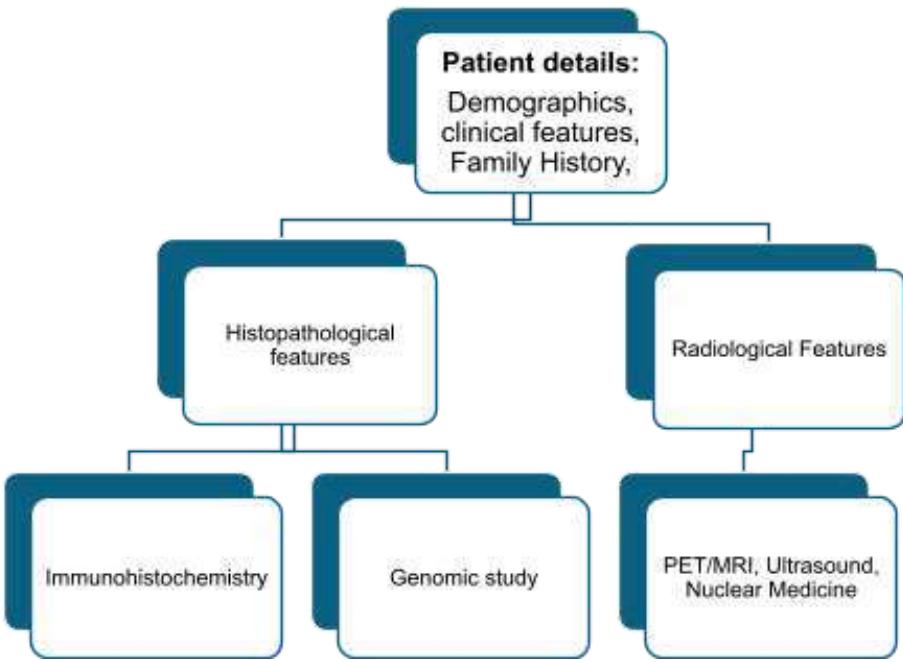 Figure 6: Algorithm in Data-Driven AI Paradigm
The availability of open-source healthcare data has empowered researchers to develop cancer identification and prognosis tools. Machine learning and deep learning models offer reliable, rapid, and efficient solutions for addressing challenges in cancer treatment, mainly when applied to distributed datasets. Federated learning models represent an advanced approach to distributed data analysis. Several emerging techniques are promising for clinical applications: whole-blood, multi-cancer detection using deep sequencing, virtual biopsies, Natural Language Processing (NLP) for inferring health trajectories from medical records, and advanced clinical decision support systems integrating genomics and clinomics data .
Oncology has traditionally relied on evidence-based medicine scoring systems for various aspects of cancer management, including risk assessment, diagnosis, prognostication, treatment selection, and surveillance. These systems have evolved from basic light microscopy observations to more sophisticated techniques like gene expression profiling and next-generation sequencing of somatic and germline genomes. AI is further opening doors to exploring synergistic drug combinations for cancer treatment . In breast cancer, AI straddles the arenas of screening, diagnosis, tumor staging, treatment, and follow-up, encompassing response status disease progression and relapse [65]. AI is revolutionizing breast cancer research by offering powerful tools to analyze complex genetic data and translate those findings into actionable insights for patient care. One key area of impact lies in risk stratification. AI algorithms can analyze a patient's genetic profile alongside other clinical factors to predict their risk of developing breast cancer. This information empowers healthcare professionals to implement personalized prevention strategies, such as increased screening for high-risk individuals [62,67].
Furthermore, AI is transforming the landscape of drug discovery and development. By analyzing vast libraries of molecules and patient data, AI can identify potential drug targets and predict the effectiveness of existing or newly developed therapies. This significantly accelerates the drug discovery process, paving the way for more effective treatments to reach patients sooner. Understanding tumor heterogeneity is another crucial aspect of breast cancer research. Breast tumors often exhibit genetic heterogeneity, meaning different tumor parts may harbor distinct mutations. AI's ability to analyze this complex data provides valuable insights into how these mutations interact and contribute to tumor progression. This knowledge is instrumental in developing more effective treatment strategies targeting the specific mutations within each patient's tumor [65.69].
Finally, AI plays a vital role in analyzing gene expression. AI can analyze the expression levels of thousands of genes within a tumor sample. This information helps researchers understand the biological pathways involved in cancer development and identify potential biomarkers . These biomarkers can be used for more accurate diagnosis and personalized treatment selection, ultimately improving patient outcomes.
VI. TARGETED PHARMACOTHERAPEUTICS
Most breast cancers, around 90%, test positive for estrogen, progesterone, and human epidermal growth factor receptor 2 (HER2) proto-oncogene. Targeted treatments for these receptors have improved survival rates, but resistance to these treatments is common, leading to cancer recurrence or progression. The remaining 10% of breast cancers do not have these receptors (triple-negative), and there are no established targeted drugs for this group yet. Therefore, finding new targeted therapies for triple-negative breast cancer is a crucial challenge. Preclinical studies on the mechanisms of resistance to standard therapies have identified promising targets, including mTOR Inhibitors, PI3K inhibitors, TKIs, monoclonal antibodies, and Immune Checkpoint Inhibitors.
6.1 Mtor Inhibitors: These Include Everolimu , Temsirolimus and Sirolimus
Everolimus is used in postmenopausal women with ER-positive and HER2-negative metastatic breast cancer that is resistant to aromatase inhibitors. It is taken in combination with endocrine therapy to improve progression-free survival. Everolimus works as an oral inhibitor of rapamycin and is generally well-tolerated. Common side effects include fatigue, rash, stomatitis, hyperlipidemia, hyperglycemia, myelosuppression, and non-infectious pneumonitis. Adjusting or reducing the dosage can resolve most of these side effects. It's important to be alert to the drug's dose-related toxicity to allow timely interventions.
The BOLERO-2 study added everolimus to exemestane, significantly improving progression-free survival rates for patients. There was a 57% reduction in hazard ratio, with observed medians of 6.9 months for everolimus plus exemestane compared to 2.8 months for exemestane alone. These results were confirmed through an independent, blinded radiologic assessment and were consistent across all subgroups . Another study involving neoadjuvant everolimus with letrozole in patients with newly diagnosed breast cancer showed reduced tumor-cell proliferation and improved clinical response rates compared to letrozole treatment alone . In a recent randomized, phase 2 study of 111 postmenopausal women with ER-positive advanced breast cancer who were previously treated with an aromatase inhibitor, the combination of everolimus and tamoxifen was associated with significantly improved progression-free survival compared to tamoxifen alone (8.6 months vs. 4.5 months, P=0.002) and improved overall survival (median not reached vs. 24.4 months, P=0.01). Based on the data from these studies, everolimus seems to enhance the anticancer activity of antiestrogen therapy across various clinical settings for breast cancer patients .
Temsirolimus (TEM) functions by inhibiting the phosphorylation of mTOR within cancer cells, promoting autophagy in the targeted cancer cells. Furthermore, TEM serves as an antifungal agent by enhancing the solubility of water-soluble rapamycin and addressing its low pharmacokinetic properties. mTOR is crucial in regulating cancer cell response to growth factors, survival, and proliferation. In breast cancer cells, upregulated mTOR activity accelerates tumorigenesis and angiogenesis and inhibits autophagy [80]. This effect has also been observed in patients with renal cell carcinoma, contributing to improved prognosis and 10-year survival rates. According to recent studies, TEM has shown enhanced anti-tumoral activity in various cancers, including medulloblastoma, neuroectodermal tumors, and pancreatic carcinomas. Park SS et al. found that TEM suppresses tumors in breast cancer cells and enhances CD8+ T cell-mediated anti-cancer effects by reducing levels of PD-L1 in breast cancer-derived sEV. Furthermore, combining TEM and anti-PD-L1 increased the number and activity of CD4+ and CD8+ T cells in tumors and Distant Lymph Nodes of immunocompetent mice with breast cancer. This suggests that TEM, previously used as a targeted anti-cancer drug, can potentially be developed as a new anti-cancer therapy that can effectively enhance cancer treatment by suppressing sEV PD-L1 secretion and improving the immune system in the body.
The drug TEM was found to have a documented objective response rate of 9.2% and a median time to tumor progression of 12 weeks. In heavily pretreated patients with locally advanced or metastatic breast cancer, both 75 mg and 250 mg temsirolimus showed antitumor activity, while the 75 mg dose also exhibited a generally tolerable safety profile [84]. The drug's efficacy was consistent across low and high doses, but drug toxicity was more common at higher doses. The adverse effects of TEM, based on frequency, included grade 4 depression (10% of patients at the 250-mg dose level, 0% at the 75-mg dose level), mucositis (70%), maculopapular rash (51%), nausea (43%), leukopenia (7%), hyperglycemia (7%), somnolence (6%), thrombocytopenia (5%), and depression (5%) [85].
Sirolimus, a specific mTOR antagonist, targets the PI3K/Akt/mTOR pathway and inhibits downstream signaling elements. When administered at low doses (2 mg/day) for short-term (5–7 days) treatment, sirolimus has been shown to significantly reduce p16INK4A, COX-2, and Ki67, which are predictive biomarkers of breast cancer progression. Early-phase clinical studies have explored its safety in breast cancer patients, and its tolerability makes it an attractive alternative to everolimus. However, the effectiveness of sirolimus in HR-positive advanced breast cancer remains uncertain and requires further investigation in breast cancer patients. Reported adverse reactions to sirolimus in past studies vary significantly depending on disease progression and treatment duration [86].
In advanced cancer patients, sirolimus has been associated with hyperglycemia, hyperlipidemia, lymphopenia, anemia, and diarrhea as the most common adverse effects. The spectrum of adverse effects of sirolimus differs from that observed with everolimus. Other common adverse effects include fatigue, leukopenia, neutropenia, and increased ALT or AST levels. A study conducted by Yi et al. indicated that the toxicity of 2 mg/day sirolimus was tolerable for advanced breast cancer patients [87]. However, these adverse effects may be underestimated in retrospective studies, and further validation through prospective randomized clinical studies is necessary.
6.2 PI3K inhibitors: These include Alpelisib, Taselisib, and Pictilisib
Alpelisib- The proliferation, differentiation, and survival of cancer cells are mainly determined by the PI3K/AKT/mTOR pathway. The breast cancer cells frequently harbor based on PIK3CA gene alterations, constituting an essential site for targeted drug therapy. However, it has engaged in many clinical trials globally to demonstrate this activity and attain regulatory approval from the FDA. Patients diagnosed with PIK3CA-mutated type of breast cancers benefit from PI3K inhibitor therapy. Alpelisib selectively inhibits PIK3 in the PI3K/AKT kinase signaling pathway, inhibiting the activation of the PI3K signaling pathway [88]. Alpelisib has better drug tolerance compared to other PI3K inhibitors. The common adverse effects include rash, hyperglycemia, and diarrhea that can be regulated and curtailed by intensive drug monitoring and timely intervention, allowing breast cancer patients to adhere to and extract the beneficial effects of the drug clinically. Based on the literature studies, alpelisib, in conjunction with endocrine therapy, has shown favorable drug efficacy for treating postmenopausal advanced breast cancer patients with ER+, PR+, and HER2-receptor status [89].
Alpelisib has shown better drug efficacy in breast cancer patients after disease progression who are on first-line endocrine therapy with or without combining with CDK4/6 inhibitors. PIK3CA mutation testing can be done upon diagnosing
ER+, PR+, and HER2-advanced breast cancer by utilizing either the circulating DNA from the tumor cells or the tumor tissue. Alpelisib has been of potential benefit to all eligible patients following pertinent drug toxicity management and careful patient selection [90]. Alpelisib has been assessed for fruitful combinations of hormone therapy with mTOR, PI3K, AKT, and CD4/6 inhibitors in other histological subtypes of breast cancer in women and men.
Taselisib is a potent PI3K inhibitor used in patients with PIK3CA-mutated advanced breast cancer. When combined with endocrine therapy, it has been proven to improve prognosis. The SANDPIPER trial analyzed circulating tumor DNA (ctDNA) from PIK3CA or PIK3CA mutated breast cancer patients. The study found no detectable mutations in baseline ctDNA [91]. Tumor fraction estimates, and top mutated genes were further analyzed for their association and outcomes. In patients with PIK3CA mutated breast cancer, ctDNA treated with a combination of taselisib + fulvestrant showed shorter progression-free survival when tumor suppressor gene protein p53 and fibroblast growth factor receptor-1 alterations were identified within the tumor cells, compared to patients with Nonsense-mediated mRNA decay in their genes. Conversely, in patients with PIK3CA mutated breast cancer, ctDNA revealed harboring a neurofibromin 1 (NF1) alteration with a high baseline tumor fraction estimate showed an improved tumor response when treated with a combination of taselisib and fulvestrant compared to fulvestrant and placebo combination [92].
Overall, changes in estrogen receptor (ER), PI3K, and p53 pathway genes were linked to resistance to the combination of taselisib and fulvestrant in individuals with PIK3CA mutation in circulating tumor DNA. In summary, the study has shown the influence of genetic alterations on outcomes using a sizable clinical-genomic dataset of patients with ER-positive, HER2-negative, and PIK3CA-mutated breast cancer treated with a PI3K inhibitor [93].
Pictilisib Approximately 40% of hormone receptor-positive, HER2-negative breast cancers are linked to activating mutations of the PI3K pathway. Pictilisib, a specific and robust class I pan-PI3K inhibitor, has shown preclinical activity in breast cancer cell lines. It can enhance taxanes' effectiveness, benefiting patients regardless of their PI3K pathway activation status. Preclinical data indicates that the PI3K pathway plays a vital role in estrogen receptor-positive breast cancer. Combining PI3K inhibitors with endocrine therapy may help in overcoming resistance .
A preoperative study was conducted to determine if adding the PI3K inhibitor pictilisib could enhance the antitumor effects of anastrozole in primary breast cancer. The study aimed to identify the most suitable patient population for combination therapy. Pictilisib is a potent and selective pan-inhibitor of class I PI3K family members that can be taken orally, and it inhibits the p110α, p110β, p110δ, and p110γ subunits of PI3K. It binds to the adenosine triphosphate (ATP)-binding pocket of PI3K, preventing the formation of phosphatidylinositol (3,4,5)-trisphosphate (PIP3), a key signaling intermediary downstream of PI3K. In a phase I open-label dose-escalation study involving patients with advanced solid tumors, pictilisib demonstrated anti-tumor activity, on-target pharmacodynamic activity, and an acceptable safety profile at doses of ≥100 mg [95].
In the OPPORTUNE study trial, the addition of pictilisib to anastrozole in patients with preoperative early breast cancer showed a significantly increased anti-proliferative response compared with anastrozole alone. Moreover, the combination of pictilisib with weekly paclitaxel was well tolerated and demonstrated effective anti-tumoral activity in breast cancer patients. This document also reports the results of a phase II trial, which evaluated the addition of pictilisib to paclitaxel compared with paclitaxel plus placebo in treating patients with locally recurrent or metastatic HER2-negative, hormone receptor-positive breast cancer .
6.3 TKIs: include Lapatinib, Neratinib and Tucatinib
Lapatinib is a tyrosine kinase inhibitor (TKI) that competes with intracellular ATP to block the HER2 signal, thereby preventing phosphorylation and downstream changes in molecular pathways. Due to its unique mechanisms compared to monoclonal antibodies, lapatinib has an advantage in overcoming drug resistance . In an Alternative III clinical study, patients treated with lapatinib + trastuzumab + aromatase inhibitors (AIs) experienced significantly longer median progression-free survival (PFS) than those treated with AI and trastuzumab. Furthermore, patients treated with AI and lapatinib had a longer median PFS than those treated with trastuzumab + AI (8.3 months vs. 5.6 months). However, in the ALLTO trial, trastuzumab was more effective than lapatinib. The combination of lapatinib with trastuzumab therapy has been reported to be more effective than trastuzumab therapy alone. The CHER-Lob and TRIO-US Bo7 trials showed that trastuzumab plus lapatinib treatment results in a better pathologic complete response outcome.
Additionally, ALTTO showed that in disease-free survival, there were no significant differences among the lapatinib plus trastuzumab, trastuzumab, and lapatinib therapy groups, although the combination group exhibited higher toxicity. Hence, it has yet to be conclusively determined whether the efficacy of trastuzumab plus lapatinib or lapatinib therapy is equal to trastuzumab therapy .
Neratinib is a small molecule that works as an irreversible inhibitor of HER1/2/4. It binds to the tyrosine kinase domain and blocks its interaction with adenosine triphosphate (ATP), stopping receptor phosphorylation. Neratinib can reverse multidrug resistance by affecting ATP-binding cassette (ABC) transporters. It disrupts the activity of ligand-phosphorylated HER2 and EGFR and inhibits downstream signaling of the Mitogen-activated protein kinase (MAPK) and AKT pathways. The primary pathways it affects include the RAS-RAF-MEK-ERK and PI3K-AKT-mTOR pathways, which regulate cell proliferation and apoptosis. Additionally, Neratinib can downregulate the expressions of other RTKs and mutant RAS proteins. It effectively inhibits the proliferation of EGFR- and HER2-expressing cell lines, leading to G1-to-S-phase cell cycle arrest and apoptosis. Positive human epidermal growth factor receptor 2 (HER2) expression is associated with an increased risk of metastases, particularly to the brain, in patients with advanced breast cancer [99].
Neratinib, a type of tyrosine kinase inhibitor, can disrupt the transmission of HER1, HER2, and HER4 signaling pathways, showing an anti-cancer effect. Additionally, Neratinib has been effective in reversing drug resistance in breast cancer patients who have previously shown resistance to HER2 monoclonal antibodies or targeted drugs. It has been tested in various scenarios, including neoadjuvant, adjuvant, and metastatic settings, alone and in combination with other treatments. Neratinib, known for its anti-cancer solid activity, is recommended for extended adjuvant treatment of HER2-positive early breast cancer. It is also used in combination with other drugs such as trastuzumab, capecitabine, and paclitaxel for the treatment of advanced HER2-positive breast cancer, particularly in cases with central nervous system (CNS) metastasis to lower the risk of breast cancer recurrence. The most common side effect of neratinib was gastrointestinal toxicity, primarily diarrhea. In breast cancer patients, the response rate to neratinib was , and it was even higher when combined with other anti-HER2 agents (e.g., 63% when combined with T-DM1). Phase 1 data laid the groundwork for subsequent phase 2 studies to determine the effectiveness and safety of neratinib-based regimens more accurately. The maximum tolerated dose (MTD) of neratinib in phase 1 studies was 320 mg/day, but further clinical experience indicated unacceptable rates of diarrhea. Therefore, for the Phase 2 studies, a 240 mg/day dose was used as monotherapy [100].
Tucatinib is a highly selective small molecule inhibitor of the HER2 tyrosine kinase that has shown significant clinical benefits in advanced settings. It has demonstrated a remarkable
1000-fold increase in potency for HER2 inhibition compared to the estimated glomerular filtration rate. Furthermore, tucatinib has shown minimal induction of estimated glomerular filtration rate-related toxicities when used in combination-type studies. Importantly, it has proven effective in treating brain metastases, a significant challenge in advanced disease. The recent HER2CLIMB trial reported a 46% improvement in 12-month progression-free survival and a substantial increase in the objective response rate when tucatinib was combined with trastuzumab and capecitabine, compared to placebo. Although the combination of tucatinib and immunotherapy has not been explored clinically, evidence suggests that anti-HER2 agents may influence the immune microenvironment. Due to this potential, further investigation is needed to assess the impact of combination therapy on extending durable remissions in advanced disease and improving cure rates in the early-stage setting [102].
6.4 Monoclonal Antibodies
Trastuzumab is a humanized monoclonal antibody designed to target the HER2 receptor, which is overexpressed by some cancer cells, precisely 25 to 30% of breast cancers. It works by inhibiting the growth of tumor cells that overexpress HER2 by binding to the high-affinity domain of HER2. A well-designed multicenter study found that adding Trastuzumab to either an anthracycline plus cyclophosphamide or paclitaxel as first-line therapy for metastatic breast cancer significantly increased objective response rate, time to disease progression, duration of response, and overall survival compared to chemotherapy alone. When used as a single agent, Trastuzumab resulted in an objective response in 15% of extensively pretreated patients and 26% of previously untreated patients with metastatic breast cancer overexpressing HER2 [103].
Trastuzumab has demonstrated synergistic effects with various chemotherapy agents in preclinical studies, but the optimal clinical combination has yet to be identified. Most patients tolerate Trastuzumab well, although acute fever, chills, and potential cardiac issues are notable adverse reactions. Serious adverse events, such as anaphylaxis and mortality, have been reported in 0.25% of patients. Additionally, symptomatic or asymptomatic cardiac dysfunction occurred in 27% of patients receiving anthracycline and cyclophosphamide in combination with Trastuzumab and 13% of those receiving Trastuzumab with paclitaxel. For patients receiving Trastuzumab alone, the occurrence was 4.7% [104].
Trastuzumab, when used alone or in combination with chemotherapy, has been shown to significantly improve the average time before disease progression and overall survival in patients with metastatic breast cancer that overexpresses HER2. However, there is a risk of heart problems, especially in patients with existing heart issues, older patients, and when used with or after anthracyclines. Trastuzumab can be used with paclitaxel as the first option for treatment or on its own for second or third-line treatment for patients with metastatic breast cancer overexpressing HER2. Ongoing research is focused on finding the best combination of Trastuzumab with other anticancer medications and the most effective timing, sequence, and duration of treatment in both pre-surgery and post-surgery settings .
Pertuzumab, a monoclonal antibody targeting the HER2 extracellular domain II region, is an innovative drug that effectively prevents HER2 heterodimerization and blocks the receptor-mediated signal transduction pathway. When used alongside trastuzumab, pertuzumab complements its action mechanism, resulting in a more potent blocking effect on HER2 downstream signaling. This combination has significantly enhanced treatment effectiveness in HER2-positive breast cancer patients while avoiding increased cardiotoxicity [106]. The US FDA has approved pertuzumab for various applications, including as a first-line treatment for HER2-positive advanced breast cancer, preoperative neoadjuvant therapy in early breast cancer patients, and treatment of patients with HER2-positive metastatic breast cancer who have not received prior anti-HER2 therapies or chemotherapy for metastatic diseases. Furthermore, pertuzumab was approved for adjuvant treatment of HER2-positive early breast cancer in 2019. Overall, pertuzumab represents a significant advancement in the treatment of HER2-positive breast cancer across all stages [107].
Margetuximab, or MGAH22 or margetuximab-cmkb, is an advanced human/mouse chimeric and Fc-engineered monoclonal antibody explicitly targeting the HER2 receptor. This distinct antibody has a unique binding profile compared to trastuzumab, with increased affinity for CD16A (FcγRIIIA) and reduced affinity for CD32B (FcγRIIB), leading to enhanced antibody-dependent cellular cytotoxicity (ADCC) and improved immune response activation. In December 2020, the US FDA approved the use of margetuximab in combination with chemotherapy for patients with metastatic HER2+ breast cancer who have previously undergone two or more HER2-targeted treatments based on the positive results from the SOPHIA trial. The approval marked a significant milestone, as margetuximab could moderately improve progression-free survival compared to trastuzumab in combination with chemotherapy. Ongoing studies are actively exploring the expanded role of margetuximab in various therapeutic settings, including early-stage breast cancer and gastrointestinal malignancies, representing a promising advancement in cancer treatment research [109].
6.5 Immune Checkpoint Inhibitors: Include Atezolizumab and Pembrolizumab
Atezolizumab Immunotherapy has emerged as a powerful tool in the fight against cancer by bolstering the body's immune response. Recent advances in immunotherapy, such as immune checkpoint inhibitors (ICIs), cytokines, adoptive T cell therapy (ACT), and cancer vaccines, have shown great potential in providing significant clinical benefits while causing minimal immune-related adverse events. Specifically, high immunogenicity breast cancers, including triple-negative and HER2-negative subtypes, have displayed remarkable responsiveness to ICI therapy. By targeting the PD-1/PD-L1 interaction, these therapies aim to activate cytotoxic T effector cells against breast cancer cells. Ongoing research into the role of the PD-1/PD-L1 interaction within the breast cancer microenvironment is crucial. Recent findings have underscored the safety and effectiveness of combining anti-PD-1/L1 antibodies with systemic therapies like chemotherapy, targeted therapies, and radiotherapy. Atezolizumab, a carefully engineered PD-L1 inhibitor, has been designed to block the interaction of the PD-L1 ligand with its receptors, PD-1 and B7.1, thereby preventing antibody-dependent cellular cytotoxicity (ADCC) against T cells [111].
In March 2019, atezolizumab made history as the first immune checkpoint inhibitor to receive FDA approval specifically for the treatment of breast cancer, mainly when used in combination with nab-paclitaxel. The significant IMpassion 130 trial showed substantial improvements in progression-free survival and overall survival with interim analysis, resulting in the approval of the atezolizumab and nab-paclitaxel combination for the treatment of metastatic triple-negative breast cancer and unresectable locally advanced breast cancers. Atezolizumab, a new immunosuppressive inhibitor that targets the PD-L1 molecule within the tumor microenvironment, has shown significant clinical activity in metastatic TNBC. This marks a major milestone as the first FDA-approved ICI for advanced TNBC. Moreover, when combined with chemotherapy, atezolizumab has demonstrated enhanced antitumor immunity compared to its modest activity as a single agent [112].
Pembrolizumab is a PD-1 protein inhibitor. PD-1 protein is expressed on immune effector cells, such as T cells, B cells, natural killer cells, tumor-infiltrating lymphocytes (TILs), and dendritic cells. The interaction of PD-1 with PD-L1/L2 ligand leads to a decreased immune response. Pembrolizumab, a humanized monoclonal antibody, works by hindering this interaction, thereby preventing the blunting of the immune response against cancer cells. Studies have shown that pembrolizumab monotherapy has durable antitumor activity in advanced triple-negative breast cancer, with improved clinical responses observed among patients with higher programmed death ligand 1 (PD-L1) expression. The phase 3 KEYNOTE-355 trial investigated whether adding pembrolizumab could enhance the anti-tumor effects of chemotherapy for patients with previously untreated locally recurrent, inoperable, or metastatic triple-negative breast cancer. However, some critical questions remain, such as identifying which patients would truly benefit from adding pembrolizumab, determining the optimal duration of therapy, and deciding on the best adjuvant therapy based on the pathologic response. Interim analysis data from a prespecified study showed that chemotherapy plus pembrolizumab significantly prolongs cancer-free survival compared to placebo plus chemotherapy among patients with a PD-L1 combined score of 10 or more. The combined positive score (CPS) is calculated by dividing the number of PD-L1--staining cells (tumor cells, lymphocytes, and macrophages) by the total number of viable tumor cells and multiplying the result by 100 [113].
VII. CONCLUSION: UNVEILING THE BLUEPRINT OF BREAST CANCER - A MOLECULAR REVOLUTION IN THERAPEUTICS
The landscape of breast cancer management has undergone a seismic shift with the advent of molecular and genetic profiling. These intricately woven tools, encompassing gene expression analysis, mutation detection, and copy number analysis, have shattered the one-size-fits-all archetype, revealing the intricate blueprint of individual tumors. This newfound knowledge of tumor biology fuels a personalized medicine revolution, empowering clinicians to tailor treatment strategies with unprecedented precision and optimize outcomes for each patient.
Multigene assays like Oncotype DX, MammaPrint, Prosigna, and Breast Cancer Index have risen as cornerstone tools, unlocking the doors to prognostication, treatment de-escalation, and targeted therapy selection. By dissecting the complex interplay of genes within a tumor, these assays guide decisions on chemotherapy necessity, predict response to endocrine therapy, and identify actionable mutations for targeted therapies like PARP or CDK4/6 inhibitors. This stratified approach minimizes unnecessary toxicity, maximizes treatment efficacy, and improves patient quality of life. Beyond multigene assays, many tools like PIK3CA mutation testing, NTRK fusion detection, and PD-L1 expression analysis illuminate specific facets of the tumor's immunogenicity and potential for response to immunotherapy. This personalized approach to immunotherapy harnesses the power of the immune system to specifically target and eradicate tumors, offering a beacon of hope for patients who traditionally do not respond to conventional therapies.
However, the full potential of this revolution necessitates addressing existing challenges. Data interpretation and integration, standardization of testing protocols, and ensuring equitable access to these technologies remain crucial hurdles to overcome. Moreover, the dynamic nature of tumors necessitates the development of proactive approaches that can track tumor evolution and guide treatment adjustments in real time. In conclusion, molecular and genetic profiling marks a transformative chapter in breast cancer management. By unveiling the tumor's unique genetic blueprint, these powerful tools pave the way for personalized treatment strategies, optimized outcomes, and a future where each patient receives the most effective guideline-directed care possible. As research continues to refine these technologies and overcome existing challenges, we can envision a future where breast cancer is not a singular entity but a constellation of diverse tumor profiles; each met with a personalized therapeutic response. This is the promise of the molecular revolution in breast cancer: unveiling the blueprint, tailoring the therapy, and ultimately, conquering the disease.
Funding
No external funding source or grant was received.
Institutional Review Board Statement
Not applicable.
Informed Consent Statement
Not applicable.
Data Availability Statement Data sharing is not applicable.
ACKNOWLEDGMENTS
Nil
Conflicts of Interest
The authors declare no conflicts of interest.
Conflict of Interest
The authors declare no conflict of interest.
Ethical Approval
Not applicable
Data Availability
The datasets used in this study are openly available at [repository link] and the source code is available on GitHub at [GitHub link].
Funding
This work did not receive any external funding.
References
Cite this article
Related Research


Special Issue
Launch a focused special issue to highlight research, emerging trends, and expert insights in your academic field.
