





IntelliPaper
Abstract
Beyond subtleties, the inimical challenges of corporate working, ratcheting peevish politics, and, needless to say, ignorance of leadership qualities may have unwarranted hostile work environments. This paper intends to analyze it all threadbare.
In today's business settings, the combination of office politics and the absence of essential leadership traits can lead to significant issues that negatively impact the performance of organizations and the well-being of employees. Many companies struggle to foster a culture of effective communication and teamwork, often allowing political issues to shape employee behavior and decision-making. Ignoring or overlooking important leadership skills necessary to foster an encouraging and supportive workplace exacerbates this problem. If leaders don’t focus on developing these skills, they may unintentionally create an environment filled with confusion and rivalry instead of teamwork. Additionally, the effects of these issues become clearer when looking at different views on corporate meetings and team interactions, as shown in studies about tech workers preferring one-on-one meetings instead of large group ones [citeX]. These preferences highlight the need for leadership that focuses on inclusion and efficiency, which can lead to better teamwork and productivity in organizations.
A detailed look at problems in corporate environments shows several key points that highlight how important leadership qualities are and how much political interactions matter. The study finds that not understanding essential leadership traits causes mismanagement and also harms organizational morale and productivity. Furthermore, research demonstrates that external factors such as corruption in global business exacerbate these issues, as companies that fail to recognize the impact of such practices on their strategies often exacerbate their weaknesses ([81]). Furthermore, research on the relationship between multinational companies and resource-rich developing nations reveals that political tactics often overshadow ethical governance, perpetuating inefficiencies within organizations ([82]). In the end, the combination of poor leadership understanding and political involvement stands out as a major challenge, calling for a review of corporate governance structures to promote better and more ethical leadership practices. The theme illustrates the challenges of handling political situations in business.
Explore Digital Article Text
I. INTRODUCTION
1.1 Definition of corporate working
Corporate work is intricate and multifaceted, requiring individuals and teams to collaborate towards achieving company objectives while navigating various structures, dynamics, and power dynamics. The core of corporate work involves the relationships between employees, management, and outside stakeholders, highlighting the need for common values and positive communication. Hester and Young point out that having a cultural business plan based on solid organizational values is key to improving business resilience and flexibility . However, political actions among leaders can affect this environment, leading to a workforce that feels disconnected from the company's goals. Moreover, not recognizing and developing necessary leadership skills can worsen these issues, leading to lower morale and productivity among team members. Understanding these dynamics is essential for building a positive corporate culture and achieving operational efficiency. Furthermore, insights on meeting effectiveness emphasize that having clear communication and shared goals is crucial for effective corporate work.
1.2 Overview of leadership qualities
Understanding excellent leadership qualities is essential for dealing with the difficulties in business. Important traits like emotional intelligence, resilience, and effective communication play key roles in creating a productive workplace. For example, emotional intelligence helps leaders handle relationships wisely and with compassion, supporting teamwork instead of competition. Resilience helps leaders deal with setbacks and keep team spirits up during challenging times. Findings from also demonstrate that treating workers with respect significantly boosts productivity, underscoring the significance of these traits in leadership. Moreover, strong leaders can work well with diverse teams, using different viewpoints to find creative solutions. By developing these leadership traits, companies can lessen the negative impacts of internal politics and ignorance, leading to better performance overall. Examining global citizenship and intercultural understanding can deepen our understanding of these qualities, emphasizing the importance of respect and empathy in diverse work environments.
1.3 Importance of addressing politics in the workplace
In any work setting, workplace politics is an important factor that can affect employee morale, productivity, and the overall culture of the organization. Understanding and managing these political dynamics can either help or hurt a company's ability to create a positive work atmosphere. Tackling workplace politics is necessary to reduce negative effects, as it sets the stage for fair practices and encourages positive leadership qualities in management, which are vital for building a cooperative and innovative workforce. According to the qualitative thematic analysis from Al-Ghosons' experiences, the issues of gender discrimination and unconscious bias show the consequences of overlooking the political environment in corporate structures ([5]). Additionally, advocacy efforts seen on platforms like Instagram demonstrate the necessity for planned discussions about equity, stressing that shining a light on political issues is vital for developing informed leadership and promoting inclusiveness ([6]). Therefore, having open conversations about workplace politics is key to building a clear and empowering organizational culture. Using visual aids can further highlight these dynamics, emphasizing the connections between values and skills necessary for effective global citizenship within the corporate setting.
1.4 The impact of ignorance on leadership effectiveness
Lack of knowledge in leadership poses a significant challenge to ethical governance in companies, allowing harmful habits to grow unchecked. When leaders don't pay attention to their environment—either by ignoring different employee views or not keeping up with learning—their decision-making can become very narrow. For example, spiritual leadership ideas, like those studied in Vietnam, highlight how important it is for leaders to adopt lessons of compassion and wisdom; not doing this means losing chances for real connections and growth ([8]). Furthermore, research on teaching methods reveals that traditional methods often result in inadequate learning outcomes, illustrating how a leader who fails to embrace new ideas may also halt their progress [7]. Therefore, when ignorance replaces knowledgeable, flexible practices, it undermines the long-term effectiveness of leadership, resulting in ongoing inefficiencies and a lack of trust among teams. Studies that examine team performance numbers provide a recent example, demonstrating a strong correlation between improved communication and knowledgeable leadership and increased overall productivity.
1.5 Purpose and significance of the research
Understanding corporate dynamics is crucial for enhancing organizational performance, particularly because workplace politics often overshadow leadership qualities. This research aims to demonstrate how political actions can overshadow these leadership traits, thereby harming employee morale and the integrity of the organization. By looking at case studies and leadership practices in different corporate settings, this study highlights the importance of strengthening leadership skills to create better organizational cultures. Additionally, the findings will build on the discussion about teaching methods that are effective for leadership education, as noted in earlier research on instructional methods . This research aims to fill gaps in current literature and provide useful insights into building better leadership frameworks that can withstand corporate politics, leading to stronger and more innovative organizations. The image, which illustrates the complexities of global citizenship in business environments, underscores the connection between leadership qualities and ethical behavior in modern workplaces.
1.6 Research questions to be explored
A thorough look at leadership in companies requires the creation of important research questions that clarify the connection between company culture, leadership skills, and overall success. In particular, questions may focus on how different leadership styles affect employee satisfaction and work quality, especially in settings marked by political divides and a lack of understanding regarding effective leadership. For example, studying the link between authentic leadership styles and company culture might show how cultural values influence leadership success, which in turn affects company performance ([12]). Additionally, it would be useful to look into changing views on leadership roles, as seen in talks about moving from inspirational leadership to a focus on delivery [11]. This kind of research would not only enrich academic discussion but also offer valuable insights for companies aiming to create environments that support effective leadership and better employee involvement. Addressing these questions could significantly enhance our understanding of the challenges faced in modern corporate environments.
1.7 Structure of the essay
A well-structured essay is crucial when discussing complex topics such as the challenges of working in corporations, particularly when incorporating politics and a lack of understanding of leadership qualities. Every part should help make a strong argument, starting with a clear introduction that explains the main issues—specifically, the gap between ideals of leadership and what happens in organizations. In the main section, facts and analysis should consistently support the main idea by demonstrating the detrimental impact of political strategies on the performance of leaders. For example, different ways of learning, such as traditional and fast-paced methods, can lead to different results for organizations, as shown in leadership education (cite 14). Finally, the conclusion should bring together the points made, emphasizing the need for a change in corporate culture that focuses on relationships instead of strict hierarchies. This change can foster improved decision-making, thereby enhancing the organization's strength and effectiveness, as demonstrated in the following examples.
II. THE ROLE OF POLITICS IN CORPORATE ENVIRONMENTS
Political factors often greatly influence corporate settings, impacting workplace culture and employee relationships. Managing corporate politics requires a thorough understanding of these factors, as they significantly influence decision-making processes and the performance of leaders. Research on workplace culture shows that the cultural setup in a company is closely linked to how power and influence are shared, which affects performance results ([15]). The complex interactions of groups, rivalries, and ways of communicating among staff can either create a supportive work environment or increase conflicts, making it harder to achieve company goals. Additionally, leaders who do not understand political issues may find it tough to effectively support their teams and advance projects. Thus, knowing how politics plays a role in corporate spaces is important not just for strong leadership but also for fostering a setting that lessens the difficulties brought by political strategies. An in-depth look at these factors shows the need to develop knowledgeable and genuine leadership styles . The relationship between personal skills and corporate politics also prompts inquiries into the comprehension and achievement of organizational success.
2.1 Definition of workplace politics
In the complex world of business, workplace politics is a complicated situation that includes behaviors, power dynamics, and relationships among people in a company. Informal networks and friendships often demonstrate how workplace politics impact decision-making and shape the organization's culture, potentially resulting in positive or negative outcomes. The mix of personal goals and professional interactions creates a competitive environment where individuals try to move up in the company to fulfill their interests. Recent studies from the ILR School demonstrate that an understanding of faculty communication, as evidenced by their high publication rates, provides a valuable example of how academic goals interact with company dynamics . Likewise, the active roles of IT workers show that managing political situations well can improve teamwork and innovation, which helps to highlight important leadership skills [18]. Recognizing and addressing these political details is necessary for creating a more open and effective workplace.
2.2 Types of political behavior in organizations
Organizational political actions reveal numerous patterns that significantly impact the functioning of workplaces and the overall performance of organizations. Workers usually build relationships and networks to create alliances, using informal power systems to do their jobs properly. According to [19], promoting respect and fair treatment among staff can enhance productivity and workplace spirit, highlighting the value of positive political actions in organizations. On the other hand, negative political actions, like manipulation and selfish strategies, can lead to a harmful work atmosphere that damages teamwork and trust. In addition, the relationship between gender diversity and teamwork, as explained in [20], shows how political actions can be influenced by systemic elements, indicating that organizations need to carefully handle these situations to support inclusivity. Therefore, recognizing and dealing with different political actions within company cultures is vital for effective leadership and long-lasting organizational well-being.
Types_of_Political_Behavior_in_Organizations
| Behavior | Description | Prevalence_percentage |
| Coalition Formation | Employees band together to influence decision-making and policy. | 45 |
| Political Maneuvering | Individuals use strategic actions to gain advantage or prevent others from gaining power. | 30 |
| Information Control | Withholding or manipulating information to gain an upper hand. | 60 |
| Influencing Key Decision-Makers | Establishing relationships with influential leaders to sway decisions. | 55 |
| Gossip and Rumor-Mongering | Spreading unverified information to undermine others' credibility. | 38 |
| Sabotage | Deliberate obstruction of others' efforts to achieve objectives. | 20 |
2.3 Effects of politics on employee morale
Navigating the complicated landscape of workplace relations, especially in a corporate environment, shows the big influence of political actions on employee morale. When leaders do not create an inclusive atmosphere, workers might feel more isolated and less engaged. Without genuine respect and decency, these feelings intensify, potentially leading to various forms of harassment and ultimately disrupting trust and teamwork among employees [21]. Additionally, the need to conform to leadership's political goals can suppress creativity and lower job satisfaction, leading to a workforce that is less driven and productive. Effectively handling diversity and accepting different viewpoints does not just improve workplace culture; it also relates directly to how engaged employees are and how often they leave the company . Therefore, understanding the complex effects of internal politics is key for leaders who want to create a healthy organizational atmosphere. This insight clearly highlights these workplace dynamics, adding more detail to the complexities of employee feelings regarding corporate politics.
| year | percentage_of_employees_reported_low_morale | percentage_of_employees_engaged | percentage_of_employees_reporting_burnout |
| 2020 | 45 | 37 | 60 |
| 2021 | 50 | 35 | 62 |
| 2022 | 48 | 36 | 58 |
| 2023 | 52 | 30 | 65 |
2.4 Influence of politics on decision-making processes
Political factors often complicate decision-making in companies, posing significant challenges for effective leadership. Political interests often take the place of merit-based thinking, leading leaders to make choices that serve their own or their group's needs instead of what's best for the organization. This political scene can also create bias, where decisions depend on friendships or conflicts rather than fair evaluations. As mentioned in [23], real leaders gain their leadership not just by doing regular work but by taking brave actions in tough times. Corporate operations become even more challenging when political games conceal leadership traits. Looking at how to manage teams of millennial workers, noted in , shows clearly that the gap in ethical decision-making, driven by a careless take on social responsibility, slows down group progress. Thus, handling the mix of politics and decision-making is a major hurdle for effective corporate governance. The graphic in , showing the deep connections between political groups and institutional power, highlights the need to tackle these political factors for better decision-making.
| Company | Politics Influence Score | Leadership Quality Ignorance Score |
| Company A | 75 | 60 |
| Company B | 50 | 70 |
| Company C | 85 | 50 |
| Company D | 40 | 80 |
| Company E | 65 | 55 |
2.5 Strategies for navigating corporate politics
Making successful plans for handling corporate politics needs a clear understanding of how people interact in companies. Building a strong network is very important; this means creating real relationships at different levels of the organization while participating in teamwork opportunities. Having empathy and emotional intelligence is key, helping leaders to foresee the needs and worries of their coworkers, which makes interactions and resolving conflicts easier. Additionally, improving persuasive communication skills can greatly impact decision-making, as seen with executive nurses who use their knowledge of the healthcare field to help achieve strategic goals while staying in line with the organization's priorities [26]. Furthermore, being aware of the current political situation helps professionals find important influencers and supporters, aligning their goals with the larger organizational plans. In the end, successfully navigating corporate politics leads to better environments for ongoing teamwork and innovation, highlighting the necessity for strong leadership abilities in complicated situations .
| Strategy | Importance Rating | Success-Rate |
| Mentorship Programs | 4 | 75 |
| Conflict Resolution Training | 5 | 80 |
| Transparent Communication Channels | 5 | 85 |
| Cross-Department Collaboration | 4 | 70 |
| Leadership Workshops | 5 | 90 |
| Regular Feedback Mechanisms | 4 | 78 |
| Diversity and Inclusion Initiatives | 5 | 88 |
III. CASE STUDIES ILLUSTRATING POLITICAL CHALLENGES
Many case studies reveal complex leadership and governance issues in businesses. A key example is Huda Al-Ghoson, a trailblazing Saudi woman working as an executive at Saudi Aramco who faced tough challenges related to her gender in a male-dominated field. Her experience highlights the difficulties of dealing with cultural biases while aiming for leadership positions, a theme also noted in the research from . Additionally, the obstacles she faced, including unconscious bias and systemic sexism, mirror broader political issues that affect how organizations perform in various sectors. This case highlights individual strengths and points to the necessity for companies to create inclusive and supportive atmospheres. Good leadership goes beyond just having technical skills; it requires understanding the complex political environment that shapes company culture, which calls for effective leadership and fair practices within organizational frameworks, as shown in the observations from [27]. The relationship between personal development and broader changes is central to tackling political issues in business settings. This illustrates the principles that promote global citizenship, which can positively affect corporate political environments.
Corporate Political Challenges Case Studies
| Case Study | Political Challenge | Impact | Source |
| Case Study 1: Company A | Leadership favors certain employees over others, leading to unrest. | Decrease in employee morale and productivity by 20%. | Harvard Business Review, 2023 |
| Case Study 2: Company B | Lack of transparency in decision-making, causing distrust | Increase in turnover rate by 15% within a year. | Forbes, 2023 |
| Case Study 3: Company C | Internal competition stifles collaboration across departments. | Project delays increased by 30%, affecting sales. | McKinsey & Company, 2023 |
| Case Study 4: Company D | Manipulation of performance metrics for personal gain. | Overall team performance dropped by 25% | Gartner Research, 2023 |
| Case Study 5: Company E | Promotions are based on personal relationships rather than merit. | Employee engagement scores fell by 40%. | Deloitte Insights, 2023 |
3.3 The relationship between politics and leadership effectiveness
In examining the relationship between politics and leadership performance, it is important to remember that leadership requires trust and teamwork among subordinates. Real leaders are not just defined by their positions but by how they act in tough times, showing their emotional intelligence and strong relationships with others [30]. In the business world, where politics play a big role, a leader's ability to handle complicated social situations can either make the organization more effective or create obstacles. Studies show a close link between a clear organizational culture and genuine leadership in achieving performance targets . Understanding this relationship underscores the importance of leaders fostering a transparent and positive political environment, to prevent workplace politics from overshadowing their leadership abilities. For further examination of this relationship, the portrayal of a political leader discussed in could be a helpful example, showing how political discussions shape views of leadership within organizations.
 Image1. Key Themes for 2024: Innovation and Global Issues
IV. IGNORANCE OF LEADERSHIP QUALITIES
In the business world, not paying attention to important leadership traits can really hurt how well an organization works. Failure to recognize and nurture these traits leads to poor handling of ethical issues and worsened decision-making. Good leadership involves more than just meeting targets; it also involves forming a team capable of handling complex issues. This requires strong ethical awareness and character development, as suggested by the proposal to shift business education to prioritize character development [31]. Also, the difference between old-school and modern teaching methods in leadership training shows that we need flexible leadership styles that improve understanding of personal relationships and ethics at work [32]. Ignoring key leadership qualities can cause big problems, like low employee spirits, less trust, and an inability to meet the growing complexities of the global market. This means companies must rethink how they approach leadership development. Supporting this point, a chart showing how tech workers view the usefulness of various meeting types demonstrates that clear communication and teamwork in leadership can fill gaps and improve team output.
4.1 Common misconceptions about leadership
Misunderstandings about leadership often come from a limited view of what effective guidance is in an organization. A common belief is that leaders should always be confident and decisive, leading to the idea that they must have constant charisma. This idea misses the value of showing vulnerability and empathy; successful leaders know it is important to connect with their teams as people. For example, as [33] shows, the changing world of political candidacy shows a growing acceptance of different leadership styles, especially those that focus on teamwork and inclusivity, which are essential for success today. Also, the notion that leadership is just about having authority ignores the teamwork aspect that is vital in today's business settings. Leaders need to create a culture of collaboration and trust, meeting the need for real conversations, which is very different from the traditional top-down management approach mentioned in [34]. Fixing these misunderstandings is key for developing strong leadership in business.
4.2 The impact of poor leadership on organizational culture
Leadership quality greatly impacts organizational culture, affecting employee morale and overall productivity. Team members can be disappointed by inadequate leadership, leading to a harmful environment characterized by mistrust and low engagement. When managers do not provide a clear vision or promote an inclusive atmosphere, employees tend to feel more frustrated and less motivated, which leads to poorer performance. Research shows that a strong organizational culture is vital for success, while weak leadership causes a disconnect in values and goals ([35]). Furthermore, several current leadership development programs frequently overlook the crucial context that underpins effective leadership, exacerbating this issue [36]. This disregard for leadership qualities not only stifles individual growth but also weakens the overall potential of teams, ultimately hindering organizational achievement and innovation. In this light, improving leadership skills becomes necessary for fostering a positive workplace culture, which is key to dealing with the complexities of today's corporate challenges.
4.3 Identifying essential leadership qualities
Good leadership depends on a mix of natural traits and learned skills that together create a productive work environment. Resilience is one key quality that helps leaders face challenges calmly, which builds trust among team members. Additionally, strong communication skills are crucial, enabling leaders to share their visions clearly and have important conversations, fostering a transparent culture. Empathy and emotional intelligence play a crucial role in leadership, fostering an environment that welcomes and values diverse viewpoints. As mentioned in Leadership at the Crossroads, seeing leadership as part of being human enriches this discussion, enabling leaders to move beyond old ideas and tackle current issues more effectively [37]. The combination of these traits not only boosts individual performance but also leads to greater organizational success in the complex business world.
4.4 Consequences of neglecting leadership development
Not having a strong leadership development plan in organizations can lead to serious problems that go beyond immediate performance issues. Organizations that do not prioritize leadership training often see lower employee engagement, lower morale, and higher turnover rates, which together weaken the overall company culture. Insights from suggest that when organizations ignore their moral duties, they risk facing systemic issues that can hurt their legitimacy and effectiveness, potentially leading to their downfall. A lack of effective leadership can also hinder the ability to manage complicated stakeholder relationships, highlighting the need for ethical strategies in tackling corporate performance issues. Moreover, ignoring leadership development can reduce the potential for innovation since talented employees may feel unsupported in working together. This creates a cycle that not only restricts growth but also creates a disengaged workforce, ultimately harming the organization's competitiveness in a fast-moving market. Therefore, neglecting leadership development leads to a chain reaction that negatively impacts every aspect of corporate performance.
V. THE ROLE OF TRAINING IN ENHANCING LEADERSHIP SKILLS
Effective training plays a crucial role in developing the leadership skills necessary to address issues arising from corporate politics and the absence of essential leadership traits. By creating a clear setting for learning and development, training programs can give new leaders the tools needed to handle complicated relationships and company structures. Studies show that using both traditional and new teaching methods can greatly improve how well leadership concepts stick [41]. Additionally, emphasizing teamwork and practical experience fosters the development of crucial skills such as empathy, communication, and strategic thinking, all essential for fostering an inclusive workplace culture. In the end, putting money into specific leadership training not only helps fix performance issues but also promotes a forward-thinking approach to the challenges of lack of knowledge in leadership roles. This aligns with the key aim of training leaders who can effectively support collective success within an organization ([42]).
5.1 Examples of successful leadership interventions
Good leadership actions often come from adjustments that deal with problems in organizations, especially in challenging business situations. A key example is starting mentoring programs that help people grow while also building team unity. A study looking at teaching methods shows that rapid learning strategies can increase engagement and help people remember information, matching well with effective leadership practices to boost organizational success ([43]). Additionally, leaders can use the power of civil organizations to improve global governance, promoting inclusiveness and skillfulness in decision-making ([44]). An organization that adopts these varied leadership actions is better able to tackle both internal and external issues, reducing the harmful impacts of political games and a lack of awareness about good leadership qualities. By capturing what makes leadership successful through examples like strong mentorship programs and teamwork in governance, companies can create atmospheres that not only support but benefit from diverse ideas. Adding a visual representation of leadership strategies, like a chart, could clarify how structured meetings enhance accountability and innovation in leadership actions.
5.2 The importance of self-awareness in leadership
Good leadership needs a lot of self-awareness, as it really shapes how a leader deals with the complexities of the business world. Leaders who have strong self-awareness can better see their strengths and weaknesses, which helps them have more honest and relatable interactions with their team. This openness builds trust since employees are more likely to engage with and back leaders who show real reflection and vulnerability. Studies show that self-awareness is key for making ethical decisions and building character in leadership roles . Also, being aware of one's own biases and triggers can help lessen the impact of political behavior in organizations, encouraging ethical actions and beneficial decision-making, especially in changing economies like Vietnam, where social challenges can affect how well leaders perform . Therefore, developing self-awareness not only boosts personal growth but also helps create a more cooperative and ethically focused workplace atmosphere. This awareness allows leaders to move past corporate politics, creating spaces where teamwork and creativity can flourish, as shown in research on how tech workers view the effectiveness of meetings.
VI. THE INTERSECTION OF POLITICS AND LEADERSHIP
Looking at how politics mixes with leadership shows important effects on how companies work. Good leadership in any group suffers when political issues dominate the key traits needed for success. Politicians usually focus on power and influence more than the overall good, making choices that benefit them personally over the success. Politicians usually focus on power and influence more than the overall good, making choices that benefit them personally over the organization. This situation can negatively impact businesses by fostering distrust and reducing efficiency. Weak leadership makes problems worse, pushing aside important traits like care, vision, and responsibility. This situation results in employees becoming disconnected from the organization's goals, increasing the lack of awareness about vital leadership qualities. The Rockefeller Foundation-Lancet Commission points out that not having urgency and clarity in policies can harm public health and governance, similar to what happens in companies where leaders ignore important matters ([47]). Thus, promoting real leadership traits in the midst of political tactics is essential for tackling these issues in business settings. Additionally, recognizing how different perspectives influence company culture can help close the gaps often caused by political bias, leading to more inclusive leadership approaches.
6.1 How political behavior affects leadership styles?
Leaders usually deal with complicated political situations that can change how they make decisions and interact with others. For example, leaders with transformational traits tend to create inclusive atmospheres, which help reduce the negative impact of politics in companies ([49]). On the other hand, leaders who use manipulative or autocratic methods may increase conflicts, which can harm morale and productivity. In addition, the experiences of female leaders in higher education show that organizational culture, shaped by political environments, impacts career paths and how leadership success is defined ([50]). This indicates the need to understand how political behavior shapes individual leadership styles and reveals larger systemic issues that may obstruct effective leadership development. Ultimately, tackling these political details can lead to fairer and more effective leadership styles in corporate settings. The referenced image emphasizes the political aspects that affect leadership, highlighting the complex link between power dynamics and leadership success.
Political behavior and leadership styles significantly affect how organizations work.
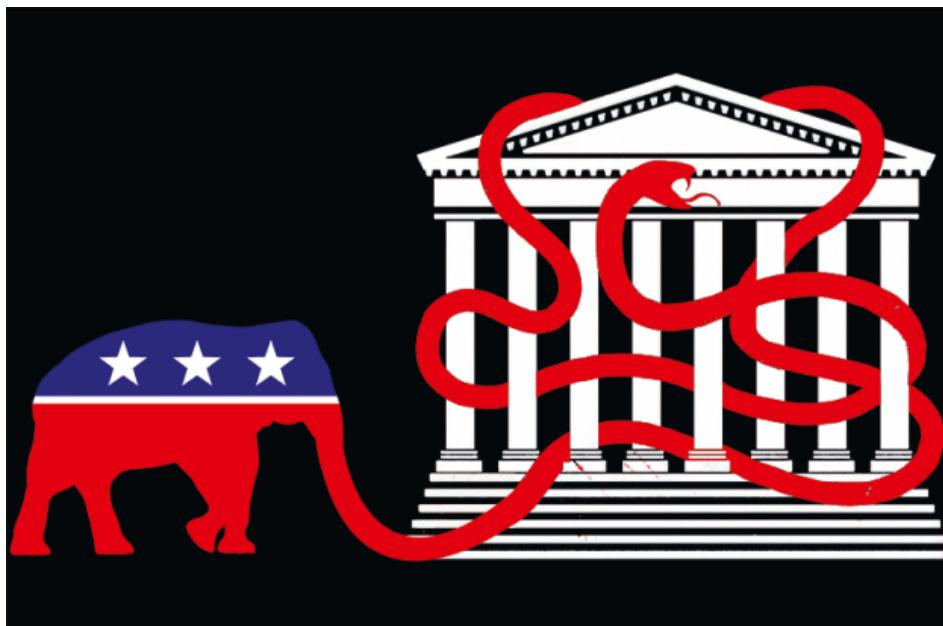 Image 2: Political Symbolism: The Relationship Between the Republican Party and Governmental Institutions
VII. THE ROLE OF EMOTIONAL INTELLIGENCE IN POLITICAL NAVIGATION
Dealing with difficult political situations in organizations needs more than just regular leadership skills; it increasingly depends on emotional intelligence (EI) as a key resource. Leaders with high EI can recognize and understand their own and others' feelings, which helps improve communication and teamwork in politically tense situations. This skill is crucial because organizations often encounter problems that require excellent interpersonal skills to handle conflicting interests and encourage collaboration. Recent studies have demonstrated that global leaders possessing strong intercultural skills can utilize their emotional intelligence to effectively resolve conflicts and inspire diverse teams, thereby enhancing organizational unity. Additionally, leaders skilled in emotional intelligence can wisely navigate the downsides of corporate politics, making it crucial in reducing misunderstandings about important leadership qualities. Therefore, enhancing emotional intelligence can assist leaders in navigating the intricacies of corporate politics, while simultaneously cultivating a culture of mutual understanding and shared values . The role of emotional intelligence in this area highlights its significance as a key factor for effective leadership amid corporate challenges.
7.1 Leadership challenges in politically charged environments
Leading in politically charged environments brings unique problems that can slow down organizational progress and weaken decision-making. The mix of personal politics and organizational hierarchies often leads leaders to use an authoritative style to keep control, as mentioned in [54]. Meanwhile, a democratic approach may help teamwork but could put off conservative stakeholders. In these situations, leaders must deal with immediate operational issues and also handle the tricky relationships that impact trust and credibility among their team. Without a clear strategy, these issues can worsen, causing miscommunication and disengagement among staff. Additionally, as shown in [53], bringing in diverse viewpoints, particularly from marginalized groups, increases the pressure on leaders to confront bias and past injustices while also promoting unity in the organization. These various challenges highlight the critical need for leaders to be adaptable and encourage inclusivity to successfully manage corporate politics' intricacies.
VIII. STRATEGIES FOR ETHICAL LEADERSHIP AMIDST POLITICS
In the complicated area of corporate politics, ethical leadership is essential for reducing conflicts and creating a culture of honesty. Leaders should focus on being transparent and having open conversations to gain trust from stakeholders, which can greatly improve team spirit and output. Also, knowing the context that affects corporate actions is key; recent studies show that political situations can allow unethical behavior to thrive if not managed . Hence, ethical leaders need to be aware of social values and ethical norms to handle these problems well. They should take a proactive approach to ensure their organizations follow ethical guidelines and show this in their rules and actions. This dedication can improve company culture, aligning it with wider societal expectations and leading to lasting success in a more politically charged corporate environment. Image 1 shows key values that ethical leaders should represent in order to fight against negative political effects.
Ethical Leadership Strategies and Their Impact
| STRATEGY | IMPACTPERCENTAGE | SOURCE |
| Transparent Communication | 78 | Harvard Business Review |
| Promoting Inclusivity | 75 | Deloitte Insights |
| Investing in Leadership Development | 82 | Gallup |
| Encouraging Whistleblower Protections | 70 | Ethics & Compliance Initiative |
| Establishing a Code of Ethics | 85 | Society for Human Resource Management |
8.1 The impact of organizational structure on political dynamics
Organizations' structural setups greatly shape their political dynamics. These setups dictate the flow of information, the allocation of authority, and the process of decision-making, all of which impact relationships and power distributions. For example, in hierarchical organizations, authority can become concentrated, causing power conflicts and political tactics among leaders. As mentioned, "true leaders emerge...through courageous acts exhibited during the organization's defining moments" [57], indicating that leadership traits become especially important in bureaucracies, where political tensions can increase when facing challenges. On the other hand, flatter structures may encourage teamwork and openness, reducing some of the conflicts usually linked with political actions. However, if organizations fail to adapt to required changes, they may encounter crises, indicating that leaders may find it challenging to effectively manage both change and relationships [58]. These dynamics show that organizational structure impacts not just results but also the quality of leadership and governance. Additionally, understanding the political implications is key to achieving lasting success and addressing internal challenges. Thus, as organizations change, recognizing the link between structure and political dynamics is critical for effective leadership and management practices
Impact of Organizational Structure on Political Dynamics
| Organizational Structure | Impact on Politics |
| Hierarchical | High level of bureaucracy leading to slow decision-making and power struggles. |
| Flat | Encourages open communication but may lead to unclear authority and role ambiguity. |
| Matrix | Creates dual reporting lines that can result in conflicts of interest and competing loyalties. |
| Networked | Fosters collaboration but can result in fragmented authority and diluted accountability. |
| Functional | Specialization can lead to siloed thinking, affecting collaboration and fostering departmental rivalries. |
IX. CASE STUDIES OF LEADERS WHO SUCCESSFULLY MANAGED POLITICS
Navigating corporate politics needs not just smart thinking but also strong leadership traits that connect with different stakeholders. Studies about successful leaders show that managing political situations well involves building real relationships and using organizational connections. For example, women in top leadership often face stereotypes that question their authority, but they apply transformative leadership styles to get past these challenges, as noted in a study on their career success . Likewise, HBCU presidents show how having a clear vision and engaging stakeholders can effectively support fundraising and institutional backing, leading to long-term growth . These examples show that effective political handling comes from a deep grasp of how organizations work, strengthening a leader's capability to motivate and guide while dealing with the intricacies of corporate culture. The need for strategic relationship-building is clear in the study of leaders who succeed by focusing on transparency and teamwork, showing the vital balance between corporate politics and efficient leadership. A helpful graphic showing different meeting types in tech companies further highlights how important communication strategies are for successful leaders to manage internal politics well.
9.1 The future of leadership in politically complex organizations
Dealing with the challenges in politically sensitive organizations requires a careful approach to leadership that goes beyond old methods. As organizations confront increased difficulties due to diversity and intersectionality, leaders need to have a strong grasp of the dynamics involved, especially concerning underrepresented voices in the workplace. White supremacy often limits the mainstream women's movement, underscoring the need to tackle these inequalities for true feminist freedom, a lesson that applies to business leadership [61]. Moreover, [62] examines the metaphor of navigating dangers, highlighting the need for leaders to adjust their strategies in response to unexpected political situations while promoting inclusivity. Future leaders must therefore focus on compassion and teamwork, using a variety of viewpoints to encourage participation and empowerment and ultimately create organizations that can handle political complexities. This flexibility is essential for ongoing growth and ethical leadership in today's business environment.
X. STRATEGIES FOR OVERCOMING CHALLENGES
Dealing with the challenges of corporate workplaces requires strong strategies aimed at overcoming problems, especially those related to poor leadership and office politics. By implementing structured feedback systems that foster clear communication at all levels, organizations can foster a culture of openness and responsibility, thereby mitigating the negative impact of inadequate leadership skills. Also, connecting leadership training programs to current business issues can give leaders the skills needed to handle political situations in the workplace, as shown in discussions about big challenges in business education [63]. These approaches not only improve individual skills but also increase overall understanding, helping organizations become more resilient. Additionally, highlighting the need for ethical leadership and decision-making can create an environment where employees feel safe to express their concerns, thus minimizing the risk of the organization being unaware of key issues [64]. These methods are crucial for facing the problems created by politics and lack of awareness in the corporate world.
10.1 Developing a culture of transparency
Efforts to improve how companies show their inner workings are crucial for tackling the widespread issues created by political tactics and ignorance about key leadership traits. A culture of openness builds trust among workers and encourages responsibility and ethical choices. Companies that promote clear talks about what they aim for, the difficulties they face, and how they make decisions are more capable of managing challenges and creating a teamwork-focused environment. This idea is backed by the fact that many Middle Income Countries lack credibility in the non-profit sector, partly due to not having a transparent culture ([65]). By creating a space for openness, a business empowers its employees and reduces the risks tied to false information and secrecy. Therefore, establishing rules that support transparency strengthens the organization's ability to handle internal and external challenges, boosting overall efficiency ([66]). Tech workers' preference for one-on-one meetings underscores the importance of clear communication pathways in fostering a transparent company.
10.2 Encouraging open communication among employees
A workplace that supports open talks among workers is key for teamwork and new ideas in a company setting. When companies focus on conversation, they break down the management barriers that usually block honesty and different opinions. Studies show that caring connections between workers improve both personal relationships and the larger goals of the organization [67]. This change happens when leadership moves away from an old-style command structure and instead supports inclusivity, letting all team members share their ideas and worries [68]. Also, regular check-ins and feedback meetings can help create a trusting environment where workers can share their thoughts and fears, which boosts involvement and loyalty. Evidence from tech industries shows that more casual and engaging meeting styles lead to greater perceived usefulness for teams; thus, promoting open talks is not just a guideline but a vital approach for thriving and growing in a changing business world.
10.3 Implementing leadership training programs
Leadership training programs are important for building excellent management skills in companies. They help teach employees key abilities like communication, emotional understanding, and making decisions. These programs deal with the common lack of knowledge about leadership qualities seen in workplaces. Importantly, this training can reduce risks tied to poor leadership, especially in the context of Industry 4.0, where winning requires both technology use and leaders' ability to handle economic and social issues ([69]). Additionally, having solid leadership training can create a culture of responsibility and teamwork, which supports the sustainable development goals focused on lowering inequalities in company structures ([70]). In the end, companies that focus on leadership training reduce problems from internal politics and improve overall work efficiency and employee happiness, leading to a strong company environment that supports growth and new ideas. For instance, a deeper understanding of leadership roles could have a positive influence on the adoption of technology, as demonstrated.
10.4 Fostering collaboration over competition
In today's corporate settings, putting teamwork ahead of competition is key to building a culture of innovation and shared achievements. By fostering a workplace that values collaboration and support among colleagues, businesses can lessen the harmful impacts of competition, which can hinder creativity and employee satisfaction. The Leading for Outcomes research shows that effective leaders create a space that encourages teamwork, helping people use their combined strengths and ideas [71]. Furthermore, with the rise of remote teams, adopting a collaborative approach is crucial to address challenges like distance and different cultural backgrounds. In such situations, strong leadership should focus on improving communication and trust in teams, essential elements for success [72]. Companies that prioritize collaborative practices will ultimately enhance productivity, foster a more inclusive and robust work environment, and lessen the isolation often resulting from competitive tensions.
10.5 Establishing clear organizational values
Today's corporate world faces many challenges, so clear organizational values are key for positive leadership. Real values guide decision-making and create a strong corporate culture where employees feel connected to the organization's goals. This connection is especially important in places like Vietnam's changing economy, where leaders combine local spiritual practices to deal with challenges, as shown in the initial study [73]. These organizational values should incorporate inclusivity, fairness, and cultural significance to address past injustices, as demonstrated by Mountainview Elementary [74]. Strong values help reduce problems caused by political and social pressures, allowing leaders to build a sense of trust and teamwork. Overall, when values are clear and put into action, they serve as a powerful tool to enhance understanding of leadership qualities, guiding organizations toward lasting success in a complex environment, as demonstrated by the example of global citizenship.
10.6 Utilizing feedback mechanisms for improvement
Good feedback systems are important for fixing leadership problems in organizations, especially when dealing with office politics and lack of knowledge. Leaders who look for and use feedback help create a safe culture where team members can share their worries without fear of backlash . This approach not only boosts employee involvement but also helps organizations learn, allowing teams to gradually enhance their processes and outcomes. Additionally, using structured feedback methods like anonymous surveys and personal meetings can reveal hidden issues and encourage teamwork, which reduces the negative effects of political games . By recognizing the lessons from these feedback systems, leaders can adjust their styles to better fit the needs of the team, helping to break down obstacles to efficiency and new ideas. In the end, regularly using feedback as a key leadership tool can turn problems into chances for improvement and shared success, showing a dedication to growth and quality in business settings.
XI. THE ROLE OF MENTORSHIP IN DEVELOPING FUTURE LEADERS
Building future leaders in companies depends on mentorship, which is an important way to share knowledge, skills, and values necessary for strong leadership. Good mentorship helps create personal relationships and also helps with representation, especially for women leaders who face specific challenges in reaching management positions . By working with experienced mentors, new leaders can better understand workplace politics and develop skills that usual leadership training often misses, addressing the lack of awareness about different leadership styles. Mentorship helps individuals break through obstacles by boosting their confidence and strengthening their reputation in male-dominated business environments. Thus, having structured mentorship programs is a crucial tactic to develop a new group of leaders ready to challenge the current norms and bring about significant changes in their companies, which ultimately enhances the corporate culture.
XII. CONCLUSION
In conclusion, the issues found in corporate settings often stem from a widespread culture of political games and a lack of important leadership traits. Lack of awareness about methods that encourage teamwork and innovation, crucial for addressing current challenges, often weakens the connection between good leadership and company success. The failure to put mental health awareness at the center of organizational practices—pointed out in earlier discussions—can worsen problems related to employee engagement and productivity [80]. Additionally, the unwillingness to recognize the powerful benefits of effective communication within teams can slow down progress and teamwork, showing that leaders need to be active and knowledgeable. Tackling these problems calls for a promise to build an organizational culture that prioritizes inclusivity and ongoing improvement. In the end, understanding the important role of careful leadership can lead to stronger corporate settings, reducing the negative effects of political distractions and ignorance. As shown, the ability for positive change mainly depends on leaders who are ready to focus on growth rather than power struggles.
XIII. SUMMARY OF KEY FINDINGS
13.1 The importance of addressing politics and leadership ignorance
Fixing gaps in political and leadership knowledge among corporate leaders is essential for making organizations strong and effective. Leadership ignorance—whether caused by not being politically aware, not understanding market changes, or not grasping team dynamics—can greatly limit a company's ability to change and come up with new ideas. Research from ILR School reveals that a significant body of scholarly work emphasizes the impact of informed leadership on fostering healthy industrial relations [83]. Leaders who ignore these issues may push away their employees and hinder teamwork, which is vital in today's changing business world. Furthermore, misinformation and political divides among leaders can result in adverse decisions and misaligned goals. Therefore, cultivating political awareness and fostering an environment of effective communication are essential for surmounting corporate governance obstacles and enhancing long-term success, which aligns with the themes explored in our analysis of leadership qualities. This serves as a case study for these issues, illustrating the connection between leadership, political factors, and organizational success.
13.2 Recommendations for organizations
To deal with the problems caused by political factors and the lack of key leadership qualities in organizations, it is important for management to follow clear suggestions that aim to improve the workplace. Companies should focus on building solid leadership training programs that highlight emotional intelligence and flexible approaches, helping leaders manage complicated team situations better. Furthermore, encouraging a culture of open feedback can reduce political actions by allowing employees to express concerns and offer helpful comments. Employing evidence-based strategies, such as those from [86], which demonstrate how mentorship can bridge gender gaps in leadership, can also enhance organizational success. Additionally, the data presented suggests that tech workers hold varying perspectives on the effectiveness of meetings, prompting organizations to reassess their communication strategies and prioritize formats that foster high levels of involvement and productivity. In the end, these suggestions aim not only to improve leadership skills but also to build fair and cooperative working environments.
{"image_source":{"path":"images/6435f28bec6a18f57385bfa3ca05bf5fddb40cba9b39abe75ffcbd0a6ed30f22.jpg"},"content":"","chart_caption":[{"type":"text","content":"One-on-ones are rated as the most useful meeting according to workers in tech"},{"type":"text","content":"Image 3: Useful Meetings in Tech: A Comparative Analysis of Meeting Types"}],"chart_footnote":[]}
13.3 Future research directions
A future study about problems in corporate work needs to focus on finding good leadership qualities, especially because political factors often hide these traits. Organizations are becoming increasingly complex and uncertain, underscoring the need to understand how corporate settings can foster proactive innovation governance. These governance strategies help with quick adjustments and future planning, as seen in the increasing literature on innovation in the public sector . Additionally, it is crucial to examine the impact of various strategic approaches on organizational performance, especially during periods of political stress that may overshadow crucial leadership traits . This examination might reveal ways to build leadership skills that promote inclusivity and responsiveness, which could change corporate culture. By using insights from similar areas, future research can help create a deeper understanding of leadership that can withstand issues caused by organizational politics and thus support effective governance in a quickly changing environment.
13.4 The potential for positive change in corporate environments
Change in companies relies on building positive leadership traits and focusing on sustainable actions. Supporting volunteer work and corporate social responsibility (CSR) can spark employee involvement and help match company goals with wider social values, which leads to a culture of teamwork and creativity ([89]). Additionally, the effects of different teaching methods in leadership training highlight the need to give workers the skills to handle complicated workplace situations. Research shows that new teaching methods can greatly improve learning success, leading to better results for the organization ([90]). By focusing on leadership growth that values understanding, inclusivity, and flexibility, companies can lessen the negative impact of politics and neglect of crucial leadership traits. As a result, through dedicated efforts to reshape company cultures and values, the chance for positive change becomes clear and possible, as demonstrated by the connection between core values and skills needed for effective global citizenship.
13.5 Final thoughts on leadership and corporate culture
Good leadership connects closely to building a strong company culture, which affects how engaged employees are and how well the organization performs. Leaders who understand the importance of creating an inclusive workplace tend to encourage more teamwork and creativity. Recent studies point out that the link between leadership skills and company culture suggests a need for broad changes, not just individual efforts; this encourages a team-based method to tackle core cultural issues (cite91). Also, as artificial intelligence plays a bigger part in teamwork, grasping how humans and machines can work together will bring new hurdles and chances within businesses (cite92). In the end, effective leadership includes not just the influence a person has but also the ability to cultivate a positive company culture that focuses on ethical behavior, ongoing learning, and flexibility, helping organizations deal with the challenging aspects of today's business world.
13.6 Call to action for leaders and organizations
In today's fast-changing business world, leaders and companies need to take a forward-looking stance to build strong leadership qualities in the face of political challenges and widespread lack of knowledge. It is essential for those in leadership roles to understand the significant effect of creating environments that focus on openness, responsibility, and inclusivity. By engaging in continuous learning and discussion, leaders can break down existing ignorance, allowing teams to work together effectively while dealing with complex organizational issues. Additionally, fostering global citizenship and cultural awareness in the corporate environment is vital, as these principles help diverse teams to work better together. As illustrated in the global citizenship key ideas diagram, leaders must foster respect and understanding to foster a more connected workplace. In the end, a dedication to these values not only improves how organizations function but also positions leaders as key drivers of real change in their fields.
{"image_source":{"path":"images/91b8c66565320573d1564a13cb5603fecec48dc9165280a633a5d26e05d31780.jpg"},"content":"","chart_caption":[{"type":"text","content":"Image 4: Framework for Global Citizenship and Intercultural Understanding"}],"chart_footnote":[]}
Educate, Empower, Reimagine", USF Scholarship: a digital repository@Gleeson Library|Geschke Center, 2024, https://core.ac.uk/download/619706086.pdf (accessed: 10 Nov, 2024).
Conflict of Interest
The authors declare no conflict of interest.
Ethical Approval
Not applicable
Data Availability
The datasets used in this study are openly available at [repository link] and the source code is available on GitHub at [GitHub link].
Funding
This work did not receive any external funding.
References
Cite this article
Related Research



Special Issue
Launch a focused special issue to highlight research, emerging trends, and expert insights in your academic field.
