




IntelliPaper
Abstract
This study investigates the attitudes, perceptions, and purchase intentions towards electric vehicles (EVs) among college students in Mumbai, a demographic crucial to the future of sustainable consumption. A quantitative approach was employed, utilizing a structured questionnaire distributed to a sample of 312 students across various colleges in Mumbai. The findings reveal a strong environmental consciousness (Mean=4.42) and a positive attitude towards EVs as a symbol of modernity (Mean=4.05). However, a significant intention-behavior gap exists. The primary barriers to adoption are high purchase cost (72.1%), perceived lack of charging infrastructure (68.3%), and range anxiety (55.4%). While government subsidies are seen as a key motivator (65.7%), awareness of existing policies remains moderate. The study concludes that while Mumbai's youth are ideologically aligned with green consumerism, practical and economic barriers hinder the translation of intention into purchase behavior. Recommendations include enhanced policy communication, targeted educational campaigns, and infrastructure development focused on academic institutions.
Explore Digital Article Text
I. INTRODUCTION
The urban landscape of Mumbai is characterized by severe traffic congestion and alarming air pollution levels. The transition to electric vehicles (EVs) is a critical component of India's strategy to achieve its climate goals and improve urban air quality. While government initiatives like FAME India are accelerating this transition, long-term success hinges on widespread consumer adoption.
College students represent a pivotal demographic. As the first generation of digital natives coming of age in the climate crisis era, their attitudes are formative. They are near-future car buyers, influencers within their families, and shapers of market trends. Understanding their perception of EVs is essential for crafting effective policy, marketing strategies, and educational initiatives. This study aims to bridge the gap in literature by empirically investigating the drivers and barriers of EV adoption among college students in Mumbai.
1.1 Research Objectives
- To assess the level of environmental consciousness and its influence on the attitude towards EVs.
- To evaluate the awareness and perception of EVs among students.
- To identify the key factors (drivers and barriers) influencing their purchase intention.
- To analyze the impact of government policies on their decision-making process.
II. LITERATURE REVIEW & THEORETICAL FRAMEWORK
Green consumerism refers to the purchasing of products that are environmentally friendly. In the automotive sector, this translates to the adoption of EVs. Previous studies have highlighted factors such as environmental concern, perceived value, and social influence as key drivers (Yadav & Pathak, 2016).
Barriers consistently identified include high purchase cost, range anxiety and lack of charging infrastructure (Rezvani et al., 2015). The **Theory of Planned Behavior (TPB)** (Ajzen, 1991) provides a robust framework for this study. It posits that **Behavioral Intention** (BI) is determined by:
Attitude (A): The individual's positive or negative evaluation of performing the behavior (buying an EV).
Subjective Norm (SN): The perceived social pressure from important others (peers, family) to perform the behavior.
Perceived Behavioral Control (PBC): The perceived ease or difficulty of performing the behavior, influenced by barriers and facilitators.
This study operationalizes these constructs to understand the EV purchase intention of Mumbai's students.
There are three factors as Attitude, Social Norms and Environmental Concerns all strongly influence the green consumption behavior of Vietnamese people. Although the awareness factor does not directly affect green consumption behavior, it has a close relationship with other factors. From there, it also contributes indirectly to green consumption behavior. At the same time, this helps us better understand customers' green consumption habits. In addition, the research results will guide the strategy for businesses that will capture and tap into people's psychology, as well as green consumption habits to build marketing and advertising strategies to attract people. Nguyen, Luan Trong, Tri Huu.
Key Source(s): Peattie, K. (1995); Ottman, J.A. (1998)
Early literature on green consumerism focuses heavily on definitional clarity and the psychological underpinnings of environmentally responsible behavior. Peattie (1995) provides a foundational framework by defining green consumerism as a consumer's preference for products that are less harmful to the environment. Ottman (1998) complements this by identifying characteristics of green consumers, including their attitudes toward pollution, conservation and ethical production. Both authors highlight the value-belief-norm (VBN) theory, emphasizing that internalized values drive green choices. However, critics argue these early models overestimate the role of individual agency and ignore systemic influences like availability and price.
Key Source(s): Vermeir & Verbeke (2006); Johnstone & Tan (2015)
A recurring theme in green consumerism literature is the "attitude-behavior gap"—the discrepancy between consumers' expressed environmental concern and their actual purchasing behaviors. Vermeir and Verbeke (2006) explore this gap in the context of sustainable food consumption and find that even highly motivated consumers often fail to act accordingly due to external barriers such as cost, lack of information, or product availability. Johnstone and Tan (2015) confirm these findings in the fashion industry, showing that although consumers express eco-consciousness, fast fashion's convenience and affordability dominate decision-making. These studies suggest that contextual and structural factors play a larger role than previously assumed.
Literature Review 3: Socio-Demographic Determinants of Green Consumption
Key Source(s): Diamantopoulos et al. (2003); Dangelico & Vocalelli (2017)
Green consumer behavior has often been linked to demographic and psychographic factors. Diamantopoulos et al. (2003) challenge simplistic assumptions that younger, more educated consumers are automatically greener. Their empirical study finds inconsistent correlations between socio-demographic variables and actual environmental behavior. More recently, Dangelico and Vocalelli (2017) propose a multidimensional approach, integrating lifestyle, values and awareness, rather than relying solely on demographics. This shift indicates a more nuanced understanding of consumer segmentation in green markets, encouraging marketers to look beyond age and income when targeting eco-conscious consumers.
Key Source(s): Chen (2010); Hartmann & Ibanez (2006)
Green branding and marketing strategies are crucial in influencing consumer behavior. Chen (2010) discusses the concept of green brand equity, arguing that environmental claims enhance brand image and consumer trust if they are perceived as credible. Hartmann and Ibanez (2006) further explore how emotional and functional brand appeals affect green product preferences. They find that emotional appeals (e.g., guilt, pride) can significantly impact decision-making, especially when combined with clear, tangible environmental benefits. However, overuse or misuse of green claims can lead to greenwashing, which damages trust and reduces consumer motivation to engage in sustainable consumption.
Key Source(s): Gupta & Ogden (2009); Biswas & Roy (2015)
Much of the earlier literature focused on Western contexts, but more recent studies explore green consumerism in emerging economies. Gupta and Ogden (2009) examine Indian consumers and find a strong environmental concern but weak behavioral response due to infrastructural and cultural constraints. Biswas and Roy (2015) analyze the same in urban India, showing a growing segment of green-aware consumers but emphasizing the need for education, affordability, and policy support. These studies highlight that green consumerism is not universally applicable and must be understood within specific cultural and economic contexts.
Key Source(s): Thogersen (2006); Young et al. (2010)
Beyond consumer choice, scholars emphasize the role of policy and institutional support in promoting green consumerism. Thogersen (2006) argues that regulatory frameworks, such as ecolabeling, taxation on non-sustainable goods, and subsidies for green products, are essential to overcoming the attitude-behavior gap. Young et al. (2010) support this by showing how trusted eco-labels and government-backed certifications can legitimize green claims and guide consumer behavior. This literature emphasizes that green consumerism is not merely an individual ethical choice but also a result of institutional scaffolding and regulatory design.
III. RESEARCH METHODOLOGY
Research Design: A descriptive and cross-sectional research design was employed.
Data Collection: Primary data was collected via a structured online questionnaire using a 5-point Likert scale. The survey was distributed through student forums and college groups.
Sampling: A non-probability sampling method (convenience and snowball) was used to reach 312 students from arts, science, commerce and engineering streams across Mumbai.
Data Analysis: Data was analyzed using SPSS software. Descriptive statistics (frequencies, mean, SD) were used for profiling and perception analysis. Inferential statistics (Correlation analysis) was used to test relationships between TPB constructs.
IV. DATA ANALYSIS & FINDINGS
4.1 Demographic Profile of Respondents
Table 1: Demographic Characteristics (N=312)
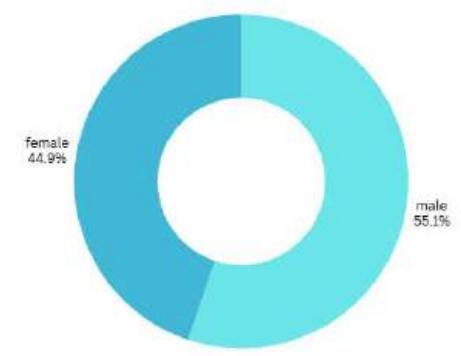
Gender
| SR.NO. | Male | Female |
| 1 | 172 | 140 |
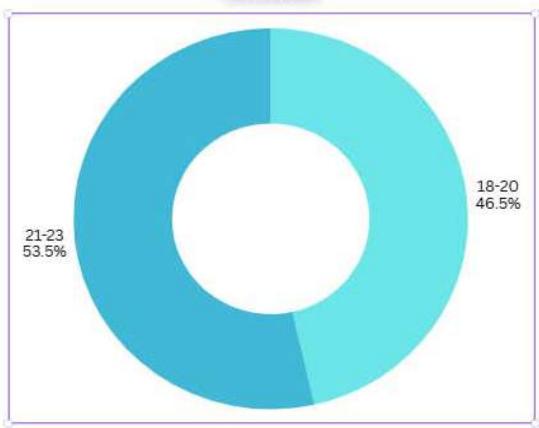
Age
| SR.NO. | 18-20 | 21-23 |
| 1 | 145 | 167 |
Field of Study
| SR.NO. | Category | Frequency |
| 1 | Commerce and Management | 110 |
| 2 | Engineering and Technology | 25 |
| 3 | Arts and Humanities | 85 |
| 4 | Sciences | 92 |
Monthly Pocket Money
| SR.NO. | Category | Frequency |
| 1 | < ₹5,000 | 88 |
| 2 | ₹5,000 - ₹10,000 | 125 |
| 3 | ₹10,000 - ₹20,000 | 75 |
| 4 | > ₹20,000 | 24 |
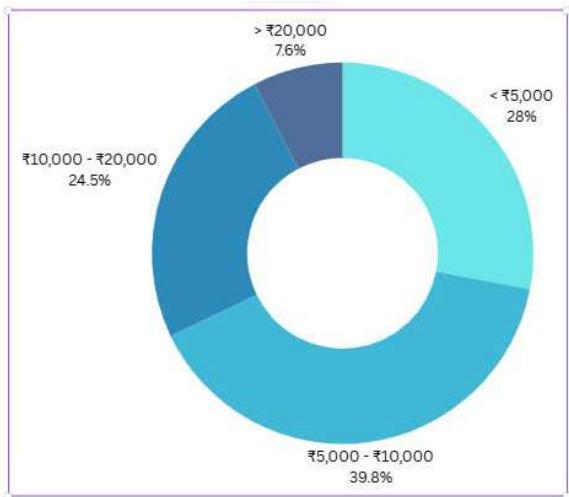
Figure 1: Agreement with the statement: "I am deeply concerned about environmental issues like air pollution and climate change."
4.2 Environmental Consciousness and General Attitude
Students exhibited a high level of environmental concern.
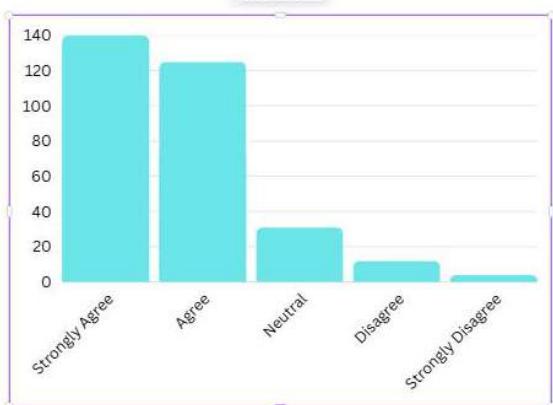
Mean , SD
Strongly Agree: (140)
- Agree: (125)
Neutral: (31)
Disagree: (12)
Strongly Disagree: (4)
4.3 Awareness and Perception of Electric Vehicles
Table 2: Perception of EVs (5-Point Likert Scale: 1=Strongly Disagree, 5=Strongly Agree) Perception Statement
| Sr. No | Positive Statement | Mean | Std. Deviation |
| 1 | EVs are better for the environment than petrol/diesel cars | 4.42 | 0.71 |
| 2 | EVs are a modern and trendy technology | 4.05 | 0.88 |
| 3 | Operating an EV (charging) is cheaper than fueling an ICE vehicle. | 3.98 | 0.91 |
| Sr. No | Negative Statement | Mean | Std. Deviation |
| 1 | EVs are too expensive to buy. | 4.25 | 0.76 |
| 2 | I am worried about running out of battery. | 3.95 | 1.02 |
| 3 | Finding a charging station in Mumbai is difficult | 4.10 | 0.87 |
4.4. Key Motivators and Barriers to Adoption
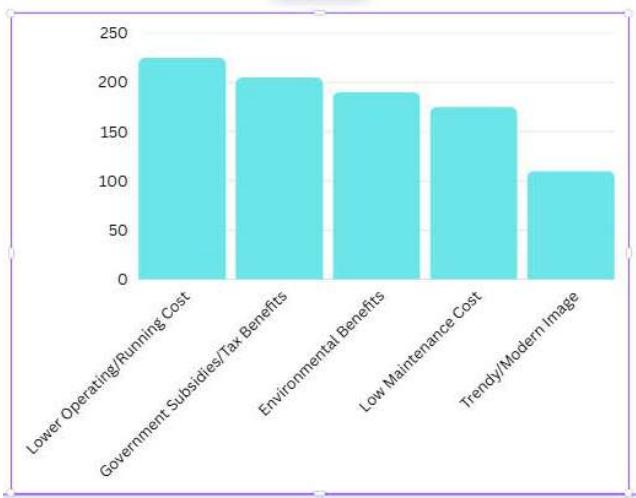
| Sr. No. | Particulars | Frequency |
| 1 | Lower Operating/Running Cost | 225 |
| 2 | Government Subsidies/Tax Benefits | 205 |
| 3 | Environmental Benefits | 190 |
| 4 | Low Maintenance Cost | 175 |
| 5 | Trendy/Modern Image | 110 |
Figure 2: Factors that would MOTIVATE you to purchase an EV (Multiple Responses Allowed)
| Sr. No. | Particulars | Frequency |
| 1 | High Purchase Price | 225 |
| 2 | Lack of Charging Infrastructure | 213 |
| 3 | Range Anxiety (Fear of battery draining) | 173 |
| 4 | Lack of Trust in New Technology | 142 |
| 5 | Limited Model Options | 135 |
| 6 | Lack of Awareness/Information | 118 |
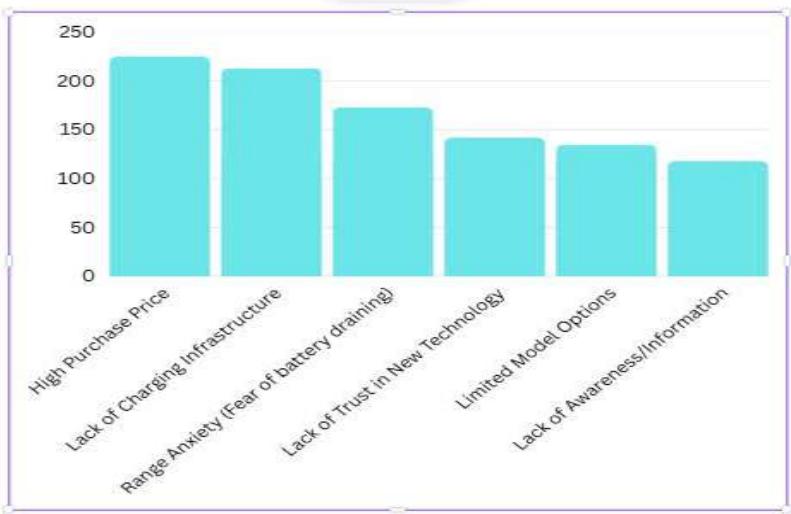
Figure 3: Factors that PREVENT you from purchasing an EV (Multiple Responses Allowed)
4.5 Purchase Intention and the Role of Policy
| Sr. No. | Particulars | Frequency |
| 1 | Definitely Yes | 62 |
| 2 | Probably Yes | 109 |
| 3 | Maybe / Not Sure | 94 |
| 4 | Probably Not | 31 |
| 5 | Definitely Not | 16 |
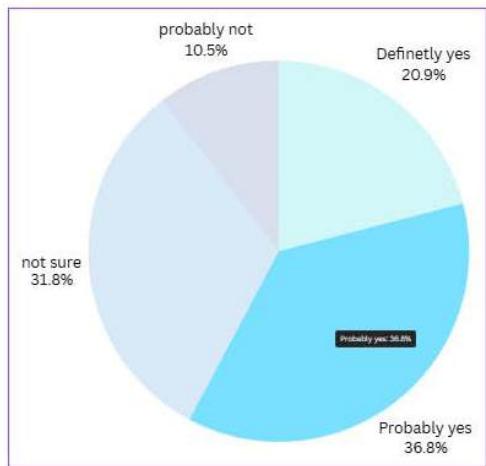
Figure 4: Intention to Purchase an EV as your next vehicle
Awareness of FAME-II Policy: Only of students reported being "aware" or "very aware" of the government's flagship EV subsidy scheme.
A correlation analysis confirmed a significant positive relationship between Attitude (environmental concern), Subjective Norm (peer influence) and Purchase Intention . Perceived Behavioral Control (e.g., "I could easily find a charging spot") showed the strongest correlation with intention.
V. DISCUSSION
The study reveals a classic intention-behavior gap governed by the Theory of Planned Behavior. Students have a highly positive Attitude (A) towards EVs driven by environmentalism and cost-saving perceptions. Subjective Norms (SN) also play a role, with EVs being viewed as trendy.
However, Perceived Behavioral Control (PBC) is low. The significant barriers - high cost and infrastructure concerns - create a perception that adopting an EV is difficult, thereby suppressing the translation of positive intention into concrete purchase plans. The low awareness of government subsidies further exacerbates the cost barrier.
VI. CONCLUSION AND IMPLICATIONS
The study concludes that college students in Mumbai are a fertile ground for EV adoption due to their strong environmental consciousness and positive attitudes. However, practical concerns regarding economic accessibility and infrastructure are the primary impediments.
Implications
For Policymakers: Enhance communication strategies targeted at youth (e.g., social media campaigns) to raise awareness of subsidies (FAME-II). Consider incentives for installing charging stations on or near college campuses.
For EV Manufacturers: Develop targeted marketing campaigns highlighting long-term cost savings (TCO-Total Cost of Ownership) over initial price. Engage with student communities through college festivals and seminars to demystify technology and address range anxiety.
For Educational Institutions: Incorporate sustainability and EV technology into curricula. Partner with OEMs to set up demonstration projects or charging points on campus, transforming the institution into a living lab for green consumerism.
Conflict of Interest
The authors declare no conflict of interest.
Ethical Approval
Not applicable
Data Availability
The datasets used in this study are openly available at [repository link] and the source code is available on GitHub at [GitHub link].
Funding
This work did not receive any external funding.
Cite this article
Related Research


Special Issue
Launch a focused special issue to highlight research, emerging trends, and expert insights in your academic field.
