




Article in Review
This article is currently in the Reviewing phase. It is undergoing peer review and editorial evaluation.
Abstract
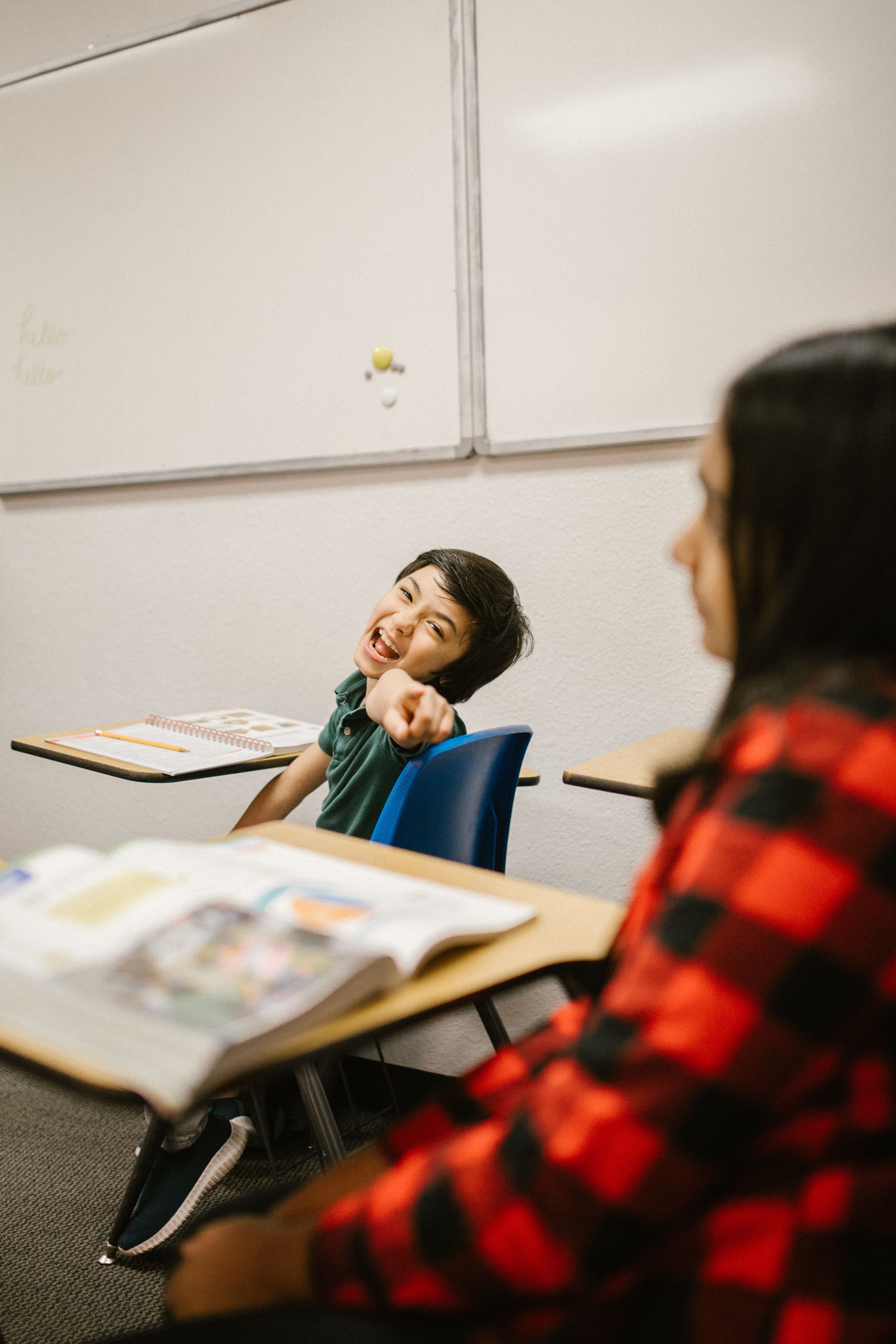
Laughing is a very simple but deeply meaningful approach to teaching and learning. Teachers are people, as are the students, and both sides form a community by default. How do we hence build connections? All these questions serve the same purpose, timeless in nature: What makes an effective learning environment? How do we build, as teachers, a constructive connection with our students? How do we build a stimulating and positive study context for the young generation? These questions are universal and yet they always need new, if not always the same answers. Here I propose a very simple, actually very old method that helps to build direct bridges between students and their teacher: laughter. Whenever a group of students breaks out in laughter, the participants release energy, or tensions, and they become ready thereby for a more advanced learning process, probably on a higher learning level of acquiring knowledge, understanding, empathy, and sensitivity regarding the matter under investigation. When a teacher jokes about him/herself, in the right context and at the right moment, at least, s/he builds new connections to the class itself. Laughter can humble ourselves; it establishes new relationships, it communicates in an ineffable manner that we are all in the same boat as people. Old and young can learn from each other, as the laughing teacher signals to his/her audience. No one is error-free, and everyone has gone through a long process of trial and error before s/he has assumed a teacher’s position. Allowing the class to laugh about themselves, the teacher, the class material, or the foolishness of previous scholarship, for instance, facilitates an innovative critical thinking free from hierarchical authority. By the same token, teachers who relent to laughter communicate more humanely with their students and allow them to join the same learning community as everyone else. Finally, laughter makes it possible to view the subject matter through a different lens. This study does not pursue a particular pedagogical methodology; instead, the intention is to explore a fundamental human experience, humor, as a critically important psychological bond between teachers and their students.
Related Research