






IntelliPaper
Abstract
C-reactive protein (CRP) functions as an acute inflammatory protein, serving as an indicator of systemic inflammation. CRP originates from sites of inflammation or infection and can experience an increase of up to 1,000-fold in such regions. CRP exists in two forms: native CRP (nCRP), which is a homopentameric protein, and monomeric CRP (mCRP). mCRP is the result of the irreversible dissolution of nCRP into five separate monomers at sites of inflammation and infection. Although the liver's hepatocytes are the primary producers of the CRP protein, it is also produced by a range of cells including smooth muscle cells, macrophages, endothelial cells, lymphocytes, and adipocytes. This article discusses the role of CRP in measuring inflammation for diagnostic purposes is unparalleled, solidifying its status as the 'gold standard' of inflammation markers.
Explore Digital Article Text
I. INTRODUCTION
C-reactive protein (CRP) is a homopentameric acute-phase protein (115-kDa) that is produced by the liver and binds exclusively to phosphorylcholine in a dependent manner under the management of interleukin-6 (Figure 1). When the body undergoes inflammation, CRP levels rise sharply. Typically, CRP levels are less than 0.9 mg/dL [2]. Several things can influence the CRP level in the body. A CRP test result between 1.0 and 10.0 mg/dL is often considered to be a moderate level [3].
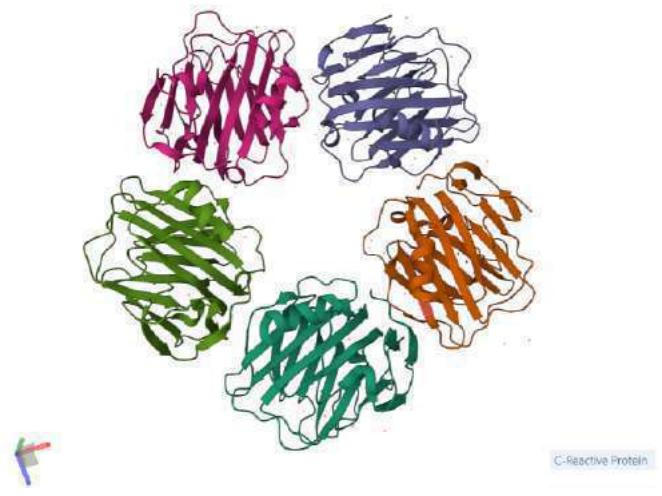 Source: PDB DOI: 10.2210/pdb3PVO/pdb
Figure 1: PDB Structure of Human C-Reactive Protein (3PVO)
CRP is considered an inflammatory marker and is a part of the body's defense against illness or injury. The CRP test is used to detect an infection if you have symptoms of inflammation like fever, chills, redness or flushing, nausea, vomiting, rapid breathing, and/or a rapid heart rate (Figure 2).
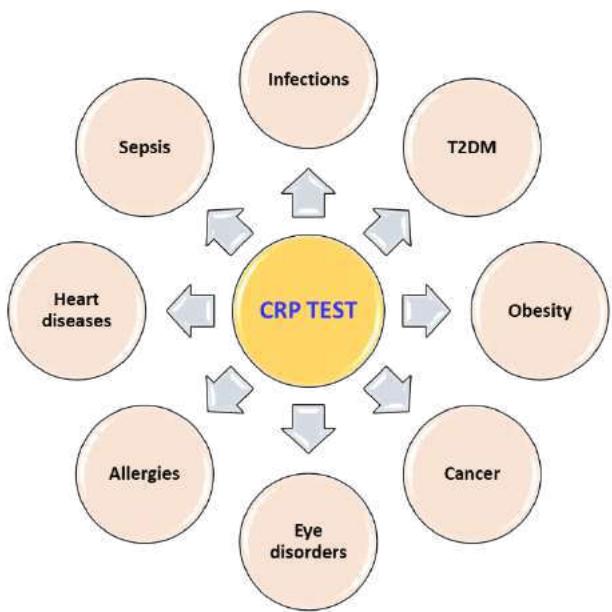 Figure 2: Indications of CRP test for Diagnosing Different Clinical Conditions
II. RISK FACTORS
An elevated CRP level exceeding 10 mg/dL is typically considered significantly high, indicating a range of pathophysiological conditions such as acute bacterial infections, viral illnesses, systemic vasculitis, tumors, or trauma [1]. Although a modest rise has also been associated with several non-inflammatory illnesses related to cellular distress or injury, an increase in CRP is commonly regarded as a critical indicator of inflammation. [4]. Aging significantly contributes to elevated CRP levels in both males and females. Males often experience more heart attacks, however, the mortality rate is higher in females. In terms of inheritance, children whose parents have high CRP levels are more likely to develop heart disease [5]. Furthermore, a higher risk of elevated CRP may exist for specific ethnic groups, including African-Americans, Mexican Americans, Native Americans, Native Hawaiians, and some Asian Americans [6].
Other factors that contribute include diet, smoking, blood pressure, cholesterol, physical activity, diabetes, and obesity . Generally, medical professionals recommend this test if there is a moderate chance of you suffering a heart attack in the forthcoming 10 years .
III. CONDITIONS LINKED WITH HIGH CRP: MARKER OF INFLAMMATION?
High CRP is typically linked to the illnesses listed below. However, this does not mean that the CRP is elevated, it may show any of these conditions.
3.1 Heart Disease
Cardiovascular diseases, such as atherosclerosis, are the leading cause of death globally . If inflammation is indeed the cause of heart attacks, the value of CRP testing would hinge on its proven capacity to precisely predict such incidents.
Studies have found a strong correlation between raised levels of CRP and the odds of experiencing a heart attack. This correlation has indeed been shown in previous studies published in respected journals. For instance, Ridker et al. (2002), concluded that CRP exceeds LDL cholesterol in its ability to forecast cardiovascular risk .
Furthermore, the researchers discovered that these two tests identify distinct high-risk groups, indicating that employing both methods is superior to relying on either one individually .
The formation of atherosclerosis involves a critical role of inflammatory mediators in the initial recruitment of cells and throughout the process until the plaque ruptures . The development of cardiac stress initially presents as inflammation, resulting in enhanced production and release of inflammatory chemokines and cytokines in the affected heart tissues. CRP aggravates inflammation in blood vessels and plays a part in the stiffening of the arteries, which can ultimately result in heart disease .
Additionally, it can activate cells that line the interior of blood vessels, causing them to malfunction. Nitric oxide is good for the cardiovascular system because it relaxes blood vessels, increases oxygen, and improves blood flow throughout the body . Furthermore, CRP decreases the release of nitric oxide from arteries and veins, depriving tissues of adequate blood flow . Innate immunity serves as the immediate defense mechanism against cardiac tissue damage in cardiac injury. More specifically, coronary atherosclerosis, the prime contributor to myocardial infarction, leads to the loss of cardiac tissue . In this scenario, when the cardiac cells die and become necrotic, the inflammatory cells swiftly move to remove the dead cells and debris from the site of the necrotic tissue. This initiates acute inflammation, which is triggered by the inducer of cell death that releases internal signals recognized as danger signals . Then, toll-like receptors (TLRs)-mediated pathways activate the NF-kB pathway to activate inflammatory responses .
Subsequently, chemokines recruit the leukocytes to the infarcted areas, while cytokines facilitate adhesion between leukocytes and endothelial cells. Cardiac repair is stimulated by transforming growth factor (TGF)- and interleukin (IL)-10 by suppressing inflammation [19].
3.2 High CRP and High LDL
Increased levels of LDL cholesterol in at-risk patients cause blood vessels to produce more CRP, which subsequently aids in the entry of more LDL cholesterol into blood vessel cells. The level of CRP in healthy individuals can partially predict the risk of death from heart disease or a heart attack . The CRP is more effective than LDL cholesterol in predicting the risk of all study endpoints. This benefit continued in multivariable analyses that were used for all traditional cardiovascular risk factors. It was also apparent among both users and non-users of hormone replacement therapy at the baseline [10].
However, C-reactive protein and LDL cholesterol levels were minimally correlated, thus the combined evaluation of both C-reactive protein and LDL cholesterol proved to be superior as a method of risk detection to the measurement of either biological marker alone. The study by Ridker et al. in 2002 showed that CRP is a stronger predictor of future cardiac events compared to LDL cholesterol [10]. Finally, at all levels of estimated 10-year risk for events according to the Framingham risk score and at all levels of LDL cholesterol, C-reactive protein remained a strong predictor of future cardiovascular risk.
3.3 High Blood Pressure (hypertension)
CRP is a marker that indicates systemic inflammation and has been suggested to raise the risk of developing hypertension. Multiple studies have found that higher levels of CRP in the bloodstream are associated with increased blood pressure. CRP shows a positive correlation with systolic blood pressure, pulse pressure, and hypertension . These associations have sparked the idea of creating and testing pharmaceutical agents that can lower CRP levels, with the goal of potentially preventing and treating vascular disease. However, CRP is linked to various factors that could complicate its relationship with systolic blood pressure and hypertension . When adjusting for a variety of potential confounding factors, the connection with hypertension was eliminated. Additionally, the link between systolic blood pressure and pulse pressure was significantly diminished .
However, it is important to note that these connections may not be causative. Various factors, such as obesity, smoking, adverse socioeconomic circumstances, and different disease states, can elevate CRP levels and also affect blood pressure levels. CRP levels are used to predict cardiovascular events and guide treatment decisions for individuals at intermediate risk .
Research suggests that CRP may activate a pro-inflammatory switch in blood vessels, which can cause them to become narrower and stiffer, resulting in high blood pressure. Those with the highest CRP levels had twice the risk of high blood pressure compared to those with the lowest CRP levels.
3.4 Metabolic Syndrome
Metabolic syndrome is a collection of metabolic abnormalities that collectively heighten the risk of diabetes and heart disease . These features encompass upper-body obesity, hypertriglyceridemia, low HDL cholesterol, hypertension, and unusual glucose levels. It's crucial to understand that all these traits have a connection to elevated CRP levels . These traits include high blood pressure, high blood sugar levels, excessive abdominal fat, high LDL/low HDL cholesterol, and high triglycerides levels. Notably, individuals suffering from metabolic syndrome exhibit more inflammation and higher CRP levels . Thus, the more characteristics of metabolic syndrome a person exhibits, the more their CRP levels tend to rise. The consistency of CRP levels with various aspects of the metabolic system aligns with other research findings and supports the suggested role of inflammation in the development of diabetes and atherothrombosis . Moreover, CRP levels serve as a potent predictor not only of heart attack and strokes but also of the onset of type 2 diabetes .
Recent studies have shown that CRP, besides being an indicator of innate immunity, also has a direct impact on the vascular system . The inflammation mechanisms underlying diabetes and vascular dysfunction have provided evidence of a shared inflammatory basis for insulin resistance and atherosclerosis . Furthermore, CRP has been found to be associated with several aspects of metabolic syndrome that are not easily identifiable through routine clinical practice, such as fasting insulin, impaired fibrinolysis, and microalbuminuria .
3.5 Obesity
CRP is widely recognized as an indicator of inflammation and has the ability to stimulate the innate immune system actively [1]. CRP, a member of the Pentraxin family, is part of a highly conserved protein family that significantly impacts the regulation of the innate immune system [30]. Obesity is defined by a state of constant low-level inflammation. CRP, which is an acute-phase responder to infection and inflammation, has been identified as the most significant factor related to obesity [31]. Increased levels of CRP are associated with obesity and abnormal fat metabolism in both adults and children. This increased CRP is closely related to higher BMI and total calorie intake. Studies have shown that overweight or obese school children have higher levels of CRP and IL-6, while those with more belly fat and total body fat only exhibited higher levels of CRP [32]. The long-term elevation of CRP levels regulates the amount of complement components in the traditional pathway, affects the blood count of various kinds of white blood cells, and significantly changes the structure of the spleen, which acts as the largest lymphoid organ [33]. Notably, the number of T-lymphocytes and B-lymphocytes in the spleen multiplies by approximately 2.5 times [30]. This possibly acts a role in the detection of pathogens, the activation of the complement system, and interaction with Fc-gamma receptors. Recent findings suggest that chronic inflammation goes hand in hand with the continuous nature of obesity [34]. Even a minor increase has been linked to the activation of inflammation and obesity caused by a Western diet is marked by an enhanced natural immune system [35]. The continuous, low-grade elevation in CRP levels might convey a warning of non-contagious inflammation to the body, which then overreacts, leading to the onset of obesity.
3.6 Obstructive Sleep Apnea
Obstructive sleep apnea is a common condition, characterized by repeated obstructions of the airway during sleep, often accompanied by inflammation. CRP levels also tend to increase in patients with obstructive sleep apnea, which is characterized by periods of cessation of breathing during sleep [36]. Both CRP and high-sensitivity CRP serve as indicators of systemic inflammation and have potential utility as biomarkers for diagnosing obstructive sleep apnea. The frequency of hypoxic episodes can range from five times per hour in those with mild obstructive sleep apnea to over thirty times per hour in those with severe condition . The apnea-hypopnea index is a useful tool for assessing the severity of obstructive sleep apnea in patients. There is a significant correlation between obstructive sleep apnea and cardiovascular disease . Obstructive sleep apnea can notably increase the risk of cardiovascular disease via elevated sympathetic activity, systemic inflammation, oxidative stress, and impaired endothelial function . Repeated episodes of low oxygen levels and the associated inflammatory responses can lead to the development of atherosclerosis and an increased incidence of cardiovascular or cerebrovascular diseases.
3.7 Rheumatoid Arthritis
High levels of CRP in the bloodstream indicate the presence of infection or significant tissue damage . The levels of CRP in the blood rise due to inflammation. When the root cause is treated, high CRP levels will decrease. Rheumatoid Arthritis (RA), a type of autoimmune disorder, results in significant inflammation and symptoms such as joint swelling and pain. .
CRP can bind to white blood cells and other inflammatory cells within the joint cavity of patients with Rheumatoid Arthritis. The inflammation seen in Rheumatoid Arthritis is closely linked to the production of CRP and pro-inflammatory cytokines. High CRP levels are directly related to worsening symptoms in patients with this condition. CRP levels that exceed 100 mg/L are considered elevated and pose a potential risk, depending on various factors such as medical history and the underlying cause of the high levels [42]. Elevated CRP levels are associated with several conditions, including rheumatologic diseases. Notably, infection was the most common diagnosis. CRP levels exceeding 350 mg/L were linked to bacterial infections in 90% of cases [42]. In the event that CRP levels are elevated, it is recommended to promptly seek medical attention for diagnosis and to determine the subsequent course of action [1]. However, addressing increased CRP levels is crucial for identifying the source of inflammation and treating the underlying condition.
3.8 Gum Disease
Recent studies have shown an association between CRP and periodontal disease. Periodontal disease is a chronic infection of the gums that's characterized by a gap between the tooth and bone, accompanied by bone loss. The increase in CRP levels is a response to both acute and chronic inflammation . Elevated levels of CRP have been observed in periodontal disease, as it is a liver-produced acute-phase reactant that responds to various inflammatory stimuli .
This condition arises as a result of a primarily gram-negative bacterial infection that originates from dental plaque . However, the illness usually does not show any symptoms for many years and can only be identified through a clinical examination using a periodontal probe or intra-oral radiographs. Recent discoveries have revealed the local and systemic inflammatory processes that promote an abnormal response to the initial commensal microflora. Higher levels of acute-phase proteins have been observed in cases of gingival inflammation and periodontitis, indicating a locally strained environment .
Several studies on the population have indicated that patients with chronic periodontitis have increased levels of CRP in the blood . CRP levels can rise to hundreds of g/mL within hours of infection . Though, CRP levels are higher in people with gum disease, and CRP tends to increase with gum destruction . People with aggressive periodontitis typically exhibit significantly higher CRP levels, compared to those suffering from localized aggressive periodontitis and healthy individuals . Previously, CRP values exceeding 10 mg/L were primarily associated with bacterial infections, while values below 10 mg/L were generally disregarded .
This discrepancy could potentially be attributed to the limited accuracy and sensitivity of CRP assays during that period, which made them less capable of detecting CRP levels under 10 mg/L. However, with the widespread introduction of high-sensitivity CRP (hs-CRP) assays, laboratories are now capable of measuring CRP levels within the serum as low as 0.15 mg/L.
3.9 Inflammatory Bowel Disease
CRP serves as a commonly used serum marker for inflammation in cases of Inflammatory Bowel Disease (IBD) [50]. Increased CRP levels assist in differentiating active disease affecting the mucosa from IBD in remission. A CRP level below 10 mg/L suggests the IBD is in remission [51].
There's a considerable variation in the CRP response between Crohn's Disease (CD) and Ulcerative Colitis (UC), even though CRP is elevated in most inflammatory diseases, including IBD [52]. The CD is associated with a significant CRP response, while UC generally shows a weak or non-existent CRP response. When using CRP in clinical practice, it's important to bear this in mind. Additionally, the elevation of IL-6, IL-1β, or TNF-α has also been observed in UC [51]. However, no definitive explanation for this variation has been found.
Higher CRP before diagnosis was associated with a greater risk of Crohn's disease and ulcerative colitis [53]. Serum IL-6 levels are increased in patients with Crohn's disease (CD) compared to those with Ulcerative Colitis (UC) and healthy controls [54]. Another possible explanation is that while inflammation in CD affects all layers of the bowel wall, it is confined to the mucosa in UC [55]. Recent research has revealed that variations in human baseline CRP production among individuals are caused by polymorphisms in the CRP gene, which is located on the long arm of chromosome 1 (1q23–24) [56]. People with inflammatory bowel disease may have high CRP levels, but this is not always the case. Moreover, there is no definitive correlation between blood CRP levels and CRP polymorphisms in patients with IBD [53].
3.10 Conditions Linked with Low CRP
3.10.1 Systemic Lupus Erythematosus
Systemic Lupus Erythematosus (SLE), often just referred to as lupus, is a chronic inflammatory disease that can affect various parts of the body, especially the skin, joints, blood cells, kidneys, heart, and lungs [57]. It is characterized by periods of illness (flares) and remissions, SLE can be mild or life-threatening. The relationship between CRP levels and SLE is intriguing. In many inflammatory conditions, CRP levels rise. However, people with SLE often have normal or even low levels of CRP, even during flares [58].
3.10.2 The CRP and SLE Connection
Generally, low CRP levels are beneficial. The contribution of such levels to the development of lupus has been observed . The underlying reason might be the potential protective role of CRP against autoimmunity. CRP might reduce the risk by binding to cellular waste and autoantigens, facilitating the clearance of dying cells . If damaged and dying cells aren't cleared away by macrophages, their waste products accumulate in various tissues. However, high CRP levels in a lupus patient may indicate a bacterial infection . While there is much still to be understood about the relationship between CRP and SLE, the insights it offers into the disease process and patient care are invaluable.
IV. CRP IN INFLAMMATION
Inflammation can present in either acute (from injury or infection) or chronic forms. An elevated hs-CRP level can be influenced by a variety of factors, thus, it is not a very precise prognostic indicator. However, it has been found that a CRP level of 3 mg/L, compared to levels below 1 mg/L, is associated with twice the risk of coronary events [62].
Neurodegeneration of the complex between the photoreceptor and retinal pigment epithelium leads to a condition called age-related macular degeneration, also known as a progressive visual impairment acquired disease of the macula .
The abnormal functioning related to age-related macular degeneration is predominantly influenced by chronic inflammation . In the advanced, or exudative, stage of age-related macular degeneration, increased CRP levels have been found in comparison to early stages .
The risk of the advanced form of this condition strongly correlates with higher CRP levels.
Additionally, high CRP levels may trigger the complement system at the border of the retina and choroid, resulting in ongoing inflammation and subsequent tissue degradation . Clinical observations suggest that CRP plays a crucial role in the pathogenesis of age-related macular degeneration. It can also be used to measure the severity of the degeneration . While plasma levels of CRP are independently associated with the risk of age-related macular degeneration, it's unclear whether these connections are causal or if CRP simply acts as an indicator of age-related macular degeneration. CRP's increase is due to a heightened plasma concentration of IL-6, primarily produced by macrophages and adipocytes. During the acute phase response, CRP levels rise rapidly within 2 hours of acute injury exceeding normal limits within 6 hours, and peaking at 48 hours . As the acute phase response is resolved, CRP levels decrease with a half-life of 18–20 hours . In acute inflammation, such as during an infection, CRP can surge up to 50,000-fold. Its level is primarily determined by its production rate due to its constant half-life. A notable exception is in cases of renal failure, where elevations in CRP levels can occur even in the absence of clinically significant inflammation.
In the early stages of a hemorrhagic stroke, experts believe that mechanical damage to the underlying and surrounding tissues is followed by ischemia, cytotoxicity, and inflammatory changes . There has been increased interest among researchers in recent years in the different inflammatory biomarkers and growth factors released after an intracerebral hemorrhage.
Bernstein et al. (2018) examined biomarkers such as CRP, Tumor necrosis factor- (TNF-alpha), homocysteine, and vascular endothelial growth factor in estimating the immediate intensity result of internal brain hemorrhage. In incidents of cerebral hemorrhage, elevated CRP levels are associated with a 30-day mortality rate and an 8% increase in the accuracy of a cerebral hemorrhage score [69].
V. DO CONDITIONS AFFECT CRP AND ERYTHROCYTE SEDIMENTATION RATE?
The Erythrocyte Sedimentation Rate (ESR) and CRP tests are among the oldest laboratory tests that are still used to identify inflammation . A multitude of cells contribute to the release of inflammatory mediators, which collectively can induce pain in the joints, muscles, discs, ligaments, tendons, and fascia . These two tests can serve dual purposes; they can determine both the presence of pain and inflammation, as well as the effectiveness of treatment since pain and inflammation are often correlated.
CRP cannot be used to diagnose a specific disease such as rheumatoid arthritis because many different disorders, such as obesity, can also increase CRP production . Obesity, renal disease, aging, and being female are all factors that can impact ESR rates .
Today, a hs-CRP test utilizes laser nephelometry to evaluate low levels of CRP . Arterial injury is caused by white blood cell incursion and inflammation within the walls of the coronary arteries, and this injury is used to predict an increased hs-CRP. As such, a high hs-CRP is a general indicator of cardiovascular risk. The widespread use and media coverage of the association between hs-CRP and heart disease may have obscured its diagnostic value in treating pain and other non-cardiac illnesses. If a pain patient has an elevated hs-CRP, any active inflammation, whether in the heart, the central nervous system, or elsewhere in the body, must be addressed .
Following several recent studies, there is now a lot of interest in CRP in the field of diagnosis for infection/inflammation. The CRP test is often performed with another blood test called the ESR.
Both are non-specific markers for inflammation but, together, can offer important clues as to what is going on in the body . Compared to ESR, CRP is more responsive and specific to inflammation. Although an increase in CRP indicates inflammation or infection in the appropriate clinical context, it can also occur in cases of obesity and kidney dysfunction [40].
The key difference between the two tests is that changes happen more quickly with CRP values.
For example, CRP may revert back to normal levels swiftly after an infection has been treated, while ESR tends to stay increased . In such cases, the ESR offers a detected "trace" of a disease, even when the symptoms are no longer present.
VI. LIMITATIONS OF CRP TEST
Medications, like nonsteroidal anti-inflammatory drugs, can inaccurately decrease CRP levels . Statins can also inaccurately decrease CRP levels . Recent injuries or illnesses can falsely raise levels, especially when the test is used to stratify heart risk. Additionally, magnesium supplementation can decrease CRP levels . However, individuals suffering from hepatic failure or flare-ups of conditions such as systemic lupus erythematosus may not show an elevation in CRP levels despite the presence of inflammation .
As previously mentioned, a slight increase in CRP can be seen even in the absence of a systemic or inflammatory disease. Women and elderly patients have higher CRP levels. Being obese, having insomnia, depression, smoking habits, and diabetes can all contribute to a slight elevation in CRP, these results should be interpreted with caution in individuals with these coexisting conditions .
Lipemic or contaminated sera can cause false positive reactions in CRP tests . Only serum should be used in this test. A quantitative titration procedure is necessary for positive specimens to observe increasing or decreasing levels. Patients with high levels of rheumatoid factors may also yield positive results. Furthermore, consumption of trans-fats is associated with high CRP blood levels. This can partly depend on individual factors, including age, gender, number of risk factors, and metabolic disorders.
VII. DISCUSSION
A simple blood draw is all that's required for the CRP test. This test can identify potential inflammation causes, but it cannot pinpoint the reason or location of the inflammation. The so-called acute phase response is caused by increased levels of IL-6. These are produced by adipocytes and macrophages in reaction to a variety of acute and chronic inflammatory conditions such as bacterial, viral, or fungal infections; rheumatic and other inflammatory diseases; malignancy; and tissue injury and necrosis. It triggers opsonin-mediated phagocytosis by macrophages, which are known to have CRP receptors . This acts as a preliminary defense against pathogens in innate immunity .
CRP has long been used as an indicator of cardiovascular and infectious issues. This test, which is used to determine the risk of a heart attack or stroke, has a variation known as the hs-CRP. Occasionally, it can be distressing to discover that a test result is abnormal. The external blood clotting cascade, the system that breaks down blood clots (fibrinolytic system), and the functionality of blood platelets all seem to be significantly regulated by CRP. CRP amplifies the clot-forming response to vascular damage. CRP seems to demonstrate a crucial mechanistic relationship between inflammation and clotting, as inflammation increases CRP production. The structure and biological activity of CRP are regulated by the initiation of the blood clotting system, specifically platelet activation. Consequently, there is a two-way interaction between inflammation and clotting, which is dependent on CRP [3]. Even patients without symptoms but with elevated CRP levels may be indicative of cardiovascular disease, according to several cross-sectional and case-control studies.
The Multiple Risk Factor Intervention Trial (MRFIT) was the first prospective study to emphasize the relationship between CRP and coronary disease in symptomless, yet high-risk, men. This study of 17 years directly correlated high CRP levels with increased mortality [80].
CRP levels and the risk of MI and stroke in healthy men were linked in the Physicians' Health Study, a randomized, double-blind trial of aspirin and beta carotene therapy for the prevention of cardiovascular disease. It's interesting to note that risk reduction is correlated with CRP levels when smoldering endovascular inflammation is controlled with aspirin therapy. These circumstances lead to the release of interleukin-6 and other pro-inflammatory cytokines, which set off the liver's production of CRP and fibrinogen [78].
There is increasing evidence that CRP plays a crucial role in several host responses to infection and inflammatory processes, such as the complement pathway, apoptosis, phagocytosis, nitric oxide (NO) production, and thrombosis, among others . Although, the CRP test is employed both to detect inflammation and to monitor it in acute as well as chronic illnesses, including viral and bacterial infections, and IBDs such as Crohn's disease and ulcerative colitis.
High CRP levels do not necessarily indicate a need for medical treatment. In fact, it's worth noting that 5% of completely healthy individuals might exhibit results outside the normal range [82].
Each body is unique and these numbers may simply represent your normal condition . Moreover, low-grade inflammation, which can result in fatigue, is associated with higher CRP levels, both in healthy people and in survivors of breast cancer who have no disease. In a similar vein, low-grade inflammation has also been linked to depression, with a significant correlation between elevated CRP levels and depressive symptoms. Individuals with depression were more likely to have high CRP levels, particularly if they were overweight and had poor HDL cholesterol . High CRP levels have also been linked to dementia, particularly in women.
There is an increased risk of developing cancer associated with high CRP levels. Apart from the CRP test, additional tests are required to identify the cause of the abnormal levels .
There are other methods to gauge inflammation, but the data overwhelmingly implies that C-reactive protein is a superior predictor of cardiovascular events such as heart attacks, strokes, bypass surgeries, or angioplasty, compared to other inflammation markers, and become a crucial predictor of other inflammation measures. If CRP levels are high, it is recommended to seek immediate consultation with a healthcare professional for diagnosis and to determine the subsequent steps.
Funding
This research received no external funding.
Conflicts of interest
The authors have no financial disclosures or conflicts of interest to declare.
Conflict of Interest
The authors declare no conflict of interest.
Ethical Approval
Not applicable
Data Availability
The datasets used in this study are openly available at [repository link] and the source code is available on GitHub at [GitHub link].
Funding
This work did not receive any external funding.
References
Cite this article
Related Research


Special Issue
Launch a focused special issue to highlight research, emerging trends, and expert insights in your academic field.
