





IntelliPaper
Abstract
Menstruation is a natural occurrence for females of a fertile age and occurs for the potential possibility for pregnancy, menstruation can sometimes be an unpleasant experience for females. The aims of the present study were to investigate if the four nutraceutical active ingredients Pycnogenol, Lemon Balm, Ginger, and Saffron can individually decrease the severity of PMS, or decrease the severity of the symptoms related to PMS. The aim of this research was to concluded theoretically that the ingredients Pycnogenol, Lemon Balm, Ginger, and Saffron together as a supplement can treat menstrual related conditions, reducing the severity of the symptoms as a result of menstrual related conditions or disorders. PRISMA (Preferred Reporting Items for Systematic Reviews ) was employed to study for four ingredient; Pycnogenol, Ginger, Lemon Balm, and Saffron on reducing PMS symptoms or reducing the severity of PMS. The search was focused on scientific research articles (Publication years between 1980 and 2022). 22 papers were selected in the analysis regarding the ingredient, concentration, number of people, year of publication, effect of symptom, references and Recommended Daily Allowance (RDA). The 32 current nutraceutical treatments products for PMS were gathered and evaluated. 23% of the sources used to show the effects of Lemon Balm on PMS symptoms, 36% of the sources used to show the effects of Pycnogenol on PMS symptoms. 18% of the gathered sources were saffron related, 23% of the sources are ginger related. Pycnogenol concentrations were ranging from 45mg-300mg across 7 different sources. Lemon Balm concentrations were ranging from 300mg-1200mg across 5 different sources. The rang of concentrations of Ginger were from 500mg-1500mg across 5 different sources. Saffron represented concentrations ranging from 30mg across 4 sources. The cost of estimated supplement was at rang of market price. The current market of available in store PMS aid supplements in Ireland was analysed. This was done to evaluate the current nutraceutical treatments that are available for women in Ireland to help treat PMS/ help treat PMS symptoms instead of treating PMS with pharmaceutical medications like NSAID’s. This showed there are very few supplements available in stores in Ireland that specifically aim to treat PMS or reduce PMS symptoms thus the development of the nutraceutical supplement with Pycnogenol, Lemon Balm, Ginger, and Saffron would be beneficial. The results of the marketing analysis showed there is no product containing just these four ingredients to treat PMS, thus providing a gap in the market for the development of this product.
Explore Digital Article Text
I. INTRODUCTION
Premenstrual syndrome is a set of moderate-to-severe physical and psychological symptoms that occur 1 to 2 weeks before having a period/menstruating and go away within the first few days of menstruating. It is normal for a woman that menstruates to experience premenstrual symptoms such as stomach cramping, back pain, muscular pain, tender breasts, and bloating, but when these symptoms interfere with daily life it can be Premenstrual syndrome _(authors, 2021). PMS involves a range of physical, psychological and behavioural symptoms that recur during the luteal phase of the menstrual cycle and are relieved by the onset of menses or during the menstrual period. The most common symptoms of PMS are bloating, breast tenderness, fatigue, joint pain, irritability, and mood swings. Roughly 50-80% of women experience moderate to severe symptoms of PMS. Neurotransmitters and sex steroids are thought to play a role in the development and manifestation of symptoms of PMS (Veena Jasuja, 2014).
Symptoms of premenstrual syndrome can range from moderate to severe. These symptoms can include abdominal pain, back pain, low back pain, headache, swelling and tenderness in the breasts, nausea, anxiety, fatigue, mood swings and crying. The duration of these symptoms can vary from a few days to 2 weeks (Gudipally & Sharma, 2022). More than 150 physical and behavioural symptoms may be associated with PMS. The most common PMS symptoms are anxiety and mood swings (Watson, n.d.). These symptoms include digestive symptoms such as bloating, nausea, constipation, diarrhoea, vomiting, and increased appetite. Some emotional and mood symptoms may include mood swings, anxiety, depression, confusion, poor concentration, and irritation (Watson, n.d.).
More specifically Premenstrual syndrome (PMS) is characterised by a collection of recurrent moderate-to-severe physical, behavioural, and somatic symptoms that develop during the luteal phase of the menstrual cycle, occurring 7-10 days prior to the beginning of menstruation and are usually relieved at, or shortly after commencement of menstrual flow (Aeli Ryu, 2015).
Typically PMS involves at least a few different symptoms rather than only one symptom. These symptoms can vary from person to person, and the severity of these symptoms can also vary from person to person. PMS symptoms can be severe enough to affect a woman's regular routine (The Healthline Medical Network, 2020).
There are many symptoms as a result of premenstrual syndrome. The symptoms of PMS can include mood swings, tender breasts, depression, anxiety, bloating, headaches, stomach pain, stomach cramps (painful muscular cramps in the tummy), muscular pain, back pain, sleep disturbances, constipation, and diarrhoea (David R. Rubinow, 1997). The most common symptoms of PMS include back pain, mood swings, anxiety, depressive episodes, stomach cramps/stomach pain, muscular pain, nausea, and headaches (NHS, 2021).
Depression and anxiety disorder are similar to PMS, the difference is that the symptoms of PMS occur only in the days preceding to the beginning of menstruation (Robert F Casper, 2021).
It is estimated that as many as 3 of every 4 menstruating women have experienced premenstrual syndrome (staff, 2022). The causes and aetiology of PMS has not been clearly defined, and scientific research has not led to a conclusive cause of PMS or an explanation for why some women experience PMS more severely than others (The Healthline Medical Network, 2020)
There is currently no sure and no specific treatment for PMS, no single treatment works for everyone. No single test can diagnose PMS (staff, 2021). To be diagnosed with PMS, a woman must have physical symptoms such as breast tenderness and bloating as well as mood changes such as depressive episodes. These symptoms must occur before a menstrual period and disappear after the onset of the period (Robert F Casper, 2021).
1.1 Pycnogenol
Maritime Pine trees (Pinus Pinaster) grow in countries on the Mediterranean Sea, Maritime pine trees that grow in southwest France are used to make Pycnogenol, the trademark name for a specific maritime pine bark extract (Web MD, n.d.).
Pycnogenol (maritime bark), like willow bark is a nutraceutical material that has been used since ancient times (used for more than 2000 years). Pycnogenol has been considered helpful for wound healing, treating scurvy, healing ulcers, and reducing vascular inflammation. Pycnogenol contains active polyphenols including catechin, taxifolin, procyanidins, and phenolic acids (Kyung-JooChoa, 2000) (Joseph C. Maroon, 2010).
Studies have also shown that Pycnogenol is 50-100 times more potent than vitamin E in neutralizing free radicals, prolonging the activity of vitamin C and E (Joseph C. Maroon, 2010).
Pycnogenol contains a mixture of phenols (organic compound with hydroxyl group (-OH) attached to a carbon atom in a benzene ring) and polyphenols (multiples of phenol units) such as the flavonoids catechin, epicatechin, taxifolin and condensed flavonoids, including procyanidin B1, B3, B7, and others. Pycnogenol also contains phenolic acids such as caffeic acid, ferulic acid, and p-hydroxybenzoic acid (L Packer, 1999).
1.2 Saffron
Saffron is derived from Crocus Sativus flower. The dried stigmas of the flower (thread-like parts) are used to make saffron spice (WedMD, n.d.).
Saffron the spice is derived from the flower of Crocus Sativus also known as Saffron Crocus. It is believed that saffron originated in Iran. Greece and Mesopotamia have also been suggested as the potential region of origin of this plant (Anon., 2022).
In terms of Phytochemicals, Saffron is rich in carotenoids and terpenes. The two main products of saffron are carotenoids deriving from zeaxanthin, pirocrocin and safranal. Saffron and its compounds have antioxidant and anti-inflammatory properties in vitro and in vivo (Adil El Midaoui, 2022).
Studies have examined the effects of saffron on neuropsychiatric diseases, these studies have suggested that saffron constitutes an effective treatment for depression, anxiety, and schizophrenia (Adil El Midaoui, 2022). According to a recent study "the clarification of the molecular mechanisms by which saffron and its compounds exert their beneficial effects will make it possible to optimize their effectiveness and rationalize their use for the benefit of human health" (Adil El Midaoui, 2022)
1.3 Ginger
Ginger root (underground stem) is the rhizome of Zingiber Officinale plant, a herbaceous perennial plant of the ginger family/Zingiberaceae family (Mahr, n.d.).
Ginger originated in Maritime Southeast Asia, it was then transported throughout the Indo-Pacific. Ginger is one of the first spices to have been exported from Asia, arriving in Europe with the spice trade, and was used by Ancient Greeks and Romans (Anon., 2022).
Ginger which belongs to the Zingiberaceae family as previously mentioned has been commonly consumed as a spice and herbal medicine for a long time. Ginger root has been used to attenuate and treat several common diseases, such as colds, headaches, nausea, and emesis (Qian-Qian Mao, 2019).
There have been many bioactive compounds identified in ginger, such as phenolic and terpene compounds. The phenolic compounds in ginger are mainly gingerols, shogaols, and paradols. There are also other phenolic compounds in ginger, such as zingerone, quercetin, and 6-dehydrogingerdione. Ginger possesses multiple bioactivities such as antioxidant, anti-inflammatory, and antimicrobial properties.
Ginger has been traditionally used to treat gastrointestinal symptoms, recent research has showed ginger to be effective supplement to alleviate nausea (Qian-Qian Mao, 2019).
Ginger has been used in Chinese and Indian medicine for thousands of years. Ginger may help relieve nausea, and aid digestion. The antioxidants and other nutrients in ginger may help prevent or treat inflammation and various types of infection (Fletcher, 2022).
1.4 Lemon Balm
Lemon Balm also known as Melissa Officinalis is a perennial herbaceous plant from the mint family, native to south-central Europe, the Mediterranean Basin, Iran, and Central Asia. Lemon Balm has been traditionally used to improve mood and relieve symptoms of stress. (Anon., 2022).
Lemon Balm (Melissa Officinalis) is a herb from the mint family, the leaves which have a lemon aroma are used to make medicine and flavour foods. People use lemon balm for stress, anxiety, indigestion, insomnia and many other condition, although there is a lack of clarification in identifying the molecular mechanisms by which lemon balm exerts its beneficial effects (WebMD, n.d.).
In terms of Phytochemicals, Melissa Officinalis is a plant rich in biologically active compounds which is used worldwide for its therapeutic effects. Studies on its composition have shown that it contains mainly flavonoids, terpenoids, phenolic acids, and tannins. The main active constituents of Lemon balm are volatile compounds such as citronellal and geraniol, triterpenes including oleanolic and Ursolic acid, phenolic acids including caffeic acid and rosmarinic acid, and flavonoids such as quercetin and luteolin (Gabriela Petrisor, 2022).
These components may be responsible for several effects seen in vitro, including antioxidant properties and an affinity for binding to both nicotinic and muscarinic receptors in human brain cortex tissue. In terms of the potential mechanism in which lemon balm works, the end of this mechanism is of interest in relation to melissa officinalis, as modulation of the cholinergic system can be beneficial to cognitive function. Although the mechanism by which melissa increases ratings of calmness, reduced alertness, and improved performance is still unknown. Cholinergic nicotinic respond to acetylcholine which is released by nerve cells in the brain when people are under stress (Marcin Ozarowski, 2016).
1.5 Current PMS Treatments
The standard current treatments recommended in Ireland by doctors and pharmacists include; antidepressants (specifically selective serotonin reuptake inhibitors (SSRIs)) to treat low mood including depressive episodes and mood fluctuations/mood swings (usually as a result of fluctuations of the levels of hormones during the menstrual cycle), Non-steroidal anti-inflammatory drugs (NSAIDs) and various pain killers to treat cramping and breast discomfort, diuretics for fluid retention, hormonal contraceptives to theoretically prevent the occurrence of ovulation which prevents ovulation related hormone changes, and diet altercations such as salt restriction to avoid fluid retention (Magovern, n.d.). The figure 1 summarised the symptoms occur on the body and which ingredients in the product treat.
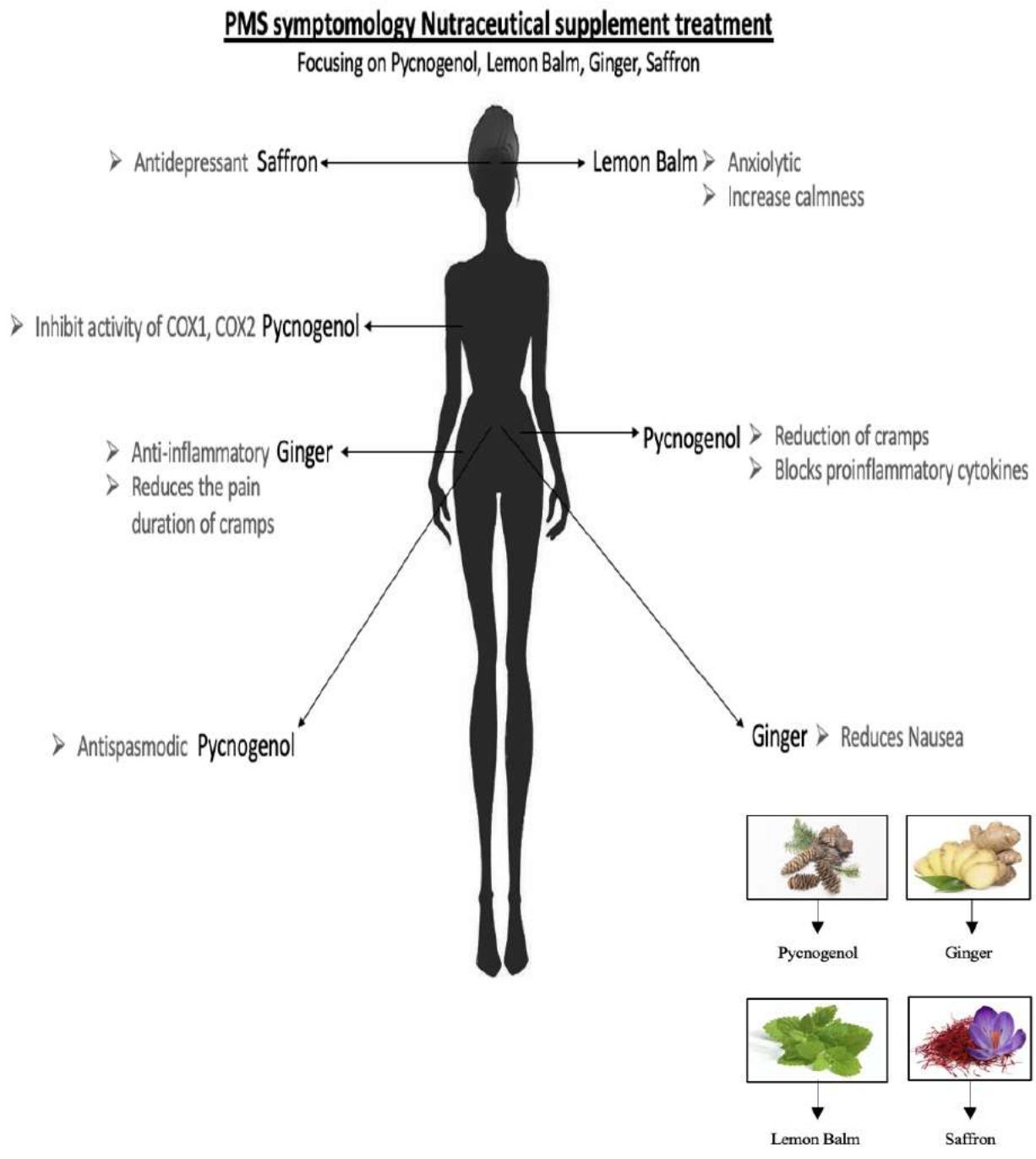 Figure 1: Symptomology of PMS, a Diagram of Where the Symptoms Occur on the Body and Which Ingredients in the Product Treat Which Symptom Statistics
Table 1: The Percentage of Women Affected by PMS per Source
| Percentage affected | Source | |
| 1. | 75% of Menstruating women experience PMS | (Belluz, 2015) |
| 2. | 90% of women of reproductive age experience PMS symptoms | (Petranka Chumpalova, 2020) |
| 3. | 59% Irish women's daily lives are affected by PMS | (Mcknight, n.d.) |
| 4. | 90% of women suffer from some form of PMS | (Health, n.d.) |
| 5. | 85% of women of childbearing age suffer from at least one symptom of PMS | (REYNOLDS, 2017) |
| 6. | 80% of women experience PMS | (Kulkarni, 2018) |
| 7. | 92.3% of students experience PMS | (Jumana Hussein Shehadeh RN, 2017) |
The purpose of this review is to research and evaluate the effectiveness each nutraceutical ingredient has on treating PMS or reducing symptoms related to PMS individually. As such high levels of women suffer with PMS, the development of a nutraceutical supplement would be beneficial to those suffering, as well as giving women the option to naturally treat PMS rather than using pharmaceuticals. Combining the gathered research and evaluating whether the ingredients together Pycnogenol, ginger, lemon balm, and saffron can developed into a PMS aid supplement.
II. METHODS
2.1 PRISMA Statement (Preferred Reporting Items for Systematic Reviews and Meta-analyses)
A PRISMA 2020 checklist was finished and a flowchart was constructed following the PRISMA guidelines and registration information. The selection process was based on the PRISMA statement 2020 _ (Matthew J Page, 2021), the
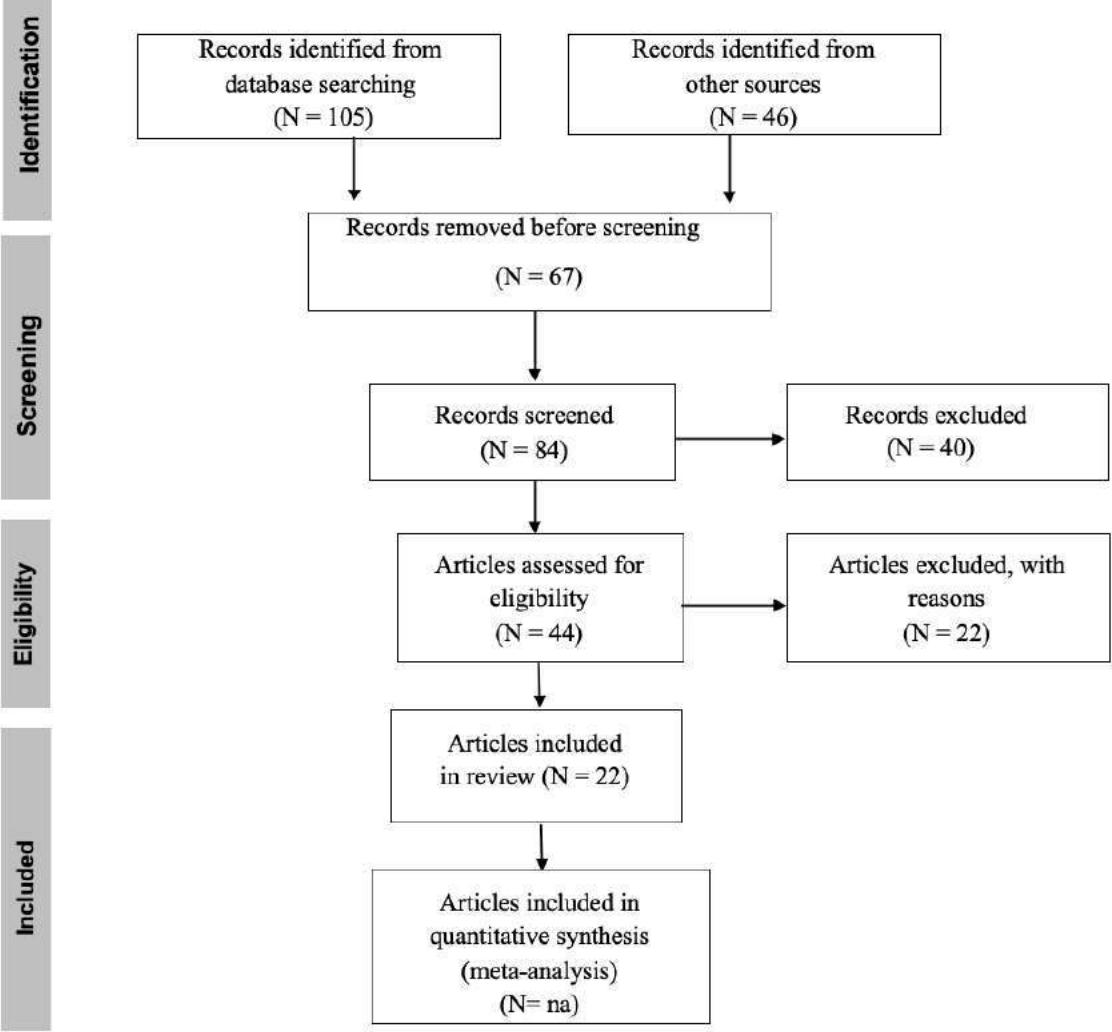 Figure 2: PRISMA Flow Diagram for Literature Search; Na = Not Applicable
2.2 Research Process
Focusing on the effects each nutraceutical active ingredient; Pycnogenol, Ginger, Lemon Balm, and Saffron has on reducing PMS symptoms or reducing the severity of PMS. The systematic review was gathered through a literature search from online databases. Relevant articles were searched on Google scholar, PubMed, and Scopus database to identify the Aetiology of PMS and the positive effects in reducing PMS symptoms/PMS severity when individually consuming each nutraceutical active ingredient separately (Pycnogenol, Lemon Balm, Saffron, Ginger).
Boolean operators "AND" and "OR" were used to broaden the search. Some different key words used for searching were "PMS", "Pycnogenol", "Lemon Balm", "Ginger", "Saffron", "natural anti-inflammatory", "natural hormonal adaptogen", "anxiolytic", and "natural GABA booster". The key words used for searching was "PMS" or "Premenstrual syndrome". The articles were identified through the Scopus database, Google Scholar, and PubMed online. The citations were collected from articles and different studies within the last 30 years.
The Search Focused on Scientific Research Articles Using the Following Protocol-
1. Publication years between 1980 and 2022
-
The keywords "PMS" or "Premenstrual syndrome" had to appear in the title and abstract.
-
They had to be scientific indexed papers only.
The results were screened against inclusion criteria, for example; articles that were not relevant to the studies. The full text of papers for all the articles that fit into the inclusion criteria was retrieved.
2.3 Screening
Strict criteria was used to determine the relevant articles for inclusion. For example, articles were excluded if published in languages other than English, or for which only an abstract was available, and then each remaining search result was grouped as one of the articles.
-
"Primary articles" research papers appeared in the peer-reviewed literature and reported original data or results based on observations and experiments.
-
"Review" papers summarized the understanding of PMS and the effect of each nutraceutical active ingredient separately on reducing the severity of PMS or PMS symptoms.
Throughout the screening process, the number of publications excluded in each stage and their reasons for exclusions were noted based on the guidelines outlines in the PRISMA statement 2020 in Figure 2.
2.4 Researching Nutraceutical Active Ingredients to Treat PMS Severity and PMS Symptoms
The aetiology of PMS, hormones involved, symptomology, and the different pathways of current PMS treatments that specifically reduced the severity of PMS or reduced PMS symptom severity was investigated to further research potential nutraceutical supplement treatment options with more understanding. This was done by reading scientific articles, online articles, books, and listening to podcasts. Research articles, scientific articles, and scientific experiments were searched online. This was done using google and the TU Dublin library resources by using different key words, "PMS", "Premenstrual Syndrome", "pathophysiology", "aetiology", "symptomology", "PMS treatments" and "PMS symptomology pathways". Each article found with relevant information was read. Common symptoms were identified and reasons for affective PMS treatments were identified.
Once the most common symptoms were identified, common nutraceutical active ingredients that claim to help reduce an individual symptom of PMS were researched. Scientific articles and scientific experiments focusing on different nutraceutical or common nutraceutical active ingredients used to specifically treat PMS, reduce PMS severity, and reduce symptoms related to PMS were researched. After understanding and researching symptomology of PMS, and researching the potential pathways targeted for treatment. For example the arachidonic acid pathway is a component of the inflammatory pathway, arachidonic acid is released from traumatized cellular membranes. The expansion of knowledge on the inflammation pathways was beneficial in researching ways to prevent or inhibit inflammation through interrupting inflammatory pathways. Four nutraceutical active ingredients were chosen with the most evidence and most research supporting the positive effects of the ingredient in reducing PMS severity, or reducing PMS symptom severity.
As Anxiety was a very common symptom of PMS, anxiolytic supplements were researched. Lemon Balm was one of the common supplements used to treat anxiety and PMS related anxiety. There was a large amount of research done on Lemon Balm, and there were several experiments with positive results in reducing PMS related anxiety.
Further research was done online on Lemon Balm and PMS, therefore lemon balm was chosen as one of the nutraceutical active ingredients included in the research of a PMS aid supplement.
Research has claimed the mechanisms of action of white willow bark is very similar to aspirin. White willow bark is an old herbal remedy for pain and inflammation, used as an analgesic and antipyretic agent (Joseph C. Maroon, 2010).
Further research was done on natural anti-inflammatories as the symptoms of PMS include cramping, back pain, and pain due to inflammation. During the investigation of white willow bark, Pycnogenol was identified as another natural anti-inflammatory. Further research was done on Pycnogenol online on treating symptomology of PMS and reducing PMS severity. As several experiments were found, Pycnogenol was chosen as the second nutraceutical active ingredient included in the research of a PMS aid supplement.
As mood swings and depressive episodes are symptoms of PMS, a natural anti-depressant supplement was researched. There were several experiments done on the positive effects of consuming saffron for depression and low moods. Saffron was the third nutraceutical active ingredient chosen to be include in the research of developing a new PMS aid supplement.
As back pain, cramping, abdominal pain, nausea, and headaches are common symptoms of PMS. Natural anti-inflammatory nutraceutical supplements, and anti-nausea nutraceutical supplements were researched. Ginger was a common supplement in treating PMS related nausea as well as being a common supplement for treating PMS related inflammation and pain. The fourth nutraceutical active ingredient chosen was ginger for treating both symptom nausea and pain as articles and experiments were found on ginger reducing PMS symptom severity of nausea and pain.
For each chosen ingredient, scientific articles and experiments were researched, the relevant results and data from each experiment and article were noted along with the reference to the source. The effectiveness of Ginger reducing PMS symptoms was searched, the relative articles and experiments were read and the findings from each article or experiment was noted. This was done for each ingredient.
III. RESULT
The table 2 below displays the results of the methods 2.1, 2.2, 2.3, 2.4. The results of the research process after the screening process was applied. The table includes information gathered from relevant articles in relation to Pycnogenol, Lemon Balm, Ginger, and Saffron effectively reducing PMS related symptoms, reducing PMS severity or treating PMS, effectively alleviating symptoms related to menstrual disorders and the symptoms as a result of fluctuations of hormonal levels throughout the menstrual cycle. There were 22 papers in table 2. The order of column from left to right were ingredient, concentration, number of people, year of publication, effect of symptom, references and Recommended Daily Allowance (RDA).
Table 2: Experimental Research findings
| Ingredients | Concentration | No. of people | Year | Effects | Reference | |
| Pycnogenol | 1 | 100-200mg | Systemic review | 2010 | Pycnogenol inhibits TNF-a induced NF-kB activation, therefore inflammatory response is decreased. | _(Joseph C. Maroon, 2010) |
| 2 | 200mg | 7 | 2006 | Pycnogenol has anti-inflammatory effects through the reduction of MMP-9 and inhibition of NF-kB activation. | _(Tanja Grimm, 2006) | |
| 3 | 60mg | 116 | 2008 | Lowered pain during menstruation, seen by a significant reduction of NSAID usage, the number of days due to Dysmenorrhea, which decreased from an average of 2.1 days prior treatment to 1.3 days after treatment. | _(Nobutaka Suzuki, 2008) | |
| 4 | 30-60mg | 39 | 2002 | Reduce symptoms in 70% of the females in an open clinical study, these females either had endometriosis and/or menstrual pain. | _(rohdewald, 2002) | |
| 5 | 60mg | 42 | 2004 | Reduced the intake of analgesics, the number of days with pain and reduced the intensity of low back pain, and abdominal pain in 42 women suffering PMS related pain symptoms. could be used as an alternative to Gn-Rha for the treatment of endometriosis | _(Kohama T, 2004) | |
| 6 | 200mg | 66 | 2006 | 73% decrease in cramp attack episodes over 4 weeks. Cramp attacks decreased from 8.6 to 2.4 cramp episodes a week. | _(G. Vinciguerra, 2006) | |
| 7 | 300mg | 10 | 2005 | a statistically significant reduction in COX enzyme activity due to 300mg of Pycnogenol taken, relieving symptoms of inflammation and pain. | _(Angelika Schäfera, 2005) | |
| 8 | 60mg | 58 | 2007 | Over 48 weeks the results of supplementation showed reduction in pelvic pain, abdominal pain due to PMS and did not disrupt the cycle | _(Anon., 2007) | |
| Lemon Balm | 1 | 1200mg | 100 | 2014 | Reduced psychological, social, and physical symptoms off PMS after treating women with PMS for 3 cycles | _(Marzieh Akbarzadeh, 2014) |
| 2 | 300mg | 50 | 2014 | Pain reduced on a scale of 1-10 from 6.30 to 3.94 and 3.24. the pain duration before treatment was 1-6 hours, after the treatment the pain duration was reduced to less than one hour. | _(Ramezan Kalvandi, 2014) | |
| 3 | 330mg | 90 | 2018 | Lemon balm did not increase the severity of bleeding and the duration of menstruation. Lemon balm reduced the severity of all systemic symptoms, and reduced the neurological symptoms fatigue, and lethargy. | _(Parvaneh Mirabi, 2018) | |
| 4 | 1000mg | 93 | 2016 | Lemon Balm reduced the severity of PMS symptoms, increasing the quality of life of the women with PMS significantly. 93.5% students treated with lemon balm were satisfied with their treatment (29 out of 31 students). | _(Mojgan Mirghafourva nd, 2016) | |
| 5 | 600mg | 18 | 2004 | Lemon Balm significantly increased self-ratings of calmness and reduced self-ratings of alertness in relation to PMS symptoms of decreased calmness | _(David O Kennedy, 2004) | |
| Ginger | 1 | 500mg | 70 | 2014 | ginger significantly reduced the total score of PMS in terms of severity of mood, and physical and behavioural symptoms of the first month intervention. | _(Samira Khayat, 2014) |
| 2 | 1500mg | 105 | 2012 | Eleven hour less pain duration in physical symptoms associated with dysmenorrhea and PMS by ginger. Relieved pain in women with primary dysmenorrhea administered at the onset or during the 3 days prior to menstruation. | _(Parvin Rahnama, 2012) | |
| 3 | 1000mg | 150 | 2007 | In comparing the use of ibuprofen to treat pain related to dysmenorrhea, ginger was as effective in relieving pain from dysmenorrhea | _(Giti Ozgoli, 2007) | |
| 4 | 500mg | Systemic review | 2016 | Systemic review suggesting Ginger to be an natural anti- inflammatory for pain related to PMS. | _(Birgit M. Dietz, 2016) | |
| 5 | 750-2000mg | Systemic review | 2015 | 29 articles suggested effectiveness of ginger to treat dysmenorrhea and PMS, in reducing the severity of symptoms. | _(James W Daily, 2015) | |
| Saffron | 1 | 30mg | 40 | 2005 | Saffron at the dose of 30ng a day in comparison to fluoxetine 20mg a day for the treatment of mild to moderate depression was just as effective and similar to fluoxetine the antidepressant, saffron would be justified to be used in treating mild to moderate depression. | _(A A Noorbala, 2005) |
| 2 | 30mg | 50 | 2008 | 50% decrease in the severity of PMS in 75% of the women. Saffron through serotonergic mechanism shows an antidepressant effect in the treatment of women with mild to moderate depression, anddysregulation of the serotonergic system can be a potential mechanism for the majority of PMS symptoms | _(M Agha-Hossein i, 2008) | |
| 3 | 30mg | 78 | 2016 | 76% of women that experience PMS symptoms reported a 50% reduction in the severity of PMS symptoms. A 50% alleviation of depression symptoms in 60% of women reported. | (Soheila Pirdadeh Beiranvand, 2016) | |
| 4 | Saffron odour for 20 minutes | 35 | 2011 | Results indicate that Saffron odour exert some effects in treatment of PMS, dysmenorrhea and irregular menstruation as well as menstrual distress. | (Hajime Fukuia, 2011) | |
were gathered and used in the results for discussion about Pycnogenol which is represented by the green segment of the pie chart.
The information gathered from each article involved noting the amount of people involved in the article or experiment, the concentration of the nutraceutical active ingredient used in the experiment or article, the year the article or experiment was from, and the beneficial effects of the nutraceutical ingredient. The first source of information in relation to Pycnogenol and alleviating PMS symptoms involved a systematic review with concentrations ranging from 100-200mg, this review took place in 2010. The beneficial effects of this systematic review on Pycnogenol reducing PMS symptoms was noted in table 2, the reference for this information was also displayed. On the right hand side the Recommended daily allowance or the Safe amount of Pycnogenol, Lemon balm, Ginger, and saffron is also displayed in the final column.
The concentrations in each study per ingredient were tabulated and were displayed in figure 3. The figures with the heading concentrations refers to the concentrations of the nutraceutical active ingredient used in the experiment or article, In 3 the concentrations used per study per ingredients is represented by a histogram.
3.2 Concentrations Per Ingredient used Per Study
The concentrations used in the 22 articles and experiments involved in the results of this study are represented by the histogram below in figure 3.
Shown in figure 4, a pie chart representing the percentage and fraction of articles gathered per ingredient. For example 8 articles/experiments {"image_source":{"path":"images/22f020308d5de3353995f302dc9ede8321a7efd5a4407b68880147c30d3aed00.jpg"},"content":"","chart_caption":[{"type":"text","content":"Figure 3: The Concentrations in Mg per Ingredient Used in Each Study, the Lemon Balm in Yellow, Pycnogenol in Green, Saffron in Blue, Ginger in Red"}],"chart_footnote":[]}
Pycnogenol represented by the green bars, concentrations used in the studied included were ranging from 45mg-300mg across 7 different sources. Lemon Balm represented by yellow bars, concentrations ranging from 300mg-1200mg across 5 different sources. Ginger represented by red bars, concentrations ranging from 500mg-1500mg across 5 different sources.. Saffron represented by the blue bars, concentrations ranging from 30mg across 4 sources.
The figures with the heading concentrations refers to the concentrations of the nutraceutical active ingredient used in the experiment or article. In figure 3 the concentrations used per study per ingredients is represented by a histogram. The histogram shows the milligrams of each nutraceutical active ingredient used per study that proved to be effective in relation to treating PMS and PMS related symptoms and or menstrual related symptoms, including the treatment of endometriosis, PMDD, PMS and other menstrual disorders. The calculations below represent the average concentration used per ingredient.
1. Pycnogenol Concentrations (represented by the green bars):
- Average concentration of Pycnogenol used was 134mg.
3. Lemon Balm concentrations (represented by the yellow bars):
- Average concentration of Lemon Balm used was 586 mg.
5. Ginger concentrations (represented by the red bars):
6. Average concentration of Ginger used was 925mg
7. Saffron concentrations (represented by the blue bars):
Average concentration of Saffron used was 30mg
3.3 Statistics of the research articles
Twenty two articles were included in the results, as shown in table 2 eight of these articles were about Pycnogenol and treating PMS, five of these articles were about Lemon Balm treating PMS, five of these articles were about Ginger treating PMS, and four of these articles were about Saffron treating PMS. Figure 4 represents the fraction of articles representing Pycnogenol, Lemon Balm, Ginger, Saffron.
{"image_source":{"path":"images/9e497de4f05d3cc3f2a505d7e5407fea2e97a9aa2a4e19b09b70bd0b0b75a07e.jpg"},"content":"","chart_caption":[{"type":"text","content":"Figure 4: Pie Chart with Percentages Representing the Number of Research Articles used per Ingredient. the Lemon Balm in Yellow, Pycnogenol in Green, Saffron in Blue, Ginger in Red"}],"chart_footnote":[]}
Yellow segment representing lemon balm, 23% of the sources used to show the effects of Lemon Balm on PMS symptoms. Pycnogenol represented by the green segment is 36% of the sources used to show the effects of Pycnogenol on PMS symptoms. The blue segment represents Saffron, 18% of the gathered sources were saffron related. The red segment represents the articles gathered about ginger, 23% of the sources are ginger related.
Referencing back to figure 3, which showed the range of concentrations used per article/ingredient per ingredient, figure 4 shows the theoretical concentration that would be used in the PMS supplement based off the average calculations of the concentrations done previously as well as taking the concentration that was most frequently used into account.
3.4 Concentration of Each Active Ingredient in the Theoretical New Product to Treat PMS in Comparison to the Recommended Daily Allowance
The theoretical concentrations of each nutraceutical active ingredient that was in the supplement to treat PMS was estimated and compared to the recommended concentrations that would be safe to ingest and would not cause harm to the consumer. As mentioned in table 2, the safe concentrations recommended in the last column of the right hand side, these numbers were used in this histogram for comparison of the theoretical product below in figure 5. The theoretical concentrations that were used in the PMS supplement were calculated using the most frequently used concentrations from the literature reviews.
{"image_source":{"path":"images/6b4ac6f50f345f03d116af90b554ff3d4740cd82d935775263beb679ed2c3e0d.jpg"},"content":"","chart_caption":[{"type":"text","content":"Figure 5: Comparison of Recommended Daily Allowance Concentration With Most Frequently Used Concentrations From Literature Reviews and Experiments. the Lemon Balm in Yellow, Pycnogenol in Green, Saffron in Blue, Ginger in Red. RDA in Black"}],"chart_footnote":[]}
Histogram with black bars representing the maximum recommended amount that would be safe to ingest, 1500mg of lemon balm was the recommended maximum amount that can be ingested in one day, 450mg of Pycnogenol was the maximum recommended amount that was ingested in one day, 1500mg of saffron was the maximum amount that was safe to ingest in one day no more above this should be ingested, 4000mg or 4g of ginger in the maximum amount that was ingested in one day and this is the highest amount no more than 4000mg of ginger should be consumed or it may cause negative health effects. The yellow bar beside the black bar represents the theoretical amount of lemon balm that would have been used in the PMS product, the green bar represents the theoretical concentration of Pycnogenol that would have been used in the PMS supplement to treat PMS, the small blue bar represents the theoretical amount of Saffron that would have been used in the PMS supplement, and the red bar represents the theoretical amount of ginger that would have been used in the PMS aid product to help treat PMS.
The levels of each concentration per ingredient used was a lot lower in comparison to the RDA of each ingredient. As seen the saffron concentration required was very low in comparison to the RDA.
IV. DISCUSSION
4.1 Pycnogenol and PMS
As mentioned previously Pycnogenol is made from maritime Pine trees (Pinus Pinaster) that grow in southwest France, Pycnogenol is the trademark name for a specific maritime pine bark extract ___(WebMD, n.d.). As PMS includes cramping, muscle pain, abdominal pain and lower back due mostly to inflammation, Pycnogenol has been shown in numerous studies to have anti-inflammatory properties (Raffaella Canalia, 2009) thus ideal for treating PMS pain related symptoms.
4.1.1 Evidence using Pycnogenol in the treatment of PMS
As seen in the figure 4, 36% of the research articles gathered were on Pycnogenol as a treatment for PMS and PMS related symptoms. As mentioned in the method, Pycnogenol is similar to White willow bark (bark from the white willow tree), which contains Salicin which is converted to salicylic acid by the liver. Salicylic acid is a precursor and metabolite of aspirin. The mechanisms of action of white willow bark is like aspirin. White willow bark is an old herbal remedy for pain and inflammation, used as an analgesic and antipyretic agent (Joseph C. Maroon, 2010).
As aspirin has been investigated as it is a pharmaceutical drug sold in many pharmacies and given to many people, the nutraceuticals that are similar or have similar mechanisms to aspirin also have been investigated. As a result of this there are many studies and articles done on Pycnogenol and white willow investigating its beneficial properties and anti-inflammatories properties. Pycnogenol also contains a large amount of phytochemicals, the phytochemicals in Pycnogenol have also been investigated in terms of the beneficial properties which could also be a reason as to why there was more information on Pycnogenol and its effects on the condition PMS.
4.1.2 Optimum Concentration of Pycnogenol
As seen in figure 5, concentrations used in the studied included were ranging from 45mg-300mg across 7 different sources in terms of Pycnogenol reducing PMS, or reducing symptoms related to PMS. To reduce the cramp attacks in athletes 200mg was used, this could be due to its demand of treatment in the body. If there is a large amount of different sites of inflammation, more Pycnogenol was required to treat the different locations. To reduce cramps due to PMS, 60mg was used. This could be due to the location of inflammation being in less places in the body thus less is required. The average concentration used is 134mg, the most frequently used concentration used is 60mg. This suggests Pycnogenol is only required to have beneficial effects on the body at 60mg. It is recommended to take between 50-450mg (WebMD, n.d.) of Pycnogenol per day and no more than 450mg. The studies concluded that as little as 45-60mg can be effective in treating PMS.
4.2 Lemon Balm
Lemon Balm which is also called Melissa officinalis and Balm Gentle is an aromatic herb of the mint family (Lamiaceae) (Petruzzello, 2022). In terms of Phytochemicals, Melissa Officinalis is a plant rich in biologically active compounds which is used worldwide for its therapeutic effects. Studies on its composition have shown that it contains mainly flavonoids, terpenoids, phenolic acids, and tannins. The main active constituents of Lemon balm are volatile compounds such as citronellal and geraniol, triterpenes including oleanolic and Ursolic acid, phenolic acids including caffeic acid and rosmarinic acid, and flavonoids such as quercetin and luteolin. (Gabriela Petrisor, 2022).
4.2.1 Evidence using Lemon Balm in the treatment of PMS
As seen in the figure 4, 23% of the research article gathered were on Lemon Balm as a treatment of PMS and PMS symptoms. As the aetiology of PMS is still misunderstood the evidence for the efficiency of herbal medicines on PMS Is limited as the explanation as to how the herb works cannot be explained. The studies involving the use of Lemon Balm are usually involving its effects on anxiety, stress and sleep. PMS symptoms involve low moods, anxiety, stress, and disrupted sleep.
The evidence of the use of Lemon Balm treating the severity of these symptoms proved to be positive, thus making Lemon Balm a supplement to treat PMS and PMS symptoms.
4.2.2 Optimum Concentration of Lemon Balm
As seen in figure 5, Lemon Balm concentrations were ranging from 300mg-1200mg across 5 different sources. Lemon balms most frequent concentration was 1000mg across the 5 studies, the average concentration was 646mg. The recommended maximum dose is between 900-1500mg daily (Sinai, n.d.). Different studies have used Lemon Balm to investigate its effects on anxiety and stress, for example one study used 600mg on 20 men and women that experience anxiety, 14 of these patients reported full remission of their anxiety disorder (Julien Cases, 2011). In the study involving 1000mg in 2016, the group that received 500mg of lemon balm showed no significant difference to the placebo group in terms of reducing severity of PMS symptoms, the group that received 1000mg showed significant reduce in the severity of PMS. This shows the higher concentration of Lemon Balm used for treating PMS reduced the severity of PMS significantly _ (Mojgan Mirghafourvand, 2016). Another study using Lemon Balm showed a clear dose dependant effect in improving calmness reducing anxiety with an administered dose of 1600mg being far more effective than 600mg (A.Cernya, 1999). With the most frequent dose used between the 5 studies being 1000mg, this would be the most suitable dosage to treat PMS symptoms to reduce the severity of them.
4.3 Ginger
Ginger root which is an underground stem also known as a rhizome comes from the Zingiber Officinale plant which belongs to the Zingiberaceae family (Britannica, 2022). Ginger is a plant based, whole food spice which can be used in the personal or professional treatment of several different conditions, ranging from gastrointestinal problems to cancer. Turmeric and cardamon is also a member of the family of roots ginger is from. There is evidence for its health benefits as antibacterial/ viral agent, anti-inflammatory agent, antinausea compound, antioxidant, and anticancer (Modi & Modi, 2022).
4.3.1 Evidence of using Ginger to treat PMS symptoms
As seen in the pie chart figure 4, 23% of the research articles gathered were on Ginger as a treatment of PMS, PMS symptoms, and Menstrual related conditions and there symptoms. Ginger has been used for many years as a natural treatment for nausea, pain, gastrointestinal problems and as an antioxidant. There were not many articles directly linking PMS symptom reduction and ginger, although there were many sources using ginger to treat dysmenorrhea as a pain reliever. Ginger has been used as a natural anti-inflammatory and as dysmenorrhea involves inflammation, ginger is a suitable herbal treatment to relieve inflammation. As the aetiology of PMS is understood in comparison to dysmenorrhea the reduction of PMS symptoms by ginger cannot be specifically linked. Research has supported ginger for reducing the severity and duration of nausea and vomiting due to pregnancy, as pregnant women cannot take pharmaceutical medication to relieve nausea ginger has been shown to reduce the severity as an alternative to pharmaceutical medication (authors, n.d.). The number of sources on the use of ginger to reduce PMS symptoms may be low due to the understood aetiology of PMS. Although ginger has been shown to reduce the severity of dysmenorrhea, ginger may also be used to treat PMS symptoms as the symptoms of dysmenorrhea are similar.
Optimum concentration of Ginger to reduce PMS symptom severity, menstrual related symptom severity, and to treat PMS.
As seen in figure 5, Ginger concentrations were ranging from 500mg-1500mg across 5 different sources. The most frequently used concentrations across the 5 different sources was 500mg, the average concentration used of these 5 sources was 975mg. The recommended maximum amount of ginger to consumer per day is 3-4 grams (3000-4000mg), anything more than 6grams of ginger can cause gastrointestinal problems (uclahealth, 2022). The results of a systemic review showed that 750-200mg was effective in reducing the severity of dysmenorrhea but no less than 750mg showed any beneficial properties (James W Daily, 2015). 1000mg should be used in the treatment of PMS and menstrual related symptoms in order to have full effect on reducing the severity of these symptoms, as the average concentration used in these studies was 975mg this should be rounded up to 1000mg to treat PMS.
4.4 Saffron
Saffron is derived from a flower called Crocus Satiuvs as mentioned in the introduction, the flower originated in Greece but is now grown in Iran, Greece, Morocco, and India (Wikipedia - Saffron, 2023). Saffron is known for one of the most expensive spices in the world, the demand for saffron is increasing worldwide as it plays a role in medicine, cosmetics, and as a spice in food (Loriana Cardone, 2020). Saffron is a herbal product used as an antispasmodic, sedative, a herb to aid digestion, carminative, diaphoretic, soothing pain, and in easing menstruation (Soheila Pirdadeh Beiranvand, 2016). PMS symptoms involve mood swings, depressive episodes due to hormonal level fluctuations, and another symptom of PMS is bloating as mentioned in the introduction. Saffron has been used as an antispasmodic, sedative, and to ease menstrual pain in the past (Soheila Pirdadeh Beiranvand, 2016) thus making it a suitable nutraceutical active ingredient to use in the PMS supplement to treat these symptoms associated with PMS.
4.4.1 Evidence of Using Saffron in the Treatment of PMS
As seen in the figure 4, 18% of the research article gathered were on Saffron as a treatment of PMS and PMS symptoms. Saffron is a versatile herb in terms of its different functions and different uses, the herb is in high demand due to its versatility, it can be used in medical treatments, cosmetic uses, and as a spice in dishes as mentioned. The price of saffron has increased, the herb is now known as one of the most expensive spices in the world. The price of saffron might explain why there is a lack of experiments using the herb to investigate its beneficial properties in treating PMS. There has been a reduction In the production of Saffron (Loriana Cardone, 2020), this may also be another reason as to why there is a lack of evidence on the treatment of PMS using Saffron although the results of studies done have all been positive in terms of reducing the severity of the symptoms related to PMS. Another reason why there is a lack of experiments using Saffron to treat PMS may be due to the labour required to harvest the crop. The herb has been reported to be an incredibly labour intensive crop to harvest (Riske, 2023).
4.4.2 Optimum Concentration of Saffron Used
As seen in figure 5, there was no range in the concentrations of saffron used in each experiment. Only 30mg of Saffron was required to have a beneficial effect on the symptoms of PMS in terms of alleviating or reducing symptoms according to the 4 studies involved in the results of this study. The reasoning behind the specific amount - 30mg used was not discussed In each study. As mentioned previously as saffron is very labour intensive to harvest, and is in high demand as well as being expensive this may explain the low dosage of saffron used per study. As Saffron is known to have many different health benefits, studies have been done to investigate a safe concentration to ingest. Studies have been done to investigate a safe concentration of Saffron to take as Saffron has been used to treat a variety of diseases and things from mood disorders to a common cold. Saffron supplements are believed to be safe up to 1.5grams per day, these studies have also concluded that benefits of Saffron can be found with as little as 30mg per day which is little in comparison to the maximum dosage 1.5 grams which is also beneficial in cost, as Saffron is the most expensive herb (staff, 2019).
V. CONCLUSION
The aims of the present study were to investigate if the four nutraceutical active ingredients Pycnogenol, Lemon Balm, Ginger, and Saffron can individually decrease the severity of PMS, or decrease the severity of the symptoms related to PMS. It can be concluded that the ingredients Pycnogenol, Lemon Balm, Ginger, and Saffron can individually and therefore together in a supplement can treat menstrual related conditions, reducing the severity of the symptoms of menstrual related conditions or disorders.
23% of the sources concluded that Lemon Balm can treat PMS symptoms, 36% of the sources concluded Pycnogenol can treat PMS symptoms. 18% of the gathered sources concluded that saffron can treat PMS and PMS related symptoms, 23% of the source concluded that Ginger can treat PMS. It can be concluded that Pycnogenol concentrations ranging from 45mg-300mg can be used to treat PMS and PMS related symptoms. It can be concluded that Lemon Balm concentrations ranging from 300mg-1200mg can be used to treat PMS and PMS related symptoms. It can be concluded that Ginger concentrations ranging from 500mg-1500mg can be used to treat PMS and PMS related symptoms. It can be concluded that saffron 30mg can be used to treat PMS and PMS related symptoms. The cost of above concentrations of four ingredients was at rang of market price.
It can be concluded that there are very few supplements available in stores in Ireland that specifically aim to treat PMS or reduce PMS symptoms thus the development of the nutraceutical supplement with Pycnogenol, Lemon Balm, Ginger, and Saffron would be beneficial. The results of the marketing analysis showed there is no product containing just these four ingredients to treat PMS.
Conflict of Interest
The authors declare no conflict of interest.
Ethical Approval
Not applicable
Data Availability
The datasets used in this study are openly available at [repository link] and the source code is available on GitHub at [GitHub link].
Funding
This work did not receive any external funding.
References
Cite this article
Related Research



Special Issue
Launch a focused special issue to highlight research, emerging trends, and expert insights in your academic field.
