



IntelliPaper
Abstract
Many literature reviews dealt with the effect of fibers on concrete performance by using different types of fibers. This study introduces some literatures related to using fibers in reinforced concrete beams for the period (2004-2021). The following section presents the previous studies of the flexural behavior of fiber reinforced concrete (FRC) beams for steel type of fiber especially. Next, the points of agreement and disagreements between studies are demonstrated briefly. Moreover, comments on previous studies are inserted. Then, a section covers the benefits of previous studies. Finally, the knowledge gap is clarified by recognizing this study’s differences.
Explore Digital Article Text
I. INTRODUCTION
During the last few decades, the possibility of enhancing the properties of concrete by employing fibrous materials such as steel fibers in concrete mixes has been extensively investigated. Many research articles have studied the effect of fibers on concrete performance by using steel type of fibers.
Fibers are in the form of small pieces that are added to the cement materials randomly and discontinuously that reduces the numbers of micro-cracking then improve the toughness, ductility, and cracking tensile strength of concrete members. The following literature reviews focus on steel type of fiber specially to support the scientific background on the effect of this type on the flexural strength of RC beams.
II. THE PREVIOUS STUDIES OF THE FRC PROPERTIES BY USING STEEL FIBER
Song and Hwang, 2004 [1] studied the effect of steel fiber's addition on the mechanical properties of high strength concrete (HSC) of when the volume fraction of fiber was applied in a range from to with interval. The steel fiber used has a geometry of Hooked-Ends which are available in bundles with 30 fibers. The average length of fibers used was with 0.55 of nominal diameter. This study has been considered four properties of SFRC; included compressive and tensile strengths (by casting standard cylindrical concrete specimens), toughness, and modulus of rupture (by casting prism concrete specimens).
Tests results showed that steel fiber with a 1.5% of volume fraction recorded the best compressive strength of SFRC that reached 15.3% over the HSC. While the distinct enhancing has been resulted in splitting tensile strength and modulus of rupture which they achieved 98.3% and 126.6% increasing, respectively, by adding steel fiber with max volume fraction (2% in this study). Moreover, the increasing steel fiber content has been obtained more toughness index as compared with HSC.
Altun et al., 2005 [2] studied the effect of SF addition on the mechanical properties of RC beams. RC beams with C20 and C30 have been fabricated with addition SF at dosages 30 and 60 kg/m for each compressive strength. The steel fibers type used in the study were hooked ends (Dramix RC-80/0.6-Bn) as shown in with 0.75 mm diameter and 60 mm total length. Nine RC beams with cross-section dimensions of 300 x 300 mm and 2000 mm in length were investigated. All beams were tested under the third-point bending scheme. The study concluded that doubling the SF's mass from 30 to resulted in a trivial enhance in both ultimate load and toughness. Where a increasing in toughness occurred for SFRC beams with 30 as compared with RC beams (no fiber). But, SFRC beams with resulted in toughness only greater than the toughness of
SFRC beams with 30 kg/m . As the same behavior, the ultimate load relatively developed with little increase for a twofold increase in fiber's mass. Therefore, the study stated that the SF dosage of 30 kg/m is the best considering the economical side of the strengthening option.
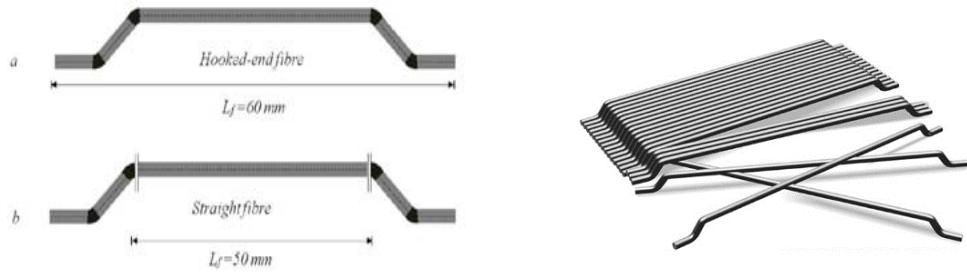 Figure 1: Dramix type of Steel Fiber
Thomas and Ramaswamy, 2007 [3] presented an analytical and experimental program of the mechanical properties of steel fiber reinforced concrete based on an analysis of 60 standard test specimens data. The concrete grades were 35, 65, and 85 MPa with variable volume fractions of steel fiber of 0.0, 0.5, 1.0, and 1.5%. The fibers applied were hooked-end type (glued in bundles) and the dimensions as displayed in Figure 2. The obtained results showed that the maximum increase in the splitting tensile strength has been increased to about 40% as compared to the traditional concrete. However, the compressive strength has only increased by 10% in almost all concrete grades studied. On the other hand, the fiber dosage had to increase up to 1.5% (about ) to obtain a sufficient improvement in the toughness. Based on the analysis of results data, empirical models proposed in the study for predicting the strength properties of SFRC based on the concrete grade and reinforcing index of fiber (RI).
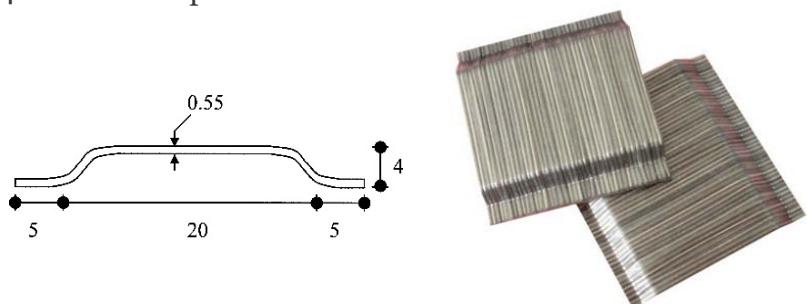 Figure 2: Steel Fiber Hooked-End Type Glued in Bundles
Bencardino et al., 2008 [4] used the standard experimental procedures of cylindrical specimens test to obtain the compressive strength of steel fiber reinforced concrete (SFRC) to study the effect of addition steel fiber to the compressive strength of plain concrete. In addition, a theoretical model was proposed to realize the stress-strain reliability in compression. Hooked-end steel fiber with 22 mm length was applied in three percentages of volume fraction including: 1%, 1.6%, and 3%. Results showed that while there was no increase in compressive strength as a result of adding the fibers, the stiffness and brittleness of SFRC were observed due to the fiber content increasing. So that, higher fiber contents (Vf = 1.6% and 3%) showed values of ultimate strain about five times over the ultimate strain of concrete with no fiber and the softened branch of SFRC became more extended.
Uygunoğlu, 2008 [5] studied the flexural behavior of SFRC by using two different lengths of
Hooked-end steel fiber (30 and 60 mm) which was available in bundles form of about 30 pieces. The steel fiber inclusion in the concrete mix by a ratio of concrete volume ranged from 0% to 0.8% with 0.2%. The researcher was prepared nine concrete prisms of mm and tested by the midpoint loading at age of 7, 28, 56, 180, and 360 days, in addition to scanning electron and optical microscopy of specimens at 180 days of curing age to investigate the bond characteristic between fibers and concrete mixture. In this study, polarizing microscopy observed good bonds in the interface zone of hybrid concrete mixture where the cementitious materials were densely covered the fiber surface that led to a stronger connection of concrete matrix. Besides, as long as fiber content increased, there was an increase in flexural strength of SFRC whereas the growth of the first crack reduced significantly.
Xu and Shi, 2009[6] aimed to assess the satisfaction of empirical relations among the mechanical properties of hybrid concrete to SFRC by depending on experimental data collected from previous literature then analyzed their correlations also. In that empirical relations depended, the hybrid concrete obtained by adding either glass or polypropylene fiber in addition to relations with normal concrete. Researchers collected a large number of tests results from many published studies that deal with the main topic of this study to investigate the applicability of empirical relations. Generally, the experimental data collected were limited of parameters with volume fraction of steel fiber ranged from 0.5% to 2%, water to binder ratio (w/b) ranged from 0.25 to 0.5, an aspect ratio of steel fiber ranged from 55 to 80 and the specimens were cylinder and prism. The evaluation results found that it is not possible to carry out the empirical relationships to SFRC, and this led to the necessity of analyzing the collected results to obtain a correlation of the mechanical properties of concrete. As a result, the study concluded that the mechanical properties of SFRC are affected by many factors, such as curing, an aspect ratio of fiber, the geometry of fibers used, w/b ratio, and fiber dosage. Therefore, a large number of parameters can be applied to benefit in subsequent studies. Exclusively, this study presented a strong factor to determine the relationship between compression and tensile strengths of SFRC, which is Regression encoded as observed in Equation 1. Where has the magnitude of 0.94% for compressive strength and 0.90% for tensile strength. Moreover, another strong factor of Integral Absolute Error (encoded IAE) produced by investigations, which it represents the relationship between tensile and flexural strengths of SFRC. The relation of IAE as displayed in Equation 2; the values of the IAE factor are 8.17% for tensile strength and 15.86% for flexural strength.
Where:
- is either tensile or flexural strength MPa; A and B is Regression factors
** Qi: experimental result; Pi: prediction result
Marar et al., 2011[7] study the toughness of specific compression of SFRC depending on the effect of the Fiber Reinforcement Index (FRI). Equation 3 explains how to calculate the FRI of steel fiber used.
Two mixes of SFRC create to fabricate cylindrical specimens; normal mix (NSFRC) with 0.55 w/c ratio and high strength (HSSFRC) with 0.31 of w/c. The geometry of steel fiber used was Hooked-ends with three variable aspect ratios of 60, 75, and 83. Moreover, six percentages of volume fraction of steel fiber utilized; 0.5%, 1.0%, 1.25%, 1.5%, 1.75%, and 2.0%. Therefore, thirty-eight cylinder specimens have been fabricated and tested under compression toughness tests. Generally, all tests results recorded a regular increase in toughness attributed to fiber inclusion in the concrete mix at 2% volume fraction that indicated in Figure 3. By analyzing the experimental results, this study proposed four categories equations of correlations among the compression toughness of SFRC. These categories included:
-
Depending on the FRI, in the first category, the researchers proposed equations to determine the influence of compression toughness ratio by adding fiber to plain concrete.
-
To evaluate the compression toughness specific of both NSFRC and HSFRC, equations dealing with both FRI and compression toughness of ordinary concrete have been exhibited in the second category.
-
For both NSFRC and HSFRC, the equations of the third category are linked between FRI and compression toughness index.
-
The final category proposed equations to specify the values of the relationship obtained in the previous category (No.3).
{"image_source":{"path":"images/28cc781471ecd9657918dba82014078a06b7601926d76e718030f057e532dad0.jpg"},"content":"","chart_caption":[{"type":"text","content":"Figure 3: Compression Specific Toughness Results of Concrete Versus Aspect Ratio of Fiber"}],"chart_footnote":[]}
Pouliot et al., 2011[8] investigated the effect of geometry and volume fraction of steel fiber on the flexural behavior of SFRC. Two geometries of steel fiber were used: the first type was waved steel fiber with diameter and length. The other was hooked ends steel fiber with diameter and length. The two types of steel fiber are illustrated in Figure 3. The study applied four-volume fractions of steel fiber ranged from 0.0 to with interval. Generally, the experimental results indicated that fiber plays an important role in enhancing the mechanical properties of concrete, especially with high fiber volume fractions. However, it has been stated that as the fiber quantity increased in the concrete mix, the workability decreases significantly, and therefore, the consolidation process of FRC would be very difficult which results in more air content in the mixture. In addition, analysis of compressive strength results indicated that fiber had little effect on the compressive strength of concrete. Some experimental work and results have been reported by Sasikala & Vimala, 2013[9].
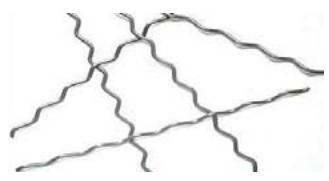
a) Waved
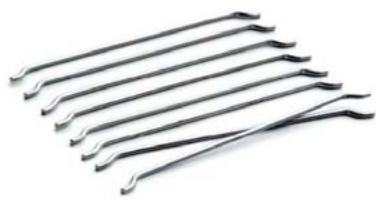
b) Hooked ends Figure 4: Types of steel fiber used
Vairagade and Kene, 2012 [10] collected and investigated some highlights for the performance of SFRC by some previous studies that deal with it. The researchers came to the fact by depending on published works of literature that, in any design of concrete mix, the workability decrease in the hardened state, due to properly bonding of steel fiber addition because that fiber arrangement in form of networks structure inside the concrete led to inhibit the flow and segregations of fresh concrete. For that reason, superplasticizers may introduce that does not affect of mechanical properties under study. Furthermore, the study indicated that the usage of steel fiber improved the tensile strength, flexural strength, and toughness of concrete matrix especially with high volume fractions of fiber. Besides, the enhancement in compressive strength of concrete stabled at a low level.
Deluce and Vecchio, 2013[11] studied the behavior of cracking and stiffness of SFRC. Many parameters applied in this study, included fiber volumetric content ranged from to with interval, fiber length of , aspect ratio of 48,55 and 79, six conventional reinforcement ratio and steel reinforcing bar diameter ranged from 10M to 30M (by using Canadian size of bars). So that, 12 RC specimens and 48 SFRC specimens were tested under uniaxial tension tests. Test results showed that the conventional reinforcement affected the performance of the crack were using a large size of bars and a high ratio of conventional reinforcement leads to a positive effect on the width and distribution of cracks. The same influence was observed with a diversity of steel fiber by volume fraction and aspect ratio where the post-yield capacity of RC increased. By contrast, the post-cracking capacity was independent of the length of steel fiber.
Rizzuti & Bencardino, 2014[12] analyzed the effect of steel fiber on the mechanical properties (compressive and flexural behavior) with fiber volume fractions of 1.0, 1.6, 3.0, and . The steel fiber used has hooked ends and a total length of . Fifteen standard cylinder samples for compression test and fifteen prisms for four-point load test carried out of plain concrete and SFRC. The concrete grade was . The results indicated that fiber has not affected the compressive strength as opposed to the positive effect of the flexural strength. It has been also stated in that study that higher steel fiber content has considerably enhanced the fracture strength and the post-peak behavior. But, at a very high volume fraction of steel fiber the samples needed a longer vibration period during the casting process to ensure that the fibers are homogeneously distributed within the mixture to avoid the appearance of the fibers on the casting surface layer as shown in Figure 4.
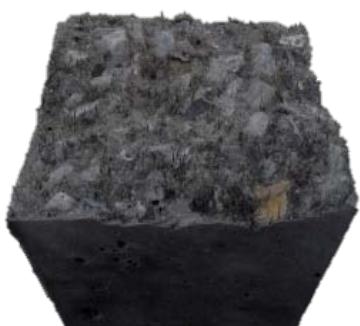 Figure 5: Appearance of the Fibers on the Casting Concrete Surface
Yoo et al., 2016[13] investigated the effect of size specimens on the flexural performance of concrete reinforced with hooked-end steel fiber. Three different geometries of concrete beams were presented of large, medium, and small size. The largest has dimensions of while the medium and small sizes have
and mm in dimensions, respectively. Figure 6 illustrated the sizes of specimens used.
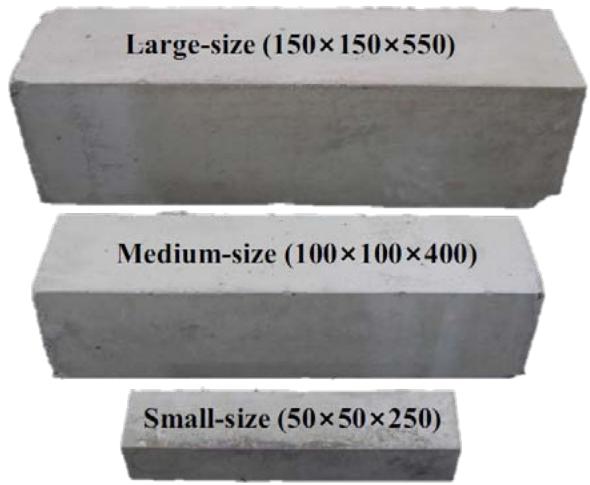 Figure 6: Geometry of Specimens Used (Units: Mm)
Eight uniform concrete mixes were applied for all beams. The parameters were: (a) The ratio of water-to-cement of 60 and 45 to study the flexural behavior in different compressive strengths of concrete. (b) Hooked-ends steel fibers (S) with 30 mm length and 0.75% of volume fraction were added to all concrete mixtures. (c) Another type of fiber was used of amorphous metallic fibers (AM) with 30 mm length and volume fractions of 0.5 and 0.75%. The data of experimental results were found that the increase in the size of the specimen adversely affects the flexural behavior of FRC but by increasing the fiber content so that it controls the improvement of flexural strength of beams that issue may be solved. The effect of specimens size was more evident at the high compressive strength of FRC due to the better bonding resulted from the hooked ends of the fiber.
D. A. Sinha & Verma, 2017 and 2018 [14] [15] investigated the effect of steel fiber with varying volume fraction of (0.0, 0.5, 0.75, 1.0, 1.25, 1.5, 1.75 and ) on the strength and workability properties of high-strength (M60 grade) concrete. The additional steel fibers have a crimped flat shape (as shown in Figure 5) of 35 mm total length and 0.7 mm thickness. The study was carried out on standard cubes (compression strength test), standard cylinders (tensile strength test), and standard prism (flexural strength test) of SFRC. Based on the experimental results, the authors concluded that the optimum percentage of SF is 1% by volume fraction, where adding more than this percentage has decreased the compressive and tensile strengths of concrete because of balling effect that can result in improper bonding between fiber and the constituents of the concrete mixture. As well as, by applying 1% of steel fiber the compression and tensile strength have increased by 3.7%, 22% respectively. It is worth noting here that the flexural strength has been increased as the volume fraction of steel fiber increased since that fibers can act as bridging devices across the cracks during the loading state. Thus, adding 2% steel fiber enhanced the flexural strength by 18%.
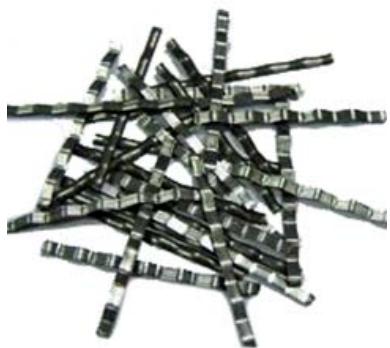 Figure 7: Crimped Flat Shape of Steel Fiber
Abbass et al., 2018[16] investigated the mechanical properties of SFRC with three different compressive strengths of concrete. Three lengths , , and of hooked ends steel fiber with two diameters of and 0.75 mm were mixed with concrete as exposed in Figure 8. Also, 0.25, 0.35, and 0.45 of water/cement ratio and 0.5, 1,1.5% of volume fraction were used.
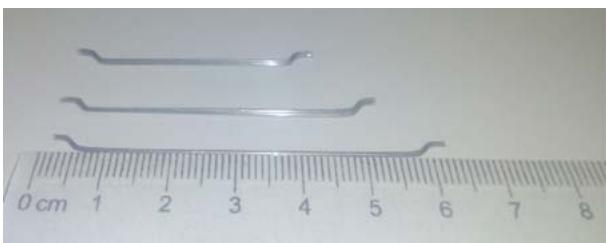 Figure 8: Hooked End Steel Fiber Used
For this, thirty mixes were prepared to fabricate two types of specimens of cylinders in addition to prisms. The test results observed that the mechanical properties of SFRC are affected by the parameters used in this study, as the compressive and tensile strengths improved about 10-25% and 31-47%, respectively. But the higher effect on the flexural strength of SFRC; especially the increase in the steel fiber content from 0.5% to 1.5% at 65 aspect ratio where an increase appeared about 3-124%, and also increased to 140% at 80 of aspect ratio (the highest) as compared to the ordinary concrete.
H. Yang et al., 2018[17] were experimentally comparative the flexural response of concrete between HSFRC and HSC that a series of mechanical properties were investigated. In this study straight steel fibers (as shown in Figure 9) were used which had a diameter and length of 0.2 and 19.5 mm, respectively that adding to the concrete mix by 1% of volume fraction. Three rebar ratios were prepared of 0.98, 1.47, and 1.97 to fabricate the beams. Test results showed that, Although the influence of the high rebar ratio was evident on the increase in mechanical properties of concrete, the cracks stiffness of HSFRC gave a much higher rate (almost doubled) compared to HSC that attributed to the fiber addition purely. The researchers calculated the cracks stiffness of concrete depending on the following equation (Equation 4):
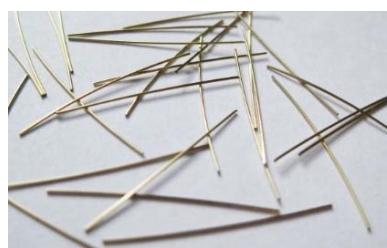 Figure 9: Straight Steel Fibers used
Avanaki et al., 2018[18] published a study that aimed to investigate the effect of different steel fiber content in addition to their aspect ratio to the hybrid FRC by compared the various engineering propertied experimentally. Two types of steel fiber were utilized: Hooked ends (Macro fibers) have 50 mm length and a diameter of 0.8 mm. Flattened ends (Microfibers) have 13 mm in length and a diameter of 0.17 mm. The used fibers are shown in Figure 10. Six hybrid concrete mixes
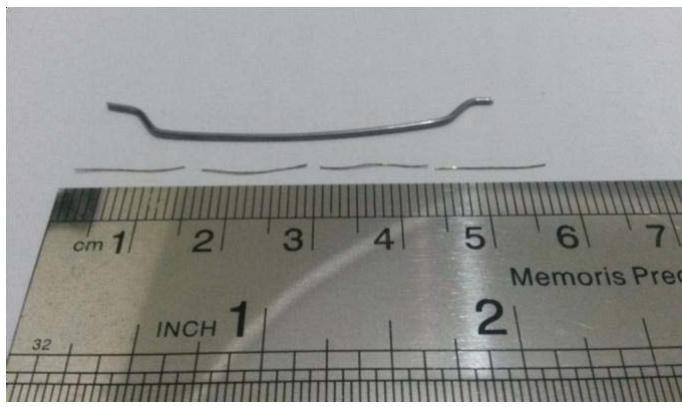 Figure 10: Micro and Macro Steel Fiber used
The tests results showed that both sizes of steel fibers supplied an increase of compressive strength and tensile strength of concrete with a greater positive effect of ultimate flexural load capacity and toughness due to making a better bridging technique in the concrete matrix.
Iqbal et al., 2019[19] investigate and compare the performance of concrete reinforced by different geometries of steel fiber where concrete properties were considered at fresh and hardened statuses. So that, two types of steel fiber were included in the concrete mix of straight steel fiber (SSF) and closed steel fiber (CSF). Due to the unavailability of both types of CSF and SSF in the market (according to the authors), they have been handmade in the laboratory by cutting a steel mesh mm to get both steel fibers as displayed in. Based on the results that emerged from the tests, with the increase of fiber content the workability of concrete decreases wears no noticeable changes were recorded for the compressive resistance and modulus of elasticity. On the other hand, the addition of CSF supplied about 46% and 36% in tensile and flexural strengths, respectively, over the concrete reinforced by SSF.
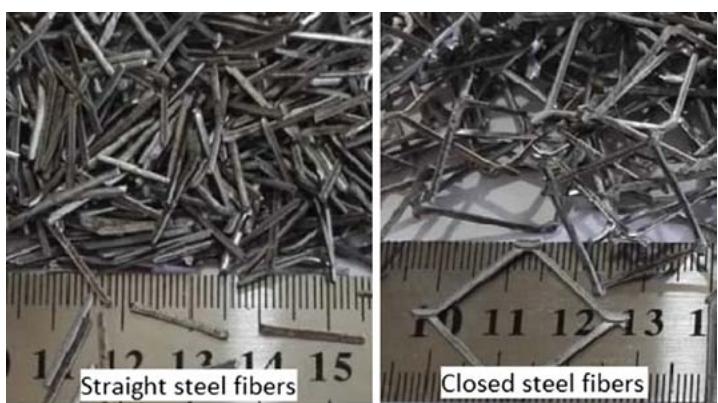 Figure 11: Steel Fiber Used that Cut Manually
Gumus & Arslan, 2019[20] investigated the effect of fiber on the flexural behavior of high RC beams with low reinforced ratio experimentally. Steel fiber is incorporated into the concrete at a different volume fraction of 0.33, 0.66, and
0.99%. Hooked ends steel fibers were used (30 mm length and 0.55 mm diameter). Twelve rectangular RC beams of 150mm width; 200 mm high and 1200 mm span were tested under the four-point loading test. The results showed that the yielding load has been increased when the steel fiber content increased and this improvement has been attributed to the better mechanical interlock between the fiber and concrete after the cracking stage. Figure 6 illustrated the mechanical interlock of SFRC.
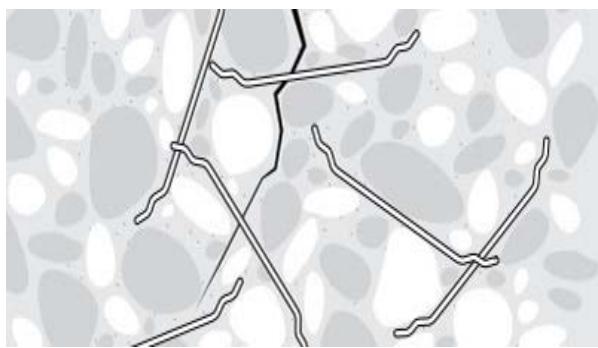 Figure 12: Mechanical Interlock of SFRC
Zhong et al., 2021[21] proposed a theoretical model to investigate the effect on flexural strength of replacement conventional steel reinforcement bars by steel fiber. The study had theoretical and laboratory methodologies. DRAMIX® 4D product of steel fiber was used in the study which has a total length of and a diameter of .
Three volume fractions of steel fiber were adopted of 0, 0.75, and 1.5%. The standard tests procedures have been applied to determine the mechanical properties of the concrete mix. The experimental results displayed that, as expected, the increase of steel fiber volumes observed a greater ductility behavior and toughness. In addition, the functions between fiber dosages and compressive strength of SFRC were inconsistent.
Otherwise, the ultimate strength improved proportionally to the steel fiber content. Where, for 0, 0.75 and 1.5% of steel fiber content the maximum loads recorded during the four-point loading test of specimens were 27.7, 49.9, and 65.2 kN respectively.
III. AGREEMENTS AND DISAGREEMENTS BETWEEN THE ABOVE PREVIOUS STUDIES
Some configurations crossed throughout the previous studies mentioned above. This section briefly reviews the similarities and differences between them, where:
-
The above previous studies agreed to have a general topic, which was using an amount of fiber to have an improvement in the mechanical properties of concrete.
-
Many previous studies unified by the parameters used, which were the fiber content (as either volume fraction or dosage) or the geometry of fiber and in some studies, the parameters included the concrete grade or w/c ratio.
-
All of the previous studies applying an experimental program to obtain the results.
-
Always, the previous study depended on the four-point load test to provide the experimentally results for obtaining the flexural behavior of FRC.
-
Many previous studies have dealt with the effect of adding fiber on the compressive and tensile strength of concrete by using steel fiber.
IV. COMMENT ON PREVIOUS STUDIES
The previous studies investigated the effect of added fiber on the mechanical properties of RC beams; thus, the collected results are as following:
-
Compressive Strength: Many studies agreed that no noticeable changes were revealed for the compressive strength of concrete as a result of adding steel fibers [4], [10], [12], [19], [21]. As well as, other studies concluded a slightly improving in the compressive strength of concrete less than 10% as compared with concrete with no fiber [3], [8], [16], [18]; expected of [1] about 15% and [16] about 10-25% depends on the parameters used. Whereas, some studies have proven that adding fiber more than 1% of the volume fraction led to reducing the compressive strength of concrete gradually due to balling effect [14], [15].
-
Toughness: A lot of previous research unified by the concept that using fiber with concrete mix improved the toughness of concrete matrix especially with high content and length of fiber attributed to making a better bridging technique inside the concrete at service state [1], [2], [7], [10], [21].
-
Splitting Tensile Strength: Although, the addition of steel fibers have a clear effect in improving the splitting tensile strength as compared to the traditional concrete whenever the content of fiber increased [10], [18]. Meaning, by using steel fiber this improvement ranged from 40-98% [1], [3], [19].
-
Flexural behavior: the flexural strength of FRC have been increase as the volume fraction of fiber increased due to the higher number of fiber in cross-section [5], [10], [12]–[14], [16], [19]. Where, it was possible to reach up about 140% [16].
-
Ductility: The increase of steel fiber dosages resulted in a greater ductility behavior[21].
-
Workability: At a fresh state, adding fiber at low levels provided better flowability with no bleeding or segregation. Meanwhile, the high fiber dosage observed a much lower value of slump. Thus, the workability decreased significantly due to more air content in the mixture by balling fiber [8].
-
Ultimate load: The concrete performance was responded to a positive effect of ultimate flexural load capacity by including fibers proportionally to the volume fraction [2], [18], [21].
V. THE BENEFIT OF PREVIOUS STUDIES
Undoubtedly, this study has been benefited from the previous studies in several aspects. Therefore, it can employ many previous efforts to reach an accurate definition of the scientific gap and thus be addressed it comprehensively, including:
-
Access to an exact formulation of the study title.
-
Determine the suitable technique for a future study.
-
Apply the suggestions and recommendations of the previous studies and use them to support a future study.
-
Checking an experimental result of a future study recorded to be nearly the expected.
-
Gaining a scientific background to knowledge the FRC performance.
-
Specify the parameters for the conducted study then select the adequate one.
-
Dependence the tests method of ASTM code that helps to select the dimensions of RC beams used in a future study.
VI. THE KNOWLEDGE GAPS
In the light of the brief review, it can be seen that:
-
The previous effort has mainly focused on some important parameters such as volume fraction and geometry of fiber and concrete grade.
-
In most of these studies, in addition, the common conclusion reached is that fiber can only enhance the tensile strength and has no, or tenuous, effect on the compressive strength of concrete.
This conclusion leads to an important question is that why fiber would be added to the parts of the structural member subjected to compressive stresses when it can be omitted in such parts, especially that implementing fiber is expensive, reduces the workability, and therefore, consumes more time and labor to produce concrete.
ACKNOWLEDGMENTS
The authors would like to acknowledge the contribution of Thi-Qar Oil Company (South of Iraq) for allowing the research team to perform the necessary search for this research.
Conflict of Interest
The authors declare no conflict of interest.
Ethical Approval
Not applicable
Data Availability
The datasets used in this study are openly available at [repository link] and the source code is available on GitHub at [GitHub link].
Funding
This work did not receive any external funding.
References
Cite this article
Related Research



Special Issue
Launch a focused special issue to highlight research, emerging trends, and expert insights in your academic field.
