



IntelliPaper
Abstract
In the early years of the People’s Republic of China, Polish films were among the first foreign films to be introduced and dubbed for Chinese audiences. Between 1949 and 1966, a total of 35 Polish films were screened in China, encompassing a variety of genres such as newsreels, feature films, and documentaries, with both black-and-white and color productions. To a certain extent, Polish films helped Chinese audiences "construct an imagination of 'socialist countries'". This article focuses on Polish films introduced to China during this period, describing their historical context, selection criteria, promotional and screening strategies, and their impact on Chinese cinema and audiences. Through this exploration, the paper aims to outline the trajectory of Polish film screenings in China while offering insights into the characteristics and themes of imported films during the formative years of Chinese film dubbing.
Explore Digital Article Text
I. INTRODUCTION
Poland was one of the first countries to establish diplomatic relations with New China. On October 5, 1949, Poland announced its recognition of the People's Republic of China, and two days later, the two countries established diplomatic relations at ambassadorial level. Over the years, China and Poland have built a strong and evolving partnership, upgrading from a friendly cooperative relationship in 2004 to a strategic partnership in 2011. In 2016, during a state visit to Poland, Chinese President Xi Jinping emphasized the deep and enduring friendship between the two nations. This bond was further strengthened in 2022 when Polish President Andrzej Duda attended the Beijing Winter Olympics, underscoring the ongoing commitment to fostering cooperation across education, culture, tourism, sports, and youth exchange.
Speaking of Polish films, which are well known by the world for its film directors such as Andrzej Wajda (1926–2016), Roman Polanski (1933–today), and Krzysztof Kieślowski (1941–1996), has transcended Europe, earning global recognition through masterpieces like Rekopis znaleziony w Saragossie/The Saragossa Manuscript (1965), Dekalog/The Decalogue (1989), and Trois couleurs/the Three Colors trilogy (1993-1994). Films such as The Pianist (2002) and Ida (2013) have achieved both artistic acclaim and commercial success, garnering accolades from the world's major film festivals and the Academy Awards. Looking back on the 75 years history of diplomatic ties between China and Poland, film has emerged as an early "ambassador of friendship" and a vital component of cultural exchange between the two nations.
Focusing on the period from 1949 to 1966, the history of Polish films screened in China highlights a dynamic cultural exchange. In 1950, four Polish newsreels made their debut on Chinese screens, marking the initial presence of Polish cinema in China. In 1952, the first Polish feature film with Mandarin dubbing was released. By 1964, when the import of Polish films temporarily ceased, a total of 35 Polish films, including both feature-length and short films, had been introduced to Chinese audiences.
II. THE HISTORICAL CONTEXT OF POLISH FILMS ENTERING CHINA: A COLLABORATION OF SOCIALIST NATIONS FOR PEACE AND DEMOCRACY
In the early 1950s, Sino-Polish relations experienced comprehensive development. On June 12, 1950, during a meeting with the first Polish Ambassador to China, Chairman Mao remarked1: "The deep friendship between the peoples of China and Poland has long existed. Now, both the governments and peoples of our countries are working toward the common goal of world peace. I believe that closer political, economic, and cultural cooperation between China and Poland will not only benefit our peoples but also strengthen and consolidate the global democratic and peace-loving forces." After establishing diplomatic ties, the two nations quickly initiated cooperation across multiple sectors. In February 1950, China and Poland signed a barter contract and protocol in Beijing, marking the first trade agreement between China and an Eastern European socialist state. By June 1951, Poland became the first country to establish a joint venture with China, even ahead of the Soviet Union. The creation of the Chinese-Polish Joint Stock Shipping Company, the first Sino-foreign joint venture and the first ocean shipping company in New China, played a historic role in breaking the imperialist blockade against China and fostering the nation's foreign trade development. These collaborations not only demonstrated the high level of political and economic trust between the two nations but also opened the door to deeper cultural exchanges and interactions.
The mutual support and close communication between China and Poland, as members of the socialist bloc, established a strong foundation of brotherhood between the two nations. High-level visits were frequent, leaders from both countries visited each other multiple times and received high-level receptions.
On April 3, 1951, China and Poland signed a Cultural Cooperation Agreement (hereafter referred to as "the Agreement"), which was the first cultural agreement between China and an Eastern European country. The Agreement aimed to facilitate cultural collaboration, exchange experiences in cultural development, and strengthen friendly relations between the two governments and peoples. It established direct connections and mutual support in fields such as culture, education, arts, and science, mandating the annual exchange of cultural delegations to negotiate and implement cultural cooperation plans. During the signing ceremony, Chinese Ambassador to Poland Peng Mingzhi and Poland's Foreign Minister emphasized that the Agreement symbolized the unification and strengthening of cultural forces within the global peace and democracy camp, providing both countries with new tools to counter the decadent cosmopolitan culture led by American imperialism.
Amid the geopolitical tensions of the U.S.-Soviet Cold War, socialist China, despite its victories in the anti-invasion and the Third National Revolutionary War, remained vigilant against imperialist interference and threats. The Chinese government prioritized safeguarding its cultural and ideological frontlines. Poland, sharing similar historical experiences, forged a brotherly bond with China, leading to increasingly robust cultural relations. These ties met the needs of China's domestic socialist cultural development and the global peace and democracy camp's resistance efforts. As Soviet representative Ilya Ehrenburg stated at the Second World Peace Congress in Warsaw in 1952, "No force can destroy the hands we firmly clasp together."8 It was just under this political background that Polish films entered the Chinese cultural landscape.
III. BALANCING THEMATIC CONTENT AND ARTISTIC MERIT: SELECTION AND SCREENING OF POLISH FILMS
Polish films briefly entered the Chinese audience's view as early as 1950. On July 22 of that year, to commemorate the sixth anniversary of the founding of the Polish People's Republic, four Polish newsreels—New Construction in Poland, New Pastures in Poland, Polish Farmers' Schools, and A Miner's Letter—screened as preludes to main features. These were the first Polish films publicly shown in China, screened in four cinemas across Beijing. These short films told stories of Polish workers and farmers rebuilding their capital, contributing ideas for socialist development, and growing into heroic individuals. These depictions resonated deeply with Chinese audiences, mirroring the enthusiasm of New China's laboring masses in nation-building. The screening evoked a strong sense of camaraderie and familiarity among viewers in Beijing's capital city. This event not only marked the debut of Polish films in China but also served as a prelude to the later introduction of Polish feature films, laying the groundwork for a deeper cultural connection between the two nations.
Following the implementation of the Sino-Polish Cultural Cooperation Agreement, the translation and screening of Polish films in China gained significant momentum, yielding fruitful results year by year.
In 1952, Chinese filmmakers translated six Polish feature films, including Ulica Graniczna/Border Street (1949) and Robinson warszawski/Unvanquished City (1950), along with the documentary Pokój zdobedzie swiat/Peace Will
Win (1951). Between 1953 and 1964, an additional 30 Polish films were translated and screened in China. These included various genres such as dramas, documentaries, and biographical films, reflecting a transition from black-and-white to color productions. The imported Polish films can be categorized into three thematic groups:
Historical Struggles and Heroism: These films commemorated the Polish people's resistance to oppression and celebrated their indomitable national spirit. Representative works include Ostatni etap/The Last Stage (1948), Robinson warszawski, and Zamach/Answer to Violence (1959).
Post-War Reconstruction and Progress: Highlighting the efforts of Polish laborers in rebuilding their country and their ideological growth, films like Pierwsze dni/First Days (1952), Rebuilding Warsaw (1952), and Przygoda Na Mariensztacie/Adventure in Marienstadt (1954), captured the new image of post-war Poland.
Youth and Revolutionary Ideals: These narratives followed young individuals shaped by war who, under party leadership, overcame doubts to establish revolutionary convictions. Examples include Pokolenie/A Generation (1955), Czarci zleb/Devil's Ravine (1950), and Poerwszy start/First Start (1951).
These films not only showed the diversity of Polish cinema but also resonated with Chinese audiences, fostering cultural affinity and mutual understanding between the two nations.
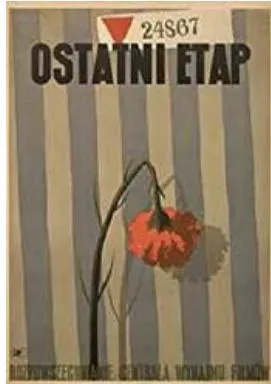
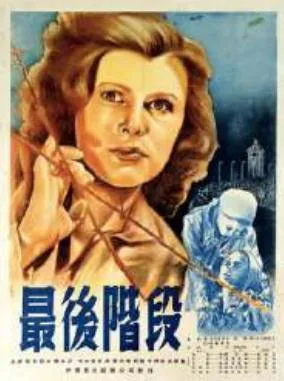
The Polish films selected for screening in China showcased remarkable artistic achievements. Among them, Ostatni etap/The Last Stage (1948), directed by Wanda Jakubowska (1907–1998) and introduced to China in 1954, stands out. This film was the first feature film made in post-war Poland. Based on Jakubowska's personal experiences in the Auschwitz concentration camp, it is one of the earliest films to document the Holocaust. Upon its debut, it gained international attention and won the Best Film award at the first Karlovy Vary International
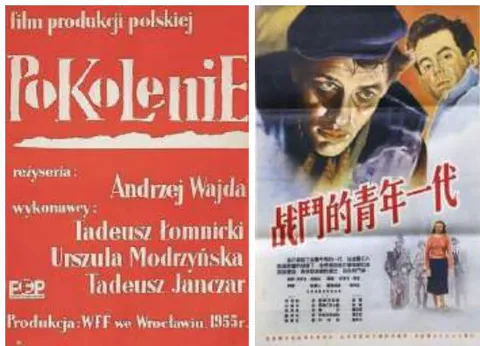
Film Festival, as well as a nomination for Best Film at the 1950 British Academy Film Awards. In 1956, Pokolenie/A Generation, directed by the renowned filmmaker Andrzej Wajda, was introduced to China. Produced by the Polish National Film Studio and dubbed by the Changchun Film Studio in 1956, it was the first film in Wajda's War Trilogy and is considered a beginning work in the internationally celebrated "Polish School" of cinema. Although this was Wajda's directorial debut, it already demonstrated his concern with Poland's national history and social issues. In 2000, Wajda was awarded the Academy Honorary Award, and as American director Steven Spielberg aptly put it, "Wajda belongs to Poland, but his films belong to the world's cultural heritage."
In 1954, Chinese writer Mao Dun shared the results of China's cultural exchange efforts at the World Peace Council's special meeting in Berlin, stating that "Soviet films and films from people's democratic countries have become a daily spiritual nourishment for Chinese audiences."12 Polish cinema was an important part of this cultural exchange. From July 22 to 28, 1954, the Polish Film Week was held in twenty cities across China, achieving remarkable success. In Beijing the capital alone, over 57,000 audiences watched the film within the first five days. Across the country, more than a thousand screenings were held, with the total audience surpassing one million.
The introduction of Polish films in China extended beyond cinema screenings, reaching audiences through a variety of high-profile events and exhibitions supported by the central government, including film receptions, the Polish Economic Exhibition, poster and book illustration exhibitions, film photography exhibitions, and themed film weeks such as the 20th Anniversary of the Victory Over German Fascism Film Week and the People's Democratic Countries Film Week. At film-related exhibitions, visual materials such as statistical charts on Poland's film industry, Polish publications like the monthly Film Technology and the weekly Film, as well as books on film directing, cinematography, and screening, vividly showcased post-war Poland's achievements in rebuilding its national film industry and revitalizing urban and rural cinemas. These diverse and large-scale events not only highlighted the artistic and technical strengths of Polish cinema but also reinforced the growing cultural cooperation between China and Poland, marking a deepening of their bilateral relations.
IV. THE INFLUENCE OF POLISH CINEMA ON CHINESE FILMMAKING AND AUDIENCES: A SOCIALIST REALIST CULTURAL MODEL SERVING WORKERS AND PEASANTS
"Sino-Polish film exchanges have deep historical roots. Many classic Polish films from the 1950s and 1960s profoundly influenced Chinese filmmakers," recalled Jiang Ping, Vice Chairman of China Film Co., Ltd. The key to this mutual resonance lies in the shared artistic principles of socialist realism upheld by both China and Poland. These principles include Marxist Worldview as an Ideological Guide, Proletarian Standpoint in Service of the Revolution and Socialist Cause, Affirmation of Socialist Reality and Heroic Representation. This ideological foundation was a prerequisite for Polish films to enter China, ensuring they aligned with the political expectations of the time. In practice, these films not only met the political requirements of Chinese cultural policy but also provided artistic inspiration for domestic filmmakers, reinforcing socialist themes and storytelling techniques in Chinese cinema.
Firstly, Polish cinema closely aligned film production with political ideology, integrating class struggle and the conflict between the old and new social orders into its narratives, thereby adhering to Marxist aesthetic principles.
The first Polish feature film dubbed into Chinese, Ulica Graniczna/Border Street, premiered on July 22, 1952, coinciding with the eighth anniversary of the Polish People's Republic. The film portrayed the heroic resistance of Polish children, youth, and elderly citizens against Nazi forces, vividly depicting the solidarity between the Polish and Jewish peoples. Its harrowing scenes of war—homes reduced to rubble, loved ones lost to violence, and countrymen united in defiance—resonated deeply with Chinese audiences, who still carried the scars of their own wartime experiences. the People's Daily published articles reflecting this emotional connection, stating, "Border Street deepens the Chinese audience's understanding of the shameful face and bloody crimes of German fascism, strengthening our hatred for imperialism and our determination to defend peace." The film's well-crafted dialogue, rich in ideological depth, underscored the progressive character of the working class. Its historical, ideological, and aesthetic perspectives closely mirrored the dominant values in contemporary Chinese society. Subsequent Polish films introduced to China consistently embodied Poland's unwavering commitment to the struggle for peace. For Chinese audiences actively engaged in socialist construction, these films not only reinforced shared revolutionary ideals but also inspired confidence and enthusiasm among workers and peasants in advancing the communist cause.
Additionally, Polish filmmakers actively collaborated with China in technical exchanges and cultural development, offering valuable experience in promoting folk arts and fostering socialist and patriotic values through cinema.
During Poland's Six-Year National Economic Plan (1950–1955), cinema was emphasized as a key cultural tool to improve workers' quality of life. The plan expanded access to theaters, mobile projection teams, and national film production while promoting screenings in industrial cities and rural areas. As a socialist industrial leader, Poland's model provided valuable insights for China's film development strategy. In 1954, following a visit to Poland, Yang Hansheng, head of the Chinese cultural delegation, urged China to "learn from Poland." At the same year, Shen Yanbing, the then Minister of Culture of the Central People's Government, affirmed that film is a key component of cultural development. Cinemas should first serve workers' residential areas, while mobile projection teams should primarily operate in factories, mines, construction sites, and rural areas, which all demonstrated China's recognition of Poland's film industry as a reference for its own socialist transition.
Poland provided essential technical support for China's film industry, supplying generators, film processing machines, and other equipment during the First Five-Year Plan (1953–1957) and beyond. In early 1957, China collaborates with filmmakers from Poland and other people's democratic countries to produce the color documentary film , which explored the global significance of the October Revolution and the post-war achievements of socialist states in industry, agriculture, science, and culture. By the end of the year, both nations joined the International Union of Cinema
Technology Organizations, facilitating greater collaboration among scientific and technical personnel in the film sector.
By the late 1950s, political unrest erupted across Eastern Europe, weakening the solidarity of the socialist bloc. Events such as the Poznań protests and the October Crisis in Poland strained Poland's relations with the Soviet Union and created an atmosphere of instability that was also felt in China. As Sino-Soviet relations deteriorated, Sino-Polish ties also cooled, leading to a gradual suspension of high-level exchanges. Although China continued to import Polish films after 1957, both the quantity and pace of imports slowed. By 1964, when Polish film imports to China were temporarily halted, only 14 films had been translated and screened, compared to 21 films in the previous phase—a reduction of one-third. Despite these changes, Poland maintained its opposition to the "Two Chinas" policy and supported the restoration of China's legal seat at the United Nations, while China backed Poland's sovereignty claims, including its position on the Oder-Neisse border. These shared political stances underscored the enduring fraternal ties between the two nations.
V. CONCLUSION
More than half a century ago, Polish cinema, as part of the socialist cultural sphere, introduced Chinese audiences to its distinctive narrative style and profound social themes. These films provided both aesthetic enjoyment and ideological reflection, helping Chinese people "construct an imagination of socialist countries." Through the translation and screening of Polish films, Chinese audiences gained a multifaceted understanding of the Polish nation, experienced the artistic richness, and found inspiration for the innovation of Chinese cinema. This cinematic exchange not only built a bridge for cultural communication but also served as an emotional and intellectual bond between the two peoples.
In recent years, Sino-Polish film exchanges have become more institutionalized and dynamic. In
2018, the China Modern Film Week was launched at the Warsaw Cultural Cinema, the largest Chinese film screening event in Poland in recent years. Ten films showcased China's cinematic and societal transformation over 40 years of reform and opening-up, offering Polish audiences a glimpse into China's progress in film production and cultural development. In 2020, the Polish Film Festival opened at the China National Film Museum, featuring six films such as Ostatnia rodzina/The Last Family (2016) and Planeta singli/Planet Single (2016), which embodied both traditional Polish aesthetics and modern cinematic elements, providing Chinese viewers with insights into Poland's history, traditions, and contemporary society. In 2023, the China Film Festival debuted in Poland, with screenings in Warsaw and Gdynia, featuring recent Chinese productions like The Wandering Earth 2 (2023) and The Cord of Life (2022). Many screenings were fully booked, reflecting the growing interest in Chinese cinema among Polish audiences.
Looking back, it is evident that film, as a cultural medium, extends far beyond artistic expression. Since the period examined in this study, Polish film in China has transcended language, borders, and time, fostering a mutual exploration of national identity and historical change. Over the decades, this cinematic connection has played a vital role in strengthening Sino-Polish cultural cooperation and fostering deeper people-to-people ties. Like an enduring echo in the flow of history, film has served as a cultural signpost, guiding bilateral exchanges. Expanding collaboration in cinematic arts remains a shared aspiration of both nations, and with the Belt and Road Initiative providing new opportunities for cultural connectivity, this vision is poised to become a reality in the near future.
ACKNOWLEDGEMENTS
We acknowledge the support received from The National Social Science Fund of China (Grant No. 20&ZD313).
Footnotes
July 1896 – 27 March 1981), was a Chinese novelist, essayist, journalist, playwright, literary and cultural critic. From 1949 to 1965, Mao served as the first Minister of Culture in the People's Republic of China. (p.5) ↩
Conflict of Interest
The authors declare no conflict of interest.
Ethical Approval
Not applicable
Data Availability
The datasets used in this study are openly available at [repository link] and the source code is available on GitHub at [GitHub link].
Funding
This work did not receive any external funding.
Cite this article
Related Research

Special Issue
Launch a focused special issue to highlight research, emerging trends, and expert insights in your academic field.