




IntelliPaper
Abstract
Latin-American has a great biodiversity, probably the richer in the planet: Brazil, Colombia and Mexico are the three nations that involves the greatest area of green forest. The South American countries include the Amazonas river that is an extraordinary ecosystem plethoric of life. Mexico has four of the five macroclimates, it includes as hot as the habitat of desert to the rainy jungles or cloudy forests; in addition, this region has an important agriculture tradition that comes from pre-Columbian times. Unfortunately, a bad territorial planification are the reason that the cities and bad agricultural practices have devastated natural ecosystems, causing a desertification of the territory. The people and lot of civil organizations have done multiple efforts to impulse permaculture practices in many Latin-American countries in hope of better perspectives to society and to the planet as a whole.
Explore Digital Article Text
I. INTRODUCTION
The great demographic explosion and the actual economic practices have impulse an urban development never seen before, with uncontrolled growth. An urban development never seen before has been driven by uncontrolled growth by the great demographic explosion and the actual economic practices. The expectation that 80% percent of the global population will be concentrated in the cities is terrifying if we consider the environmental and social repercussions.
For the planet, it symbolizes incisive damage linked with all the pressure that represents supplying the demand of millions of inhabitants located in a specific area, which does not produce the requirements and does not absorb waste either.
According to the FAO, the Food and Agriculture Organization of the United Nations (2018), 70-80% per cent of the food on the planet is produced by family farms distributed around the world, which mainly cultivate cereals: rice, corn, wheat. This small agriculture is closely linked to family farming since it is considered that production units generally have a family character. In this sense, small agriculture or family farming considers agricultural producers, livestock farmers, foresters, and artisanal fishermen with limited resources who depend on limited access to resources, federal credits or financial support. Argentina, Brazil, Chile and México, among other countries in Central and South America, used to practice familiar agriculture, and this was an ancient practice before the arrival of the Europeans in the XVI century.
Unfortunately, and despite its natural and cultural riches, Latin America has social problems associated with poverty and this worsened during the pandemic caused by COVID-19. According to international studies, this region produced 29% of the deaths in the world from Sars-Cov2, its economy worsened increasing extreme poverty, and this had repercussions in food insufficiency throughout the territory. Paradoxically, its exports of agricultural products grew during 2020 and 2021 as pointed out in a study coordinated by Arias (2022) for the Cepal and Fao.
According to The United Nations through the Economic Commission for Latin-American (Cepal), "more than 180 million people in the region do not have sufficient money to cover their basic needs and, among them, 70 million do not have enough to purchase a basic food basket, warns the Commission in its report Social Panorama of Latin America and the Caribbean 2023" On the other hand, Latin America is characterized not only by a very accentuated social difference, which entails public health problems derived from hunger and in many cases starvation despite being countries of great natural richness. Although efforts have been made to combat food insecurity, Caribbean countries like Haiti still have significant numbers and these are decreasing towards Central and South America. The total numbers indicate that women are the most affected by gender differences, in children, it is reflected in poor school performance. In contrast, there is also a problem of childhood overweight that has increased alarmingly in recent years, Mexico leads the list.
It is well known that there are multiple health repercussions caused by malnutrition ranging from growth retardation and physiological problems to effects on cognitive behavioral development or even mental retardation. On the contrary, being overweight could detonate hypertension, diabetes, and liver problems, with all the secondary consequences that these diseases trigger, in addition to low self-esteem problems, and in any case, that has a notable impact on the public.
Latin American and Caribbean countries have been characterized, in terms of public health, by measured spending. Its budget represents a percentage of Gross Domestic Product, which is lower compared to other nations in the world, and this repercuss on chronic degenerative diseases. But perhaps the children's population reports the most painful figures because they are the ones who suffer the most from this situation reflected in the highest mortality rate associated with deficiencies in the health system and poor nutrition, according to a study elaborated by Ayala et al. (2023).
Another important problem that characterizes this region is pollution and environmental degradation, which impacts the ecosystems and the quality of life in cities. Tropical America has grown as quickly as the rest of the world, but with the great inconvenience of obeying an urban development which doesn't integrate nature into large cities and that has triggered a significant environmental impact, which not only causes the loss of biodiversity but also causes the death of more than one inhabitant due to landslides and/or hurricanes.
Latin America is the region with the most urban growth among emerging economy countries. According to the calculation of the BID, Inter-American Development Bank (2024), almost 70% of its population lives between medium-sized cities or megalopolitan areas. The explosive growth of Latin American cities usually goes hand in hand with a lack of planning and environmental care, and this has produced a heterogeneous landscape saturated by housing density whose image is characterized according to its social origin, poor quality air, pollution of water bodies, loss of soil fertility and giant production of garbage without good management of it, and certainly, elimination of agriculture which implies that huge quantities of all types of food must be carried to large cities from a far distance.
It is assumed that moving any merchandise implies environmental wear due to the energy involved in transportation, but in the case of meat, fruits and vegetables, this means that there will also be extra wear and tear due to all the litres of water and agrochemicals that are used to feed legions of people.
But the extensive metropolitan areas are not only due to the problems represented by the food supply, the damage to nature is very significant to the planet. The afflictions on their population are also important, and few know it, they are associated with the disorderly growth of a few cities in which a gigantic population is concentrated in a saturated territory, and the infrastructure and urban services are deficient.
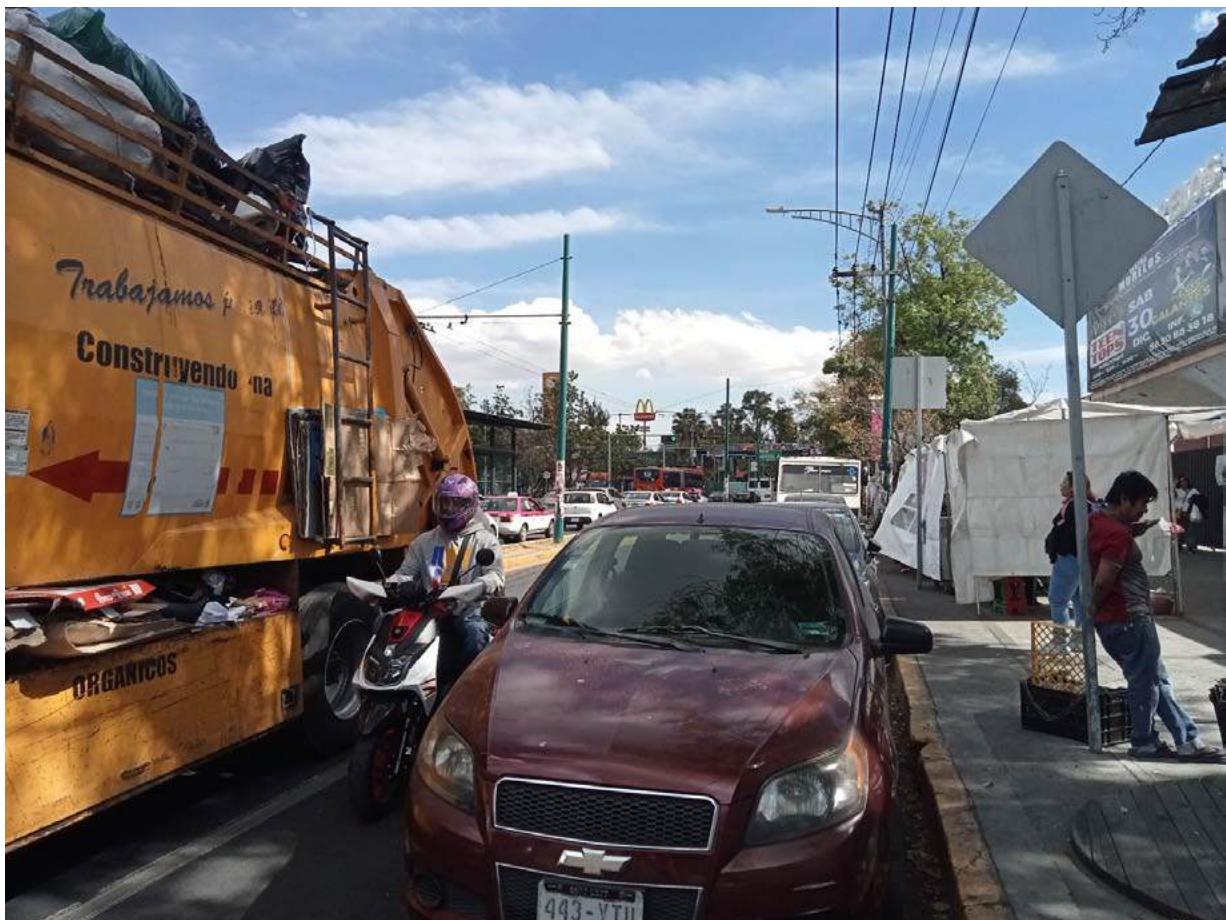
 Image 1: Mobility is a great problem in all Latin American metropolises; this is a typical scene in the north of Mexico City. Picture of Daniel Rodríguez Luevano, 2024
Large cities are known for the great pollution they generate to water, air and soil, which affects not only their immediate context but also to urban and regional and even to very distant territories, as is the case of distant water bodies either in surface and underground; and the same happens to the soil and subsoil.
Perhaps one of the most stressful aspects of Latin American cities is the crowds and the problems of moving around large cities, which affect those who have a car as well as those who travel by public transportation, but, undoubtedly, the latter are the ones who suffer the longest and most discomfort from the size of the cities.
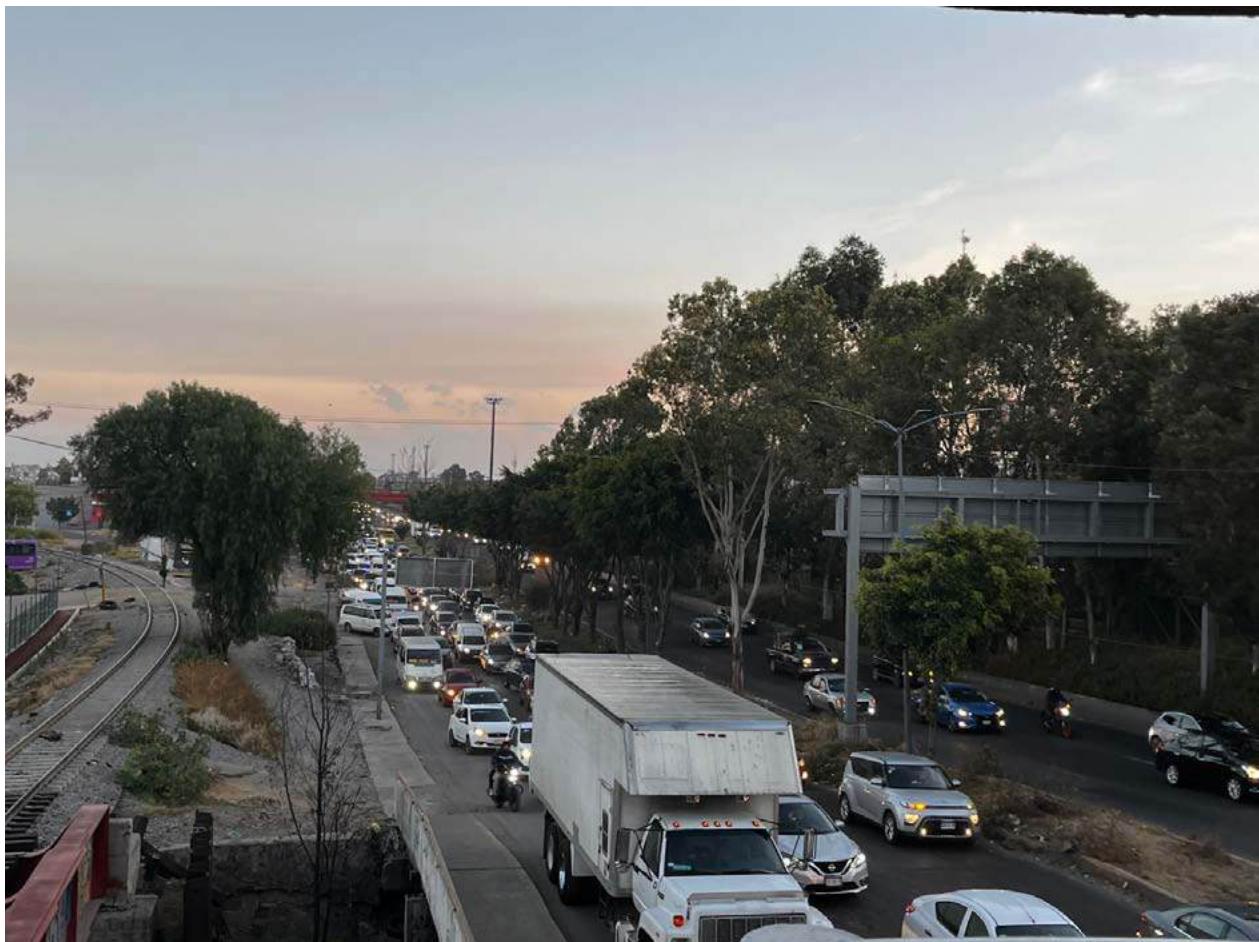 Image 2: In the megalopolitan area of the Valley of Mexico, some people can spend up to three hours in a vehicle to arrive at work, and this impacts their health. Picture of Daniel Luevano, 2024 For more than 20 years, studies have been started on the psychosocial effects of the above, which have been able to determine how the Mental Health of the population is seen affected by increased stress related to the difficulties in accessing to satisfy their minimum needs for work, education, health, housing, recreation.
There is a Chilean study developed by Rozas (2002) that indicates the problem of mobility stresses the entire population as well as that of crime, drug addiction and urban violence, without a doubt, this generates multiple physiological problems. It must be added that the poor sectors live in an impoverished environment, in communities without enough budget, with a deficit of educational, health, and green areas, and that traveling to work involves great physical wear and tear due to the long hours of travel. since their jobs are far from their home; and this is a general situation throughout Latin America.
But the problem of mobility, travelling long distances during tortuous times and urban agglomeration are not the only elements that imply stress in its inhabitants, the context itself also affects a population that suffers from mental health problems, which has become a complex problem today.
According to Ortega et al. (2024), "the stress is defined like the response given by an organism, characterized by the physiological activation and cognitive that prepares for intense activity response as a result for the exposure to the exposition to environmental events, in major unfavourable to the organism. Its long exposure may deteriorate physical and psychological resources of the individual." In recent years, urban stress is linked to mental illness and criminal behaviour and impoverishment of social relationships.
Mental health becomes a more complex issue every day. Since the beginning of the 21st century alarms have been raised worldwide due to the global impact in terms of stress, anxiety or depression, a situation that worsened after the Sars-Cov2 pandemic,
II. DEVELOPMENT
One of the current topics in the 21st century is mental health, which in general terms is understood as a state of well-being that allows one to lead a life of balance in social and productive terms and has physiological repercussions on the entire organism and that has an impact on daily life as an attitude towards life and the context.
In recent years this topic has gained relevance since mental disorders have grown in number in the entire world. A mental disorder is characterized by a clinically significant impairment of an individual's cognition, emotion regulation, or behavior. It is generally associated with distress or functional disability in other important areas. There are many different types of mental disorders.
According to the World Health Organization (2024), these are important data:
-
One in eight people in the world suffers from a mental disorder
-
Mental disorders involve considerable alterations in thinking, emotion regulation or behavior.
-
There are many different types of mental disorders
-
There are effective prevention and treatment options
-
Most people lack access to effective care
The Pan American Health Organization (OPS), a department of the World Health Organization associated with America, incorporates this information:
-
Mental health disorders increase the risk of other diseases and contribute to unintentional and intentional injuries.
-
Depression continues to occupy the leading position among mental disorders and is twice as common in women than men. Between 10 and 15% of women in industrialized countries and between 20 and 40% of women in developing countries suffer from depression during pregnancy or the postpartum period.
Mental and neurological disorders in older adults, such as Alzheimer's disease, other dementias, and depression, contribute significantly to the burden of non-communicable diseases. In Latin America, the prevalence of dementia in old people ranges between 6.46. and 8.46. Protections indicate that the number of people with the disorder will double every 20 years.
- The public spending on mental health across the region is just 2% of the health budget and more than 60% of the money goes to psychiatric hospitals.
Regardless of the previous information in the world, there exists a great problem related to mental health. According to the WHO (2022), almost one billion people around the world have a diagnosable mental disorder, 82% of these persons are in Latin America and the Caribbean. In a summarised work of Meylan et al. (2023), "estimated 280 million people living with depression, and 300 million people living with anxiety, and as of 2021, more than 700,000 deaths each year could be attributed to suicide. COVID-19 only increased these impacts, with the WHO estimating that the pandemic increased the prevalence of anxiety and depression by 25% worldwide during its first year. This global burden is made worse by the knowledge that effective treatments exist but are often not available to those who need them. In low-income countries, as much as 75% of people who have a mental disorder do not receive treatment, and in some counties, the treatment gap for people with severe mental health conditions, such as schizophrenia and bipolar disorder, reaches as high as 90%. Together, mental health conditions levy an enormous cost in terms of poor health and reduced productivity, projected to reach as high as $6 trillion annually by 2030 globally—more than the costs of cancer, diabetes, and chronic respiratory diseases combined".
Mental health imposes great costs not only in the economy but also in social terms since u disorders have a significant impact on the relatives of the sick: work problems, unforeseen behaviours and the medications that these types of diseases require can represent a significant burden on families, and even more so on those with few resources that characterise Latin American societies.
For some years now, most mental illnesses have been treated with medication. Pharmaceutical advances in neuropsychiatry have been so feasible that they have even allowed psychiatric hospitals to be less assisted. Schizophrenic, psychogeriatric, neurodivergent or depressed patients, among others, control their conditions thanks to contemporary medications; however, they imply effects on the body and nature.
It is known that medications can have a negative impact on the body, which is why it is important to always follow a medical prescription and provide clinical follow-ups; in the case of patients with mental illnesses, it is even more important because the doses must be adjusted to maintain both their emotional and behavioral balance. For this type of patient, it is essential, and its administration has allowed them to reintegrate into society and live a harmonious life among other people.
However, this type of medication manages to control prolonged hallucinations or distress, thanks to the "magic" of chemistry, which also has repercussions for other living beings.
Since 1950, when chlorpromazine (a medication to treat the symptoms of schizophrenia) was developed, the history of mental illnesses has changed while incorporating profound contamination of water bodies.
The manufacturing of any medicine produces a significant impact on the planet; any factory does it, and in the case of those that produce medicines, they are no exception. But its impact goes beyond productive processes since a significant part of the intake of medicines goes in the wastewater directly into bodies of water, and unfortunately, there is no water treatment plant that can process them, so there are antibiotics, analgesics, anxiolytics and antidepressants (which all day's consumption increases) in almost all marine bodies, and this has a direct impact on aquatic fauna.
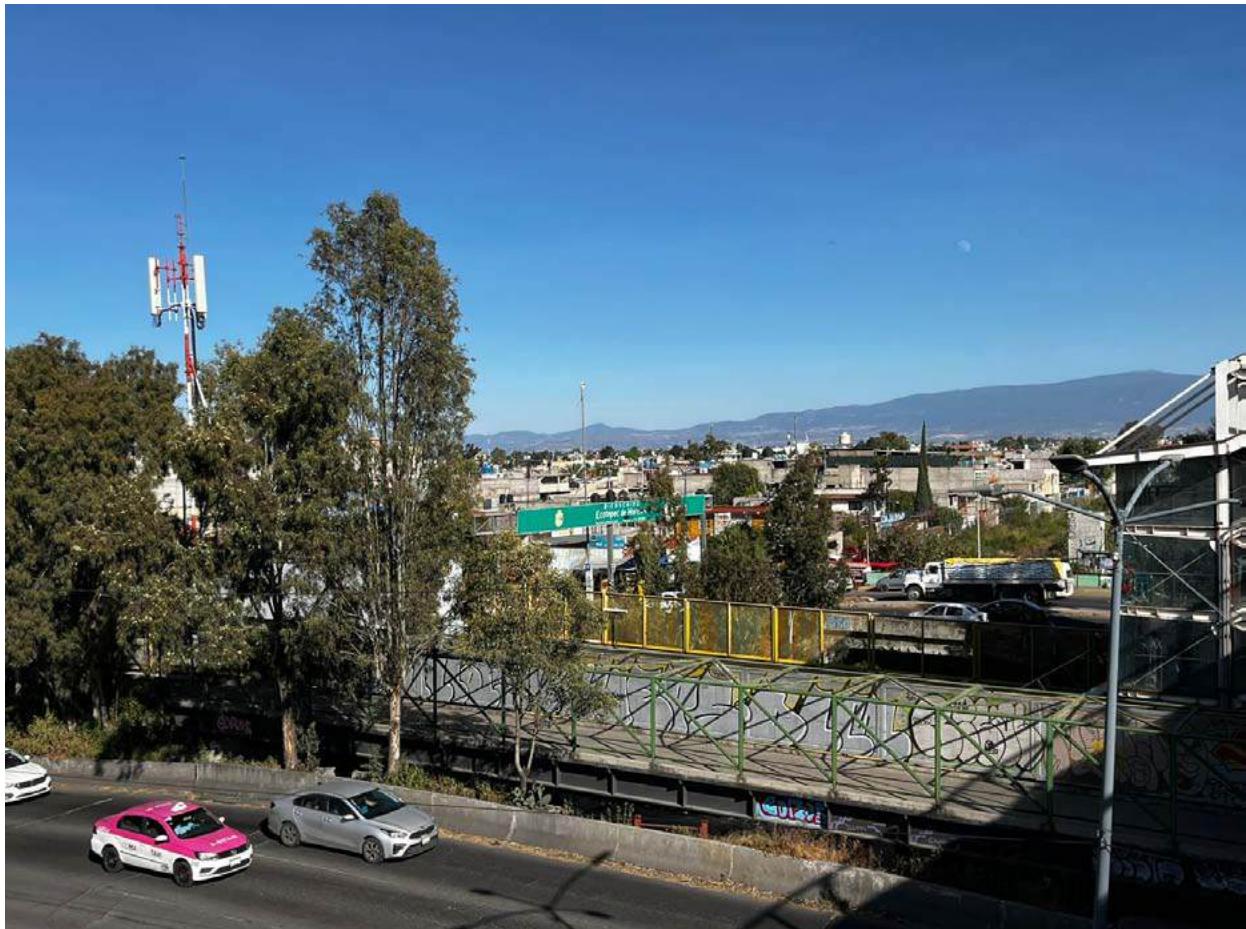 Image 3: The eastern area of the Valley of Mexico requires a greater and better green area, which integrates urban horticulture for public health. Scene of Chalco, picture of Sergio Hugo Pablo N., 2024
According to the researcher Argaluza (2021), as drugs are designed to produce pharmacological effects at low concentrations, they can produce ecotoxicological effects on microorganisms, flora and fauna, even on human health. It has also been observed that certain antidepressants and antipsychotics can bioaccumulate along the food chain. Drug pollution is a complicated and diffuse problem characterized by scientific uncertainties, many stakeholders with different values and interests, and enormous complexity. Possible solutions consist in acting at source, using medicines more rationally, eco-prescribing or prescribing greener drugs, designing pharmaceuticals that are more readily biodegraded, educating both health professionals and citizens, and improving coordination and collaboration between environmental and healthcare sciences. Besides, end of pipe measures like improving or developing new purification systems (biological, physical, chemical, combination) that eliminate these residues efficiently and at a sustainable cost should be a priority. Here, we describe and discuss the main aspects of drug pollution, highlighting the specific issues of psychiatric drugs.
The previous effects had been accumulating for decades since the number of patients with mental disorders has increased significantly in the last 20 years, but the biggest trigger for this situation was the pandemic caused by Sars_CoV2, which also impacted mental health indices due to all the stress that was experienced for months which resulted in a greater consumption of medications to control stress, anxiety or depression and this has been reflected in the levels of contamination of bodies of water, and in some circumstances, even affecting the food chain, which in turn results, ironically, in endocrinological problems for humans, as described by the Hernández team (2023) in their research.
Several scientists from around the world, concerned about this alarming situation, have made an international call to reduce the consumption of psychiatric medications, regulate its consumption, support psychological clinical therapies and appeal to the use of alternative therapies such as exercise, meditation and contact with nature in restorative gardens and horticulture, as support methods for medication.
Traditional remedies and the approach to nature are resources that have been used for thousands of years, and being in contact with animals, plants, and the sky has a therapeutic effect for most people, this is known as biophilia, which is a phenomenon described by biologist Edward O. Wilson (1984) as an innate need to be in contact with natural environment. Wilson was dedicated to entomology, and in his many camps around the world, he was able to observe that the vast majority feel a need to return to the origin of the hominids, which means being immersed among plants and animals.
There is another group of theorists in the field of environmental psychology who were able to determine, after a stay in an agricultural community in the United States of North America, that contact with nature generates a feeling of fascination that allows one to get away from everyday life by experiencing a refreshing feeling, as long as there are security conditions that provide the user with an experience in a socially recognisable environment. This work was called Restorative Environments Theory and was developed by Rachel and Stephen Kaplan in the late 1970s; it has been so successful that it promoted a fruitful line of research.
In 1989, Kaplan published The Restorative Environment: Nature and Human Experience, in which he describes how the experience of living among plants and animals, the sensation of fresh air and contact with the sky for a few minutes, allows you to reduce mental fatigue and moves a positive mood and this was defined a deeply "restorative experience". These benefits were attributed to the feeling they generate of being absent from the daily routine and escaping into "adventure", the fascination nature generates through a feeling of compatibility with it.
Thirty-five years later, this research has yielded generous fruits in salutogenic terms, which is the culture related to health. In various countries, it has been shown how being in contact with nature generates multiple health benefits by losing stress and improving mood, which researcher Roger Ulrich later called "Loss of psychophysiological stress" in his publication View through. Window may influence recovery from surgery (1984), after a medical protocol carried out for 14 years in a hospital surrounded by gardens in which patients recovered sooner and required less medication just by seeing nature from their window.
All of the above has led to multiple international medical investigations and results, which corroborate surrounding yourself with nature improves health, and many of these investigations are due to the immunologist Qin Li, who for 9 years dedicated himself to research in different parts of Japan using medical evidence, how walks in the forest can favourably affect blood pressure, glucose, heart rate, blood pressure and even inhibit NK (not killer) cells associated with cancer, generally strengthening the immune system. This medical experience was compiled in a book called "The power of the Shinrin-yoku forest. How to find happiness and health through trees", in addition to giving conferences in different parts of the world to motivate alternative medicine through plants.
All the above has developed a trend that has influenced architecture and urban planning and is called biophilic design which has been successful due to the good results that users experience in their different areas, which are reflected in a better and more productive work environment, better school performance or the case of the hospitals mentioned above. and these effects have radiated towards the biophilic cities, which have greened and adopted bodies of water; which not only improves the mood and health of its inhabitants; It also has a beneficial impact on them by reducing pollution rates, increasing environmental humidity and attenuating "heat islands."
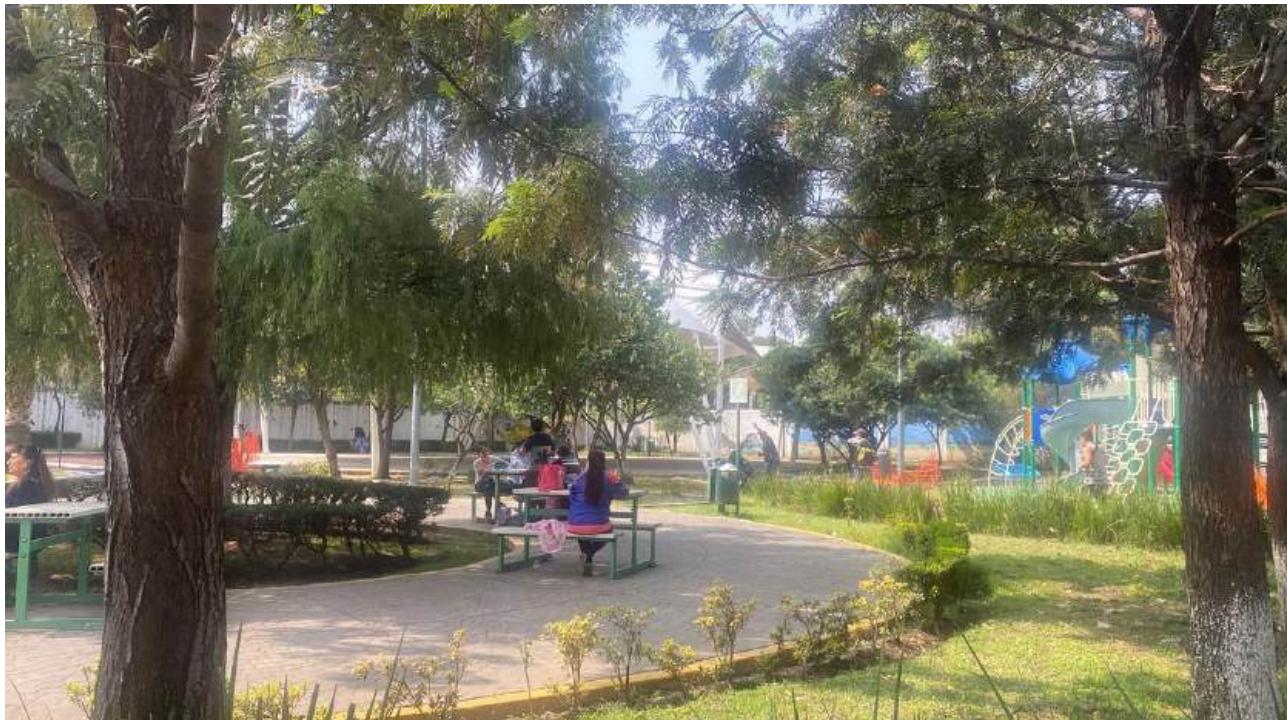 Image 4: Public parks are a great resource for public health and the ecological balance between nature and cities. Caneguin Park, in the north of Mexico City. Picture and design of the author. 2024
The new trend in sustainable urban design includes the increase in biodiversity, the abundance of green areas, ecological corridors resolved with green walls and roofs, and permaculture. The last one is a new strategy to introduce agriculture developed with an ancient technique using the traditional production modes, especially in terms of fertilisation and fumigation, the idea was defined in the early 70s in Oceania and was thought to establish an equilibrium between the population of the cities and the rural territories. This represents an important tendency adopted by a great number of countries, particularly the regions with a strong economy which planned the cities for sustainable development.
The idea of establishing urban agriculture is a great topic for recovering nature in the cities its repercussions grow each day in some parts of the planet with spectacular social results. Singapore, Manhattan or Paris are cities that include horticulture in spaces like roofs, sidewalks or urban corners. Besides, urban transportation is expanding their example because they enjoy practising community production, taking care of vegetables or fruits; in addition, they experiment the relaxation of being in contact with a little part of nature with the satisfaction of cultivated food in a restorative environment.
 Image 5: A pumpkin collected in a familiar garden last summer south of Mexico City, the smiles say it all. Picture of David Mendoza, 2024 In addition, being in contact with nature helps you enjoy terpenes, which are aromatic and volatile organic compounds that are present in a wide variety of plants and that make it easier to eliminate stress by being in contact with aromas such as pine, dill, basil or the one with so many flowers. Also, according to the equipment of Holbrook (2023), cultivated fruits and vegetables promote contact with a Mycobacterium vaccae a bacterium not pathogenic immersed in the soils that are linked with human health benefits like anti-depressive since it stimulates the production of serotonin, one of the hormones of happiness.
It is important to remember the experience of producing food is a good sensation that was experimented on, maybe, for millennials in the history of humanity, and reintegrating it to the quotidian life is a wonderful motif to be happy: being in contact with the sun, plants and sky; working together with relatives or friends making social cohesion; producing fruits or vegetables, making contact with the soil and depositing negative electricity; in a lot of cases could mitigate the hunger, especially in the marginal districts of poor cities.
All of the anterior reasons are very good motives to promote urban horticulture, but on the other hand, this practice produces better spaces for the diminution of heat islands, the increment of humidity, the production of clean air and the facility to eat fresh foods probably produced in the same neighbourhood with the hand of friends making horti-therapy for the planet and human beings and a good diet on cities if the population cultivate fruits and vegetable in the splendid weather of tropical countries.
III. CONCLUSIONS
Latin America has an enormous mega biodiversity that represents an important balance for the whole world, because it is the great biochemistry filter which defines the stability of nature in the planet.
Unfortunately, the region suffers an important environmental degradation associated with socioeconomic and cultural conditions that impact the biotic components, the social inequity and problems like hunger and mental health that are a great contradiction between natural resources and well-being.
People starving in a traditional agricultural society is absurd, and they need other kinds of ways of production that protect the extraordinary biodiversity of the tropics and establish ways to balance the accentuated social differences, thinking about the future of the planet. For the goodness of all persons.
A change in the geopolitics of this territory that reduces the social and environmental impact is needed, to establish a governmental project for the regeneration of nature on the regional scale and in urban planning, with the idea of promoting the importance of green area systems that include horticulture to mitigate the alimentary insufficiency, reduce the urban heat islands and promotes mental health: and could balance the contradictions between wellbeing, the cities pressures and the planetary ecosystems.
Finally, my gratitude to Lourdes Domínguez who help me with the translation.
Conflict of Interest
The authors declare no conflict of interest.
Ethical Approval
Not applicable
Data Availability
The datasets used in this study are openly available at [repository link] and the source code is available on GitHub at [GitHub link].
Funding
This work did not receive any external funding.
References
Cite this article
Related Research



Special Issue
Launch a focused special issue to highlight research, emerging trends, and expert insights in your academic field.
